
Review · BHAKTAPUR TOURS
From Kathmandu: 3-Day Chisapani-Nagarkot Trek & Bhaktapur
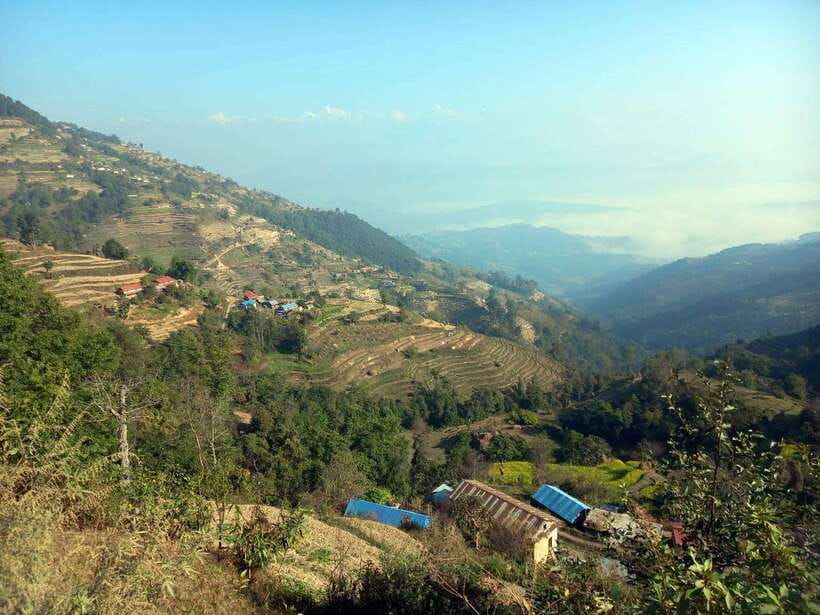
Chasing Himalayan views is the point here, and the 3-day Chisapani–Nagarkot route is built for that. You start in Shivapuri National Park, pass through village trails, and on clear days you can spot big names like Everest in the mountain lineup. The second “win” is the timing: you’re set up for a Nagarkot sunrise moment without rushing the whole trip.
I also like how the trip mixes trekking with real cultural stops. You don’t just hike and leave; you finish with Changu Narayan and then Bhaktapur Durbar Square for Newari architecture and craft areas. The main drawback to plan around is mountain visibility: in drier months (especially around April), haze can cover the peaks, so you may walk more than you see.
Quick Key Points Before You Go
- Shivapuri National Park trail system: you’ll hike through protected forest starting from Sundarijal and work up to village viewpoints.
- Village-to-view rhythm: Mulkharka and Tamang Village areas keep the trek grounded in daily life.
- Nagarkot sunrise setup: early wake-up at your hotel is part of the plan, not an optional extra.
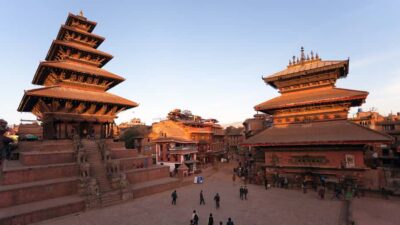
- Cultural capstone in Bhaktapur: Changu Narayan Temple plus Durbar Square stops like the Fifty Five Window Palace, Golden Gate, and Natapola.
- Weather is the real boss: mountain views depend heavily on haze and cloud cover, so pack with that in mind.
- Included permits and guide: Shivapuri–Nagarjun National Park permit and a licensed English-speaking guide are part of the package.
In This Review
- How the Chisapani–Nagarkot Plan Works in 3 Days
- Sundarijal to Chisapani: Shivapuri National Park and Village Trails
- Chisapani to Nagarkot: Forest Climb, Bhanjyang Crossings, and the View Factor
- Nagarkot Sunrise and the Changu Narayan Descent: Big Views to Old Stone
- Bhaktapur Durbar Square: Fifty Five Windows, Golden Gate, and Natapola
- Price and What You’re Actually Paying For ($176 with Transfers, Guides, and Permits)
- Guide Quality, Small-Group Flexibility, and Real-World Weather Tips
- Who Should Book This Trek (and Who Should Skip It)
- Should You Book the 3-Day Chisapani–Nagarkot Trek with Bhaktapur?
- FAQ
- How long is the Chisapani–Nagarkot trek and Bhaktapur visit?
- Where do you start from in Kathmandu?
- What’s included in the price?
- What meals are included?
- Are monument or entry fees included?
- Is a porter included?
- Is there a sunrise activity?
- What language is the guide?
- What should I bring for this trip?
- Is this suitable for people with mobility impairments?
How the Chisapani–Nagarkot Plan Works in 3 Days
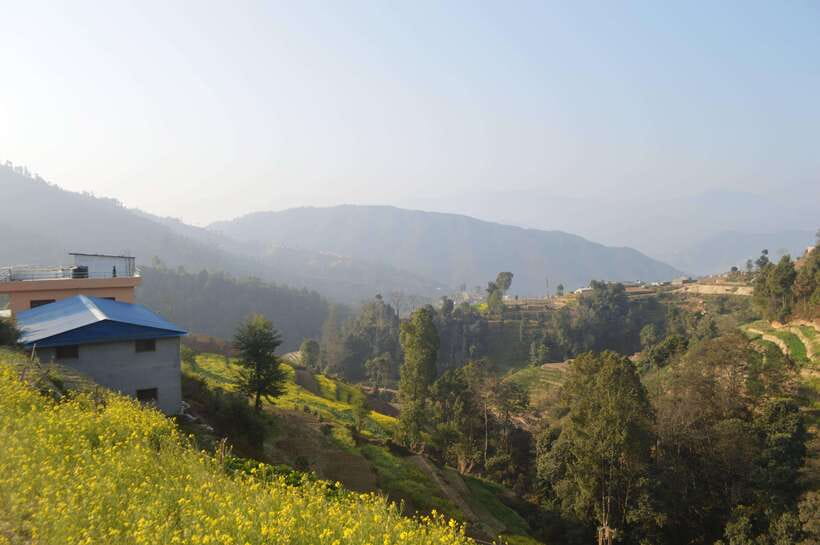
This is a compact trek that does two jobs at once: it gets you out of Kathmandu into the Shivapuri hills, and it layers in UNESCO-grade culture at the end. With only three days, the schedule is tight enough to feel efficient, but not so rushed that you’ll spend every hour climbing.
You’re using a classic ridge-and-river valley approach. Day 1 climbs from Sundarijal to Chisapani (around 2,165 meters). Day 2 transitions to Nagarkot (around 2,175 meters), a place known for panoramic views. Day 3 goes downhill from Nagarkot toward Changu Narayan (about 1,541 meters), and then you bounce into Bhaktapur for the historical hits.
Two details matter for your comfort. First, the itinerary includes accommodation with breakfast in both Chisapani and Nagarkot. Second, transfers from Kathmandu are done by private AC vehicle, so you’re not spending half your trip on unclear logistics.
More trails out of Kathmandu, boots ready
- Everest Base Camp Trek – 14 Days★ 5.0 · 1,499 reviews
- Everest Base Camp Trek★ 5.0 · 842 reviews
- Everest Base Camp Trekking★ 5.0 · 485 reviews
- Nagarkot Sunrise View and Day Hiking from Kathmandu★ 5.0 · 471 reviews
Sundarijal to Chisapani: Shivapuri National Park and Village Trails
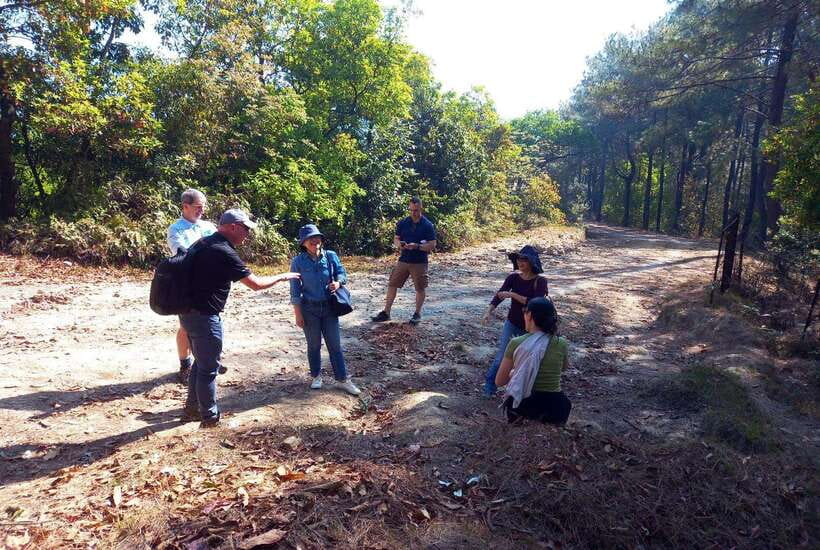
Day 1 starts with a pickup from your Kathmandu hotel, then about an hour drive to Sundarijal (1,460 meters). From there, your trek begins uphill and follows a large water pipe coming down from the Sundarijal Reservoir. It’s a surprisingly memorable first “orientation trail”—you’re not just walking anywhere, you’re tracing how the area’s water system connects to the hillside paths.
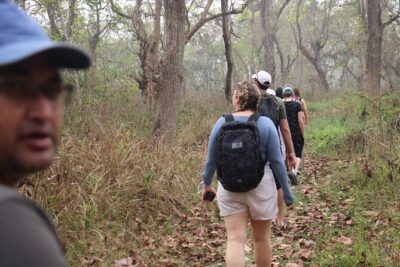
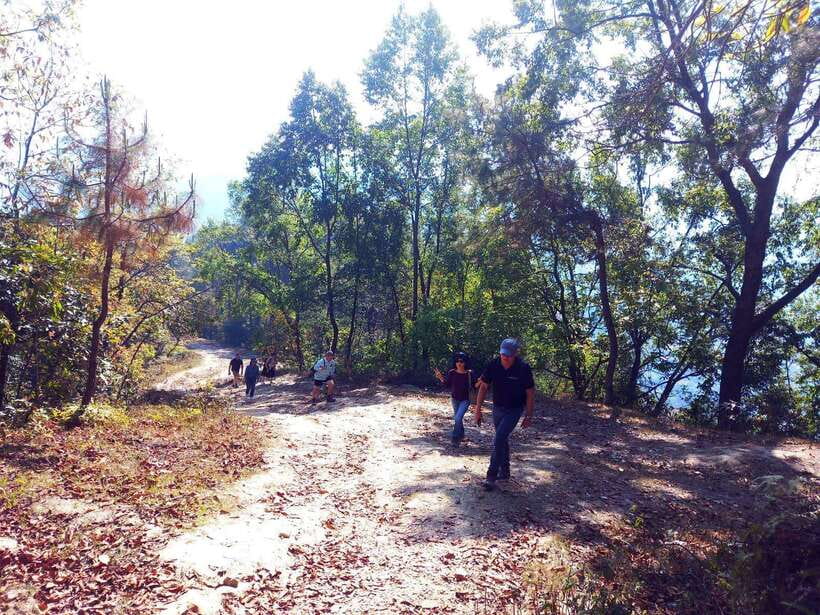
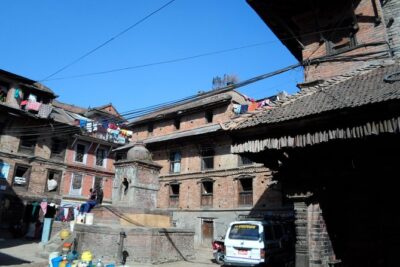
Next you enter Shivapuri National Park. The trail keeps climbing through forest as you make your way toward Mulkharka Village. This is where the trek starts to feel like trekking in a working landscape rather than a theme-park viewpoint: you’ll pass through Tamang Village areas before reaching Chisapani.
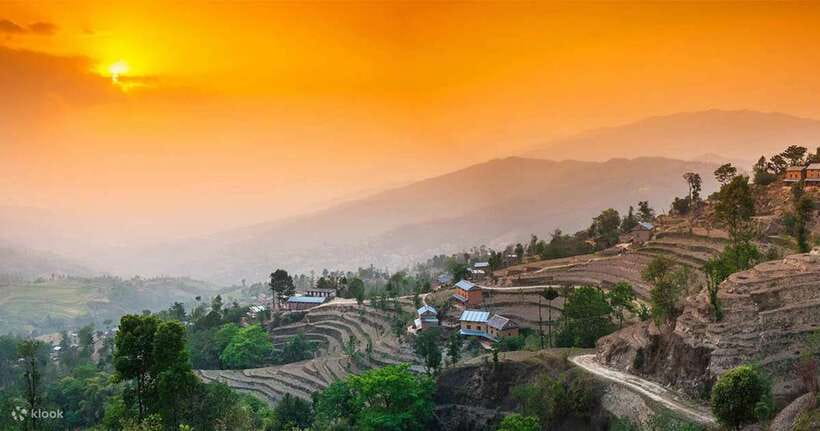
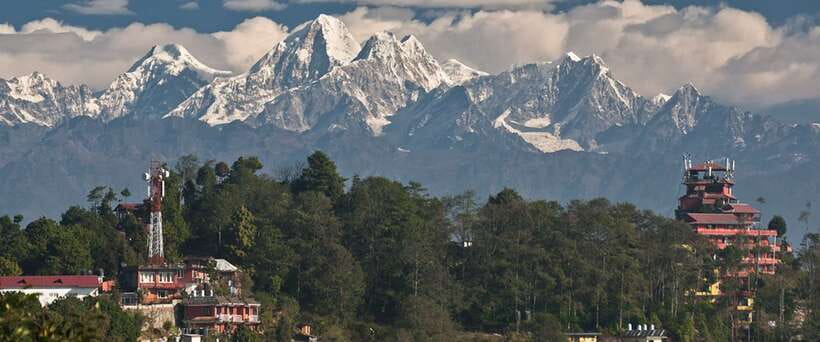
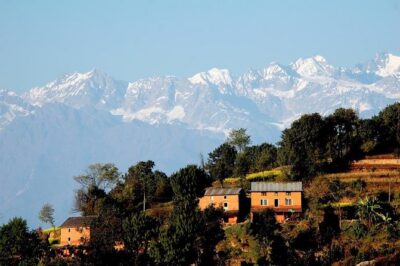
The view payoff is the big promise of Chisapani. From here, you can spot Himalayan peaks in the Langtang range and beyond—names like Langtang Lirung, Annapurna, Ganesh Himal, Manaslu, and Everest are mentioned as visible on the right days. But keep expectations realistic. You’re hiking in April-dry or post-monsoon seasons depending on when you go, and the haze situation can change quickly. If skies are clear, it’s spectacular; if they’re not, you’ll still get the satisfaction of a meaningful hike through real countryside.
In the evening, your lodge day ends with sunset views over the Himalayan range. This is one of the quieter “soft landings” of the itinerary—after a day of walking, you get to sit, eat breakfast the next morning, and watch the light change.
Accommodation note: in Chisapani, you’re staying in a guest house with an attached private bathroom, and breakfast is included. That alone makes this itinerary easier to enjoy than treks that force shared facilities or constant extra spending.
Chisapani to Nagarkot: Forest Climb, Bhanjyang Crossings, and the View Factor
Day 2 is your ridge-to-ridge transition. You start after breakfast in Chisapani, then the day opens with an ascent through lush forest before descending toward Jhule and Chauki Bhanjyang. These “bhanjyang” points matter because they often feel like natural checkpoints in Nepal hiking—places where the trail changes character and where you can catch your breath.
From there, the route crosses villages and terraced fields. Expect the kind of walking that’s pleasant but not flashy: steady steps, frequent small turns, and local farms shaping the scenery.
You then climb up again to reach Kattike Bhanjyang, and from that climb you’ll have another chance for mountain views. Finally, you work your way into Nagarkot (2,175 meters).
Here’s the practical reality: Nagarkot is one of those spots where you’re paying for the viewpoint ecosystem. When the air is clear, you get the broad panorama. When haze rolls in, it can limit what you see. This doesn’t mean Nagarkot is useless—your hike still has a satisfying rhythm, and the morning of Day 3 is designed to maximize your odds.
Nagarkot Sunrise and the Changu Narayan Descent: Big Views to Old Stone
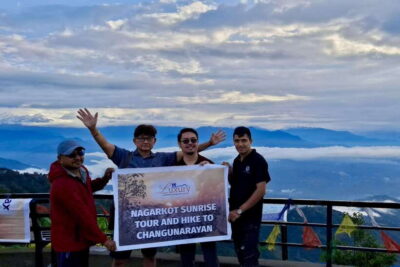
Day 3 starts early. You wake up to observe sunrise over the Himalayas from your Nagarkot hotel. This is the most time-sensitive part of the trip, and it’s also the moment that turns “a nice trek” into “a trip I’ll remember.”
After breakfast, you hike from Nagarkot to Changu Narayan (about 1,541 meters). The trail descends via Telkot. As you drop in elevation, the landscape tends to feel more human-scale—less wilderness, more settlement-adjacent walking.
One of the neat planning details here is the viewpoint along the way: the route gives you a bird’s-eye view of both Bhaktapur and Kathmandu. That perspective shift is one of the reasons this hike works well as a lead-in to the city days.
Changu Narayan is where the trip turns cultural in a strong way. You’ll visit Changu Narayan Temple, noted as the oldest temple in the stop list for this itinerary. It’s one of the easiest cultural add-ons to appreciate because the setting and age show up fast—you don’t need a long lecture to feel that this place has been around for centuries.
Bhaktapur Durbar Square: Fifty Five Windows, Golden Gate, and Natapola
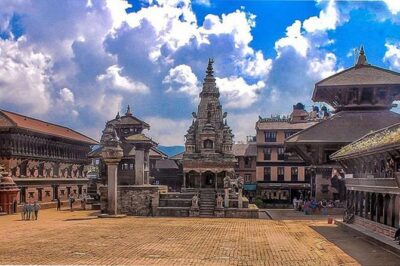
After Changu Narayan, you drive back to Bhaktapur for Newari culture and major monuments. If you’re thinking of this itinerary as “trek + two cities,” Bhaktapur is the better payoff city of the two—because you get a dense cluster of famous landmarks within a walking-and-exploring window.
Your Bhaktapur list includes:
- Fifty Five Window Palace
- Golden Gate
- Natapola, described as the tallest temple
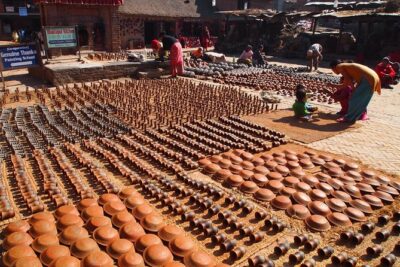
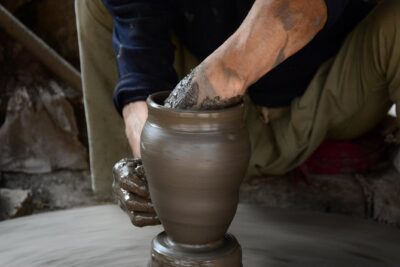
You’ll also explore Pottery Square, which is exactly the kind of place that helps Bhaktapur feel like a living craft center rather than a museum set.
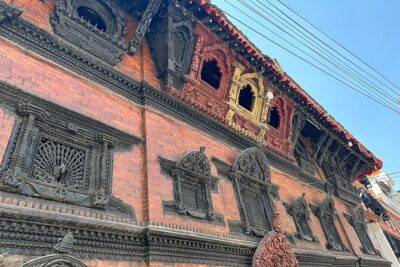
This is also where a strong guide makes a difference. A licensed guide can point out what to watch for in the stonework and layout so you’re not just snapping photos of big names. With guides such as Raj, Prakash, and local organizers like Rameshwar coordinating the flow, the experience is set up to feel organized without turning into a script you have to follow word for word.
Before you lock this one in, a few Kathmandu alternatives:
Price and What You’re Actually Paying For ($176 with Transfers, Guides, and Permits)
At about $176 per person for three days, the biggest value question is usually: what’s included versus what you’ll pay later.
From what’s covered, you get:
- Hotel pickup and drop-off in Kathmandu by private vehicle
- Private ground transfers by AC car
- Chisapani lodging with breakfast and an attached private bathroom
- Nagarkot accommodation at a three-star level with breakfast
- A licensed English-speaking guide
- Trekking and Shivapuri–Nagarjun National Park permit
- Solo traveler surcharge is included (so you’re not surprised later by that line item)
What’s not included:
- Lunch and dinner
- Monument fees
- Tips/gratitude
- A porter (listed at US$50, if you want one)
This cost structure is common for Nepal’s short treks: the trek essentials are bundled, but meals and monument charges are often separate. For budgeting, plan on spending on food during walking days and paying any entry fees at heritage sites.
The comfort value is real here. Private bathroom in Chisapani is not guaranteed on every short trek, and breakfast inclusion reduces day-to-day friction. The AC transfers also make a noticeable difference when you’re tired and transitioning between the trail and the city.
Guide Quality, Small-Group Flexibility, and Real-World Weather Tips
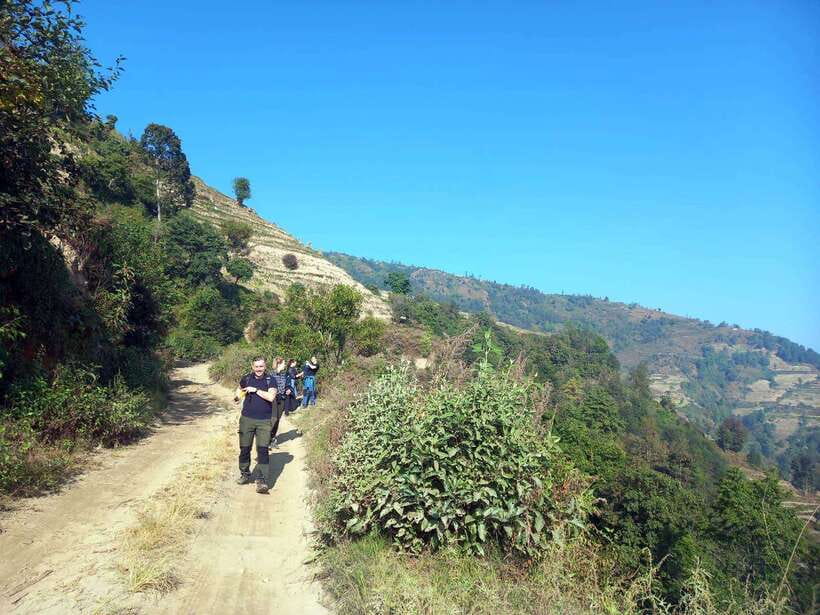
A good guide changes the trek. The itinerary already includes a licensed English-speaking professional, and the experience tends to run smoother with guides who know when to push, when to pause, and how to keep the group moving safely on uneven trails.
It also helps if the organizer is flexible. In practice, this kind of trek often needs minor adjustments around flights or time constraints. When setup includes proactive communication and the ability to tweak the plan, you’re more likely to see the key sights you care about.
Now the most important part of “weather management.” This route lives and dies by visibility. If you’re booking for a period that tends to be dry and hazy, you should treat mountain views as conditional. That also means packing like you might walk more than you see. Bring sun protection, a light layer for early mornings, and shoes that handle dusty trail edges.
If your goal is specifically peak spotting from Chisapani and Nagarkot, choose your travel dates with a weather-smart mindset and arrive willing to enjoy the hike even if the skyline turns milky. The forest walking, village transitions, and the cultural sites still deliver a full itinerary.
Who Should Book This Trek (and Who Should Skip It)
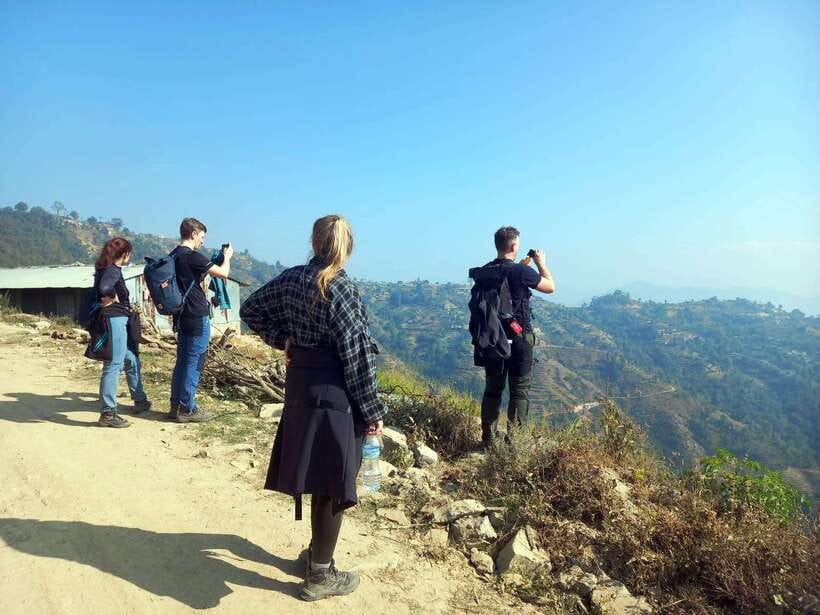
This is a solid fit if you want:
- A real hike out of Kathmandu, not just a short viewpoint walk
- A cultural landing in Bhaktapur after the trail
- A guided, organized plan with permits and transportation handled
- Comfortable basics: breakfast included and attached bathroom in Chisapani
It may not be the best choice if you:
- Have mobility constraints, because the itinerary is not designed for people with mobility impairments
- Want a guaranteed view every day, since visibility depends on haze and cloud conditions
- Prefer trekking where lunch and dinner are fully included, since here only breakfast is covered
If you’re traveling as a parent with an adult child, this format can work well because it’s only three days and the day segments are clear. If you’re solo, you can still get the value of transfers and a guide, with the solo surcharge included in the listed price.
Should You Book the 3-Day Chisapani–Nagarkot Trek with Bhaktapur?
I’d book this when you want both nature and culture in one tight package. The combination of Shivapuri National Park hiking plus Changu Narayan and Bhaktapur’s Durbar Square landmarks is a strong use of limited time in Nepal.
But I’d only book it with clear expectations about the mountains. If you’re flexible and you treat the viewpoint moments as the bonus (not the only reason to go), this trek can be deeply satisfying—especially with a guide who keeps you on track and helps you notice what you’re actually walking past: water pipes, village lanes, terraced fields, and old stone temples.
If your top priority is crisp, dramatic peak views every morning, consider choosing dates with better odds and bring a backup attitude for haze days. This is still a worthwhile itinerary even when the sky doesn’t cooperate.
FAQ
How long is the Chisapani–Nagarkot trek and Bhaktapur visit?
It’s a 3-day experience.
Where do you start from in Kathmandu?
You’re picked up from your hotel in Kathmandu, then you drive to the trek starting point at Sundarijal.
What’s included in the price?
You get hotel pickup and drop-off in Kathmandu by private vehicle, AC ground transfers, guided trekking in Shivapuri–Nagarjun National Park (including the permit), accommodations in Chisapani and Nagarkot with breakfast, and an English-speaking licensed guide.
What meals are included?
Breakfast is included. Lunch and dinner are not included.
Are monument or entry fees included?
No. Monument fees are not included.
Is a porter included?
No. A porter can be arranged for an additional US$50.
Is there a sunrise activity?
Yes. Day 3 includes an early wake-up to observe sunrise over the Himalayas from your Nagarkot hotel.
What language is the guide?
The tour guide provides service in English.
What should I bring for this trip?
You should bring a passport, comfortable shoes, and comfortable clothes.
Is this suitable for people with mobility impairments?
No, it’s not suitable for people with mobility impairments.
More 3-Day Experiences in Kathmandu
More Trekking Out of Kathmandu






More Tour Reviews in Kathmandu




Just Reviewed in Kathmandu
- Mountain Bike Tour
★ 5.0 · 3 reviews - Annapurna Panaroma
★ 5.0 · 3 reviews - Mount Everest Scenic Flight 50 Minutes
★ 5.0 · 3 reviews - Kathmandu : Swambhunath & Durbar Square Guided Half Day Tour
★ 3.3 · 3 reviews - Chandragiri Cable Car & Monkey Temple Tour – Private/Group
★ 5.0 · 3 reviews - Kathmandu: Shivapuri National Park Hiking Day Trip
★ 3.3 · 3 reviews
Bhaktapur Tours, compared.
 ★ 5.0Private Bhaktapur and Nagarkot Day Tour From KathmanduFrom $20305 reviews
 ★ 5.0Day Trip to Bhaktapur and Panauti from KathmanduFrom $34184 reviews
 ★ 5.0Bhaktapur & Patan Durbar Square Day ToursFrom $50122 reviews
 ★ 5.0Nagarkot Sunrise & Bhaktapur UNESCO Heritage Private TourFrom $5066 reviews
 ★ 4.7Private Patan and Bhaktapur Sightseeing TourFrom $4964 reviews
 ★ 4.9Bhaktapur & Nagarkot Day Tour with Lunch – Private/GroupFrom $562 reviews
 ★ 4.0Nagarkot Sunrise & Bhaktapur Heritage Tour -Private Full Day TripFrom $6042 reviews
 ★ 5.0Kathmandu and Bhaktapur Cities Guided TourFrom $7034 reviews
Browse the lists this tour appears in