
Review · GOKYO LAKES & EVEREST HIGH PASSES
Island Peak Climbing – 20 Days
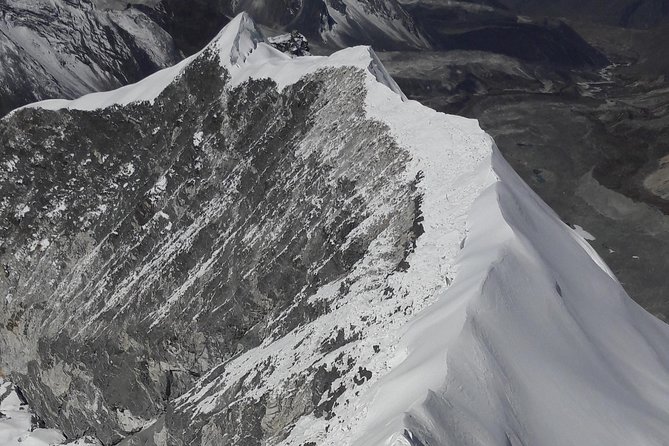
Island Peak is a climb with serious payoff. This 20-day program strings together the classic Everest Base Camp trek and the technical moment you came for: a 300-meter snow headwall at 45 degrees leading to an exposed summit ridge. From the top, you get a huge sweep of Nuptse, Lhotse, Makalu, Ama Dablam, and more.
Two things I really like about this trip are the way it supports you logistically and the way it prepares you physically. You travel with an English-speaking, licensed Sherpa guide (you’ll hear the names Tenzing and Mingma come up in feedback for good reason), and the plan is built around acclimatization checkpoints so you’re not just rushing upward. The possible drawback is straightforward: this is high-altitude climbing with a long, weather-sensitive summit day, so strong fitness and flexibility matter.
In This Review
- Key Highlights You’ll Feel on the Ground
- The Mix: Everest Base Camp Trek + Island Peak Summit
- Days 1–3: Kathmandu Setup and the Lukla Launch
- Trekking Rhythm: Namche, Tengboche, and Dingbuche
- Acclimatization Day 8: Nagarjun Hill or Chukkhung Valley
- Lobuche and Gorak Shep: Getting Close to Base Camp Country
- Kala Pattar on Day 11: Big Altitude, Big Perspective, Then Down
- Chhukung and Island Peak Base Camp: The Shift From Trekking to Climbing
- The Summit Day (Day 14): 45-Degree Snow, Exposed Ridge, Long Hours
- Day 15 Reserve Day: When Weather Controls the Calendar
- Retreat Days: Back to Namche, Then Lukla, Then Kathmandu
- Support You Actually Notice: Sherpa Guides, Porters, and Camping
- What’s Included in the Price, and Why It Matters
- Logistics and Pace: The Parts That Might Feel Hard
- Who Should Book This Island Peak Program
- FAQ
- FAQ
- How long is the Island Peak climbing trip?
- Where does the tour start and end?
- What permits and park fees are included?
- Is guide support included?
- Are flights to Lukla included?
- What’s not included in the price?
- Should You Book It or Keep Looking?
Key Highlights You’ll Feel on the Ground
- A full Everest-style trek before the climb, ending with Kala Pattar and a descent to reset your body
- Clear altitude strategy built into the schedule with multiple acclimatization days
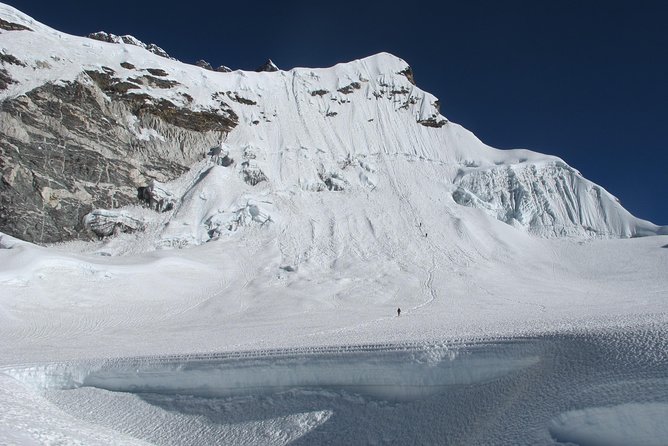
- Summit realism: the final approach includes a 45-degree snow headwall and an exposed ridge
- Licensed Sherpa leadership with day-to-day care (Tenzing and Mingma are repeatedly mentioned)
- All the big-ticket items included such as permits, Lukla flights, and camping support at base and high camp
Not sure yet? Here are other Kathmandu tours worth a side-by-side look.
- Everest Base Camp Trek – 14 Days★ 5.0 · 1,499 reviews
- Everest Base Camp Trek★ 5.0 · 842 reviews
- Private Kathmandu Sightseeing Tour | UNESCO World Heritage sites★ 5.0 · 756 reviews
- Kathmandu: 7 UNESCO Sites with Lunch★ 4.8 · 744 reviews
The Mix: Everest Base Camp Trek + Island Peak Summit
Island Peak is often described as a “6000m peak,” but what makes this route special is the build-up. You don’t jump straight into climbing. You first move through the Everest region on foot, starting from Lukla and working your way toward Everest Base Camp and the Kala Pattar viewpoint. That means by the time you’re wearing crampons and moving toward your high point, you already understand the rhythm of the Khumbu: slow effort, breath control, and the patience that altitude demands.
What also makes this itinerary feel cohesive is that the climbing focus shows up when it should. After trekking deep enough to acclimatize properly, you shift from tea house nights to camping near Island Peak (one night at base camp and one night at high camp). That’s a big deal because camping at altitude changes how you plan your time. You stop thinking like a trekker with a warm bed waiting and start thinking like a climber who needs to protect energy and manage cold.
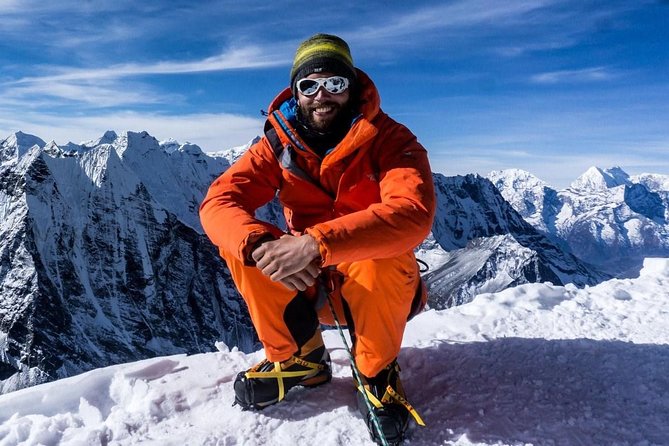
And yes, the views are a major part of the pitch. The summit description reads like a greatest-hits album of the Himalaya: Nuptse, Lhotse and its satellites, plus Makalu and the glaciers to the east, with Baruntse and Ama Dablam to the south. It’s not just pretty scenery at the end. It’s the reward for doing something hard at altitude.
Days 1–3: Kathmandu Setup and the Lukla Launch
Day 1 is simply arrive in Kathmandu. You’re not thrown into altitude right away, which matters because Kathmandu is where you handle details: rest, hydrate, and make sure your gear is ready. Day 2 is a preparation day in Kathmandu. That’s your buffer for the “small stuff” that becomes big stuff later—organizing what you’ll carry, getting your head straight on what the climb requires, and asking questions while you still have easy access to support.
On Day 3, you fly to Lukla and then trek to Phakdingma (around 4 hours). This transition is one of the first real tests of the trip’s pace. Even before the climbing begins, you’ll feel the altitude and the fact that every day is about moving efficiently. The good news is that the itinerary doesn’t pretend you’ll be fast. It gives you time to settle into the region.
Trekking Rhythm: Namche, Tengboche, and Dingbuche
By Day 4 you’re trekking to Namche Bazaar (about 6–7 hours). Namche is a key waypoint because it’s where you can feel the Everest region tighten around you. It also marks a psychological shift: you’re not just walking in the mountains, you’re living in the Everest ecosystem for real.
Day 5 is an acclimatization day around Namche Bazaar. This day is valuable because it reduces the odds of getting hit with altitude too hard. You’re not “wasting time” here. You’re buying future progress with smarter timing.
Day 6 moves you to Tengbuche (5–6 hours). Day 7 goes onward to Dingbuche (about 5 hours). Dingbuche is where a lot of people start to feel the high-altitude edge more strongly. That’s why the schedule includes a second acclimatization pattern soon after.
Acclimatization Day 8: Nagarjun Hill or Chukkhung Valley
Day 8 offers another acclimatization day with a choice: hike Nagarjun Hill or head toward Chukkhung Valley. You’ll appreciate having options because conditions can change, and your comfort level may differ from day to day. Either way, the point is the same: keep your body adapting while still getting meaningful movement in.
If you’re trying to make the climb part go smoothly, this is where discipline pays off. The best summit efforts tend to come from people who follow the slow logic early instead of “feeling strong” and pushing too hard.




Lobuche and Gorak Shep: Getting Close to Base Camp Country
On Day 9 you trek to Lobuche (4915m / 16125ft, about 5 hours). This is a grindier stretch because you’re getting higher and the trekking environment becomes more demanding. On a route like this, the biggest risk isn’t only physical. It’s decision-making under fatigue. Stick to the plan, keep moving at the pace you can sustain, and don’t treat every uphill like an all-out race.
Day 10 is Gorak Shep (5130m / 16,830ft, about 3 hours) and then a hike to Everest Base Camp (5364m / 17,598ft). Even if you’re not chasing a “speed record,” it helps to mentally separate the walking from the viewing. Base Camp is inspiring, but it’s also high altitude standing around. Plan to move, breathe, and keep your energy in check.
Kala Pattar on Day 11: Big Altitude, Big Perspective, Then Down
Day 11 is ascent to Kala Pattar (5545m / 18,192ft) and descent back to Dingbuche (about 6–7 hours). Kala Pattar is often a top highlight, and on this schedule it has a specific purpose: you hit a major viewpoint altitude, then you come down to recover.
That descent is not a “bonus.” It’s part of the acclimatization strategy. Coming down helps you keep your body functioning well for the transition into Island Peak staging at Chhukung and the base camp area.
Chhukung and Island Peak Base Camp: The Shift From Trekking to Climbing
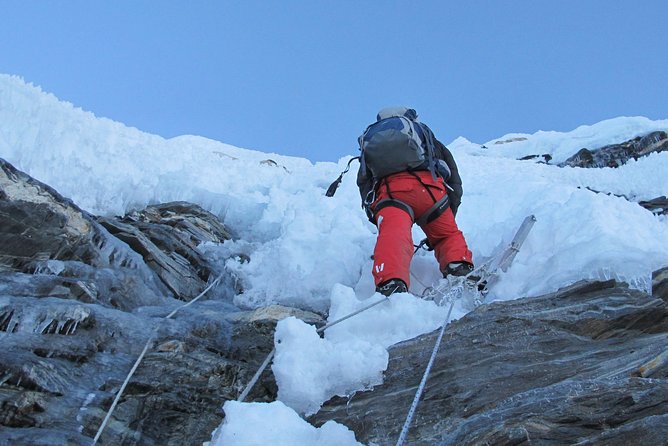
Day 12 brings you from Dingbuche to Chhukung, then onward to Island Peak Base Camp (about 3–4 hours). This is the pivot day. Trekking and climbing feel different in your head. On foot, you can often adjust your rhythm. On a climb, your movement becomes more technical, and the cold can feel sharper.
Day 13 is pre-climb training and a trek to high camp (5450m / 17,880ft, about 2 hours). This is where I love the structure. You’re not just being marched upward. You’re given time to learn how the climbing systems and cold management fit your routine. Even a short training block can make a big difference when you reach exposed snow conditions.
The Summit Day (Day 14): 45-Degree Snow, Exposed Ridge, Long Hours
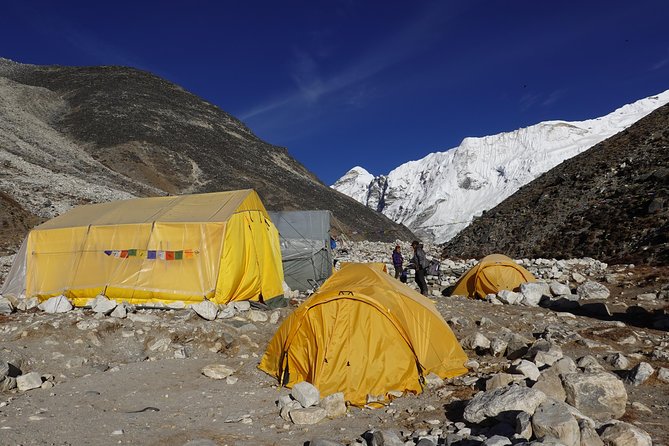
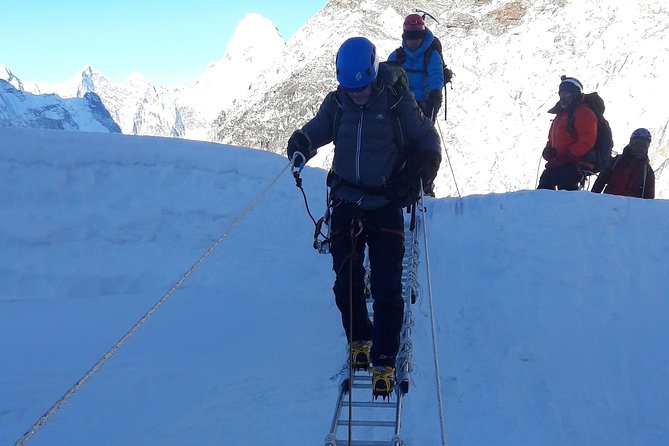
Day 14 is the big one: ascend Island Peak (6189m / 20,305ft) and descend to Chhukung (around 10–12 hours). The summit approach includes a 300 meter headwall of snow slopes at about 45 degrees leading to the exposed summit ridge. That description is doing real work here. It tells you that this isn’t a gentle high point. It’s a technical effort at serious steepness.
So here’s the practical mindset that helps: focus on steady movement and timing, not on how fast you feel you could go. On steep snow, your best option is often the option that conserves energy. And on an exposed ridge, calm decision-making matters more than pushing your limits.
When you descend back to Chhukung, you’ll likely feel it in your legs and lungs. This is another reason the itinerary includes a reserve day. You don’t want to be trapped in the mountains on a tight weather schedule.
Day 15 Reserve Day: When Weather Controls the Calendar
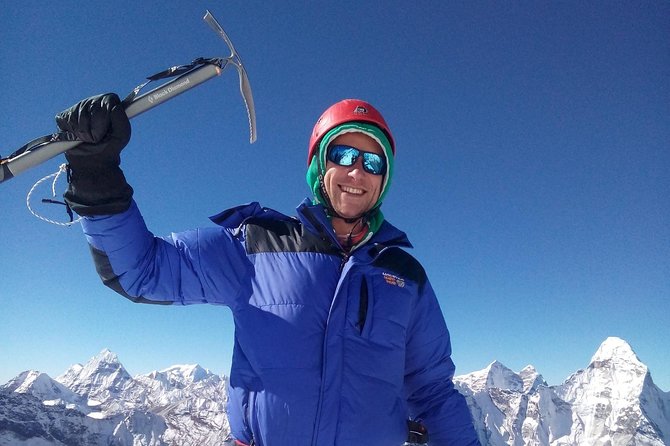
Day 15 is a reserve day in case of unfavorable weather. This is worth paying attention to. The climb part is weather-dependent, and the mountain doesn’t care about your plans. A reserve day is not a luxury. It’s what keeps the experience from turning into stress management.
If weather changes, your guide team can adjust without you feeling like the whole trip is falling apart.
Retreat Days: Back to Namche, Then Lukla, Then Kathmandu
Day 16 is a trek back to Namche (3441m / 11,289ft, about 7–8 hours). Day 17 takes you to Lukla (2810m / 9219ft, about 7–8 hours). By this point, you’re likely tired in a deeper way than early trekking. Your body is recovering from altitude plus effort. Going down is still work, but it’s often more manageable mentally because you’re moving toward the airport.
Day 18 flies Lukla to Kathmandu. Day 19 is a free day in Kathmandu, which is helpful if you want to take care of shopping, restocking water and snacks, or just decompress. Day 20 is departure.
Support You Actually Notice: Sherpa Guides, Porters, and Camping
This trip includes an English speaking experienced and certified Sherpa guide who is government trained and license holder. It also includes porters on a clear ratio: one porter for two trekkers in all climbing trips. In practice, that means you’re sharing the weight and making the high-altitude days more doable.
On top of that, you get a trekking cook and kitchen staff for the trek, plus Trek Sherpa and other support staff during the Island Peak climbing portion. That matters because altitude food and warmth are not optional. Good camp operations keep you functioning when the weather and temperatures get mean.
Camping is also handled: all camping equipment required during the trek (sleeping tents and mattresses, kitchen tent and equipment) plus meals on the nights at base camp and high camp (one night at each). It’s easier to stay focused on the climb when you don’t have to solve basic camp problems at 5000m+.
From feedback tied to this operator, a consistent theme is that guides like Tenzing and Mingma take care of people and handle unexpected issues. Even if a challenge is small—equipment quirks, timing changes, or weather shifts—that kind of responsiveness helps you feel safer.
What’s Included in the Price, and Why It Matters
The price is $3,250 per person for about 20 days. What you get here isn’t only guiding and permission slips. The major value drivers included are:
- Round-trip airfare Kathmandu ↔ Lukla (airport tax included)
- Permits and fees: Island Peak Climbing Permit, Sagarmatha National Park fee, TIMS permits, and all required permits/official documentation
- Accommodation: four nights in Kathmandu on twin-share bed and breakfast; 13 nights at local lodges with breakfast, lunch, and dinner during the trek
- Climbing camping: meals and camping gear support for base camp and high camp nights
- Local transfers: airport–hotel–airport via private vehicle
- Climbing and trekking essentials: all required personal and group climbing equipment and gears
- Field support: first aid medicine kit, energy supplies (Snickers, Mars, Bounty), and fresh or canned fruit
- Welcome dinner: Nepali dinner with a live cultural program in Kathmandu
When a package includes both transportation to Lukla and the permit stack, it reduces uncertainty. You’re not collecting separate invoices for the biggest admin headaches. That’s real value if you want your trip to feel organized instead of piecemeal.
What’s not included is also clear: your personal travel insurance, Nepal entry visa fee, lunches and dinners in cities (you’re expected to budget $10–$14 per meal in tourist restaurants), beverages, and tips for guide/porters/driver.
Logistics and Pace: The Parts That Might Feel Hard
This is a trip for people with strong physical fitness. The schedule has long days, including the summit day (10–12 hours) and multiple trekking days that can run 5–7 hours. Also note that your overall rhythm depends on altitude and weather, not just effort.
A practical consideration: even with good acclimatization days, you should still expect that breathing and sleep can be harder as you go higher. The itinerary’s pattern helps, but it doesn’t make altitude disappear. Come prepared to slow down and listen to your guide.
Who Should Book This Island Peak Program
This program fits you if you want a structured path to a 6000m summit that’s paired with the classic Everest trek experience. You’ll likely enjoy it most if you:
- Want the Everest Base Camp journey plus a real climbing goal
- Prefer a plan with acclimatization days rather than a straight shot upward
- Are comfortable with camping at altitude and a long summit day
- Want experienced support and a porter system that reduces burden
You might reconsider if you’re new to mountaineering and expecting a casual hike. Island Peak includes steep snow and exposure in the final stages, so the training day and your own preparation matter.
FAQ
FAQ
How long is the Island Peak climbing trip?
It’s listed as 20 days approximately.
Where does the tour start and end?
It starts in Thamel, Kathmandu (44600, Nepal) and ends back at the same meeting point.
What permits and park fees are included?
The package includes the Island Peak Climbing Permit, Sagarmatha National Park fee, TIMS permits, and all required permits or official documentation.
Is guide support included?
Yes. You get an English-speaking experienced and certified Sherpa guide (government trained/license holder), plus trekking and climbing support staff.
Are flights to Lukla included?
Round-trip airfare between Kathmandu and Lukla is included, with airport tax included as well.
What’s not included in the price?
Personal travel insurance, Nepal entry visa fee, lunch and dinner in cities (budget $10–$14 per meal), beverages, and tips for guide, porters, and driver are not included.
Should You Book It or Keep Looking?
If your goal is Island Peak and you want a well-timed, Everest-region trek leading into the climb, I’d say this is a strong match. The biggest strengths for value are the included Lukla flights, the permit package, and the fact that camping support is handled for base camp and high camp. Add in licensed Sherpa leadership and a clear acclimatization rhythm, and you get an experience that feels built for success rather than hope.
If you’re unsure, ask yourself one question: can you commit to slow, careful effort at altitude and accept that weather can shift plans? If yes, you’re the kind of person who’ll get a lot out of the 300-meter headwall challenge and those summit views. If not, you might want a less steep climb and a shorter peak objective.
More Tour Reviews in Kathmandu






Just Reviewed in Kathmandu
- Mountain Bike Tour
★ 5.0 · 3 reviews - Annapurna Panaroma
★ 5.0 · 3 reviews - Mount Everest Scenic Flight 50 Minutes
★ 5.0 · 3 reviews - Kathmandu : Swambhunath & Durbar Square Guided Half Day Tour
★ 3.3 · 3 reviews - Chandragiri Cable Car & Monkey Temple Tour – Private/Group
★ 5.0 · 3 reviews - Kathmandu: Shivapuri National Park Hiking Day Trip
★ 3.3 · 3 reviews
Gokyo Lakes & Everest High Passes, compared.
 ★ 5.0Gokyo to Everest Base Camp TrekFrom $2,200113 reviews
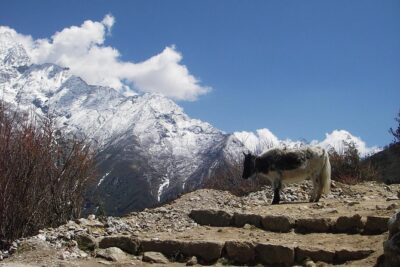 ★ 5.0Everest Base Camp – Cho La Pass – Gokyo TrekFrom $1,39465 reviews
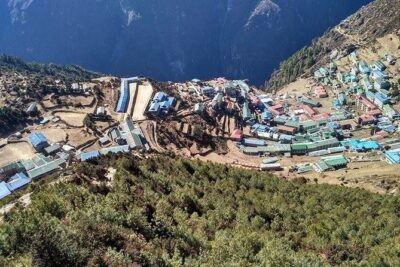 ★ 5.012 Days Everest Base Camp Kala Patthar TrekFrom $1,79961 reviews
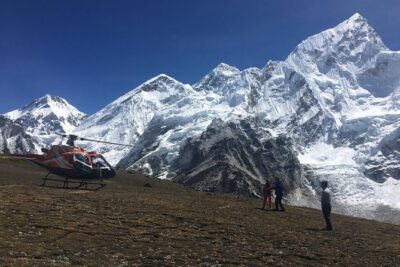 ★ 5.0Guaranteed Landing at Everest Base Camp Kalapathar by HelicopterFrom $3,50038 reviews
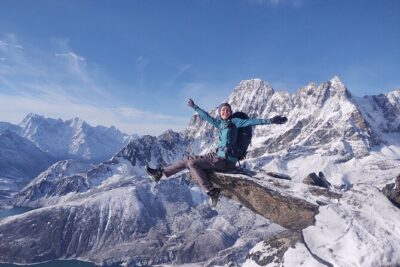 ★ 5.0Everest Gokyo Valley Trek – 12 daysFrom $1,39927 reviews
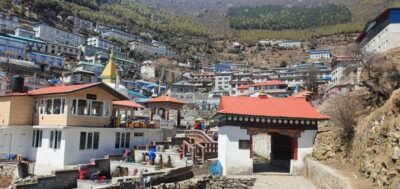 ★ 4.214-Day Everest Base Camp with Kala Patthar TrekFrom $1,29621 reviews
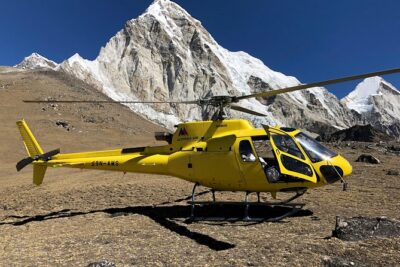 ★ 5.0Landing Private Helicopter at Everest base camp & Gokyo for photoFrom $4,39920 reviews
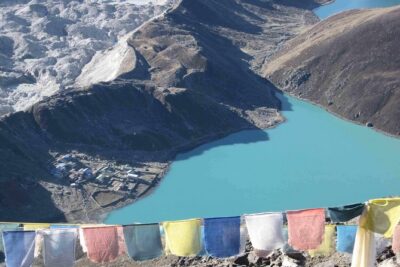 ★ 5.0Gokyo Valley TrekFrom $1,51419 reviews
Browse the lists this tour appears in