
Review · GOKYO LAKES & EVEREST HIGH PASSES
Island Peak Climbing
Island Peak is the kind of trip that turns trekking into mountaineering. I like the clear progression from the Everest trail to Chhukung and then into climbing, with a planned summit day at 6,189m. I also like that Accessible Adventure wraps in the heavy logistics for you: Kathmandu hotel nights, private vehicle transfers, and round-trip flights to Lukla. One thing to watch is that this is serious high-altitude climbing, and you’ll need to handle personal gear and suit up for cold, long days.
If you’ve done high-altitude trekking before, this program is built to make that next step feel structured instead of random. You get plenty of time at altitude, plus a real contingency day in case weather shuts down summit plans. The trip price is not small at $2,900, so the best value comes when you’ll use what’s included (guides, permits, flights, and climbing support) instead of adding costs later.
In This Review
- Key things I’d look for in Island Peak tours
- Why Island Peak feels like a real mountaineering step
- Price and value: what $2,900 includes (and what it doesn’t)
- Kathmandu arrival: the quiet work of getting ready
- Lukla and Phakding: you swap roads for trails fast
- Namche Bazaar: altitude education at the right speed
- Tengboche and Dingboche: the Sherpa village rhythm
- Chhukung and Chhukung Ri: where the trip turns toward climbing
- Island Peak base camp to the 6,189m summit day
- The contingency day is real value
- Returning down: Namche, Lukla, Kathmandu again
- Guides, staffing, and how small-group support changes the feel
- Accommodation and meals: the comfort math at altitude
- What you should bring (and what you can avoid buying)
- Should you book this Island Peak climb?
- FAQ
- How long is the Island Peak climbing trip?
- Where does the trip start and end?
- Are flights to Lukla included?
- What permits are covered?
- What climbing gear and gear support are included?
- Is there a day set aside if weather stops the summit attempt?
Key things I’d look for in Island Peak tours
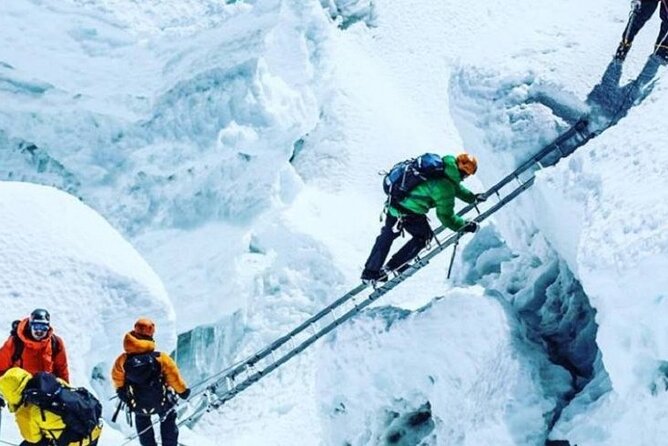
- A planned acclimatization climb with Chukkung Ri to help your body handle the altitude
- Lukla flights plus the classic Everest corridor trek before you turn toward Island Peak
- Summit support via a climbing Sherpa guide from base camp for the climb and return
- Contingency time built into the schedule so one bad weather day doesn’t wreck your whole trip
- Gear and warmth support included like duffle bag use, sleeping bag, and a down jacket for the trek/climb
- Hot shower and private bathrooms at key stops (Phakding, Namche, Lukla) to keep you comfortable
Not sure yet? Here are other Kathmandu tours worth a side-by-side look.
- Everest Base Camp Trek – 14 Days★ 5.0 · 1,499 reviews
- Everest Base Camp Trek★ 5.0 · 842 reviews
- Private Kathmandu Sightseeing Tour | UNESCO World Heritage sites★ 5.0 · 756 reviews
- Kathmandu: 7 UNESCO Sites with Lunch★ 4.8 · 744 reviews
Why Island Peak feels like a real mountaineering step
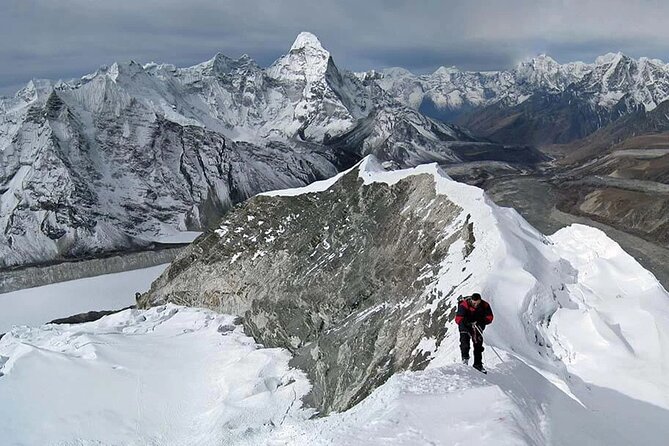
Island Peak sits in that sweet spot for people who want more than trekking, but don’t want to start with a full-on, multi-week technical expedition. It’s often described as one of Nepal’s trekking peaks, but the climb experience is still mountaineering: cold ice/snow travel, rope work, and using a basic climbing toolset under guidance.
What I like about this plan is that it doesn’t rush you straight to the summit. You start with the Kathmandu to Lukla jump, then spend days moving along the Everest base camp-style trail through Sherpa villages—Phakding, Namche Bazaar, Tengboche, and Dingboche—before you head to Chhukung and work up to the climbing zone. That rhythm matters. At altitude, your legs and lungs both need time to learn the new rules.
There’s also a smart mindset baked into the program: it’s designed for adventure lovers who have some high-altitude trekking experience. In plain terms, they’re not advertising this as a “first mountain ever” trip. If you’re already comfortable hiking high, you’ll likely feel like the climbing step makes sense.
Price and value: what $2,900 includes (and what it doesn’t)
At $2,900 per person for roughly 14 days, you’re paying for more than a summit push. The value is in the bundle: flights, permits, guide staffing, and the practical comfort upgrades that keep you from spending extra money (or extra energy) later.
Here’s what stands out as part of the value:
- Round-trip Kathmandu–Lukla–Kathmandu flights with departure taxes included
- Two nights in Kathmandu at a 3-star category hotel, twin sharing, breakfast included
- Permits and taxes: Island Peak climbing permit plus national park permits and government office charges
- Staff support: a local licensed English-speaking trekking guide, plus a professional English-speaking climbing leader and a climbing Sherpa guide from base camp
- Climbing gear support (group equipment): rope, ice screws, ice hammer, snow bar
- Warmth and carry help: duffle bag, sleeping bag, and a down jacket for use during the trek/climb
- Meals on trail: breakfast, lunch, dinner, plus tea/coffee during the trek and climb
What is not included is equally important:
- Your personal trekking and climbing gears (the basics you’ll wear and use day to day)
- Travel and rescue insurance
- Nepal visa arrangement
- Alcohol/cold drinks and personal expenses
- Kathmandu sightseeing and some Kathmandu meals
So the “real” question isn’t just whether the price is high. It’s whether you’re the type of traveler who will benefit from bundled flights, permits, and climbing support. If you’d otherwise end up shopping for guides, buying permits, and arranging Lukla transport yourself, this package can feel like good value.
Kathmandu arrival: the quiet work of getting ready
You start in Kathmandu around 1,338m. The program gives you one arrival day, plus two nights in a twin-sharing, 3-star hotel with breakfast. This is where you handle the less glamorous stuff that makes the mountain days go smoother.
Two practical notes from the details you’re given:
- You’ll need passport photos for the Island Peak and national park permits (bring two passport size photos).
- Pickup is offered, and ground transportation is included via private vehicle for the program days.
This part matters more than people think. Kathmandu is where you confirm gear, manage cold-weather layers, and make sure you’re not hiking to Lukla with missing basics. If you show up organized, the climb week feels calmer.
Lukla and Phakding: you swap roads for trails fast
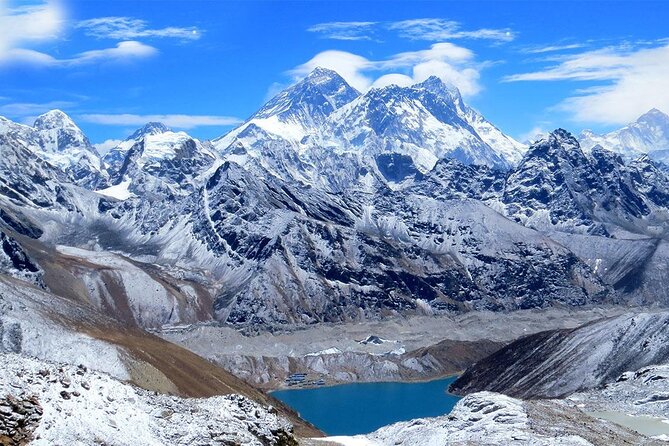
Day 2 is the big jump: fly to Lukla (2,800m), then trek to Phakding (2,652m). After Kathmandu traffic and hotel routines, you quickly move into mountain pacing. It’s the start of the Everest corridor experience, but without the huge tourist scramble.
Phakding is also one of those practical wins in the program: you get rooms with private bathrooms and hot shower there. That’s not a luxury detail you can take for granted on trek routes. At altitude, warm shower time helps your body recover, even if it’s just mentally.
You’ll notice the mix of energy early on:
- walking time is steady, not frantic
- you’re already adapting to thin air
- your day-to-day pace becomes the baseline for later climbing fitness




Namche Bazaar: altitude education at the right speed
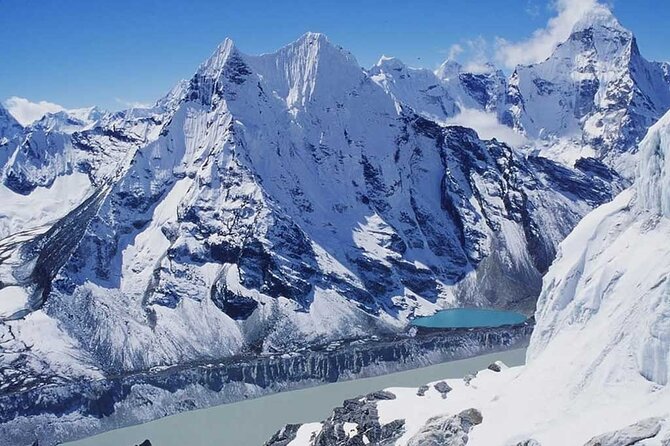
From Phakding, you trek to Namche Bazaar (3,440m). This is the altitude climb that often separates “fine on paper” from “real breathing changes.” The program builds in an acclimatization day at Namche, with a hike to the Everest view hotel.
That plan is smart: Namche gives you altitude, but also options for short-to-medium hikes that teach your body how to work. The goal is not to sprint; it’s to keep your breathing controlled and learn how your effort changes when oxygen gets scarce.
Namche is also a gear and routine checkpoint. You’ll be living on lodge food and daily hiking rhythms, and that acclimatization day is where you test how your energy holds for the next stage. If you manage that day well, later sections feel far less stressful.
Tengboche and Dingboche: the Sherpa village rhythm
After Namche, you continue to Tengboche (3,860m), then to Dingboche (4,410m). This stretch is where the Everest trail feeling becomes clear: village life, lodge stops, and daily walking with views that make you forget you’re huffing.
Tengboche and Dingboche are both high enough that small mistakes—like eating too little, sleeping poorly, or ignoring cold wind—start adding up. Lodges at these elevations can vary, but the program states you’ll get best available accommodation in local lodges during the trek, which usually means basic comfort, not five-star convenience.
Also keep an eye on hydration and warmth. At these elevations, “I feel okay” can turn quickly when temperatures drop. The climb leader and guides should help steer you, but it’s still your job to show up prepared.
Chhukung and Chhukung Ri: where the trip turns toward climbing
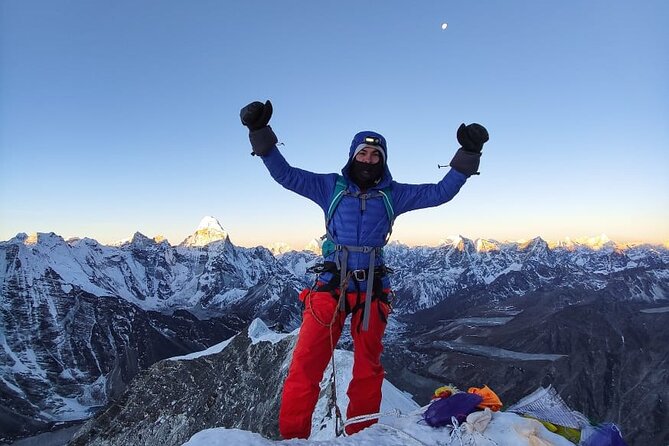
This is the pivot point. You climb Chukkung Ri (5,546m) for acclimatization, then trek to Chhukung (4,730m). That higher day helps prepare you for Island Peak’s technical demands and the thinner air around 5,000m+.
Chhukung is the staging area you’ve been working toward. It’s where the scenery starts to look more like a mountaineering camp than a trekking route. By now, you’re also dealing with a different type of cold: not just “mountain cold,” but cold that affects fingers and decision-making.
If you want a practical way to judge your readiness for this stage: how controlled your breathing feels on climbs. If you’re constantly panicking at steep sections, summit day can become much more difficult than it needs to be. The Chhukung Ri day is there to give you a chance to get your body confident before the summit push.
Island Peak base camp to the 6,189m summit day
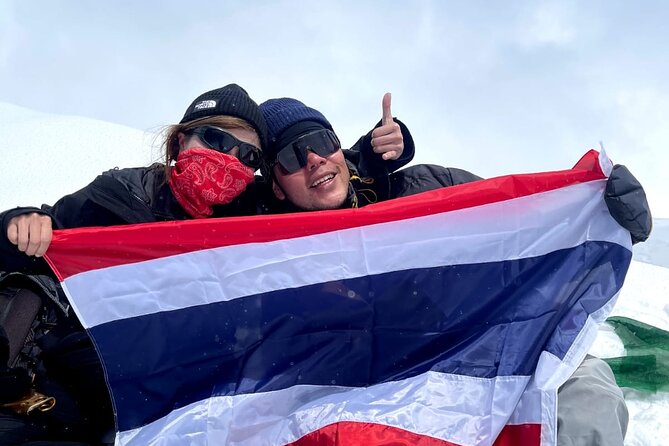
The program has you head from Chhukung to Island Peak base camp, then attempt the summit at 6,189m. You also return from the summit to Chhukung after the climb.
This is where the guide staffing is a key strength. The plan includes a climbing Sherpa guide from Island peak base camp for the summit and the way back. It’s not just a trekking guide accompanying you. You’re getting support specifically for the climb itself, which matters a lot on technical terrain.
What equipment support looks like in practice:
- Group climbing equipment is provided: climbing rope, ice screw, snow bar, ice hammer
- The program also provides a sleeping bag and down jacket for use during the trek and climb
You’re still responsible for your personal gear, but the big “hard to find or bulky” climbing pieces are covered at the group level.
The contingency day is real value
There’s an extra day built in for weather problems on summit day. In high mountains, weather isn’t a minor inconvenience; it can completely change what’s possible. Having that contingency day protects the overall trip experience so one postponement doesn’t turn into a rushed exit.
Returning down: Namche, Lukla, Kathmandu again
After the summit and the climb phase, you start moving back: trek from Chhukung to Namche Bazaar, then to Lukla, then fly back to Kathmandu.
This descent phase has its own kind of difficulty. Legs take a beating, and altitude fatigue can stick around even when the hiking seems easier on paper. The benefit of the planned schedule is that you’re not forced into constant “push, push, push” movement. You get time to reset your body after the technical day.
Back in Lukla, you again get private bathrooms and hot shower as mentioned for that stage. It’s a small detail, but at this point you’ll appreciate anything that lets you wash off the dust and cold of days above 4,000m.
Guides, staffing, and how small-group support changes the feel
Accessible Adventure Pvt. Ltd runs the program with multiple layers of guidance. You get:
- a local licensed English-speaking trekking guide
- one professional, knowledgeable and friendly English-speaking climbing leader
- an assistant guide with a staffing ratio stated as 1 assistant guide for 6 trekkers
- necessary porters and helpers
You also get group climbing leadership plus the base camp Sherpa guide for the summit.
From the information tied to this company, I especially like that the team is described as approachable and supportive, and the manager Himal is named specifically in feedback about the organization. That kind of visible, human management tends to show up in practical ways: clearer answers, better pacing choices, and fewer mystery moments when the mountains get demanding.
Accommodation and meals: the comfort math at altitude
Food and lodging are not just “included.” They affect how well you acclimatize and how steady your energy is.
During the trek and climb, meals include breakfast, lunch, and dinner, plus tea/coffee. Having consistent meal planning reduces decision fatigue and helps you keep calories up when your appetite is less reliable at altitude.
For sleeping:
- Kathmandu: 3-star category hotel, twin sharing with breakfast
- Trek: “best available” local lodges
- Climb: tented accommodation during the climb
One more detail worth highlighting: the program says you’ll get rooms with private bathrooms and hot shower at Phakding, Namche, and Lukla. That’s not typical in every trek package at every stop. You’ll feel the difference when you’re tired and cold.
What you should bring (and what you can avoid buying)
The program is helpful with warm-weather basics by providing sleeping bag and down jacket for use, plus a duffle bag. That can save you money and hassle, especially if you’re flying in and don’t want to fight extra baggage.
But you should still plan to bring your personal:
- trekking and climbing gear (explicitly not included)
- items for hygiene, batteries/charging needs, and daily personal comfort (personal expenses are on you)
Also factor in paperwork:
- two passport photos for permits
- your Nepal visa arrangement (not included)
If you’re the kind of traveler who packs lightly but smartly, this setup can work well. If you’re missing basic cold-weather and climbing wear, you’ll end up spending at the last minute.
Should you book this Island Peak climb?
You should consider booking if you:
- want a structured shift from high-altitude trekking into mountaineering
- already have high-altitude trekking experience and want the next step at a guided pace
- appreciate bundled value: flights to Lukla, permits, meals, and climbing support
- want a contingency day that makes the summit attempt less fragile
You might rethink it if:
- you’re brand-new to high altitude and haven’t built trekking stamina before
- you don’t have a plan for personal climbing gear and cold-weather readiness
- you’re relying on travel insurance or rescue coverage to be included (it’s not listed as included)
Bottom line: this looks like a well-built Island Peak program for capable trekkers moving into climbing, with the kind of staffing and gear support that matters on summit day. If you show up prepared and take the acclimatization seriously, you’ll get a real taste of Himalayan mountaineering without feeling like you’re winging it.
FAQ
How long is the Island Peak climbing trip?
The program runs for about 14 days.
Where does the trip start and end?
It starts in Kathmandu and ends back at the same meeting point in Kathmandu.
Are flights to Lukla included?
Yes. Round trip flights Kathmandu–Lukla–Kathmandu are included, along with departure taxes.
What permits are covered?
The trip includes the Island Peak climbing permit and national park permits. You’ll need to bring two passport size photos for the permit.
What climbing gear and gear support are included?
You get group climbing equipment such as climbing rope, ice screw, snow bar, and ice hammer. The program also provides a duffle bag, sleeping bag, and down jacket for use.
Is there a day set aside if weather stops the summit attempt?
Yes. There is a contingency day included in case the targeted summit day has unfavorable weather conditions.
More Tour Reviews in Kathmandu






Just Reviewed in Kathmandu
- Mountain Bike Tour
★ 5.0 · 3 reviews - Annapurna Panaroma
★ 5.0 · 3 reviews - Mount Everest Scenic Flight 50 Minutes
★ 5.0 · 3 reviews - Kathmandu : Swambhunath & Durbar Square Guided Half Day Tour
★ 3.3 · 3 reviews - Chandragiri Cable Car & Monkey Temple Tour – Private/Group
★ 5.0 · 3 reviews - Kathmandu: Shivapuri National Park Hiking Day Trip
★ 3.3 · 3 reviews
Gokyo Lakes & Everest High Passes, compared.
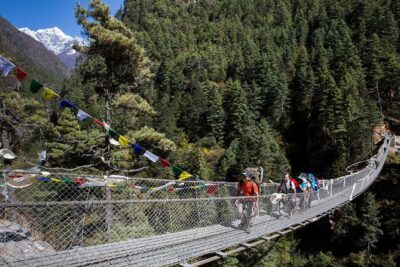 ★ 5.0Gokyo to Everest Base Camp TrekFrom $2,200113 reviews
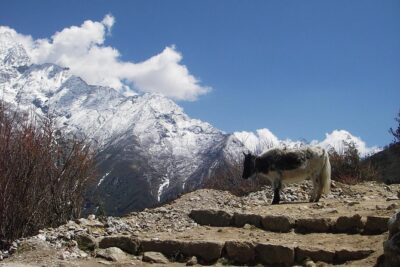 ★ 5.0Everest Base Camp – Cho La Pass – Gokyo TrekFrom $1,39465 reviews
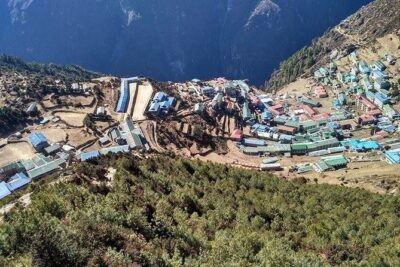 ★ 5.012 Days Everest Base Camp Kala Patthar TrekFrom $1,79961 reviews
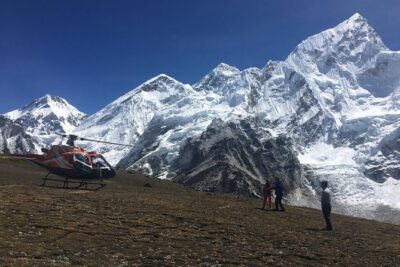 ★ 5.0Guaranteed Landing at Everest Base Camp Kalapathar by HelicopterFrom $3,50038 reviews
 ★ 5.0Everest Gokyo Valley Trek – 12 daysFrom $1,39927 reviews
 ★ 4.214-Day Everest Base Camp with Kala Patthar TrekFrom $1,29621 reviews
 ★ 5.0Landing Private Helicopter at Everest base camp & Gokyo for photoFrom $4,39920 reviews
 ★ 5.0Gokyo Valley TrekFrom $1,51419 reviews
Browse the lists this tour appears in