
Review · KATHMANDU UNESCO HERITAGE TOURS
Kathmandu: 7 UNESCO-Listed city sites group day trip
Seven UNESCO sites in one solid day. You’ll see Kathmandu as a storybook. I like how the English guide (Karma or Pooja, depending on your group) explains what you’re looking at, and I like the hotel pickup and drop-off that removes a lot of daily hassle. The catch is that the route includes walking and stair climbing, so it’s not a great fit if you have mobility limits or get motion sick.
This private group day trip strings together the biggest UNESCO names across Kathmandu, Patan, and Bhaktapur—plus Swayambhunath, Pashupatinath, and Boudhanath. You’ll move by van between sites, then spend focused time at each stop with photos, guided viewing, and breaks for the moments you’ll want to linger on.
In This Review
- Key highlights worth planning for
- Why this 7 UNESCO site day trip feels practical (not rushed)
- The van rides: the hidden benefit of having a plan
- Swayambhunath Stupa: start with the view and the symbolism
- Kathmandu Durbar Square: royal spaces at street level
- Patan Durbar Square: Newari craftsmanship with Hindu and Buddhist overlap
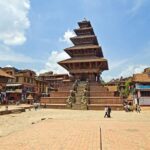
- Bhaktapur Durbar Square at twilight: the day’s mood shift
- Changu Narayan Temple: smaller, more focused, and sculpture-heavy
- Pashupatinath Temple by the Bagmati River: Hindu rituals in real time
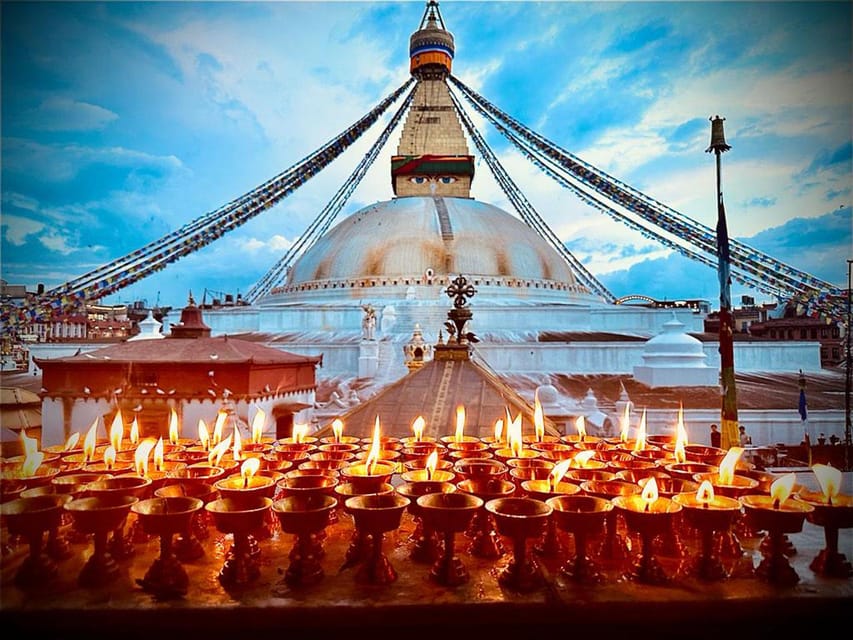
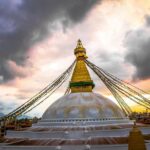
- Boudhanath Stupa: mandala scale and the rhythm of chanting
- What you get for $64: value versus the add-ons
- Who this private tour suits best (and who should skip it)
- A quick reality check on time and comfort
- Should you book this 7 UNESCO Kathmandu day trip?
- FAQ
- What seven UNESCO sites are included in the day trip?
- How long is the tour and where does it start?
- Are tickets to the heritage sites included?
- Is food included in the price?
- What language is the guide?
- Is the tour suitable for wheelchair users or people with mobility issues?
Key highlights worth planning for
- Seven UNESCO World Heritage sites in one day across three historic city areas
- English live guide who can adapt to your questions and pace
- Panoramic views from Swayambhunath to set the tone early
- Pashupatinath by the Bagmati River for Hindu cremation and ritual life
- Durbar Square time in each city for royal architecture and Newari craftsmanship
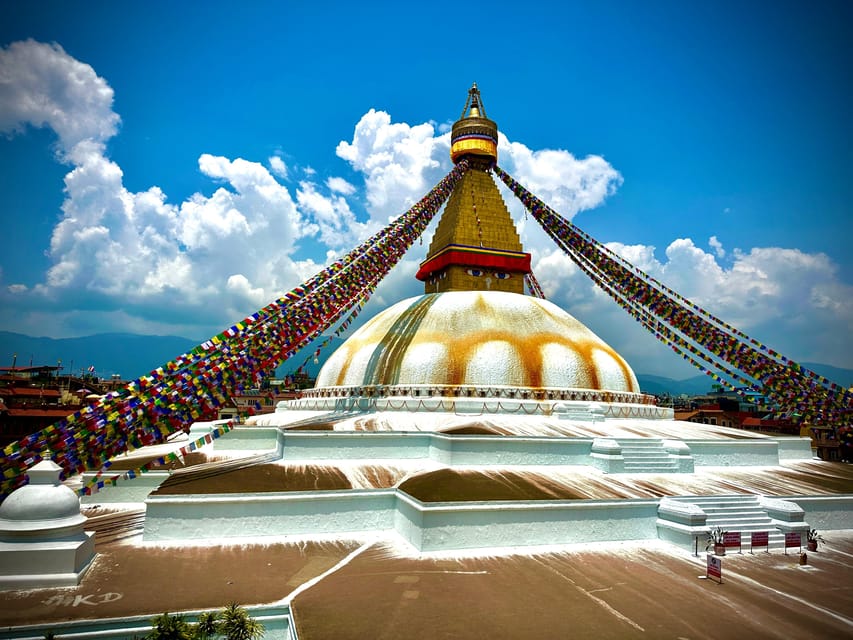
- Boudhanath stupa with devotees circumambulating and chanting nearby
Bigger sweeps across the valley
- Kathmandu: Private City Guided Tour★ 4.9 · 174 reviews
- Kathmandu City Tours★ 5.0 · 66 reviews
- Kathmandu Valley City Day Tour★ 5.0 · 40 reviews
- Full Day Kathmandu City Sightseeing Tour of UNESCO Heritage Sites★ 5.0 · 36 reviews
Why this 7 UNESCO site day trip feels practical (not rushed)
Kathmandu’s UNESCO sites can feel intimidating to stitch together on your own. This tour works because it’s built around a logical flow: royal squares and temples first, then major ritual sites, with enough guided time to make the places feel connected instead of random.
I also like the private-group format. It tends to mean fewer distractions and more room to ask why something is shaped the way it is, or what a ritual space is for. One thing I’d still keep in mind: the day is only 8 hours, so you’ll get “see it well” time, not “stay all afternoon” time.
The van rides: the hidden benefit of having a plan
Between sites you’re in a van, not walking city blocks in-between stops. That matters because Kathmandu’s sightseeing areas are spread out across Kathmandu Valley, and your day can go sideways fast if you’re juggling transit.
The tour also builds in short travel segments and then blocks of site time for photos, guided viewing, and breaks. I find that rhythm helps you enjoy the big moments—like the stupa views and the river rituals—without feeling like you’re sprinting the whole day.
Swayambhunath Stupa: start with the view and the symbolism
Swayambhunath is the kind of place that snaps your attention into place. You get time for photos and a guided visit, plus a bit of room to wander. It’s known for panoramic views over the Kathmandu Valley, and reaching it early helps you see the city in context.
Here’s what I’d watch for: stupa architecture isn’t just decoration. It’s a visual language—layers, shapes, and placement that help explain why pilgrims come here and why it’s so central to local religious life. Your guide’s explanations at this stop are especially useful because you’ll see similar religious design ideas ripple through the rest of the day.
Kathmandu Durbar Square: royal spaces at street level
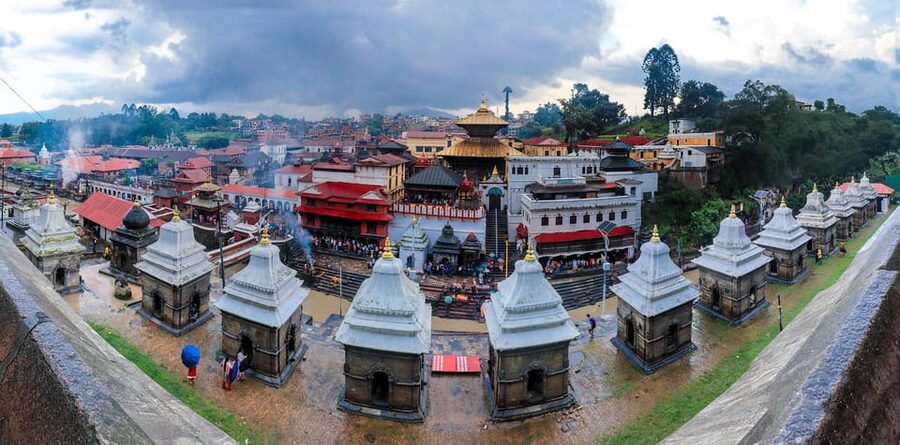
Next comes Kathmandu Durbar Square, where the focus shifts from “a view from above” to “royal history in the middle of town.” You’ll get guided time plus a bit of free time afterward.
This is one of the best parts of the day if you like craftsmanship. Durbar Squares are basically open-air showcases of palace and temple design—stonework, carved details, and layout that reflect how power and devotion were expressed side-by-side. If you’re trying to understand what Newar artisans created over generations, this stop gives you the baseline.
A practical consideration: you’ll be moving around enough to feel like sightseeing, not a static museum visit. Wear shoes that work on uneven surfaces, and plan on stopping often for photos and details.
Before you lock this one in, a few Kathmandu alternatives:
Patan Durbar Square: Newari craftsmanship with Hindu and Buddhist overlap
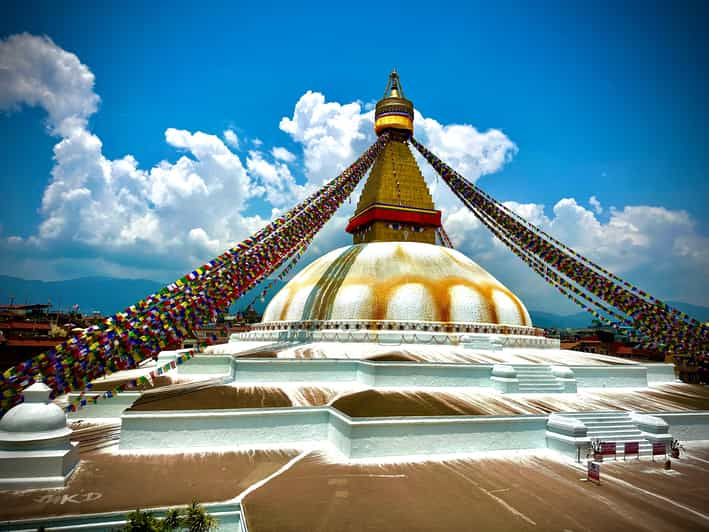
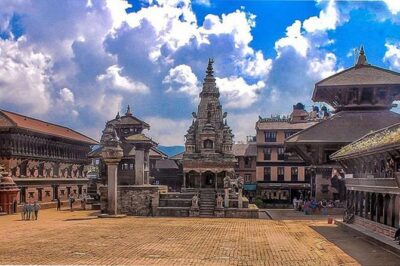
Patan Durbar Square brings you into a part of the valley where historic architecture is especially well-preserved. Your guided time here is about understanding the blend of Hindu and Buddhist influences, and how Newari craftsmanship shows up in the details.
If you’ve ever wondered why Nepal’s sacred spaces can feel both familiar and unique, this is where it becomes clear. You’ll see how the art isn’t only religious—it’s also civic and cultural. Patan’s layout helps you connect the artistic themes across the day, especially after you’ve already learned the “royal square” language at Kathmandu Durbar Square.
One small caution: because this is still a Durbar Square environment, expect crowds at peak times. Your private guide helps you slow down just enough to notice things instead of just aiming your camera.
Bhaktapur Durbar Square at twilight: the day’s mood shift
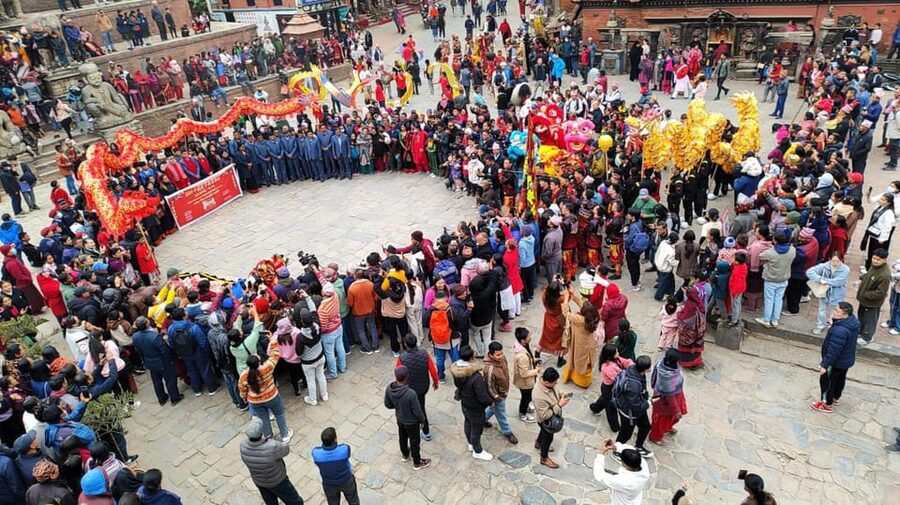
Bhaktapur Durbar Square is timed so you arrive when light is changing—twilight is part of the idea. The vibe at Bhaktapur tends to feel more medieval than the other city squares, and the guided time helps you read the space rather than just walk through it.
What I like most about this stop is how it closes the loop between architecture and atmosphere. In daylight, you see surfaces and proportions. In softer evening light, carvings and temple edges start to look more dimensional, and the whole area feels more lived-in as a historic town.
If you’re the type who hates rushing, this is one of the stops where you can benefit from taking your time during the free portion. Even an extra 10 minutes can make the carvings and courtyard rhythm feel more meaningful.
Changu Narayan Temple: smaller, more focused, and sculpture-heavy
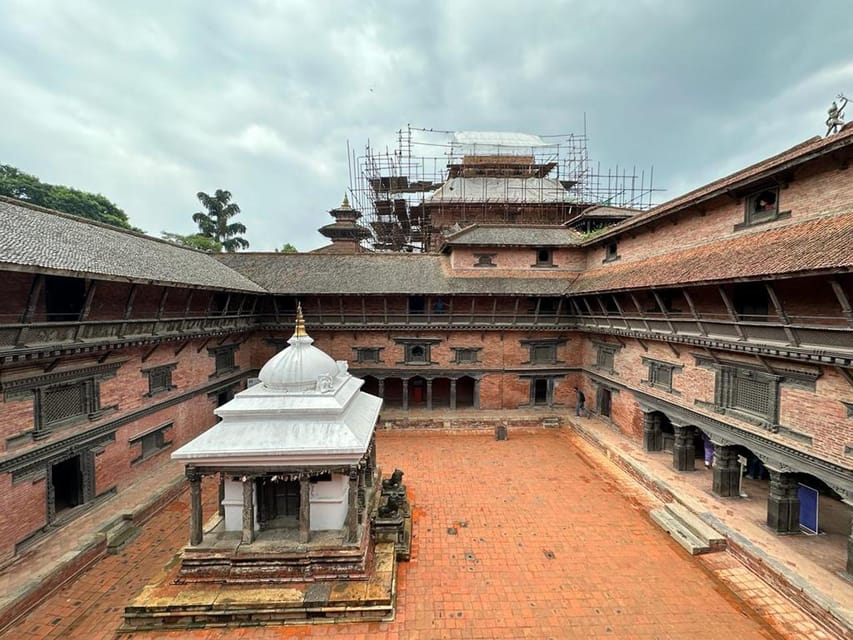
Changu Narayan Temple is different from the larger Durbar Square areas. Your stop here is shorter, with guided viewing and a quick window for photos and free time.
This is a good choice if you prefer focused attention over broad wandering. The temple is known for excellent sculptures and ancient inscriptions, which means your guide has plenty to work with—pointing out details you’d likely miss on your own.
Practical tip: because this is a temple stop, you’ll want to dress respectfully and plan for some stairs or uneven ground. The tour is designed for sightseers, but it’s still a walking-and-steps day overall.
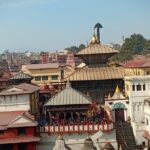
Pashupatinath Temple by the Bagmati River: Hindu rituals in real time
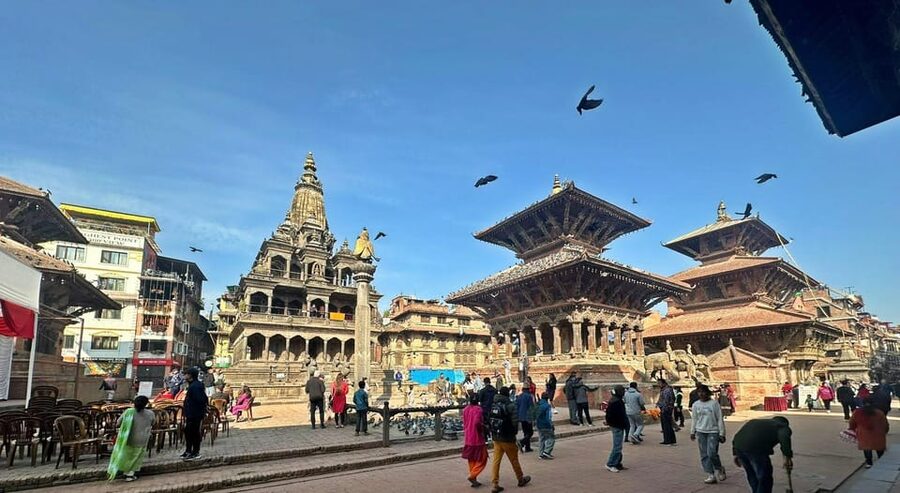
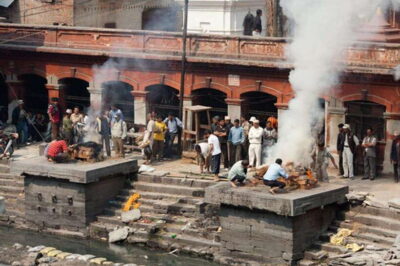
Pashupatinath is the stop that usually sticks with people. It’s the spiritual center for Hindu practice connected to the Bagmati River, and the tour specifically highlights cremation and other rituals.
I recommend approaching this part with a calm mindset. You’re observing sacred practices that are deeply meaningful to locals, so the “right” behavior is simple: be respectful, keep your voice down, and don’t treat it like a photo shoot. Your guide’s explanations are crucial here because they help you understand what you’re seeing and why it matters.
This stop also tends to shape how you feel about the entire day. After walking through royal architecture and stupa design, you suddenly see religion not as art history, but as everyday spiritual life—something still happening now.
Boudhanath Stupa: mandala scale and the rhythm of chanting
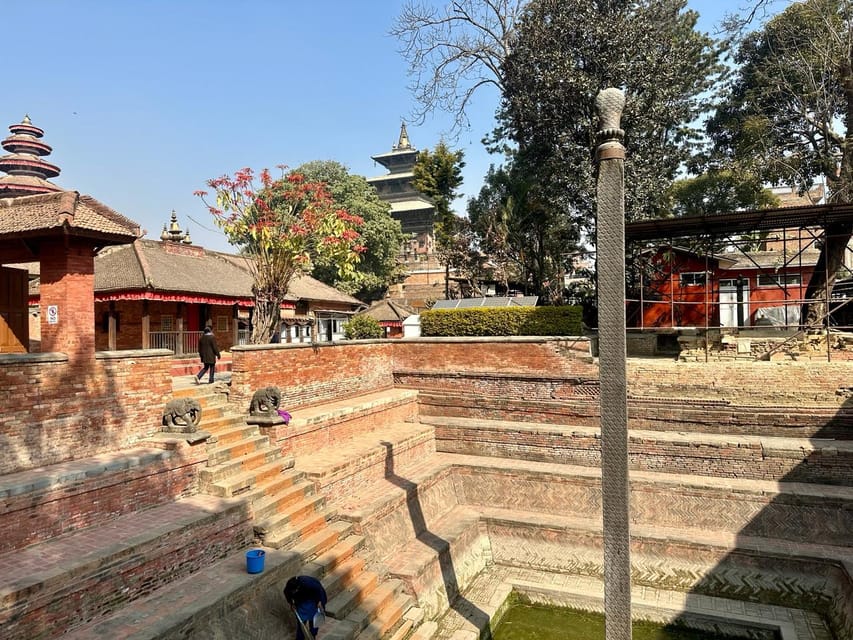
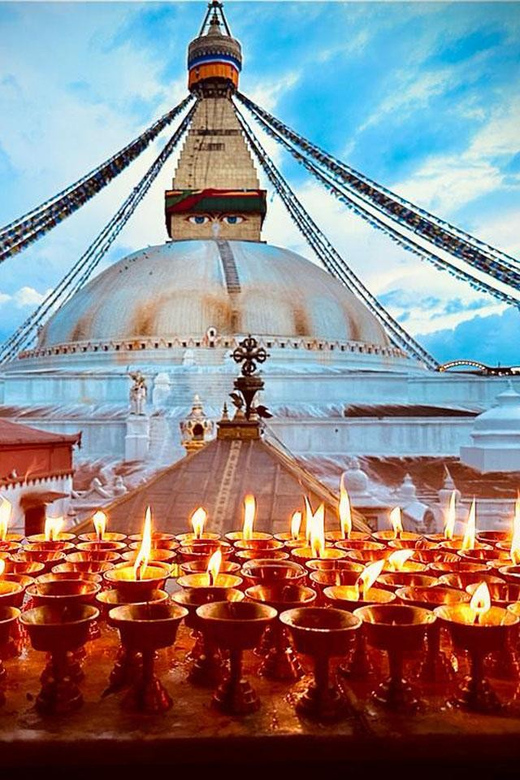
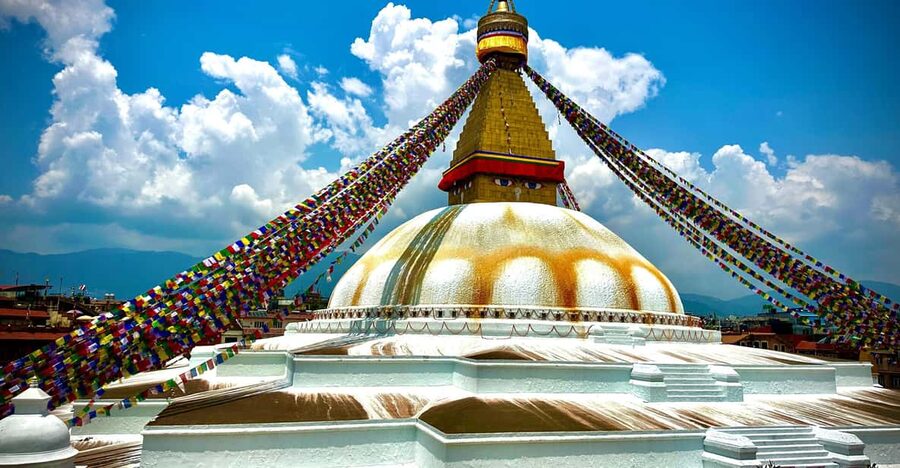
Boudhanath Stupa is huge, and your guided hour here is built around that presence. You’ll have time for photos and guided viewing, with free time afterward.
The stupa’s layout encourages a specific kind of devotion: you’ll see devotees circumambulating the stupa, and the tour notes the presence of rhythmic chants. Even if you don’t understand every word, you can feel the pattern of attention—people moving in a loop, pausing, continuing. It’s a different experience from the temple viewing earlier in the day because it centers on repeated action.
If you’re someone who gets camera-heavy and forgets to look up, this is where I’d slow down. Watch the stupa’s mandala-like design and the flow of people around it. It helps the place become more than a photo background.
What you get for $64: value versus the add-ons
At $64 per person for an 8-hour private day, the value comes from three things that are hard to DIY efficiently: hotel pickup/drop-off, transportation between distant sites, and a licensed English guide.
The main cost “catch” is that heritage site tickets are not included. Also, the tour includes skip-the-ticket-line access, which can save time during busy periods, but you’ll still need to handle any entry fees yourself. Food isn’t included either, so plan for lunch or snacks as part of your personal budget.
So is it worth it? If you want a guided explanation at multiple UNESCO sites, plus the convenience of van transport and pickup, this price lands in a sensible range. If you’re the type who likes building your own route and you already know how you’ll handle tickets and transit, you might compare costs—but you’d likely lose time and context.
Who this private tour suits best (and who should skip it)
This tour is a strong fit if you want a structured day that covers major sites across the valley with an English guide who can answer questions. It’s especially good for history-and-religion-minded visitors who like understanding the meaning behind temples, palaces, and sacred rituals.
It’s also a good option for solo travelers who want personal attention without joining a crowded bus. In at least a couple of guide experiences, the emphasis was on responsiveness to individual preferences and a willingness to answer questions—exactly the kind of help that turns a list of landmarks into a connected day.
You should think twice if you:
- need wheelchair accessibility (the tour isn’t suitable for wheelchair users)
- don’t do well with stairs or long walks
- are pregnant (not suitable per tour info)
- get motion sickness (not suitable)
- are traveling with children under 10 (not suitable)
A quick reality check on time and comfort
Seven UNESCO sites in one day means you will not have a “slow travel” pace. You’ll move, you’ll see, you’ll learn, and you’ll do it all with guided stops that include photos and breaks.
If you want this day trip to feel like a win, come prepared: comfortable shoes, patience, and a respectful attitude at the ritual sites. The walking and stair climbing is part of the design, so it’s better to match the tour to your fitness than to hope for an easy version of it.
Should you book this 7 UNESCO Kathmandu day trip?
Book it if you want a guided, well-paced sampler of Kathmandu Valley’s UNESCO highlights with minimal logistics work. The biggest reason I’d pick this tour is the guide factor: multiple guides (including Karma and Pooja in English) are described as attentive, question-friendly, and able to explain what you’re seeing in ways that make the sites feel understandable, not just impressive.
Skip it if you’re mobility-limited, pregnant, traveling with a young child, have motion sickness, or you really want unhurried time at fewer sites. Also, if you hate dealing with entry tickets and prefer fully included pricing, double-check your budget since site tickets and food are not included.
If your goal is one high-impact day where religion, royal architecture, and stupa devotion are connected by a clear human guide, this is a smart use of time in Kathmandu.
FAQ
What seven UNESCO sites are included in the day trip?
The tour covers Swayambhunath Temple, Kathmandu Durbar Square, Patan Durbar Square, Bhaktapur Durbar Square, Changu Narayan Temple, Pashupatinath Temple, and Boudhanath Stupa.
How long is the tour and where does it start?
It lasts about 8 hours and includes hotel pickup and drop-off in Kathmandu.
Are tickets to the heritage sites included?
No. Tickets to heritage sites are not included, even though the tour notes skip-the-ticket-line access.
Is food included in the price?
No. Food and personal expenses are not included.
What language is the guide?
The tour includes a live English guide.
Is the tour suitable for wheelchair users or people with mobility issues?
No. The tour notes walking and stair climbing and states it is not suitable for wheelchair users or people with accessibility needs.
More 1-Day Tours in Kathmandu


The Valley, End to End
More Tour Reviews in Kathmandu






Just Reviewed in Kathmandu
- Mountain Bike Tour
★ 5.0 · 3 reviews - Annapurna Panaroma
★ 5.0 · 3 reviews - Mount Everest Scenic Flight 50 Minutes
★ 5.0 · 3 reviews - Kathmandu : Swambhunath & Durbar Square Guided Half Day Tour
★ 3.3 · 3 reviews - Chandragiri Cable Car & Monkey Temple Tour – Private/Group
★ 5.0 · 3 reviews - Kathmandu: Shivapuri National Park Hiking Day Trip
★ 3.3 · 3 reviews
Kathmandu UNESCO Heritage Tours, compared.
 ★ 4.87 UNESCO Sites with LunchFrom $2744 reviews
 ★ 5.0Full Day 7 UNESCO Tour with Lunch – Private/GroupFrom $10415 reviews
 ★ 5.0Full Day Top 4 UNESCO Tour with Lunch – Private/GroupFrom $10269 reviews
 ★ 5.0UNESCO Seven World Heritage Tour in KathmanduFrom $180253 reviews
★ 4.9Full-Day 7 UNESCO Tour with Lunch – Private/GroupFrom $5247 reviews
 ★ 4.97 UNESCO Sites Tour in 1 Day (Private Tour)From $4204 reviews
 ★ 4.9Top 4 UNESCO Tour with Lunch – Private/GroupFrom $5181 reviews
 ★ 5.0Kathmandu Private Sightseeing Tour | UNESCO World Heritage SitesFrom $35109 reviews
Browse the lists this tour appears in