
Review · CITY TOURS
Kathmandu at Sunset: Explore the City on Rickshaw
Sunset in Kathmandu can feel like a time machine. I love the combo of a rickshaw ride with real street-level stops, and I love how the tour frames Kathmandu Durbar Square as a living place, not just a photo spot. One thing to consider: the pace can vary, and on at least one booking the tour time was shorter than the 2.5–3 hour promise.
You start right where you’ll be staying—Hotel Marshyangdi in Thamel—then slide into neighborhood lanes where you’ll hear daily life without the constant rush of big-city tour groups. I also like the inclusion of a quieter detour to the Sigal Buddhist shrine, so the evening doesn’t stay loud the whole time. If you’re hungry, plan ahead too, because food and drinks aren’t included.
The whole experience lasts about 2.5–3 hours, with an English-speaking Nepali guide and a small-group vibe (up to 12) for extra attention on the walking parts. You should come with comfortable shoes and a flexible attitude about timing, since the city doesn’t run on strict schedules.
In This Review
- Key Highlights You’ll Actually Care About
- Why Kathmandu at Sunset Works So Well on a Rickshaw
- Starting at Hotel Marshyangdi: The Convenience Advantage
- Thamel at the Start: Quick Orientation, Then Into the Backstreets
- Sigal Shrine: A Quiet Reset in a Narrow Alley
- Asan Market at Dusk: Spices, Shopping, and Street Life With Context
- Kathmandu Durbar Square: UNESCO, But Also Daily Life
- How the Rickshaw Ride Changes Your View of Kathmandu
- Price and Time: Is $49 Good Value?
- Who This Tour Fits Best (and Who Should Think Twice)
- A Few Tips to Get More Out of the Evening
- The Sustainability Angle: Carbon Neutral and Support for Heritage
- Should You Book This Kathmandu Sunset Rickshaw Tour?
- FAQ
- How long is the Kathmandu sunset rickshaw tour?
- What is the price per person?
- Where does the tour start?
- What stops are included during the tour?
- What’s included in the price?
- Are food and drinks included?
- Is the tour guided?
- How big is the group?
- What is the cancellation policy?
Key Highlights You’ll Actually Care About
- Rickshaw time is meaningful, not just a quick photo ride
- Sigal Buddhist shrine visit gives you a calm break in a side alley
- Asan Market at dusk puts spice smells and local shopping into context
- Durbar Square has a watch-the-world-move feeling, with chai sippers and prayer happening around you
- Small group size (12 people) helps you get answers without feeling rushed
- Guides focus on stories, especially around temples and what you’re seeing in the markets
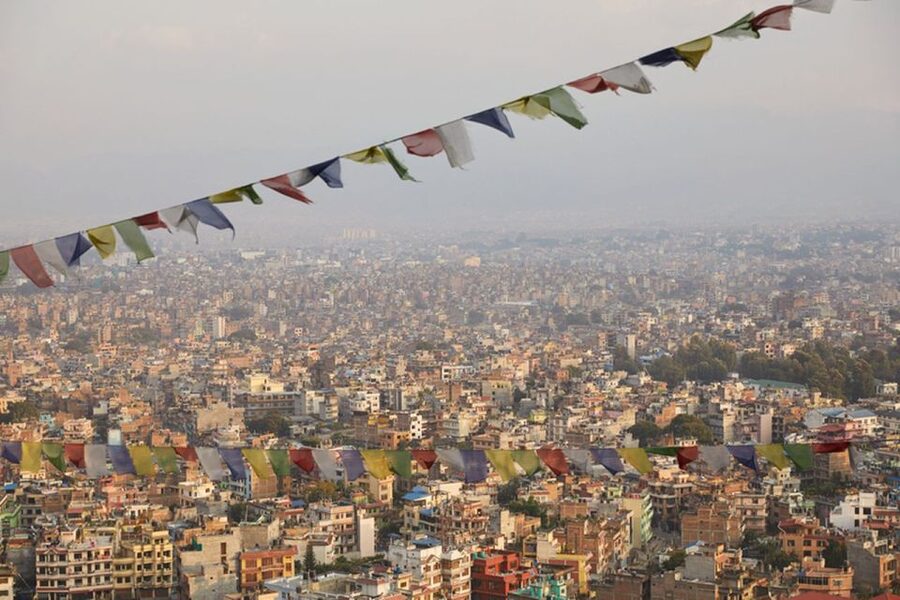
Bigger sweeps across the valley
- Kathmandu: Private City Guided Tour★ 4.9 · 174 reviews
- Kathmandu City Tours★ 5.0 · 66 reviews
- Kathmandu Valley City Day Tour★ 5.0 · 40 reviews
- Full Day Kathmandu City Sightseeing Tour of UNESCO Heritage Sites★ 5.0 · 36 reviews
Why Kathmandu at Sunset Works So Well on a Rickshaw
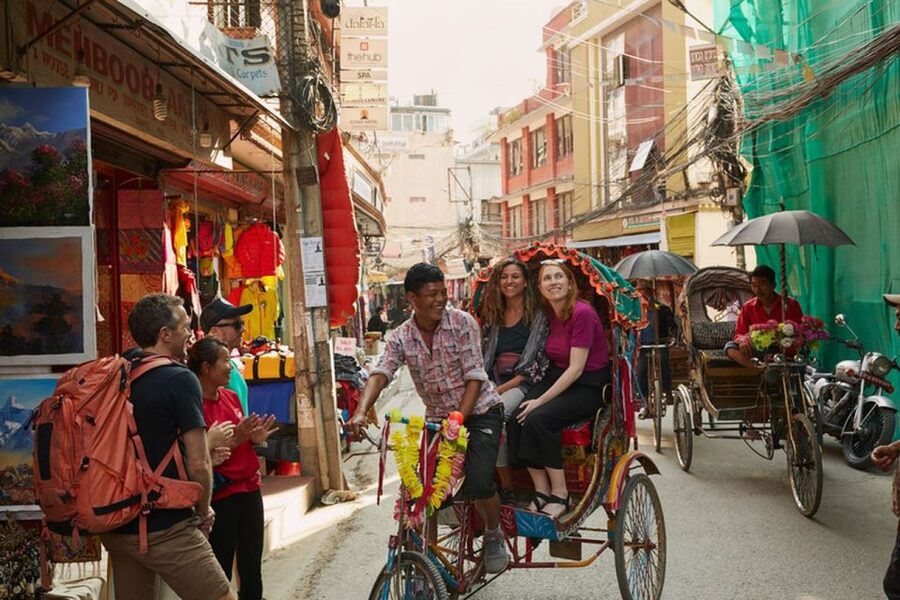
Kathmandu in late day has a special rhythm. The light softens the stone and the crowds shift from daytime errands to evening routines. A rickshaw helps you match that tempo. You’re moving slowly enough to notice details, but still gliding through lanes faster than walking alone.
What makes this tour a good fit is that it’s not just “see famous places.” It’s built around a sequence of textures: busy market energy, a quiet religious pause, and then Durbar Square as a public stage where people actually carry on with daily life.
You’ll also get a guide who talks in plain terms about what you’re looking at—temples, markets, and why certain corners matter. Even if you only catch a few key facts, it changes how the sights land.
Starting at Hotel Marshyangdi: The Convenience Advantage
Meeting at Hotel Marshyangdi, Chaksibari Marg, keeps things easy on day one. Instead of wrestling with transit or finding a random pickup point, you’re already in Thamel, the practical hub most people use for lodging.
From there, you move into the older, tighter streets. That jump matters because it shifts the experience from “tourist Kathmandu” to “local Kathmandu,” without you having to plan routes yourself. If you’re short on time—or tired after travel day—this structure is a real advantage.
Thamel also sets you up for an honest comparison: you’ll see the contrast quickly, from the more visited area to the backstreets you’ll later ride through.
Thamel at the Start: Quick Orientation, Then Into the Backstreets
The tour begins with a short Thamel visit (about 15 minutes). Think of this as a warm-up. You’ll get your bearings fast: what’s where, what kind of street activity is normal, and what to expect from evening movement in Kathmandu.
Then the tour nudges you away from the most obvious routes. That’s where the rickshaw becomes more than transportation. You’re basically being “carried” into the parts of the city where pedestrians and small stalls shape the streets more than cars do.
Practical tip: keep an eye on how you’ll be stepping off the rickshaw. The tour includes walking time at stops, so you want your shoes to be ready for uneven pavement and temple areas.
Sigal Shrine: A Quiet Reset in a Narrow Alley
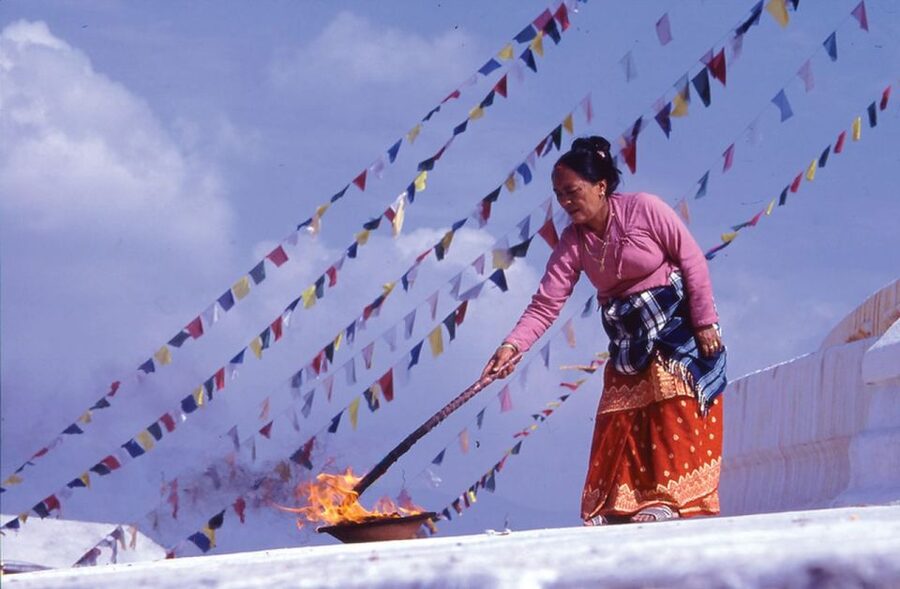
One of the smarter parts of this tour is the Sigal Buddhist shrine stop. It’s only a few steps inside an alley, which means you don’t need to trek or rearrange your day. But it gives you a contrast moment right in the middle of the evening flow.
This is the kind of stop that makes the whole tour feel balanced. After noise and shopping smells in the busier areas, you get a calmer scene where the spiritual atmosphere is the main event. If you enjoy architecture and religious spaces, you’ll likely appreciate how the guide points out what you’re seeing here versus what you’ll see later at Durbar Square.
Also, it’s a good reminder that Kathmandu’s religious life isn’t separate from daily commerce—it sits close by, often literally around the corner.
Other ways into a Kathmandu evening
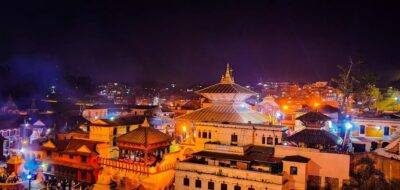
Asan Market at Dusk: Spices, Shopping, and Street Life With Context
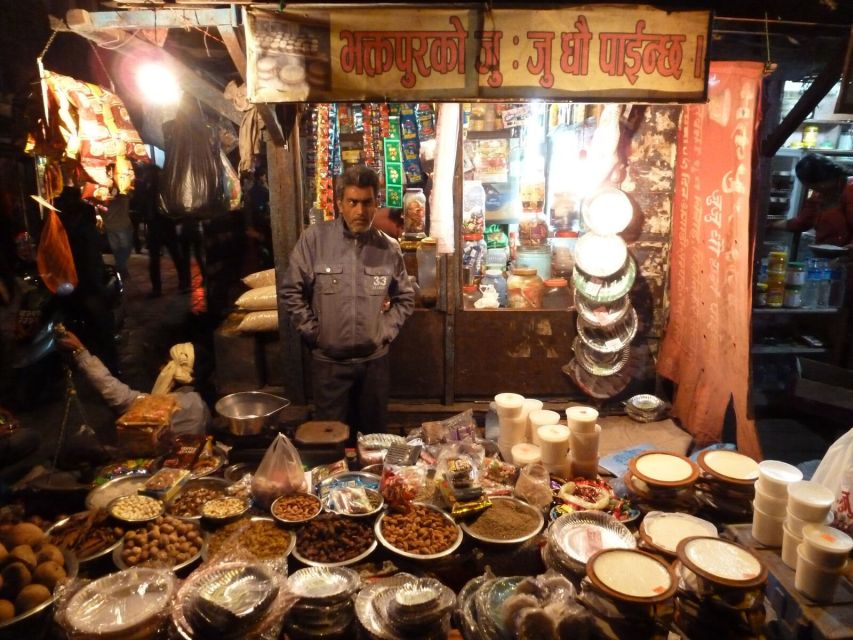
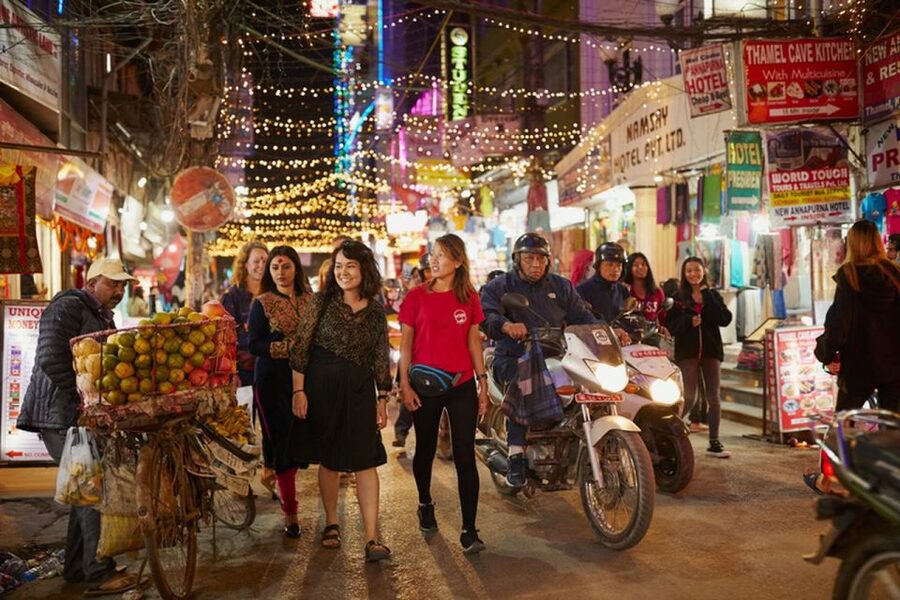
Asan is famous for a reason. It’s known for vibrant vegetable and spice trading, and the tour uses this stop to connect smells and sights to everyday Kathmandu routines.
You’ll spend about an hour here. That’s enough time to actually slow down a bit and understand what’s happening, rather than rushing through. And because the timing is around dusk, the atmosphere feels different than a midday market visit—more human scale, more evening browsing, and a little more of that “this is how people live” energy.
You’ll also notice visual cues that matter when you’re shopping or walking through: stall layouts, how goods are displayed, and how people move around each other. If your curiosity leans toward food culture and how markets shape cities, Asan is one of the most satisfying stops on this route.
A drawback to consider: markets can be crowded and active. If you don’t like close quarters or strong food smells, Asan may feel intense. You can still enjoy it, but it’s worth going in mentally prepared.
Kathmandu Durbar Square: UNESCO, But Also Daily Life
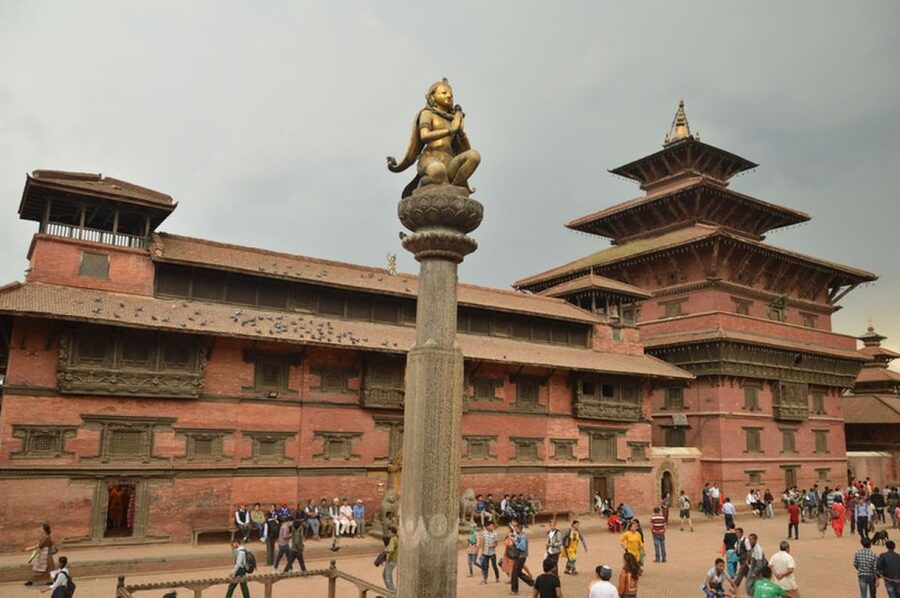
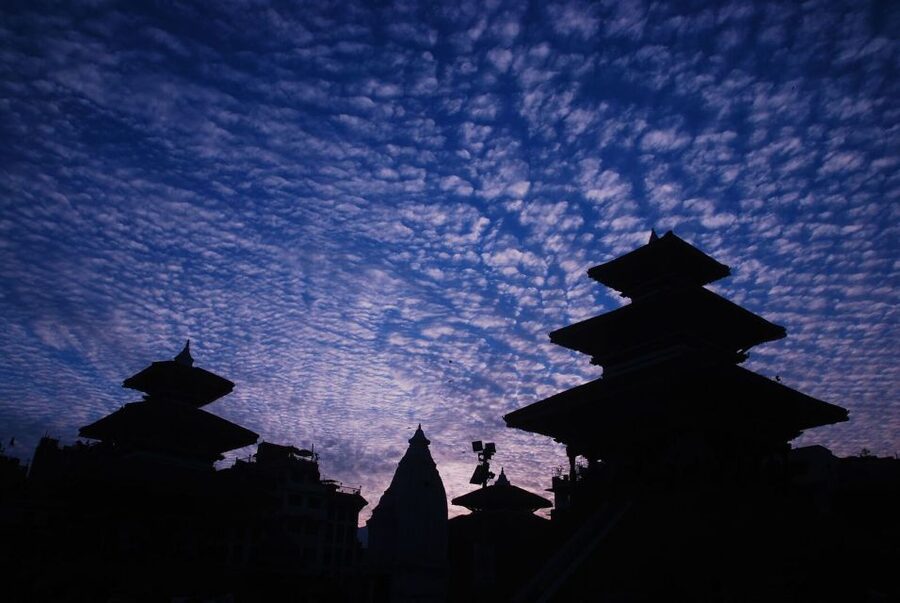
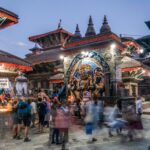
Durbar Square is the big-ticket moment. You’ll spend about 1.5 hours there, and the tour encourages you to park yourself in one of the temple squares and simply watch.
What makes the experience feel special isn’t only the architecture—it’s how the space works when people use it. You’ll see locals sipping hot chai, devotees in prayer, and pigeons fluttering as everyday routines continue. That mix of tourism and local life is exactly why a guide-led timing at sunset works well.
And here’s the practical value: Durbar Square can be overwhelming if you arrive without context. Entrance fees are included, so you’re not worrying about ticket logistics while you’re trying to understand what you’re looking at. Your guide also helps you make sense of how the area fits into Kathmandu’s cultural heritage.
The tour frames Durbar Square as a place you experience, not a checklist you race through. If you like moments where you can sit and absorb, this part will probably be a highlight.
How the Rickshaw Ride Changes Your View of Kathmandu
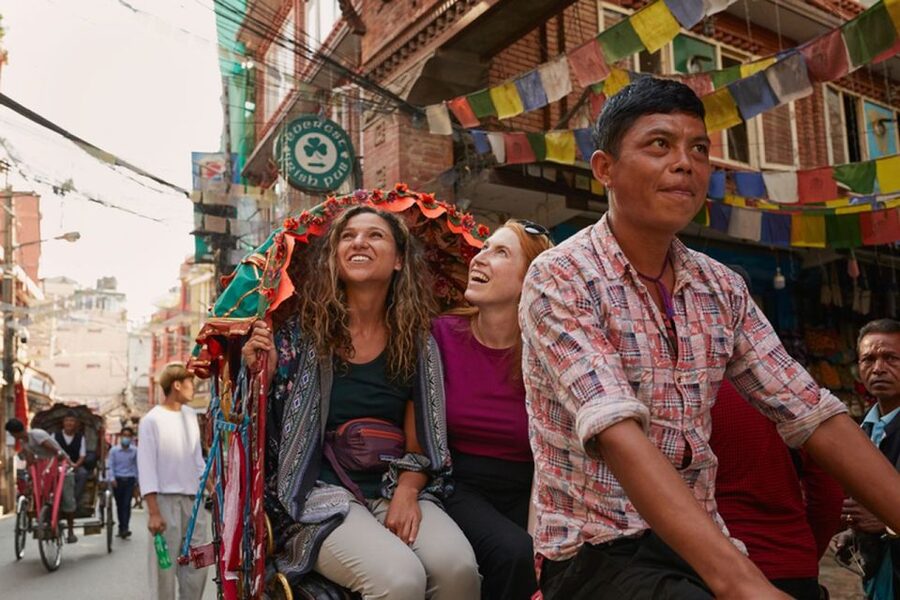
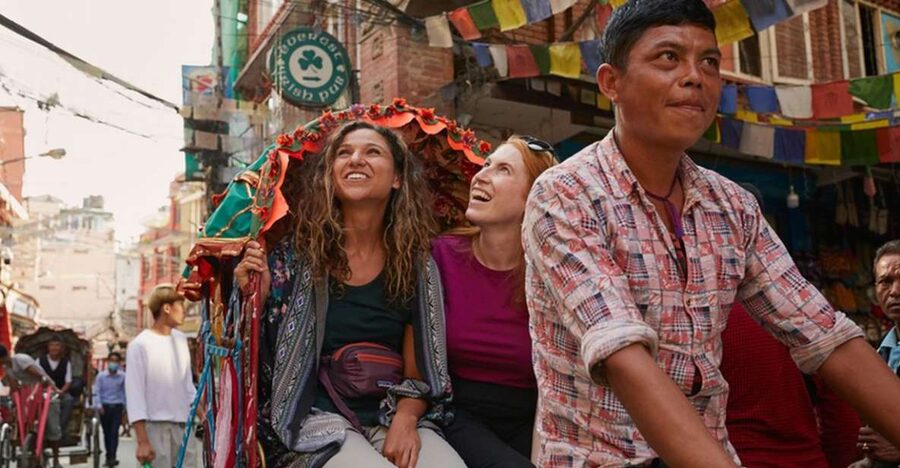
You’ll ride in a pedicab/rickshaw for about an hour. That doesn’t sound long on paper, but it feels like a key segment because it’s your main “glide” through the city’s backstreets.
Two practical reasons rickshaws make this work:
- You move at a human pace. You can look up, notice storefront activity, and read how streets feel.
- The route is shaped by the city, not by speed. Narrow lanes and slower turns give you a different perspective than a car would.
There’s also an ethical value here that matters. The tour hires rickshaws directly from drivers, which supports them financially. Kathmandu has modern motorbikes and cars that have replaced rickshaws in many areas, so this isn’t just a nostalgic gimmick—it’s a small way to keep traditional work going.
You’ll likely appreciate that if you care about responsible travel beyond recycling slogans.
Price and Time: Is $49 Good Value?
For $49 per person, you’re getting a 2.5–3 hour guided experience with:
- Rickshaw hire
- An English-speaking Nepali guide
- Entrance fee to Kathmandu Durbar Square
- Sigal shrine visit
- A route that includes Thamel, Asan, and Durbar Square
Value comes from what’s included. If you were to do this on your own, you’d still need a driver/rickshaw arrangement, tickets for Durbar Square, and time spent figuring out where to go and what you’re looking at. This tour bundles those moving parts.
One caution: timing can vary. The tour is listed as 2.5–3 hours, but at least one past booking reported a shorter experience (around 1.5 hours). That doesn’t automatically mean a problem, but it’s a useful expectation check. If you’re trying to fit this into a tight evening plan, I’d give yourself a buffer.
Also remember: food and drinks aren’t included. You won’t starve, but you should not assume the tour covers dinner. If you want a full evening meal, plan to eat before or after.
Who This Tour Fits Best (and Who Should Think Twice)
This is a great fit if you want:
- A guided way into temples + markets in one outing
- A rickshaw experience that feels like local street travel
- A small-group feel (up to 12) so you can ask questions without shouting
It may be less ideal if you:
- Want a very structured, clockwork itinerary with guaranteed timing down to the minute
- Dislike market crowds or strong spice smells
- Need meal coverage as part of the tour (because food/drinks aren’t included)
If you’re traveling solo, it’s still worth it because the guide is doing the heavy lifting: interpreting what you see and keeping the route flowing. If you’re traveling with friends or family, the small group size helps the experience stay personal.
A Few Tips to Get More Out of the Evening
Here are simple things that make the biggest difference, based on how the tour is set up.
Wear comfortable walking shoes. You’ll spend time on foot at the market and in temple areas.
Bring cash or plan for purchases. Markets like Asan are there for browsing and buying. If you want snacks later, you’ll likely find good options nearby.
Have a basic expectation about timing. Sunset means light changes quickly, and the city’s pace can shift. If your schedule is tight, don’t book back-to-back plans with zero margin.
If you’re sensitive to crowds, Asan is the stop to mentally brace for. You can still enjoy it by stepping in and out of busier pockets and letting your guide steer you toward less chaotic corners.
The Sustainability Angle: Carbon Neutral and Support for Heritage
This tour is described as carbon neutral and operated by a B Corp certified company committed to using travel as a force for good. Even if you don’t follow sustainability labels closely, it’s good to see this tour ties its “good” claims to real actions in Kathmandu.
Two grounded details stand out:
- You support preservation of cultural heritage through entrance fees to Kathmandu Durbar Square.
- Rickshaw hire directly supports drivers, at a time when cars and motorbikes have largely taken over.
If you like your responsible travel to have receipts, these elements help.
Should You Book This Kathmandu Sunset Rickshaw Tour?
I’d book it if you want a single evening that covers three things that people usually have to chase separately: street life in Thamel, market culture at Asan, and the religious/public energy of Durbar Square—experienced from a rickshaw instead of a quick drive-by.
Skip it or choose a different plan if your main goal is a long, slow temple circuit with guaranteed duration, or if you’re not comfortable with market crowds and spice-heavy air. Also, since food isn’t included, make sure you can handle dinner plans right after.
If your ideal Kathmandu evening is part sightseeing and part watching life happen, this tour hits that balance well.
FAQ
How long is the Kathmandu sunset rickshaw tour?
It runs for about 2.5 to 3 hours.
What is the price per person?
The price is listed as $49 per person.
Where does the tour start?
The meeting point is Hotel Marshyangdi, Chaksibari Marg, Thamel, Kathmandu.
What stops are included during the tour?
You visit Thamel, Asan, Kathmandu Durbar Square, and a Buddhist shrine visit at Sigal.
What’s included in the price?
The price includes rickshaw hire, an English-speaking Nepali guide, entrance fees to Kathmandu Durbar Square, and the Sigal shrine visit.
Are food and drinks included?
No. Food and drinks are not included.
Is the tour guided?
Yes. It includes an English-speaking Nepali guide.
How big is the group?
The walking tour portion is for a small group of up to 12 people, and private group options are available.
What is the cancellation policy?
Free cancellation is available up to 24 hours in advance for a full refund.
When the Lights Come On
The Valley, End to End
More Tour Reviews in Kathmandu






Just Reviewed in Kathmandu
- Mountain Bike Tour
★ 5.0 · 3 reviews - Annapurna Panaroma
★ 5.0 · 3 reviews - Mount Everest Scenic Flight 50 Minutes
★ 5.0 · 3 reviews - Kathmandu : Swambhunath & Durbar Square Guided Half Day Tour
★ 3.3 · 3 reviews - Chandragiri Cable Car & Monkey Temple Tour – Private/Group
★ 5.0 · 3 reviews - Kathmandu: Shivapuri National Park Hiking Day Trip
★ 3.3 · 3 reviews
City Tours, compared.
 ★ 4.9Private City Guided TourFrom $40174 reviews
 ★ 5.0Kathmandu City ToursFrom $12066 reviews
 ★ 5.0Kathmandu Valley City Day TourFrom $6040 reviews
 ★ 5.0Full Day Kathmandu City Sightseeing Tour of UNESCO Heritage SitesFrom $5036 reviews
 ★ 5.04 UNESCO City Sightseeing in KathmanduFrom $5036 reviews
 ★ 5.0Patan and Bhaktapur City Full Day TourFrom $5024 reviews
 ★ 5.02 Night 3 Days Pokhara City TourFrom $10022 reviews
 ★ 5.0Kathmandu City Tour – Private UNESCO World Heritage Sites TourFrom $1720 reviews
Browse the lists this tour appears in