
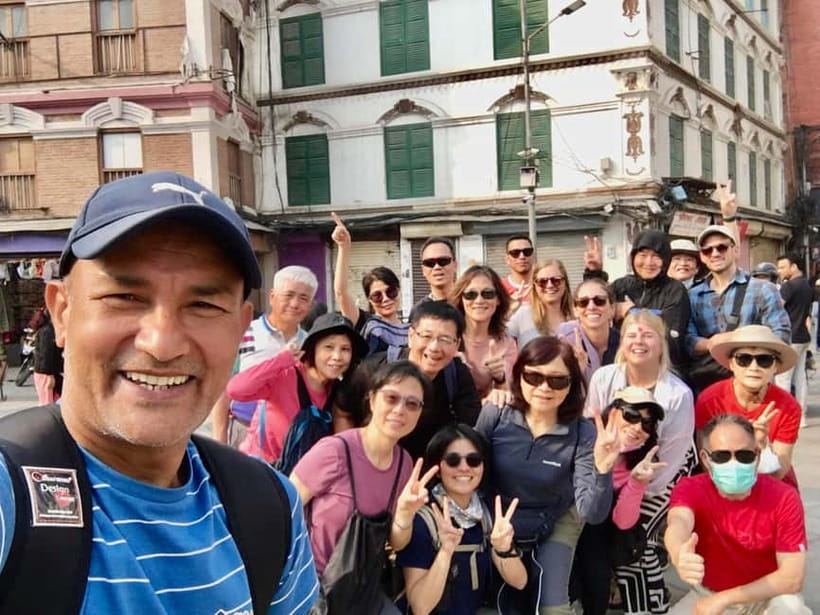
Review · SWAYAMBHUNATH MONKEY TEMPLE TOURS
Kathmandu: Guided Walking Tour with Monkey Temple
Stairs, temples, and Monkey Temple views. This Kathmandu walking tour strings together Garden of Dreams, Kathmandu’s busy center, and a UNESCO site into one fluid day.
You’ll get a local guide in English, then follow a route that mixes quiet garden space with temples, stupas, and everyday ritual life.
I especially like two parts. First, Garden of Dreams as a calm start right in the city. Second, the Monkey Temple hill visit, with a 45-minute walk up and a dramatic descent of 365 steps.
One drawback to flag up front: this is stair-heavy walking, and it’s not the kind of route you’ll enjoy if your mobility is limited or if weather turns rough.
In This Review
- Key highlights to know before you go
- Garden of Dreams: the calm start that sets the tone
- Stupas, temples, and ritual streets in the local neighborhoods
- Kathmandu market + Kathmandu Durbar Square: where heritage meets real life
- Newari residential area: temples, everyday life, and a cremation place
- The 77m Monkey Temple hill: a conical climb with real views
- 365 steps back down: make footwear your priority
- Price and value: why $15 can work if you want real context
- Who should book this Kathmandu walk
- Should you book the Monkey Temple walking tour?
- FAQ
- Where do we meet the guide?
- What’s the route like?
- Is there a lot of walking and stairs?
- Is the Monkey Temple part of UNESCO?
- Do I need hotel pickup?
- Are meals and drinks included?
- What language is the tour offered in?
- What should I bring for the day?
- Is smoking allowed during the tour?
- Can I pay later, and is there a refund if I cancel?
Key highlights to know before you go
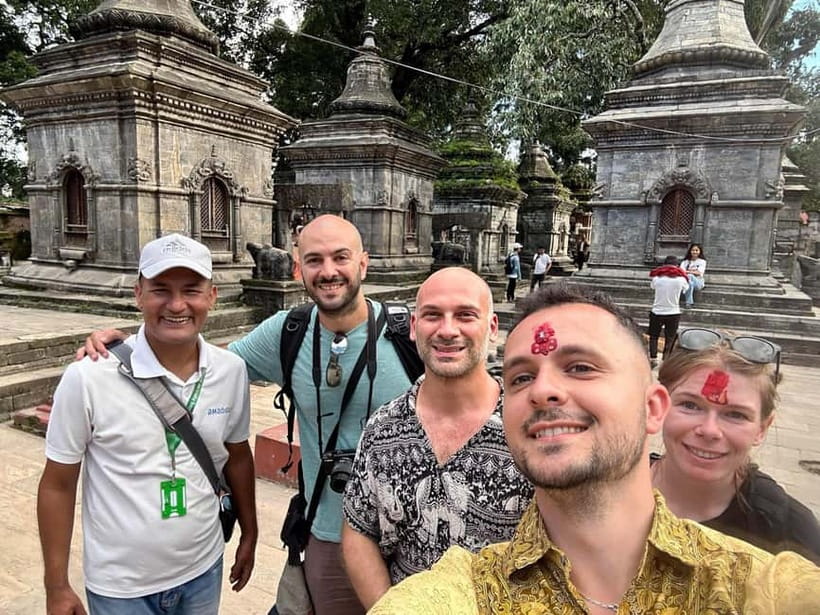
Garden of Dreams as your launch pad: A peaceful oasis before you hit the streets.
Durbar Square plus market energy: See Kathmandu’s heritage and daily commerce in the same flow.
Newari residential area stop: You’ll look at local temple corners and a cremation place with care.
Monkey Temple hill details: Conical-shaped, 77m high, reached via a 45-minute walk.
The 365-step descent: Your return is steep, so good shoes matter.
Kathmandu at walking pace, more routes
- Kathmandu Food and Drink Walking Tour★ 5.0 · 266 reviews
- Kathmandu: Food and Drink Walking Tour★ 4.9 · 119 reviews
- Walking Street Food Tour in Kathmandu★ 5.0 · 111 reviews
- Walking Food Tour in Hidden Local Eateries of Kathmandu★ 5.0 · 40 reviews
Garden of Dreams: the calm start that sets the tone
You meet at the front gate of Garden of Dreams. Look for the guide with a placard that says Himkala Adventure. It’s a smart way to begin, because Kathmandu can feel fast and loud once you step outside.
Garden of Dreams works like a reset button. You’re not immediately fighting traffic noise or crowds. Instead, you ease into the day with something green and peaceful, then you get ready for the contrast: temple streets, stone architecture, and people going about their normal routines.
What makes this start especially valuable is how it changes your attention. When you later pass older stupas and temples, you’ll notice details more. You’ll also understand better why locals treat religious and everyday life as connected, not separate.
Stupas, temples, and ritual streets in the local neighborhoods
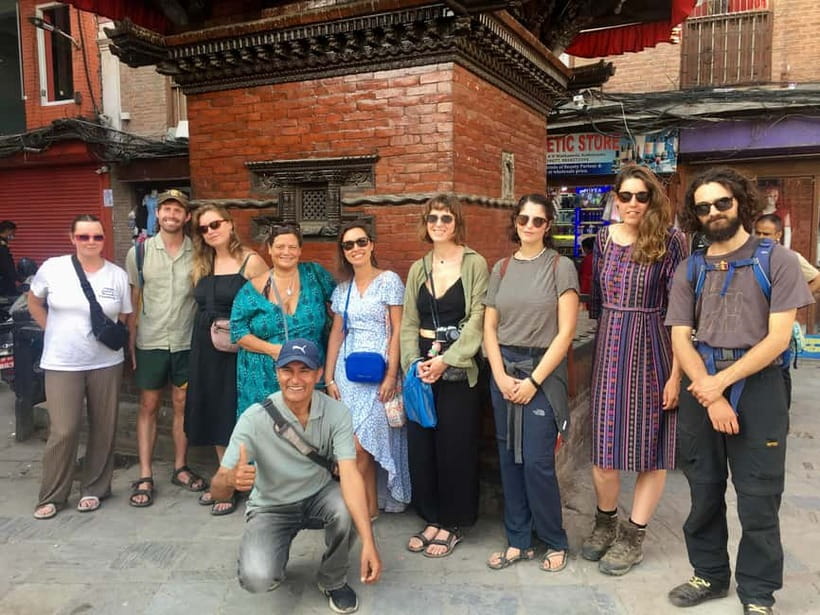
After Garden of Dreams, your route moves into local areas where you can spot old stupas and temples and watch people performing ritual activities. This is one of those stops that isn’t about one single photo moment. It’s about learning how a city like Kathmandu breathes.
Your local guide matters here. They’re there to explain the history of the city and its people, and you’ll get context for what you’re seeing—why certain spaces matter, and what daily ritual looks like from the inside.
If you want a practical tip: plan to walk slowly for a few minutes at a time, even when the group keeps moving. This is the part where you’ll benefit most from asking questions. With a guide like Shiva (who people describe as punctual, calm, and willing to answer), you can actually stop and understand instead of just passing by.
Kathmandu market + Kathmandu Durbar Square: where heritage meets real life
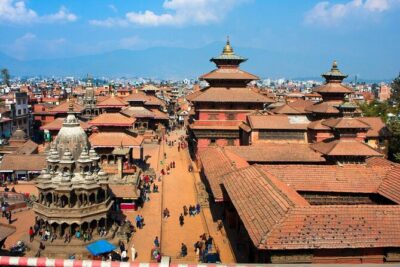
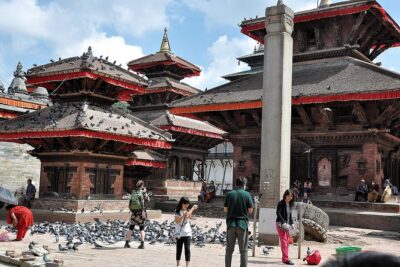
Next up is the bustling market and then Kathmandu Durbar Square. This is Kathmandu’s hard-to-ignore center—trade, chatter, and foot traffic all in the same frame as historic architecture.
Durbar Square is the anchor. It’s where the city’s heritage feels physical. You’ll see temples and heritage spaces alongside street life. The effect can be a little overwhelming if you try to cover everything at full speed. I suggest you treat it like a sampler: look for patterns in the stonework, then come back to one or two favorite areas and slow down.
The market section right before also helps. It gives your brain a reference point for the day’s rhythm. You’ll understand how people move, what they’re doing, and how the sacred and practical share the same sidewalks.
Potential downside: if you’re sensitive to crowds, this part may feel tighter than the garden start. Bring water and keep your hat on. You’ll want to stay comfortable so you can actually enjoy what you’re looking at.
Newari residential area: temples, everyday life, and a cremation place
After the Durbar Square area, the route follows the Newari residential area. This is where the tour becomes more intimate and less about landmarks.
You’ll observe a local temple and a cremation place. The key word here is respect. Don’t treat this like a sightseeing detour. It’s a working part of how the community handles life and death. Keep your voice down, step aside when needed, and dress modestly when visiting religious sites.
This section is valuable because it helps you understand Kathmandu beyond the postcard layer. Newari life is not only buildings and monuments. It’s also routines, ceremonies, and spaces that stay important year after year.
If you want to get the most out of it, ask your guide how these spaces fit into daily religion and local identity. A good guide can connect what looks like separate sights into one picture of how Kathmandu operates.
More days made easy with a local guide
The 77m Monkey Temple hill: a conical climb with real views
Then comes the big feature: the Monkey Temple. You walk about 45 minutes to the hill that locals lovingly call the Monkey Temple. It’s conical-shaped and reaches 77m high from the ground level of Kathmandu.
This isn’t a “museum stairs” situation. It’s a lived-in hill approach. Expect a steady walk, and plan your pace. If the weather is warm, take small breaks. If it’s humid, keep sipping water rather than waiting for thirst.
Why this stop is worth the effort: it gives you a strong physical sense of Kathmandu’s geography. The hill is close enough to the city that you’re still in the street world while you rise toward the temple area. That contrast makes the destination feel more connected, not separate.
Also, the Monkey Temple is a UNESCO World Heritage Site, so you’re not just ticking off a viewpoint. You’re visiting a landmark that represents important cultural and architectural significance.
365 steps back down: make footwear your priority
After you visit the Monkey Temple and the surrounding area, you return back toward Thamel by descending 365 steps down the hill. That number sounds dramatic, because it is. Even if you’re generally fit, the downhill can be hard on your knees.
This is the part where your gear matters. Comfortable shoes are non-negotiable. If you’ve got worn soles or slippery footwear, this is where it shows. You’ll also want water and sunscreen, especially if you’re doing this under a strong sun or between sudden cloud bursts.
Weather can vary in Kathmandu. The tour doesn’t promise perfect conditions, so build in flexibility. If it rains, take extra care on steps. If it’s hot, keep your hat on and slow down at landings.
The good news: descending still lets you enjoy the temple area views in reverse. Instead of leaving the moment you finish a landmark, you gradually get back into neighborhood life. It’s a gentle transition—just steep.
Price and value: why $15 can work if you want real context
At $15 per person, this guided walking tour is priced like a budget-friendly way to see the main heritage anchors of central Kathmandu without turning it into a chaotic self-planning exercise.
You’re paying for a professional guide. And in a city where sites can blend together fast—durbar squares, temple clusters, and residential corners—having someone point out what matters can be the difference between seeing a lot and understanding anything.
Here’s the balance check: this price does not include hotel pickup/drop-off or meals and drinks. So you’ll need to handle your own starting logistics and budget for water and snacks. Still, the guide inclusion is the key value point, because you’ll spend much of the day walking and looking at cultural spaces where context really improves the experience.
Based on how people describe guides like Shiva, the tours also tend to feel personal: taking time to answer questions, staying kind and calm, and adding context that you’d miss if you just followed signs.
Who should book this Kathmandu walk
This tour makes the most sense if you like walking, want a guided cultural lens, and don’t mind moving at a steady pace through markets and heritage sites.
You’ll likely enjoy it most if you:
- Want to see Garden of Dreams, Kathmandu Durbar Square, and the Monkey Temple as part of one linked route
- Like religious and cultural spaces, including watching people doing ritual activities
- Prefer local explanations over only reading plaques
It’s not suitable for children under 5, and it’s not designed for people with mobility impairments or wheelchair users. If stairs are a concern for you, take that seriously.
Should you book the Monkey Temple walking tour?
If you want an affordable, guided way to connect Kathmandu’s garden calm, heritage squares, neighborhood streets, and UNESCO-level temple energy, I think this is a strong choice. The $15 price works when you value a guide’s interpretation and when you’re comfortable with long walking and stairs.
Book it if you:
- Can handle a long day on foot
- Want a local guide in English (Shiva is described as punctual and friendly)
- Respect religious spaces and enjoy asking questions
Skip it if you’re looking for minimal walking, step-free access, or a tour that includes hotel pickup and meals. This one is built for people who want to walk Kathmandu with their eyes open.
FAQ
Where do we meet the guide?
You meet at the front gate of Garden of Dreams. The guide will be there holding a placard that says Himkala Adventure.
What’s the route like?
You start at Garden of Dreams, walk through local areas with temples and ritual activities, continue to the market and Kathmandu Durbar Square, then follow the Newari residential area. After that you walk to the Monkey Temple hill, visit the stupa and surrounding area, and return back toward Thamel.
Is there a lot of walking and stairs?
Yes. The tour involves a significant amount of walking, including stairs. You walk about 45 minutes to reach the Monkey Temple area, and you descend 365 steps on the way back.
Is the Monkey Temple part of UNESCO?
Yes. The Monkey Temple is listed as a UNESCO World Heritage Site.
Do I need hotel pickup?
No. Hotel pickup and drop-off are not included.
Are meals and drinks included?
No. Meals and drinks are not included.
What language is the tour offered in?
The tour is offered in English.
What should I bring for the day?
Bring comfortable shoes, a hat, a camera, sunscreen, and water.
Is smoking allowed during the tour?
No. Smoking is not allowed.
Can I pay later, and is there a refund if I cancel?
You can reserve and pay later, meaning you book now and pay nothing today. If you cancel up to 24 hours in advance, you receive a full refund.
Kathmandu on Foot: More Walks


More Tours in Kathmandu

More Tour Reviews in Kathmandu

Just Reviewed in Kathmandu
- Mountain Bike Tour
★ 5.0 · 3 reviews - Annapurna Panaroma
★ 5.0 · 3 reviews - Mount Everest Scenic Flight 50 Minutes
★ 5.0 · 3 reviews - Kathmandu : Swambhunath & Durbar Square Guided Half Day Tour
★ 3.3 · 3 reviews - Chandragiri Cable Car & Monkey Temple Tour – Private/Group
★ 5.0 · 3 reviews - Kathmandu: Shivapuri National Park Hiking Day Trip
★ 3.3 · 3 reviews
Swayambhunath Monkey Temple Tours, compared.
 ★ 4.8Chandragiri Cable Car and Monkey Temple TourFrom $3139 reviews
 ★ 5.0Monkey Temple – Swayambhunath Tour – Private/Small GroupFrom $1550 reviews
 ★ 5.0Chandragiri Cable Car & Monkey Temple Tour- Private/GroupFrom $532 reviews
 ★ 5.0Private Chandragiri Cable Car and The Monkey Temple TourFrom $530 reviews
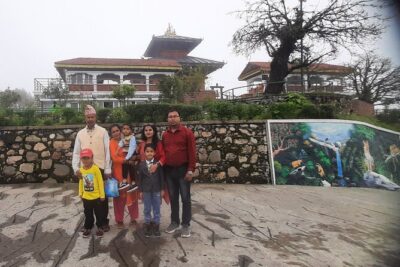 ★ 5.0Kathmandu Chandrigiri Hill Cable Car & Monkey Temple UNESCO TourFrom $4816 reviews
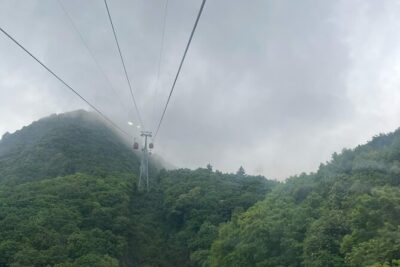 ★ 5.0Chandragiri Cable Car Ride & Monkey Temple Tour – Private/GroupFrom $513 reviews
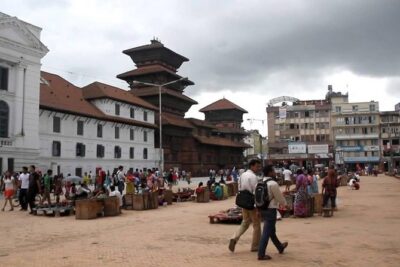 ★ 4.5Private Half-Day Tour of Kathmandu Durbar Square and Swayambhunath TempleFrom $4711 reviews
★ 5.0Chandragiri Cable Car and Monkey Temple TourFrom $759 reviews
★ 4.5Private Half-Day Tour of Kathmandu Durbar Square and Swayambhunath TempleFrom $4711 reviews
★ 5.0Chandragiri Cable Car and Monkey Temple TourFrom $759 reviews
Browse the lists this tour appears in