
A quiet cave trip changes your pace. This Lawudo Gompa Retreat Trekking route links Kathmandu culture with the Everest region, then trades crowd energy for a serious, serene meditation setting far from the tourist bustle. You fly to Lukla, trek through Sherpa villages like Phakding, Namche Bazaar, and Monjo, and then spend multiple days at Lawudo Gompa near Kopan Monastery.
Two things I really like: first, the move from the Everest viewpoint day into real retreat time at Lama Zopa’s meditation cave area feels honest, not staged. Second, the people running it matter. In real-world planning, you’ll see that Amber (the owner) and guides like Pemba focus on getting details right, from safety to adjusting when schedules shift.
One drawback to keep in mind: the itinerary depends on mountain weather and flight timing, so you need flexibility. Also, the trek part is not a stroll—there’s a noticeable uphill push on the day you reach Lawudo, and you’ll want a moderate fitness base before you go.
In This Review
- Key takeaways before you go
- Why Lawudo Gompa feels different from a typical Everest trek
- The spiritual pacing (days 6–8) is the core
- Price and what you truly get for $970
- From Thamel to Swayambhunath: the Kathmandu warm-up you’ll appreciate
- The flight to Lukla and the first teahouse night at Phakding
- Namche Bazaar via the Dudh Koshi: river walking plus a real climb
- The acclimatizing rest day with Everest viewpoint time
- Reaching Lawudo Gompa: the uphill day that changes the whole mood
- What Lawudo days 7–8 actually feel like
- Leaving Lawudo and retracing your steps through Monjo
- Flights back to Kathmandu: plan for weather and routing changes
- Meals, comfort, and what the guide support really means for you
- Who should book this Lawudo Gompa retreat trekking, and who should reconsider
- Should you book this tour?
- FAQ
- How long is the Lawudo Gompa Retreat Trekking?
- Where does the trip start in Kathmandu?
- Is airport pickup and drop-off included?
- Are meals included during the trek?
- What does the $970 price include and not include?
- Do I need a certain fitness level?
- Is it a private group?
- What happens if flights or weather cause cancellation or changes?
Key takeaways before you go
- A retreat built around Lawudo Gompa near Kopan Monastery, not a quick photo stop
- Support that’s actually hands-on, with guides named Amber, Pemba, and even airport pickup by Lok mentioned in trip notes
- Easy-to-follow pacing for the Everest portion, including a planned acclimatizing rest day
- Weather-first planning, with a free buffer day in Kathmandu and flexibility for how you fly out
- Value in the package meals and transport, while key airfare is not included
More trails out of Kathmandu, boots ready
- Everest Base Camp Trek – 14 Days★ 5.0 · 1,499 reviews
- Everest Base Camp Trek★ 5.0 · 842 reviews
- Everest Base Camp Trekking★ 5.0 · 485 reviews
- Nagarkot Sunrise View and Day Hiking from Kathmandu★ 5.0 · 471 reviews
Why Lawudo Gompa feels different from a typical Everest trek
Most Everest-region treks sell views, lodges, and brag-worthy summit days. This one keeps the trek in that orbit, but the main story shifts to Lawudo Gompa, Lama Zopa’s meditation spot and retreat cave area connected to Kopan Monastery in Kathmandu.
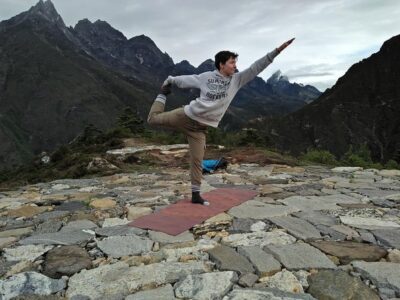
That remoteness matters. Lawudo is described as being set apart from the nearest village, with visitors hosted in small monastery/hut accommodations, and with the meditation cave as the center of the experience. When you spend several days there, you don’t just pass through a destination. You settle into slower rhythm—quiet walks, cave visits tied to lived Buddhist practice, and chances to do your own meditation or yoga if that’s part of your routine.
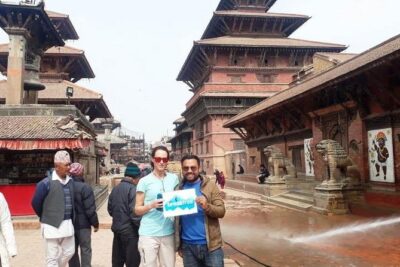
It also helps that the route connects high-meaning spiritual places in Kathmandu before you head into the mountains. On day 2, you visit Swayambhunath Temple and older parts of Kathmandu with practical orientation built into the half-day plan. It gives you cultural context before you get altitude and trekking fatigue.
The spiritual pacing (days 6–8) is the core
Days 6, 7, and 8 are built for a lighter mindset inside a harder environment. You still trek in, and you still feel the effort of uphill walking, but once you reach the gompa area, the schedule leans into quiet time. That’s the big difference: you’re not only collecting sights; you’re also getting time to practice, reflect, and connect with Sherpa Buddhist culture in a setting that’s meant for retreats.
Price and what you truly get for $970
Let’s talk value in plain terms. The listed price is $970 per person, for an experience that runs about 13 days. In that number, you generally get a guided, structured trip with Kathmandu transport, sightseeing support, and a lot of meals already handled.
What’s included in the package:
- Airport pickup/drop and Kathmandu sightseeing via air-conditioned vehicle
- Meals: Breakfast (7), Lunch (7), Dinner (8)
- The core guided trek and retreat flow
- A mobile ticket for the experience
- A setup for your group (it’s a private activity, so it’s just your group)
What is not included:
- Alcoholic beverages and bottled beverages/bakery items
- Personal travel/medical insurance
- Kathmandu–Lukla/Ramechhap airfare (and the reverse)
So the real value equation is: you’re paying for the ground handling, meals, guides, and organization—not for your international or domestic flight costs between Kathmandu and the mountain airstrip. If you’re comparing prices, make sure you price airfare separately, then you’ll see the $970 becomes easier to judge.
In exchange, you’re getting a plan that tries to reduce the chaos factor. The trip notes place heavy emphasis on patience, support, and managing changes, including weather issues like rain. That kind of operational calm is not free, and you’re paying for it through the guiding team.
From Thamel to Swayambhunath: the Kathmandu warm-up you’ll appreciate
Day 1 starts in Thamel, Kathmandu’s well-known visitor neighborhood. The day is about arrival, meeting staff, and getting your body settled after travel. It’s also a nice first step because you get staff contact early, so you’re not guessing later when you’re dealing with airport timing and a flight to the hills.
Day 2 is your cultural and practical orientation half-day:
- Swayambhunath Temple
- Some older sections of Kathmandu
- Time that’s intentionally not packed
Swayambhunath is a smart choice because it’s both historic and still spiritually active. You’re also told that you’ll get Kathmandu practical information along the way. That matters because once you start trek logistics, every hour of your first two days helps.
Then you get a rest block. I like that the itinerary does not force “see everything” logic here. If you’re heading toward a physically demanding trek right after, rest in Kathmandu is not boring. It’s survival.
The flight to Lukla and the first teahouse night at Phakding
On day 3, you take a short early-morning flight to the mountain village of Lukla, and then you start trekking right away. The schedule is about three hours to Phakding, and you sleep in a local teahouse.
This day does two useful jobs:
- It breaks travel time into a manageable chunk rather than a long slog.
- It sets your footing and backpack rhythm before the bigger walking days.
Teahouse trekking in this region typically means you’ll be eating and sleeping in simple, local settings. Your organizer handles meals and logistics, which is a big help when you’re adjusting to wind, dust, and the reality of mountain bathrooms and hot-water availability (varies by lodge and weather, and the plan doesn’t promise anything specific beyond the included meals).
Namche Bazaar via the Dudh Koshi: river walking plus a real climb
Day 4 moves along the Dudh Koshi river toward Monjo, then you climb the Namche hill to Namche Bazaar. This is where you feel the classic shape of the Everest region: river valleys early, uphill effort later.
Namche Bazaar is a hub village, and even if your main focus isn’t peak-chasing, you still get a strong sense of Sherpa life, trekking culture, and mountain trade. The itinerary positions you well by reaching Namche on day 4 instead of trying to push further immediately.
The acclimatizing rest day with Everest viewpoint time
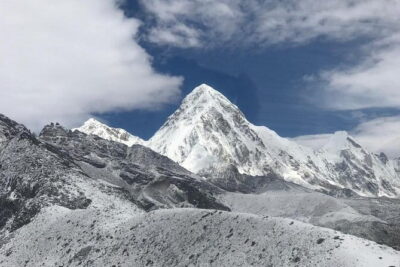
Day 5 is a rest day to acclimatize, but you don’t waste it sitting in a lodge all day. You visit an Mt Everest viewpoint, described as a 20-minute walk from your lodge, plus:
- a local museum
- a Buddhist center
- the local market
This is a great model for first-timers. It lets you feel the meaning of the region without stacking more fatigue on top of fatigue. Also, combining a viewpoint with museum and Buddhist sites prevents the day from turning into pure checklist tourism.
A small practical note: even though this is labeled “rest day,” it includes walking around. Wear solid boots and keep an eye on hydration.
Reaching Lawudo Gompa: the uphill day that changes the whole mood
Day 6 is your key transition day. You trek about five hours: partly gentle walking, then a last stretch that climbs uphill. At the end, you reach Lawudo Gompa.
The description matters here: Lawudo is set aside from the nearest village, and the monastery area includes small huts for visiting guests near the meditation cave associated with Lama Zopa. That’s not just spiritual branding. It’s a practical setup that makes Lawudo feel cut off from the main trekking routes.
Expect the final uphill portion to be the most demanding part of the approach. This is where moderate fitness pays off, and where having a guide who keeps an eye on pacing really matters. In notes from past trips, the emphasis on safety and support keeps showing up, including handling weather issues like rain. That means you’re not going to feel thrown into the deep end.
What Lawudo days 7–8 actually feel like
Day 7 is the “take it easy” day. You visit the cave of Lawdo Lama, where he meditated nearly a hundred years ago. This isn’t framed as a lecture stop. It’s presented as a chance to experience Sherpa Buddhist culture and the surrounding mountain views with a quieter, more intentional pace.
Day 8 keeps that retreat mindset going. If you practice meditation or yoga (and bring your own simple routine), you can do it at the serene location of Lawudo. The plan also notes that if there is a regular teaching, you can join for the day. So you’re not guaranteed a specific class, but you’re set up to participate if one is happening.
This is the heart of the trip for people who want spirituality without turning it into a performance. Even if you’re not Buddhist, sitting in a place designed for meditation changes the way you experience the mountain air.
Leaving Lawudo and retracing your steps through Monjo
Day 9 starts with breakfast at Lawudo, then trekking down to Namche Bazaar and continuing onward to Monjo, about five hours.
Down days can be tricky on the body. Even when the itinerary says “down,” your knees and ankles still do the work. The schedule gives you an overnight setup in Monjo, which is useful because it breaks up the descent and keeps you from trying to cram too many long walks into one day.
Day 10 is a longer return day shape: you trek down to Phakding for the first night, then continue to Lukla. It’s about eight hours total, and the point of this day is to get you ready for your flight the next day.
At this stage, the trek starts to feel like closure. You’re going back through the villages you passed earlier, and you get a chance to compare how they looked on the way in versus how they feel when your pace is slower and your mind has changed.
Flights back to Kathmandu: plan for weather and routing changes
Day 11 covers your flight situation and gives you two possible routes depending on busy seasons:
- Flight to Kathmandu directly, which could mean you arrive by around 10AM
- Or flight to Manthali, which is shorter, then a 4-hour drive back to Kathmandu
This is exactly the kind of detail you want from a trekking operator. Flights don’t just depend on the airline; they depend on schedule density and weather. Your plan acknowledges that.
Day 12 is a smart buffer: Kathmandu becomes a free day because weather can delay flights. If you’ve ever had a mountain trip get eaten by airport waiting, you know how valuable an intentional buffer is.
On day 13, you head to Tribhuvan International Airport, with a recommendation to reach about three hours before your flight.
Meals, comfort, and what the guide support really means for you
The trip includes a set number of meals: 7 breakfasts, 7 lunches, 8 dinners. That’s not just convenience. It reduces decision fatigue on trail days when you’d rather keep moving or rest.
Your actual comfort in teahouses will still depend on the lodge and the day’s conditions, but the big win here is you’re not trying to negotiate meal options after a long walk. The guide team handles the plan and keeps you on schedule.
The strongest proof points from trip notes focus on how the team responds when reality gets messy:
- Amber and the team take time to explain how the trek will work
- The team accommodates major schedule changes
- Safety is treated as the priority, even for older travelers and for people returning after illness
- Rain and weather issues are handled with diligence rather than panic
I’d also take note of the named staff from previous experiences—Lok for airport pickup and Pemba as a guide. Even without the same names on your exact trip, it signals that the company builds coverage around known, responsible people, not random last-minute replacements.
Who should book this Lawudo Gompa retreat trekking, and who should reconsider
This trip is best for you if:
- You want more than Everest photos and want retreat time at Lawudo Gompa
- You like a guided structure but still want your own calm moments
- You’re okay with a moderate fitness level and real hiking days
- You value strong organization and safety focus
It may not be ideal if:
- You’re looking for a very easy trek with minimal uphill effort
- You dislike weather-dependent schedules and might get stressed by flight rerouting or buffer days
- You don’t want to manage separate costs for Kathmandu–Lukla/Ramechhap airfare
Should you book this tour?
If your idea of a great Nepal trip includes real spiritual quiet as well as classic Sherpa villages, I think Lawudo Gompa Retreat Trekking is a strong choice. The retreat portion is the main event, and the operator’s support style—patient, detail-driven, and safety-first—shows up repeatedly in real trip experiences.
Book it if you can handle moderate hikes and you’re comfortable with mountain weather games. If you do that, you’ll come away with something harder to measure than views: a slower mind, a quieter routine, and a place that feels made for stillness.
FAQ
How long is the Lawudo Gompa Retreat Trekking?
The duration is listed as about 13 days.
Where does the trip start in Kathmandu?
It starts in Thamel, Kathmandu, with an arrival day that includes meeting staff and resting.
Is airport pickup and drop-off included?
Yes. The package includes airport pickup/drop and Kathmandu sightseeing transport.
Are meals included during the trek?
Yes. Breakfast is included 7 times, lunch 7 times, and dinner 8 times.
What does the $970 price include and not include?
Included features cover Kathmandu transport/sightseeing and the guided trek/retreat with meals. Not included are alcoholic beverages, bottled drinks and bakery items, personal travel/medical insurance, and the Kathmandu–Lukla/Ramechhap airfare.
Do I need a certain fitness level?
Yes. The trip asks for moderate physical fitness.
Is it a private group?
Yes. It’s described as a private tour/activity, and only your group participates.
What happens if flights or weather cause cancellation or changes?
The experience requires good weather. If canceled due to poor weather, you’ll be offered a different date or a full refund. There is also a free day in Kathmandu to handle unpredictable flight timing, and flights may route via Manthali in busy seasons.
More Trekking Out of Kathmandu
More Tour Reviews in Kathmandu
Just Reviewed in Kathmandu
- Mountain Bike Tour
★ 5.0 · 3 reviews - Annapurna Panaroma
★ 5.0 · 3 reviews - Mount Everest Scenic Flight 50 Minutes
★ 5.0 · 3 reviews - Kathmandu : Swambhunath & Durbar Square Guided Half Day Tour
★ 3.3 · 3 reviews - Chandragiri Cable Car & Monkey Temple Tour – Private/Group
★ 5.0 · 3 reviews - Kathmandu: Shivapuri National Park Hiking Day Trip
★ 3.3 · 3 reviews
Yoga & Meditation Retreats, compared.
 ★ 5.0500 hours Advanced Yoga Teacher Training at Nepal Yoga Home (Every 1st of month)From $2,506185 reviews
 ★ 5.0200 Hours Yoga Teacher Training at Nepal Yoga Home (starts on 1st of everymonth)From $2,000125 reviews
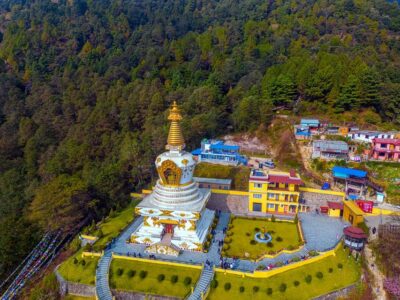 ★ 4.82 Stupas and Kopan Monastery Spiritual TourFrom $6115 reviews
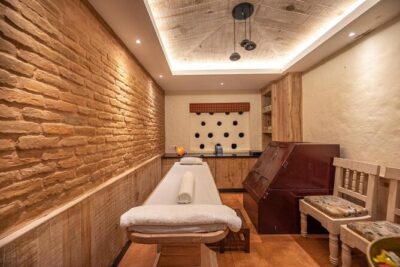 ★ 5.03 night 4 Day Yoga & Ayurveda Retreat to Detox the Body & Mind, NepalFrom $30037 reviews
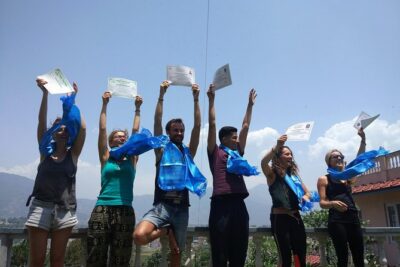 ★ 5.021 days Himalayan yoga retreat in Nepal in KathmanduFrom $1,28228 reviews
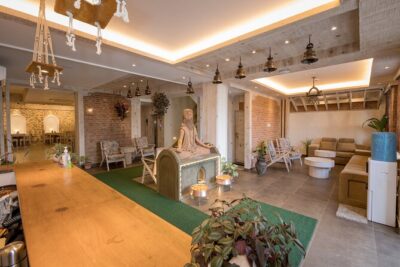 ★ 5.010 Days Ayurveda & Yoga Retreat in Kathmandu, NepalFrom $1,00024 reviews
 ★ 5.0Everest Base Camp Yoga Trek – 15 DaysFrom $1,69920 reviews
 ★ 5.021 Day Ayurveda & Yoga Retreat in the Himalayan country, NepalFrom $2,10019 reviews
Browse the lists this tour appears in