
Review · PEAK CLIMBING & EXPEDITIONS
Mera Peak Climbing
Mera Peak tests you, then rewards you hard. This itinerary balances classic trekking in Nepal’s quieter valleys with ice-climbing training and a guided summit on Mera Peak (6,476m). I especially like how you get a mix of creature comforts on the way up—like teahouse lodging—plus properly organized camping above Khare, and I also like the focus on safety skills before you rope up. One thing to consider: the big costs are not just the $1,199 price, since the Mera Peak climbing permit and domestic Lukla flights are not included.
From Kathmandu you ease in with UNESCO-level sights, then you fly to Lukla where the trek starts for real. After that, the rhythm is part hike, part acclimatization work, and part learning how to move on snow and ice.
If you’re okay with cold mornings, thin air, and careful pacing, this is a smart “intro peak” style climb.
In This Review
- Key highlights worth your attention
- Kathmandu to Thamel: warm-up days before the cold
- Lukla flight and Day 3: expect the drama and plan for it
- Kari La to Pangom: rhododendron trails and wide Himalayan views
- Narjing Dingma to Chalem Kharka: passes, forests, and quiet acclimatization
- Panch Pokhari and the high meadows: sacred lakes at thinner air
- Hinku Valley to Gondishung: trekking toward glacier country
- Khare: when the climb turns from trek to mountaineering setup
- Training at the glacier: crampons, axes, and learning the safe way
- High Camp and the non-technical summit approach
- Summit day on Mera Peak: thin air, rope-up teamwork, and big-name views
- Spare summit day and the smartest kind of flexibility
- Descent through Hinku Valley: recovery you can feel
- Returning to Kathmandu: a buffer day isn’t optional up high
- Price, permits, and what makes the $1,199 feel fair
- Who should book this Mera Peak climb
- Should you book this tour for Mera Peak?
- FAQ
- Is the Mera Peak climbing permit included?
- Are Kathmandu–Lukla domestic flights included?
- What climbing gear do I get for the ice portion?
- Do you provide cold-weather gear for the high altitude?
- Do I get ice climbing training before the summit?
- Is there a spare day if the summit attempt is delayed?
- Where do you sleep above Khare?
- Are meals included throughout the trip?
- Is a porter included for a solo traveler?
Key highlights worth your attention
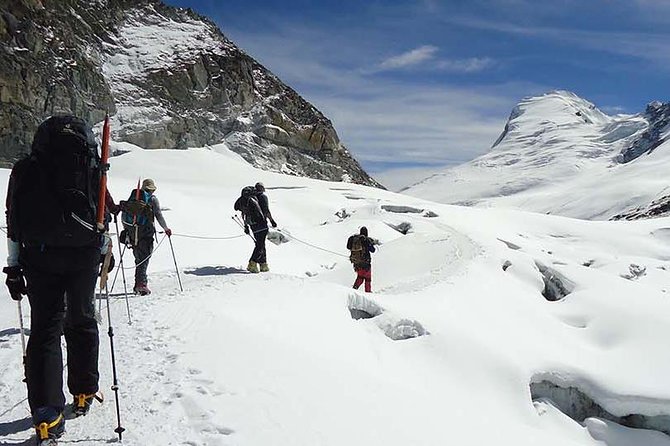
- Non-technical style climb, with real ice skills taught first (crampons, axes, ropes, and safe movement on snow)
- Epic high-altitude timing: you’re set up to reach the summit in an early push from High Camp
- Khare to Mera Peak via glacier terrain: moraines, Dig Glacier views, and a tented setup above the treeline
- A proper spare day built in for weather or slower acclimatization
- All the basics for cold and climbing gear are included (plus down jacket, sleeping bag, duffle bag)
- Your team structure is clear: an NMA-certified climbing guide, a licensed trekking guide, and a support crew for camping
Not sure yet? Here are other Kathmandu tours worth a side-by-side look.
- Everest Base Camp Trek – 14 Days★ 5.0 · 1,499 reviews
- Everest Base Camp Trek★ 5.0 · 842 reviews
- Private Kathmandu Sightseeing Tour | UNESCO World Heritage sites★ 5.0 · 756 reviews
- Kathmandu: 7 UNESCO Sites with Lunch★ 4.8 · 744 reviews
Kathmandu to Thamel: warm-up days before the cold
Kathmandu works well as a buffer, not a distraction. You land, handle visa/formalities, and get transferred to a hotel with breakfast—simple, effective, and good for jet lag recovery.
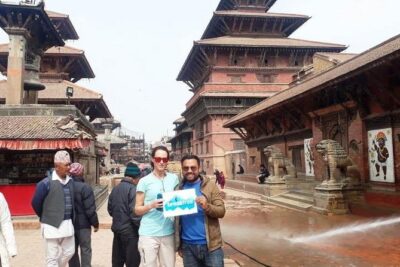
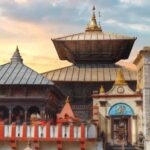
On the sightseeing side, you pass through some of Nepal’s most important religious and cultural centers: Patan Durbar Square (Newari architecture and Krishna Mandir), Swayambhunath (the Monkey Temple with big viewpoint energy), Boudhanath (a major Tibetan Buddhist stupa with prayer wheels), and Pashupatinath on the Bagmati River. If you like travel that feels local rather than rushed, these stops set context for what you’ll see later in the hills—monasteries, shrines, and faith tied to landscape and weather.
The practical drawback: Kathmandu lunches and dinners are not included, so plan a little extra cash for food while you’re sightseeing or grabbing last-minute items in Thamel.
Lukla flight and Day 3: expect the drama and plan for it
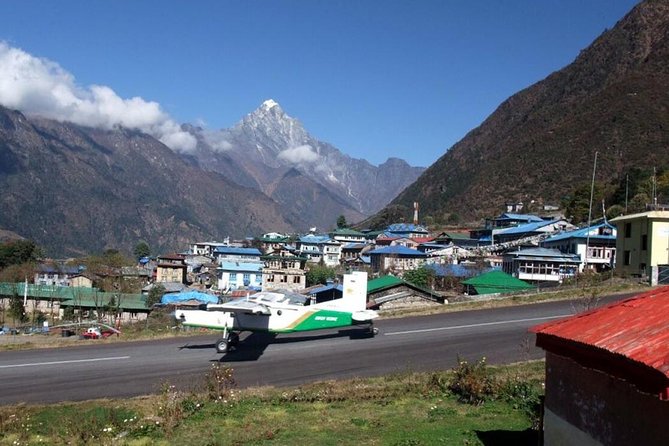
Getting to the mountains is part of the experience here. You take an early domestic flight from Kathmandu to Lukla (2,800m), then you meet your crew and get your packing/arrangements sorted.
That Lukla approach is known for being dramatic, and here the key point is not the thrill—it’s the reality check: weather can matter. Even on the way back, the plan explicitly warns that flights can be delayed or canceled due to wind or bad weather. That’s why they position a buffer-style recovery day at the end of the trek.
If you hate uncertainty, this part can feel stressful. But if you accept the mountains set the schedule sometimes, you’ll use the time well—rest, eat, and keep your gear organized.
Kari La to Pangom: rhododendron trails and wide Himalayan views
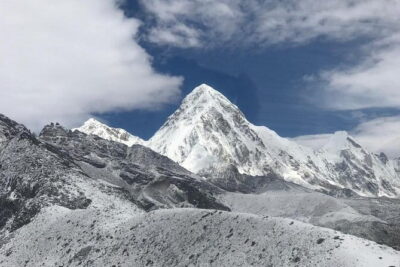
After the first trek day, you’re moving through a landscape that changes quickly from lower trails into higher, cooler hiking. You cross the wooden-bridge start and then carefully work your way toward Kari La pass, where you get panorama views of major peaks like Everest, Lhotse, Nuptse, Makalu, and Mera Peak itself.
This is one of the best “camera days” because the views are clear and big, not forced. Then the trail drops into the rhododendron and bamboo forests, which helps your body settle into a steady hiking rhythm instead of constant uphill grinding.
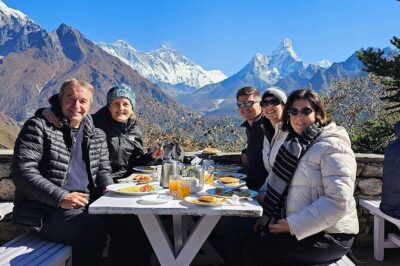
You finish the day in a village rest stop at Pangom (Pangkongama). It’s the kind of village stop that makes the trek feel lived-in—food, hot water when available, and a chance to sleep before altitude starts doing more work.
Practical note: hiking days like this can still be long even if they feel scenic. Bring layers, and keep your pace controlled.
Narjing Dingma to Chalem Kharka: passes, forests, and quiet acclimatization
As you keep moving, the trek turns into a slow altitude education. You descend through forested paths, pass Mani walls, and then zigzag through teahouse areas before dropping steeply again.
That pattern—walk, recover, then start again—is what makes acclimatization possible without turning the trip into a suffer-only experience. You also pass viewpoints over the south face of Mera Peak and nearby peaks like Naulekh Peak, which is motivating when your legs are tired.
By Day 6 you’re going toward Surkie La (3,085m) and then north along the ridge, looking out over the Hongu valley with the remote Kangchenjunga massive near the Sikkim border. It’s a big mental reward: you feel how far you’ve come and how serious the mountains are.
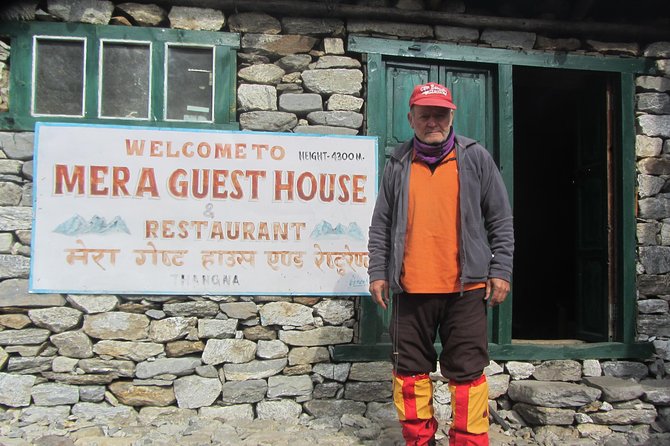
You spend the night in a teahouse at Chalem Kharka, which keeps things simple while altitude starts creeping up.
Panch Pokhari and the high meadows: sacred lakes at thinner air
One of the most interesting cultural-natural moments comes when you reach Panch Pokhari, five sacred lakes. The plan calls it a pilgrimage spot for both Buddhists and Hindus, which makes the area feel more than scenic—more like a place people treat with respect.
The trek here involves climbing to a pass above Chalem Kharka, then reaching the lakes and dropping into Khola Kharka (4,120m). After that, a steep climb out of the valley transitions you toward the main Hinku Valley route.
This is also where the terrain starts to feel tougher on the body: higher elevation, cold air, and less vegetation. You’ll want to keep your breathing steady and your expectations realistic. The mountain doesn’t care if you’re excited—slow movement wins up high.
Hinku Valley to Gondishung: trekking toward glacier country
Once you’re in the Hinku Valley world, the days shift toward long views and fewer village distractions. You get chances to see Mera and surrounding peaks while walking through narrow trails and forests, with the possibility of wildlife like sloth bears or jungle cats described in the plan.
On one day, you reach Kothe and continue toward the Upper Hinku valley, where vegetation becomes sparse and the trek passes kharkas (nomadic meadows). You cross Sanu Khola and Inkhu Khola bridges, then arrive at Gondishung, where there’s a teahouse for lunch.
Gondishung also includes a visit to Lungsumgba Gompa, described as a Buddhist shrine sheltering by a huge rock and estimated at about 200 years old. This isn’t a random stop. It’s a moment to pause before you move into the real glacier terrain—use it to slow down, reflect, and keep your mind calm.
If you like the mix of faith and hiking, this part delivers.
Khare: when the climb turns from trek to mountaineering setup
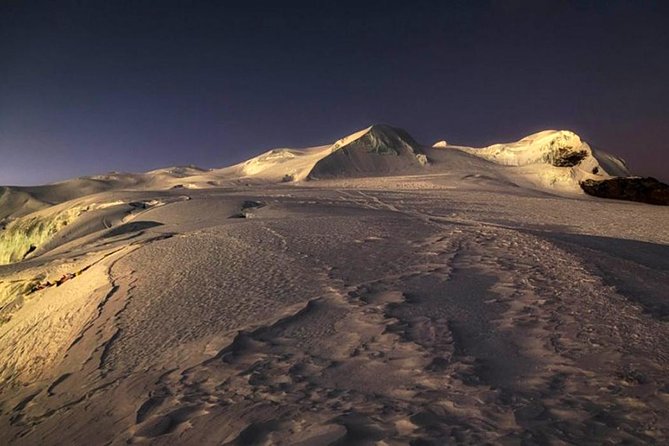
Reaching Khare is a turning point. You walk along the lateral moraine of the Dig Glacier, with glacier terrain doing the “wow” work on your eyes and the “work” work on your knees. Then you move past moraines toward the snout of Hinku Nup and Hinku Shar Glaciers, and climb more steeply to Khare.
Khare is also where the plan sets you up for high camp. You’ll stay in a beautiful spot with major views of the north face of Mera Peak, which matters because you’ll be staring at that same route planning your next steps.
The practical tradeoff: glacier-country travel means you’re always thinking about footing, crampon readiness, and how cold exposure is going to feel as the days get higher.
Training at the glacier: crampons, axes, and learning the safe way
Before you go for the summit, you practice. That’s not just for beginners; it’s for anyone who wants confidence under a system.
From near Khare, you prepare gear and then do ice training for a few hours. You’ll practice climbing gear use and ice-climbing techniques with the climbing guide, and you get practical safety tips focused on moving correctly in cold, on snow, and on ice. Then you return to camp to finalize equipment.
This day is a big reason this climb feels more “managed” than random. You’re not guessing how to use crampons on the day you need them most.
The included gear also helps: the tour provides ropes, ice axes, crampons, harnesses, and karabiners. On top of that, you receive cold-weather essentials like a down jacket and sleeping bag, plus a duffle bag—so you’re not arriving hoping your rental fits right.
High Camp and the non-technical summit approach
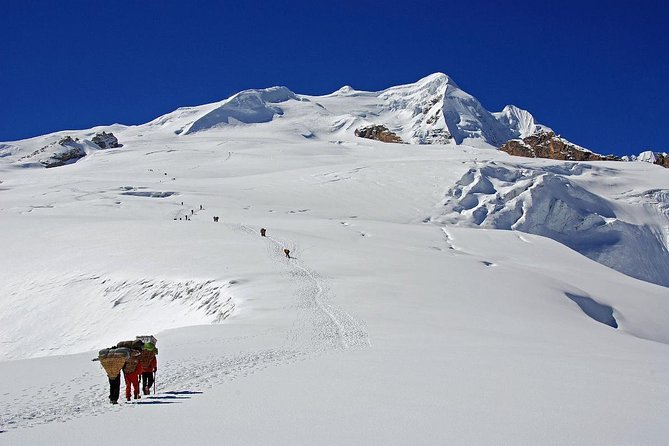
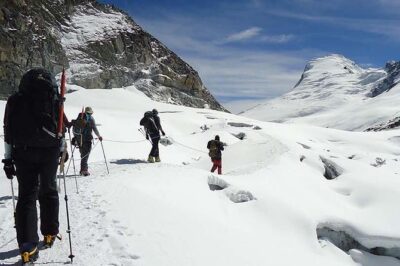
On the high side, the plan emphasizes slow pacing for acclimatization. You first climb to the crest of the moraine above Khare, then move up a steep snow slope to a boulder-strewn bowl below the lower tongue of the Mera Glacier.
Even though the plan says there’s no technical climb that day, it also notes that hazards can show up after snowfall—crevasses and conditions that demand caution. You reach a rock band marked by a cairn and then set up High Camp.
This is where you feel altitude in your breathing and your legs. When the plan says every step above 5,000m becomes a struggle, it’s not being dramatic—it’s describing how hiking slows down.
Summit day on Mera Peak: thin air, rope-up teamwork, and big-name views
Summit day starts early. The plan describes waking around 1–2 (with heads-up lighting, crampons, and roping up before the summit push). From High Camp you move on a gradual uphill route that’s described as non-technical, but the thin air is the real obstacle.
The central summit estimate is 3–4 hours for a well-acclimatized party, with the plan aiming for 8–9 am on the summit. That timing matters because it’s not just about reaching the top. It’s also about descending while conditions are still workable.
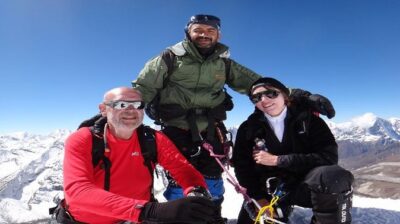
On the summit, you’re promised a jaw-dropping panorama including Everest, Cho Oyu, Makalu, Lhotse, Nuptse, and Kangchenjunga. Whether you’re a total mountain novice or you’ve climbed before, that view tends to reset your sense of scale.
The best practical mindset: enjoy the panorama, but keep your focus on the rope, footing, and descent. Summit photos are great. Staying safe is better.
Spare summit day and the smartest kind of flexibility
You get a dedicated spare day on Day 14. The plan is explicit: it’s there in case weather shifts or if some people need more acclimatization time before the summit attempt.
That matters because it changes the trip from a high-pressure schedule to a mountain-aware schedule. You’re still doing training and travel, but the day gives you breathing room instead of forcing a bad-weather push.
If conditions are good and the summit already happened, the spare day can also be used for an extra ice climbing day or additional time in Lukla before returning to Kathmandu.
Descent through Hinku Valley: recovery you can feel
After success, the route shifts back toward trekking comfort. You descend through the Hinku Valley to Kothe for an overnight teahouse stop. Then you climb again toward Thuli Kharka below Zatrwa La, walking through red rhododendron forest when weather allows.
Those colors are a morale boost after snow and ice. They also help you reset your body for the final legs.
Later, you move from Thuli Kharka to Lukla, crossing Zatrwa La and then dropping to Chutanga and finishing at Lukla. The plan suggests a celebration with crew, local food, and drinks—an honest way to mark that you survived the hard parts and lived through them as a team.
Returning to Kathmandu: a buffer day isn’t optional up high
On the final travel day, you fly from Lukla to Kathmandu early. The plan repeats an important reality: flights are often scheduled for morning due to afternoon wind problems, but delays and cancellations still happen.
After arrival, you transfer to a hotel and get time to rest, do last-minute shopping, or stroll Thamel. On your last day, you get taken to the airport roughly three hours before your flight home.
This part is where planning pays off. You don’t want to race the clock with gear spread everywhere and cold-foot stress still in your body.
Price, permits, and what makes the $1,199 feel fair
The headline price is $1,199 per person for about 19 days. That sounds simple, but in Nepal climbing, value comes from what’s included versus what’s left for you to budget.
Here’s what you can treat as real value baked into the price:
- Full-board meals during the trek and climb (breakfast, lunch, dinner during the mountain phase)
- Teahouse accommodation up to Khare and tented camping above Khare with support crew
- Group climbing equipment (ropes, axes, crampons, harnesses, and karabiners)
- Cold-weather gear: down jacket, sleeping bag, and duffle bag
- Guides and staffing: an experienced NMA-certified climbing guide, a licensed English-speaking trekking guide, and cook/assistants for camp
What’s not included (so you should budget early):
- Mera Peak climbing permit (issued by the NMA)
- Domestic flights to and from Lukla (and airport taxes)
- Meals in Kathmandu besides breakfast (lunch and dinner)
- Hot showers and charging fees at teahouses (extra cost)
- Travel insurance for medical or helicopter evacuation for staff/rescue scenarios (helicopter rescue is said to be covered by travel insurance, not by the tour)
Bottom line: if you’re planning for permits and Lukla flights, the $1,199 price is competitive because so much “hard to organize yourself” stuff is taken care of—gear, meals, camp setup, and trained leadership.
Who should book this Mera Peak climb
This is best for people who want an intro-style peak experience without pretending it’s easy. The plan frames Mera Peak as non-technical and suitable for experienced climbers and fit, adventure-minded novices—as long as you take training seriously and hike patiently at altitude.
You’ll likely love it if you want:
- Structured ice-skill practice before the summit push
- Tented camping support above Khare instead of roughing it
- Clear guides, group gear, and full-board meal management
- The Hinku Valley trek and the monastery pause at Gondishung
You might rethink it if:
- You know you struggle with long days at thin air
- You can’t handle uncertainty around Lukla flights
- You need hot showers and frequent conveniences (those come with extra cost)
Should you book this tour for Mera Peak?
I’d book it if you want a well-run climb where your money goes toward leadership, gear, food, and camp logistics—not toward paying extra for the basics. The biggest strength here is the sequence: trekking to acclimatize, ice training before the summit, then a guided push with a spare day built in.
Before you commit, do two things. First, price out the missing items—especially the NMA Mera Peak permit and Kathmandu–Lukla flights—so there are no surprise gaps. Second, be honest about your fitness and your patience with altitude pacing.
If you can do those, this is a strong path to the top of Mera Peak and the kind of summit view that makes the whole trek feel worth the cold nights.
FAQ
Is the Mera Peak climbing permit included?
No. The itinerary includes other permits (Makalu Barun National Park entry permit and the local area permit), but the Mera Peak permit itself is not included and is issued by the Nepal Mountaineering Association.
Are Kathmandu–Lukla domestic flights included?
No. Domestic flights to and from Lukla are not included, including airport taxes.
What climbing gear do I get for the ice portion?
You get group climbing equipment such as ropes, ice axes, crampons, harnesses, and karabiners.
Do you provide cold-weather gear for the high altitude?
Yes. The tour includes a down jacket, a sleeping bag, and a duffle bag.
Do I get ice climbing training before the summit?
Yes. There’s a training session near Khare or the base camp area where you practice climbing gear use and ice-climbing techniques with the climbing guide.
Is there a spare day if the summit attempt is delayed?
Yes. There is a spare/safety day set aside in case weather changes or acclimatization is not enough for the summit attempt.
Where do you sleep above Khare?
Above Khare, the plan uses tented camping, fully organized with kitchen tents, dining tents, toilet tents, and utensils.
Are meals included throughout the trip?
Meals are included as full-board during the trek and climbing phase. In Kathmandu, breakfast is included, but lunch and dinner are not included.
Is a porter included for a solo traveler?
No. A porter is not included for a solo traveler.
More Tour Reviews in Kathmandu
Just Reviewed in Kathmandu
- Mountain Bike Tour
★ 5.0 · 3 reviews - Annapurna Panaroma
★ 5.0 · 3 reviews - Mount Everest Scenic Flight 50 Minutes
★ 5.0 · 3 reviews - Kathmandu : Swambhunath & Durbar Square Guided Half Day Tour
★ 3.3 · 3 reviews - Chandragiri Cable Car & Monkey Temple Tour – Private/Group
★ 5.0 · 3 reviews - Kathmandu: Shivapuri National Park Hiking Day Trip
★ 3.3 · 3 reviews
Peak Climbing & Expeditions, compared.
 ★ 5.0Mera Peak ClimbingFrom $3,00033 reviews
 ★ 5.0Everest Base Camp Trek with Island Peak ClimbingFrom $3,30014 reviews
 ★ 5.0Pikey Peak TrekFrom $8998 reviews
 ★ 5.0Mera Peak Expedition – 20 DaysFrom $3,3007 reviews
Mera Peak ClimbingFrom $2,7506 reviews
★ 5.0Mera Peak Expedition – 20 DaysFrom $3,3007 reviews
Mera Peak ClimbingFrom $2,7506 reviews
 ★ 5.0Pikey Peak TrekkingFrom $1,4355 reviews
 ★ 5.0Island Peak Climbing with Everest Base CampFrom $2,8995 reviews
 ★ 5.0Island Peak Climbing ( 6,189M )From $2,2565 reviews
Browse the lists this tour appears in