
Review · PEAK CLIMBING & EXPEDITIONS
Pikey Peak Trek
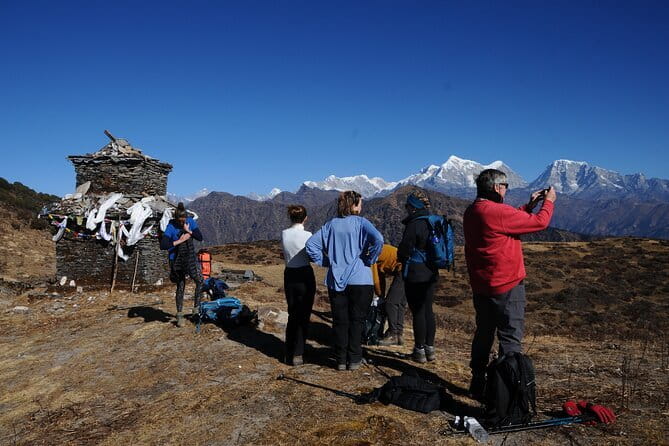
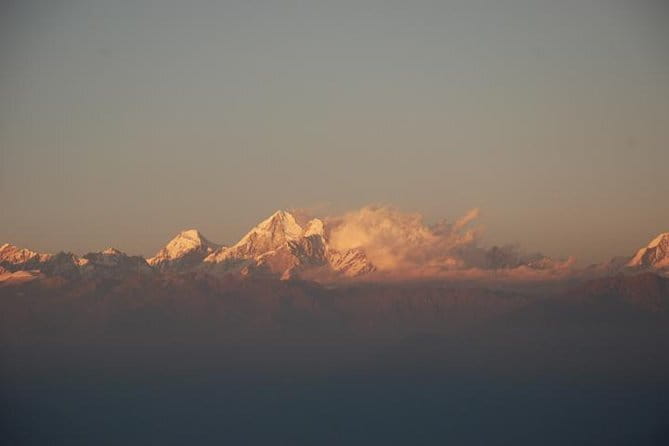
Sunrise comes early here, and that’s the point. The Pikey Peak viewpoint rewards you with sweeping views of seven of the world’s highest mountains, and you’ll walk parts of the Hillary Trail without the Lukla flight circus.
What I like most is the “calmer Everest” feeling: fewer crowds, simpler logistics, and a route that suits people from seniors to families. Another big win is how much you get for your money—guided trekking plus meals and on-board WiFi make the whole trip feel smoother.
One consideration: you’re up for early starts and a few “legs-first” hiking days, including stretches that are mostly uphill, so this isn’t a casual stroll-from-cafe-to-cafe kind of week.
In This Review
- Key Things That Make Pikey Peak Work So Well
- Why Pikey Peak Feels Like Everest, Without the Headaches
- Your 7 Days on the Ground: Stop by Stop, What You’ll Actually Do
- Day 1: Kathmandu to Dhap, With Mountains in Front of You
- Day 2: Toward Jhapre, an Easier Trek Day to Get Your Legs Going
- Day 3: Toward Pikey Peak Base Camp, Mostly Uphill
- Day 4: Pikey Peak Sunrise, the Real Highlight
- Day 5: Trek Toward Junbesi, Rhododendron Country Energy
- Day 6: Phaplu Area and Tupten Choling Monastery
- Day 7: Phaplu Back to Kathmandu, Long Drive Day
- Comfort on Trail: Tea Houses, Meals, and the Rhythm of “Enough”
- Guides, Logistics, and the Human Touch (Yes, Names Matter)
- Price and Value: Does $899 Make Sense?
- When to Go, and How to Handle the Sunrise Schedule
- Who Should Book This Trek (and Who Might Prefer a Different Route)
- Should You Book Pikey Peak with Breeze Adventure?
- FAQ
- How long is the Pikey Peak Trek?
- Where does the trek start, and what time does it begin?
- What’s included in the tour price?
- Is fuel surcharge included?
- How big is the group?
- Do I need to fly to Lukla for this trek?
- Is the monastery visit included?
- Is free cancellation available?
Key Things That Make Pikey Peak Work So Well
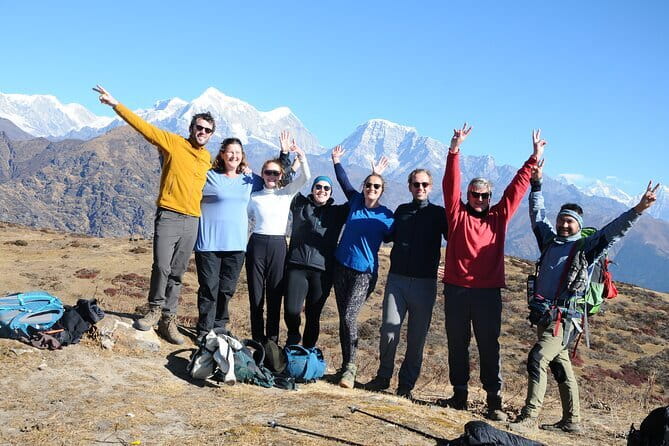
- Seven-high-mountain panoramas from the famous sunrise viewpoint, without fighting the busiest Everest crowds
- Hillary Trail walking and a more historic-feeling route than the usual mountain trek
- Tupten Choling Monastery visit at Phaplu area, including time to see the region’s large nuns’ monastery
- Small group size (up to 20 people) so the pace and support stay human
- Real local hospitality along the trail, with tea houses similar to other Nepal routes
- Guides backed by real care, including English-speaking support named Kishwor, Sabine, and Raj in past trips
More trails out of Kathmandu, boots ready
- Everest Base Camp Trek – 14 Days★ 5.0 · 1,499 reviews
- Everest Base Camp Trek★ 5.0 · 842 reviews
- Everest Base Camp Trekking★ 5.0 · 485 reviews
- Nagarkot Sunrise View and Day Hiking from Kathmandu★ 5.0 · 471 reviews
Why Pikey Peak Feels Like Everest, Without the Headaches
If you want Everest views, Pikey Peak is a smart way to chase the same dream with a different trade-off. Instead of aiming for the busiest Everest Base Camp route, you’re going for a viewpoint trek that focuses on big panoramas and manageable logistics.
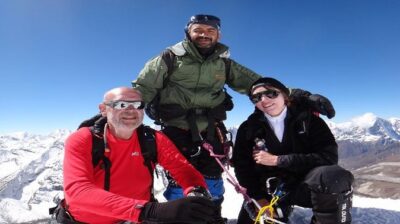
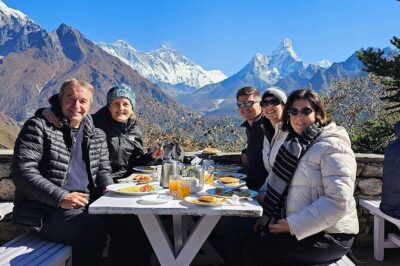
The “headline” is the Pikey Peak sunrise. From there, you can see a wide sweep of major Himalayan peaks—often described as views of seven of the world’s highest mountains. That’s not just a nice photo opportunity. It’s a whole way of experiencing the mountains: light hitting the ridgelines, changing textures as you look farther, and that quick moment where the scale finally hits you.
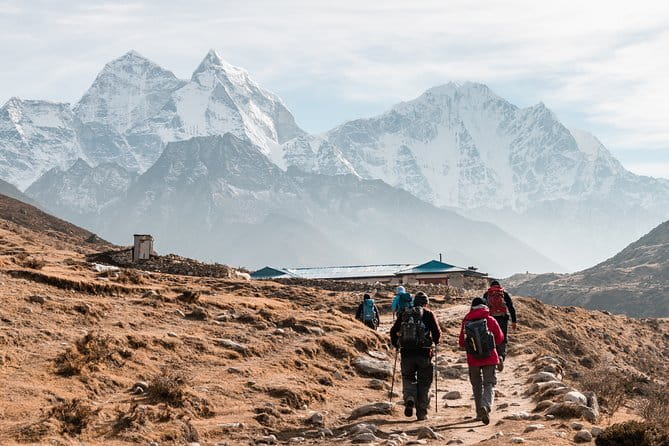
Then there’s the route personality. You’ll walk along parts of the Hillary Trail, which gives the trek a lived-in, storied feeling. And you avoid two common dealbreakers for many people: the busy Everest trail vibe and the need to fly to Lukla. That matters because logistics can make or break a trekking trip. If you’re already tired from travel, you don’t want to spend your first major day dealing with chaos.
Finally, this route fits a broad range of walkers. The trek is described as suitable for all ages, including senior citizens and families, and at least one past trek included guidance for a participant whose guide worked closely around physical condition. Translation: you won’t be stuck in a world where only top-fit hikers feel comfortable.
Your 7 Days on the Ground: Stop by Stop, What You’ll Actually Do
Here’s how the week tends to roll, day by day. Times are approximate, and some trek segments may shift based on where you overnight, but the rhythm stays consistent.
Day 1: Kathmandu to Dhap, With Mountains in Front of You
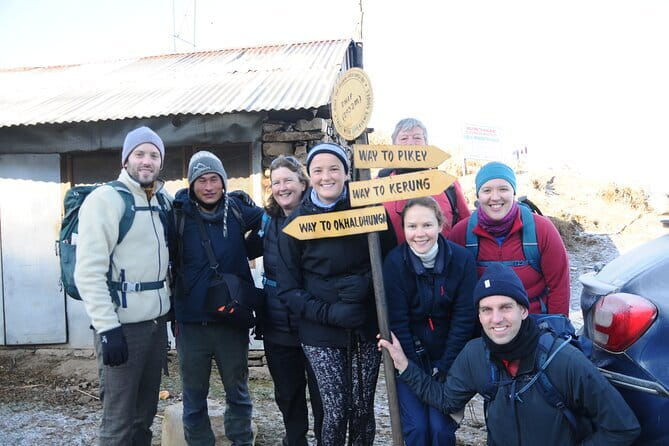
You’ll start in Kathmandu at 6:15 am (meeting point: Breeze Adventure Pvt. Ltd in Thamel) and take a scenic drive toward Dhap. The journey is listed as about 5 hours, and the value of this day is that it “warms up” your eyes. You’re not just traveling—you’re already getting Himalayan glimpses and seeing local villages along the way.
Practical note: it’s a driving day first, so keep your water and a layer handy. Mountain weather can change quickly, and the road can be long.
Day 2: Toward Jhapre, an Easier Trek Day to Get Your Legs Going
After a sunrise look at the Himalayas, you start trekking toward Jhapre. This day is described as an easy trek, with a good chunk along a newly constructed road. Trekking over easier ground at the start is a real advantage. It helps you settle into rhythm before the more uphill moments show up later.
Expect about 5 hours of walking. If you’re new to trekking—or coming from travel fatigue—this kind of first trekking day usually feels like your “training wheels.”
Day 3: Toward Pikey Peak Base Camp, Mostly Uphill
Day 3 shifts gears. You wake for sunrise again, then hike toward Pikey Peak Base Camp. This section is described as mostly uphill, with some downhill along the way. That ups-and-downs pattern is common in Nepal ridge treks: your calves work, your breath works, and your brain stays busy watching foot placement.
Plan for about 6 hours walking. This is the day where a steady pace beats bravado. Small steps, frequent stops, and warm layers tend to win here.
Day 4: Pikey Peak Sunrise, the Real Highlight
This is the big moment. You’ll wake early and hike for about one hour to reach the Pikey Peak viewpoint for sunrise. The timetable is short to get there, but don’t let that fool you—going uphill early in the morning can still feel like effort. The reward is panoramic views that are the reason this route exists.
You’ll be out for about 6 hours total this day, which usually means sunrise watching plus time to regroup and continue onward afterward.
If you’re trying to see Everest-style views without Everest-style stress, this is the day you remember.
Day 5: Trek Toward Junbesi, Rhododendron Country Energy
You’ll trek to Junbesi after breakfast. The day is listed around 5 hours, and one past trek described a blooming rhododendron forest, which is the kind of detail that makes a trail feel special beyond just the numbers on a peak chart.
The exact route can vary depending on where you stayed earlier (the plan notes that if you overnighted in Jasmane Bhanjyang, you may first trek to Taktor for about 3.5 hours). So expect some flexibility. The good news: the overall day goal stays the same—moving you forward toward Junbesi.
Day 6: Phaplu Area and Tupten Choling Monastery
Day 6 blends trekking travel with a cultural anchor. You’ll move toward Phaplu Airport and then visit Tupten Choling Monastery, described as one of the largest nun monasteries in the region, with around 20 nuns. The monastery is at the foot of a mountain, which gives it a quiet, grounded feel after trekking days.
This day is listed around 6 hours, and it can be a mental reset. Walking all week outdoors is intense in its own way. A monastery stop gives you a slower pace—time to look, listen, and take in how local religious life connects to the mountain region.
Day 7: Phaplu Back to Kathmandu, Long Drive Day
Your final day starts early because the drive back to Kathmandu is long. You’ll depart Phaplu, drive for about two hours, then stop at Dhap Thade for breakfast and a view, before continuing onward.
This is listed as about 10 hours total. Expect a long sit and plan to use the time for rest and conversation rather than scenery-chasing every minute. You’ll arrive back at the meeting point in Kathmandu.
Comfort on Trail: Tea Houses, Meals, and the Rhythm of “Enough”
This trek uses accommodations similar to other Nepal trekking routes, typically tea houses. That usually means simple rooms, shared dining space, and the comfort level you can manage if you bring the right expectations. The upside is that you’re not constantly changing sleeping setups. Your body starts to understand the routine.
Food is a major part of why this works as a guided trek. Your package includes:
- Breakfast (7)
- Lunch (7)
- Dinner (6)
That mix matters because it reduces decision fatigue. After a hike, you don’t want to hunt for where you’ll eat. Tea houses also tend to have food that suits trekking pace—warm meals, easy-to-handle portions, and a predictable schedule.
One review specifically praised the tea house comfort level, including the idea that the trek felt manageable at a peak around 4,066 m. That doesn’t mean it’s zero effort. It means you’re not sleeping in some extreme, miserable setup.
Guides, Logistics, and the Human Touch (Yes, Names Matter)
A trek lives or dies by the support team. Breeze Adventure keeps the group size to a maximum of 20 travelers, which usually helps everyone avoid that “herding cats” feeling.
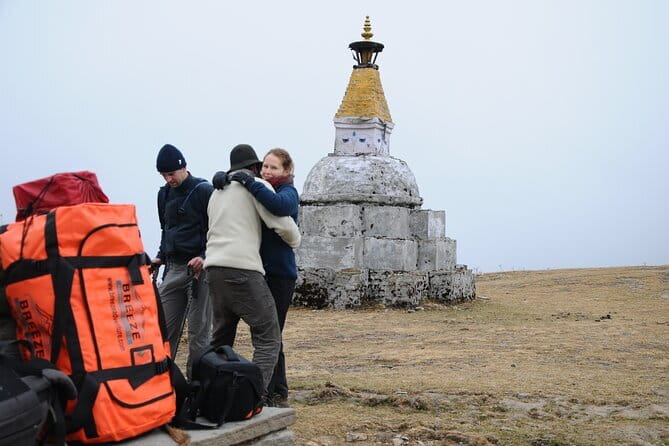
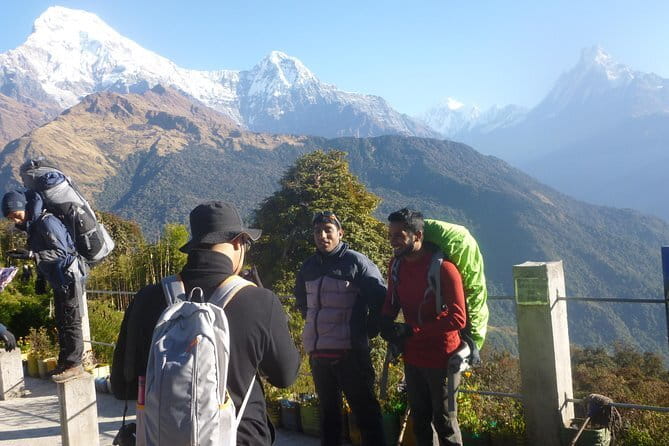
From past experiences with Breeze, you’ll often see names like Kishwor (mentioned for very responsive guidance at the office) and guides such as Sabine, who was described as professional and fun, plus Raj, noted for speaking English well and taking good care around someone’s physical condition. There’s also mention of Geli and a porter named Amrit, both tied to a trip that felt organized and supportive.
That’s not just nice praise. It tells you what to look for: clear communication, a guide who manages pace, and a team that understands the difference between motivation and overreach.
Also included is WiFi on board, plus the trek includes a mobile ticket. Those small admin comforts add up. In a place where plans can change due to weather, you want your logistics to feel low-stress.
Price and Value: Does $899 Make Sense?
At $899 per person for about 7 days, this isn’t a budget “sleep in a tent and figure it out yourself” trek. It’s closer to a well-supported trekking package.
Here’s what you’re getting for the price based on what’s included:
- Guided trekking service with meals (breakfasts, lunches, dinners as listed)
- WiFi on board
- Transport elements that connect Kathmandu, trek start/end points, and the final drive back
- A cap of 20 travelers, which usually helps service quality
- A direct focus on big mountain viewpoints plus the monastery visit
What’s not included: a fuel surcharge. That’s the kind of add-on you should budget for without panic. Still, it’s worth asking what the final total becomes before you commit.
Is it good value? For me, yes—if your goal is sunrise mountain views, Everest-area panoramas without the Lukla route, and a team that handles the moving parts. If you’re the kind of hiker who already loves self-planning, independent hiring, and back-up routes, then you might find cheaper options. But if you’d rather spend your energy on the mountains instead of spreadsheets, this package has a clear logic.
When to Go, and How to Handle the Sunrise Schedule
Your mornings start early. The meeting time in Kathmandu is 6:15 am, and the trek’s main payoff—Pikey Peak sunrise—means you’ll be working around early light and early starts. In other words: you’re not signing up for a slow vacation schedule.
One review mentioned the trek in mid-October, and the experience still landed as unforgettable with great views and a blooming rhododendron forest. That’s one real data point, but weather is always weather in the Himalayas. The best approach is to plan for clear early conditions and accept that clouds can happen.
What helps most is mental prep. If you treat sunrise as a mission (in a good way), you’ll feel rewarded even if you don’t get every perfect photo moment.
Who Should Book This Trek (and Who Might Prefer a Different Route)
This trek fits best if you:
- Want Everest-style mountain views but don’t want the busiest Everest crowd flow
- Prefer a manageable trek week that’s described as suitable for all ages, including seniors and families
- Like the idea of mixing nature with a meaningful cultural stop at Tupten Choling Monastery
- Value support: a guide, organized meals, and a group capped at 20
You might consider another option if:
- You want a fully remote, rough wilderness style trek with minimal logistics
- You dislike uphill walking or you need a slower day structure than what the route describes (including mostly uphill sections)
Still, multiple comments tied this trek to being doable for beginners and seniors, which is a strong signal that the pace is managed rather than aggressive.
Should You Book Pikey Peak with Breeze Adventure?
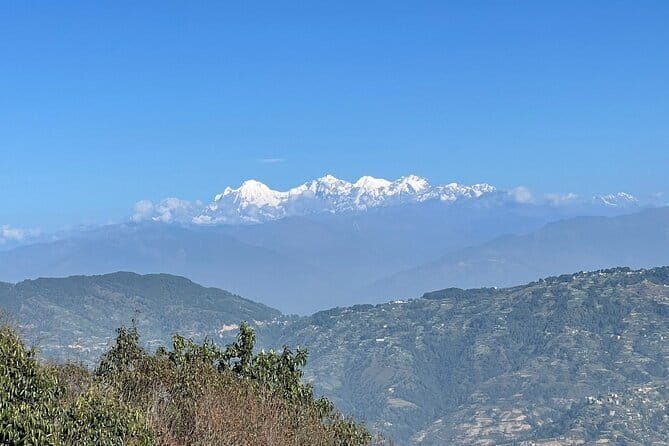
I’d book it if you want the payoff: huge Himalayan views, a sunrise moment that feels earned, and a quieter route that avoids the Lukla-first problem and the most crowded Everest paths. The combination of Pikey Peak sunrise, Hillary Trail walking, and the Tupten Choling Monastery stop gives the week variety, not just peak-chasing.
Also, the package support looks credible: responsive office guidance from Kishwor, trekking leadership from guides like Sabine or Raj, and a team approach that includes porters such as Amrit. Add in the meal plan and the small group cap, and you have a trek that feels designed for actual humans.
If you want, tell me your dates and your trekking experience level, and I’ll help you decide if the 5–6 hour hiking days and early sunrise schedule sound like a match.
FAQ
How long is the Pikey Peak Trek?
The trek runs for 7 days (approximately).
Where does the trek start, and what time does it begin?
It starts at Breeze Adventure Pvt. Ltd in Thamel Marg, Kathmandu, with a start time of 6:15 am. The tour ends back at the same meeting point.
What’s included in the tour price?
The tour includes WiFi on board, breakfast (7), lunch (7), and dinner (6). A mobile ticket is also mentioned.
Is fuel surcharge included?
No. Fuel surcharge is listed as not included.
How big is the group?
The maximum group size is 20 travelers.
Do I need to fly to Lukla for this trek?
No. The overview specifically notes that you can see Everest without needing to fly to Lukla.
Is the monastery visit included?
Yes. The itinerary includes a visit to Tupten Choling Monastery (listed as included).
Is free cancellation available?
Yes. You can cancel up to 24 hours in advance for a full refund. Less than 24 hours before the start time is not refundable.
If you want a version tailored to your fitness level (beginner, intermediate, senior), share that and I’ll help you judge the uphill days.
More Trekking Out of Kathmandu
More Tour Reviews in Kathmandu
Just Reviewed in Kathmandu
- Mountain Bike Tour
★ 5.0 · 3 reviews - Annapurna Panaroma
★ 5.0 · 3 reviews - Mount Everest Scenic Flight 50 Minutes
★ 5.0 · 3 reviews - Kathmandu : Swambhunath & Durbar Square Guided Half Day Tour
★ 3.3 · 3 reviews - Chandragiri Cable Car & Monkey Temple Tour – Private/Group
★ 5.0 · 3 reviews - Kathmandu: Shivapuri National Park Hiking Day Trip
★ 3.3 · 3 reviews
Peak Climbing & Expeditions, compared.
 ★ 5.0Mera Peak ClimbingFrom $3,00033 reviews
 ★ 5.0Everest Base Camp Trek with Island Peak ClimbingFrom $3,30014 reviews
★ 5.0Mera Peak ClimbingFrom $1,1998 reviews
★ 5.0Everest Base Camp Trek with Island Peak ClimbingFrom $3,30014 reviews
★ 5.0Mera Peak ClimbingFrom $1,1998 reviews
 ★ 5.0Mera Peak Expedition – 20 DaysFrom $3,3007 reviews
Mera Peak ClimbingFrom $2,7506 reviews
★ 5.0Mera Peak Expedition – 20 DaysFrom $3,3007 reviews
Mera Peak ClimbingFrom $2,7506 reviews
 ★ 5.0Pikey Peak TrekkingFrom $1,4355 reviews
 ★ 5.0Island Peak Climbing with Everest Base CampFrom $2,8995 reviews
 ★ 5.0Island Peak Climbing ( 6,189M )From $2,2565 reviews
Browse the lists this tour appears in