
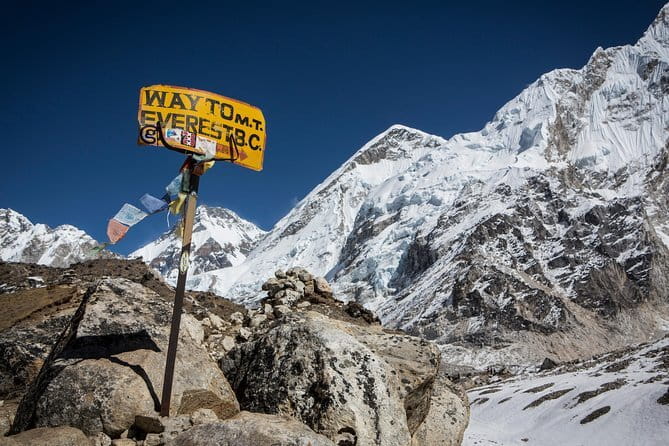
Review · EVEREST BASE CAMP TREKS
Everest Base Camp Trek with Island Peak Climbing
Few trips hit harder than Everest Base Camp and Island Peak. This small-group package strings together trekking, acclimatization, and a real climbing objective with logistics handled for you. You fly into Lukla, hike through Sherpa towns, then work your way toward Island Peak using training and group gear.
I especially like the way the plan protects your body. You get dedicated acclimatization days in Namche Bazaar and Dingboche, plus a spare day built in before the climb and summit push. I also like the “you just show up” approach: airport transfers, domestic flights, park permits, porters (1 per two guests), and even a Katadyn water filter on the trail are included.
One thing to weigh: this is not a relaxed vacation. You’re looking at long, physical days in thin air, and Island Peak is a serious commitment even with training and a summit guide. If you’re not confident in your fitness, this trip can feel like a grind, not a hike.
In This Review
- Quick Takeaways Before You Pack
- Kathmandu Arrival: Easy Start, Realistic Briefing
- Getting Into the Khumbu: Lukla Flight and First Trail Day
- Namche Bazaar: The Gateway Town and the Acclimatization Day
- Tengboche Gompa: Monastery Views and Prayer Ceremony Timing
- Dingboche and the Nangkartshang Hike: Adjust Before You Push Higher
- Lobuche to Everest Base Camp: Thin Air, Big Effort, Speeds Up Your Heart
- Kala Pattar: Your Everest Panoramas Day
- Chukhung and Imja Valley: The Route Tightens Toward Island Peak
- Island Peak Climb Days: Training, Early Starts, and Weather Contingency
- Descent Back Through Tengboche: Forest Walking and Sherpa Town Rhythm
- Lukla and Kathmandu Flights: Last Day Feelings, Then the Easy Part
- Staff and Safety: Why People Trust Ace the Himalaya
- Price and Logistics: Is $3,300 a Good Deal?
- Who This Trip Suits Best
- Should You Book This Everest Base Camp + Island Peak Package?
- FAQ
- How many days is this Everest Base Camp trek and Island Peak climbing trip?
- Where does the tour start and where does it end?
- What’s the group size limit?
- Are airport transfers included in Kathmandu?
- Are domestic flights included?
- Are permits and national park fees included?
- Is Kathmandu sightseeing included?
- What kind of accommodation can I expect on the trek?
- Is climbing equipment and training included for Island Peak?
- Is travel insurance included, and what does it need to cover?
- What’s the cancellation policy?
Quick Takeaways Before You Pack
- Small group (max 15): you get more personal attention on a route that can get busy.
- Acclimatization built in: Namche Bazaar and Dingboche days help you adjust before the high points.
- Island Peak training and gear provided: rope, ice screw, snow bar, and ice hammer come with the climb plan.
- Included Lukla flights: Kathmandu–Lukla–Kathmandu airfare is part of the value.
- Real support on trail: licensed English-speaking trekking guides and climbing Sherpa leadership are included.
- Kathmandu sightseeing included: you’ll get oriented before the mountains swallow your schedule.
More trails out of Kathmandu, boots ready
- Everest Base Camp Trek – 14 Days★ 5.0 · 1,499 reviews
- Everest Base Camp Trek★ 5.0 · 842 reviews
- Everest Base Camp Trekking★ 5.0 · 485 reviews
- Nagarkot Sunrise View and Day Hiking from Kathmandu★ 5.0 · 471 reviews
Kathmandu Arrival: Easy Start, Realistic Briefing
Your trip begins at Tribhuvan International Airport in Kathmandu. An airport representative meets you with an Ace the Himalaya signboard and transfers you to your hotel in a private tourist vehicle. Then there’s a pre-trip meeting with your guide—if you arrive after 4 pm, you’ll get briefed then. If you arrive earlier, it happens at the office the same day.
What I like here is the practical tone. You’re not left guessing. You’ll meet your trek leader/guide, and you can ask questions before you head into the quiet routine of a mountain itinerary. Your Kathmandu setup includes a twin-sharing stay in a three-star hotel for four nights with breakfast.
Getting Into the Khumbu: Lukla Flight and First Trail Day
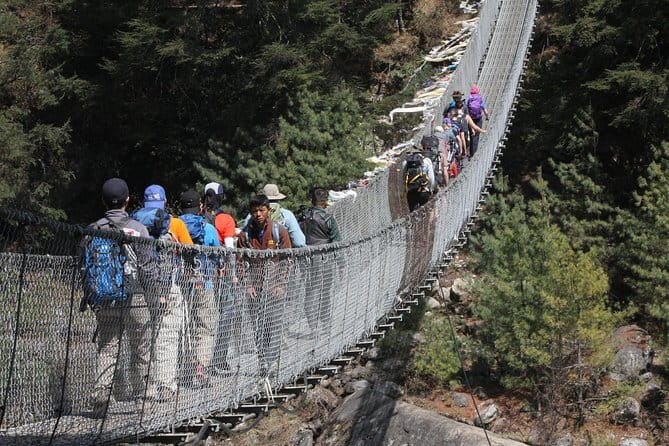
From Kathmandu, you take a short scenic flight (about 35 minutes) to Tenzing and Hillary Airport at Lukla. Lukla sits at 2,804 m, and from there you start trekking toward Phakding (2,610 m). The early advantage of this first walking day is that it’s a gentle entry: you descend toward the Dudh Kosi River, then join the main trail with suspension bridges decorated in prayer flags.
Phakding itself is a good “first altitude rhythm” stop. It’s high enough to matter, but not so high that you’re immediately suffering. You also get time for your Sherpa crew to sort and load trekking equipment before you continue.
Possible drawback: flights into Lukla can be weather-sensitive. The itinerary is built with a spare day later, but if the first day’s timing shifts, you’ll feel that at the start.
Namche Bazaar: The Gateway Town and the Acclimatization Day
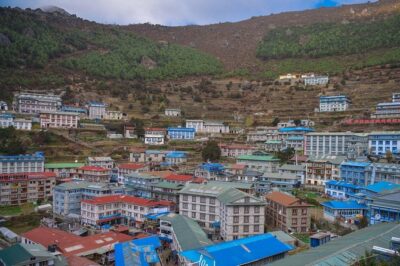
Namche Bazaar is the classic Everest trail hub. You’ll walk along the Dudh Kosi corridor, crossing multiple suspension bridges before you climb into Sagamartha National Park territory. Namche is considered the gateway to Everest—partly because it’s a big town on the route, with lodges, restaurants, shops, and internet cafes.
On your acclimatization day, you don’t rush toward the highest points. Instead you hike up to places like Syangboche Airport and the Everest View Hotel area for rewarded views, then you spend time in town to adjust. You’ll also visit a museum centered on Sherpa culture and customs.
I like this approach because it matches how acclimatization actually works: you move, but you don’t force big progress. If you’re the kind of person who gets anxious without a checklist, Namche gives you both structure and breathing room.
Tengboche Gompa: Monastery Views and Prayer Ceremony Timing
As you continue trekking, the route follows glacial water and mountain views as you climb to Tengboche (around 3,860 m). Tengboche is famous for Tengboche Gompa, where the setting feels more spiritual than scenic-adventure marketing.
Inside the monastery you’ll see ornate wall hangings and a large Buddha sculpture, plus Lamas’ instruments and robes. Your group is also taken to observe a prayer ceremony, either in the morning or evening depending on how the day moves.
Practical note: monastery days can be weather-dependent because visibility matters for the whole day’s experience. But even when weather isn’t perfect, you still get the cultural and spiritual anchor of this stop.
Dingboche and the Nangkartshang Hike: Adjust Before You Push Higher
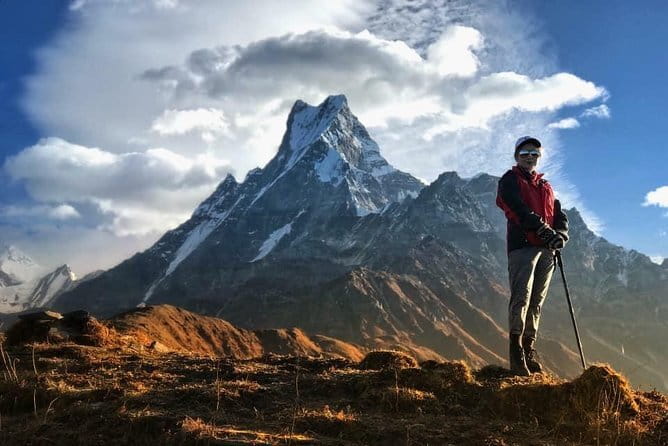
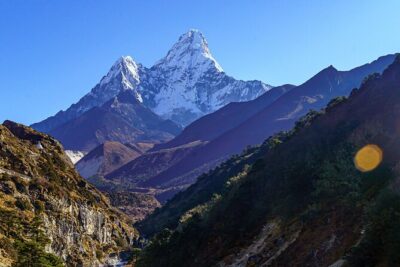
After Tengboche, you drop toward Debuche and cross another suspension bridge on the Imja Khola, then climb to Pangboche and onwards to Dingboche. Dingboche is a key staging village, with views that include Lhotse, Island Peak, and Ama Dablam.
Then you get an acclimatization day that isn’t just “rest and hope.” You hike to Nangkartshang peak just above Dingboche for an excellent viewpoint—especially for Ama Dablam on clear days. The point is to stress your body mildly in altitude while preventing you from skipping the adjustment your body needs.
Possible drawback: the extra walking can tempt people to overdo it. If you feel “good” that day, you still have to treat it like acclimatization, not a victory march.
Lobuche to Everest Base Camp: Thin Air, Big Effort, Speeds Up Your Heart
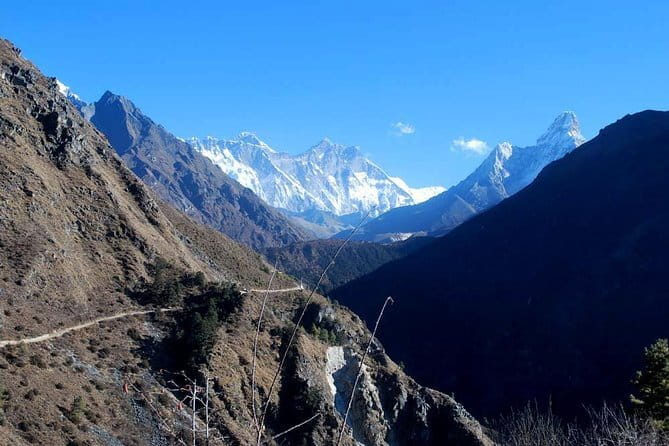
The trek continues toward Lobuche, moving along the lateral moraine of the Khumbu Glacier. You also pass stone memorials for climbers who perished on nearby summits—one of those sobering reminders that this route is tied to real risk.
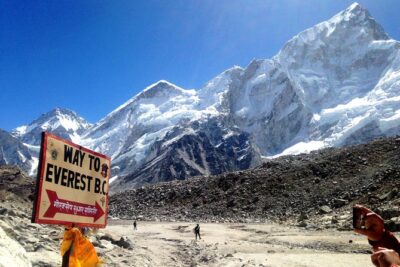
From Lobuche, the big day is reaching Everest Base Camp at 5,365 m. This is described as a difficult walk along the Khumbu Glacier, and you’ll return to Gorak Shep for the night.
One key value of this structure is how it sets you up for the next “signature” view. Base Camp gives you the closeness you can get to Everest without mountaineering equipment—then the itinerary turns right around for a higher, more demanding panorama day.
Kala Pattar: Your Everest Panoramas Day
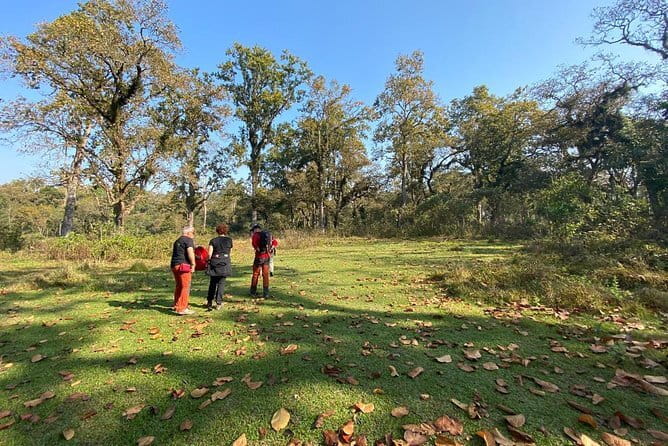
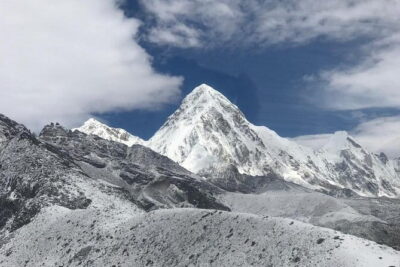
The next major push is Kala Pattar (5,555 m). This is one of the hardest days because you’re climbing for views, not just moving between villages. The reward is a wide panorama: Everest towers directly ahead and around you, with giants like Nuptse and Pumori also part of the view.
After a quick descent back toward Gorak Shep, you have hot breakfast, then continue down to Pheriche. That hot breakfast detail sounds small, but on high-altitude days it matters. It helps you keep energy up for the next downhill-to-uphill transitions.
Chukhung and Imja Valley: The Route Tightens Toward Island Peak
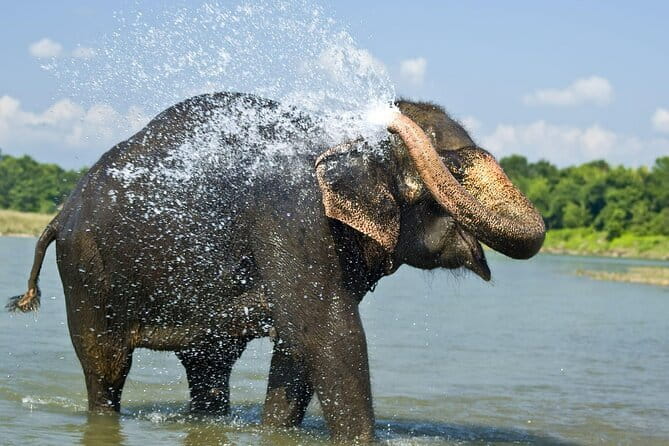
After Pheriche, you head toward Chukhung via Dingboche and then ascend into the Chukhung valley. This is the kind of stage where you start feeling like you’re moving from “Everest trek” terrain into “Island Peak mission” terrain.
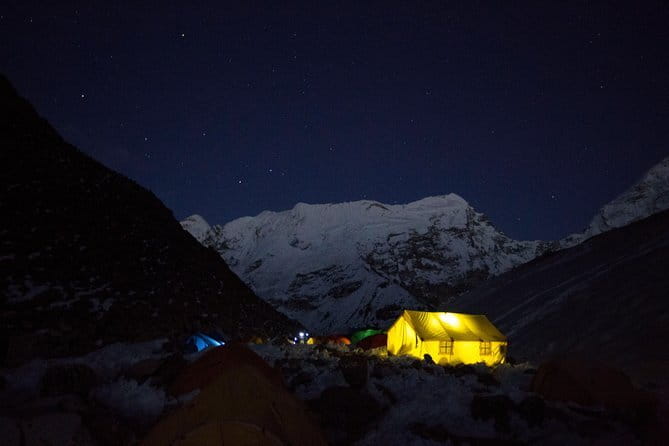
Then the itinerary follows the Imja Valley, with Ama Dablam dominating the skyline, and moves through moraine terrain toward Pareshaya Gyab sand flats. From there, you reach Base Camp in the mid-afternoon. Accommodation here is in a tented camp, with camp food cooked by a professional camping team.
I like how the itinerary keeps the momentum: not constant pushing, but consistent progression so your training and climb planning don’t feel like they’re happening in limbo.
Island Peak Climb Days: Training, Early Starts, and Weather Contingency
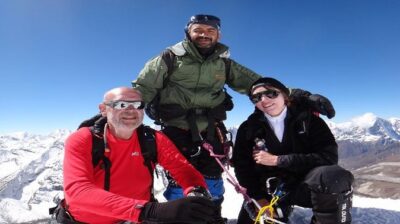
You’re given two days to climb Island Peak so weather doesn’t crush your chances. On the climb days, your climbing Sherpa leader determines the strategy based on acclimatization, snow and conditions, and group readiness.
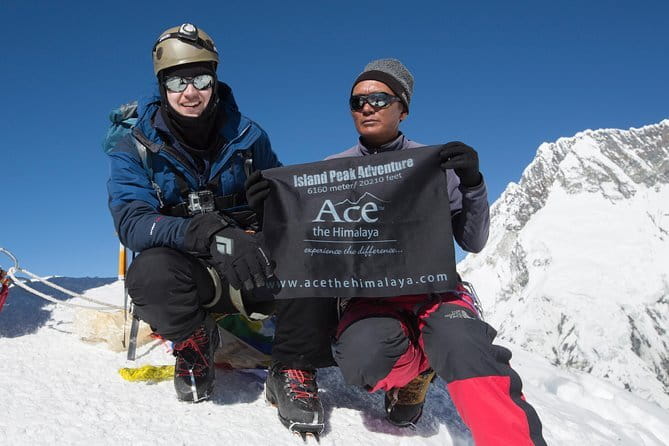
Before the final summit attempt, you receive ice climbing training so you can use climbing gears such as ropes, ice pick, harness, crampons, and related equipment. The final climb starts very early. The climb can take between 4 and 6 hours, depending on conditions.
This is also described as not “technically difficult” in the most extreme sense, but still serious: the snow slopes are crevassed, the headwall is reasonably steep, and having a head for heights helps. In other words, you’re not scrambling up a hill—you’re climbing in an environment where the margin for error is small.
Day 14 is a spare day. If weather turns extremely bad, you can summit then. Otherwise, it becomes a recovery day you can use to rest or relax along the trail until you reach Lukla. This spare-day logic is one of the smartest parts of the itinerary.
Descent Back Through Tengboche: Forest Walking and Sherpa Town Rhythm
After Island Peak, you descend through towns including Dingboche, Orsho, Shomare, and Lower Pangboche. You cross the suspension bridge over the Imja Khola River and then gradually ascend through Debuche before reaching Tengboche again.
From Tengboche to Namche Bazaar, you descend steeply through forests of juniper, rhododendron, and fir, then continue to Phunki Tenga. After crossing the Dudh Kosi River, you climb to Trashinga and contour high above the valley toward Shanasa.
You also have an option to visit Kunde and Khumjung villages before returning to Namche Bazaar for the night. This is one of those sections where the whole trek becomes more human-scale: you’re no longer “chasing altitude,” you’re moving through habitat and village life.
Lukla and Kathmandu Flights: Last Day Feelings, Then the Easy Part
Your final trekking day returns to Lukla. It’s a full-day transition that ends where you started, and the afternoon is free for relaxing and reflecting. The itinerary even mentions time for a hot shower and evening celebrations with celebratory drinks and dancing with your trekmates.
Then you fly from Lukla back to Kathmandu (again about 35 minutes). Back in Kathmandu, you’re met and transferred back to your starting hotel. The final day finishes with an airport representative dropping you at Tribhuvan International Airport.
Staff and Safety: Why People Trust Ace the Himalaya
Most of the praise you’ll see for this trip centers on one theme: support that’s both friendly and alert. Guides are described as patient, attentive, and focused on altitude awareness. Names that show up in prior trip accounts include Sandip, Milan, Ram, Deepak, and climbing Sherpa leadership like Pemba Sherpa. Porters named in support roles include Bikas, Nijesh, and Sher Bahadur.
That matters because the Everest region is not just about willpower. It’s about steady decision-making: when to slow down, when to push, what to watch for, and how to keep the group moving safely. Since your route includes multiple high points and an actual climbing day, that kind of day-to-day management is a major part of the value.
Price and Logistics: Is $3,300 a Good Deal?
At $3,300 per person, this is priced like a true expedition package, not a bare-bones trek. The biggest reasons it can be good value:
- Domestic flights are included (Kathmandu–Lukla–Kathmandu), which can be a major cost on its own.
- Permits and fees are included: TIMS and Everest National Park permits for trekking, plus all documents and permits for Island Peak climbing.
- Support is included in a meaningful way: a licensed English-speaking trekking guide, a climbing Sherpa for the summit, plus porters with a 1:2 ratio.
- Climbing gear is included for the group (rope, ice screw, snow bar, ice hammer) and you get training before the climb.
- Meals and key accommodations are included on the trek and camp sections, plus Kathmandu hotel nights with breakfast.
What’s not included is also clear: international airfare, Nepal entry visa, travel insurance (especially emergency high-altitude rescue and evacuation coverage), alcohol and drinks, and tipping for staff and driver. You also bring your own personal trekking equipment.
If you’re trying to keep total trip costs predictable, the inclusion list helps. If you want maximum control over Kathmandu meals and shopping time, you’ll need to budget extra for those because they’re not included.
Who This Trip Suits Best
This is best for fit, active people who like structure and can handle physical days at altitude. The itinerary is physically demanding, and that’s not a branding line—it’s the reality of moving between 2,600 m villages up toward Base Camp and then making time for Island Peak.
You’ll get along especially well if you:
- want a small-group experience (max 15)
- appreciate acclimatization days and weather contingency
- are comfortable with the idea that the climb has an early start and a steep, crevassed terrain segment
- prefer having guides and porters handle the logistics so you can focus on pacing and safety
Should You Book This Everest Base Camp + Island Peak Package?
I’d lean toward booking if you want a well-run, supported route with real climbing training and gear included, plus a plan that respects acclimatization and weather. The itinerary has multiple guardrails: dedicated adjustment days, a spare climbing/weather day, and a climbing Sherpa leader directing the summit strategy.
Skip or reconsider if any of these are true for you: you don’t have strong fitness for long high-altitude walking days, you’re uncomfortable with early starts and cold conditions, or you’re relying on tour savings to replace travel insurance (because it’s not included and high-altitude rescue coverage is specifically called out).
If you can meet the fitness requirement and you want everything handled from Lukla flights to permits and camp support, this is the kind of trip that feels built for people who want the mountains to be the main event.
FAQ
How many days is this Everest Base Camp trek and Island Peak climbing trip?
It’s listed as approximately 19 days.
Where does the tour start and where does it end?
It starts at Tribhuvan International Airport in Kathmandu, Nepal, and ends back at the same meeting point.
What’s the group size limit?
The maximum group size is 15 travelers.
Are airport transfers included in Kathmandu?
Yes. Pickup and drop-off at the airport are provided by a private tourist vehicle, along with airport/hotel/airport service.
Are domestic flights included?
Yes. Airfare from Kathmandu to Lukla and back to Kathmandu is included.
Are permits and national park fees included?
Yes. Everest National Park permits and a TIMS permit are included for trekking, and all permits/documents necessary for climbing Island Peak are also included.
Is Kathmandu sightseeing included?
Yes. The package includes a sightseeing tour in Kathmandu before the trek.
What kind of accommodation can I expect on the trek?
You’ll stay in twin-sharing guesthouses in Lukla, Phakding, and Namche with attached toilets, and you’ll have tented camp accommodation at Island Peak Base Camp with meals cooked by the camping team during the camp stay.
Is climbing equipment and training included for Island Peak?
Yes. You’ll receive ice climbing training and group climbing equipment is included, including items like ropes and ice tools listed in the package.
Is travel insurance included, and what does it need to cover?
Travel insurance is not included. The package specifically calls out that your insurance should cover emergency high-altitude rescue and evacuation.
What’s the cancellation policy?
You can cancel up to 24 hours in advance for a full refund. If it’s canceled due to poor weather, you’ll be offered a different date or a full refund.
More Trekking Out of Kathmandu
More Tour Reviews in Kathmandu
Just Reviewed in Kathmandu
- Mountain Bike Tour
★ 5.0 · 3 reviews - Annapurna Panaroma
★ 5.0 · 3 reviews - Mount Everest Scenic Flight 50 Minutes
★ 5.0 · 3 reviews - Kathmandu : Swambhunath & Durbar Square Guided Half Day Tour
★ 3.3 · 3 reviews - Chandragiri Cable Car & Monkey Temple Tour – Private/Group
★ 5.0 · 3 reviews - Kathmandu: Shivapuri National Park Hiking Day Trip
★ 3.3 · 3 reviews
Everest Base Camp Treks, compared.
 ★ 5.0Everest Base Camp Trek – 14 DaysFrom $1,8001,499 reviews
 ★ 5.0Everest Base Camp TrekFrom $1,790842 reviews
 ★ 5.0Everest Base Camp TrekkingFrom $1,350485 reviews
 ★ 5.0Everest Base Camp Trekking – 13 DayFrom $1,399365 reviews
★ 5.0Everest Base Camp TrekFrom $1,445350 reviews
★ 5.0Everest Base Camp Trek -14 DaysFrom $1,420321 reviews
★ 5.0Everest Base Camp Trekking – 13 DayFrom $1,399365 reviews
★ 5.0Everest Base Camp TrekFrom $1,445350 reviews
★ 5.0Everest Base Camp Trek -14 DaysFrom $1,420321 reviews
 ★ 5.012 Days Everest Base Camp TrekFrom $1,099289 reviews
 ★ 5.0Everest Base Camp Trekking – 2025/2026From $1,339199 reviews
Browse the lists this tour appears in