
Review · PEAK CLIMBING & EXPEDITIONS
Pikey Peak Trekking
Sunrise at 4,067m is the star here. This Pikey Peak trek in Nepal’s Solu Khumbu region mixes big Himalayan sightlines with slower village days, with views that can reach as far as Everest, Makalu, Kanchenjunga, Annapurna, Gaurishankar, Lhotse, Nuptse, and more. Two things I really like: the chance to see multiple giant ranges from one climb, and the way the route threads through places like Phaplu, Kerung, Pattale, Jhapre, Lamajura, and Junbesi for a grounded local feel. One consideration: even though you’re not going after the highest passes, you still hike at elevation, so you’ll want a solid baseline of moderate fitness and realistic expectations for early, cold mornings.
What makes this outing practical is how it’s packaged for your time. You get full-board meals during the trek, and you’re traveling as a private group, so the pace and stops can flex to your needs. The tour starts at Tribhuvan International Airport at 6:15am and ends back at the same meeting point, with confirmation handled at booking; you’ll just want to plan ahead for drinks, since hard and soft drinks are not included.
In This Review
- Key highlights to pay attention to
- Pikey Peak at 4,067m: Why the views feel so efficient
- The Solu Khumbu village route: Phaplu, Kerung, Pattale, Jhapre, Lamajura, Junbesi
- Early starts and sunrise magic: the timing logic behind Pikey
- Guides and the private-group advantage with Sherpa Expedition & Trekking
- Meals and energy: what’s included, what’s not, and why it matters
- How demanding is it, really? Fitness notes that keep you safe
- What to expect from the start-to-finish logistics
- Should you book this Pikey Peak Trek?
- FAQ
- How long is the Pikey Peak Trek?
- Where is the meeting point, and what time does it start?
- What is the highest point on the trek?
- Where does the trek start and end?
- What’s included in the price?
- Are drinks included?
- Is this a private tour?
- Can I cancel and get a full refund?
Key highlights to pay attention to
- Big-range sunrise views from one peak: Pikey at 4,067m is built for seeing the eastern and central Himalayas in one sweep.
- A village route that keeps you moving on human time: Phaplu, Kerung, Pattale, Jhapre, Lamajura, and Junbesi turn the trek into more than just a summit chase.
- Private-group flexibility: Only your group participates, which usually means fewer waiting gaps and easier pacing decisions.
- Full-board meals during the trek: Breakfast plus meals throughout the walking days help keep energy steady.
- You start early from Kathmandu: The 6:15am airport start shapes the whole rhythm, so pack for a cold, early day.
More trails out of Kathmandu, boots ready
- Everest Base Camp Trek – 14 Days★ 5.0 · 1,499 reviews
- Everest Base Camp Trek★ 5.0 · 842 reviews
- Everest Base Camp Trekking★ 5.0 · 485 reviews
- Nagarkot Sunrise View and Day Hiking from Kathmandu★ 5.0 · 471 reviews
Pikey Peak at 4,067m: Why the views feel so efficient
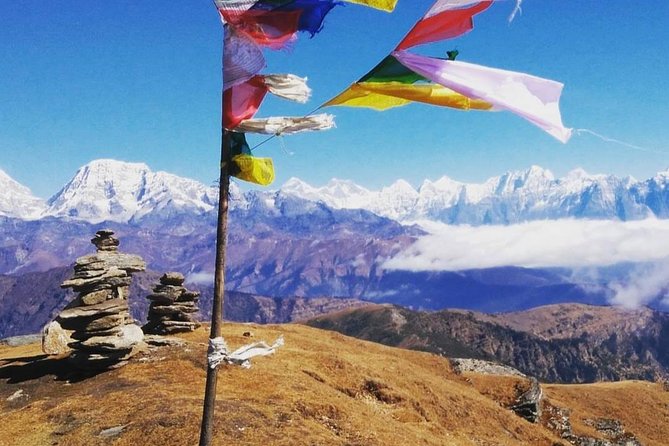
Pikey Peak sits at 4,067m, and that height matters. It’s high enough to pull the horizon wide, but it also fits an 8-day schedule for people who want Himalayan drama without a longer, slog-heavier expedition.
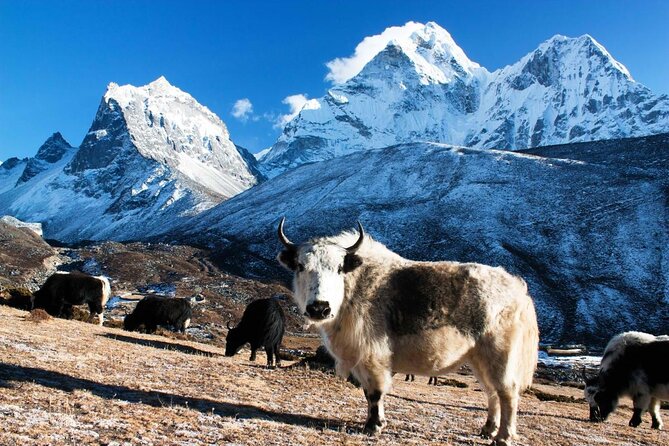
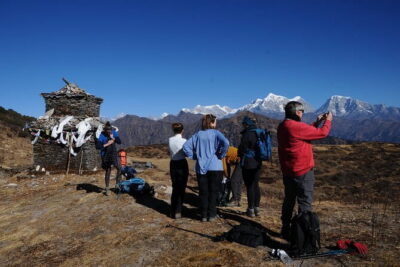
From the top, you’re looking out toward a long list of major ranges in Nepal and the wider eastern Himalayas. The route description calls out the Everest region, plus sights like Makalu, Kanchenjunga, Annapurna, Gaurishankar, Lhotse and Nuptse, along with other named peaks such as Numbur, Sishapangma, Thamserku, and Mera peak. In plain terms: you’re not just chasing one famous mountain. You’re getting a panorama that helps you understand how the big ranges relate to each other.
That’s why this trek is such a strong fit for people with limited time. If you’ve only got about a week, Pikey gives you a serious view payoff without turning your holiday into a month of high-altitude hiking.
The Solu Khumbu village route: Phaplu, Kerung, Pattale, Jhapre, Lamajura, Junbesi
The trek begins and ends at Phaplu, and in between you pass through Kerung, Pattale, Jhapre, then up to Pikey Peak, before continuing through Lamajura and Junbesi on the way back. Even with no day-by-day schedule spelled out here, the structure is clear: you’re walking through settlements in the Solu Khumbu region, not just moving from one checkpoint to another.
Here’s what that means for you on the ground:
- Phaplu is your starting and ending base. Since the trek loops back here, you get that classic “go out, then return through lived-in places” feel.
- Kerung, Pattale, Jhapre add variety without changing the vibe. Expect a mix of trail time and village time, which is great if you want your legs working but also want to see how people live at different altitudes.
- Lamajura and Junbesi give extra texture on the return. These are the kinds of stops that can make the trek feel cultural, not only physical. One of the standout themes in the included experiences is that the lower-alpine level walking still feels special, especially if you’re unsure about higher altitude treks.
If you’re trying to balance mountain views with a real sense of place, this route does that job. It’s not only about the top of the hill; it’s about moving through the communities that make this region distinct.
Early starts and sunrise magic: the timing logic behind Pikey
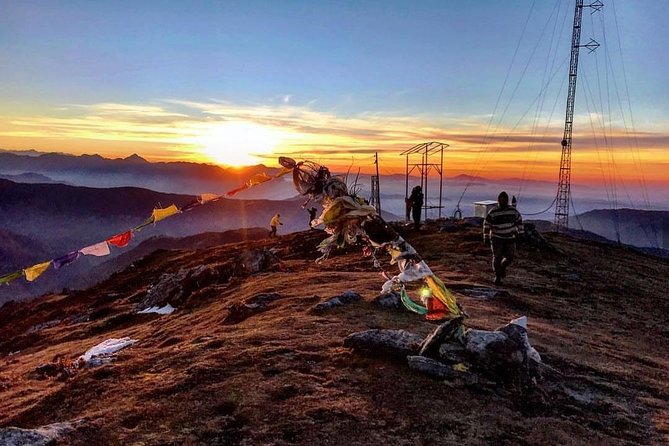
Pikey Peak is known for sunrise and sunset views, and the scheduling reflects that. The tour’s start time in Kathmandu is 6:15am at Tribhuvan International Airport, which tells you the organizer is running an efficient day plan. Even after you’re on the trail, you should expect early wake-up times to chase good light.
Here’s the practical reason sunrise trekking matters: mornings tend to be clearer, and the quality of the views can change fast with weather and cloud cover. Even if you’ve hiked in other countries, Nepal mountain mornings have their own mood—cool air, quick light shifts, and a calm that makes the whole climb feel purposeful.
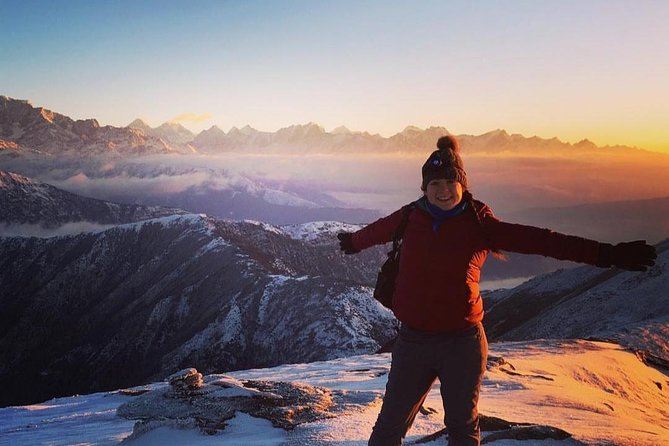
A nice benefit of choosing a trek like this is that it can fit into a shorter window while still giving you the “big-moment” payoff. Several experiences highlight seeing the Everest range as the sun rises, and that moment is the kind you remember when the trail becomes tough.
Guides and the private-group advantage with Sherpa Expedition & Trekking
This trek is operated by Sherpa Expedition & Trekking, and it’s listed as a private tour/activity, meaning only your group participates. In trekking terms, that usually means:
- less time waiting around,
- more flexibility with pacing,
- a smoother flow when you need a rest break.
The experiences also name guides who make a difference. You may travel with people such as Nee-ma Sherpa, C-erpa Pasang, Jay Bir (with Hiese Lama), and Dawa Sherpa. When you see multiple named guides praised across different experiences, it’s a sign the guiding team is doing the basics well: keeping people oriented, managing the day’s pace, and handling the little questions that pop up during a mountain trek.
One more detail I value: quieter trails. Some trek routes in this region can get busy, but a few experiences describe long stretches where the trail feels almost empty. That kind of quiet turns the trek into a more personal experience—less noise, more bird-and-footstep soundtrack, more room for your brain to catch up with the altitude.




Meals and energy: what’s included, what’s not, and why it matters
Your package includes:
- Breakfast
- Full board meals during the trek
That’s a real value point. During multi-day hikes, the best systems aren’t complicated; they just work consistently. When meals are handled for you, you can focus on walking, hydration, and rest instead of spending energy negotiating food options each day.
What’s not included: hard and soft drinks. So if you like a specific soda, tea style, or something stronger, you’ll want to plan for that budget yourself.
In practical terms, full-board support helps most on days when:
- your legs are tired,
- you’re climbing in the cold and need calories earlier,
- you’re trying to keep energy steady for whatever comes next.
And since this is about views as much as exertion, keeping your strength up makes sunrise feel like a reward instead of a chore.
How demanding is it, really? Fitness notes that keep you safe
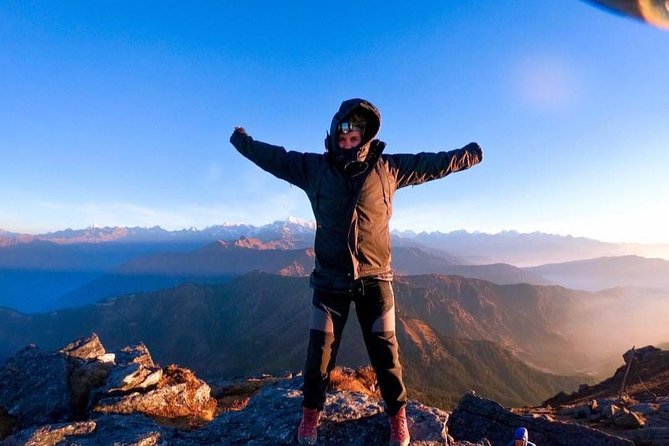
The listing calls for a moderate physical fitness level, and that’s exactly how I’d frame this trek for most people. You’re walking at elevation, which makes the effort feel stronger than the same distance at sea level. But the trek is also positioned as a good option for people who want the Himalayas without going after the highest, most punishing routes.
Still, be honest with yourself. At a top point of 4,067m, your body will need time to adapt. Even if the hike feels manageable on paper, your breathing and fatigue can change quickly. If you tend to get winded, or if you’ve been sedentary for a while, you’ll want to build up your walking base before you come.
My rule for treks like this: plan for the climb, not for perfect conditions. If sunrise clouds roll in, you’ll still be walking through villages and scenery, so treat the whole trek as the win—not only the view.
What to expect from the start-to-finish logistics
You meet at Tribhuvan International Airport on Ring Rd in Kathmandu, Nepal, at 6:15am, and the activity ends back at that same meeting point. That one detail affects how you should plan your travel day:
- You’ll want to be ready early, not trying to squeeze in late check-ins.
- If you’re coming into Kathmandu the night before, build in buffer time for sleep and getting organized.
The trek itself begins and ends at Phaplu, but your overall experience ties back to that Kathmandu pickup and drop-off. So think of the itinerary as two parts: getting you into position for the trek, and bringing you back to the airport area when it’s over.
Other practical notes from the listing:
- you’ll receive confirmation at the time of booking
- tickets are provided as a mobile ticket
- service animals are allowed
- it’s near public transportation
Those details aren’t flashy, but they reduce stress. And on a trek, less stress means more attention for the views and the villages.
Should you book this Pikey Peak Trek?
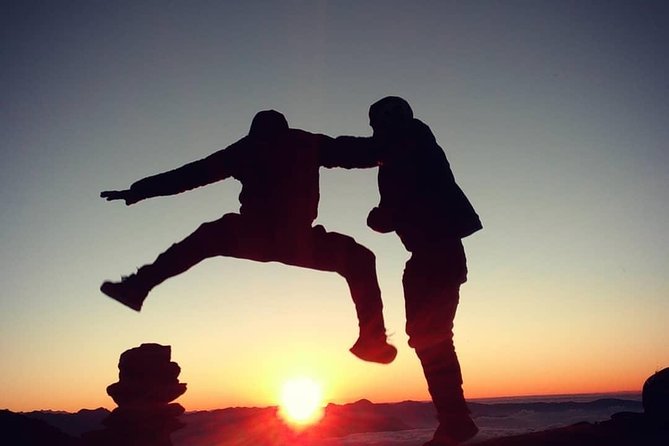
Book it if you want a short-but-serious Himalayan experience. This is one of those treks where the cost feels more “about value and execution” than about luxury: full-board meals, a private group structure, and an intentional route designed to put major-range views within reach during an 8-day window.
I’d hesitate if you dislike early mornings or you’re currently not at a walking-ready fitness level. Starting at 6:15am in Kathmandu and hiking at altitude means the days move fast and cold.
Here’s a simple decision test: if you’re excited by the idea of seeing Everest-region sunrise views while also passing through multiple settlements on a route that loops back to Phaplu, then this trek fits your goal. If your goal is only one summit moment and you’re not interested in village life or multi-day walking, you might find a more specialized climb better suits you.
FAQ
How long is the Pikey Peak Trek?
The duration is listed as about 8 days.
Where is the meeting point, and what time does it start?
The meeting point is Tribhuvan International Airport, Ring Rd, Kathmandu (44600, Nepal), with a start time of 6:15am.
What is the highest point on the trek?
Pikey Peak is listed at 4,067m.
Where does the trek start and end?
The trek starts and ends at Phaplu, and the overall activity ends back at the Kathmandu meeting point.
What’s included in the price?
The package includes breakfast and full board meals during the trek.
Are drinks included?
No. Hard and soft drinks are not included.
Is this a private tour?
Yes. It’s listed as a private tour/activity, and only your group will participate.
Can I cancel and get a full refund?
Yes. You can cancel for a full refund if you cancel at least 24 hours in advance of the experience’s start time. If you cancel less than 24 hours before, the amount paid is not refunded.
More Trekking Out of Kathmandu






More Tour Reviews in Kathmandu




Just Reviewed in Kathmandu
- Mountain Bike Tour
★ 5.0 · 3 reviews - Annapurna Panaroma
★ 5.0 · 3 reviews - Mount Everest Scenic Flight 50 Minutes
★ 5.0 · 3 reviews - Kathmandu : Swambhunath & Durbar Square Guided Half Day Tour
★ 3.3 · 3 reviews - Chandragiri Cable Car & Monkey Temple Tour – Private/Group
★ 5.0 · 3 reviews - Kathmandu: Shivapuri National Park Hiking Day Trip
★ 3.3 · 3 reviews
Peak Climbing & Expeditions, compared.
 ★ 5.0Mera Peak ClimbingFrom $3,00033 reviews
 ★ 5.0Everest Base Camp Trek with Island Peak ClimbingFrom $3,30014 reviews
 ★ 5.0Pikey Peak TrekFrom $8998 reviews
★ 5.0Mera Peak ClimbingFrom $1,1998 reviews
 ★ 5.0Mera Peak Expedition – 20 DaysFrom $3,3007 reviews
Mera Peak ClimbingFrom $2,7506 reviews
 ★ 5.0Island Peak Climbing with Everest Base CampFrom $2,8995 reviews
 ★ 5.0Island Peak Climbing ( 6,189M )From $2,2565 reviews
Browse the lists this tour appears in