
Review · TOURS
Nepal Round Tour with Annapurna Trek 14 Days
Truly, Nepal moves at two speeds here: temple time and trail time. This private 14-day trip blends Annapurna trekking (about seven days) with Kathmandu Valley heritage and Pokhara sightseeing, so you get both big-mountain views and everyday Nepal life. I especially like that the package handles trekking permits and national park fees, and keeps things organized with guides and solid lodging choices. One thing to weigh: comfort is 3-star in the cities, and during the trek you’ll be in basic mountain guesthouses, not a hotel.
I also like the balance of guided history and real spiritual sites—think Pashupatinath-area moments, plus Buddhist stops like Budha Stupa, and heritage squares in places such as Patan and Bhaktapur. In reviews, the trip planner Shiva gets real credit for arranging transport, guides, and port support, which is exactly what you want when you’re doing a trek and sightseeing in the same trip. The only drawback I’d flag up front is that the plan expects moderate fitness, so if you’re looking for a completely low-effort vacation, this isn’t it.
In This Review
- Key highlights (what makes this one work)
- Why this Annapurna + Nepal round tour is such a smart mix
- Price and logistics: what you’re really paying for
- Kathmandu Valley days: temples, squares, and places you should treat with respect
- Pokhara: your reset day before and after the trail
- The Annapurna trek: about a week of guesthouse walking
- Khopra Danda and the kind of hiking pace you should plan for
- Permits and park fees are covered
- Guides and porter support make a difference
- Guides, small-group feel, and customization (private doesn’t mean chaotic)
- What to pack (because trekking gear is not included)
- Accommodation and meals: where comfort is built in, and where it’s intentionally basic
- Tradeoffs: who this trip is for (and who should choose something else)
- Should you book this Nepal Round Tour with Annapurna Trek?
- FAQ
- How long is the Nepal Round Tour with Annapurna Trek?
- How many days are dedicated to trekking?
- Is this tour private?
- What fitness level do I need for the trek?
- What accommodations are included?
- Are trekking permits and national park fees included?
- What meals are included during the trip?
- What is not included in the price?
- What’s the cancellation policy if weather affects the trip?
Key highlights (what makes this one work)
- Private feel with a cap of 15 travelers, so you’re not swallowed by a huge bus tour mood
- Permits and national park fees included, so you’re not scrambling for admin while you’re excited about hiking
- Kathmandu + Pokhara plus ~7 days trekking, a good ratio if you want both culture and Himalayan time
- Mountain guesthouses during the trek, paired with included meals on trekking days for less decision fatigue
- Domestic flight between Kathmandu and Pokhara to save travel time, with a Pokhara-to-Kathmandu ticket included
- Guides and trip planning support (Shiva named in participant feedback), which can make the whole trip feel smoother
More trails out of Kathmandu, boots ready
- Everest Base Camp Trek – 14 Days★ 5.0 · 1,499 reviews
- Everest Base Camp Trek★ 5.0 · 842 reviews
- Everest Base Camp Trekking★ 5.0 · 485 reviews
- Nagarkot Sunrise View and Day Hiking from Kathmandu★ 5.0 · 471 reviews
Why this Annapurna + Nepal round tour is such a smart mix
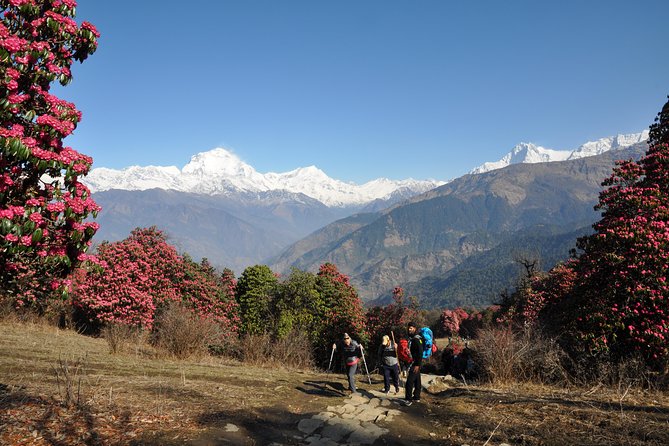
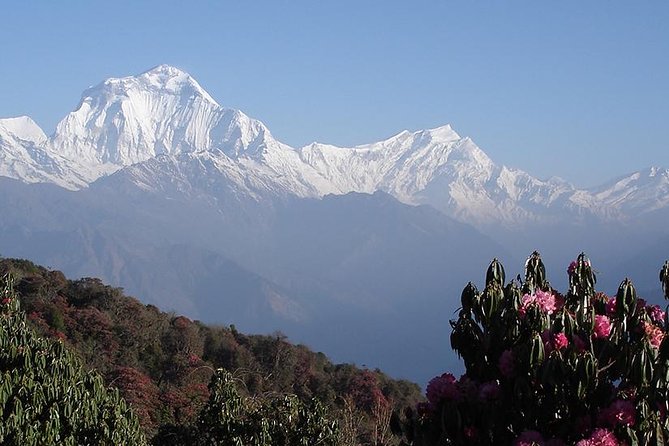
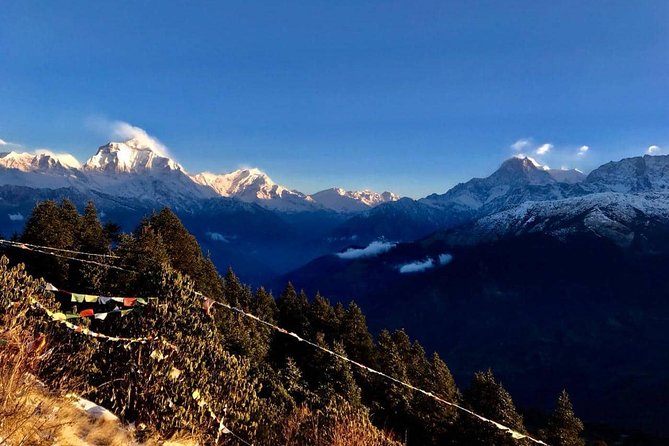
This is the kind of trip that makes sense if you want the Himalaya but you also want Nepal to feel more than just a mountain backdrop. You’ll spend a full week-ish walking in the Annapurna region—an area closely tied to Annapurna I, the world’s 10th highest peak—then you’ll switch gears into city life and heritage in Kathmandu Valley and a breather in Pokhara.
The biggest win is pacing. Trekking is physically demanding no matter how you slice it, so having the rest of the days built around guided sightseeing (instead of cramming endless logistics) helps you recover without losing the cultural thread.
And yes, you’ll still have views. Not just one postcard moment. You’ll have repeated chances to look up, slow down, and realize how big the region is.
Price and logistics: what you’re really paying for
At $1,227.78 per person for 14 days, this isn’t the cheapest way to do Nepal—but it is the kind of price that starts to look fair once you count what’s included.
Here’s what your money covers (based on the tour details):
- Private transportation
- 3-star hotel accommodations in Kathmandu and Pokhara
- Mountain guesthouse accommodation during trekking
- Trekking permits and national park fees
- City and trekking guides
- Meals during trekking days (breakfast, lunch, dinner)
- All breakfasts at the hotels
- A flight ticket from Pokhara to Kathmandu
- GST
What you don’t pay for here:
- trekking gear
- travel insurance
- tips for your guide and driver
So the value case is simple: you’re paying for coordination. Guides handle the route and daily reality. Permits and park fees are handled. Hotels and guesthouses are arranged. And a domestic flight saves you from wasting two long days on overland travel.
If you’re the type who hates last-minute admin, this package is built for you. If you love DIY planning and you already own trekking gear and you’re fine booking permits yourself, you might be able to do it cheaper. But you’ll also spend more time managing the stuff that slows trips down.
Kathmandu Valley days: temples, squares, and places you should treat with respect
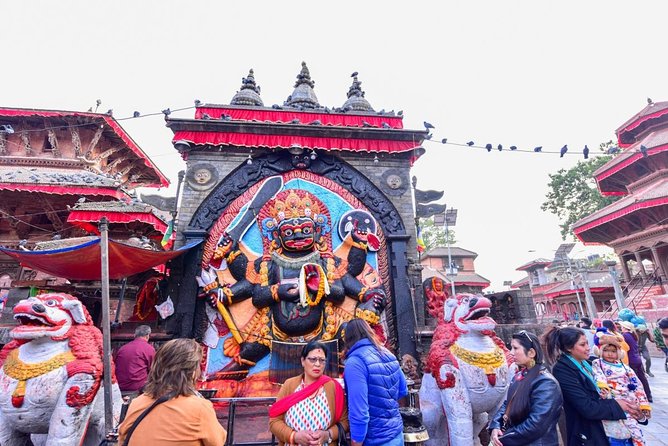
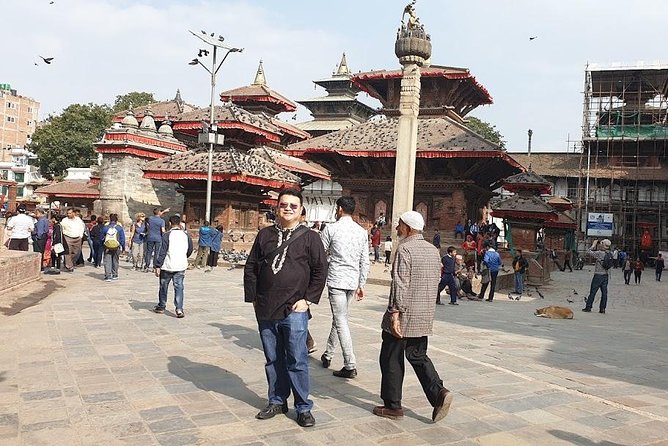
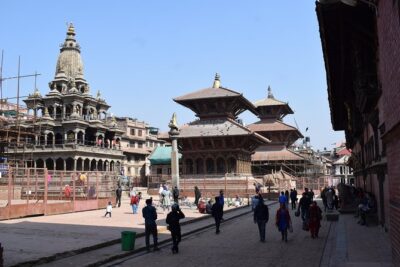
Kathmandu is the starting point, and the experience focuses on spiritual and cultural sites with a city tour guide. Based on participant highlights, you may see stops including Pashupati, the crematory area surroundings, Budha Stupa, and heritage squares in places like Patan Durbar Square and Bhaktapur.
What I like about this style of Kathmandu touring is that it doesn’t feel like a quick grab bag. A good guide helps you understand what you’re looking at—why a place matters, what rituals look like, and how everyday locals move through the area.
A few practical thoughts for your own comfort and etiquette:
- Keep your shoulders and knees covered in religious areas.
- Expect the mood to be serious around cremation-related spaces; keep your voice low and your camera use respectful.
- Don’t treat stupas and temples like photo backdrops. Look closely first, then photograph if appropriate.
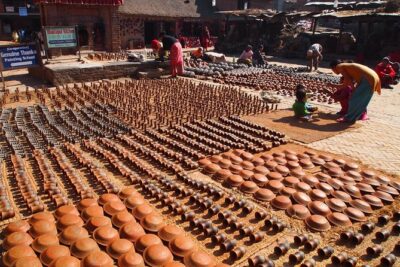
Also, one review called out a pottery place and local people, which is the kind of stop that makes “culture” feel real. It turns the day from monuments into lived craft.
Pokhara: your reset day before and after the trail
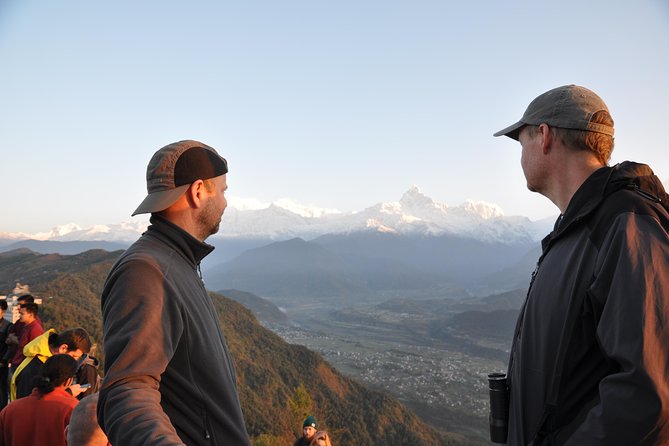
Pokhara enters the story as more than a waypoint. You get time for sightseeing there and a 3-star hotel stay, which matters because trekking is hard on your routine. Even a day or two of normal meals, a proper bed, and a chance to slow your pace can make a big difference for how you feel on trekking day.
Pokhara is also where the trip’s flight logic helps. The itinerary saves time with domestic travel between Kathmandu and Pokhara, and a Pokhara-to-Kathmandu flight ticket is included. For many people, that’s a quiet win: you don’t spend your energy on long routes when you’d rather spend it on hiking and resting.
One more thing: Pokhara can be a good place to check your trekking kit and sort your layers. The trek gear itself isn’t included, so you’ll want to arrive thinking about what you’ll actually carry day to day.



The Annapurna trek: about a week of guesthouse walking
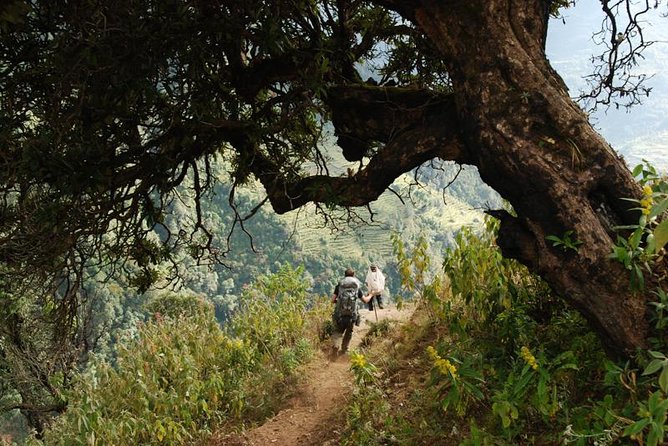
The trek section is the heart of the trip: about seven days in the Annapurna region. You’ll stay in mountain guesthouses, and you’ll eat with a set plan during trekking days: breakfast, lunch, and dinner are included.
This matters more than it sounds. When meals are arranged, you spend less time asking what’s open, where you can find something warm, and whether you’ll pay extra for the one thing you can eat. After long walking days, that reduces stress.
Khopra Danda and the kind of hiking pace you should plan for
One participant specifically highlighted trekking to Khopra Danda as part of their Annapurna experience. Even without locking you into any one exact technical detail, it gives you a useful idea: you’re not doing a flat stroll. You’re doing scenic, steadily uphill walking that rewards patience.
The tour is also clear that you should have moderate physical fitness. That’s the right warning label. This is adventurous travel, not a sit-and-smile stroll.
Permits and park fees are covered
Trekking in the Annapurna region isn’t just about having good legs; there are also the required steps that keep things legal and protected. This package includes trekking permits and national park fees, which means you can focus on the walk instead of chasing paperwork.
Guides and porter support make a difference
Your group includes a trekking guide, and participant feedback also points to helpful porter support arranged by the trip planner Shiva. That combo is key: the guide helps with route and pacing, while porter help can remove weight where it matters most.
Guides, small-group feel, and customization (private doesn’t mean chaotic)
This is described as a private tour that can be customized, with a maximum of 15 travelers. That size cap matters. It’s small enough to ask questions, small enough to adapt timing, and small enough that you’re less likely to feel like you’re constantly waiting for the slowest person in the group.
In the feedback you provided, Shiva is repeatedly credited for planning and smooth coordination—transport, accommodation, trekking guide, and porter arrangements. Even if you’re not planning a sabbatical like those reviews, that kind of planning support is exactly what turns a great idea into a trip you can actually enjoy.
Also, you’ll have both a city tour guide and a trekking guide, which is smart. The skills needed for Kathmandu heritage days are not the same as the skills needed to keep a trek running safely and on schedule.
What to pack (because trekking gear is not included)
Your trekking gears are not included, so you need to think about your own essentials before you arrive. If you’re used to traveling light, this is one area where light can be risky.
At minimum, you should plan for:
- sturdy trekking shoes or boots with grip
- layers that work for morning and afternoon temperature swings
- rain protection
- a daypack you can carry comfortably
- basic toiletries and quick-dry items
Bring whatever helps you keep warm and dry. During trekking days, the meals are covered, but you’re still responsible for your comfort on the trail.
One practical tip: pack in a way that lets you access your core trekking layers without digging through everything. On trek mornings, time and energy matter.
Accommodation and meals: where comfort is built in, and where it’s intentionally basic
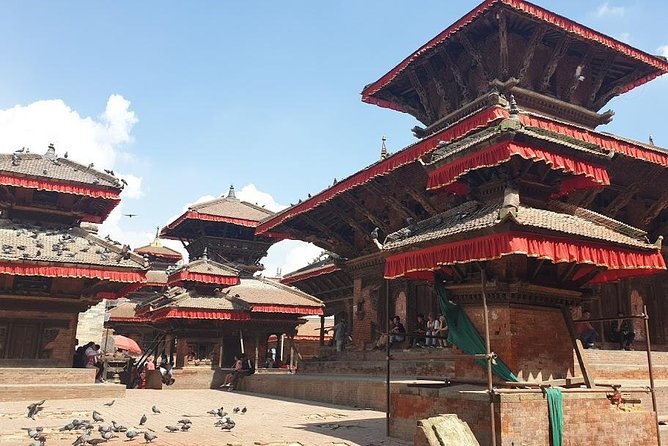
In Kathmandu and Pokhara, you get 3-star hotels. That usually means you can expect real beds, private room comfort, and a place to reset between days.
During the trek, it’s a different story. You’ll use mountain guesthouse accommodation, which is functional and simple. Think clean enough, warm enough if you’re prepared, and focused on keeping you moving. You’re not paying for luxury here. You’re paying for access—to the route, the guidance, and the logistics that keep a multi-day trek from turning into a DIY headache.
Meals are better than a typical “just find food on your own” trek. You’ll have all breakfasts with the hotel stays, and breakfast, lunch, and dinner during trekking days. That means your energy planning is easier, and you can keep your day-to-day rhythm consistent.
Tradeoffs: who this trip is for (and who should choose something else)
This trip is a good match if:
- you want both Annapurna trekking and Nepal cultural highlights
- you like having guides and transport arranged for you
- you want moderate-fitness hiking (not extreme climbing, but not a stroll)
- you value a calmer group size (max 15)
It may not be ideal if:
- you want maximum comfort every day
- you’re not interested in religious/cultural sites like Pashupati or heritage squares in Kathmandu Valley
- you dislike basic guesthouse conditions during trekking
Also, if you’re allergic to planning surprises, check your own expectations. Even with guides and organization, trekking travel still has weather variables. The trip requires good weather, and you should be ready for timing changes if conditions are poor.
Should you book this Nepal Round Tour with Annapurna Trek?
If your goal is a single trip that covers Kathmandu Valley heritage, Pokhara downtime, and a week-ish trekking experience in the Annapurna region, this is a strong option. The best part is the balance of included services: guides, permits, lodging, and trekking-day meals. You’re paying for a plan that reduces friction.
I’d book it if you:
- want the Annapurna trek experience but also care about spiritual and cultural stops
- prefer organized transport and pre-arranged lodging
- appreciate having a named trip planner approach (Shiva comes through clearly in participant feedback)
I wouldn’t book it if:
- you only want city comfort and hate guesthouse-style nights
- you can’t commit to moderate hiking fitness
- you’re hoping trekking gear will be provided
If you fit the “want it all” mindset—mountains plus culture—this itinerary is built for you.
FAQ
How long is the Nepal Round Tour with Annapurna Trek?
The tour is approximately 14 days, including about seven days of trekking in the Annapurnas.
How many days are dedicated to trekking?
The itinerary includes seven days trekking in the Annapurna region.
Is this tour private?
Yes, it’s described as a private 14-day tour.
What fitness level do I need for the trek?
The tour notes that you should have a moderate physical fitness level.
What accommodations are included?
The package includes 3-star hotel accommodation in Kathmandu and Pokhara, plus mountain guesthouse accommodation during the trekking.
Are trekking permits and national park fees included?
Yes. Trekking permits and national park fees are included.
What meals are included during the trip?
All breakfasts are included, and during trekking days you get breakfast, lunch, and dinner.
What is not included in the price?
Trekking gears, travel insurance, and tips to the guide and driver are not included.
What’s the cancellation policy if weather affects the trip?
You can cancel up to 24 hours in advance for a full refund. If the experience is canceled due to poor weather, you’ll be offered a different date or a full refund.
More Trekking Out of Kathmandu






More Tours in Kathmandu




More Tour Reviews in Kathmandu


Just Reviewed in Kathmandu
- Mountain Bike Tour
★ 5.0 · 3 reviews - Annapurna Panaroma
★ 5.0 · 3 reviews - Mount Everest Scenic Flight 50 Minutes
★ 5.0 · 3 reviews - Kathmandu : Swambhunath & Durbar Square Guided Half Day Tour
★ 3.3 · 3 reviews - Chandragiri Cable Car & Monkey Temple Tour – Private/Group
★ 5.0 · 3 reviews - Kathmandu: Shivapuri National Park Hiking Day Trip
★ 3.3 · 3 reviews
Tours, compared.
 ★ 5.0Everest Base Camp Helicopter Tour landing at Everest View HotelFrom $1,575668 reviews
 ★ 5.0Full Day 7 UNESCO Tour with Lunch – Private/GroupFrom $10415 reviews
 ★ 5.0Private Bhaktapur and Nagarkot Day Tour From KathmanduFrom $20305 reviews
 ★ 4.9Food and Drink Walking TourFrom $34292 reviews
 ★ 5.0Full Day Top 4 UNESCO Tour with Lunch – Private/GroupFrom $10269 reviews
★ 5.0Kathmandu Food and Drink Walking TourFrom $36266 reviews
 ★ 5.0UNESCO Seven World Heritage Tour in KathmanduFrom $180253 reviews
★ 4.9Full-Day 7 UNESCO Tour with Lunch – Private/GroupFrom $5247 reviews