
Review · EVEREST BASE CAMP TREKS
10 Days Everest Base Camp Trek
Everest Base Camp feels close here. This 10-day Everest Base Camp trek (with Kathmandu bookends and domestic flights) takes you from Lukla into the heart of the Khumbu with big views and lots of mountain culture along the way. You’ll see Everest from several angles, including a high viewpoint day that many trekkers remember long after the dust settles.
Two things I really like: the way the route builds in altitude step by step, so the last days don’t feel like a jump off a cliff, and the people support system. Guides such as Dhansingh (with assistant PJ), described as calm, perceptive, and practical, make a huge difference if you’re nervous around big exposure or steep sections.
One drawback to consider is time and effort. You’re signing up for multi-hour walking days and cold nights at altitude, and the Kalapathar push is no joke if you’re not used to steep climbs.
In This Review
- Key highlights to know before you go
- Kathmandu first, then straight uphill
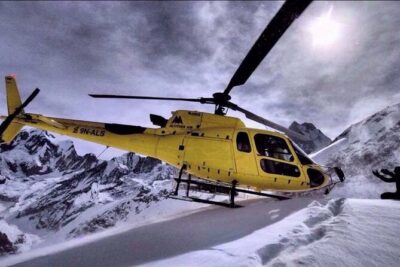
- The Lukla flight: short time, big attitude change
- Phakding to Namche: a classic uphill day with real culture
- Phortse and Dingboche: slower days that make the high days possible
- Lobuche to Gorakshep: when the trek starts feeling serious
- Kalapathar at 5,545m: the best kind of hard
- Returning down: Namche to Lukla is still a workout
- Back to Kathmandu: Thamel time and a chance to breathe
- Price and value: what you get for $1,470
- The guide and team effect (Dhansingh and PJ are a big deal)
- Itinerary walkthrough: days, effort, and what to expect at each step
- Cold nights, altitude pace, and packing choices that actually help
- Should you book this Everest Base Camp trek?
- FAQ
- How long is the Everest Base Camp trek?
- What time is the meeting point?
- Where does the itinerary begin and end in Kathmandu?
- Are domestic flights included?
- What accommodation is included on the trek?
- Are meals included?
- What permits are included?
- What is not included in the price?
Key highlights to know before you go
- Lukla flight + classic Khumbu route: start with a dramatic flight, then move through Phakding, Namche, Phortse, Dingboche, and Lobuche.
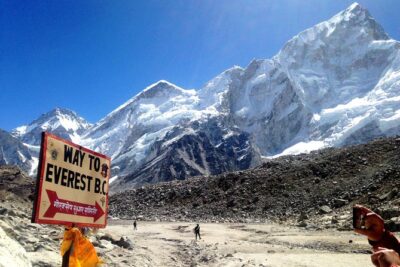
- Base Camp at 5,364m: you’ll reach Everest Base Camp (5364m) as part of the trek, not as a quick side trip.
- Kalapathar at 5,545m: an early hike to Kalapathar (5545m) gives you a top-of-the-world perspective.
- Tea house rhythm: 9 nights in tea houses on the mountain means predictable logistics and a warm place to reset each evening.
- Kathmandu culture blocks: a short stop at Kathmandu Durbar Square and time in Thamel keeps the trip from being only airports and trails.
- Guides who manage the details: the guide-and-assistant model (including Dhansingh and PJ) is repeatedly praised for making the trek feel manageable.
More trails out of Kathmandu, boots ready
- Everest Base Camp Trek – 14 Days★ 5.0 · 1,499 reviews
- Everest Base Camp Trek★ 5.0 · 842 reviews
- Everest Base Camp Trekking★ 5.0 · 485 reviews
- Nagarkot Sunrise View and Day Hiking from Kathmandu★ 5.0 · 471 reviews
Kathmandu first, then straight uphill
Most people think this trip starts in the Himalaya. It doesn’t. It starts in Kathmandu, with a quick orientation and two nights that help you get grounded.
On Day 1, you’ll have a short sightseeing stop at Kathmandu Durbar Square and get to your hotel. The practical value here is simple: you’re not scrambling for your first meals or your first map when you’re tired from travel. You also get included hotel nights with breakfast, which is one less thing to think about.
Then on the back end, you’ll get another look at Kathmandu. Day 11 includes a flight back and time to explore Thamel, the area packed with trekking shops and easy access to cafés. Day 12 wraps up with a final departure back to your hotel.
This is also where the trip’s logistics show up in small ways. Pickup is offered by private vehicle (car/van/bus), and the trip uses a mobile ticket. If you like clear handoffs—someone meeting you, someone driving you, someone organizing the next step—this style tends to feel reassuring.
The Lukla flight: short time, big attitude change
The trek route uses the usual launch point: a flight from Kathmandu to Lukla, then straight into your first day of hiking.
Day 2 is your first shift: fly to Lukla, then continue on foot to Phakding. Even if you’ve trekked before, the first walk tends to be about settling your breathing and your rhythm, not about speed. This route’s structure matters: you’re not thrown into the deepest altitude right away.
Also, the itinerary includes planned stops like Kami Nurbu Sherpa timing on the trek days. Even if you don’t think much about names now, they can help you connect with the team that’s guiding you from point to point.
One more planning point: the day-by-day schedule has a strong early-morning feel. The listed start time is 6:15 am. So if you’re the type who needs daylight and coffee before you function, pack accordingly.
Phakding to Namche: a classic uphill day with real culture
Day 3 treks from Phakding to Namche. The walk is listed as about 6 hours, and it’s a key acclimatization day in the Khumbu.
You’ll pass through Namche, the main hub where the trekking crowd thins out and the local economy becomes very real. One of the itinerary’s included stops is an Irish Pub in Namche. It’s not just a joke stop. For many trekkers, Namche pubs are where you compare notes, charge your expectations, and grab a warm drink when the wind turns moody.
What I like about this day is that it balances effort and payoff. You’re walking hard enough to feel like you’re progressing, but you’re also reaching a place where you can take care of the small things: resting your legs, adjusting layers, and getting comfortable with the altitude feeling.
Potential consideration: Namche is at altitude, and the climb can feel steeper than the map suggests. If you’re nervous about exposure or heights, it’s worth leaning on your guide early. In similar treks with this provider’s team (including Dhansingh and PJ), support has been described as attentive—especially for trekkers who feel uncomfortable on exposed sections.
Phortse and Dingboche: slower days that make the high days possible
Day 4 takes you to Phortse, with about 6 hours of walking. Day 5 continues onward to Dingboche (also listed as around 6 hours), with a Dingboche View Point stop.
These days matter because they change the character of the trek. The scenery gets sharper. The air changes. Even the tea houses can feel different as you go higher—smaller, colder, and more focused on getting you through the night.
Also, the itinerary names a River Resort stop on Day 4. That’s the kind of “you’re moving through places” detail that makes this route feel more grounded. You’re not only passing landmarks; you’re walking through living areas where meals, tea, and short breaks are built into the rhythm.
On Day 5, arriving in Dingboche is a turning point. This is where many trekkers start thinking about the next stages: Lobuche, Gorakshep, and eventually Everest Base Camp.


Lobuche to Gorakshep: when the trek starts feeling serious
Day 6 brings you to Lobuche in about 5 to 6 hours. Lobuche is one of those places where your mind shifts from scenery appreciation to survival math: how to manage cold, how to pace, and how to keep your breathing steady.
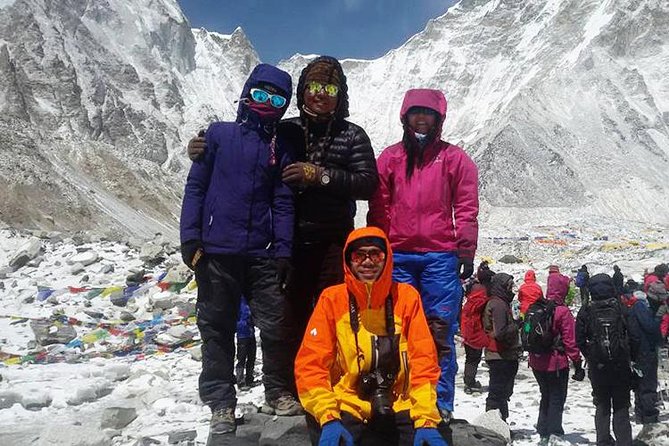
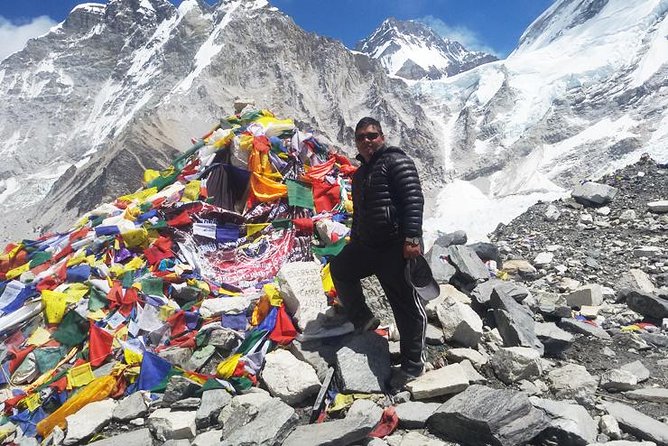
Day 7 is the big milestone day: trek to Gorakshep, then on to Everest Base Camp at 5,364m (5364m). The itinerary also lists Gorak Shep as the stop point before the Base Camp reach.
The practical reality of reaching Base Camp is this: you’ll spend time in a high-altitude zone where your body feels every step. Your legs will be slower. Your lungs will be louder. And the reward is not just the photo moment—it’s the atmosphere. You’re in the region where expedition dreams start and end, surrounded by peaks that seem close enough to touch.
One reason I like this itinerary structure: it doesn’t treat Base Camp as a drive-by. You’re going there as part of a multi-day build, so the altitude and fatigue feel earned rather than sudden.
Kalapathar at 5,545m: the best kind of hard
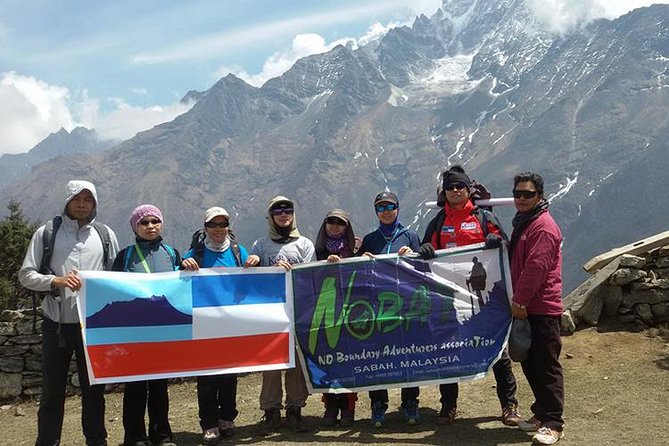
Day 8 includes the signature extra: hike up to Kalapathar Peak at 5,545m (5545m), then trek to Phiriche.
This is often the day that defines the trek. The viewpoint is high, the climb is steep, and the weather can turn quickly. But if you can manage the effort, you get one of those views that feels like it belongs to a different world entirely.
What’s smart here is that Kalapathar sits after Base Camp. You’ve already reached the goal, so you’re not only chasing a target—you’re chasing one last big perspective.
If you’re worried about steep steps or nerves around heights, guide support becomes extra important. In accounts tied to this trekking company’s team, guidance has been described as perceptive and practical for trekkers who feel pressure around exposed terrain. That kind of coaching helps you focus on breathing, pacing, and where to put your attention.
Returning down: Namche to Lukla is still a workout
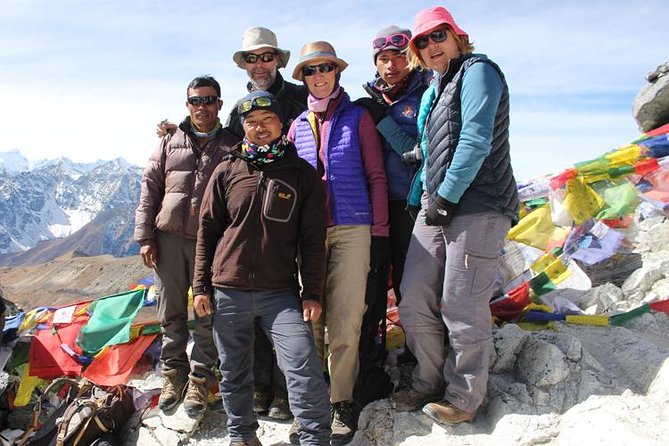
Day 9 is a long walk back to Namche (about 7 hours). Day 10 is the final push down to Lukla (about 7 hours), and you’ll spend the night at a lodge in Lukla.
This is where people sometimes underestimate the trek. Returning isn’t an easy stroll. It’s down, sure—but down is rough on knees, and the altitude fatigue doesn’t vanish just because you’re descending.
A good plan here is to think of the return as “protect the body.” Keep moving steadily, keep your steps short, and don’t let adrenaline turn the descents into speed runs.
Also, remember the trip includes domestic flights both ways. That matters on the last days, because your schedule needs to stay aligned with flight availability and weather. The experience requires good weather, and if it’s canceled due to poor conditions, you’ll be offered a different date or a full refund.
Back to Kathmandu: Thamel time and a chance to breathe
After reaching Lukla and spending the night there, Day 11 includes a 30-minute flight back to Kathmandu and time in Thamel. That timing gives you enough recovery space for a proper meal and a relaxed walk through the streets without the pressure of climbing higher.
Day 12 is straightforward: final departure to your hotel.
It’s also worth noting the trek includes an Adventure Certificate after a successful trip. It’s a small item, but it can be a nice souvenir that marks the goal you reached—not just another piece of paper from a tour operator.
Price and value: what you get for $1,470
At $1,470 per person, this is not a budget trek. But it’s also not just a “guide and vibes” price tag.
What’s included:
- Both way domestic flights (Kathmandu to Lukla and back)
- 2 nights hotel in Kathmandu with breakfast
- 9 nights tea house accommodation on the mountain
- 10 lunches and 10 dinners
- Trekking permit
- Airport/hotel/airport transfers by private vehicle
- A licensed trekking guide
- Taxes, plus the Adventure Certificate
- Pickup offered, and mobile ticket mentioned for convenience
Where you’ll likely spend extra:
- Meals and extra accommodation in Kathmandu beyond what’s included
- Bottled drinks, boiled water, and hot drinks charges (including any extra size)
- Hot showers
- Device re-charge
- Trekking Wi-Fi
- Personal expenses
- Travel insurance and evacuation insurance
- Tipping for guide and porter
My take on value: the big cost drivers on an Everest Base Camp trek are flights, permits, and mountain food and beds. This package bundles a lot of those into the quoted price, so you’re not constantly budgeting on the fly.
Still, factor in the extras. If you assume bottled drinks, charging, and frequent hot showers are free, you’ll get surprised. And at high altitude, skipping evacuation insurance is a gamble you may not feel until it’s too late.
The guide and team effect (Dhansingh and PJ are a big deal)
This trek is rated highly for a reason: the human support. One review experience highlighted guide Dhansingh and assistant PJ as making the trek easier and more special. The same story also describes how they adjusted to a trekker’s fear of heights by being perceptive about when and how to help.
That matters because Everest region trekking isn’t only about route knowledge. It’s about pacing, timing, decision-making when weather shifts, and keeping people calm on steep moments.
It also helps that this is a private tour/activity, meaning you’re not diluted into a huge group mix. The trek can feel more controlled and personal. Your experience level matters, too. The trip is described as suited for people with moderate physical fitness, which usually means you can walk several hours daily and handle altitude discomfort with reasonable care.
One more practical note: service animals are allowed, and the meeting point is near public transportation. If you’re planning around that, it’s good to know early.
Itinerary walkthrough: days, effort, and what to expect at each step
Here’s the shape of your trip, translated into what it feels like on the ground.
Day 1: Kathmandu Durbar Square + hotel setup
Short sightseeing and rest. Your goal is to sleep well.
Day 2: Fly to Lukla, trek to Phakding
Start hiking quickly after landing. Don’t race the first hour.
Day 3: Phakding to Namche (about 6 hours)
You’ll climb into the main hub. Expect a mix of trekking energy and local routine. The itinerary includes a planned Irish Pub stop.
Day 4: Namche to Phortse (about 6 hours)
More moving, fewer big-city distractions. Expect cold evenings.
Day 5: Phortse to Dingboche (about 6 hours) + view point
A meaningful arrival day. The included Dingboche View Point helps you connect the dots visually.
Day 6: Dingboche to Lobuche (about 5–6 hours)
This is where the trek starts feeling serious. Slow is smart.
Day 7: Gorakshep to Everest Base Camp (5,364m)
Your core milestone day. You’ll feel altitude with every step.
Day 8: Kalapathar (5,545m) + trek to Phiriche
Hard climb, huge payoff. Then you’re back to walking and tea house recovery.
Day 9: Phiriche to Namche (about 7 hours)
Long day on return. Protect your knees.
Day 10: Namche to Lukla (about 7 hours), lodge night
You’re almost back to the flights. Keep steady.
Day 11: Fly to Kathmandu, explore Thamel
Recover, eat well, and enjoy normal city warmth for a bit.
Day 12: Final departure
You’ll head back to your hotel.
That’s a solid progression: build, peak, then descend with enough time for recovery without compressing everything into a single marathon week.
Cold nights, altitude pace, and packing choices that actually help
The itinerary gives walk times and high points, but it doesn’t list gear. So you’ll want to bring the right things for a high-altitude tea house trek.
I’d plan for:
- Layers for cold mornings and evenings (expect real chill at height)
- Warm socks and gloves you can actually trek in
- A reliable daypack with snacks and water treatment or purchase options (remember boiled water is not included)
- Footwear with grip for rocky trails, especially on downhills
Altitude is the invisible challenge on every EBC itinerary. Pace matters. Food matters. Hydration matters. And sleep matters—tea houses can be quiet, but cold can wreck comfort if you’re underprepared.
If you get anxious about exposure, communicate it early to your guide. In accounts tied to this trek, guidance has included being perceptive and adjusting support for fears around heights. That doesn’t mean you’ll avoid every steep moment. It means you’ll get help making it through calmly.
Should you book this Everest Base Camp trek?
Book it if you want:
- A well-structured Khumbu route with tea house nights built in
- The core goal—Everest Base Camp—plus the standout viewpoint day at Kalapathar
- Less stress around logistics thanks to included flights, permits, and major meals
- A team-based guide setup, including support described by trekkers like Dhansingh and PJ
Consider a different option if:
- You want a short trek or a light walking schedule
- You’re not comfortable with cold nights and high-altitude pacing
- You prefer to control all meals and add-ons yourself (because this package covers many, but not all, day-to-day purchases)
One last nudge: this experience requires good weather, and it’s non-refundable if you cancel. If you’re booking far in advance, think about how flexible your travel schedule is.
If that fits your style, this is a strong, classic way to reach Everest Base Camp and come back with the kind of memories that don’t fade quickly.
FAQ
How long is the Everest Base Camp trek?
The trip is listed as 12 days approx., built around a 10-day style trek experience from Lukla through to Everest Base Camp and back.
What time is the meeting point?
The start time is 6:15 am.
Where does the itinerary begin and end in Kathmandu?
You have a Kathmandu start on Day 1 and return flights to Kathmandu on Day 11, with Day 12 for final departure.
Are domestic flights included?
Yes. The package includes both way domestic flight (Kathmandu to Lukla and Lukla back to Kathmandu).
What accommodation is included on the trek?
You get 9 nights of tea house accommodation on the mountain, plus 2 nights of hotel accommodation in Kathmandu with breakfast.
Are meals included?
Yes. The package includes 10 lunches, 10 dinners, and breakfast (listed as 11).
What permits are included?
The trekking permit is included.
What is not included in the price?
Not included are items like extra Kathmandu meals and accommodation, desserts, hot drinks extras, bottled drinks, boiled water, electronic device recharge, hot showers, trekking Wi-Fi, personal expenses, travel and evacuation insurance, and tipping for guide and porter.
More Trekking Out of Kathmandu






More Tour Reviews in Kathmandu




Just Reviewed in Kathmandu
- Mountain Bike Tour
★ 5.0 · 3 reviews - Annapurna Panaroma
★ 5.0 · 3 reviews - Mount Everest Scenic Flight 50 Minutes
★ 5.0 · 3 reviews - Kathmandu : Swambhunath & Durbar Square Guided Half Day Tour
★ 3.3 · 3 reviews - Chandragiri Cable Car & Monkey Temple Tour – Private/Group
★ 5.0 · 3 reviews - Kathmandu: Shivapuri National Park Hiking Day Trip
★ 3.3 · 3 reviews
Everest Base Camp Treks, compared.
 ★ 5.0Everest Base Camp Trek – 14 DaysFrom $1,8001,499 reviews
 ★ 5.0Everest Base Camp TrekFrom $1,790842 reviews
 ★ 5.0Everest Base Camp TrekkingFrom $1,350485 reviews
 ★ 5.0Everest Base Camp Trekking – 13 DayFrom $1,399365 reviews
★ 5.0Everest Base Camp TrekFrom $1,445350 reviews
★ 5.0Everest Base Camp Trek -14 DaysFrom $1,420321 reviews
 ★ 5.012 Days Everest Base Camp TrekFrom $1,099289 reviews
 ★ 5.0Everest Base Camp Trekking – 2025/2026From $1,339199 reviews
Browse the lists this tour appears in