
Review · EVEREST BASE CAMP TREKS
12 Days Everest Base Camp Trek
Lukla sets the tone in one breath. This 12-day trek from Kathmandu flies you to Lukla and then pushes up to Kalapatthar (5,545m) and Everest Base Camp (5,364m), with acclimatization built into the route. I really liked having a government licensed, high-altitude trained guide doing the heavy lifting, and I liked that three meals a day keep you fueled without hunting for food. One consideration: even with rest days, the altitude still means you need a moderate fitness base and a calm pace.
What makes this route feel special is the human rhythm of Khumbu village life mixed with big-mountain effort. You’ll spend key stretches walking alongside the Dudhkoshi (Milk River), and it’s worth keeping an eye out for the Danphe, Nepal’s national symbol and an endangered bird. The group stays small (up to 20), but you’re still in lodge trekking mode, so comfort is simple and not guaranteed to be fancy.
In This Review
- Key Highlights You’ll Feel on the Trail
- Flying to Lukla: the short runway that changes everything
- Day-by-day rhythm: how the classic EBC route actually flows
- Day 1: Lukla to Phakding and the first river walk
- Day 2: Phakding to Namche Bazaar and the “big town” feeling
- Day 3: Everest View Hotel via acclimatization time in the airstrip area
- Day 4: Tengboche and the monastery sunrise culture
- Day 5: Tyangboche to Deboche and rhododendron forest walking
- Day 6: Dingboche acclimatization and Nagarjuna views
- Day 7: Dingboche to Lobuche and the push toward glacier territory
- Day 8: Lobuche to Gorakshep and then Everest Base Camp
- Day 9: Kala Patthar sunrise and the steep, rocky payoff
- Day 10: Kala Patthar day follow-up to Namche Bazaar
- Day 11: Namche back to Lukla via Monjo/Phakding route logic
- Day 12: the Lukla flight back to Kathmandu and a free finish day
- Guides and safety support: why this trek feels organized in the hard parts
- What’s included (and what you still need to plan for)
- Lodges, meals, and timing: the comfort level you should expect
- Price and value of a $605 trek: what you’re really paying for
- Who should book this Everest Base Camp trek?
- Should you book it?
- FAQ
- Where does the trek start and where do you meet in Kathmandu?
- What flights are included in this 12-day Everest Base Camp trek?
- Does the package include meals and lodge accommodation?
- Are the park permits included?
- What trekking support is provided for the group?
- What should I bring since not everything is included?
Key Highlights You’ll Feel on the Trail
- The Lukla flight is your first taste of Everest reality, not a side note.
- Acclimatization days are planned, not wished for, including Namche and Dingboche recovery time.
- Kala Patthar sunrise is a hard win, a steep, rocky hike with spectacular payoff.
- Base Camp is reached as part of a glacier-era approach, via Lobuche and Gorakshep.
- You travel with a real support system: guide, porter allocation, and safety tools like an oximeter and first-aid kit.
- Value is baked in: permits, TIMS, most gear, meals, and domestic flights are included.
More trails out of Kathmandu, boots ready
- Everest Base Camp Trek – 14 Days★ 5.0 · 1,499 reviews
- Everest Base Camp Trek★ 5.0 · 842 reviews
- Everest Base Camp Trekking★ 5.0 · 485 reviews
- Nagarkot Sunrise View and Day Hiking from Kathmandu★ 5.0 · 471 reviews
Flying to Lukla: the short runway that changes everything
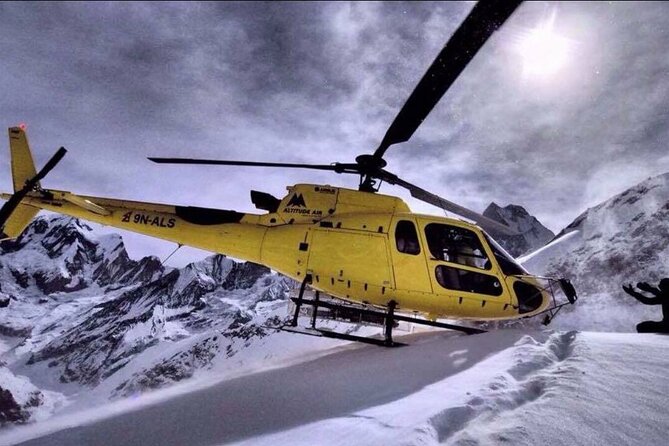
The trip starts with a quick jump from Kathmandu to Lukla. That flight is around 45 minutes, and it matters because it dramatically reduces the time you spend simply “getting to the mountains.” The tradeoff is obvious: weather can affect flights in Nepal, and Lukla is known for its dramatic landing. If you’re the type who hates surprises, pack patience for flight day.
Once you touch down at Tenzing-Hillary Airport, you’re no longer in Kathmandu mode. The trek begins right away, and you can feel the altitude and remoteness immediately. I find that helpful. It makes the whole plan feel focused: you come to Nepal, you fly in, and you start earning the views.
Also, this is not a “private chauffeur to the trailhead and then good luck” setup. The package includes airport pick-up and drop-off by private/shared vehicle in Kathmandu for the domestic parts, so you’re not trying to coordinate transport after a long travel day.
Day-by-day rhythm: how the classic EBC route actually flows
This trek has a smart pattern: walk hard enough to build fitness, then stop long enough to let your body catch up. Here’s what that looks like in real time.
Day 1: Lukla to Phakding and the first river walk
You land in Lukla, then head down into Phakding. This first day helps you reset. You’re hiking, but it’s not the brutal climbing that comes later. You’ll also start tracking the Dudhkoshi River early, following it as it curves through the valley. That river soundtrack becomes a thread you’ll notice for days.
What to watch: the first day sets your hydration habits. Altitude drains you faster than you think, and easy-going hiking can still be tiring.
Day 2: Phakding to Namche Bazaar and the “big town” feeling
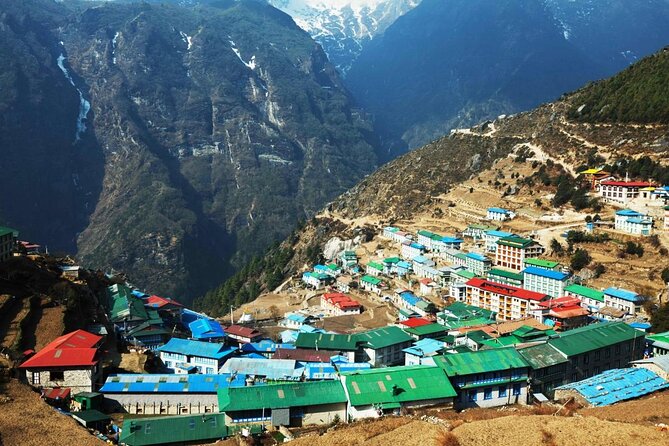
Day 2 is longer, and it’s where you start to feel the route’s seriousness. You trek in the early stretch alongside Dudhkoshi, with suspension bridges and high-energy village life along the way. Namche Bazaar is where the trail shifts from “quiet trekking” into a lively hub with bakeries, shops, and guesthouses.
Even if you’re excited, don’t treat Namche like a reward stop and sprint up the hill paths. Your body is still learning how to handle higher elevations.
Day 3: Everest View Hotel via acclimatization time in the airstrip area
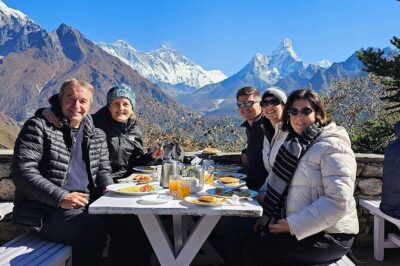
This day is built for acclimatization. After breakfast, you hike to the Everest View Hotel area (via Syangboche airstrip). It’s a gentler day, but “gentle” doesn’t mean “easy.” You’re still moving uphill enough to feel the altitude.
This is also where the trek can start teaching you patience. You may feel like you could hike harder, but the best EBC days are the ones that help you keep going tomorrow.
Day 4: Tengboche and the monastery sunrise culture
Now you move onward toward Tyangboche. The day starts with a steep climb and then eases into a more moderate trek. The highlight here is the cultural side of the Khumbu region, especially around Tengboche/Tyangboche.
If you can, you’ll want to plan your timing for monastery time. Day 5 leans harder on early sunrise, but the route’s spiritual beats show up as you pass through village areas and see daily life around the temples.
Day 5: Tyangboche to Deboche and rhododendron forest walking
You head down following a rhododendron forest to Deboche (around 3,320 m). Rhododendron forests aren’t just pretty. Trees can make hikes feel less exposed, which matters when the air starts thinning.
This day also gives you breathing room. It’s a recovery move in the middle of the climbing storyline.
Day 6: Dingboche acclimatization and Nagarjuna views
You rest and acclimatize in Dingboche after descending to over 4,400 meters. Then you do a small hike to a nearby hill called Nagarjuna. Think of this as a “go a little, return a little” altitude lesson. You’re encouraging blood flow and fitness without exhausting yourself.
This is where I like guided treks. Your leader can adjust pacing so you’re not spending acclimatization day acting invincible.
Day 7: Dingboche to Lobuche and the push toward glacier territory
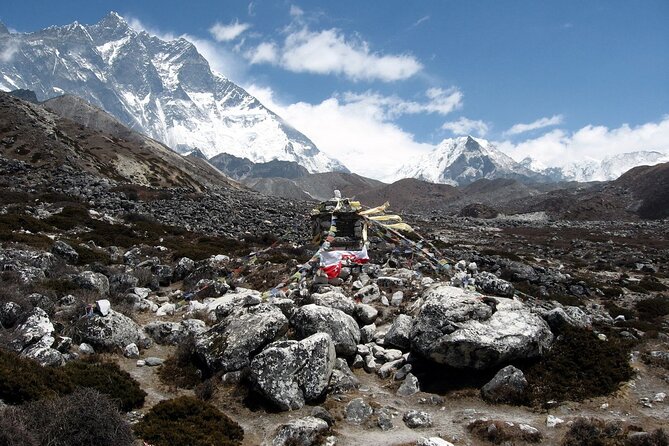
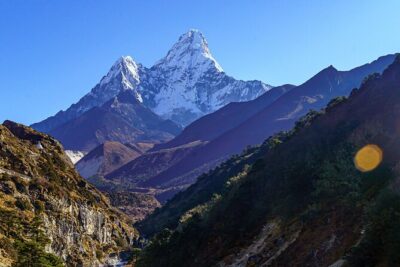
You’re ready to push further. Day 7 moves you toward Lobuche, climbing through a wide valley under peaks like Cholatse and Tawache. The terrain here starts feeling more rugged and more serious.
A quiet warning: this stretch is where your gear matters. Warm layers, gloves, and a plan for cold wind can make the difference between “fine” and “miserable.”
Day 8: Lobuche to Gorakshep and then Everest Base Camp
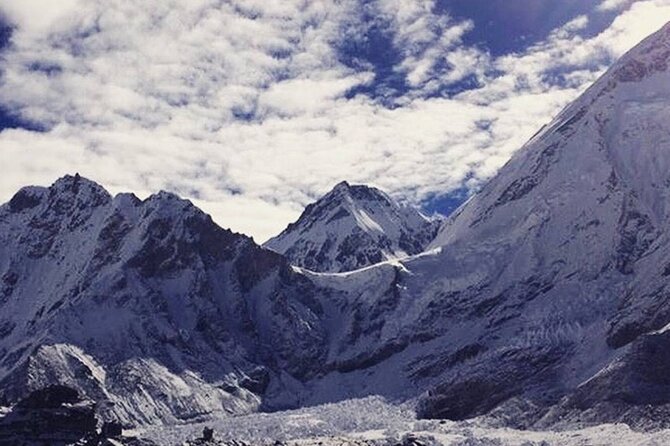
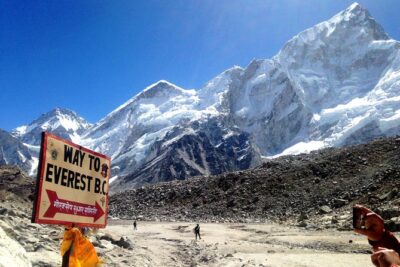
This is the dream day. You leave Lobuche for a rocky ascent along the Khumbu glacier route, passing landmarks like the International Pyramid. Then you connect over the rocky, uphill-and-downhill path to reach Everest Base Camp.
Base Camp is not just about the photo. You’ll hear stories, see expedition logistics, and watch how people talk about the mountain. It’s also the moment when your earlier climbs feel worth it: every earlier hard day is what made this day possible.
Practical note: keep your schedule simple once you arrive. Don’t overdo it at Base Camp because tomorrow’s sunrise climb is no joke.
Day 9: Kala Patthar sunrise and the steep, rocky payoff
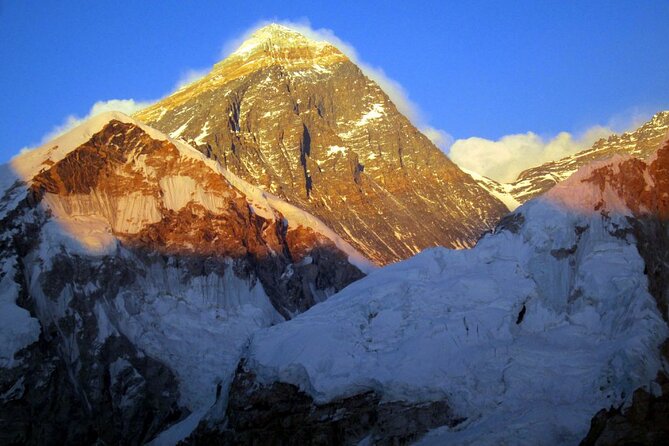
You wake early and hike up to Kala Patthar. This viewpoint is famous for sunrise over the Everest area, and it’s also steep and rocky. This is one of those hikes where strong legs help, but good decision-making helps more. If you push too hard, you’ll pay for it later.
What I love about Kala Patthar is that it turns the trek into a “full-circle” moment. You came for Everest. Now you’re seeing Everest in a way that feels earned.
Day 10: Kala Patthar day follow-up to Namche Bazaar
After the big summit-style effort, you trek toward Namche with a long walk but comparatively easier elevation loss. The trail follows much of the route back.
This is also a good day to work on recovery habits. Eat well at the lodge, hydrate consistently, and let your muscles cool down without rushing.
Day 11: Namche back to Lukla via Monjo/Phakding route logic
You descend through lush forests and remote villages and cross multiple bridges and streams. You retrace through Monjo and then back to Lukla via Phakding.
Descending still counts as real effort. Going down can stress knees and ankles if your footing slips. Slow steps and careful pauses beat “charging downhill.”
Day 12: the Lukla flight back to Kathmandu and a free finish day
Your final day includes the flight from Lukla back to Kathmandu, then a drive to your hotel. The rest of the day is free, so you can do normal human things: shower longer than you planned, eat something that isn’t lodge food, and sleep in a real bed.
Guides and safety support: why this trek feels organized in the hard parts
One of the best things about this experience is the staffing. You get one highly experienced, helpful, government licensed, high-altitude trained guide. That matters because EBC is where “simple mistakes” can become big problems at altitude.
Support is built into the trip too. There’s an oximeter for checking pulse, oxygen saturation, and heart rate. There’s a first aid kit. There’s accident insurance for staff, and a walkie-talkie system available for group trekkers.
You’ll also have porter support: 1 porter for 2 trekkers. The goal is to reduce the load you carry, especially on colder days and during the longer segments when your energy is already taxed.
On top of that, the guide experience shows up in real-world feedback for this program. People have credited guides such as Rajesh Magar and Bikram with keeping pacing and decisions in the right place, and also Gopal for strong knowledge around Sagarmatha National Park and acclimatization-day planning. You might not get the exact same person, but you can reasonably expect high-altitude thinking, not just “follow the trail” trekking.
What’s included (and what you still need to plan for)
The value here isn’t only the trek. It’s the bundle.
Included on the trek:
- Three meals a day (breakfast, lunch, dinner)
- Best available twin-sharing lodge rooms
- Domestic flights Kathmandu–Lukla–Kathmandu
- Permits and fees: Entry Permit for Sagarmatha National Park and TIMS card fee, plus local government tax
- Trekking map, trekking hat, duffel bag, and trekking pole
- Trip achievement certificate after completion
This means you’re not trying to juggle permit paperwork, meal planning, or flight coordination while also trying to train for altitude.
Not included:
- Personal travel insurance (this is on you)
- Snacks, drinks, and personal expenses
- Personal trekking gear
- Gratuity/tips for team members
Here’s my practical take: if you already own good trekking boots and layers, you can travel lighter. If you don’t, plan on using the included trekking pole and then buying the rest locally or before you go. The one thing you should not wing is footwear and warm layers. Cold wind at higher elevations is real, even if the sky looks calm.
Lodges, meals, and timing: the comfort level you should expect
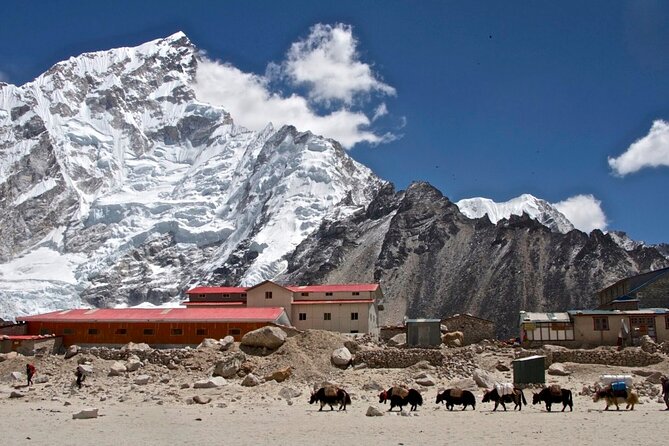
This is a classic lodge trek. Rooms are twin-sharing, and they’re there to provide warmth and sleep—not five-star finishes. Meals are included, which is a big deal. You spend your mental energy on hiking, not on searching for food.
Timing matters too. Several days are shaped by early starts for acclimatization and sunrise views. Day 9 in particular is an early wake-up and a long climb. If you hate waking up before dawn, you’ll need to be flexible.
Also, you’ll likely spend time walking in colder air even before you reach the highest points. Packing matters more than you think. The included trekking hat and duffel bag help, but you’ll still want gloves and a solid layering approach.
Price and value of a $605 trek: what you’re really paying for
At $605 per person, the biggest question is whether this price covers real costs or is a “cheap base” with add-ons. In this case, you’re getting a lot inside the number:
- Round-trip domestic flights (Kathmandu to Lukla and back)
- Permits (Sagarmatha National Park) and TIMS card fee
- Guide and porter support
- Three meals daily
- Lodge accommodation
- Basic trekking support tools (map, hat, duffel, pole)
- Safety support (including an oximeter and first aid kit)
The price also makes sense when you compare it to the alternative: separately booking flights, permits, guide services, and meals. The “savings” part is that you’re not stitching together multiple vendors.
The main extra cost you must plan for is your own travel insurance, plus personal snacks and gear. Tips for the team may also come up. None of that is unusual. It’s just the truth of trekking logistics.
Who gets the best value from this program? People who want structure. If you can handle altitude but don’t want to manage permits, flight timing, meal planning, and guide coordination yourself, this price can feel like a win.
Who should book this Everest Base Camp trek?
This route is marketed for trekkers with moderate physical fitness and supports seniors and beginners, which is a good sign. But I’d still call EBC serious. The trek reaches high elevations and includes steep, rocky days and early starts.
This is a good fit if you:
- want the classic EBC experience with Kala Patthar sunrise as part of the plan
- prefer having a trained guide plus safety tools like an oximeter
- like group structure and don’t want to DIY logistics
- are okay with lodge-style rooms and simple comfort
You might reconsider if you:
- have serious mobility limits that make steep, rocky early-morning hikes risky
- hate altitude uncertainty and would rather choose a lower-elevation trek
- don’t have the fitness to handle long trekking days, even with rest stops
Should you book it?
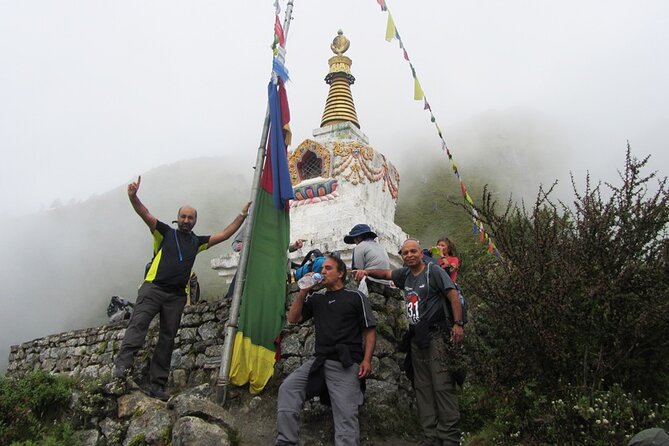
If you want a well-supported classic Everest Base Camp trek with planned acclimatization and real back-up in the form of a trained guide, safety tools, and porter help, this is a strong choice. I think the best reason to book is the way the package reduces decision-making while you’re at your most tired—right when you want everything to feel clear and handled.
If you’re deciding between options, compare what’s included. Here, meals, permits, domestic flights, guide services, and key safety items are part of the bundle, and that often makes the difference between a stressful trip and a confident one.
FAQ
Where does the trek start and where do you meet in Kathmandu?
The meeting point is Tribhuvan Airport in Kathmandu, Nepal.
What flights are included in this 12-day Everest Base Camp trek?
Domestic flights from Kathmandu to Lukla and back to Kathmandu are included.
Does the package include meals and lodge accommodation?
Yes. You get three meals a day (breakfast, lunch, dinner) and best available twin-sharing lodge rooms during the trek.
Are the park permits included?
Yes. The Entry Permit for Sagarmatha National Park and the TIMS card fee are included.
What trekking support is provided for the group?
You’ll travel with a government licensed, high-altitude trained guide. A porter is included at a ratio of 1 porter for 2 trekkers, and walkie-talkie is available for group trekkers.
What should I bring since not everything is included?
Personal travel insurance is not included, and personal trekking gear is not included. Snacks, drinks, and personal expenses are also not included.
More Trekking Out of Kathmandu
More Tour Reviews in Kathmandu
Just Reviewed in Kathmandu
- Mountain Bike Tour
★ 5.0 · 3 reviews - Annapurna Panaroma
★ 5.0 · 3 reviews - Mount Everest Scenic Flight 50 Minutes
★ 5.0 · 3 reviews - Kathmandu : Swambhunath & Durbar Square Guided Half Day Tour
★ 3.3 · 3 reviews - Chandragiri Cable Car & Monkey Temple Tour – Private/Group
★ 5.0 · 3 reviews - Kathmandu: Shivapuri National Park Hiking Day Trip
★ 3.3 · 3 reviews
Everest Base Camp Treks, compared.
 ★ 5.0Everest Base Camp Trek – 14 DaysFrom $1,8001,499 reviews
 ★ 5.0Everest Base Camp TrekFrom $1,790842 reviews
 ★ 5.0Everest Base Camp TrekkingFrom $1,350485 reviews
 ★ 5.0Everest Base Camp Trekking – 13 DayFrom $1,399365 reviews
★ 5.0Everest Base Camp TrekFrom $1,445350 reviews
★ 5.0Everest Base Camp Trek -14 DaysFrom $1,420321 reviews
★ 5.0Everest Base Camp Trekking – 13 DayFrom $1,399365 reviews
★ 5.0Everest Base Camp TrekFrom $1,445350 reviews
★ 5.0Everest Base Camp Trek -14 DaysFrom $1,420321 reviews
 ★ 5.012 Days Everest Base Camp TrekFrom $1,099289 reviews
 ★ 5.0Everest Base Camp Trekking – 2025/2026From $1,339199 reviews
Browse the lists this tour appears in