
Review · EVEREST BASE CAMP TREKS
12 Days Everest Base Camp Trek
Everest Base Camp, minus the paperwork stress. This 12-day trek from Kathmandu to the Khumbu has the practical stuff taken care of—trekking permits and planning—so you can focus on the walking, the villages, and the mountain days. What I like most is the all-in support: guide, porter, and teahouse meals are arranged, not improvised.
A second win for me: this is a private group, so you’re not guessing when to move or how fast to go with strangers. The one real drawback to weigh up is the flight reality—Kathmandu–Lukla flights can get delayed or canceled for weather, and you need patience if that happens.
4–6 key reasons this trip works well
- Permits handled for you: National Park Permit and TIMS paperwork are arranged in advance.
- Teahouse meals are included on the trek: breakfast, lunch, and dinner during trekking days, plus a farewell dinner.
- A guide + a planned porter setup: an English-speaking, government-licensed trekking guide and porter service (2 trekkers per 1 porter).
- Built-in acclimatization days: time at Namche Bazaar and Dingboche helps you adjust before the higher push.
- Iconic checkpoints are on the schedule: Tengboche monastery, Everest Base Camp, and a Kalapatthar summit day for views.
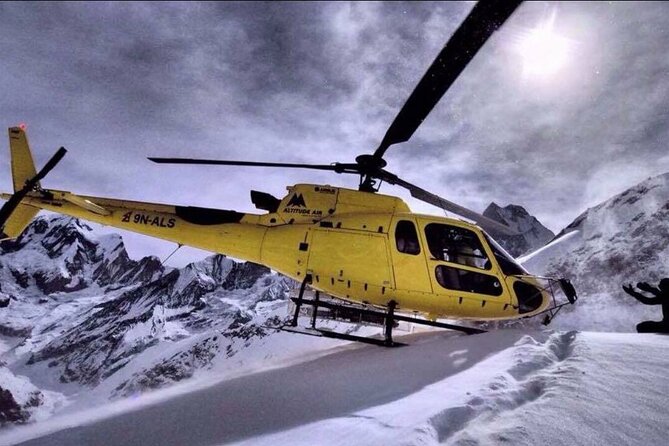
- Door-to-door airport support: airport pickup and drop, plus domestic flights Kathmandu–Lukla–Kathmandu included.
In This Review
- Why This Everest Base Camp Trek Feels More Turnkey Than DIY
- Price and Logistics: What You’re Actually Paying For
- What’s included (the big-ticket stuff)
- What’s not included (so you can budget without surprises)
- Kathmandu First, Then the Lukla Flight That Runs the Whole Schedule
- Days 1–3: Phakding, Namche Bazaar, and the Altitude Lesson
- Day 1: Lukla to Phakding (via Cheplung)
- Day 2: Phakding to Namche Bazaar (Everest National Park entrance)
- Day 3: Namche acclimatization + sunrise views
- Days 4–6: Tengboche Monastery and Dingboche’s Acclimatization Day
- Day 4: Namche to Tengboche (Tengboche monastery stop)
- Day 5: Tengboche to Dingboche (via Debuche and Pangboche)
- Day 6: Dingboche acclimatization day
- Days 7–8: Lobuche, Gorak Shep, and the Long Push to Everest Base Camp
- Day 7: Dingboche to Lobuche
- Day 8: Lobuche to Gorak Shep, then Everest Base Camp
- Day 9 and the View Day: Kala Patthar to Pheriche
- Day 9: Gorak Shep early breakfast, Kala Patthar summit, then descent
- Days 10–12: Back Through Namche and Lukla to Kathmandu
- Day 10: Pheriche down to Namche Bazaar
- Day 11: Namche Bazaar to Lukla
- Day 12: Lukla to Kathmandu + hotel transfer
- Teahouses, Meals, and What Included Comfort Actually Means
- The Human Side: Communication and a Team That Shows Up
- Who This Trek Fits Best (and Who Should Rethink It)
- Should You Book This 12-Day Everest Base Camp Trek?
- FAQ
- What time do we meet for the trek?
- Is airport pickup and drop included?
- Are domestic flights included?
- Where does the trek start and end?
- Are trekking permits included?
- Do I get a guide and porter?
- What kind of accommodations and meals are provided?
- What about delays or cancellations for Lukla flights?
- What costs are not included in the price?
- How late can I cancel for a full refund?
Why This Everest Base Camp Trek Feels More Turnkey Than DIY
If you’ve ever tried to organize Everest Base Camp on your own, you already know the hard part isn’t motivation—it’s coordination. This trip is designed so the messy bits happen before you arrive: permits, paperwork, a licensed guide, and a porter plan. That matters because the Khumbu runs on tight timelines. When logistics are sorted, you spend less time worrying and more time moving when you should.
I also like that the support staff are baked into the plan. An experienced English-speaking trekking guide is included, and there’s a medical kit carried by the trek leader. You still need to take altitude seriously (slow pace, rest, hydration), but it’s comforting to have real expedition-style organization behind the scenes.
And yes, it’s not a luxury cruise. You’re in teahouse lodges, walking high-altitude trails, and dealing with weather. Still, the structure makes the experience feel steadier—especially if it’s your first EBC trek.
More trails out of Kathmandu, boots ready
- Everest Base Camp Trek – 14 Days★ 5.0 · 1,499 reviews
- Everest Base Camp Trek★ 5.0 · 842 reviews
- Everest Base Camp Trekking★ 5.0 · 485 reviews
- Nagarkot Sunrise View and Day Hiking from Kathmandu★ 5.0 · 471 reviews
Price and Logistics: What You’re Actually Paying For
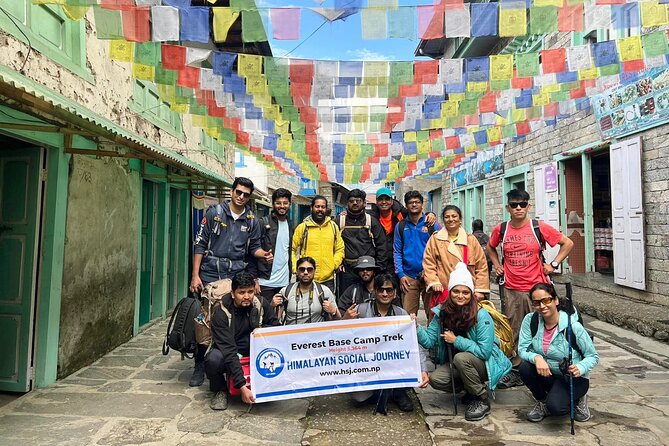
At $1,390 per person for 12 days, the value is all about what’s included versus what you’ll pay separately.
What’s included (the big-ticket stuff)
You’re covered for the core components that usually cost real money or cause real headaches:
- Domestic flights: Kathmandu → Lukla and Lukla → Kathmandu
- Teahouse accommodation during the trek (and meals): breakfast, lunch, and dinner while trekking
- Farewell dinner at the end
- Guide and porter service (with a porter ratio of 2 trekkers to 1 porter)
- All necessary paperwork and trekking permits (National Park Permit and TIMS)
- Staff costs, including their salary, insurance, equipment, domestic airfare, food, and accommodation
- Government and local taxes
- Airport pickup and drop
- Medical kit carried by the trek leader
In plain terms: you’re not just paying for someone to point at a map. You’re paying for a full operational team that handles your trek’s moving parts.
What’s not included (so you can budget without surprises)
These costs are called out, and you should plan for them:
- Nepalese visa fee
- International flights
- Travel and rescue insurance (you’ll want your own coverage)
- Tips for guide/porters/driver
- Personal expenses like phone calls, laundry, bar bills, battery recharges, extra porters, and water-related costs
- Hot and cold drinks and mineral water
- Extra night accommodation in Kathmandu if flights change and you need to stay longer
- Lunch and evening meals in Kathmandu (because the mountain days are where the plan’s full board is concentrated)
If you’re trying to compare prices fairly, this is the key: the included items remove several common “DIY add-ons” that quietly inflate totals.
Kathmandu First, Then the Lukla Flight That Runs the Whole Schedule
You meet early (5:15 am) and get airport pickup. The trek begins with an early morning flight to Lukla, which is where the real trail work starts.
This is also where you should be mentally prepared for the only major wildcard. The trek notes that Kathmandu–Lukla–Kathmandu flights can be delayed or even canceled due to unfavorable weather conditions. If that happens, you may face long waits at Kathmandu or Lukla airports.
Practical takeaway: don’t treat “quick” as guaranteed. Build your own patience into the schedule. The trip is designed to operate around that reality, but weather is weather.


Days 1–3: Phakding, Namche Bazaar, and the Altitude Lesson
Day 1: Lukla to Phakding (via Cheplung)
After the Lukla flight, you start trekking toward Phakding, stopping along the way around Cheplung for views of the sacred Mt. Khumbila. It’s a gentler start—about 3–4 hours—and it helps you shake out legs that have been sitting quietly on a plane.
Overnight in Phakding keeps Day 2 realistic.
Day 2: Phakding to Namche Bazaar (Everest National Park entrance)
Day 2 has a stronger rhythm, about 4–5 hours, as you cross the Dudh Koshi River and pass villages like Chumoa and Monjo. You also walk through the entrance area of Everest National Park—a subtle reminder that you’re entering protected Sherpa country, not just trekking scenery.
You’ll cross suspension bridges and follow the river corridor as you climb to Namche Bazaar for the night.
Day 3: Namche acclimatization + sunrise views
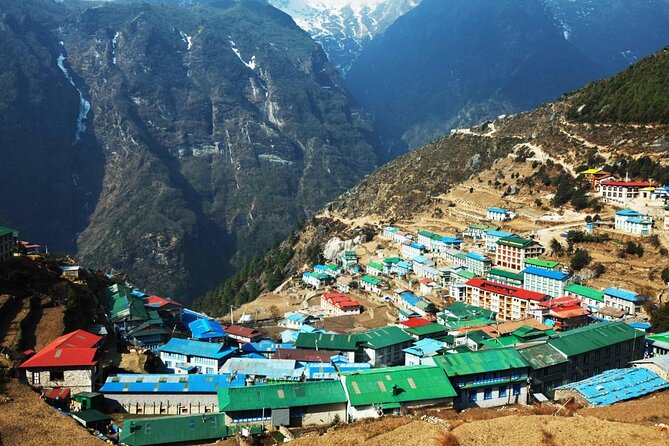
Day 3 is your acclimatization day. You explore Namche Bazaar and do a hike for big-picture altitude adjustment. The highlight here is the sunrise over the Himalayas, with views including Mt. Everest, Lhotse, Nuptse, Ama Dablam, Thamserku, and Kongde.
If you want a day hike option, you can go toward Khumjung village.
Why this matters: Namche isn’t just a stop—it’s where your body learns the new game. Plan to move steadily, even when the views tempt you to speed up.
Days 4–6: Tengboche Monastery and Dingboche’s Acclimatization Day
Day 4: Namche to Tengboche (Tengboche monastery stop)
This day runs about 5–6 hours. You walk from Namche to Tengboche with an easier stretch until Phunki, then a steeper ascent toward the village.
Tengboche is a big deal culturally and visually. The famous monastery there is described as the biggest in the Everest region, set within Sagarmatha National Park (also noted as a UNESCO World Heritage Site). You’ll have panoramic views of Everest, Nuptse, Lhotse, Ama Dablam, and Thamserku from this area.
One cool timing detail: the monastery opens at 3:00 pm. If your schedule lands you there by around 4 o’clock, you may catch a Buddhist religious ceremony. Even if you don’t, the place still hits.
Day 5: Tengboche to Dingboche (via Debuche and Pangboche)
Day 5 is a transition day: you walk downhill to Debuche, cross the Imja River, pass Pangboche, and continue through the upper Pangboche trail. You also explore Pangboche Monastery before reaching Dingboche for the night.
This segment is about steady movement and setting yourself up for the real acclimatization day ahead.
Day 6: Dingboche acclimatization day
You stay in Dingboche to adjust, including a possible hike to a viewpoint about four hours behind Dingboche. From there, you can see peaks including Lhotse, Makalu, and Cho Oyu.
Think of this as a body-friendly pause before the higher walking begins.
Days 7–8: Lobuche, Gorak Shep, and the Long Push to Everest Base Camp
Day 7: Dingboche to Lobuche
Day 7 continues the climb toward the EBC area. The trek is described at around 7 hours (about 9 km), then passes via Dughla pass toward Lobuche.
This is one of those days where the pace matters more than the distance. You’re heading toward higher terrain, and “feels harder” is normal.
Day 8: Lobuche to Gorak Shep, then Everest Base Camp
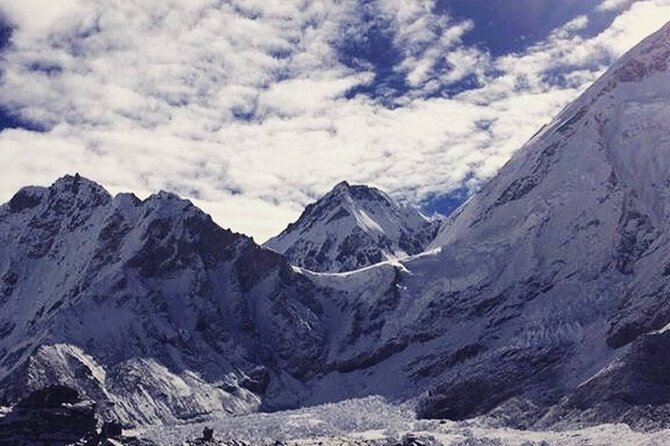
Day 8 is a long one: nearly 12 hours and about 17 km, ending at Gorakshep. After checking in and having lunch, you walk to Everest Base Camp for the core moment—views of Nuptse, Khumbuste, and Pumori are part of that base area experience.
Then you return to Gorakshep for the night. Expect that the day feels like two treks stacked together: walking in and then walking to the big target and back again.
This is the day most people remember as the “wow, we’re really here” moment—followed by the very human need to sit down and breathe.
Day 9 and the View Day: Kala Patthar to Pheriche
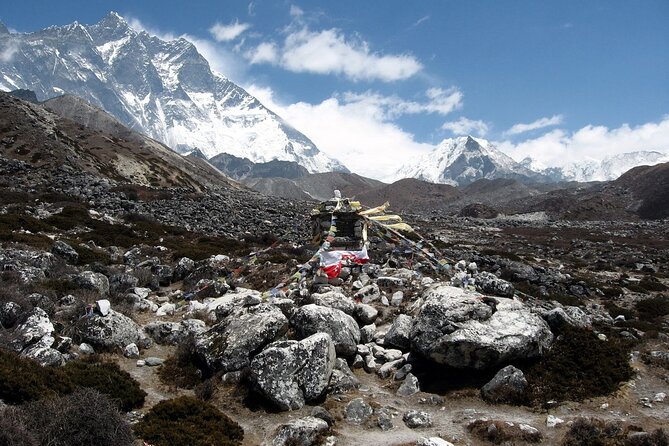
Day 9: Gorak Shep early breakfast, Kala Patthar summit, then descent
You start early with breakfast and walk up to Kalapatthar (Kala Patthar), described as the highest point of the trek. It takes about three hours to reach the top, and you’re aiming for the big-panorama payoff: views of Everest and other mountains like Lingtren, Khumbutse, and Changtse.
After spending time at the summit viewpoint, you walk back toward Gorak Shep for lunch. The return is described as easier than the summit climb, then you hike down to Pheriche for the night.
Why this stop is worth it: Kalapatthar is where the “Everest is real” feeling often becomes visual, not just emotional. You’re not just seeing a peak. You’re standing in a place with clear lines of sight across the high country.
Days 10–12: Back Through Namche and Lukla to Kathmandu
Day 10: Pheriche down to Namche Bazaar
You descend through Pangboche and Tengboche, then continue to Namche Bazaar, arriving in the afternoon. This is about 5 hours of walking.
It’s also about letting your body cool down after the highest walking days. Still, downhill on altitude trails can feel tricky—take it slow and don’t let pride speed you up.
Day 11: Namche Bazaar to Lukla
Day 11 takes you back to Lukla (around 6–7 hours, depending on how your day is paced). You’ll have time in the afternoon afterward to wander, relax, and enjoy a hot shower if available.
Day 12: Lukla to Kathmandu + hotel transfer
You fly early to Kathmandu, then get transferred to your hotel. The plan also includes a cultural dinner in the evening.
The tone of the end matters. You’re tired, proud, and slightly stunned that you did it. This final day gives you a soft landing.
Teahouses, Meals, and What Included Comfort Actually Means
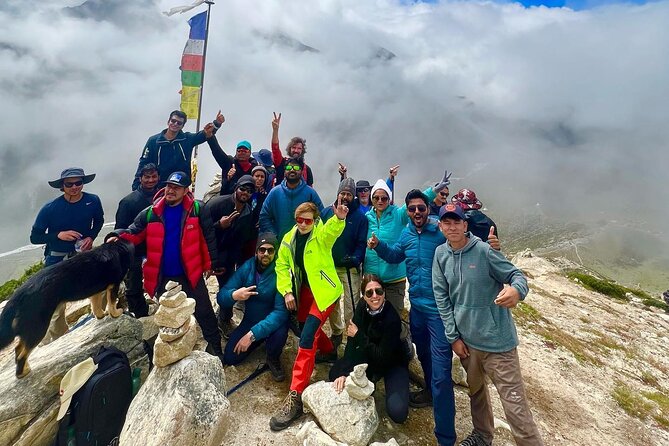
On paper, “comfortable accommodations” can sound vague. Here, you can interpret it more practically: you’re in teahouse lodges with meals arranged during trekking days, so you don’t waste energy hunting food options at altitude.
You get:
- Breakfast, lunch, and dinner during the trek
- Farewell dinner at the end
Then, on the Kathmandu side, lunch and evening meals aren’t included. That’s normal for most packages, but it’s good you know ahead of time so you don’t get stuck hungry with no plan.
Also note what’s explicitly not included: hot and cold drinks, cola and soda, and mineral water are listed under personal expenses. If you like caffeine or frequent hydration buys, budget for it.
And if you’re wondering about hygiene expectations: shower availability is mentioned under personal expenses, which usually means you pay locally for it. Don’t plan on it being free and easy.
The Human Side: Communication and a Team That Shows Up
One of the most consistently praised parts of the operator’s service is communication. In the trip feedback, Bishnu is specifically mentioned for clear updates from the start. Another review notes that Bishnu helped with a refund when COVID forced cancellations, which tells me the relationship doesn’t vanish after you pay.
During the trek itself, the staff model matters. With porter support in place and a guide who handles the high-altitude navigation, you can focus on walking and acclimatizing instead of micromanaging details every day.
And the end feature—the farewell dinner in Kathmandu—shows up as a memorable moment. These are the small closures that turn a trek into a story you’ll keep retelling.
Who This Trek Fits Best (and Who Should Rethink It)
This plan fits you best if:
- You have moderate physical fitness and you’re willing to walk daily at altitude.
- You want the mountain experience but also want the trip to feel planned and organized—permits, guide, porter, and teahouse meals handled.
- You prefer a private group, so your pace and decisions are yours to manage.
You might want to think twice if:
- You get frustrated by uncertainty around Lukla flights. Weather delays are possible, and you may sit tight longer than you expect.
- You want a fully predictable schedule with zero extra Kathmandu time. Delays can mean extra nights and additional personal costs.
- You’re trying to keep the budget ultra-tight. The trek includes a lot, but drinks, tips, insurance, visa, and extra Kathmandu meals can still add up.
Should You Book This 12-Day Everest Base Camp Trek?
If you want a smooth route with the logistics handled—permits, guides, porter plan, domestic flights, and teahouse meals—I’d say it’s a solid pick. The itinerary also shows real sense in its design: acclimatization stops at Namche Bazaar and Dingboche, then the push to Gorakshep, Base Camp, and Kala Patthar before descending.
Book this trek if you’re the type who likes to reduce friction. You’ll appreciate not having to chase permits, coordinate daily meals, or figure out how to manage the high-country pacing.
Just go in knowing two things: altitude takes time, and Lukla flights can be unpredictable. If you plan around those realities, you’ll give yourself the best chance to enjoy the views, the Sherpa villages, and the big Base Camp moment without constant stress.
FAQ
What time do we meet for the trek?
The meeting time is listed as 5:15 am.
Is airport pickup and drop included?
Yes. Airport pickup and drop are included.
Are domestic flights included?
Yes. Domestic flights (Kathmandu–Lukla–Kathmandu) are included.
Where does the trek start and end?
It starts in Lukla after flying from Kathmandu, and it ends when you fly back to Kathmandu from Lukla.
Are trekking permits included?
Yes. National Park Permit and TIMS are included as part of the trip paperwork.
Do I get a guide and porter?
Yes. An English-speaking, government-licensed trekking guide is included, along with porter service (2 trekkers to 1 porter).
What kind of accommodations and meals are provided?
You’ll stay in teahouses during the trek. Breakfast, lunch, and dinner are included during the trek, plus a farewell dinner.
What about delays or cancellations for Lukla flights?
The trek notes that flights can be delayed or canceled due to unfavorable weather, and you should be prepared for long waits at Kathmandu or Lukla.
What costs are not included in the price?
The trip does not include the Nepal visa fee, international flights, travel and rescue insurance, tips, entrance fees for sightseeing, extra Kathmandu nights (if needed), and personal expenses like drinks, laundry, and water.
How late can I cancel for a full refund?
You can cancel up to 24 hours in advance for a full refund.
More Trekking Out of Kathmandu






More Tour Reviews in Kathmandu




Just Reviewed in Kathmandu
- Mountain Bike Tour
★ 5.0 · 3 reviews - Annapurna Panaroma
★ 5.0 · 3 reviews - Mount Everest Scenic Flight 50 Minutes
★ 5.0 · 3 reviews - Kathmandu : Swambhunath & Durbar Square Guided Half Day Tour
★ 3.3 · 3 reviews - Chandragiri Cable Car & Monkey Temple Tour – Private/Group
★ 5.0 · 3 reviews - Kathmandu: Shivapuri National Park Hiking Day Trip
★ 3.3 · 3 reviews
Everest Base Camp Treks, compared.
 ★ 5.0Everest Base Camp Trek – 14 DaysFrom $1,8001,499 reviews
 ★ 5.0Everest Base Camp TrekFrom $1,790842 reviews
 ★ 5.0Everest Base Camp TrekkingFrom $1,350485 reviews
 ★ 5.0Everest Base Camp Trekking – 13 DayFrom $1,399365 reviews
★ 5.0Everest Base Camp TrekFrom $1,445350 reviews
★ 5.0Everest Base Camp Trek -14 DaysFrom $1,420321 reviews
 ★ 5.012 Days Everest Base Camp TrekFrom $1,099289 reviews
 ★ 5.0Everest Base Camp Trekking – 2025/2026From $1,339199 reviews
Browse the lists this tour appears in