
Review · EVEREST BASE CAMP TREKS
12 Days Everest Base Camp Trek from Kathmandu
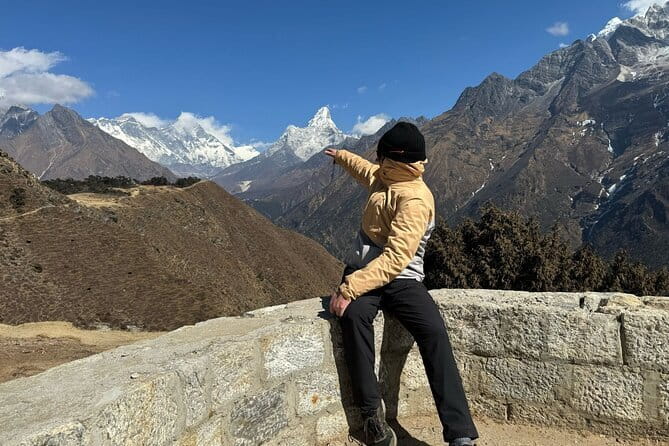
Everest gets real on day one. This 12-day trek strings together river valleys, Sherpa towns, prayer-flag ridgelines, and big Himalayan views with a logistics-light setup that includes flights and permits.
I especially like that you’re guided by a government-licensed, English-speaking trekking guide, and that your Kathmandu–Lukla–Kathmandu flights plus official documents are handled up front. The other big win is how the route mixes culture (monasteries, prayer wheels, village stops) with the physical grind.
One consideration: food and drinks aren’t included, so your daily budget matters (you’ll likely spend about US$25/day on meals and extras). And this trek asks for a strong fitness level, because you’ll be walking and climbing for multiple days at altitude.
What makes it feel meaningful is the specific cultural stops—like time in and around Tengboche Monastery—paired with the iconic finish of Everest Base Camp and Kala Patthar. You’ll come away with the kind of memory that sticks, not because it was easy, but because it was well paced and clearly guided.
In This Review
- Key things that make this Everest Base Camp trek worth your attention
- From Kathmandu to Phakding: the trek starts with river-country Nepal
- What I like here
- What to watch
- Namche Bazaar pacing: acclimatize like you mean it
- Why this stop is more valuable than it looks
- A practical tip
- Rhododendron trails and Tengboche Monastery with mountain backdrop
- What I like about this day
- A consideration
- Dingboche and Lobuche: where the scenery thins and your routine tightens
- The pattern that works
- Everest Base Camp and Kala Patthar: the two different kinds of awe
- What I’d tell a friend
- A realistic consideration
- Coming back down: Namche and Lukla feel slower, not easier
- Why I think the return is worth it
- Flights, permits, and what your $1,380 covers (and what it doesn’t)
- The guide part is the biggest value lever
- Guest houses and the daily US$25 reality for meals
- What this does for your planning
- Who this trek suits best (and who should rethink it)
- Should you book this Everest Base Camp trek with CAN Travels?
- FAQ
- What’s included in the tour price?
- Are flights to Lukla included?
- Do I need trekking permits?
- Is food included?
- What kind of lodging will I have during the trek?
- Is the tour private?
- How fit do I need to be?
- What is the cancellation timeframe?
Key things that make this Everest Base Camp trek worth your attention
- Licensed English-speaking guide: safety-first guidance and practical altitude pacing help you stay in the zone.
- Lukla flights included: you avoid the headache of arranging air travel on your own.
- Acclimatization built into the days: Namche and Dingboche include extra time so your body can adjust.
- Tengboche Monastery stop: one of the most atmospheric cultural breaks in the Khumbu region.
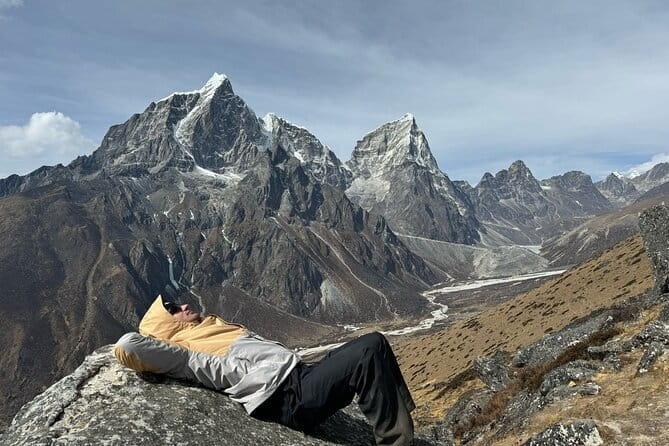
- Everest Base Camp plus Kala Patthar viewpoint: two separate “wow” moments—camp and then the panoramic ledge above it.
More trails out of Kathmandu, boots ready
- Everest Base Camp Trek – 14 Days★ 5.0 · 1,499 reviews
- Everest Base Camp Trek★ 5.0 · 842 reviews
- Everest Base Camp Trekking★ 5.0 · 485 reviews
- Nagarkot Sunrise View and Day Hiking from Kathmandu★ 5.0 · 471 reviews
From Kathmandu to Phakding: the trek starts with river-country Nepal
You feel the shift from busy Kathmandu to the high Himalaya fast. After pickup in Kathmandu, your day begins with a short flight to Lukla, where you meet the crew and connect with the rest of your group. The trek proper kicks off near Lukla and quickly links into the Dudh Koshi River route.
Day 1’s walking is a gentle on-ramp: you descend along the river corridor through villages and toward Phakding. Even if you’re excited to “get to Everest,” this is a smart way to start. That first day gives you time to settle in, test your boots, and learn how the trail feels underfoot before altitude really starts to bite.
What I like here
You’re not thrown into the deep end. You’ll learn the rhythm early: up, down, steady pace, and lots of small village texture.
What to watch
If you’re prone to getting chilled on descents, plan for it. The walking might feel easier than the later days, but cold air can still hit when you’re dropping into river valleys.
Namche Bazaar pacing: acclimatize like you mean it
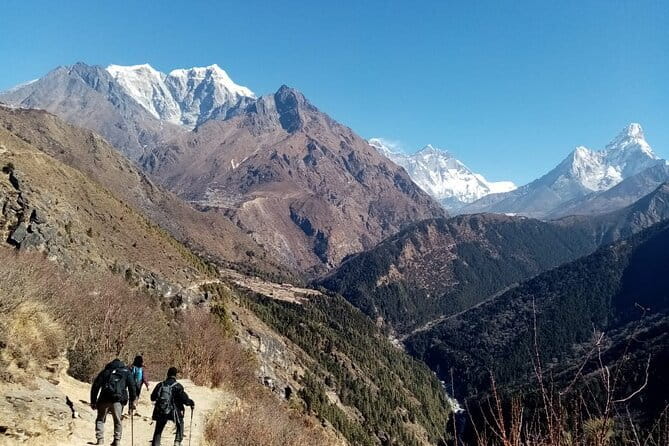
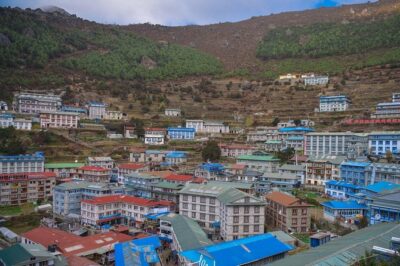
Namche Bazaar is the place you’ll recognize instantly—this is the gateway town for the Everest region, and it’s where many trekking routes sort themselves by altitude. On day 2, after moving from the Monjo area and entering Sagarmatha National Park, the trail climbs toward Namche through forests, streams, and small settlements.
Day 3 is where this itinerary earns its reputation for being human-sized. You spend a day at Namche Bazaar for acclimatization, with a short excursion option such as Syangboche Airstrip or Everest View Hotel. This matters because it turns a hard climb into something your body can actually handle. Instead of racing onward, you’re giving your body a chance to catch up.


Why this stop is more valuable than it looks
Altitude isn’t just a number—it changes your breathing and sleep. A “real” acclimatization day helps you build stamina for what comes next: rhododendron climbs, exposed stretches, and the final push toward the Everest area.
A practical tip
Keep your pace conservative on acclimatization days. Even when you feel good at first, altitude punishes overconfidence later.
Rhododendron trails and Tengboche Monastery with mountain backdrop
After Namche, the route tilts upward toward Tengboche. Day 4 is one of those days where you feel the trail getting more alpine: the ascent runs through dense rhododendron forests, you cross by Imja Khola, and you reach Tengboche village with its famous setting.
The centerpiece is the Tengboche Monastery, described as the oldest in the Khumbu region. You’re not just passing a landmark—you’re stepping into a place where Buddhist rituals and mountain views coexist. This is the kind of stop that helps you understand why the Everest trek is also a cultural journey, not only a hiking one.
What I like about this day
The monastery break is a mental reset. When your legs are tired, changing your focus to something quiet and ceremonial helps you keep control of your effort.
A consideration
Tengboche can be windy and cool because the setting is exposed. If you run cold easily, dress in layers you can adjust while walking and while you pause.
Dingboche and Lobuche: where the scenery thins and your routine tightens
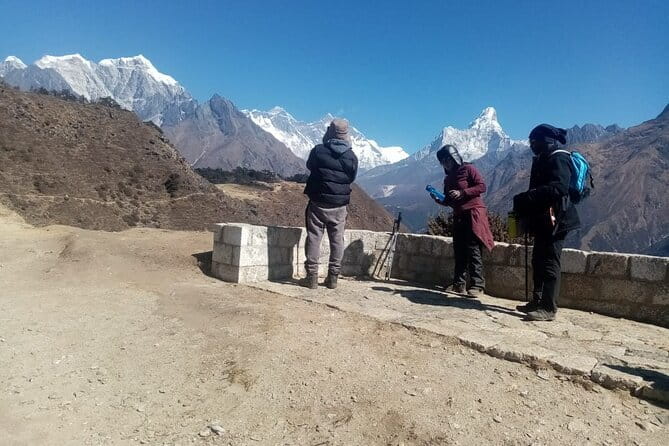
Days 5 through 7 are about transition. The trail keeps climbing, and the vegetation starts to shift from greener forests into more sparse, higher-altitude shrub zones.
Day 5 moves you toward Dingboche, crossing suspension bridges along the way and passing through small settlements such as Pangboche and Orsho. Expect stupas and chortens along the route, which keeps the cultural layer present even as the air gets thinner.
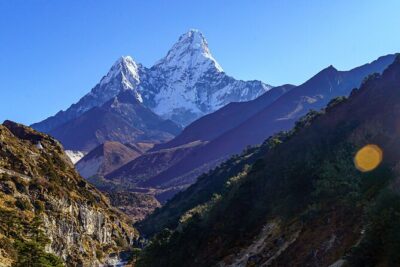
Day 6 adds another acclimatization day, again the itinerary’s smart move. You stay in Dingboche and hike to Nagarjun Hill for sweeping views of major peaks, including Everest, Lhotse, Ama Dablam, Nuptse, Thamserku, and Pumori (and more). The point of this day isn’t to “win” the workout—it’s to practice moving at altitude and returning to sleep at a lower intensity.
Day 7 continues onward toward Lobuche, with gradual ascent and changes in terrain as it becomes more rugged. You’ll leave denser greenery behind and start feeling the high, spare character of the Everest approach.
The pattern that works
This route repeats a good formula:
- climb steadily
- pause intentionally to acclimatize
- keep your body learning the rhythm
That’s why it’s less likely you’ll feel like you’re guessing at altitude.
Everest Base Camp and Kala Patthar: the two different kinds of awe
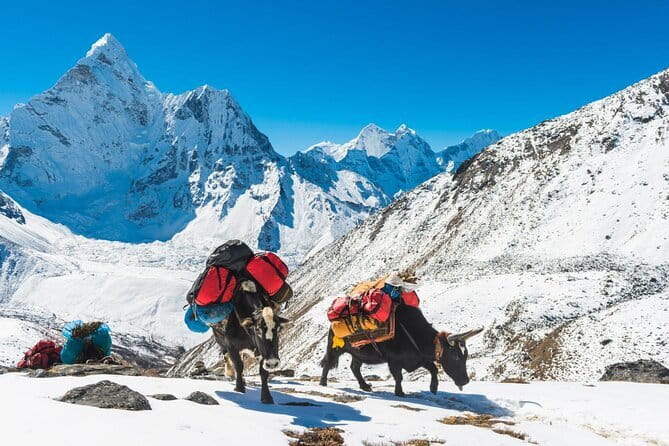
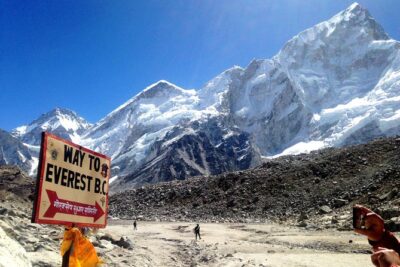
Day 8 is the push day: wake early, then trek toward Everest Base Camp. The route passes Gorak Shep, described as the last human settlement area on the trail. It’s a psychological waypoint. After that, the trail feels more “serious”—not because anything is dramatic in the moment, but because you’re clearly marching into the highest theater of the region.
Day 8 includes arrival at Everest Base Camp, where climbers prepare for their attempt. Even if you’re not climbing Everest, you’re seeing the world’s highest peak in the way humans only see it at the base: scale that feels almost unfair.
Day 9 then layers on the big panoramic payoff with Kala Patthar. This is a famous viewpoint above Everest Base Camp with 360-degree views. It’s the kind of sight that makes you understand why people talk about Everest like it’s alive. You’ll likely do this day by starting early and taking your time on the climb up, because the effort feels bigger at elevation.
What I’d tell a friend
Don’t treat Base Camp and Kala Patthar as one long “same day.” They’re different. Base Camp gives you the context. Kala Patthar gives you the sweep.
A realistic consideration
Both days involve longer exertion. Pace yourself early. If you sprint on the first part, you’ll pay later on the viewpoint climb.
Coming back down: Namche and Lukla feel slower, not easier
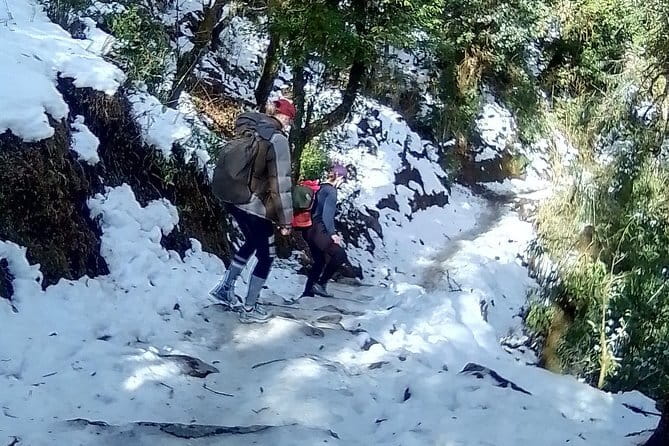
The return trek is still trekking—just with different emotions. On day 10, you head from the Everest area back toward Namche. After breakfast, the trail moves through dense forests and small villages, follows the Imja River for a stretch, and then drops down through forrested sections back toward Namche.
On day 11, you retrace the path toward Lukla. The walk is longer in time, and you’ll cross multiple streams and pass village after village—Phakding is part of the way back—before reaching Lukla.
This matters because the descent can tempt you to walk faster than you should. Your body may feel better, but your knees and calves still work hard. So you still need control: shorter steps, frequent posture changes, and breaks when you need them.
Why I think the return is worth it
Coming down helps your mind digest the experience. You’ll see the route you just conquered from the other side, and it makes the whole trek feel more complete.
Flights, permits, and what your $1,380 covers (and what it doesn’t)
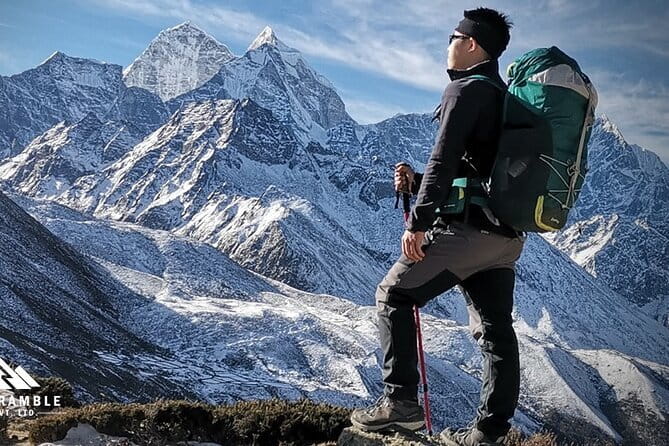
The price here is US$1,380 per person for about 12 days. On paper that can look like a lot until you itemize what you’re not managing yourself.
Included:
- Hotel pick up and drop off
- A government-licensed English-speaking trekking guide
- Kathmandu to Lukla to Kathmandu flight tickets
- Trekking permits and all official documents
- Guest house accommodation
- Private tour (your group only)
- An emergency normal first aid kit with the guide
Not included:
- Food and drinks (approx US$25/day)
- Gratuities (optional)
So the value story is really about reducing friction. Flights to and from Lukla are the hardest part to arrange cleanly on your own. Permits and documents also tend to eat time and energy. When those are handled, you spend more time preparing mentally and physically—and less time chasing paperwork.
The guide part is the biggest value lever
In the feedback I saw, guide quality really drives satisfaction. Names that came up include Prakash, Milan, and Dev—each described as professional, patient, and focused on safety and comfort. That’s exactly what you want on a trek where breathing and energy management matter more than swagger.
Guest houses and the daily US$25 reality for meals
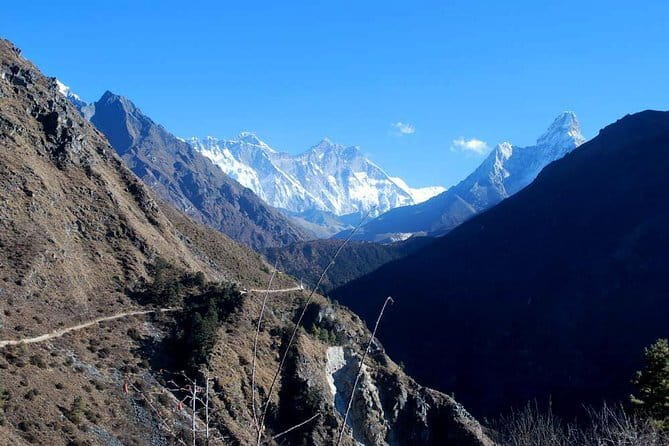
Accommodation during the trek is in guest houses. That usually means simple rooms and basic comfort—enough to sleep, recharge, and eat. You’re not buying luxury; you’re buying access to the route and the ability to keep moving.
Food and drinks are on purchase, with a rough budget of US$25/day. That means your total trip cost will depend on what you order and how often you want coffee, tea, or extra snacks. I recommend you treat meals as fuel, not a restaurant experience. Choose what you can eat consistently when altitude affects appetite.
What this does for your planning
It keeps the trek flexible. You can adjust spending day by day without needing a strict meal plan from the organizer.
Who this trek suits best (and who should rethink it)
This is built for people with a strong physical fitness level. If you’re comfortable hiking for days with altitude exposure, you’ll appreciate the pacing and the acclimatization structure.
It also fits you if you want:
- the iconic Everest landmarks (Everest Base Camp and Kala Patthar)
- meaningful Sherpa culture stops like Namche Bazaar, Tengboche, and Dingboche
- a trip organized enough that you don’t have to coordinate permits and flights
It may not be ideal if you:
- want a purely relaxed vacation style (this is a trekking experience)
- are sensitive to altitude and can’t commit to conservative pacing
- prefer fully included meals (because your daily budget has to absorb food)
Should you book this Everest Base Camp trek with CAN Travels?
If you want an Everest Base Camp trek that feels organized without feeling robotic, I’d say this is a strong choice. The winning combination is included flights + permits + licensed guide, plus real acclimatization time in Namche Bazaar and Dingboche. Those pieces make the difference between a trip that’s hard and a trip that’s hard and stressful.
Book it if you’re excited by both the mountain goal and the cultural days along the way—monasteries, stupa paths, and Sherpa village life are woven into the route. Also book it if you value a guide who’ll keep you safe and comfortable; the guide names that stood out—Prakash, Milan, and Dev—weren’t praised for entertainment value. They were praised for doing the basics well: safety, knowledge, and steady support.
Skip it (or ask more questions first) if you’re mainly looking for all-inclusive comfort. Since food and drinks aren’t included, your overall cost will rise, and you’ll need to manage that day to day.
FAQ
What’s included in the tour price?
The tour includes hotel pickup and drop-off, a government-licensed English-speaking trekking guide, Kathmandu–Lukla–Kathmandu flight tickets, trekking permits and official documents, guest house accommodation during the trek, a private tour setup, and an emergency normal first aid kit with the guide.
Are flights to Lukla included?
Yes. The Kathmandu to Lukla to Kathmandu flight ticket is included as part of the experience.
Do I need trekking permits?
Yes—and they’re included. Trekking permits and all official documents are part of what you pay for.
Is food included?
No. Food and drinks are not included, and you’ll be purchasing meals during the trek (approximate guidance is about US$25 per day).
What kind of lodging will I have during the trek?
You’ll stay in guest houses during the trek.
Is the tour private?
Yes. The experience is a private tour/activity, so only your group participates.
How fit do I need to be?
The tour notes that travelers should have a strong physical fitness level, since this is a trekking experience with multiple walking days.
What is the cancellation timeframe?
You can cancel up to 3 days in advance for a full refund. If you cancel less than 3 full days before the experience’s start time, the amount paid will not be refunded.
More Trekking Out of Kathmandu






More Tour Reviews in Kathmandu




Just Reviewed in Kathmandu
- Mountain Bike Tour
★ 5.0 · 3 reviews - Annapurna Panaroma
★ 5.0 · 3 reviews - Mount Everest Scenic Flight 50 Minutes
★ 5.0 · 3 reviews - Kathmandu : Swambhunath & Durbar Square Guided Half Day Tour
★ 3.3 · 3 reviews - Chandragiri Cable Car & Monkey Temple Tour – Private/Group
★ 5.0 · 3 reviews - Kathmandu: Shivapuri National Park Hiking Day Trip
★ 3.3 · 3 reviews
Everest Base Camp Treks, compared.
 ★ 5.0Everest Base Camp Trek – 14 DaysFrom $1,8001,499 reviews
 ★ 5.0Everest Base Camp TrekFrom $1,790842 reviews
 ★ 5.0Everest Base Camp TrekkingFrom $1,350485 reviews
 ★ 5.0Everest Base Camp Trekking – 13 DayFrom $1,399365 reviews
★ 5.0Everest Base Camp TrekFrom $1,445350 reviews
★ 5.0Everest Base Camp Trek -14 DaysFrom $1,420321 reviews
 ★ 5.012 Days Everest Base Camp TrekFrom $1,099289 reviews
 ★ 5.0Everest Base Camp Trekking – 2025/2026From $1,339199 reviews
Browse the lists this tour appears in