
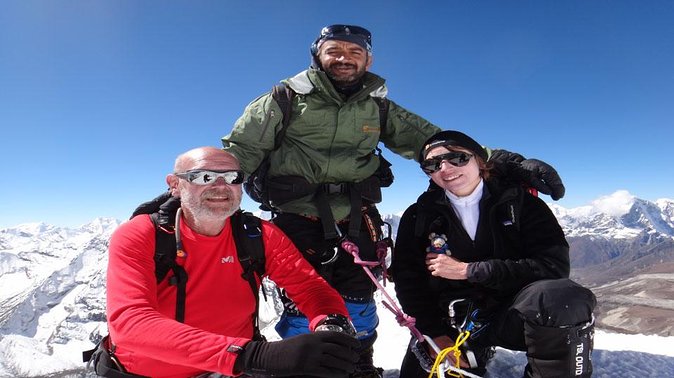
Review · EVEREST BASE CAMP TREKS
Everest Base Camp Trek
A flight and a foothold on Everest. This 15-day Everest Base Camp trek blends Sherpa culture in Khumbu villages with the nerve-jangling Lukla flight, then keeps things moving with a private small group and a guide doing the planning work.
I love the human side of this route: Sherpa-led villages and acclimatization hikes mean you’re not just checking boxes—you’re learning how people live and climb at these elevations. I also like that you can go at your own pace while still having a clear plan.
One big consideration: altitude. Even with acclimatization days built in, the trek includes steep climbing, high passes, and glacier walking, so your success depends on slow, steady effort and good judgment.
In This Review
- Key Highlights You’ll Feel in Your Bones
- Kathmandu First: Getting Oriented Before You Go High
- Lukla Flight and the Early Trail: From Monjo to Hilary Bridge
- Acclimatization Day Choices Around Khumjung and Thame
- Kyanjuma and Phungi Thanga: Crossing the Dudh Koshi River
- Pangboche at 3,930m: Sherpa Culture Comes Into Focus
- Second Acclimatization Day: Nagarkhang Peak at Around 5,000m
- Dughla Pass and Glacier Walking: Where the Trek Turns Serious
- Kalapatthar Sunrise: The Most Wanted Big View
- Debuche to Tengboche, Phungi Tenga, and Kyanjuma Back Again
- Dropping Back to Jorsalle and Phakding, Then Lukla
- Buffer Day in Kathmandu: Weather Reality with a Plan
- Price and Value: What $1,408 Covers (and What It Doesn’t)
- The Human Factor: Guides Like Lok, Khila, and Lal
- Who Should Book This Everest Base Camp Trek
- Should You Book? A Practical Verdict
- FAQ
- How long is the Everest Base Camp trek?
- Where does the trip start?
- Are domestic flights included in the price?
- Does the tour include park permits and registration?
- Are airport transfers included?
- What gear is provided for the trek?
- Are meals included?
- What kind of physical fitness is required?
- What happens if weather affects the trip?
Key Highlights You’ll Feel in Your Bones
- Lukla arrival energy: The 30-minute flight to Lukla sets the tone fast.
- Porters with your gear: You’ll carry less, and your body will thank you on steep days.
- Gear is included: Down jacket, four-season sleeping bag, and a duffel bag are part of the deal.
- Built-in acclimatization rhythm: Rest days with hike options help you handle altitude better.
- Kalapatthar sunrise viewpoint: An early climb to a famous Khumbu panorama—worth the grind.
More trails out of Kathmandu, boots ready
- Everest Base Camp Trek – 14 Days★ 5.0 · 1,499 reviews
- Everest Base Camp Trek★ 5.0 · 842 reviews
- Everest Base Camp Trekking★ 5.0 · 485 reviews
- Nagarkot Sunrise View and Day Hiking from Kathmandu★ 5.0 · 471 reviews
Kathmandu First: Getting Oriented Before You Go High
Day 1 is all about settling in Kathmandu and getting your logistics squared away. You’re met at the airport by a rep holding a name card with your details, then transferred to your hotel. It’s a small thing, but after long travel days, it helps your brain switch from airport mode to trip mode.
What I like here is that you don’t start the trek feeling confused about paperwork, timing, or where your people are. Your first day also matters because you’ll be dealing with a domestic flight the next morning and you want rest, not surprises.
If you arrive early, you can use the time to do basic prep—confirm what you need for the Lukla flight day and make sure your daypack is organized. The trek is also private to your group, so you’re not juggling a huge crowd’s schedule.
Lukla Flight and the Early Trail: From Monjo to Hilary Bridge
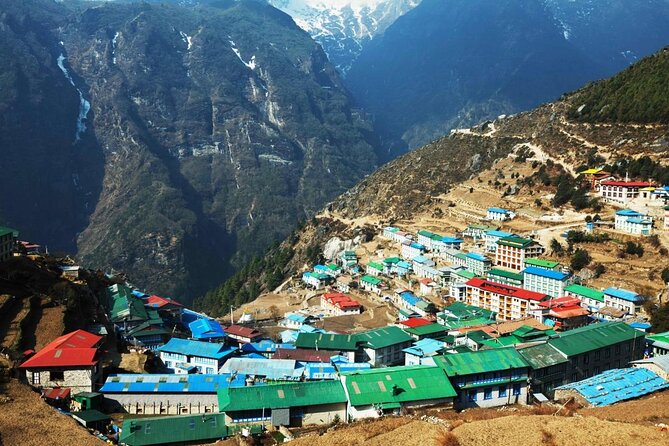
Day 2 brings the famous part: the flight from Kathmandu to Lukla (about 30 minutes). This is the part people remember because it feels adventurous and intense, with the Himalayas all around you—so yes, keep your camera ready, but also keep your breathing calm.
Once you land, the walking begins gently. You head toward Phakding with stunning Himalayan views and a trail that’s manageable as your body wakes up to altitude. Then Day 3 continues into the classic early-route scenery: you work up from gentle ascending toward Monjo, stop for lunch in Jorsalle, then keep going through pine forests toward Hilary Bridge.
One practical point: early days are not just for views. They’re your opportunity to learn how your pace feels when your oxygen is already thinner than you’re used to. If you move too fast here, it shows later.
Acclimatization Day Choices Around Khumjung and Thame
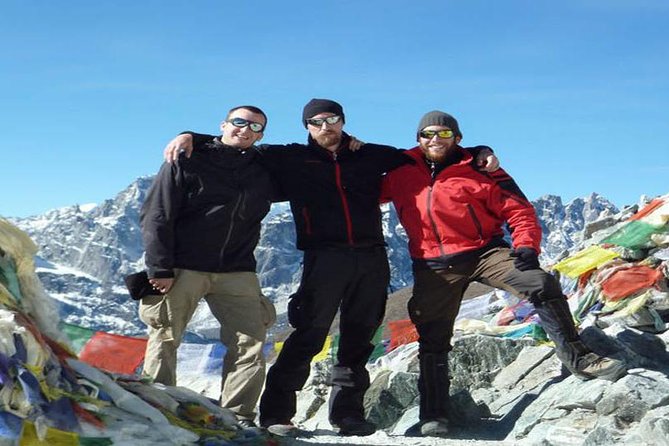
Day 4 is a rest and acclimatization day, and it’s one of the smartest parts of the whole plan. The leader gives options such as a hike toward Khumjung and Khunde, a route toward the Everest View Hotel area, a hike to Thame, or another National Park-related option. That flexibility is valuable because weather and how you feel day to day matter a lot at elevation.
What you’re really doing is testing your body—light effort, controlled exertion, and no rush. You’re also getting used to how the villages sit against the mountain: Sherpa communities, prayer flags, and trails that feel like they’ve been lived on for generations.
A small drawback: if you’re a “one pace fits all” hiker, options can be tricky. You’ll do best if you choose the easier hike when your breathing needs it, not the most famous-sounding one.
Kyanjuma and Phungi Thanga: Crossing the Dudh Koshi River
Day 5 starts with an ascent toward the national park headquarters area and then a gentle trail to Kyanjuma. After a short tea break possibility, you descend to Phungi Thanga for lunch. The day includes a river crossing over the Dudh Koshi.
This matters because it breaks the climb into pieces. You’re not just grinding upward all day. By mixing gentler walking, tea breaks, and descent, your body stays in a rhythm that supports acclimatization.
Also, Kyanjuma is a key stepping stone on many Everest-area itineraries, so it’s a place where you’ll feel like you’re officially “in it.” It’s not the summit yet, but it’s the moment the trek starts to feel like it’s really turning into Everest country.
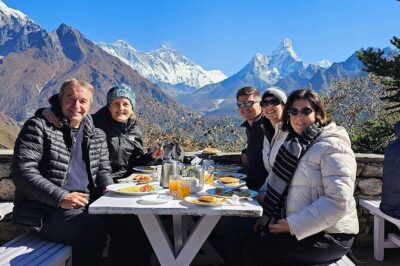
Pangboche at 3,930m: Sherpa Culture Comes Into Focus
Day 6 follows the Imja Khola toward Pangboche (3,930m). Pangboche is home to many renowned Everest climbers, and that Sherpa connection is a big reason this trek feels different from some purely mechanical hiking trips. You’ll see the culture of the region not as a postcard, but as part of daily life and mountain work.
You’re not just climbing here—you’re building familiarity with the kinds of places that support high-altitude climbing. That context helps the rest of the trek make more sense, especially when you’re moving toward higher passes later.
The only real caution is pace. Even if the trail feels “normal,” the altitude change is the story. Let your guide steer you toward steady effort.
Second Acclimatization Day: Nagarkhang Peak at Around 5,000m
Day 7 is your second rest and acclimatization day. You’ll hike to Nagarkhang Peak (approximately 5,000 meters), which gives you spectacular Himalayan beauty and a chance to feel what higher elevation effort is like.
This hike is not about speed. It’s about controlled breathing and smart turning points: stop when you need to, take in the views when you can, and treat it like training for what comes next on the route.
If you’re prone to pushing through discomfort, this is the day to practice restraint. Feeling slightly tired is normal; feeling like you’re losing control of your pace is not.
Dughla Pass and Glacier Walking: Where the Trek Turns Serious
Day 8 brings you closer fast. You follow the ridge above Pheriche village toward Dughla, eat lunch there, then start a steep climb to Dughla Pass. This is where the itinerary shifts from mostly “build and breathe” into “work and manage oxygen.”
Day 9 gets even more real. The first part of the trek involves glacier walking that can feel pretty easy, but once you start ascending over glaciers, the trail becomes harder due to both trail difficulty and low oxygen levels. This is not the day to try to outpace your group or ignore how your body responds.
Here’s what I’d tell you plainly: glacier sections require careful foot placement and calm decision-making. If you’re anxious, tell your guide early. A good guide keeps you safe without turning the day into a stress contest.
Kalapatthar Sunrise: The Most Wanted Big View
Day 10 is an early-morning hike to Kalatthar before sunrise. The climb is difficult, and the route is set up so you can reach one of the most famous viewpoints of the Khumbu valley—towering peaks filling the horizon.
This is the day that justifies a lot of the earlier patience. Your guide gets you moving early, and the effort you spend climbing is repaid with that classic Everest-area panorama people travel for.
After that kind of morning, you’ll want the afternoon to feel like a reset. The trek doesn’t stop being physically demanding, but it does shift from “climb for the view” toward “get through the next stages.”
Debuche to Tengboche, Phungi Tenga, and Kyanjuma Back Again
Day 11 takes you through Debuche and Tengboche before steeply descending to Phungi Tenga for lunch. Then you start ascending again toward Kyanjuma village.
This day is a reminder that Everest Base Camp isn’t a straight line. You’re building experience with the stop-and-start rhythm: descent stresses different muscles than ascent, and both can hurt if you ignore how cold and fatigue stack up.
If you’re expecting a gentle stroll on the “home stretch,” adjust your expectations. This trek uses plenty of altitude gain and loss to challenge you gradually.
Dropping Back to Jorsalle and Phakding, Then Lukla
Day 12 is the turn toward the end of the walking portion. You take steep descending to Jorsalle, then continue further to Phakding for your lunch/breakfast timing as planned. The itinerary notes you’re closing out the roughly 11-night, 12-day walking window.
Once you reach Lukla, the trek portion finishes. It’s a strange transition—one moment you’re focused on each step, the next you’re thinking about flights and timing again.
Day 13 returns you to Kathmandu by flight. The morning flight from Lukla to Kathmandu is described as adventurous, and you’re advised that sitting on the right side can bring beautiful views, so it’s worth aiming for that if you can during seat assignment.
Buffer Day in Kathmandu: Weather Reality with a Plan
Day 14 is built as a free day in Kathmandu, used as a buffer because Lukla flights often face weather issues and flight cancellations or delays. This is not a luxury; it’s risk management. When you’re dealing with a mountain airport, the schedule can change fast, and having extra time reduces the stress.
Then Day 15 ends with a drive to the airport about three hours before your flight. The itinerary notes the airport is small with one terminal, which is a helpful detail if you like knowing what you’re walking into.
Price and Value: What $1,408 Covers (and What It Doesn’t)
At $1,408 per person for about 15 days, the value comes from what you don’t have to coordinate yourself.
In the included package, you get:
- Airport pickup and drop on a private vehicle in Kathmandu (before and after)
- Kathmandu–Lukla–Kathmandu domestic airline tickets, including for the guide
- Everest National Park entry permit and TIMS registration card
- A licensed, English-speaking guide plus Sherpa porters (with meals, accommodation, salary, and insurance)
- An assistant trekking guide if the group is over 6 people
- Down jacket, four-season sleeping bag, and duffel bag (duffel returned after completion)
- A first aid kit carried by the guide
- Meals timed across the trek (breakfast 14, lunch 11, dinner 12)
What’s not included is also straightforward: international flights, Nepal visa fees, travel and medical insurance, and emergency evacuation. You also cover personal expenses like bars/beverages, hot shower, telephone, laundry, and small extras.
My take: this price is strongest if you want a guided trek where you can show up, get outfitted, and let people handle permits, logistics, and daily organization. It’s less of a bargain if you prefer total independence or already own the specialized cold-weather gear.
The Human Factor: Guides Like Lok, Khila, and Lal
A big reason this trek earns high praise is how the team shows up. In the feedback provided, guide names come up repeatedly: Lok, Khila, Ossman, Hari, and Lal. You also see support staff mentioned, like Pandey as a porter, plus coordination from people like Upendra and Birendra before departure.
What you should care about here isn’t the celebrity names. It’s the pattern: a guide who manages pacing and details makes altitude feel more controlled. A porter team that handles your load means you can focus on one job—walk safely.
Who Should Book This Everest Base Camp Trek
This is a good fit if you:
- want a private small group pace (not a chaotic herd)
- like having porters and a guide handle planning, permits, and day-to-day organization
- are comfortable with altitude and have moderate physical fitness
- value acclimatization days with optional hikes
It may not be ideal if you:
- want zero structure and fully independent decision-making
- can’t handle the reality that Lukla flights depend on weather
- don’t want to budget for personal expenses not covered in the plan
Should You Book? A Practical Verdict
If your goal is a well-run Everest Base Camp trek with the heavy lifting handled for you—permits, guide support, porters, and even key cold-weather gear—this itinerary makes a lot of sense. The pacing tools are built in: acclimatization days, controlled early sections, and an Everest-view payoff at Kalapatthar.
I’d book if you’re ready for altitude and you respect the fact that safety comes from slow, steady effort and following your guide’s call. I’d think twice only if you’re looking for an easy stroll or you’re unprepared for weather-driven changes around Lukla.
FAQ
How long is the Everest Base Camp trek?
The duration is about 15 days.
Where does the trip start?
It starts in Kathmandu, Nepal, with an airport representative meeting you on arrival.
Are domestic flights included in the price?
Yes. Kathmandu–Lukla–Kathmandu domestic airline tickets are included, and this includes tickets for the guide.
Does the tour include park permits and registration?
Yes. The package includes the Everest National Park Entry Permit and TIMS registration.
Are airport transfers included?
Yes. Airport pickup and drop services are included on a private vehicle before and after the trek.
What gear is provided for the trek?
You’re provided a down jacket, a four-season sleeping bag, and a duffel bag (the duffel is returned after the trip).
Are meals included?
Yes. The plan includes breakfast (14), lunch (11), and dinner (12).
What kind of physical fitness is required?
The tour is for travelers with moderate physical fitness.
What happens if weather affects the trip?
The experience requires good weather. If it’s canceled due to poor weather, you’ll be offered a different date or a full refund.
More Trekking Out of Kathmandu
More Tour Reviews in Kathmandu
Just Reviewed in Kathmandu
- Mountain Bike Tour
★ 5.0 · 3 reviews - Annapurna Panaroma
★ 5.0 · 3 reviews - Mount Everest Scenic Flight 50 Minutes
★ 5.0 · 3 reviews - Kathmandu : Swambhunath & Durbar Square Guided Half Day Tour
★ 3.3 · 3 reviews - Chandragiri Cable Car & Monkey Temple Tour – Private/Group
★ 5.0 · 3 reviews - Kathmandu: Shivapuri National Park Hiking Day Trip
★ 3.3 · 3 reviews
Everest Base Camp Treks, compared.
 ★ 5.0Everest Base Camp Trek – 14 DaysFrom $1,8001,499 reviews
 ★ 5.0Everest Base Camp TrekFrom $1,790842 reviews
 ★ 5.0Everest Base Camp TrekkingFrom $1,350485 reviews
 ★ 5.0Everest Base Camp Trekking – 13 DayFrom $1,399365 reviews
★ 5.0Everest Base Camp TrekFrom $1,445350 reviews
★ 5.0Everest Base Camp Trek -14 DaysFrom $1,420321 reviews
★ 5.0Everest Base Camp Trekking – 13 DayFrom $1,399365 reviews
★ 5.0Everest Base Camp TrekFrom $1,445350 reviews
★ 5.0Everest Base Camp Trek -14 DaysFrom $1,420321 reviews
 ★ 5.012 Days Everest Base Camp TrekFrom $1,099289 reviews
 ★ 5.0Everest Base Camp Trekking – 2025/2026From $1,339199 reviews
Browse the lists this tour appears in