
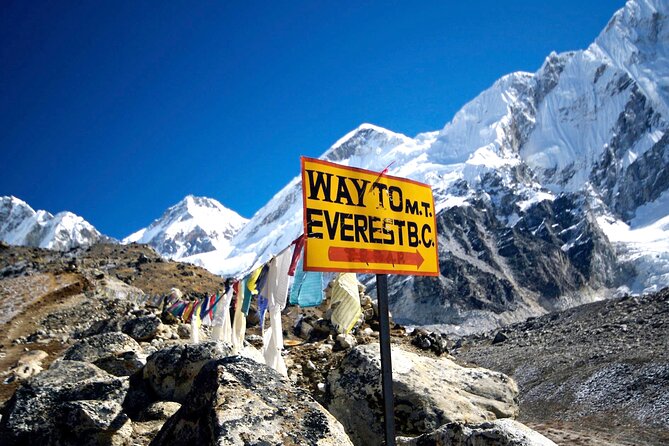
Review · EVEREST BASE CAMP TREKS
12 Days Everest Base Camp Trekking
Your first climb starts the moment the plane lands.
This 12-day Everest Base Camp trek with Blissful Himalayas is interesting because it pairs a licensed, English-speaking guide (notably Ramchandra shows up in customer feedback) with a route plan built around altitude acclimatization. You also get a smooth chain of included logistics: domestic flights, teahouse nights, and meals, so you spend your energy where it belongs—on the trail, not spreadsheets.
One possible drawback to factor in up front: the Lukla flight window can be weather-dependent. When that happens, timing can shift, even with a well-run company—so plan to stay patient if Nepal weather has other ideas.
In This Review
- Key things I’d zero in on before you book
- What You Get for $1,399: the value behind the trekking package
- Day 1: Kathmandu to Lukla, then Fakding’s first altitude test
- Days 2–3: Phakding to Namche Bazaar, plus a real acclimatization day
- Days 4–5: Sagarmatha National Park panoramas and the Dingboche arrival
- Day 6: Dingboche acclimatization and optional hikes to keep your body steady
- Days 7–8: Khumbu Glacier views, Gorak Shep, and reaching Everest Base Camp
- Days 9–11: Kala Patthar sunrise, helicopter landing at Kalapathar, and a careful descent
- Day 12: Fly back to Kathmandu and turn your success into a normal day
- Should You Book Blissful Himalayas for Everest Base Camp?
- FAQ
- FAQ
- What is the price and length of the Everest Base Camp trek?
- Are domestic flights included to reach Lukla?
- Is a Kathmandu hotel night included?
- Are meals included during the trek?
- Do I need to arrange trekking permits myself?
- Is a porter included?
Key things I’d zero in on before you book
- Lukla flights are part of the package, not something you have to hunt down after arrival in Nepal
- Permits are included for Sagarmatha National Park and TIMS, which saves hassle on paperwork
- All meals during the trek are included, which makes budgeting easier once you’re in the mountains
- Acclimatization days are built in, including a full day in Namche and a full day in Dingboche
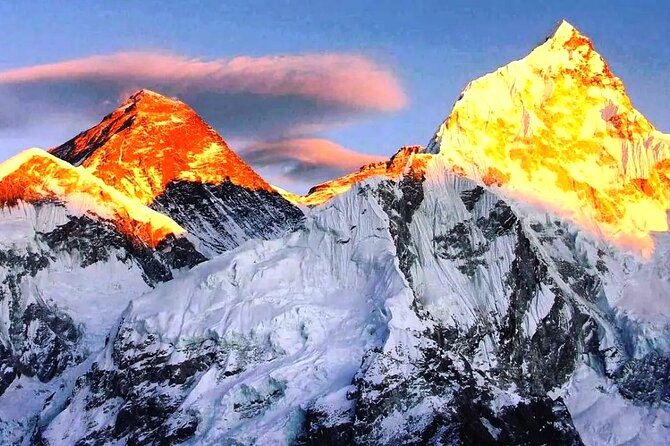
- Kala Patthar is part of the plan for sunrise views, plus an included helicopter landing at Kala Patthar
- You’ll trek with a guide who’s accountable, since the guide salary, meals, accommodation, equipment, and insurance are covered
More trails out of Kathmandu, boots ready
- Everest Base Camp Trek – 14 Days★ 5.0 · 1,499 reviews
- Everest Base Camp Trek★ 5.0 · 842 reviews
- Everest Base Camp Trekking★ 5.0 · 485 reviews
- Nagarkot Sunrise View and Day Hiking from Kathmandu★ 5.0 · 471 reviews
What You Get for $1,399: the value behind the trekking package
At $1,399 per person, the smartest way to look at this price is not as just a trekking number. It’s really paying for four big cost drivers that can easily multiply if you do things yourself: the Lukla round-trip domestic flights, the guide, the teahouse lodging, and the permits.
Here’s what is included that matters on an Everest Base Camp trek:
- One night in a Kathmandu deluxe hotel with breakfast
- Round-trip domestic airfare between Kathmandu (or Ramechhap during peak season) and Lukla
- Twin-sharing teahouse accommodation during the trek
- All meals during the trek (breakfast, lunch, dinner), including tea/coffee with breakfast
- Licensed English-speaking guide and the costs tied to his work (salary, meals, accommodation, equipment, insurance)
- Sagarmatha National Park permit and TIMS card
- A basic first aid kit that includes a pulse oximeter for altitude monitoring
So when you’re deciding if this is good value, the key question is simple: are you happy to have most of the moving parts taken care of? If yes, this kind of bundle typically feels fair—especially once you realize that most of your “real” day-to-day costs during the trek are already handled.
What’s not included is equally important:
- International flights to and from Nepal
- Nepal entry visa fee
- Travel and medical insurance (highly recommended)
- Porter service for trekkers (available upon request, but not automatically included)
- Tips and personal expenses (snacks, drinks, laundry, hot showers, Wi‑Fi, extra porters)
In other words, the trip is built to reduce planning stress, but you still own the basics: your insurance, your gear choices, and your daily creature comforts.
Day 1: Kathmandu to Lukla, then Fakding’s first altitude test
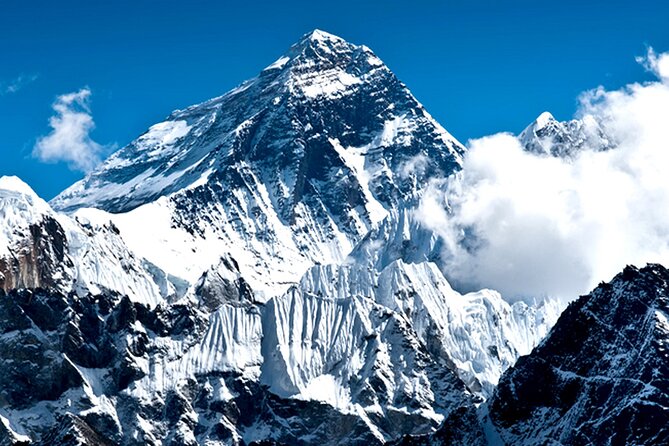
Day 1 starts with a hotel pickup and an early flight to Lukla (2,800m / 9,184ft). That early departure matters. On EBC routes, your body adjusts by doing the right things in the right order, and the plan here tries to get you moving before the day gets long.
After landing, you begin trekking from Lukla to Fakding. Even though this is the “arrival day,” don’t treat it like a gentle walk. It’s still your first exposure to the altitude and a chance for your breathing to start answering back.
Practical takeaway: if you’re the type to rush on day one, don’t. Nepal will reward slow pace and calm breathing. Think of the first day as a warm-up for how you’ll need to move for the rest of the trek.
Days 2–3: Phakding to Namche Bazaar, plus a real acclimatization day
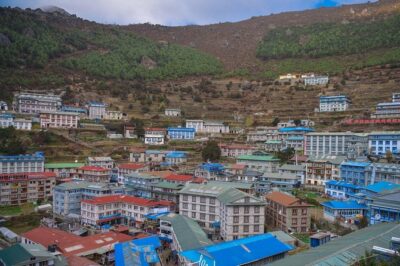
Day 2 takes you from Phakding to Namche Bazaar, the main trading hub of the Khumbu region. Expect suspension bridges and a gradual ascent along the trail. This is a classic Everest Base Camp pacing trick: you gain elevation, but you don’t throw yourself uphill nonstop.
Namche is also a mental shift. Once you reach it, you’re no longer just walking through valleys—you’re stepping into a place that feels like a hub for high-altitude trekkers. That matters because it can make the next steps feel manageable instead of scary.
Then Day 3 is the acclimatization day in Namche Bazaar. A full day at this altitude is where the “smart trekking” earns its keep. You can optionally hike up to Everest View Hotel for panoramic views of Everest and surrounding peaks.
Even if you don’t do the optional hike, the value of this day is still huge: it lets you do light movement and rest, instead of stacking elevation day after day.
If you’re wondering how to use this day well: keep your effort easy and steady. You’re not trying to “win” the mountains. You’re trying to give your body time to adapt.
Days 4–5: Sagarmatha National Park panoramas and the Dingboche arrival
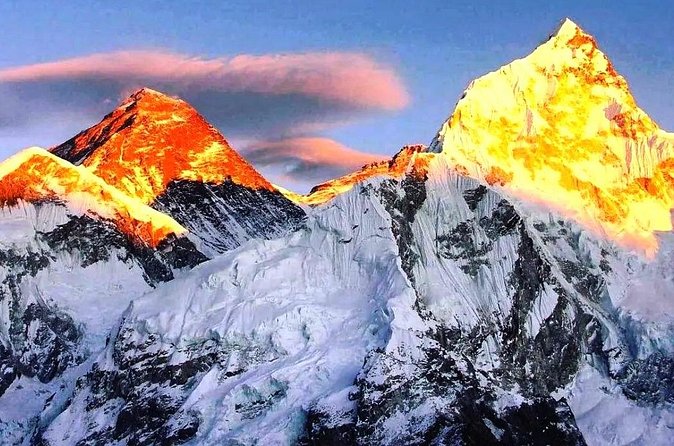
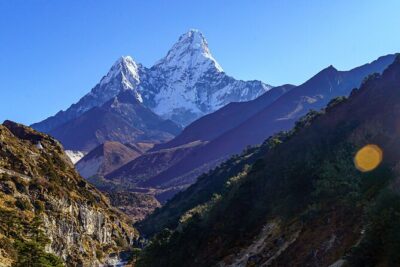
Day 4 brings you into Sagarmatha National Park territory with big views—Everest, Nuptse, and Ama Dablam show up en route. The day also includes a rhododendron forest segment where you descend for about two hours before climbing again.
This is one of the subtle parts of the EBC experience people underestimate: the route isn’t always a grind upward. You’ll do downhills too, and that’s where balance and footing matter.
Day 5 gets you to Dingboche. It’s a beautiful village in the Khumbu Valley, and you’ll have panoramic views of Island Peak and other Himalayan peaks. The walk includes alpine forest and barren land, which is a nice way of describing how the environment changes as you go higher.
What to watch for on these days:
- On downhills, your knees work even if your lungs feel okay
- On exposed stretches, your body can feel colder faster than you expect
This is where packing layers and moving carefully pays off.


Day 6: Dingboche acclimatization and optional hikes to keep your body steady
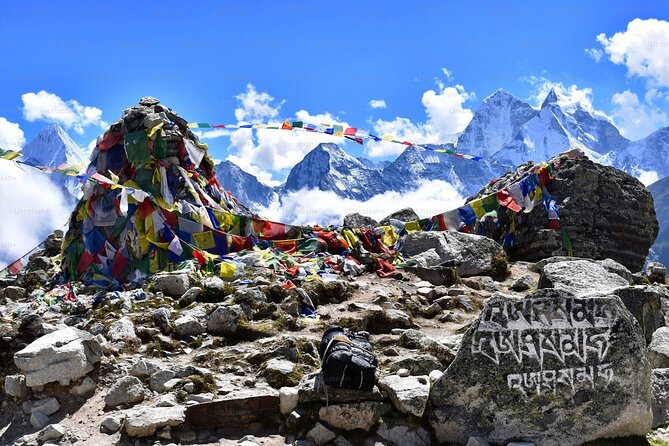
Day 6 is another acclimatization day, this time in Dingboche, with a focus on reducing altitude sickness risk as elevation rises.
The optional activity list is specific: you can hike to Nagarjun Hill or Chukhun. Even if you skip the optional hike, the day itself is part of the plan’s safety logic: altitude gains are slower, and your body has time to catch up.
In plain terms, this day helps prevent the most common mistake on EBC treks—trying to treat every day like you’re “supposed” to feel great. Sometimes you don’t. Acclimatization days give you a place to correct course.
A small note: the included gear and approach matter here. Since the package includes a pulse oximeter for altitude-related oxygen level monitoring, you’re not just guessing if something feels off.
Days 7–8: Khumbu Glacier views, Gorak Shep, and reaching Everest Base Camp
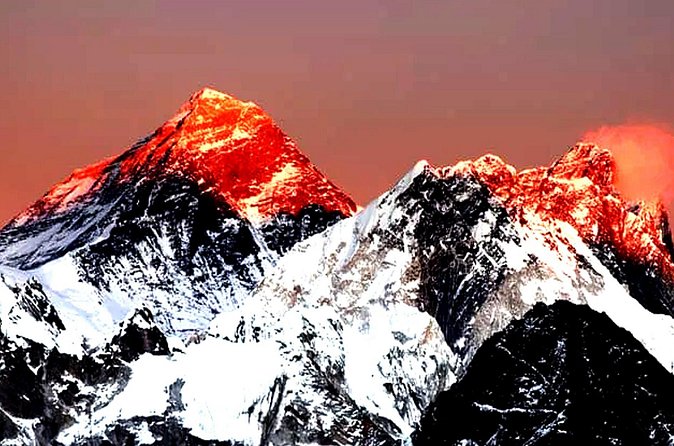
Day 7 starts early and includes crossing the Khumbu River. Then the trail ascends gradually through rocky terrain and glacial moraines. You’ll get views of the Khumbu Glacier and surrounding peaks.
This is also the day where the “terrain mood” shifts. The trail can feel more rugged, and the air tends to feel thinner as you climb. Slow, consistent effort is your friend.
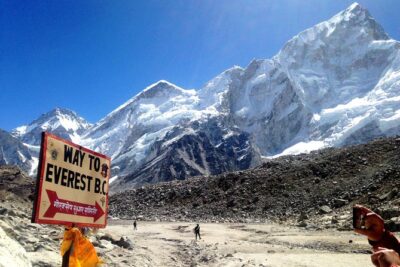
Day 8 is built like the big crescendo: trekking from Lobuche to Gorak Shep, the final settlement before Everest Base Camp. You’ll reach Gorak Shep, have lunch, settle your bags, and then continue trekking to Everest Base Camp.
This is the day most people remember. Not just because of Everest Base Camp itself, but because it’s where the trek becomes a full-body experience: altitude, wind, cold, and the sense that you really did reach the point you’ve been thinking about.
Practical expectation setting:
- You’ll be tired, even if you feel strong
- You’ll likely want to move slowly so you don’t burn energy right before you reach the viewpoint areas
And since meals and lodging are included, you’re not scrambling for food or a room once you arrive.
Days 9–11: Kala Patthar sunrise, helicopter landing at Kalapathar, and a careful descent
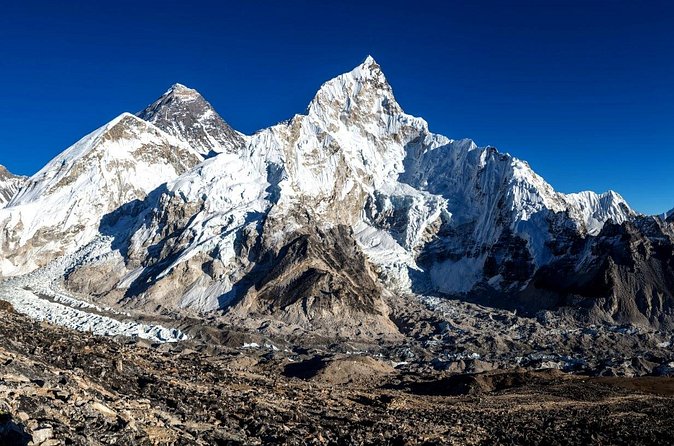
Day 9 is a highlight day because it starts with an early morning hike to Kala Patthar for sunrise views over Everest, Lhotse, and other peaks. That’s exactly why Kala Patthar is famous on this route: you’re chasing the best light and the best angles.
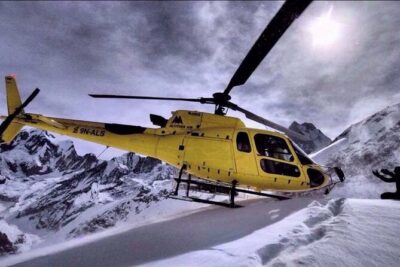
You’ll also have an included helicopter landing at Kalapathar as part of the plan. The key point for you: it’s scheduled into the day, so don’t plan to sleep in or run late. If you want sunrise views, the timing is everything.
After Kala Patthar, the plan has you return to Gorak Shep, have lunch, and continue onward (the itinerary doesn’t spell out every single transfer step here, but the stop pattern clearly keeps you moving after the sunrise).
Day 10 shifts into the descending phase. Descending is easier on many people, but it’s not “easy.” The plan explicitly calls out knee care: you should be careful with steps and balance because knee pain can happen.
Day 11 is the final trekking day, described as a short trek. Then you’ll spend the evening celebrating your success with your trekking companion, your guide, porters, and fellow trekkers.
That final evening matters more than you’d think. After days of concentrating on breathing and foot placement, a calm wrap-up is a morale reset.
Day 12: Fly back to Kathmandu and turn your success into a normal day
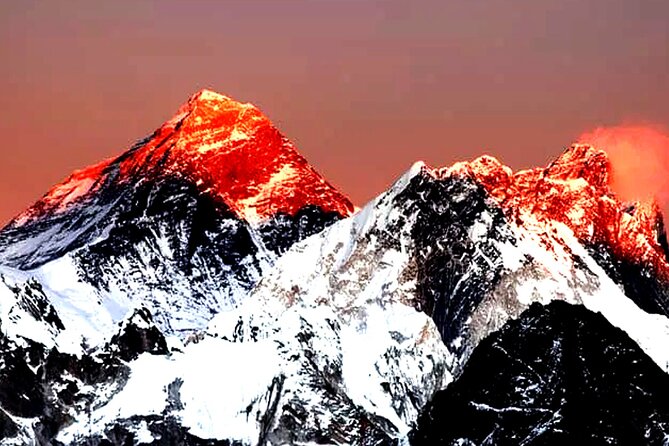
Day 12 brings an early morning flight back to Kathmandu, followed by hotel transfer. Then you get leisure time—relaxing, exploring around, or getting foot and body messages.
A farewell dinner is organized too, which is a nice ending for a trek this intense. Even if you want quiet, a planned dinner can help you decompress without having to think through where to go.
Should You Book Blissful Himalayas for Everest Base Camp?
If you want an EBC trek where the basics are handled—guide, permits, domestic flights, teahouses, and meals—this looks like a solid fit. The standout strength is how much is packaged together at a price that’s likely to feel fair once you account for those major expenses.
You should consider a different option if:
- You know you’ll hate schedule uncertainty tied to Lukla flight timing
- You want fully private, zero-sharing lodging (this is twin-sharing during the trek)
- You already have your own plan for permits, guiding, and meals and prefer total customization
Who this suits best:
- First-time trekkers who want a licensed guide and a schedule that includes acclimatization days
- People who like the confidence of knowing meals and lodging are handled
- Small groups who want attention from a specific guide (Ramchandra is named in the feedback)
FAQ
FAQ
What is the price and length of the Everest Base Camp trek?
The tour is listed at $1,399.00 per person and runs about 12 days.
Are domestic flights included to reach Lukla?
Yes. Round-trip domestic airfare between Kathmandu (or Ramechhap during peak season) and Lukla is included.
Is a Kathmandu hotel night included?
Yes. You get 1 night in a deluxe hotel in Kathmandu with breakfast.
Are meals included during the trek?
Yes. All meals during the trek are included, including breakfast, lunch, and dinner. Tea or coffee with breakfast is included too.
Do I need to arrange trekking permits myself?
No. The permits included are the Sagarmatha National Park Permit and the TIMS card.
Is a porter included?
Porter service for trekkers is not included, but it’s available upon request.
If you want, tell me your dates and your trekking experience level, and I’ll help you sanity-check the plan against your comfort with altitude and the kind of pace you like.
More Trekking Out of Kathmandu






More Tour Reviews in Kathmandu




Just Reviewed in Kathmandu
- Mountain Bike Tour
★ 5.0 · 3 reviews - Annapurna Panaroma
★ 5.0 · 3 reviews - Mount Everest Scenic Flight 50 Minutes
★ 5.0 · 3 reviews - Kathmandu : Swambhunath & Durbar Square Guided Half Day Tour
★ 3.3 · 3 reviews - Chandragiri Cable Car & Monkey Temple Tour – Private/Group
★ 5.0 · 3 reviews - Kathmandu: Shivapuri National Park Hiking Day Trip
★ 3.3 · 3 reviews
Everest Base Camp Treks, compared.
 ★ 5.0Everest Base Camp Trek – 14 DaysFrom $1,8001,499 reviews
 ★ 5.0Everest Base Camp TrekFrom $1,790842 reviews
 ★ 5.0Everest Base Camp TrekkingFrom $1,350485 reviews
 ★ 5.0Everest Base Camp Trekking – 13 DayFrom $1,399365 reviews
★ 5.0Everest Base Camp TrekFrom $1,445350 reviews
★ 5.0Everest Base Camp Trek -14 DaysFrom $1,420321 reviews
 ★ 5.012 Days Everest Base Camp TrekFrom $1,099289 reviews
 ★ 5.0Everest Base Camp Trekking – 2025/2026From $1,339199 reviews
Browse the lists this tour appears in