
Review · EVEREST BASE CAMP TREKS
14 Day – Everest Base Camp Trek
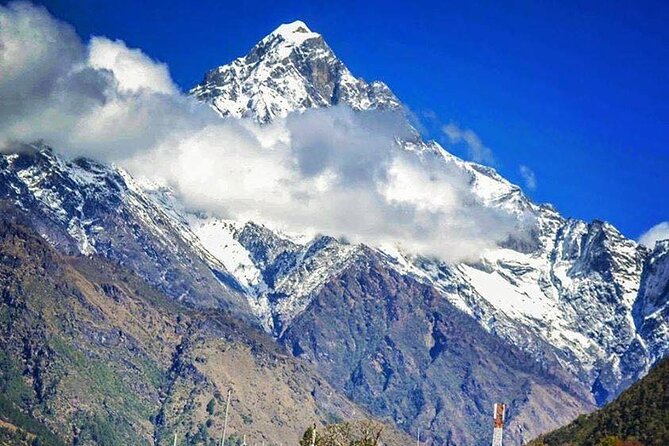
Everest Base Camp feels close here. This 14-day trek turns the big-name Everest dream into a step-by-step route, with well-organized logistics and real acclimatization rhythm built into the journey. You’re moving through Himalayan villages, sleeping in tea houses, and watching the mountains change in front of you as altitude rises.
I especially like how much is handled for you: airport pick up and drop, domestic flights between Kathmandu and Lukla, park entry permits, TIMS card, an English-speaking guide, and porter support. You also get built-in rest days at Namche Bazaar and Dingboche, which matter a lot when you’re going higher every day.
One consideration: this route is weather-dependent. Flights into and out of Lukla can be affected, and you’ll be up high enough to feel cold hard, especially around the early morning Kala Pattar sunrise day.
In This Review
- Key things that make this trek feel worth it
- Kathmandu arrival: the calm before the mountains
- The Lukla flight: short hop, huge mood shift
- Phakding to Namche: the climb that teaches your body the rules
- Namche to Tengboche and Dingboche: monastery vibes and altitude discipline
- Dingboche to Lobuche: where the air gets serious
- Gorakshep and Everest Base Camp: the moment everyone remembers
- Kala Pattar sunrise day: cold legs, big payoff
- Pheriche back down toward Namche and Lukla
- The return to Kathmandu: why the last day matters
- Price and value: what you’re really buying for $2,000
- Who this trek suits best (and who should reconsider)
- My booking call: should you sign up for this Everest Base Camp trek?
- FAQ
- How long is the Everest Base Camp trek?
- Where does the trip start in Kathmandu?
- Is airport pickup and drop included?
- Are domestic flights to Lukla included?
- Are permits included for the trek?
- What kind of accommodation do you get during the trek?
- Do you get an English-speaking guide and porter service?
- Are meals included?
- What is not included in the price?
- What happens if the experience is canceled due to poor weather?
Key things that make this trek feel worth it
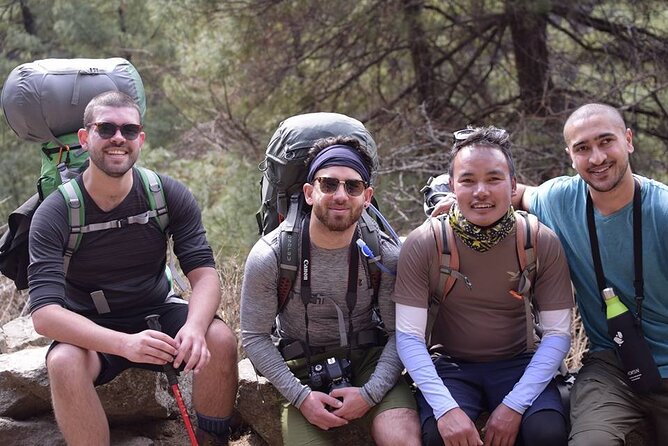
- Private group setup so your schedule and pace are less chaotic than shared tours
- Lukla flight included (round-trip Kathmandu–Lukla–Kathmandu) for a faster start than long overland routes
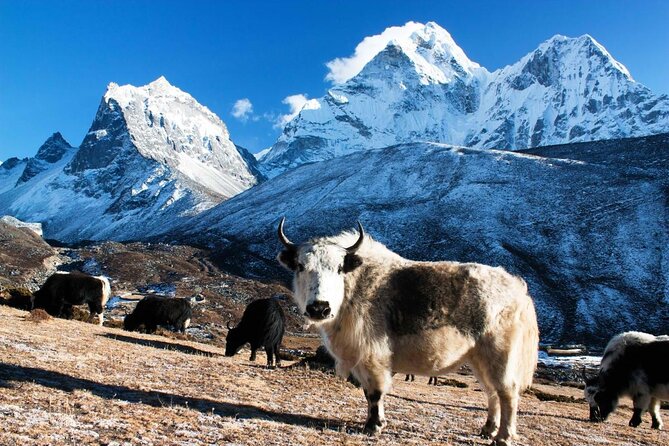
- Acclimatization stops at Namche and Dingboche built into the plan, not tacked on
- Tea house comfort included during the trek, so you’re not hunting beds each night
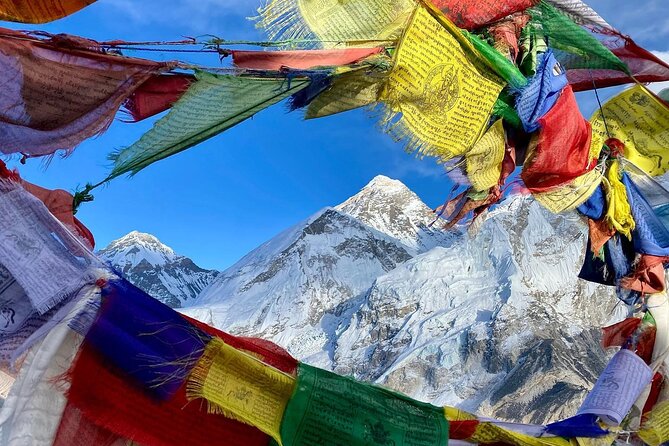
- Kala Pattar sunrise timed for big views over Everest and the surrounding peaks
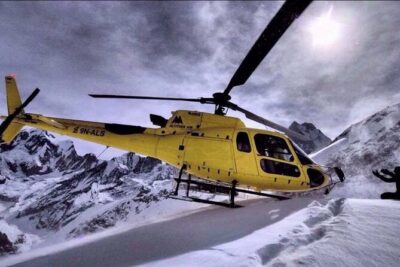
- Support when plans change (one account mentioned helicopter help after a Lukla flight cancellation)
More trails out of Kathmandu, boots ready
- Everest Base Camp Trek – 14 Days★ 5.0 · 1,499 reviews
- Everest Base Camp Trek★ 5.0 · 842 reviews
- Everest Base Camp Trekking★ 5.0 · 485 reviews
- Nagarkot Sunrise View and Day Hiking from Kathmandu★ 5.0 · 471 reviews
Kathmandu arrival: the calm before the mountains
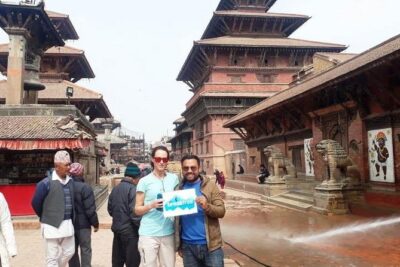
Your trek starts in Kathmandu, with pickup from the listed meeting area and a transfer to a hotel. Day 1 is about getting your bearings: settling in, preparing for cold trekking days, and making sure you’re set for the next morning’s big jump in altitude via Lukla.
Two nights in Kathmandu are included, which gives you breathing room. That matters because Everest Base Camp is not a quick trip. You’re going to deal with altitude, schedule stress, and long walking days—so it helps if the first part of the journey feels steady instead of rushed.
You’ll also want to use this time wisely: plan your packing, double-check your layers and footwear, and keep hydration in mind even before you leave the city. With a guide and porter system lined up for the trek, Kathmandu becomes more about preparation and less about logistics chaos.
The Lukla flight: short hop, huge mood shift
On day 2, you fly from Kathmandu to Lukla (2840m). The flight is short, but the effect is dramatic. Lukla is the gateway into the Everest region, and once you land, the trek becomes real walking, not just a plan on paper.
After breakfast in Lukla, you trek to Phakding (2610m). This is a lower start after the flight, and that’s smart. It gives your body time to adjust before you start gaining altitude more aggressively.
One practical thing I like here: the domestic flights are included in the package, and that reduces last-minute decision stress. It also means your trip structure stays intact, which helps when weather shifts. Still, be mentally prepared for delays. The Everest area is famous for changing conditions.
Phakding to Namche: the climb that teaches your body the rules
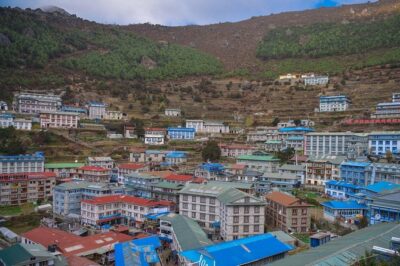
The next walking day takes you from Phakding to Namche Bazaar (3440m). Namche is where you feel the altitude more clearly, and it’s also where the trip starts looking like the Everest region you imagined—busy teahouse corridors, short bursts of views, and a constant stream of trekkers.
Then comes an acclimatization day in Namche. You’re not just “resting.” You’re doing the smart thing: letting your body catch up while you explore and enjoy the area around you. Even if the weather is hazy, Namche helps you get oriented to how high-altitude trekking feels day-to-day.
From a planning standpoint, that stop is a huge value. It’s easy for operators to squeeze in extra distance to shorten days. Here, the route includes that pause twice (Namche and Dingboche). That gives you a better shot at finishing with energy for the top moments later.
Namche to Tengboche and Dingboche: monastery vibes and altitude discipline
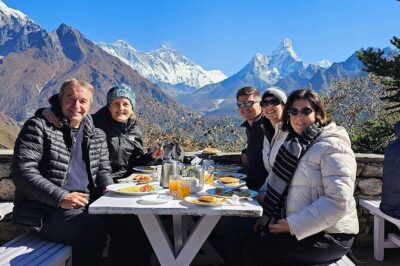
Day 5 heads from Namche Bazaar to Tengboche (3868m). Tengboche is known for its spiritual center in the Everest region, and the big draw is the mix of mountain views and cultural rhythm. It’s also a useful “in-between” altitude step before you climb higher again.
From Tengboche you move to Dingboche (4410m). That’s a real jump in elevation, and it’s exactly why the following day is another acclimatization day. Dingboche’s extra day is your chance to slow down, recover, and keep your head clear while the oxygen gets thin.
I also appreciate that this trek doesn’t treat altitude like a straight line. It treats it like a negotiation. You gain, you pause, you gain again. If you go too fast, your body pays. This route tries to keep you on the safer side of that bargain.
Dingboche to Lobuche: where the air gets serious
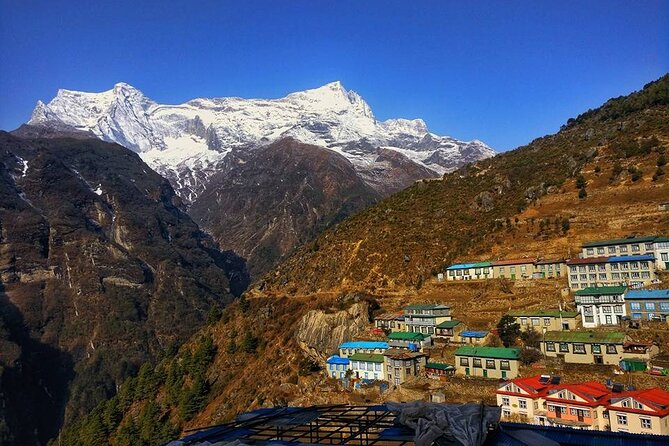
The trek from Dingboche to Lobuche (4910m) takes you into higher, harsher terrain. The elevation is now high enough that every rest stop matters, and your pace matters even more than your ambition.
This stretch is also when your mind starts shifting from sightseeing to survival mode. That’s normal. The scenery is still there, but you’re walking with a new awareness: you’re moving through an extreme environment now, not a “pretty hike.”
If you’re someone who gets anxious about pace, this is where having an organized guide and a porter can reduce stress. You still walk the route, but the team setup helps keep your daily rhythm predictable—food, timing, and navigation are handled.
Gorakshep and Everest Base Camp: the moment everyone remembers
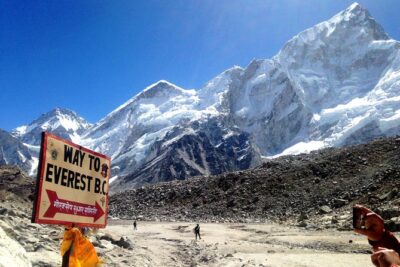
On day 9, you trek from Lobuche to Gorakshep (5180m) and continue to Everest Base Camp (5364m), then overnight in Gorakshep. This is one of the most intense days on the whole trek. You go high, you reach the place that’s on every bucket list, and you sleep near the top of the trek’s “approach zone.”
Everest Base Camp is not just a landmark. It’s a feeling: the end of a long ramp-up, the shift from “climbing toward Everest” to “standing inside the Everest story.” Even if you don’t have mountaineering experience, the scale and effort around you hit hard.
One value point for this tour: it’s not treating Base Camp as a quick stroll. You’re given time and a structure that gets you there, then moves you forward for the biggest view day right after.
Kala Pattar sunrise day: cold legs, big payoff
The next morning is an early hike to Kalapathar (5550m) for sunrise views, then you go back to Gorakshep for breakfast and continue trekking to Pheriche (4240m).
This is your big payoff day. The early start matters because the view depends on timing and weather windows. The higher you go, the more the mountain range can look different by hour, and this is the trek’s moment when Everest and its neighbors become the headline.
Practical note: Kalapathar is high enough that cold is not optional. Since personal gear isn’t included, you’ll want to come prepared with warm layers and a system that works for you. You’re walking at altitude in early morning darkness, then moving into sunrise conditions fast.
Then comes the smart downhill-ish move to Pheriche (4240m). It’s lower than where you just were, which helps you reset. That “go up for the view, then come down to breathe” pattern is a big reason trekkers feel more successful finishing strong.
Pheriche back down toward Namche and Lukla
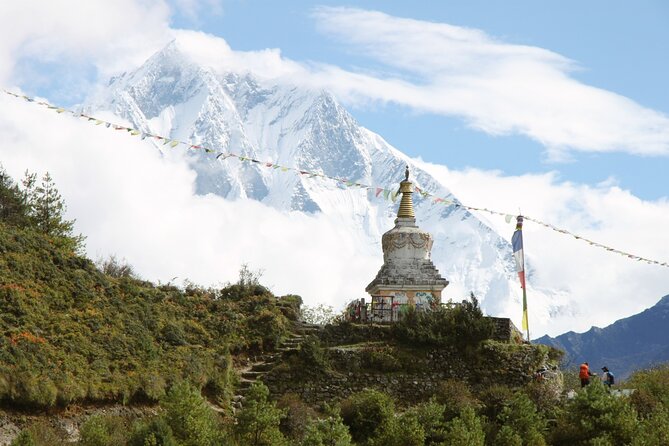
After Pheriche, you trek to Namche Bazaar again, then back to Lukla for your return flight. In a 14-day plan, the return days can feel repetitive if the route doesn’t offer variety. Here, the difference is emotional: you’re no longer trying to reach Everest. You’re enjoying that you already did.
Walking back is also your endurance test. You’ll be tired in a new way after reaching Base Camp and Kala Pattar. The upside is that the terrain is already familiar—same kind of villages, same tea house rhythm, fewer surprises.
The day 12 trek back to Lukla puts you in position for an included morning flight from Lukla to Kathmandu. When that part runs smoothly, the end of a trek can feel like exhaling after a long hold.
The return to Kathmandu: why the last day matters
On day 13, you fly back to Kathmandu. Day 14 is departure to the international airport, with an option to add extra Kathmandu time if your schedule allows.
This matters because Kathmandu isn’t just an airport transfer. It’s where you decompress. You’ll have time for shopping and sightseeing if you want it, and you’ll likely appreciate sleeping somewhere with hot shower access if your own priorities include that. (Hot shower water isn’t listed as included, so plan on paying or arranging it yourself if that matters to you.)
Finishing in Kathmandu with a clear pickup/dropback plan is one of those small things that makes a big difference. Trekking trips fall apart when the last day is handled vaguely. This one keeps that part structured.
Price and value: what you’re really buying for $2,000
$2,000 per person is not cheap, but for Everest Base Camp, the cost starts to make sense once you break down what’s included. This package covers a lot of the expensive, high-friction items:
- Round-trip domestic flights Kathmandu–Lukla–Kathmandu
- Two nights in Kathmandu hotel stays
- Tea house accommodation during the trek
- Guide and porter support (English-speaking guide, plus porter service with a stated ratio)
- Permits: Everest National park entry permits and TIMS card
- Meals: lunch, breakfast, and dinner counts listed during the trek
- Insurance and a medical kit included for the trip structure
- Airport transfers and local taxes included
What’s not included is also clear: Nepal visa fee, international airfare, personal equipment, and tipping for guide/porter. Extras like alcoholic beverages and items tied to hot shower water, cold drinks, battery charging, and similar costs are not included.
So the value question becomes this: Are you paying to reduce hassle, uncertainty, and navigation burden? Here, yes. You’re paying for staffing, permits, flight timing, and a full basic food-and-sleep framework. If you want to handle permits, logistics, and coordination yourself, you could lower costs elsewhere. But if you want to spend your energy on altitude and steps, this kind of package can be money well used.
Who this trek suits best (and who should reconsider)
This trek lists a moderate physical fitness requirement, which aligns with the itinerary’s structure: acclimatization days, tea house pacing, and daily walking segments that build gradually.
This is a good fit if:
- you want a private group experience (not a cattle-line feel)
- you want a clear plan from Kathmandu through Lukla flights and back
- you prefer a guide you can rely on for navigation, pacing, and daily decisions
- you care about doing Base Camp and Kalapathar on schedule
You might think twice if:
- you’re highly sensitive to cold mornings and high altitude conditions (especially on the Kalapathar day)
- you need guaranteed flight timing from Lukla in all weather conditions, since weather can impact operations
- you’re hoping personal expenses like hot showers and battery charging are covered (they aren’t)
My booking call: should you sign up for this Everest Base Camp trek?
If your goal is Everest Base Camp with a structured, human-supported trek, I’d say this is a strong option to consider. The biggest reasons are the practical ones: included flights to Lukla, permits and TIMS handled, an English-speaking guide, porter support, and a route that includes acclimatization days at Namche Bazaar and Dingboche.
Where I’d slow down is weather dependence. You’re in a region where conditions can shift quickly, and the only smart move is to stay flexible in your expectations. If you can do that, you’ll likely enjoy the trip more, because you’ll focus on walking, views, and that long-earned moment at Base Camp.
FAQ
How long is the Everest Base Camp trek?
It’s listed as 14 days (approx.).
Where does the trip start in Kathmandu?
It starts at Alpine Hotel & Apartment, Chaksibari Marg, Kathmandu. The start time is 6:15 am.
Is airport pickup and drop included?
Yes. Airport pick up and drop are included, along with airport transfer and local taxes.
Are domestic flights to Lukla included?
Yes. Round-trip domestic flight tickets are included for Kathmandu–Lukla–Kathmandu, plus airport tax.
Are permits included for the trek?
Yes. The package includes Everest National park entry permits and a TIMS card.
What kind of accommodation do you get during the trek?
Tea house accommodation is included during the trek, plus two nights of hotel in Kathmandu.
Do you get an English-speaking guide and porter service?
Yes. An English-speaking guide is included, and porter service is included with the stated ratio (1 porter between 2 people basic).
Are meals included?
Yes. The package lists lunch (11), breakfast (13), and dinner (11).
What is not included in the price?
Not included are Nepal entry visa fee and international air fare, personal equipment, tips for guide and porter, and personal expenses like alcoholic beverages, cold drinks, battery charging, and hot shower water.
What happens if the experience is canceled due to poor weather?
If it’s canceled due to poor weather, you’ll be offered a different date or a full refund.
More Trekking Out of Kathmandu
More Tour Reviews in Kathmandu
Just Reviewed in Kathmandu
- Mountain Bike Tour
★ 5.0 · 3 reviews - Annapurna Panaroma
★ 5.0 · 3 reviews - Mount Everest Scenic Flight 50 Minutes
★ 5.0 · 3 reviews - Kathmandu : Swambhunath & Durbar Square Guided Half Day Tour
★ 3.3 · 3 reviews - Chandragiri Cable Car & Monkey Temple Tour – Private/Group
★ 5.0 · 3 reviews - Kathmandu: Shivapuri National Park Hiking Day Trip
★ 3.3 · 3 reviews
Everest Base Camp Treks, compared.
 ★ 5.0Everest Base Camp Trek – 14 DaysFrom $1,8001,499 reviews
 ★ 5.0Everest Base Camp TrekFrom $1,790842 reviews
 ★ 5.0Everest Base Camp TrekkingFrom $1,350485 reviews
 ★ 5.0Everest Base Camp Trekking – 13 DayFrom $1,399365 reviews
★ 5.0Everest Base Camp TrekFrom $1,445350 reviews
★ 5.0Everest Base Camp Trek -14 DaysFrom $1,420321 reviews
★ 5.0Everest Base Camp Trekking – 13 DayFrom $1,399365 reviews
★ 5.0Everest Base Camp TrekFrom $1,445350 reviews
★ 5.0Everest Base Camp Trek -14 DaysFrom $1,420321 reviews
 ★ 5.012 Days Everest Base Camp TrekFrom $1,099289 reviews
 ★ 5.0Everest Base Camp Trekking – 2025/2026From $1,339199 reviews
Browse the lists this tour appears in