
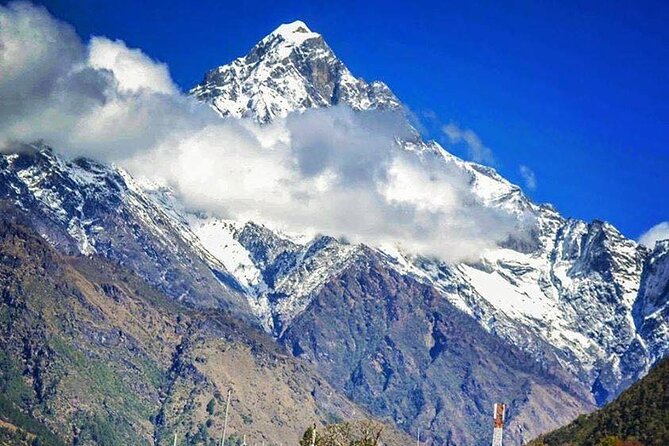
Review · EVEREST BASE CAMP TREKS
14-Day Everest Base Camp Trek
Everest starts with a tiny airport. This 14-day route takes you from Kathmandu to Lukla, then steadily upward through Sherpa towns like Namche Bazaar and Tengboche, with the big payoff at Everest Base Camp. What makes it especially interesting is how the days are paced: enough effort to feel progress, plus real altitude breathing room at key points like Namche and Dingboche.
I also like that this trek is built around practical mountain logistics. You’ll hike about 5 hours most days, sometimes longer, while sleeping in teahouses for 11 nights—simple, tried-and-true trekking comfort. If you care about value, the price covers guide and porter time, park permits, and most meals, so you’re not scrambling to figure out the essentials mid-trip.
One possible drawback: the whole plan leans on flying and weather. Flights into Lukla can shift, and if Kathmandu airport operations require it, you may start with an early drive to Ramechhap.
In This Review
- Quick hits before you chase Everest
- From Kathmandu to Lukla: why the first flight matters
- Phakding to Namche: suspension bridges and the first Everest sight
- Namche acclimatization day: Everest View Point and real breathing room
- Tengboche monastery day: sacred views with a calm pace
- Dingboche’s changing terrain: from forests to sharper air
- Lobuche and memorial stupas: the trek turns more rugged
- Gorakshep to Everest Base Camp: where the walking gets real
- Kalapatthar sunrise and the long descent loop
- Food and teahouses: what your days include (and what they don’t)
- The value math: what $1,600 buys you here
- Who should do this trek (and who should think twice)
- Should you book this 14-day Everest Base Camp trek with Magical Nepal?
- FAQ
- What’s the trek length and overall duration?
- How big is the group?
- Where do you start and end?
- What’s included in the price?
- What if Lukla flights shift to Ramechhap?
- How much will I hike each day?
- Do you have acclimatization days?
- What happens if weather cancels the trek?
Quick hits before you chase Everest
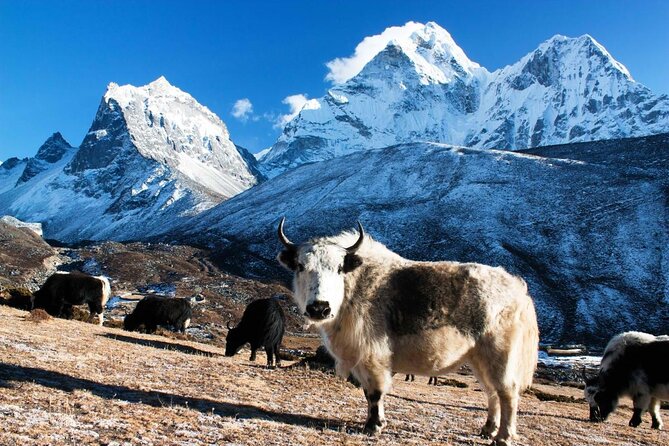
- Lukla at 2,860 m sets the tone fast: you start trekking the same day you land, no slow warm-up.
- Two real acclimatization breaks: one in Namche (Everest View Point option) and one in Dingboche (valley exploration option).
- Sherpa culture moments aren’t an afterthought: Tengboche monastery and daily life in Khumbu villages.
- Kalapatthar sunrise is the near-Everest viewpoint: early start, then a long, well-earned descent.
- The Base Camp day is serious walking: Gorakshep to Base Camp and back takes about 6 to 7 hours over rocky, glacier-debris ground.
- Small group size (max 8): easier coordination for pace, food planning, and those altitude-check chats.
More trails out of Kathmandu, boots ready
- Everest Base Camp Trek – 14 Days★ 5.0 · 1,499 reviews
- Everest Base Camp Trek★ 5.0 · 842 reviews
- Everest Base Camp Trekking★ 5.0 · 485 reviews
- Nagarkot Sunrise View and Day Hiking from Kathmandu★ 5.0 · 471 reviews
From Kathmandu to Lukla: why the first flight matters
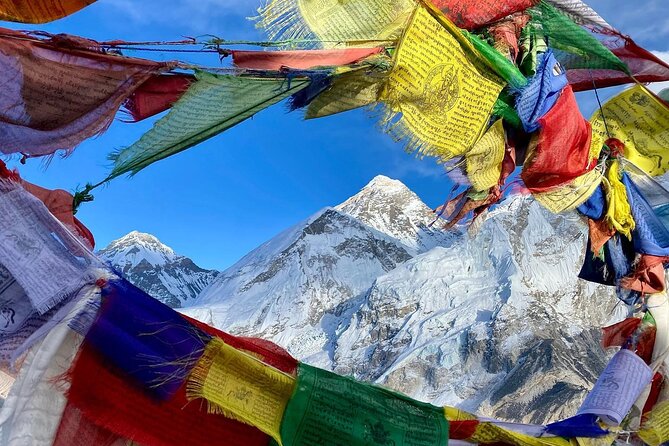
Day 1 is straightforward: you arrive in Kathmandu and get picked up for a hotel transfer. Day 2 begins the real adventure with the flight into Lukla, sitting at 2,860 meters. This jump is why Everest feels close early. It also means your body won’t have much time to pretend it’s still at sea level—so the trekking day right away becomes part travel lesson, part altitude reality check.
The route then takes you down toward Phakding. On paper, it’s a “gentle introduction,” but you’re still descending and moving through the Everest region’s first mix of air temperature, river crossings, and trail grit. You’ll follow the Dudh Koshi river bank and descend to Dudh Koshi Ghat, which is a good way to understand the rhythm of the Khumbu: walk, pause, look back at the mountains, then repeat.
Here’s the big logistics note you should take seriously: sometimes Lukla flights depart and return from Ramechhap instead of Kathmandu due to upgrades at Kathmandu Airport. If that happens, you’ll leave Kathmandu around 2:00 am, with a roughly 4-hour drive to Ramechhap. On the back end, the drive home can run about 4 to 6 hours depending on traffic. That’s not a reason to skip the trek—just a reason to plan your sleep and expectations tightly.
Phakding to Namche: suspension bridges and the first Everest sight
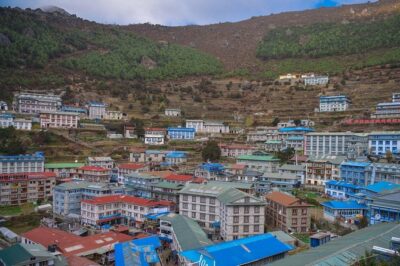
After your first night in Phakding, you move toward Namche Bazaar. This is where the trek starts feeling like a classic Everest “spine”: river, bridges, forested sections, then a town that marks your entry into the higher Sherpa world.
You’ll cross the Dudh Koshi on a long suspension bridge, walk through pine forests, and then pass Sagarmatha National Park entry checks where your permits are verified. This is one of those behind-the-scenes moments that actually helps your trip feel legitimate and grounded—permits aren’t just paperwork; they’re part of the protected-region system.
The hike includes Jorsale for lunch and a long uphill to Namche. You’ll cross another key bridge on the way: the Hillary Suspension Bridge. When you’re moving, it’s not just a photo stop. It’s a cue that the trail is getting more “Everest-shaped,” and Namche is the place where climbers and trekkers start sharing the same ecosystem.
Once you arrive in Namche Bazaar, you get your first strong view of Mount Everest. You’re not at the final altitude yet, but your brain registers the mission. Overnight is in Namche, giving you time to settle and adjust.
Namche acclimatization day: Everest View Point and real breathing room
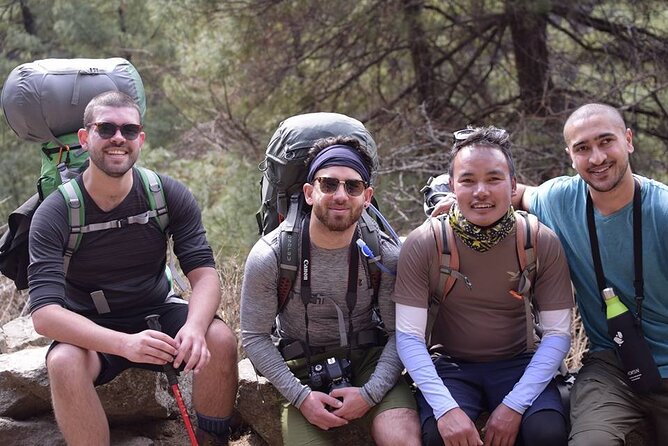
Day 4 is your acclimatization day in Namche, which is exactly what you want at this stage. Your body needs time before pushing higher. This day gives you two useful options, both worth doing depending on how you feel.
Option one: hike about 2 hours to Everest View Point. This is one of the best ways to stretch your legs without breaking yourself. You’ll be high enough to feel the thin air, but not so high that this turns into a grind.
Option two: explore Namche at an easy pace. The Sherpa museum is part of this, and on Saturday there’s a small outdoor market. Even if you skip both, you’ll still benefit from the day’s purpose: rest plus gentle movement. That balance is what helps people keep a steady rhythm for the rest of the trek.
One more thing I appreciate here: you’re not just told to rest—you’re given ideas that keep you engaged without turning the day into an extra summit attempt.
Tengboche monastery day: sacred views with a calm pace
On Day 5 you head toward Tengboche, visiting the largest monastery in the Khumbu region. Tengboche isn’t just a scenic stop. It’s a window into the spiritual side of the area—blessings, mountain reverence, and the Sherpa community’s long relationship with these peaks.
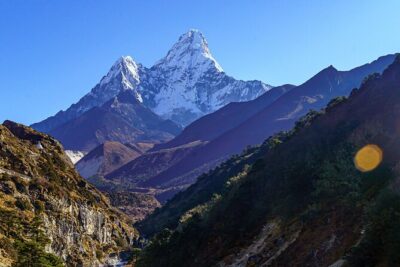
The hike here takes you through familiar high-altitude trekking terrain: more open air feeling, fewer dense trees, and growing mountain views. When you reach Tengboche, the rewards are immediate. You can see major peaks like Ama Dablam, Thamserku, and Khumbila from this vantage point, and it feels different than “just” looking at snow. The monastery setting adds context. It also keeps the day from feeling like only cardio and altitude anxiety.
Overnight is in Tengboche, so you’ll wake up in that mountain-and-stone atmosphere rather than rushing onward the same day.
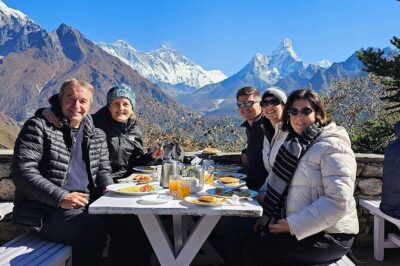
Dingboche’s changing terrain: from forests to sharper air
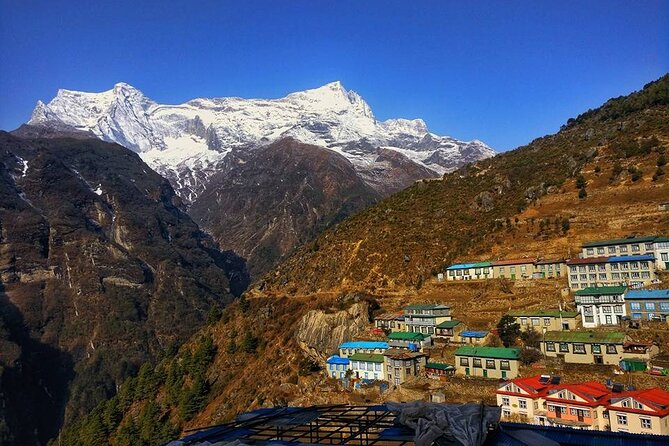
Day 6 moves you up to Dingboche. The trail passes through alpine forests and villages, so you get real glimpses of day-to-day life rather than only a trekking corridor. As you progress, the landscape shifts: fewer trees, more shrubs, and broader views. That change matters because it signals you’re transitioning into the higher, drier feel that comes with deeper altitude.
From Dingboche, you can see peaks like Taboche, Nuptse, and Cholatse as you reach the ridgeline. This is the kind of day where your photos won’t fully capture it because the air feels different—crisper and thinner—while your legs still work.
Day 7 is another acclimatization day in Dingboche, and it’s a smart one. Instead of pushing higher just because the calendar says so, you rest and explore nearby valleys like Chhukung and Imja. You also get the option to walk toward Panboche if the group has extra energy later in the itinerary, which gives you flexibility if you’re feeling strong.
This type of day does two things:
- It reduces altitude risk by giving your body time.
- It prevents mental burnout. At high altitude, even “only walking” can feel like work, so having a planned buffer helps.
Lobuche and memorial stupas: the trek turns more rugged
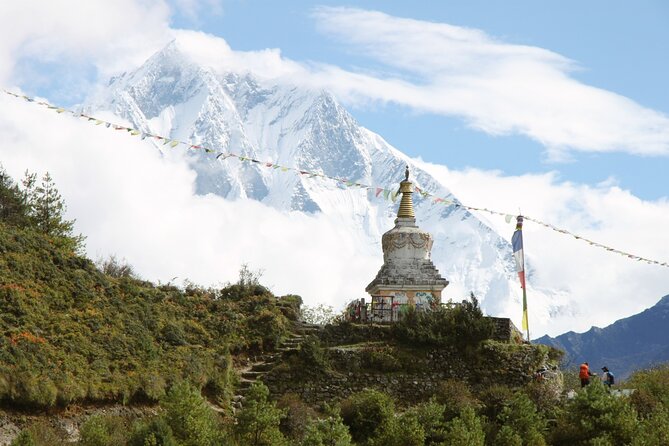
On Day 8 you go toward Lobuche. The pace feels slower not because the distance is shorter, but because altitude makes everything more deliberate. You’ll climb steeply to memorial stupas for people who lost their lives on Everest, then continue over harder mountain terrain toward Lobuche.
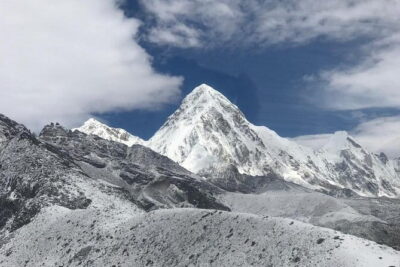
The views here hit hard: Lobuche, Pumori, and Nuptse dominate the scene. This day is a good reminder that Everest trekking is both beautiful and sobering. Those memorials don’t let you treat the region like a pure sightseeing loop.
Overnight in Lobuche sets up the most anticipation-heavy part of the trip: Gorakshep and then Base Camp.
Gorakshep to Everest Base Camp: where the walking gets real
Day 9 is the day most people picture when they plan this trek. You start from Lobuche toward Gorakshep, and the trail becomes rocky with dunes and moraine as you approach the glacier-debris zone.
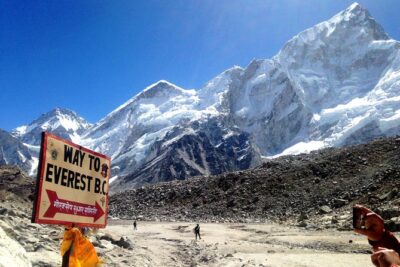
Then comes Everest Base Camp itself. This is where you’ll likely feel the most “serious walking” on the route. The stretch from Gorakshep to Base Camp and back is about 6 to 7 hours over uneven ground. That’s not a casual stroll. It’s the kind of trek day where your pace matters, your footing matters, and taking photos doesn’t mean stopping for long.
When you arrive, the view of the Khumbu Glacier and the famous Icefall is the moment that turns the trek from effort into meaning. You may also meet climbers traveling toward their attempts, which adds a real sense of the expedition world even though you’re not climbing the mountain yourself.
Then you return to Gorakshep for overnight—again, back on rocky terrain. The upside is you get another night near the Base Camp area, so Day 10 sunrise becomes possible.
Kalapatthar sunrise and the long descent loop
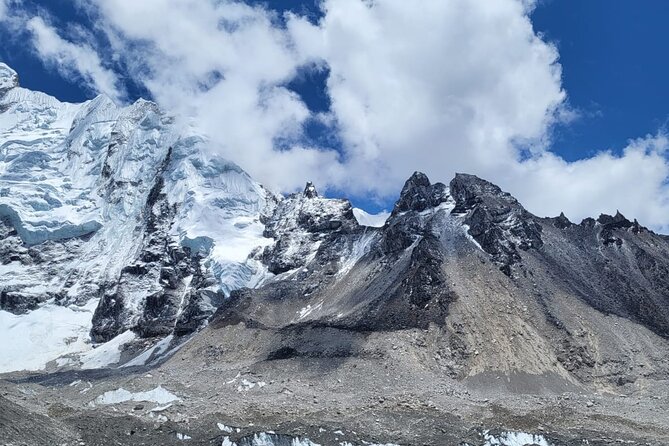
Day 10 is a two-part win: sunrise and a viewpoint that feels as close as you’ll get without climbing Everest. You’ll rise before dawn for sunrise over Mount Everest from Kalapatthar. Nuptse, Changtse, and Lhotse light up with the first rays too.
Kalapatthar isn’t just about getting a view. It’s about doing it at the hardest-coldest time of day, when your body is still waking up and your breath feels tight. But that’s also what makes the experience feel earned.
After taking in the sunrise, you’ll hike down to Gorakshep for breakfast and continue on to Pheriche. There’s also an optional extension: if the group still has energy, you can walk on to Panboche and overnight there. In mountain trekking terms, that means you’re not locked into one rigid outcome if everyone’s feeling okay.
Day 11 turns mostly downhill: Pheriche down to Tengboche and Namche Bazaar for overnight. This is one of those days where your legs may feel lighter, but your knees and balance still need attention. The trail keeps you busy even when the altitude is dropping.
Day 12 brings you back to Lukla. You cross the Hillary Suspension Bridge again, and the region feels less like a worksite and more like a place you’re saying goodbye to. There’s even a traditional group farewell party when you reach Lukla in the afternoon.
Food and teahouses: what your days include (and what they don’t)
Your pace is built around roughly 5 hours of trekking daily, with some days stretching to 7 or 8. That’s consistent enough that you can settle into a routine. You’ll sleep in teahouses for 11 nights, which is a big part of why this trek is doable for people without technical climbing experience.
Meals included are breakfast, lunch, and dinner for 12 days, plus Kathmandu hotel nights (2 nights). What’s not included is lunch and dinner in Kathmandu. That’s normal for trek operators, but you should budget for those specific meals when you’re in the city.
Practically, this meal structure helps you: you’re not constantly deciding where to eat and how much to pay, and you can focus on hydration and pacing. The teahouse setup is also part of the cultural experience—you’ll see how trekkers and locals share the same basic rhythm at altitude.
The value math: what $1,600 buys you here
At $1,600 per person, the key question is what’s included that would otherwise cost you time or money. This package covers:
- Kathmandu to Lukla and back flights
- Local transfers for international flights (arrival and departure) and for domestic flight positioning
- Sagarmatha National Park entry plus local permits
- Guide for 12 days and porter for 11 days
- 2 nights in Kathmandu (hotel) and 11 nights in mountain teahouses
- Meals for the trekking days
- Staff insurance and ground transport for support staff
In plain terms, you’re paying for the scaffolding: permits, people, and the day-to-day plan. That’s a good use of your budget because at Everest Base Camp, the hardest part isn’t just hiking—it’s staying organized while the weather and flights play by their own rules.
Also, small-group trekking matters. With a maximum of 8 travelers, coordination is easier than with huge groups. That tends to make acclimatization talks, pace adjustments, and basic logistics feel smoother.
About the human side: Magical Nepal’s teams include guides like KP, Dil Man, Jay, Narayan, and Pemba Sherpa in past treks, with the owner Pradeep showing up in planning and support roles. I like that this operation clearly treats guiding as a craft, not just a job. You’ll feel it most in how the itinerary handles rest days and how calmly the plan adapts when mountain reality interrupts schedules.
Who should do this trek (and who should think twice)
This trek is for people with strong physical fitness. Most days are steady uphill/downhill trekking, and some days run 7 to 8 hours. Also, the Gorakshep/Base Camp day involves serious walking over rocky glacier-debris ground.
You should also be comfortable with altitude and the idea that conditions matter. The route is set up with acclimatization stops in Namche and Dingboche, which is a big positive for responsible pacing. Still, high altitude is high altitude.
Best fit:
- You want a classic Everest Base Camp experience without technical climbing
- You like structured days with rest built in
- You’re okay with long walking hours and basic teahouse comfort
Think twice if:
- You hate early mornings (Kalapatthar sunrise starts before dawn)
- You’re unwilling to accept flight and weather uncertainty in the Everest region
- You’re not ready for steep, rocky footing on at least one of the core days
Should you book this 14-day Everest Base Camp trek with Magical Nepal?
If you’re looking for the classic Everest Base Camp route with solid planning, this is an easy choice to consider. You get the right ingredients: Lukla access, Namche and Dingboche acclimatization days, Tengboche’s Sherpa monastery visit, and the Kalapatthar sunrise moment that makes the whole trek feel real.
I’d book it if you value organization and want your money to cover the essentials—guide, permits, teahouse nights, and most meals—without adding a bunch of extra decisions in the mountains. The small group size is another plus, because it helps the trip feel human.
I’d pause and ask questions first if you’re very sensitive to flight timing changes or you’re planning a tight schedule around return travel. This trek is amazing, but Everest logistics are not 9-to-5 simple. If you can handle that, you’ll be rewarded.
FAQ
What’s the trek length and overall duration?
The trek runs about 14 days (approx.). It includes time in Kathmandu, the Lukla flight days, and 11 nights in mountain teahouses.
How big is the group?
The tour has a maximum of 8 travelers.
Where do you start and end?
You start at Tribhuvan Airport in Kathmandu and end back in Kathmandu.
What’s included in the price?
The price includes local transfers in Kathmandu (for international flights), local transfers for domestic flights, the Kathmandu–Lukla–Kathmandu flights, Sagarmatha National Park entry and local permits, a guide for 12 days, a porter for 11 days, hotel nights in Kathmandu (2 nights), teahouse nights on the trek (11 nights), and breakfast/lunch/dinner provided for 12 days. It also includes staff insurance and ground transport for support staff.
What if Lukla flights shift to Ramechhap?
At certain times, Lukla flights may depart and return to Ramechhap instead of Kathmandu. That can mean leaving Kathmandu around 2 am for a drive of about 4 hours. The return drive to Kathmandu can be 4 to 6 hours depending on traffic.
How much will I hike each day?
You can expect about 5 hours of trekking daily, with some days lasting 7 to 8 hours. The route includes longer, more challenging sections near the Base Camp approach.
Do you have acclimatization days?
Yes. There’s an acclimatization day in Namche Bazaar (including an optional hike to Everest View Point) and another acclimatization day in Dingboche (with options to explore nearby valleys).
What happens if weather cancels the trek?
This experience requires good weather. If it’s canceled due to poor weather, you’ll be offered a different date or a full refund.
More Trekking Out of Kathmandu
More Tour Reviews in Kathmandu
Just Reviewed in Kathmandu
- Mountain Bike Tour
★ 5.0 · 3 reviews - Annapurna Panaroma
★ 5.0 · 3 reviews - Mount Everest Scenic Flight 50 Minutes
★ 5.0 · 3 reviews - Kathmandu : Swambhunath & Durbar Square Guided Half Day Tour
★ 3.3 · 3 reviews - Chandragiri Cable Car & Monkey Temple Tour – Private/Group
★ 5.0 · 3 reviews - Kathmandu: Shivapuri National Park Hiking Day Trip
★ 3.3 · 3 reviews
Everest Base Camp Treks, compared.
 ★ 5.0Everest Base Camp Trek – 14 DaysFrom $1,8001,499 reviews
 ★ 5.0Everest Base Camp TrekFrom $1,790842 reviews
 ★ 5.0Everest Base Camp TrekkingFrom $1,350485 reviews
 ★ 5.0Everest Base Camp Trekking – 13 DayFrom $1,399365 reviews
★ 5.0Everest Base Camp TrekFrom $1,445350 reviews
★ 5.0Everest Base Camp Trek -14 DaysFrom $1,420321 reviews
★ 5.0Everest Base Camp Trekking – 13 DayFrom $1,399365 reviews
★ 5.0Everest Base Camp TrekFrom $1,445350 reviews
★ 5.0Everest Base Camp Trek -14 DaysFrom $1,420321 reviews
 ★ 5.012 Days Everest Base Camp TrekFrom $1,099289 reviews
 ★ 5.0Everest Base Camp Trekking – 2025/2026From $1,339199 reviews
Browse the lists this tour appears in