
Review · EVEREST BASE CAMP TREKS
14 Days Everest Base Camp Trek
Everest Base Camp is one of those trips that sticks.
This 14-day walk strings together classic Khumbu towns, Sherpa village life, and the payoff of Kalapather sunrise above the glacier. I like how the program is structured around real acclimatization days, not just powering uphill. I also like that you get a lot of support baked in, including a licensed guide, porters, and a medical kit.
The main thing to consider is the altitude. Even with smart pacing, you can still feel rough, and weather delays can happen on the way to and from Lukla.
In This Review
- Key highlights I kept noticing
- Why This Everest Base Camp Trek Feels So Grounded in the Khumbu
- Price and value: what $1,680 covers (and what it doesn’t)
- Starting in Kathmandu: pickup, arrival flow, and first-night sanity
- The Lukla flight and the first trek day: acclimation by walking
- Namche Bazaar: bridges over the Dudhkoshi and the first big altitude lesson
- Tyangboche and Dingboche: Everest views meet real Sherpa village rhythm
- The Dingboche hill hike you’re glad you did: Nangkartshang at ~5000 m
- Thukla Pass and Lobuche: a high-route day with monuments
- Gorekshep to Everest Base Camp: the day your brain finally believes it
- Kalapather sunrise: your closest Everest viewpoint moment
- Downhill to Namche: Phortse Tangha lunch and a taste of normal life
- Lukla return day: 7 hours that end in relief
- Kathmandu again: full rest day to reset your body
- Guides and care: why the human support seems to matter most
- What to pack and how to think about altitude (without stress-math)
- Should you book this Everest Base Camp trek with Magic Himalaya?
- FAQ
- How long is the Everest Base Camp trek?
- Where does the trek take place?
- What is the meeting or start time?
- Do they provide pickup in Kathmandu?
- Are the Kathmandu to Lukla flights included?
- What meals are included in the price?
- What fees are included?
- Are tips included?
- Is travel insurance included?
- What happens if weather is poor or the trek can’t run?
Key highlights I kept noticing
- Kathmandu meet-and-greet plus private airport transfers so you’re not guessing on arrival or departure
- Kathmandu to Lukla flight round tickets included for both guide and clients
- Acclimatization built into the schedule (Namche rest-day walk, then a hill hike from Dingboche)
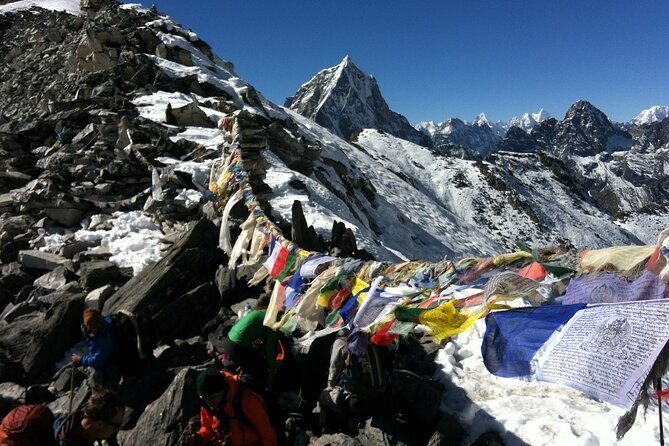
- Kalapather (5450 m) sunrise viewpoint for a closer-feeling Everest view
- Everest Base Camp at 5463 m with the reality that the base area can shift each year
- Strong guide support in past trips, including named staff like Nabin, Santaji, and Shantas
More trails out of Kathmandu, boots ready
- Everest Base Camp Trek – 14 Days★ 5.0 · 1,499 reviews
- Everest Base Camp Trek★ 5.0 · 842 reviews
- Everest Base Camp Trekking★ 5.0 · 485 reviews
- Nagarkot Sunrise View and Day Hiking from Kathmandu★ 5.0 · 471 reviews
Why This Everest Base Camp Trek Feels So Grounded in the Khumbu
The Khumbu region doesn’t treat this trek like a checklist. You’ll spend time in places that are lived-in year-round, and you’ll walk the same human routes that Sherpa families use for seasons of work and school, not just for tourists.
I like the way the altitude game is handled. You get rest days that are still active, like the walk options around Namche and the hill hike around Dingboche. That matters because Everest isn’t a matter of willpower. It’s a matter of how your body adapts.
You also get a very specific “Everest view” sequence. Base Camp itself sits around 5463 m, and then you go to Kalapather at 5450 m for one of the closest viewpoints many people build their memories around.
One more detail I’d call out: the base camp area changes as glaciers shift. So even if you’ve studied photos, you’ll still be walking into a living, moving place.
Price and value: what $1,680 covers (and what it doesn’t)
At $1,680 per person, this trek prices at the “do the logistics for you” end of the market. For me, the value comes from what’s included, not from the number alone.
What’s included here is substantial:
- Government fees (Khumbu Municipality charges and Sagarmatha National Park entrance fee) plus taxes
- A licensed guide, plus porters and their salary/expenses
- A medical kit box and required medicine
- Air-conditioned vehicle transport in Kathmandu
- Round-trip domestic flights for guide and clients between Kathmandu and Lukla
- Airport pickup and drop on private transportation
- Meals across the trek: breakfast (13), lunch (11), dinner (13)
What’s not included can change your final budget:
- Tips for guide and porters (called out as compulsory)
- Your personal expenses, plus drinks at the tea houses
- Rescue operation costs in an emergency
- Extra items if you want more than the included meal basics
- Nepal entry visa fee, plus travel insurance
- Your international flights and any departure tax
My practical advice: if you’re already paying for flights, insurance, and park/permit access elsewhere, this package looks more like a real bundle than a “tour only” price tag. The biggest add-on risk tends to be tips and drinks, not the trek itself.
Also, this is a private group experience. That usually means fewer “nobody can hear the guide” moments and more flexibility in how the group moves.
Starting in Kathmandu: pickup, arrival flow, and first-night sanity
Your trek begins in Kathmandu. After you arrive at Tribhuvan International Airport, you’re greeted by a Magic Himalaya representative connected to your booking.
Timing matters. The start time is listed as 12:45 pm, so build your day around that rather than trying to jam in extra plans right after landing.
If you’re arriving internationally, this first day is about getting your paperwork done and setting expectations for tomorrow’s Lukla flight. Kathmandu is loud and busy, but you don’t need to “experience the city” to have a good trek. You just need one calm night, good sleep, and a clear plan.
The Lukla flight and the first trek day: acclimation by walking
Day 2 starts with a domestic flight from Kathmandu to Lukla. You’ll be taken to the domestic terminal, then you’ll meet porters and your trekking guide. That’s a key workflow detail: you’re not arriving and fumbling with logistics while your heart rate is already climbing.
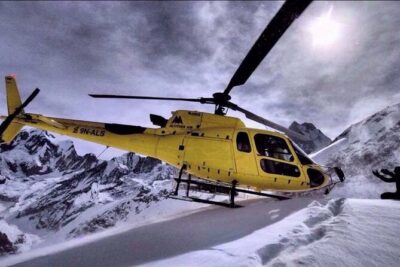
Lukla is known for tricky flying conditions, and the trek description calls it one of the world’s most dangerous airports. Translation for your brain: take it seriously, don’t try to multitask, and expect schedule shifts if weather plays games.
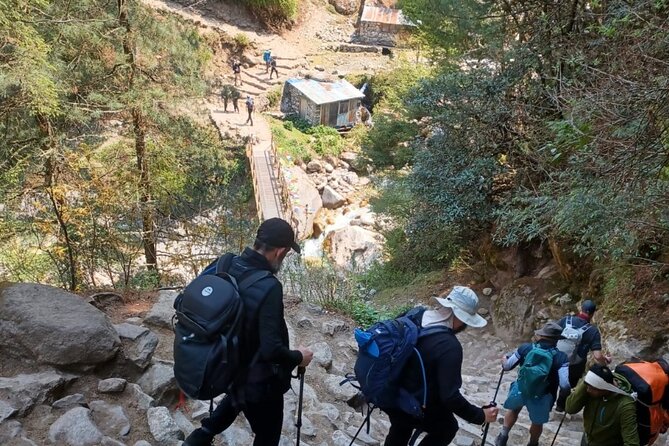
After landing, you start walking. Early days like this are about getting your legs used to the rhythm: steady pace, frequent breaks, and warm layers that you can add or remove fast. The goal isn’t to feel strong. It’s to move without spiking exhaustion.


Namche Bazaar: bridges over the Dudhkoshi and the first big altitude lesson
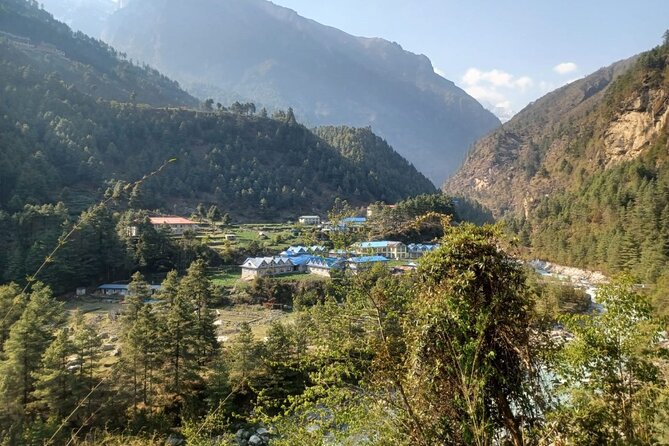
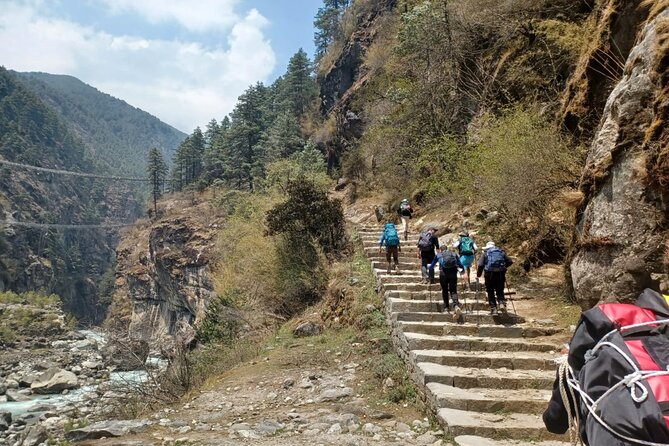
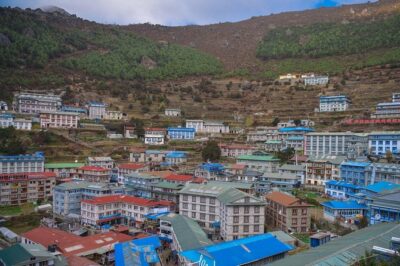
Namche Bazaar is the classic gateway into higher Khumbu. You’ll reach it by trekking along the Dudhkoshi River, crossing suspension bridges multiple times. It’s scenic, yes, but it’s also physical. Bridge crossings mean balance work and constant stop-and-go attention.
You’ll have lunch in Jorsella village and then keep moving toward Namche.
Then comes a rest day that’s not really a “do nothing” day. Instead, you’ll acclimatize by walking to viewpoints. The options include Syangboche viewpoint or the Everest View Hotel area.
This is where good planning shows. You gain altitude, then you test your breathing without turning it into a race. That’s how you reduce the odds of getting hit hard later on.
Tyangboche and Dingboche: Everest views meet real Sherpa village rhythm
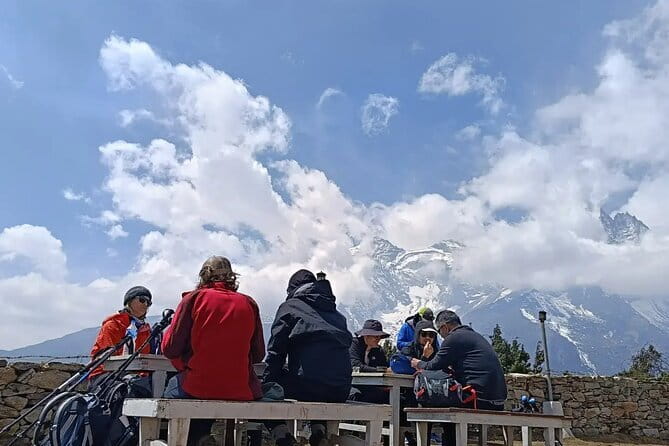
Day 5 treks toward Tyangboche and it’s described as a strong “walk facing Everest.” This is one of the days you’ll want to pause more than you think. When views open up, it’s tempting to just keep moving. But if you’re reading this, you probably want the photos and the sense of scale, and you’ll get more of both by building in small stops.
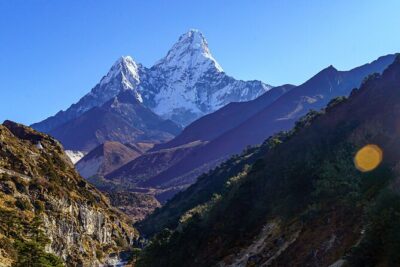
You’ll also see big-name peaks along the way, including Ama Dablam and several others like Thamserku and Taboche.
Then Day 6 moves to Dingboche, with a shorter hiking day (about 4 hours). You pass through Pangboche and Sanasa on the route. This “shorter” day still matters because it supports acclimatization and gives you time to eat well and settle in.
The Dingboche area is known for views of Ama Dablam, and your body will start to feel the altitude more clearly here. That’s normal. What you want is steady movement, hydration, and not forcing anything when your appetite drops.
The Dingboche hill hike you’re glad you did: Nangkartshang at ~5000 m
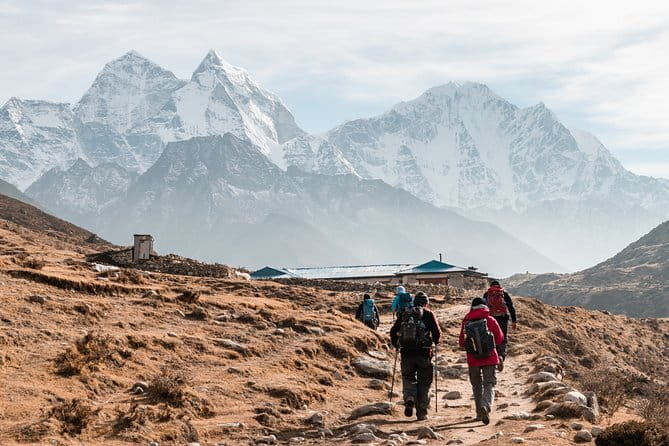
Day 7 is the second rest day, and this is the one many trekkers remember because it feels like a rest day until it isn’t. You hike to Nangkartshang hill around 5000 m, aiming for excellent views over the Imja Tse valley and peaks like Island Peak.
You’re not climbing to exhaustion. You’re climbing to teach your body how higher air behaves.
I also like the mental side of this day. If you’ve been worrying about altitude, this kind of hike can flip your mood from anxiety to competence. Even if you don’t feel amazing, you’re still learning how to manage effort.
Thukla Pass and Lobuche: a high-route day with monuments
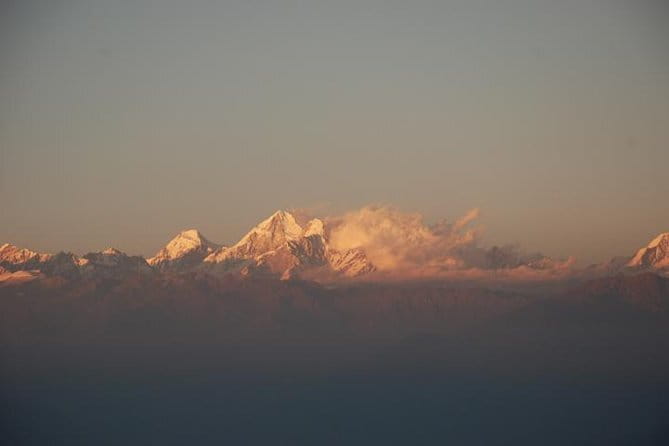
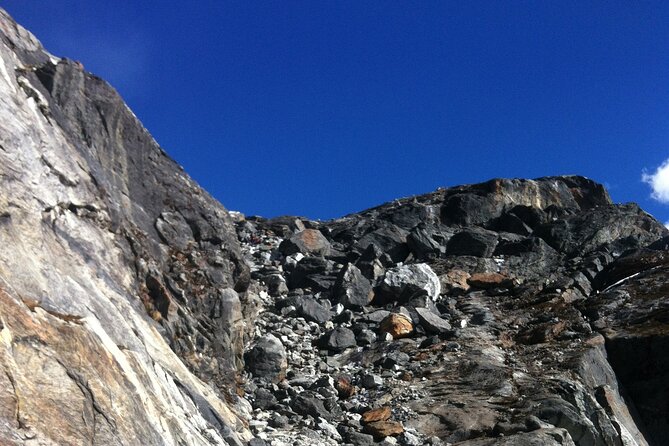
Day 8 is a trek toward Lobuche via Thukla and Thukla Pass. On this route, you can see monuments created by famous climbers. That detail gives the day emotional weight without turning it into a lecture.
Lunch is at Laubecha, then you continue and overnight in Lobuche. By now, the air tends to feel sharper, and the walks often feel longer, even when the hours aren’t huge. Keep your steps small and consistent.
Gorekshep to Everest Base Camp: the day your brain finally believes it
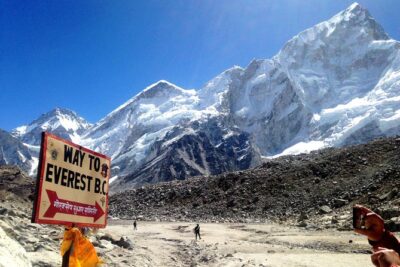
Day 9 is one of the longer days. You walk toward Gorekshep, stopping for a light lunch when you reach there. After that, it’s a walk of about two hours onward to Everest Base Camp.
This is where the trek becomes more than scenery. You’ll see the base camp area at roughly 5463 m. And remember the note that base camp shifts each year because glaciers move. So you’re not visiting a museum set. You’re arriving at a dynamic staging area shaped by ice.
Base Camp doesn’t feel like Hollywood. It feels cold, windy, and real. And that’s why it’s satisfying.
Kalapather sunrise: your closest Everest viewpoint moment
Day 10 starts early. You hike to Kalapather for a sunrise view, then return to Gorekshep for breakfast. You’ll have tea on the way up, and you’ll take time for pictures before coming back down.
Kalapather sits at 5450 m, and it’s often described as offering one of the closest and most popular views of Everest. This viewpoint is valuable because it gives you that big “there it is” moment. It’s not only about distance. It’s about angle, light, and the way clouds clear.
If you’re sensitive to cold, pack your patience. Sunrise mornings at altitude can feel brutally crisp even when the rest of the day is better.
Downhill to Namche: Phortse Tangha lunch and a taste of normal life
Day 11 brings a descent toward Namche Bazaar, passing Pangboche and Tengboche. Lunch is at Phortse Tangha.
When you reach Namche, the plan mentions time to enjoy the bar and pubs. That part is optional, but it’s a nice reminder that you’re dropping from a high-altitude world into a town. Food and conversation often taste better on the way down, even if your legs feel a bit battered.
Lukla return day: 7 hours that end in relief
Day 12 is your final trekking day. You walk about 7 hours from Namche Bazaar to Lukla, with lunch in Phakding along the way.
The description also points to celebrating and making porters happy on your last day. I love that detail because porters are doing serious work, and it’s easy to forget that when you’re focused on your own breathing.
This is usually the day when you can tell who has been practicing steady pace and who saved energy for an imaginary sprint. Either way, you’ll probably feel proud at the end.
Kathmandu again: full rest day to reset your body
Day 13 returns you to Kathmandu. Early after breakfast, you go to the airport depending on flight timing, then a driver transfers you to your hotel for a full rest day. Breakfast is provided here too.
This day matters more than people think. Trekking changes your sleeping, your hydration, and your appetite. A real break in Kathmandu lets you recover without immediately jumping into sightseeing.
Day 14 is your final departure day. You’ll fly home, and the plan includes breakfast.
Guides and care: why the human support seems to matter most
The strongest theme in the feedback you shared is not just “good scenery.” It’s the tone of the support.
People praised Magic Himalaya guides for being professional and for gentle encouragement when needed. Names that show up in the comments include Nabin, Santaji, and Shantas. That matters because you’re not just hiring a map-holder. You’re hiring decision support and pacing support.
One review also mentioned altitude sickness changing the outcome, with the traveler not reaching Everest Base Camp that time. The important part is that the company support was still there. That’s a good reminder: on Everest, flexibility is part of safety, not failure.
What to pack and how to think about altitude (without stress-math)
You should arrive with a strong physical fitness base because this trek is not “easy hiking.” The plan explicitly says strong fitness is needed.
For altitude, think in terms of behavior, not bravery:
- Move slowly when you’re tempted to “keep up”
- Eat what you can, even if it’s not exciting
- Hydrate consistently, and don’t wait until you’re thirsty
- Treat headaches, nausea, and unusual fatigue seriously
Also plan for cold mornings. Even when days are sunny, dawn can cut right through layers.
And because tips are compulsory, budget for them. It’s better to decide the amount early than to scramble while you’re tired and focused on the next step.
Should you book this Everest Base Camp trek with Magic Himalaya?
I’d book it if you want a well-run, logistics-heavy trek that gives you real acclimatization days and clear Everest payoff stops. The combination of included flights between Kathmandu and Lukla, meals during the trek, guide and porter support, and covered park/government fees makes it feel like you’re paying for a system that reduces stress.
I’d think twice if you’re worried about altitude or you don’t have the fitness base for long days at high elevation. This trek can be hard, and weather can affect your Lukla schedule.
If you want the best odds of a smooth experience, go in ready for patience: slow pace, early mornings, and respecting how your body responds. If you do that, you’ll likely come away with the kind of memory you can’t fake.
FAQ
How long is the Everest Base Camp trek?
It’s listed as approximately 14 days.
Where does the trek take place?
The trek is based in Nepal, starting in Kathmandu and trekking through the Everest region.
What is the meeting or start time?
The start time is listed as 12:45 pm.
Do they provide pickup in Kathmandu?
Yes. Airport pickup and drop are included, and pickup is offered.
Are the Kathmandu to Lukla flights included?
Yes. Round tickets for guide and clients between Kathmandu and Lukla are included.
What meals are included in the price?
Breakfast is included for 13 days, lunch for 11 days, and dinner for 13 days.
What fees are included?
Government fees are included, including Khumbu Municipality charges and Sagarmatha National Park entrance fee, plus related taxes and VAT.
Are tips included?
No. Tips for the guide and porters are listed as compulsory.
Is travel insurance included?
No. Travel insurance is not included.
What happens if weather is poor or the trek can’t run?
This experience requires good weather. If it’s canceled due to poor weather, you’ll be offered a different date or a full refund.
More Trekking Out of Kathmandu






More Tour Reviews in Kathmandu




Just Reviewed in Kathmandu
- Mountain Bike Tour
★ 5.0 · 3 reviews - Annapurna Panaroma
★ 5.0 · 3 reviews - Mount Everest Scenic Flight 50 Minutes
★ 5.0 · 3 reviews - Kathmandu : Swambhunath & Durbar Square Guided Half Day Tour
★ 3.3 · 3 reviews - Chandragiri Cable Car & Monkey Temple Tour – Private/Group
★ 5.0 · 3 reviews - Kathmandu: Shivapuri National Park Hiking Day Trip
★ 3.3 · 3 reviews
Everest Base Camp Treks, compared.
 ★ 5.0Everest Base Camp Trek – 14 DaysFrom $1,8001,499 reviews
 ★ 5.0Everest Base Camp TrekFrom $1,790842 reviews
 ★ 5.0Everest Base Camp TrekkingFrom $1,350485 reviews
 ★ 5.0Everest Base Camp Trekking – 13 DayFrom $1,399365 reviews
★ 5.0Everest Base Camp TrekFrom $1,445350 reviews
★ 5.0Everest Base Camp Trek -14 DaysFrom $1,420321 reviews
 ★ 5.012 Days Everest Base Camp TrekFrom $1,099289 reviews
 ★ 5.0Everest Base Camp Trekking – 2025/2026From $1,339199 reviews
Browse the lists this tour appears in