
Review · EVEREST BASE CAMP TREKS
14 Days Everest Base Camp Trek
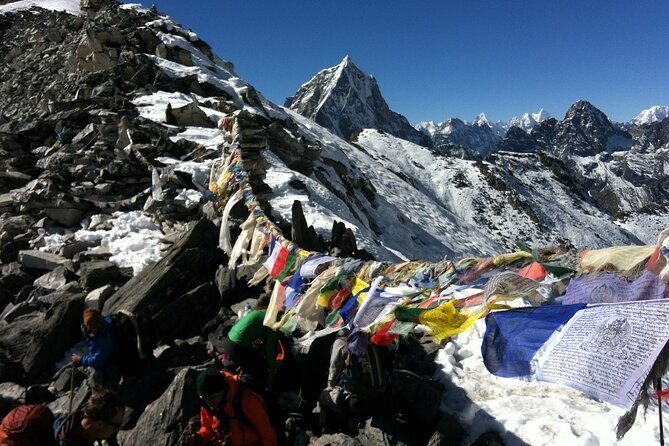
Everest Base Camp feels close, even from 5,365 meters. This 14-day trek strings together iconic Khumbu villages, classic Buddhist sights, and some real high-altitude effort without making things complicated. I like the all-inclusive structure because it keeps your focus on breathing, walking, and those mountain views.
I also like the built-in pacing: you get a full Namche rest day, plus planned climbs for acclimatization before the big glacier day. That balance is exactly what you want at elevation, especially when weather can change plans fast.
One possible drawback: flights to Lukla are weather-dependent, so you’ll want flexibility in your schedule and peace of mind about delays.
In This Review
- Key points worth your attention
- From Kathmandu to Lukla: the mountain flight that sets the tone
- Phakding to Namche Bazaar: Sherpa trails and the climb that teaches you pacing
- Namche rest day with the Sherpa Museum and Everest view points
- Tengboche Gompa: monastery views at 3,860 meters
- Dingboche and Nangkartseng Hill: acclimatization with panoramic payoff
- Lobuche and the Khumbu Glacier to Everest Base Camp
- Kala Patthar at sunrise and the drop toward Pheriche
- Back to Lukla: suspension bridges, rhododendron forests, and celebration
- Price and logistics: what $1,499 buys you in real trekking value
- Guides, teahouses, and what the trekking support feels like
- Altitude reality and how to prepare without overcomplicating it
- Who should book this Everest Base Camp trek (and who should pause)
- Should you book this 14 Days Everest Base Camp trek with Chamlang Expeditions?
- FAQ
- How do airport and hotel transfers work?
- Are flights included for Lukla and back?
- What meals are included?
- Do I need a Nepal visa?
- Is a porter included, and how much can they carry?
- Is there any safety or medical support included?
Key points worth your attention
- Lukla round-trip flights included so you don’t need to wrestle with transport logistics
- Guide + porter (up to 15 kg) helps you trek lighter and move with less stress
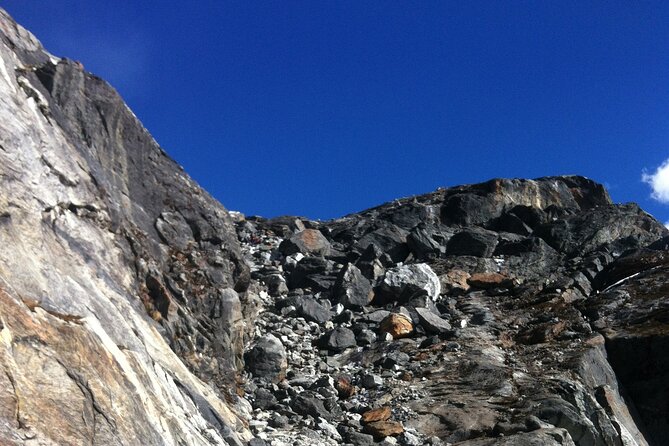
- Acclimatization days built in (including a rest day in Namche and climbs around 3,700–4,200 m)
- Everest Base Camp without mountaineering gear—a true trek approach to the 5,365 m milestone
- Safety extras included: oxygen cylinder, emergency medicine, and first-aid kit
- Most meals covered plus a high-altitude sub-zero sleeping bag for cold nights
More trails out of Kathmandu, boots ready
- Everest Base Camp Trek – 14 Days★ 5.0 · 1,499 reviews
- Everest Base Camp Trek★ 5.0 · 842 reviews
- Everest Base Camp Trekking★ 5.0 · 485 reviews
- Nagarkot Sunrise View and Day Hiking from Kathmandu★ 5.0 · 471 reviews
From Kathmandu to Lukla: the mountain flight that sets the tone
Your trip starts in Kathmandu with a pickup arranged from Tribhuvan International Airport. You’ll be transferred by private vehicle to a triple or double-sharing hotel in the city for the first night, which is a practical way to avoid the hassle of finding your way on day one.
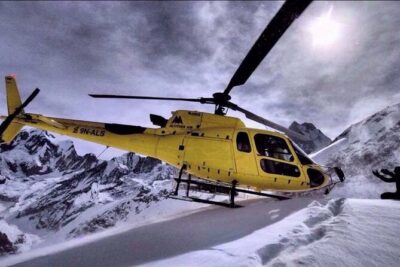
Day 2 is when the adventure really turns into Everest mode: you fly from Tribhuvan to Lukla. The flight is known for being dramatic—think short runway, big drops, and quick changes in weather. After you land, you begin trekking right away, walking to Cheplung village for panoramic views of Mt. Khumbila, then continuing to Phakding for an overnight at a guesthouse.
Phakding is a smart first base for settling in. It sits at a lower altitude than the big Sherpa centers, so your legs can learn the rhythm before the longer climbs. And you’ll eat well: breakfast, lunch, and dinner are included during these guesthouse nights.
What to watch for: even on “easy” trekking days, your breath may feel different after flying. Keep your pace slow for the first couple of hours, even if you feel fine.
Phakding to Namche Bazaar: Sherpa trails and the climb that teaches you pacing
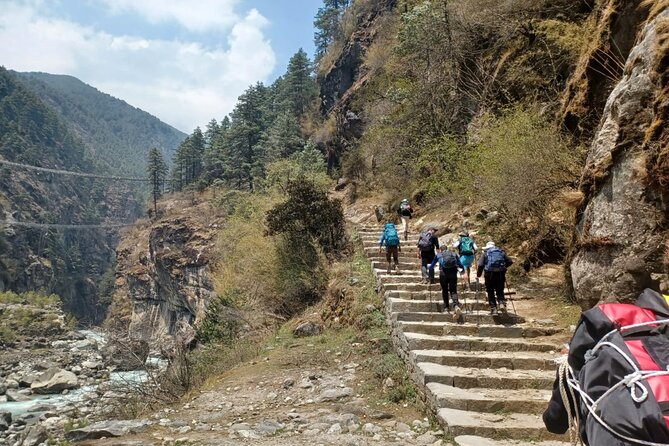
From Phakding, you head toward Namche Bazaar on a day that mixes forests, stone prayer traditions, and bridge crossings. The route passes through Sagarmatha National Park along the way, with suspension bridges and stretches through pine and cedar alpine forest. You’ll also see old Mani stone walls carved with prayers—simple objects, but they give the whole trek a strong sense of place.
The last part of the day is the effort. You’ll climb up to Namche Bazaar, the Everest region’s Sherpa hub and a former trading rendezvous point for Nepali and Tibetan merchants. That matters because Namche isn’t just a sightseeing stop; it’s a living place with culture you’ll notice immediately in the way people move through daily life.
You’ll sleep in a trekking teahouse in Namche for the night. This is a good time to slow down your expectations: you’re not trying to “race” the mountain. You’re learning how your body handles altitude while still enjoying the trail.
Small but important detail: trails in this area can be muddy or slippery. Trekking poles can make a big difference on the climbs and descents, even when the distance looks manageable.
Namche rest day with the Sherpa Museum and Everest view points
Day 4 is a proper rest day, and I’m glad it’s here. You’ll spend time in Namche, then take a short excursion up toward Syangboche Airport at about 3,700 meters. The goal is acclimatization without overdoing it—exactly the kind of “go a little, then stop” strategy that helps at altitude.
This is also when you get cultural breaks that don’t feel like chores. You’ll have time around an Everest Photo Gallery and the Sherpa Culture Museum, plus a chance to take in views of Everest when the weather cooperates. These spots are useful because they help you connect the trek’s big goal with the real people who live around it.
Then it’s back to the guesthouse for breakfast, lunch, and dinner. A planned full day off reduces the odds of pushing too hard while you’re still adjusting.
If you hate downtime: consider this rest day as part of the itinerary’s “training.” Resting here improves your odds on later days when the trekking gets longer and colder.
Tengboche Gompa: monastery views at 3,860 meters
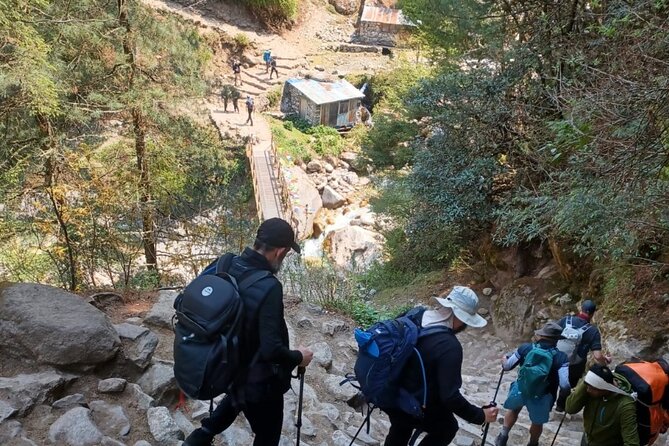
Day 5 takes you into the Dudh-Koshi valley route and to Tengboche. You’ll start with breakfast, then trek through Phungki-Thanka toward Tengboche Gompa, sitting around 3,860 meters.
Tengboche Monastery is surrounded by major peaks—Everest, Ama Dablam, and others—and it’s one of those places where you understand why religion and mountain life are so tightly linked in the Khumbu. Even if you’re not religious, it gives you a calm, focused pause amid the physical grind of high-altitude hiking.
You’ll spend the night in a guesthouse with all meals included. This is also a good moment to check your gear and clothing choices for colder nights. Temperatures drop fast in the Everest region after dark.
Practical thought: if you’re carrying a phone or camera, keep batteries warm. Cold drains power quickly at these elevations.


Dingboche and Nangkartseng Hill: acclimatization with panoramic payoff
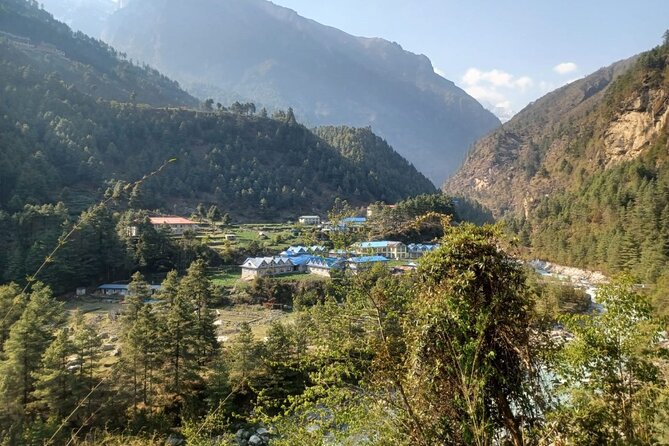
Day 6 brings you to Dingboche via Debouche, the Imja Khola valley route, and then up toward Pangboche before reaching the “Summer Valley” of Dingboche. Along this walk you’ll see plenty of Mani stones and mountain views opening up wide as the trail climbs.
Dingboche is where the trek starts to feel noticeably high. The views are a big part of that—Lhotse, Ama Dablam, and Island Peak are often visible from the region. You’ll sleep in a guesthouse here with breakfast, lunch, and dinner.
Day 7 adds a planned hiking excursion to Nangkartseng Hill (about 5 hours). This climb is about perspective: you can look across a spread of peaks including Lobuche East, Lobuche West, Kangtega, Taboche Peak, Thamserku, and Ama Dablam. If conditions are right, you might even catch sight of Makalu.
After the climb, you’ll have time to relax—one included suggestion is taking a sunbath to ease the stress of hiking. That’s not just comfort. Light warmth can help you recover when the temperature is dropping again.
Why this works: you’re training your body for the harder days without going straight from Namche to the highest effort. It’s the kind of staged approach that keeps people safer and happier.
Lobuche and the Khumbu Glacier to Everest Base Camp
Day 8 goes from Dingboche to Lobuche. It’s a solid walking day—about 5 hours—crossing a small lunch town called Thukla and heading toward the Khumbu Glacier. You’ll pass prayer flags around chortens and Mani stones, and you’ll get big views of Nuptse, Pumori, and Mahanlangur Himal.
After arriving in Lobuche, you’ll check into your guesthouse for the night with meals included. This section starts to feel more “exposed,” and cold can hit harder. Keep your layers ready and think ahead for windy moments.
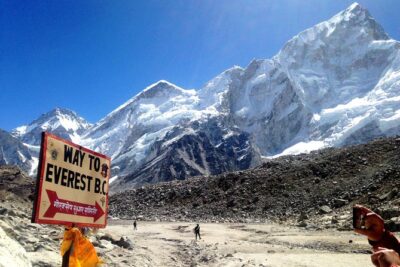
Day 9 is the major day: trekking along the Khumbu Glacier up to Everest Base Camp at 5,365 meters. This is one of the closest experiences you can have to Everest without mountaineering equipment. In spring, you may see expedition teams preparing for summit attempts, which adds energy to the moment.
The big payoff is the view from Base Camp, especially the Khumbu Icefall. Then you’ll return back to Gorak Shep for the night. That back-and-forth is tough, but it also makes the effort feel real—like you earned the view.
What to know before you go: glacier days can be uneven. Footwear with solid grip matters. Also, slow down on any “downhill” stretches that feel deceptively quick—your footing at altitude is not the same as at sea level.
Kala Patthar at sunrise and the drop toward Pheriche
Day 10 focuses on Kala Patthar, the viewpoint many people aim for to see Everest and nearby giants like Nuptse, Chagatse, Lhotse, and Pumori. It’s a cardinal day for the visuals, but it’s also physically demanding. You’ll hike up, then head back to Gorakshep before continuing down toward Pheriche at around 4,210 meters.
This is where the trek shifts from “climb for views” to “climb, then recover.” The descent helps your body adjust, and the change in altitude can make breathing feel easier compared to the highest sections.
Day 11 keeps you moving but in a gentler direction overall: you descend toward Pangboche, pass via Phungki Thanka along the Imja River, and then return to Namche Bazaar through the Kyangjuma way. You’ll overnight in Namche again at a guesthouse with breakfast, lunch, and dinner.
Tip that saves you later: keep your daypack organized. When you’re tired, it’s easy to dig for gloves, snacks, or water at the worst time.
Back to Lukla: suspension bridges, rhododendron forests, and celebration
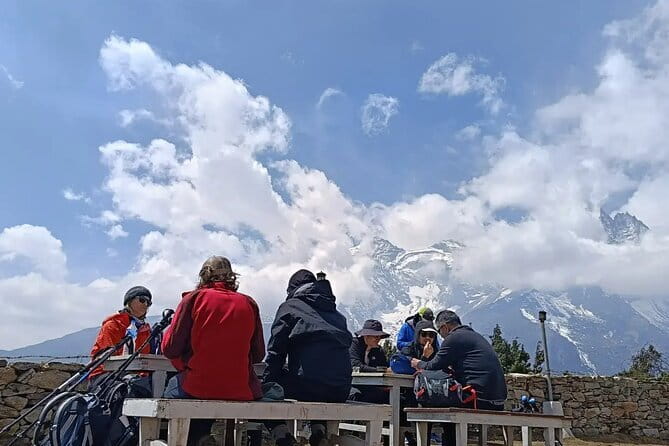
Day 12 brings you from the higher Sherpa areas back down toward Lukla. You’ll walk along steps crossing suspension bridges above the DudhKoshi and enjoy views of the plains, rhododendron forests, and snow-covered peaks.
The end of the trek is not just a logistical finish—it’s emotional. One nice touch is that the trip can include a celebration for the success of the journey. Then you sleep in a guesthouse in Lukla with breakfast, lunch, and dinner.
Day 13 is the scenic flight back to Kathmandu. It’s about 35 minutes in the air, and it’s a great chance to take a last look at the mountains before returning to city life. You’ll be dropped at your booked hotel, then transferred back to your starting hotel.
Day 14 ends the experience with a final airport transfer from Kathmandu to Tribhuvan International Airport for your departure.
This is the moment to plan your arrival buffer: schedule your Kathmandu flight so you have time to decompress after walking days.
Price and logistics: what $1,499 buys you in real trekking value
At $1,499 per person, this trek is priced like a fully supported expedition-lite: the big-ticket logistics are handled, and you’re mainly paying for a guided plan and support at altitude.
Here’s what’s included that usually costs time or money when you do it on your own:
- Airport/hotel transfers in private vehicle in Kathmandu
- Hotels in Kathmandu (triple or double-sharing) for Day 1 and Day 13
- Teahouse accommodation throughout the trek (Day 2 to Day 12)
- Return flights from Kathmandu to Lukla and back
- English-speaking local guide, with an additional assistant guide for larger groups
- Personal porter (up to 15 kg per person)
- Treks’ permits and essentials like a TIMS card
- A high-altitude sub-zero sleeping bag (hygienically cleaned)
- Oxygen cylinder, emergency medicine, and a first-aid kit
- Storeroom facility in Kathmandu if you bring extra luggage not needed for trekking
- Most meals included: the package lists 14 breakfasts and 12 lunches and dinners
What’s not included is equally important for budgeting:
- Water and other drinks
- Nepal entry visa ($40 for foreign trekkers; not needed for Indian citizens)
- Your personal travel insurance and any medical/evac expenses in unforeseen circumstances
- Personal expenses and anything outside the inclusion list
My practical take on value: you’re not just paying for a bed and a route map. You’re paying for local expertise, permit handling, and the support system that matters most at altitude—especially the guide and porter combo.
Guides, teahouses, and what the trekking support feels like
The experience is run by Chamlang Expeditions, with an English-speaking local guide and support from porters. The personal porter carry limit is 15 kg per person, which is a big deal. Lighter loads can mean steadier steps and less fatigue, especially on the longer walking days.
I also like that this trek doesn’t rely on you being a solo planner. It includes essentials that help you feel safer at elevation: oxygen cylinder, emergency medicine, and a first-aid kit.
And from names that have come up with this operator, I’d look for guide types like Bishal and, in solo cases shared with Abhishek (Bishal’s brother). The common theme is attention and encouragement—exactly what you want on a trek where your energy can dip.
One small reality check: teahouses in the Everest region are basic by design. Expect simple rooms, not hotel comfort. The value is in the location and the warmth of having meals handled and a bed waiting.
Altitude reality and how to prepare without overcomplicating it
This route requires strong physical fitness. That’s not a marketing line. The terrain is steep at points, and the high-altitude sections ask your body for steady effort.
The itinerary smartly uses altitude management techniques you should respect:
- A rest day in Namche
- A higher excursion toward Syangboche Airport
- A climb to Nangkartseng Hill for acclimatization before pushing further upward
- Scheduled movement patterns that bring you back down toward safer elevations as you progress
Also, water isn’t included. That means you’ll need a plan for drinking water—budget for it and don’t wait until you’re thirsty.
Finally, you’ll have a sub-zero sleeping bag included, which helps with nighttime temperature drops. Still, wear layers for sleep and for early mornings, when conditions can feel sharp.
Simple prep that pays off: break in your boots or shoes before you go, carry a warm hat and gloves, and keep snacks you trust. When you’re at elevation, food timing matters.
Who should book this Everest Base Camp trek (and who should pause)
This trek makes sense if you want:
- An iconic Everest Base Camp route without mountaineering equipment
- A supported setup with guide + porter
- A small-group style experience where your time on trail is planned rather than improvised
- Included logistics like permits, flights to Lukla, and most meals
It may not be ideal if:
- You’re not comfortable with long days of hiking at elevation
- You want full luxury comfort in accommodation
- You can’t handle uncertainty around mountain flights and weather
If you’re aiming for Everest Base Camp as a life milestone and you’re ready to work for it step by step, this is a strong match.
Should you book this 14 Days Everest Base Camp trek with Chamlang Expeditions?
I’d consider booking if you value structure and support. The combination of Lukla flights, guide, porter service, teahouse lodging, permits, and safety supplies means you spend less time coordinating and more time making smart trekking choices.
The main thing to keep in mind is the mountain factor: weather can impact flights, and high-altitude travel is never 100 percent controllable. But the itinerary’s rest and acclimatization rhythm helps a lot, and the included gear (sleeping bag, first-aid kit, oxygen cylinder) adds practical peace of mind.
If you like the idea of walking through Sherpa villages, visiting Tengboche Gompa, taking in a Sherpa museum day in Namche, and earning your views from Everest Base Camp and Kala Patthar, then this package is a very reasonable way to do it.
FAQ
How do airport and hotel transfers work?
A representative meets you in Kathmandu for transfers in a private vehicle. The trek also includes transfers back to your starting hotel on return, plus a drop to Tribhuvan International Airport on the final day.
Are flights included for Lukla and back?
Yes. The package includes return flights between Kathmandu and Lukla, plus the return scenic flight to Kathmandu on the final travel day from Lukla.
What meals are included?
The package includes breakfast for 14 days and lunch and dinner for 12 days. Meals are provided during the trekking teahouse nights according to the trip schedule.
Do I need a Nepal visa?
Foreign trekkers need a Nepal entry visa listed at $40. It says the visa is not needed for Indian citizens.
Is a porter included, and how much can they carry?
Yes. You’ll have a personal porter who carries up to 15 kg per person. Porters and guides also have complete medical and life insurance included.
Is there any safety or medical support included?
Yes. The package includes a high-altitude sub-zero sleeping bag, plus an oxygen cylinder, emergency medicine, and a first-aid kit.
If you want, tell me your current fitness level (and whether you’ve trekked at altitude before). I can help you sanity-check whether this pacing feels right for you.
More Trekking Out of Kathmandu






More Tour Reviews in Kathmandu




Just Reviewed in Kathmandu
- Mountain Bike Tour
★ 5.0 · 3 reviews - Annapurna Panaroma
★ 5.0 · 3 reviews - Mount Everest Scenic Flight 50 Minutes
★ 5.0 · 3 reviews - Kathmandu : Swambhunath & Durbar Square Guided Half Day Tour
★ 3.3 · 3 reviews - Chandragiri Cable Car & Monkey Temple Tour – Private/Group
★ 5.0 · 3 reviews - Kathmandu: Shivapuri National Park Hiking Day Trip
★ 3.3 · 3 reviews
Everest Base Camp Treks, compared.
 ★ 5.0Everest Base Camp Trek – 14 DaysFrom $1,8001,499 reviews
 ★ 5.0Everest Base Camp TrekFrom $1,790842 reviews
 ★ 5.0Everest Base Camp TrekkingFrom $1,350485 reviews
 ★ 5.0Everest Base Camp Trekking – 13 DayFrom $1,399365 reviews
★ 5.0Everest Base Camp TrekFrom $1,445350 reviews
★ 5.0Everest Base Camp Trek -14 DaysFrom $1,420321 reviews
 ★ 5.012 Days Everest Base Camp TrekFrom $1,099289 reviews
 ★ 5.0Everest Base Camp Trekking – 2025/2026From $1,339199 reviews
Browse the lists this tour appears in