
Review · EVEREST BASE CAMP TREKS
14 Days Everest Base Camp Trek
Everest Base Camp feels close after you earn it step by step. I love how this route blends classic Khumbu views with practical acclimatization stops like Namche Bazaar and the Everest View Hotel, so you’re not just grinding upward. I also like the logistics support built around real-world timing, including the Lukla flight via Ramechhap and a licensed trekking guide on the ground.
One big consideration: your return depends on flight availability and weather, and the trek includes early, strenuous days (especially Kala Patthar). If you’re the type who wants everything perfectly clockwork, plan to stay flexible and pack for cold, even in clear seasons.
In This Review
- Key points that matter before you go
- Kathmandu and Thamel: getting your bearings on Day 1
- What to watch for
- Ramechhap to Lukla: the short flight that changes everything on Day 2
- Why this day is worth doing well
- Monjo and Namche Bazaar: the acclimatization culture on Days 3 and 4
- What you’ll notice here
- Tengboche: monasteries, photos, and the Everest mood swing on Day 5
- A practical drawback
- Dingboche rest day logic: why you go higher to get better on Days 6 and 7
- How to use this day
- Lobuche to Gorak Shep: glacier moraine walking on Days 8 and 9
- Why this matters for your expectations
- Kala Patthar pre-dawn: the 360-degree moment at 5,545m on Day 10
- A reality check
- Returning toward Namche and Lukla: Days 11 and 12, when your legs learn patience
- The best mindset for the return
- Kathmandu again plus a farewell dinner on Days 13 and 14
- What’s nice here
- Price and value: what $2,200 includes (and what costs extra)
- My take on the value
- Guides, porters, and Sherpa-style fuel: how support shows up on the trail
- Local know-how you can trust
- What to pack and how fit you should be for this trek
- Quick fit checklist (based on the itinerary demands)
- Should you book this Everest Base Camp trek?
- FAQ
- Where do you pick me up in Kathmandu?
- Is hotel accommodation included?
- What flights are included?
- What permits are included in the trek price?
- Are meals included during the trek?
- Do I get a guide and porter?
- What is the highest point on this itinerary?
- Is a hot shower included?
- How does the return to Kathmandu work?
- What fitness level do I need, and how many people is required?
Key points that matter before you go
- Namche acclimatization that actually helps: you get a rest day plus a walk to the Everest View Hotel to build altitude tolerance.
- Tengboche monastery + sunrise/sunset viewpoints: a spiritual stop with big mountain drama on clear mornings.
- Kala Patthar at 5,545m: the itinerary saves its strongest panoramic moment for the pre-dawn push.
- Glacial terrain at Gorak Shep and Everest Base Camp: you reach EBC from the Khumbu Glacier’s moraine country.
- Local team support: the operator Eco Nepal Trekkers has been praised for strong customer care, including guidance from people like Prayash.
- Value is in the included basics: permits, guide, porter arrangement, and trekking meals are handled so you can focus on walking.
More trails out of Kathmandu, boots ready
- Everest Base Camp Trek – 14 Days★ 5.0 · 1,499 reviews
- Everest Base Camp Trek★ 5.0 · 842 reviews
- Everest Base Camp Trekking★ 5.0 · 485 reviews
- Nagarkot Sunrise View and Day Hiking from Kathmandu★ 5.0 · 471 reviews
Kathmandu and Thamel: getting your bearings on Day 1
Day 1 is all about easing into Nepal. Your pickup brings you to a convenient hotel in Thamel, with time to stretch your legs and handle small things like snacks, gear needs, or a last-minute outfit tweak. It’s a good way to shake off jet lag before the mountains start asking questions of your lungs.
Thamel is handy because it’s full of travel services and normal human comforts compared with the trail. You’re also not stuck in a long first transfer, so your first evening stays calm.
What to watch for
Don’t overpack the first afternoon with wandering errands. By the time you sleep, you’ll want your energy for the next morning’s travel pace.
Ramechhap to Lukla: the short flight that changes everything on Day 2
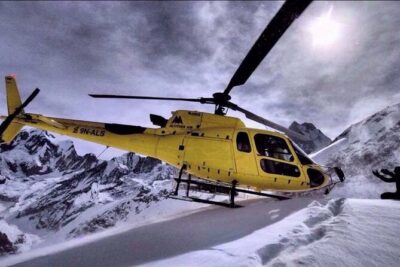
The trek becomes real fast on Day 2. You drive about 4–5 hours from Kathmandu toward Manthali, Ramechhap, then fly about 20 minutes to Lukla. That’s not a long flight, but it drops you right into the Khumbu trekking rhythm.
After the Lukla arrival, you continue to Phakding (around a 5-hour trek day is listed). This is the day where your body starts learning the game: steady uphill effort, short breaks, and walking with a pack that isn’t trying to roll you downhill.
Why this day is worth doing well
This is the first taste of altitude and trail discipline. Even if you feel fine, use the pauses. Hydration and a calm pace pay off later when the air thins.


Monjo and Namche Bazaar: the acclimatization culture on Days 3 and 4
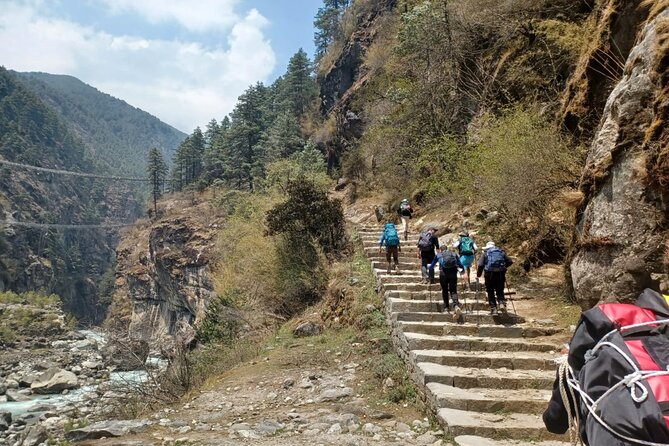
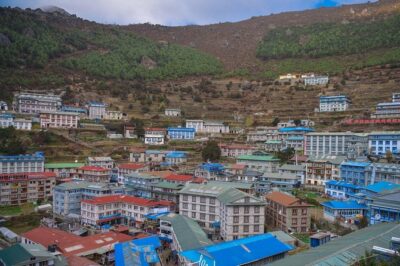
Day 3 walks you from the Sherpa communities toward Monjo, the entrance to Sagarmatha National Park, and then on to Namche Bazaar (about 5 hours listed). The trail is described as difficult but rewarding—exactly what you want on day three: not instant exhaustion, but real effort that builds adaptation.
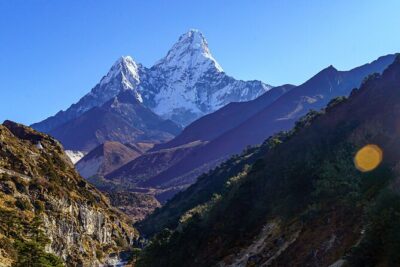
Day 4 is the key acclimatization day. Instead of treating Namche as a stopover, you walk up to the Everest View Hotel for 360-degree views of peaks like Ama Dablam, Thamserku, Everest, and Nuptse. This kind of day is smart because it teaches your body what higher altitude feels like while staying in a controlled, supported framework.
What you’ll notice here
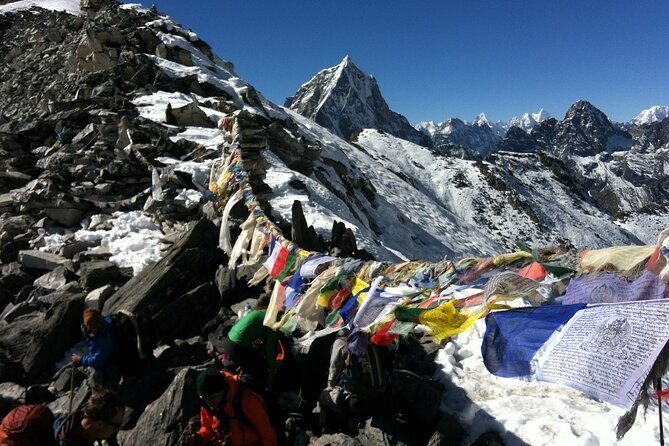
- Prayer flags and stupas start feeling normal rather than “touristy.”
- The town itself becomes part of the altitude lesson: restaurants, lodges, and the bustle around gear and supplies.
- Your walking pace should slow. If you speed up here, the mountain will bill you later.
Tengboche: monasteries, photos, and the Everest mood swing on Day 5
On Day 5 you head toward Tengboche (around 5 hours listed). The day is described as more leisurely with fewer steep sections, which is great for photographers because you’re moving without constantly fighting the slope.
Tengboche’s attraction is the monastery and the whole spiritual atmosphere around it. You’ll see prayer flags and stupas along the way, then arrive at one of the most meaningful viewpoints in this region—especially when sunrise or sunset opens up the sky for those classic Everest angles.
A practical drawback
This region runs on weather. Even if the itinerary includes views from Tengboche, cloud cover is always a factor. Your best tool is patience and the willingness to enjoy the moment even when the peak view isn’t perfect.
Dingboche rest day logic: why you go higher to get better on Days 6 and 7
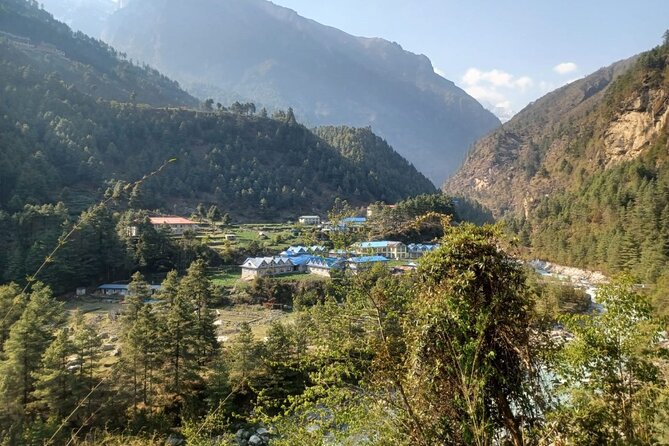
Days 6 and 7 revolve around Dingboche. Day 6 moves through places like Pangboche with views of Ama Dablam and lots of chortens and mani walls. Day 7 is where the itinerary gets thoughtful: it’s a rest and acclimatization day, but not a couch day.
You do a quicker hike to Nagarjun Hill at 5,100 metres (listed). It’s a smart compromise—enough movement to help your body adjust, but not a full-on marathon that drains you. The payoff is time to reset, eat well, and keep your legs ready for the higher country ahead.
How to use this day
Keep it simple:
- Walk slow on the way up.
- Stop before you’re fully out of breath.
- Treat the altitude like a teacher, not an enemy.
Lobuche to Gorak Shep: glacier moraine walking on Days 8 and 9
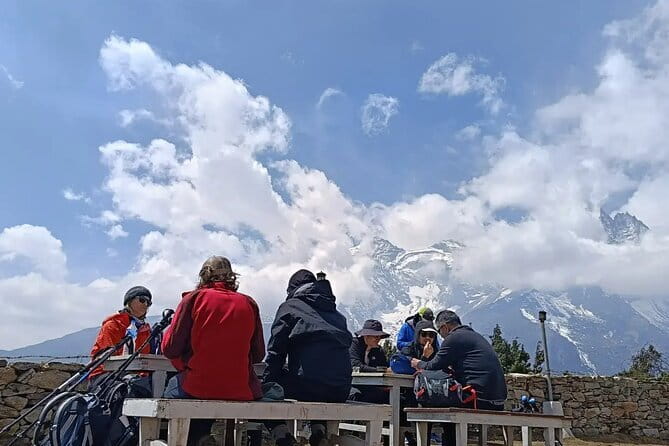
Day 8 heads toward Pheriche Valley (about 4 hours listed). The descriptions highlight alpine brush and yak pastures, plus mountain views over the valley floor—so even as you gain altitude, you’re also getting variety in the scenery and trail texture.
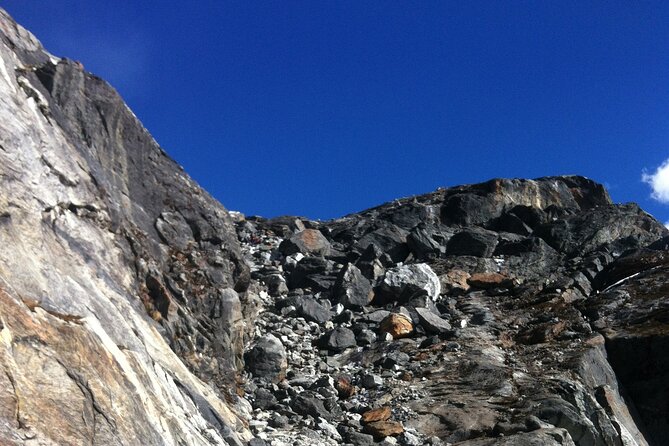
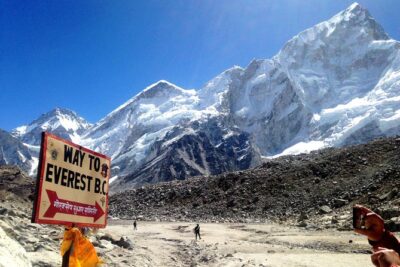
Day 9 is the big hinge day. You reach Gorak Shep, and from there you get to Everest Base Camp area (the itinerary calls out arriving at Everest Base Camp). The setting is described as snow-capped mountain country along the lateral moraine of the Khumbu Glacier, which is a neat way to say you’re walking through a real glacial system, not just a paved mountain walkway.
Why this matters for your expectations
At EBC, the experience is less about comfort and more about presence. The air feels thin, the ground looks stark, and the whole region communicates scale. If you came for the dramatic postcard moment, you’ll get it—but it will feel earned.
Kala Patthar pre-dawn: the 360-degree moment at 5,545m on Day 10
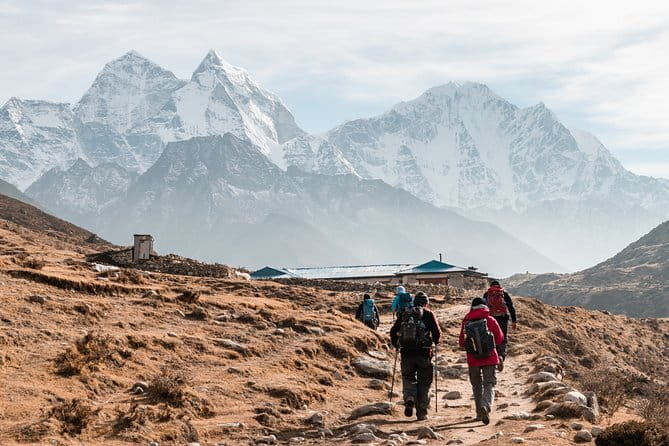
Day 10 is the trek’s headline act. You start before dawn for a strenuous walk to Kala Patthar (5,545 metres), the highest point listed in this itinerary. The reward is a 360-degree panorama including Everest, Nuptse, Lhotse, and Ama Dablam.
This is the day I’d call a must-pay-attention day. Pre-dawn hiking forces you to be disciplined with warmth, pace, and timing. Even if your legs feel heavy, Kala Patthar is the kind of effort that turns into a memory you’ll replay for years.
A reality check
Strenuous doesn’t mean reckless. Your job is steady steps and smart breathing. If you get aggressive, you’ll waste energy you need for the view.
Returning toward Namche and Lukla: Days 11 and 12, when your legs learn patience
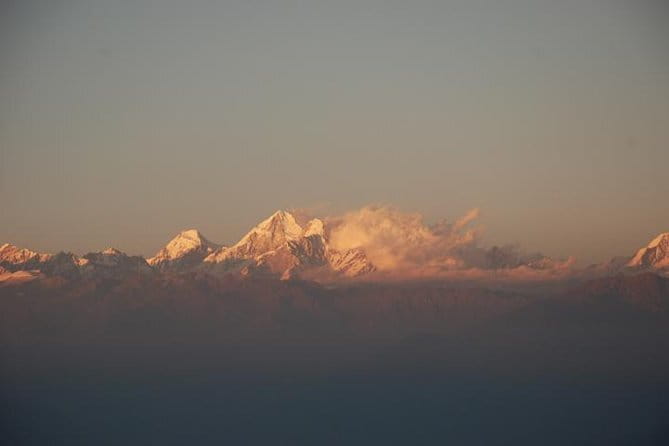
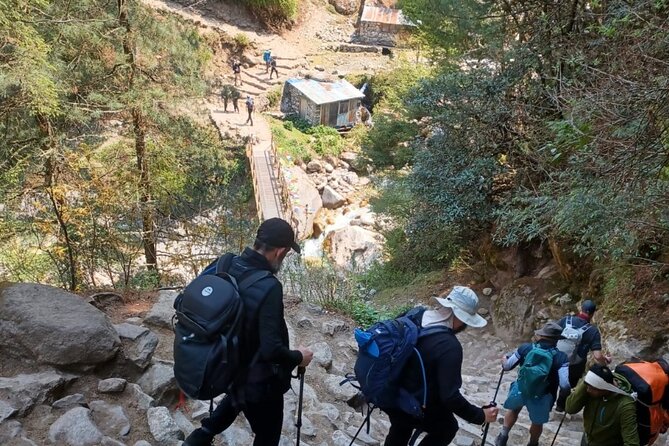
Day 11 brings you closer to Namche. The trail declines but still includes uphill stretches (about 5 hours listed). The descriptions also note forests and flora returning, which signals you’re moving into a slightly less harsh zone. Mentally, this is important: you’re still trekking, but the environment starts feeling less like pure high-alpine survival.
Day 12 is the final hiking day to Lukla (about 5 hours listed). Once you arrive in Lukla, you relax and get a good night’s sleep—exactly what you need before flights and the Kathmandu transition. You’ll feel the difference between “moving because you have to” and “moving because you’re finishing.”
The best mindset for the return
The return is not about speed. It’s about control. Keep your stride short. Let gravity do the work, but don’t let it bully you downhill.
Kathmandu again plus a farewell dinner on Days 13 and 14
Day 13 is travel-out day. Depending on flight availability and weather, you either fly back to Kathmandu or use Manthali Airport for the return route (listed). You’ll also have time to shop in Kathmandu, which is your chance to pick up small gifts without adding extra stress to your departure schedule.
Day 14 ends with airport transfer about 3 hours before your scheduled departure, so you’re not scrambling at the last minute.
What’s nice here
You get a proper send-off with a farewell dinner in a typical Nepali restaurant, which is a good closure after two weeks of trail life.
Price and value: what $2,200 includes (and what costs extra)
At $2,200 per person (for this 14-day experience), the value comes from packing a lot of the expensive, admin-heavy items into the package. You’re not only paying for guides and scenery—you’re paying for the structure that makes the trek possible.
Here’s what the price covers:
- Airport pick up and drop off in Kathmandu by private vehicle
- Domestic flights (LUK–Ramechhap–LUK) plus domestic airport tax
- 2 nights in a 3-star hotel in Kathmandu on twin sharing with breakfast
- Meals during the trek: breakfast, lunch, dinner (listed as provided across trekking days)
- Permits: Sagarmatha/Everest National Park and TIMS
- A licensed trekking guide
- A porter, with the note that 1 porter serves two clients
- Farewell dinner, plus an achievement certificate
- Staff wages, accommodation, meals, and insurance
What you should budget separately:
- Nepal visa fee
- International flights
- Travel insurance with high-altitude evacuation coverage
- Personal trekking gear and equipment
- Meals in Kathmandu (lunch/dinner)
- Hot shower, WiFi, and other personal extras during the trek
- Drinks and snacks (alcohol, mineral water, hot water, coffee, and other items)
- Tips for guide/porter/driver
My take on the value
If you tried to DIY this, the permits, guide, porter, and flight routing would eat up both time and energy. Paying this price makes sense when you want your mental bandwidth for altitude, not paperwork. That said, your extra costs (insurance, visa, tips, beverages, and gear) still matter, so don’t treat $2,200 as all-inclusive.
Guides, porters, and Sherpa-style fuel: how support shows up on the trail
The biggest practical win here is the mix of licensed guide + porter support. Your guide handles route decisions and the real-time pacing needed for altitude. Your porter helps carry your luggage, using the shared setup (one porter to two clients). That matters because weight is the sneaky reason people suffer more than they planned.
Food is also included during the trek: breakfast, lunch, and dinner. On a high-altitude itinerary, steady meals are not just comfort—they’re fuel for acclimatization and recovery. And the trip is described as serving Sherpa food, plus a farewell dinner in a Nepali restaurant, so you get more than just plain survival calories.
Local know-how you can trust
Eco Nepal Trekkers has been praised for organization and customer care. In particular, the company leadership (including Pemba Tamang) and guides such as Prayash have come up in strong feedback for support that feels human, not robotic. For you, that usually translates into fewer last-minute surprises and clearer communication.
What to pack and how fit you should be for this trek
The itinerary calls for moderate physical fitness. That doesn’t mean you can show up unprepared—it means you’ll be expected to walk daily for hours with some steep sections and a couple tough pushes.
Your personal gear isn’t included, so build a realistic kit for cold conditions at altitude. Even without getting extreme, you should assume it gets chilly, especially on pre-dawn starts like Kala Patthar.
Quick fit checklist (based on the itinerary demands)
- You can comfortably walk for about 4–5 hours most trek days
- You can handle a strenuous early-morning effort
- You’re willing to move slower at higher altitude rather than forcing pace
Should you book this Everest Base Camp trek?
I’d book this if you want a well-paced Everest Base Camp plan with built-in acclimatization and a support team handling the permits, guide, porter, and trekking meals. The route makes sense for first-timers because Namche and Dingboche are treated like real steps, not just photo stops. And Kala Patthar’s pre-dawn summit style is the kind of payoff that makes the grind worth it.
I’d think twice if you strongly dislike uncertainty around mountain flights. The itinerary explicitly ties return timing to flight availability and weather, and Lukla routing can’t be bullied into certainty. If you can handle that flexibility—and you’re ready for early starts—this is a strong, practical way to do the Everest Base Camp story.
FAQ
Where do you pick me up in Kathmandu?
You’re picked up from the airport in Kathmandu on Day 1 and transferred to a hotel in Thamel.
Is hotel accommodation included?
Yes. You get 2 nights in a 3-star hotel in Kathmandu on a twin-sharing basis with breakfast.
What flights are included?
The package includes domestic flights LUK–Ramechhap–LUK and domestic airport tax.
What permits are included in the trek price?
All necessary permits are included, including Sagarmatha/Everest National Park permits and TIMS.
Are meals included during the trek?
Yes. Breakfast, lunch, and dinner are included during the trek.
Do I get a guide and porter?
Yes. You’ll have an experienced licensed trekking guide, and a porter is provided with a note that 1 porter is assigned to two clients.
What is the highest point on this itinerary?
Kala Patthar is listed as the highest point at 5,545 metres.
Is a hot shower included?
No. Hot shower is not included.
How does the return to Kathmandu work?
On the return day, it depends on flight availability and weather. You either fly to Kathmandu or return via Manthali Airport.
What fitness level do I need, and how many people is required?
The trip is for travelers with moderate physical fitness. It also requires a minimum of 2 travelers and is described as a private tour for your group.
More Trekking Out of Kathmandu






More Tour Reviews in Kathmandu




Just Reviewed in Kathmandu
- Mountain Bike Tour
★ 5.0 · 3 reviews - Annapurna Panaroma
★ 5.0 · 3 reviews - Mount Everest Scenic Flight 50 Minutes
★ 5.0 · 3 reviews - Kathmandu : Swambhunath & Durbar Square Guided Half Day Tour
★ 3.3 · 3 reviews - Chandragiri Cable Car & Monkey Temple Tour – Private/Group
★ 5.0 · 3 reviews - Kathmandu: Shivapuri National Park Hiking Day Trip
★ 3.3 · 3 reviews
Everest Base Camp Treks, compared.
 ★ 5.0Everest Base Camp Trek – 14 DaysFrom $1,8001,499 reviews
 ★ 5.0Everest Base Camp TrekFrom $1,790842 reviews
 ★ 5.0Everest Base Camp TrekkingFrom $1,350485 reviews
 ★ 5.0Everest Base Camp Trekking – 13 DayFrom $1,399365 reviews
★ 5.0Everest Base Camp TrekFrom $1,445350 reviews
★ 5.0Everest Base Camp Trek -14 DaysFrom $1,420321 reviews
 ★ 5.012 Days Everest Base Camp TrekFrom $1,099289 reviews
 ★ 5.0Everest Base Camp Trekking – 2025/2026From $1,339199 reviews
Browse the lists this tour appears in