
Review · EVEREST BASE CAMP TREKS
14 days Everest Base Camp Trek
Everest Base Camp comes fast here. In two weeks from Kathmandu, you’ll fly to Lukla, hike through classic Khumbu villages, and push up to Kala Patthar at 5,545m for early light over Everest’s big neighbors.
What I really like is how the trip balances big-ticket moments with steady pacing: you get an explicit acclimatization day and a plan that includes real high-altitude walking instead of just rushing. I also like the practical support built into the package, including a government licensed guide and the fact that core costs like park permits and domestic flights are handled for you.
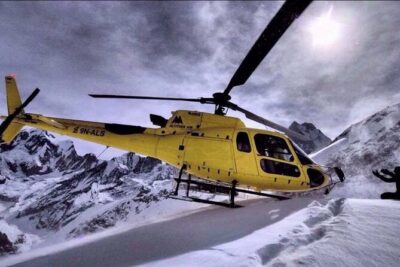
A key consideration: the route depends on mountain weather, and weather problems aren’t covered by the agency, so you should be mentally ready for flight changes and slower days. If you’re not comfortable with thin air, long days, and basic teahouse conditions, this trek can feel tougher than the photos suggest.
In This Review
- Key highlights I’d circle before you book
- Kathmandu to Lukla: the fast start and the logistics you should not ignore
- Trek Day 2: Lukla to Phakding along the Dudh Koshi River (your body’s first reality check)
- Trek Days 3–4: Benkar to Namche Bazaar, then Everest View Hotel for that first big Everest look
- Trek Day 5: Tengboche monastery day, with prayer wheels and rhododendron forests
- Trek Day 6: Dingboche via Deboche, rope bridges, and Pangboche mani walls
- Trek Day 7 acclimatization: Nangkartshang Hill and a monastery visit instead of a full grind
- Trek Day 8: Thukla Pass memorials to Lobuche (a sobering high-altitude transition)
- Trek Day 9: Gorakshep to Everest Base Camp at dawn, with Khumbu Icefall views
- Trek Day 10: Kala Patthar at 5,545m for sunrise (headlamps, cold, and a huge view)
- Trek Days 11–12: returning to Namche and Lukla with easier walking, same altitude awareness
- Kathmandu Days 13–14: the flight home and what to do with normal life again
- Guides, porters, and equipment: where quality shows up day to day
- Price and value: what $1,499 covers (and what can cost extra)
- What to pack and how to pace (so your body survives Kala Patthar)
- Who this Everest Base Camp trek is best for
- Should you book this Everest Base Camp trek?
- FAQ
- How long is the Everest Base Camp trek?
- What is the total price per person?
- Are domestic flights included?
- Do I need national park or local permits?
- What kind of lodging do you use during the trek?
- Does the trip include meals?
- What gear is provided, and what do I still need to bring?
- Are tips included?
- What if I cancel before the trek starts?
- Can service animals travel with the group?
Key highlights I’d circle before you book
- Kala Patthar sunrise plan with an early start and headlamp timing so you’re not wandering in the dark
- Acclimatization at Nangkartshang Hill to help your body adjust before higher ground
- Full-board meals and tea house twin sharing, so you’re not constantly figuring out where to eat and sleep
- Sagarmatha National Park and local permits included, which saves time and paperwork headaches
- Operator support linked to Shishir, with people sharing that issues get handled quickly when plans wobble
- Down jacket, sleeping bag, and duffel bag on request, which helps if you’re arriving without gear
More trails out of Kathmandu, boots ready
- Everest Base Camp Trek – 14 Days★ 5.0 · 1,499 reviews
- Everest Base Camp Trek★ 5.0 · 842 reviews
- Everest Base Camp Trekking★ 5.0 · 485 reviews
- Nagarkot Sunrise View and Day Hiking from Kathmandu★ 5.0 · 471 reviews
Kathmandu to Lukla: the fast start and the logistics you should not ignore
Most Everest Base Camp trips rise and fall on one thing: how smoothly you get from Kathmandu to Lukla. This tour keeps that moving with airport transfers in a private vehicle and included Kathmandu–Lukla–Kathmandu domestic flights. The win for you is less scrambling on arrival day, more time to focus on hydration and sleep.
One detail worth paying attention to is the possibility of flying from Ramechhap during peak trekking seasons like spring and autumn. That can add a few hours of road travel before the flight hop to Lukla, so plan your energy accordingly. Also, even though the flights are included, mountain weather can still affect timing, and that kind of disruption isn’t something the agency promises to cover.
If you arrive the day before, you’ll have a Day 1 setup in Kathmandu: guide briefing, a welcome dinner, and a recommendation to retire early. I like this rhythm because Everest treks punish poor sleep more than people expect. You’ll want your body ready for the next morning’s flight and the first walking day.
Trek Day 2: Lukla to Phakding along the Dudh Koshi River (your body’s first reality check)
Your walking begins soon after landing in Lukla with breakfast and a hike to Phakding. The route passes through villages such as Cheplung and Ghat, and the guiding theme is easy-to-moderate effort while your lungs start noticing altitude.
This first trek day matters even though it feels like a warm-up. You’re learning your pace, testing your shoes, and figuring out how often you’ll drink water on the trail. If you go out too fast here, you’ll pay for it later when the climbs turn sharper.
A practical bonus: you’ll sleep in tea houses, not camping. That keeps the trek doable for a wide range of fitness levels, as long as you take altitude seriously. Your overnight stop gives you time to settle in and get organized for the next jump toward Namche Bazaar.
Trek Days 3–4: Benkar to Namche Bazaar, then Everest View Hotel for that first big Everest look
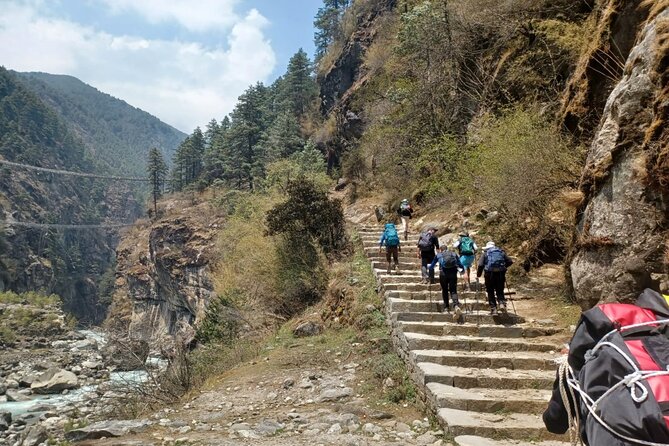
Day 3 moves alongside the Dudh Koshi River, with a section that includes crossing a suspension bridge and hiking through rocky gorges. You’ll pass through places like Benkar and Jorsalle, then enter Sagarmatha National Park in the Khumbu area, where Everest often shows itself for the first time in a meaningful way.
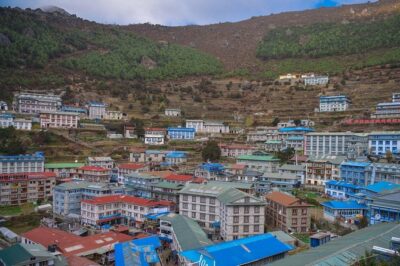
When you reach Namche Bazaar, the trip shifts from “getting there” to “living at altitude.” Namche isn’t just a waypoint. It’s also where the culture and logistics of the Khumbu become real: you’ll see the market atmosphere and get a chance to take photos with Everest in view.
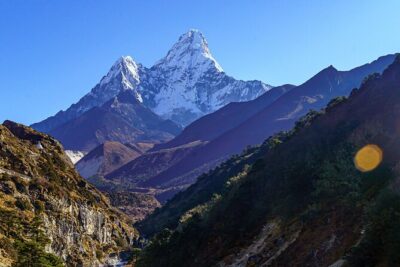
Day 4 is set up for a classic photo moment: hike to the Everest View Hotel for sweeping views of Everest plus peaks like Ama Dablam, Lhotse, and Nuptse. There’s also an optional stop for the Sagarmatha National Park museum, which can add context when your brain feels stuck on the numbers. Then you return to Namche for dinner and another tea house night.
What I like about this two-day combo is the contrast. Day 3 asks your body to climb; Day 4 asks your eyes to take it in. It’s a good way to keep motivation up without turning every day into a suffering contest.
Trek Day 5: Tengboche monastery day, with prayer wheels and rhododendron forests
From Namche, you head toward Tengboche through steep-ups and classic Sherpa villages. The route includes a small crossing over the Imja Khola and a stop in Phungithanga, known for prayer wheels and Sherpa cultural details. Then it’s up through rhododendron forests, where timing can matter depending on season and weather.
Tengboche is the payoff day for many people, largely because of the views from the monastery area: Everest, Nuptse, Lhotse, Thamserku, and Ama Dablam often come into focus from this elevation band. The monastery grounds also give you a place to slow down and absorb the moment, even if your legs are begging for a shorter day.
The drawback to flag: this is a long, uphill day. If your hiking style is fast and forceful, you’ll want to dial it back. Your goal isn’t to “win” the climb. It’s to keep breathing steady so your body can adjust.
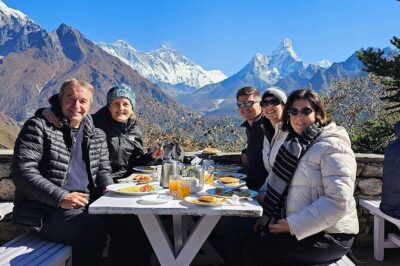
Trek Day 6: Dingboche via Deboche, rope bridges, and Pangboche mani walls
Day 6 pushes you higher to Dingboche, with a route that goes through Deboche and includes rope bridges. You’ll also pass Pangboche, where you can see Tibetan-inscribed mani walls. These small cultural visuals are easy to miss if you’re staring only at the trail and your next step.
Arriving in Dingboche brings dramatic views of peaks like Lhotse, Island Peak, and Ama Dablam. This is also when many trekkers start noticing that “rest days” matter more than they used to. Your pace, food intake, and sleep quality start to influence how you feel on the next climb.
The tea house here is still basic, but the lodge setup gives you a place to recover. You’ll want to take altitude-friendly habits seriously: small sips of water often, simple meals, and early bedtime when possible.
Trek Day 7 acclimatization: Nangkartshang Hill and a monastery visit instead of a full grind
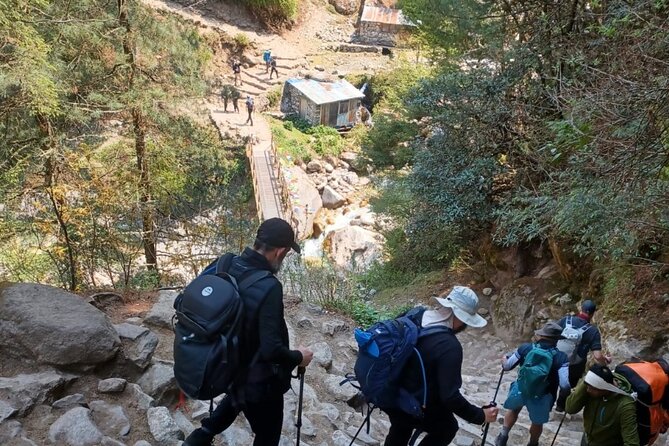
This is one of the strongest parts of the plan. Instead of a straight push upward, you take a dedicated acclimatization day with a climb toward Nangkartshang Hill. The views can include Makalu and Amphu Laptse, which makes the day feel like more than just training.
You’ll descend afterward and tour the Nangkartshang monastery. That’s a nice change of pace when your body is adjusting and you don’t need to add more stress. I like this approach because it respects how altitude works: you can move, but you shouldn’t treat every day like a summit attempt.
The practical takeaway for you: on acclimatization days, keep the effort controlled. It’s tempting to go full throttle because you feel decent. Don’t. If you feel breathless, slow down. The point is to help your body adapt, not punish it.
Trek Day 8: Thukla Pass memorials to Lobuche (a sobering high-altitude transition)
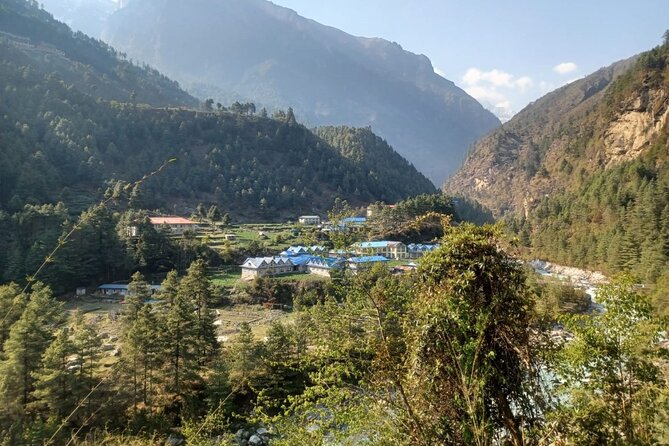
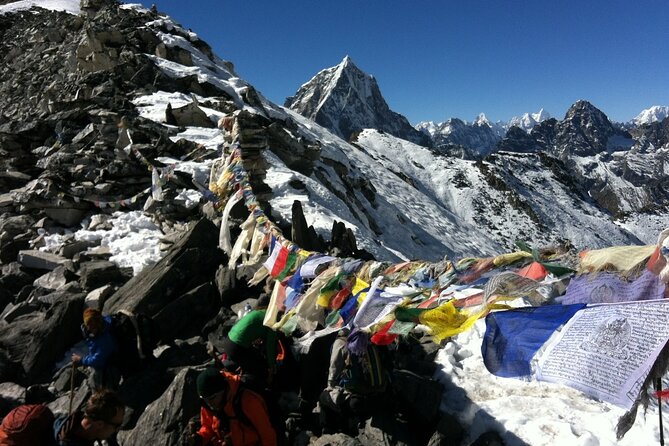
Day 8 brings you toward Lobuche after passing through Dughla and crossing Thukla Pass. The pass is marked with memorials honoring climbers who have died. It’s a quiet reminder that this trek happens in a real environment with real risk.
After the pass, the trail gets rocky and narrow for a stretch before reaching Lobuche for the night. This day is shorter than some, but it can feel more intense because the air gets thinner and the ground can be less forgiving.
For many people, Lobuche is where mental effort starts to show. Your body might feel sluggish, and small delays can feel bigger than normal. Having a clear overnight plan helps, and tea house sleeping keeps things simple.
Trek Day 9: Gorakshep to Everest Base Camp at dawn, with Khumbu Icefall views
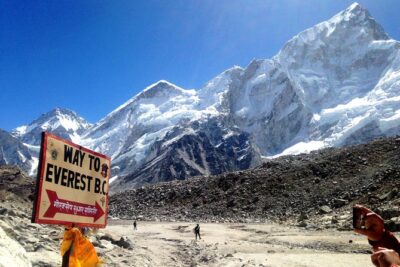
Now you move into the biggest moment: Everest Base Camp. You’ll start early, heading toward Gorakshep and crossing glacial sections along the way. The route can feel like you’re walking into an icy desert, which is exactly what makes the arrival special.
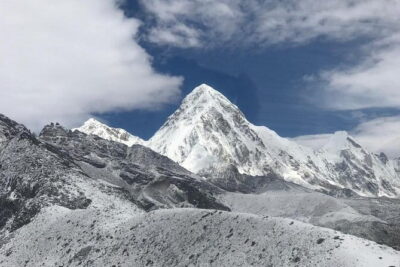
In your day’s highlights, you’ll see the Khumbu Icefall and take in views of peaks including Nuptse, Pumori, and Khumbutse. This is the moment where Everest stops being a distant icon and becomes a physical presence around you.
The tour plan includes breakfast and then the continuation to Base Camp, which is useful because you need energy for that final stretch. Also, starting at dawn helps you get better light for photos and gets you there before the day gets crowded with trekkers moving upward.
The realistic side: this day can run long. Even though it’s not the highest altitude day, it often feels like the hardest effort because it stacks multiple walking segments back to back.
Trek Day 10: Kala Patthar at 5,545m for sunrise (headlamps, cold, and a huge view)
If Everest Base Camp is the destination, Kala Patthar is the reason many people talk for weeks afterward. You set out early in the morning, often with headlamps, to climb to the viewpoint around 5,545 meters.
The climb typically takes about 2 to 3 hours. Your reward is the sunrise panorama, with illuminated peaks like Nuptse, Pumori, and Ama Dablam often highlighted by the first light. Then you head back down to Base Camp for a hot meal, which is the kind of simple comfort you’ll appreciate more than you think.
One consideration: the temperature at this elevation can make you feel like every pause costs something. Dress for cold, move steadily, and don’t stop just because it feels tempting. Think of it as controlled motion until the big moment arrives.
Trek Days 11–12: returning to Namche and Lukla with easier walking, same altitude awareness
After Kala Patthar, the trail back feels easier because you’re mostly descending. Day 11 leads you toward Namche Bazaar through familiar territory, including Dingboche and Tengboche, with conifer and rhododendron areas along the way.
Day 12 continues down to Lukla. You’ll cross rivers such as the Bhote Koshi and Dudh Koshi and make a stop in Phakding for lunch before arriving back in Lukla. This is a good time to breathe, slow down, and let your body settle into lower elevation.
Don’t treat the descent like it’s “recovery mode.” Knee strain and fatigue can hit hard on the way down. If your walking style tends to pound each step, use a lighter stride and shorter steps when you can.
Kathmandu Days 13–14: the flight home and what to do with normal life again
On Day 13, you head to Lukla airport in the early morning and fly back to Kathmandu. The plan keeps the pacing gentle after the trek, with time to relax at the hotel and enjoy a hot shower.
Day 14 is your departure day. Transfers are handled so you’re not negotiating your way through the city when you’re tired.
This last part matters more than people think. After altitude and cold nights, the return to city routines can feel strange. If you can, plan something low-key for the afternoon—eat well, hydrate, and give your body a chance to bounce back.
Guides, porters, and equipment: where quality shows up day to day
A big plus in this kind of Everest trek is consistent people support. This tour includes an experienced, government licensed trekking guide. It also offers down jacket, sleeping bags, and duffel bags on request, which is a real money-saver if you don’t already own expedition-ready gear.
From past experiences with this company, the name Shishir shows up as a responsive contact for organizing details and handling setbacks quickly by phone. You might also trek with guides such as Lok or Ghaman, and you could be supported by porters like Santha or Rai. Even if the exact team changes by departure, the pattern of attentive service is part of the track record people highlight.
The practical value for you: a good guide doesn’t just point the way. They help with pacing, route logic, and decision-making on high-altitude days. On Everest routes, small choices add up.
Price and value: what $1,499 covers (and what can cost extra)
At $1,499 per person, this trek can look expensive on paper, until you break down what’s included. You’re paying for domestic flights Kathmandu–Lukla–Kathmandu, Kathmandu hotel with breakfast, tea house twin sharing, full-board meals on the trek as listed, national park and local entry permits, and guide services (including meals, accommodation, and insurance). Gear rentals for core cold-weather items are also available on request.
What’s not included is more personal and variable: hot and cold drinks, WiFi/internet, battery charging, and personal shopping expenses. Tipping for guides and porters is also not included, and that’s something you should budget for separately.
The value logic is simple: on Everest treks, logistics are the time sink and permit paperwork is not fun. This package tries to remove those friction points so you can focus on the hiking.
What to pack and how to pace (so your body survives Kala Patthar)
The tour includes major winter gear on request, but you’ll still want to show up prepared. At minimum, plan for layering because temps swing with altitude and time of day. Keep rain protection in your bag too, since mountain weather can shift quickly.
On pacing, I’d follow a basic rule: start slower than your ego wants, and save your strongest effort for the planned moments. The itinerary already gives you the big climb at the right time—Kala Patthar early for sunrise—so you don’t need to “prove” anything on the earlier days.
Also, bring a headlamp even if you’re going with one for the summit-style push. The tour explicitly uses headlamps for the Kala Patthar climb, and having your own means you’re not borrowing gear when you’re cold and tired.
Who this Everest Base Camp trek is best for
This plan fits best if you:
- have moderate physical fitness and understand altitude is the real challenge
- like a structured itinerary with tea house comfort and full meals
- want guided safety and planning rather than DIY navigation
If you’re the type who wants guaranteed luxury in the mountains, this likely won’t feel like that. Tea houses are functional, not fancy. But if you want the Everest route experience—classic villages, real acclimatization, and a sunrise viewpoint—this is a solid match.
Should you book this Everest Base Camp trek?
If you want a straightforward Everest Base Camp plan with the big altitude moments built in, I’d say this is worth serious consideration. The best reasons to book are the included flights and permits, the full meal plan, and the way the itinerary protects you with an acclimatization day and a planned Kala Patthar sunrise push.
Don’t book if you know altitude and cold nights will push you into panic or if you can’t accept that mountain weather can mess with timing. If that’s your reality, you might be happier choosing a different style of trek with lower elevation targets.
FAQ
How long is the Everest Base Camp trek?
The trek is listed as 14 days approximately, starting in Kathmandu and ending back in Kathmandu after flying from Lukla.
What is the total price per person?
The price is listed as $1,499.00 per person.
Are domestic flights included?
Yes. Kathmandu–Lukla–Kathmandu domestic flights are included, along with all taxes.
Do I need national park or local permits?
Yes, and the tour states that required national park and local entry permits are included.
What kind of lodging do you use during the trek?
You stay in twin sharing tea houses during the trek, and you stay in a 3-star hotel in Kathmandu including breakfast before and after the hike.
Does the trip include meals?
Yes. Meals on full board are included as mentioned in the itinerary (breakfast, lunch, and dinner).
What gear is provided, and what do I still need to bring?
Down jacket, sleeping bags, and duffel bags are available on request. Personal items like hot/cold drinks, WiFi/internet, and battery charging are not included, so you should plan your own costs and essentials.
Are tips included?
No. Tipping for guides and porters is listed as not included.
What if I cancel before the trek starts?
You can cancel up to 3 days in advance for a full refund. If you cancel less than 3 full days before the start time, the amount paid is not refunded.
Can service animals travel with the group?
Yes. Service animals are allowed according to the provided information.
More Trekking Out of Kathmandu
More Tour Reviews in Kathmandu
Just Reviewed in Kathmandu
- Mountain Bike Tour
★ 5.0 · 3 reviews - Annapurna Panaroma
★ 5.0 · 3 reviews - Mount Everest Scenic Flight 50 Minutes
★ 5.0 · 3 reviews - Kathmandu : Swambhunath & Durbar Square Guided Half Day Tour
★ 3.3 · 3 reviews - Chandragiri Cable Car & Monkey Temple Tour – Private/Group
★ 5.0 · 3 reviews - Kathmandu: Shivapuri National Park Hiking Day Trip
★ 3.3 · 3 reviews
Everest Base Camp Treks, compared.
 ★ 5.0Everest Base Camp Trek – 14 DaysFrom $1,8001,499 reviews
 ★ 5.0Everest Base Camp TrekFrom $1,790842 reviews
 ★ 5.0Everest Base Camp TrekkingFrom $1,350485 reviews
 ★ 5.0Everest Base Camp Trekking – 13 DayFrom $1,399365 reviews
★ 5.0Everest Base Camp TrekFrom $1,445350 reviews
★ 5.0Everest Base Camp Trek -14 DaysFrom $1,420321 reviews
★ 5.0Everest Base Camp Trekking – 13 DayFrom $1,399365 reviews
★ 5.0Everest Base Camp TrekFrom $1,445350 reviews
★ 5.0Everest Base Camp Trek -14 DaysFrom $1,420321 reviews
 ★ 5.012 Days Everest Base Camp TrekFrom $1,099289 reviews
 ★ 5.0Everest Base Camp Trekking – 2025/2026From $1,339199 reviews
Browse the lists this tour appears in