
Review · EVEREST BASE CAMP TREKS
14 Days Everest Base Camp Trekking
Everest Base Camp is the kind of trip that sticks. What makes this one work is the clear day flight setup into Kathmandu, then a trek that’s built around acclimatization and a solid day-by-day rhythm. I also like how the trip is run with a professional English-speaking guide and porter support, so you can focus on walking, altitude, and the big moments like Kala Pathar.
Two things I especially like: first, the route keeps you in the heart of the Khumbu with classic stops like Namche Bazaar, Tengboche, Gorakshep, and Everest Base Camp, so you get the full story of the region. Second, I appreciate the practical inclusions: round-trip Lukla flights, permits, lodge-to-lodge accommodations in twin sharing, and the basics like maps and a first-aid kit.
One drawback to plan for: Kathmandu nights and meals are not included (budget $45/day), and the trek demands strong physical fitness. If hot showers are a must, that’s an extra $5 per person during the trek.
In This Review
- Key things to know before you go
- Why this Everest Base Camp trek feels organized (not rushed)
- The Kathmandu-to-Lukla start: where the trip suddenly becomes real
- Phakding to Namche Bazaar through Sagarmatha National Park
- Namche rest day plus Everest View Point: acclimatization with a purpose
- Tyangboche: the day the views start to sharpen
- Dingboche and Pangboche: gompa views and the steady climb
- Acclimatization day in Dingboche: Tshola Tsho and planned altitude gains
- Lobuche, Gorakshep, and the approach to Everest Base Camp
- Kala Pathar early morning: the viewpoint payoff day
- The return walk: from Pheriche to Namche, then back to Lukla
- Kathmandu again: time to reset and reflect
- Price and logistics: what $1,420 buys you here
- What’s included versus what you’ll need to budget
- Who should pick this trek (and who should think twice)
- Should you book this Everest Base Camp trek?
- FAQ
- Where does the experience start in Kathmandu?
- Are flights to Lukla included?
- Will I have an English-speaking guide and a porter?
- What kind of accommodation and meals are included during the trek?
- Is food and lodging in Kathmandu included?
- Are permits for the trek included?
- What visa do I need for Nepal?
- Are hot showers included?
- Can I cancel for a full refund?
Key things to know before you go
- Private logistics: private vehicle transfers between your Kathmandu hotel and the domestic airport.
- Flights are included: round-trip Kathmandu ↔ Lukla with departure taxes.
- Acclimatization built in: rest days in Namche and Dingboche, plus early climbs like Kala Pathar.
- Real support ratio: a porter for a 2-trekker group (plus a certified English-speaking guide).
- Big day at altitude: Everest Base Camp plus ice-pinnacle sections near Gorakshep.
- Know the extra costs: Kathmandu meals/lodging, drinks/snacks, tips, and optional hot showers.
More trails out of Kathmandu, boots ready
- Everest Base Camp Trek – 14 Days★ 5.0 · 1,499 reviews
- Everest Base Camp Trek★ 5.0 · 842 reviews
- Everest Base Camp Trekking★ 5.0 · 485 reviews
- Nagarkot Sunrise View and Day Hiking from Kathmandu★ 5.0 · 471 reviews
Why this Everest Base Camp trek feels organized (not rushed)
Everest Base Camp has a way of making people overpromise. One day you’re in tea-house country; the next you’re measuring everything by oxygen, not optimism. This trek’s biggest strength is that it doesn’t treat altitude like a math problem. You get built-in rest and acclimatization, and you’re guided on when to push, when to slow down, and where to spend your energy.
I also like the tone of the operation. The company emphasizes contributing to sustainable community development and helping protect the Himalayan environment. Even if you never think about that during a hard climb, it can still shape the way the trek is run day-to-day: fewer shortcuts, more attention to permits and local rules, and a focus on doing the journey responsibly.
The other organizational win: private transfers and flights. You’re not guessing how to get from Kathmandu to Lukla on your own. That matters because timing is everything here, and delays can cascade quickly.
The Kathmandu-to-Lukla start: where the trip suddenly becomes real
Your day kicks off with a meet-up at Tribhuvan International Airport in Kathmandu, with a start time of 6:15 am. From there, your domestic plan is handled with private transport between your hotel and the domestic airport. If you can, try to be ready early. Even small delays can feel huge once you’re thinking about connecting flights.
Then comes the signature moment: a flight into Lukla and a landing on a steep mountain runway. It’s dramatic because you’re stepping out into the start of the real trekking world at about 2,850 meters (the trip also notes Lukla around that elevation). After meeting the crew, you head uphill through the Dudh Koshi Valley on a well-marked trail.
That first day ends in Phakding (about 2,656 meters). Practical tip: treat this day as a warm-up, not a victory lap. Yes, you’ll feel the excitement. But you’ll feel the altitude too, and it’s better to arrive at Phakding with legs that still work.
Phakding to Namche Bazaar through Sagarmatha National Park
This is where the trail starts doing what it’s famous for: constant movement, frequent bridge crossings, and big payoff views that appear when your body is ready. You go past Monjo, and then you enter Sagarmatha National Park, which exists to protect and preserve the fragile mountain environment. You’ll feel that in the way the trek is structured around permits and trail rules.
You’ll also cross the river again and again using high-suspension bridges. That can feel thrilling and a little wobbly on gusty days, so I’d keep your stance calm and your pace steady. Don’t rush the crossings; save your effort for the climbs.
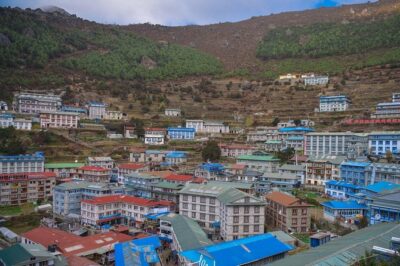
By the time you reach Namche Bazaar, you’re at a town-sized mountain checkpoint (around 3,440 meters). Namche has plenty of lodges, tea shops, and souvenir spots, but the best part is what it gives you: a base to acclimatize without stopping the trek’s momentum.
Namche rest day plus Everest View Point: acclimatization with a purpose
Day four is designed as a rest day, which is exactly what you want here. You stay in Namche and take time to adjust before higher climbs. This isn’t wasted time. It’s where your body starts adapting, and where your mind gets a grip on what the next week will ask of you.
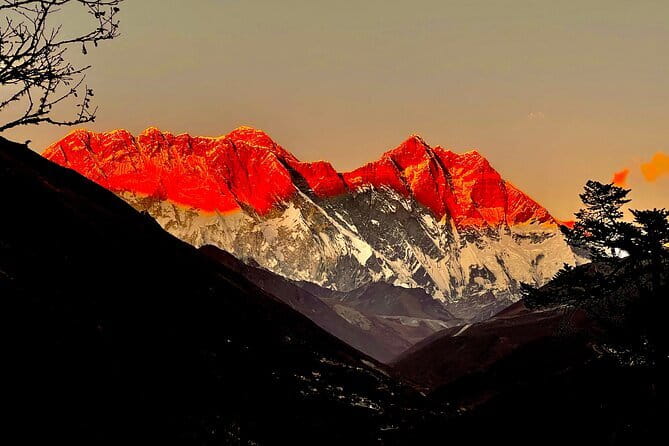
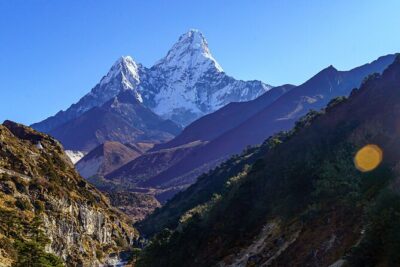
The trek also includes time at Everest View Point. That matters because it turns acclimatization from a chore into a reward. Seeing peaks like Everest, Lhotse, Nuptse, and Ama Dablam from a viewpoint gives you motivation that’s more useful than another lecture about altitude.
Possible drawback: Namche can feel busy compared to the villages above it. If you want quiet, you may need to pick your timing carefully and choose where you spend time between walks.


Tyangboche: the day the views start to sharpen
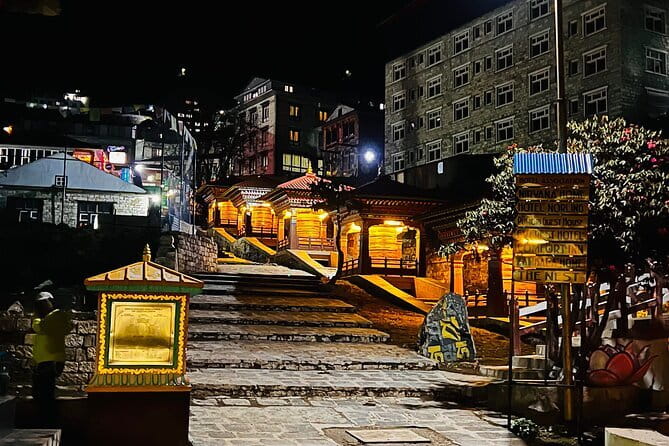
From Namche, the route contours above the Dudh Kosi with high, exposed walking at times and classic Khumbu-style villages along the way. You’ll eventually reach Tyangboche, which is the kind of stop trekkers remember because it mixes mountain drama with religious and village life.
The itinerary specifically calls out first really good views of major peaks around this area, including Mt Everest, Lhotse, Nuptse, and Ama Dablam. Passing through Sherpa villages keeps things grounded. You’re not just climbing into empty air—you’re moving through communities with their own rhythm.
In terms of effort, this day still runs about 10 hours in the plan. That’s a long day, especially as altitude rises. Your best move: keep a steady pace, use trekking poles if you like them, and don’t measure your progress in Instagram moments.
Dingboche and Pangboche: gompa views and the steady climb
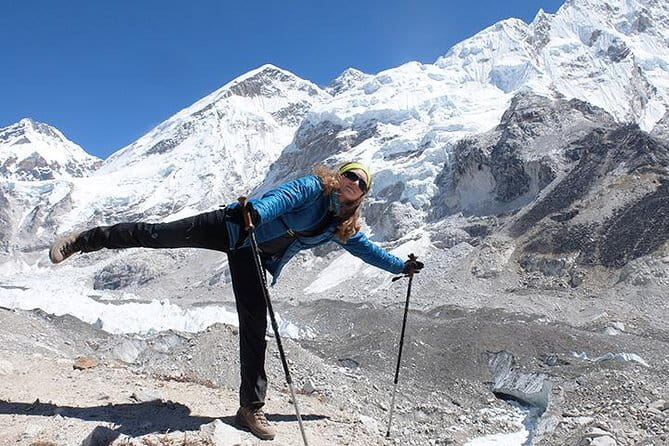
After Tyangboche, you move toward Dingboche with a stop at Pangboche (about 3,985 meters). Pangboche is described as opposite Ama Dablam, with a gompa, Mani walls, and stone-detail scenery that gives you a sense of the local spiritual landscape. Even if you’re not there for religious architecture, it’s a meaningful stop because it adds texture to the trek.
Then comes Dingboche. You’ll cross the Imja Khola, descend briefly, and then climb steadily. This mix of down-up movement is normal in the Khumbu, and it tests your legs in a different way than pure uphill.
The upside is that Dingboche feels like a turning point. The air is thinner. The air temperature can drop fast. But the views are starting to feel more direct and intense, not distant.
Acclimatization day in Dingboche: Tshola Tsho and planned altitude gains
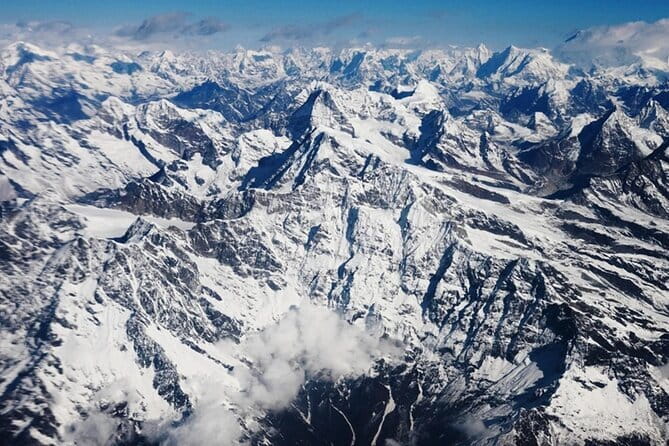
Day seven is a rest and acclimatization day in Dingboche. The itinerary includes options to wander up the valley toward Tshola Tsho (about 4,510 meters) and to look at steep peaks like Cholatse and Taboche.
It also notes you can climb up to Nagarjun (around 5,100 meters). That’s the classic acclimatization formula: go higher, but don’t try to live there. You benefit from the altitude exposure while still returning to sleep at a safer level.
This is also where a good guide matters. I’m glad this trip includes a professional English-speaking guide, since they can help you pace and monitor how you’re doing. In past treks with the team, guides like Hari and Kapil have been described as calm and careful with well-being, and you’ll really feel that during an acclimatization day when everyone’s energy levels vary.
Lobuche, Gorakshep, and the approach to Everest Base Camp
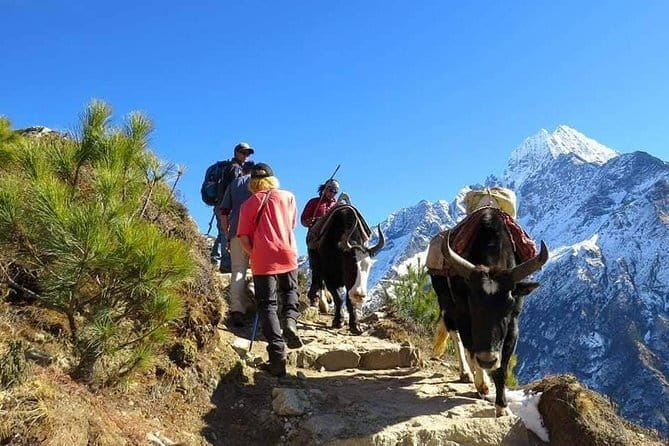
This is where the trek turns serious. You keep moving toward the Khumbu Glacier area, and the plan includes a steep climb toward the foot of the glacier with a tea-house stop at Duglha (about 4,620 meters). Even if you’re a fast walker, don’t treat tea-house stops as quick caffeine breaks. Use them to drink water, check your pace, and reset your breathing.
Next is Gorakshep (about 5,164 meters). The itinerary frames this as following the Khumbu Glacier route, including sections where the path rises to cross a tributary glacier. That gives you some of the most dramatic trekking terrain on the whole journey.
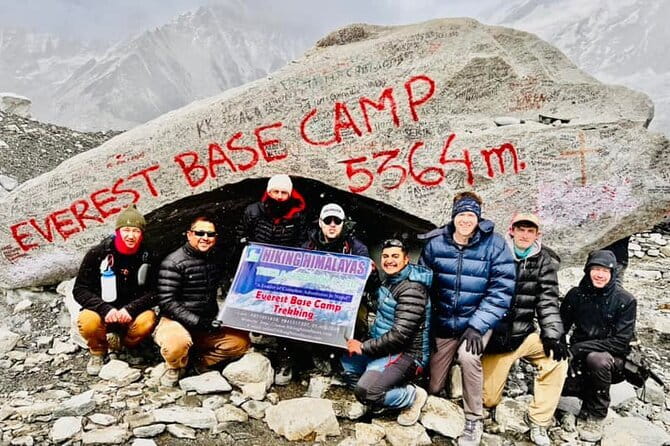
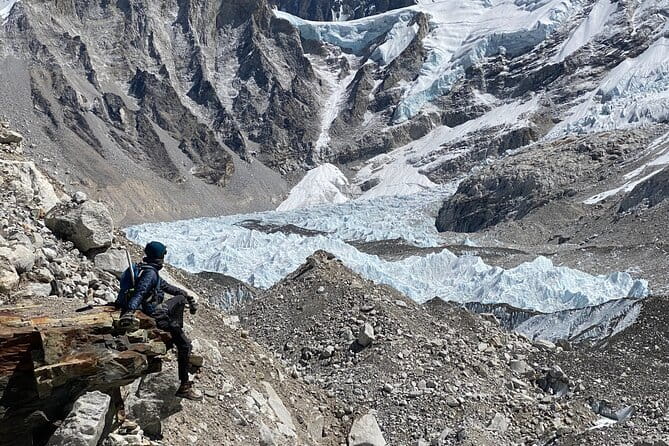
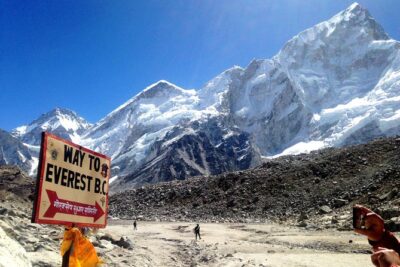
Then comes Everest Base Camp. In the plan, you reach Base Camp later in the afternoon from Gorakshep (about 5,364 meters). It’s described as taking roughly five hours, weaving through ice pinnacles and past crevasses of the Khumbu Glacier. The key word for your planning is patience: this is not the kind of hike where you can burn daylight and hope for the best. You’ll want to move carefully and stay focused.
On the return, the trek notes you can take a higher route for a spectacular view. Translation: your guide will manage choices based on conditions and how you’re feeling.
Kala Pathar early morning: the viewpoint payoff day
If you’ve ever seen photos of Everest framed against nearby peaks, many are taken from Kala Pathar (about 5,565 meters). That’s the early-morning highlight on day ten. The itinerary says it’s one of the finest viewpoints of Mt Everest, including Nuptse, Amadamlam, Pumari, Lola, Lhumbute, and more.
This is the day that demands early wake-up energy. It’s also the day where good acclimatization pays off. If you did the rest days correctly, you’ll likely feel better about the early climb.
After the viewpoint time, you trek mostly downhill to Pheriche. That’s a relief for your heart and lungs, but downhill can still be hard on your knees. Go slow. Take longer steps only when your footing feels steady.
The return walk: from Pheriche to Namche, then back to Lukla
Going down doesn’t mean it’s easy. The route continues with river travel and then climbs through birch and rhododendron forest toward Tengboche (about 3,860 meters). The trip then proceeds back toward Namche Bazaar.
I like the return days because you stop being shocked by the environment and start noticing details: the changing vegetation, the different village layouts, and the way the trail feels more familiar each day. Mentally, that helps you finish with confidence.
After that, day twelve is the final big trekking day, following the Dudh Kosi down to Lukla (around 2,800 meters). The plan calls this evening a celebration with Sherpa guidance. It’s one of those moments where fatigue turns into gratitude.
Kathmandu again: time to reset and reflect
After your last Lukla morning, the trek includes flying back to Kathmandu and then having the rest of the day free. You’ll likely want to do simple things: shower, eat something that doesn’t taste like re-heated trekking food, and stretch out your legs without rushing.
On day fourteen, your Nepal support team takes you to Tribhuvan International Airport for your flight home.
Price and logistics: what $1,420 buys you here
At $1,420, the best way to judge value is by what’s included and what would cost extra if you tried to DIY it. This price covers the most expensive moving parts:
- Round-trip flights Kathmandu ↔ Lukla, plus departure taxes
- A certified English-speaking guide
- A porter with a stated ratio of 2 trekkers to 1 porter
- Lodge-to-lodge accommodation in twin sharing during the trek
- Permits and government taxes/office service charge
- A trek map and an achievement certificate
- First-aid medical kit support
- Multiple meals during the trekking portion (breakfast and dinner counts, plus lunch coverage)
Where the budget can surprise you is on the edges: Kathmandu food and lodging are not included, and drinks/snacks plus personal items aren’t included. Hot showers also cost extra.
So if you’re looking for a trek where the heavy lifting is handled for you, this pricing is more reasonable than it looks at first glance. If you’re planning to spend extra days in Kathmandu, you should set aside the additional $45/day for hotel and meals.
What’s included versus what you’ll need to budget
Here’s the clean split, based on the trip details:
Included for the trek portion
- Twin sharing lodge accommodations from stop to stop
- Breakfasts and dinners, plus lunch during trek days
- Seasonal fruits
- Professional English guide and porter support
- Round-trip Lukla flights and transport within Kathmandu for the domestic transfers
- Trekking permits, taxes, map, certificate
- First-aid medical kit
Not included (common extras)
- Kathmandu meals and lodging: $45/day
- Travel insurance
- International airfare to Nepal
- Nepal visa cost at arrival: USD 40 for 30 days (not the same as trekking permits)
- Drinks, snacks, and personal expenses
- Hot shower during the trek: USD 5 per person
- Tips/gratuities for trekking staff and drivers
Practical advice: bring more cash than you think you need for small purchases. A lot of costs here are manageable, but you don’t want to get stuck because you assumed everything would be included.
Who should pick this trek (and who should think twice)
This trek is a good match if you:
- Want a private trek experience (only your group participates)
- Prefer English guidance and structured pacing
- Want porter help that keeps you from carrying everything
- Like classic Everest Base Camp timing: rest days and a strong viewpoint day at Kala Pathar
You should think twice if:
- You don’t have strong physical fitness. This trip explicitly says you should have a strong fitness level.
- You’re allergic to early mornings. Kala Pathar is an early climb in the plan.
- You don’t have flexibility for altitude. The trek is designed with acclimatization, but you still need to listen to your body.
Should you book this Everest Base Camp trek?
I’d book it if you want the classic Everest Base Camp story with strong logistics and human support. The included flights, permits, guide, porter ratio, and lodge-to-lodge planning remove a lot of stress that can drain energy on a trek this demanding.
I’d hesitate only if your budget can’t stretch for Kathmandu nights, if you’re sensitive to early starts, or if you’re not confident about your fitness. Altitude doesn’t care about optimism, and this trek keeps a steady pace for about 14 days.
If you’re ready for that mix of effort and reward, this itinerary reads like a trip that respects the mountain instead of rushing through it.
FAQ
Where does the experience start in Kathmandu?
You meet at Tribhuvan Airport in Kathmandu, Nepal, with a start time listed as 6:15 am.
Are flights to Lukla included?
Yes. The price includes round-trip flights Kathmandu to Lukla and Lukla to Kathmandu, including departure taxes.
Will I have an English-speaking guide and a porter?
Yes. The tour includes one professional English-speaking certified guide, and it also includes a porter. The porter support is listed as 2 trekkers to 1 porter.
What kind of accommodation and meals are included during the trek?
The trek includes twin sharing lodge-to-lodge accommodation during the trek. It also includes breakfast and dinner and lunch counts listed for the trek days, plus seasonal fruits.
Is food and lodging in Kathmandu included?
No. Foods and accommodation in Kathmandu are not included, and the listed cost is $45 USD per day.
Are permits for the trek included?
Yes. The tour includes all required permits for the trek, plus government taxes and office service charge.
What visa do I need for Nepal?
The tour notes you can obtain a Nepal entry visa at the airport upon arrival for USD 40 for 30 days.
Are hot showers included?
Hot showers are not included. The tour lists hot showers during the trek as USD 5 per person.
Can I cancel for a full refund?
Yes, free cancellation is available. You can cancel up to 24 hours in advance for a full refund, based on local time.
More Trekking Out of Kathmandu






More Tour Reviews in Kathmandu




Just Reviewed in Kathmandu
- Mountain Bike Tour
★ 5.0 · 3 reviews - Annapurna Panaroma
★ 5.0 · 3 reviews - Mount Everest Scenic Flight 50 Minutes
★ 5.0 · 3 reviews - Kathmandu : Swambhunath & Durbar Square Guided Half Day Tour
★ 3.3 · 3 reviews - Chandragiri Cable Car & Monkey Temple Tour – Private/Group
★ 5.0 · 3 reviews - Kathmandu: Shivapuri National Park Hiking Day Trip
★ 3.3 · 3 reviews
Everest Base Camp Treks, compared.
 ★ 5.0Everest Base Camp Trek – 14 DaysFrom $1,8001,499 reviews
 ★ 5.0Everest Base Camp TrekFrom $1,790842 reviews
 ★ 5.0Everest Base Camp TrekkingFrom $1,350485 reviews
 ★ 5.0Everest Base Camp Trekking – 13 DayFrom $1,399365 reviews
★ 5.0Everest Base Camp TrekFrom $1,445350 reviews
★ 5.0Everest Base Camp Trek -14 DaysFrom $1,420321 reviews
 ★ 5.012 Days Everest Base Camp TrekFrom $1,099289 reviews
 ★ 5.0Everest Base Camp Trekking – 2025/2026From $1,339199 reviews
Browse the lists this tour appears in