
Review · CHITWAN JUNGLE SAFARI
5 Nights 6 Days Kathmandu and Chitwan Safari Tour Package of Nepal
Two places, one trip, big contrast in one week. I like how this plan strings together Kathmandu’s major sacred sites and then shifts fast to Chitwan’s jungle safari—so you get religion, culture, and wildlife without spending days on logistics. The small group cap (max 15) also keeps things calmer than the mega-bus tours, and you’ll actually have time to ask questions.
My other favorite part is that the pacing feels designed for real sightseeing. You get a full Kathmandu Valley day with big stops like Pashupatinath, Boudhanath, Swayambhu, and Kathmandu Durbar Square, then you land in Chitwan for hands-on jungle activities plus a Tharu village/culture program. One drawback to think about: you’ll have early starts (the meeting time is listed as 5:15 am) and Chitwan includes active components, so it’s not a sit-in-a-cafe all day kind of trip.
In This Review
- What I’d Keep in Mind Before You Go
- Key Things You’ll Care About
- Two Cities, One Plan: Culture Day Turns Into Safari Day
- Price and Logistics: What $500 Really Buys
- Group Size, Pickup, and the 5:15 am Start
- Day 1 in Kathmandu: Thamel After Arrival
- Day 2 Kathmandu Valley: Pashupatinath, Boudhanath, Swayambhu, Durbar Square
- Pashupatinath Area (Hindu temple complex)
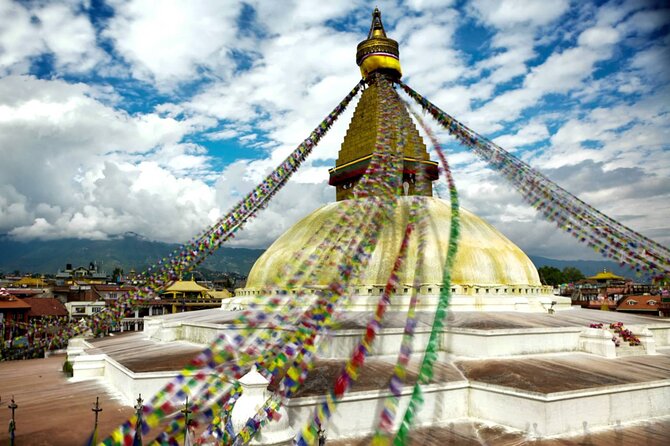
- Buddha City: Boudhanath Stupa
- Swayambhunatha Stupa (Monkey Temple)
- Kathmandu Durbar Square + Kumari Temple
- Day 3 Chitwan: Tharu Village Tour and Culture Program
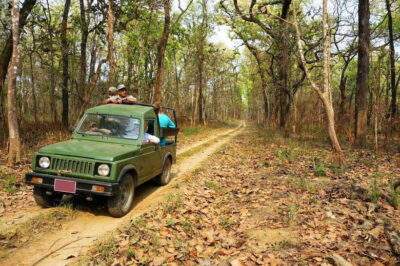
- Day 4 Chitwan: Canoeing, Jungle Walking, and Jeep Safari
- Day 5: Back to Kathmandu and a Free Evening
- Hotels and Meals: What’s Included vs. What You’ll Pay
- Guides and Service Quality: Names You May Hear
- The Safari Part: How to Plan Your Safari Mindset
- Small-Print Considerations: Tipping, Water, and Comfort
- Should You Book This Kathmandu and Chitwan Safari Tour?
- FAQ
- What’s the duration of the Kathmandu and Chitwan tour?
- Is airport pickup and drop-off included?
- What meals are included?
- What’s the age requirement?
- How many people are in the group?
- What if weather is poor in Chitwan?
What I’d Keep in Mind Before You Go
This is a guided, included-transport tour, which means fewer decisions for you. Your arrival transfers, private vehicle travel between Kathmandu and Chitwan, and hotel stays are built into the package, and the guide runs the Kathmandu day. Still, it’s a real-world schedule: road time (about 4–5 hours to Chitwan, then 5–6 back) plus early mornings means you should travel light and accept that you’ll be on the move most days.
More time out in the wild
- 3-Day Chitwan National Park Jungle Safari Tour Package with Pick Up★ 5.0 · 184 reviews
- Kathmandu: 3-Day Chitwan Safari Tour with Hotel Transfers★ 4.6 · 127 reviews
- Kathmandu/Pokhara: 3 Day Chitwan Jungle Safari Tour★ 4.7 · 87 reviews
- 2 Days Chitwan Jungle Safari Tour from Pokhara/Kathmandu★ 4.5 · 27 reviews
Key Things You’ll Care About
- Small group (max 15): easier questions, less waiting, and a more personal feel.
- Chitwan activities mix: Tharu village + culture program, then jungle walk/canoeing and a jeep safari.
- Guided Kathmandu Valley: one day that covers multiple UNESCO-listed and major sites with a professional guide.
- Meals aren’t equal every day: breakfast included throughout, but full meals are concentrated in Chitwan (and only specific lunches/dinners elsewhere).
- Early start time is real: plan for mornings that begin before you fully wake up.
Two Cities, One Plan: Culture Day Turns Into Safari Day
This tour is essentially a one-week story with two chapters. In Kathmandu, you focus on world-famous religious sites—Hindu, Buddhist, and the living tradition of the Kumari. Then Chitwan is about the Tharu people and the wildlife that calls this area home.
The value here isn’t just that you visit both places. It’s that the schedule is designed to reduce your time wasted on planning and rearranging. You don’t need to stitch together separate tickets, guides, or hotel bookings across Kathmandu and the jungle corridor. That matters if this is your only shot at Nepal, or if you just don’t want to spend vacation time doing spreadsheets.
Price and Logistics: What $500 Really Buys
At $500 per person for about 6 days, the big question is what’s included. This package covers:
- Airport pickup and drop-off by private car/van/bus
- Hotel accommodation (3-star deluxe) with breakfast
- Private vehicle/flight as per the itinerary (including transfers between Kathmandu and Chitwan)
- A professional guide for the whole Kathmandu day
- Entrance fees for sightseeing places
- Chitwan activities and safari time
- A defined set of meals (breakfast daily; plus specific lunches/dinners)
So you’re not paying only for a bus and a guide sketch. You’re paying for execution: timing, transfers, and paid access to the key sites. The only real cost surprises are personal expenses (snacks, drinks, extra water) and tipping, which the package lists as expected but not mandatory.
Group Size, Pickup, and the 5:15 am Start
The tour is capped at 15 travelers max, which is a big deal in Nepal where traffic and walking routes can slow groups down. With a smaller group, you get fewer bottlenecks at temples and fewer chunks of time lost to regrouping.
You’ll also get airport transfers: you’re met on arrival and taken to your hotel on Day 1, then transported to the airport on departure day. That’s particularly helpful if you land tired or you’re not sure where to find things like ATMs, sim cards, and local currency right away.
One thing to note: the meeting time is listed as 5:15 am. Even if not every day starts at that exact hour, plan your body for early mornings. Pack an easy breakfast option for yourself and keep a light day bag ready. You’ll thank yourself when you’re out the door before sunrise.
Before you lock this one in, a few Kathmandu alternatives:
Day 1 in Kathmandu: Thamel After Arrival
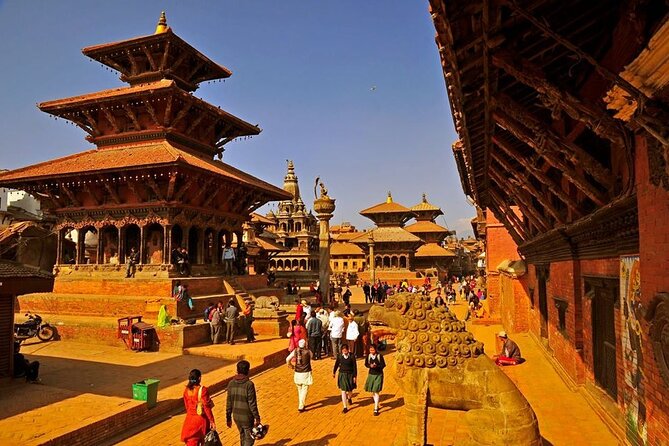
Day 1 is about getting oriented, not cramming temples immediately. After you land, you get transferred to your hotel and welcomed with a drink. Then you rest briefly, and in the evening you head to a tourist market in Thamel for an easy first look at the city.
This is a smart approach. Kathmandu can feel like a lot on day one—streets, sounds, smells, and sudden altitude fatigue. Thamel is also where you can quickly sort practical stuff: snacks, chargers, small shopping, and general wandering until you feel grounded.
Day 2 Kathmandu Valley: Pashupatinath, Boudhanath, Swayambhu, Durbar Square
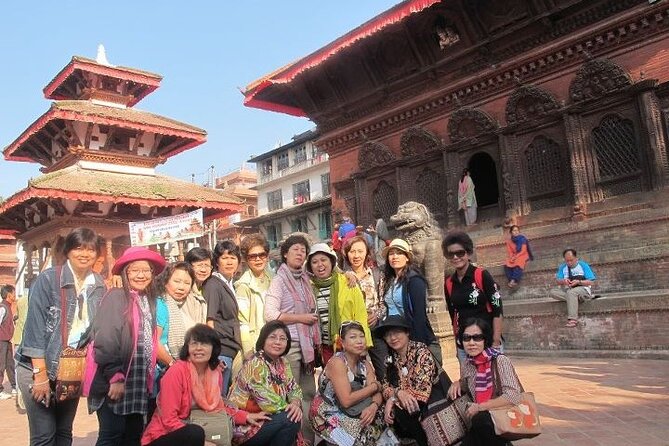
This is the big sightseeing day, and it’s designed as a full loop through Nepal’s major sacred landmarks.
Pashupatinath Area (Hindu temple complex)
You’ll go to Pashupatinath, one of the most famous Hindu sites in Nepal. Expect strong sights and a strong sense of place. If you’re the kind of traveler who likes rituals and architecture that still matter to locals (not just photo backdrops), this stop is central.
Buddha City: Boudhanath Stupa
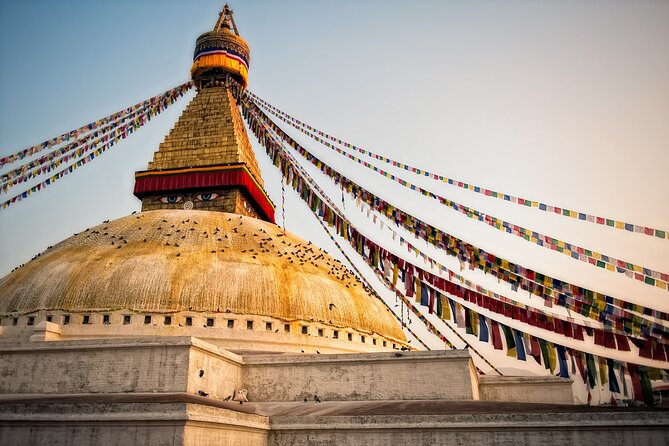
Then you shift to Buddhism with Boudhanath Stupa. The stupa area is known for the atmosphere of devotion—people moving around it, praying, and treating the space like a living practice.
Swayambhunatha Stupa (Monkey Temple)
Next is Swayambhunatha Stupa, commonly called the Monkey Temple. Even if you’ve seen photos, it’s one of those places where the approach and the climb make the views feel earned. You’ll want to wear shoes with good grip for the steps.
Kathmandu Durbar Square + Kumari Temple
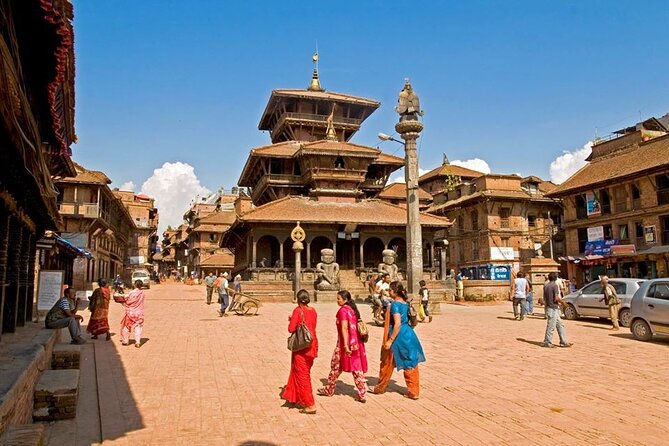
Finally, you end at Kathmandu Durbar Square, a UNESCO-protected historic site, plus the Kumari Temple connected to the living goddess tradition. This is where the day gets more than scenic. You’re looking at a tradition that people treat as real, not staged.
Practical tip: wear clothing that you’re comfortable covering if needed. Temples can be hot, and you’ll be walking. Bring water, but remember: mineral water isn’t listed as included, so plan on buying it.
Day 3 Chitwan: Tharu Village Tour and Culture Program
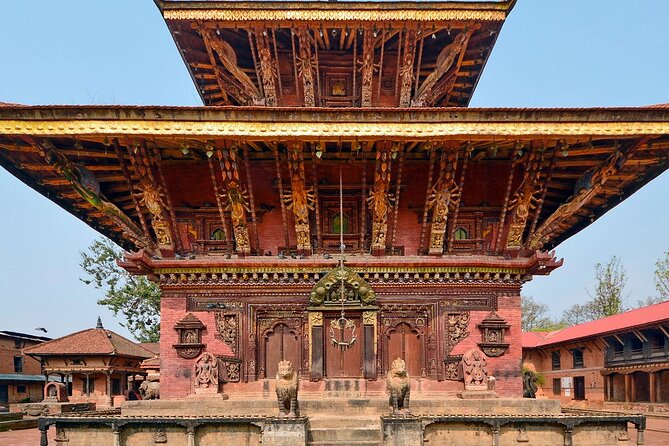
After breakfast, you drive to Chitwan, a trip that takes about 4–5 hours. You’ll likely arrive in the afternoon and shift gears from city temples to forest rhythms.
In the evening, you do a Tharu village tour and a Tharu culture program. This is where the trip earns depth. A safari isn’t just about animals. Chitwan is also about the people who live alongside the ecosystem, and the Tharu culture piece gives context for what you’ll see (and what you won’t see) in the jungle.
Even if you don’t know much about Tharu history, treat this evening as cultural orientation. Ask questions about daily life and local traditions. A culture program is most valuable when you watch it like you’re learning, not just ticking a box.
Day 4 Chitwan: Canoeing, Jungle Walking, and Jeep Safari
This is your active day in Chitwan.
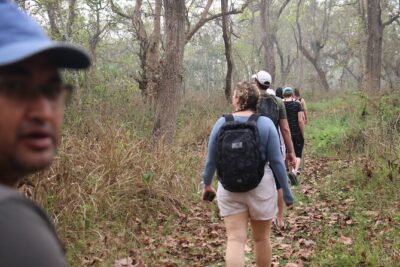
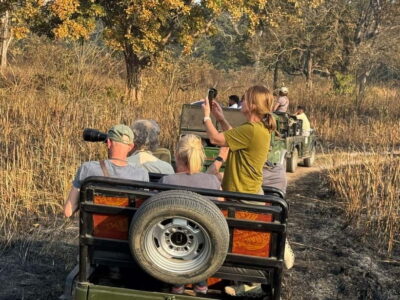
After breakfast, you go for canyoning/canoeing and jungle walking. Then, after lunch, you do a jeep safari. That sequence matters. The morning activities put you inside the environment on foot (or at least close to it), and the jeep safari gives you a broader view and better chances to spot wildlife.
A note on expectations: wildlife is never guaranteed. What you can count on is time in the right places, guided movement, and using the daylight window well.
Also, this day is where fitness and comfort matter most. The tour is for ages 10 and older, so it’s not an extreme endurance trip, but you should still be ready for walking and water-related activity depending on conditions.
Weather can also change how the day feels. The tour lists that it requires good weather, so if things turn, the operator may adjust. I’d pack a light rain layer and keep a spare dry layer if you run hot or sweat easily.
Day 5: Back to Kathmandu and a Free Evening
You drive back from Chitwan to Kathmandu, about 5–6 hours. Then you get an evening that’s purposely unscheduled. That’s your chance to shop, rest, and set your own pace after two days with an active plan.
This is a good day to do the practical Kathmandu stuff: pick up gifts, find a specific book or tea, or just do a slower walk through areas you passed on Day 2. If you want to eat something local but not adventurous, this evening is often the easiest time to do it.
Hotels and Meals: What’s Included vs. What You’ll Pay
Accommodation is listed as 3-star deluxe hotels in Kathmandu with breakfast included. In Chitwan, you get twin sharing for 2 nights with full board: breakfast, lunch, and dinner.
Outside Chitwan, meals are included only on specific items (breakfast daily, plus two lunches and two dinners as per the itinerary). That’s why you should treat lunches/dinners on some days as your own responsibility. Snacks and drinks aren’t included.
So, if you’re the type who always eats between stops, bring or budget for:
- bottled water / mineral water
- table drinks and personal snacks
- any extra meals on the days they’re not listed as included
Guides and Service Quality: Names You May Hear
One of the strongest signals from the experience is how smoothly it runs when you have a good guide and driver pairing.
In the Kathmandu portion, the tour uses a professional guide, and the service quality gets called out repeatedly. Reviews specifically thank individuals like Mr Hari for arrangements, Nawa for service, and Mr Deepak for driving. The common thread is that the people on the ground make the difference: clear communication, good timing, and helpful support when you’re tired.
I also like that the Chitwan stay is praised for staff friendliness and practical comfort. Some past guests highlight a resort-style setup with gardens and even a swimming pool. That’s not why you book the jungle part—but after active days, a calm place to shower, swim, and reset can feel like the best extra included perk.
The Safari Part: How to Plan Your Safari Mindset
Chitwan is different from a theme-park safari. You’re in a living habitat, and animals behave like animals. Your job is to be ready: quiet when your guide asks, attentive in the right moments, and patient when sightings don’t happen instantly.
The itinerary gives you multiple shots at wildlife time: morning jungle time and an afternoon jeep safari. That’s a good structure for a short trip. Even if you don’t see everything, the day will feel active, not like you’re waiting around for long blank stretches.
Bring the right expectations:
- you’re going for chances, not guarantees
- you’ll get better experience when you show up rested and hydrated
- you’ll appreciate the culture program more once you’ve seen the Tharu context
Small-Print Considerations: Tipping, Water, and Comfort
Tipping is expected by guides and driver, but it’s listed as not mandatory. My practical take: if you feel they did a great job, plan a tip amount you’re comfortable with. It’s one of the few flexible parts of the trip.
Also, remember the basic comfort checklist:
- Wear shoes for temple steps and uneven paths
- Bring a light layer for morning air
- Don’t assume mineral water is included
- Bring a phone charger/power bank (you’ll be using it for photos and maps)
The tour is for ages 10 and older, so if you’re traveling with kids, it may work fine—but active days still require stamina.
Should You Book This Kathmandu and Chitwan Safari Tour?
If you want a short, well-run intro to Nepal that mixes major religious landmarks with a real jungle safari, this package is a strong match. It’s especially worth it if you don’t want to plan intercity logistics yourself, and you like the idea of a guide handling entrances and key stops.
I’d lean toward booking if:
- you want a small group (max 15)
- you care about both culture sites and wildlife time
- you like the idea of guided Kathmandu and structured Chitwan activities
- you can handle early starts and some active walking
I’d think twice if:
- you hate early mornings
- you want total free time each day
- you’re not interested in paying for meals not listed as included
Bottom line: for $500, you’re buying execution—transport, hotels, entrances, a guided Kathmandu day, and multiple Chitwan activity blocks. That’s usually the sweet spot for first-time Nepal visitors.
FAQ
What’s the duration of the Kathmandu and Chitwan tour?
It runs for about 6 days (5 nights and 6 days total), with transport between Kathmandu and Chitwan included.
Is airport pickup and drop-off included?
Yes. The tour includes airport pickup and drop-off by private car/van/bus.
What meals are included?
Breakfast is included. In Chitwan, meals are listed as full board for the 2 nights (breakfast, lunch, and dinner). Other meals outside Chitwan are included only on specific days as noted in the itinerary.
What’s the age requirement?
The tour notes it is for participants aged 10 and older.
How many people are in the group?
The group is capped at a maximum of 15 travelers.
What if weather is poor in Chitwan?
The experience requires good weather. If it’s canceled due to poor weather, you’ll be offered a different date or a full refund.
More Days in the Wild
More Tours in Kathmandu


More Tour Reviews in Kathmandu
Just Reviewed in Kathmandu
- Mountain Bike Tour
★ 5.0 · 3 reviews - Annapurna Panaroma
★ 5.0 · 3 reviews - Mount Everest Scenic Flight 50 Minutes
★ 5.0 · 3 reviews - Kathmandu : Swambhunath & Durbar Square Guided Half Day Tour
★ 3.3 · 3 reviews - Chandragiri Cable Car & Monkey Temple Tour – Private/Group
★ 5.0 · 3 reviews - Kathmandu: Shivapuri National Park Hiking Day Trip
★ 3.3 · 3 reviews
Chitwan Jungle Safari, compared.
 ★ 5.03-Day Chitwan National Park Jungle Safari Tour Package with Pick UpFrom $180184 reviews
 ★ 4.63-Day All-Inclusive Chitwan SafariFrom $149133 reviews
 ★ 4.63-Day Chitwan Safari Tour with Hotel TransfersFrom $151127 reviews
 ★ 4.73 Day Chitwan Jungle Safari TourFrom $12987 reviews
 ★ 5.03 Nights 4 Days Chitwan National Park with Tower Night StayFrom $35041 reviews
 ★ 4.52 Days Chitwan Jungle Safari Tour from Pokhara/KathmanduFrom $11727 reviews
 ★ 5.012-Day Nepal Adventure Trek with Jungle SafariFrom $95026 reviews
 ★ 4.82, 3, or 4-Day Chitwan Jungle SafariFrom $3524 reviews
Browse the lists this tour appears in