
Review · LANGTANG VALLEY TREKS
Kathmandu: 6-Day Limitless Langtang Trek
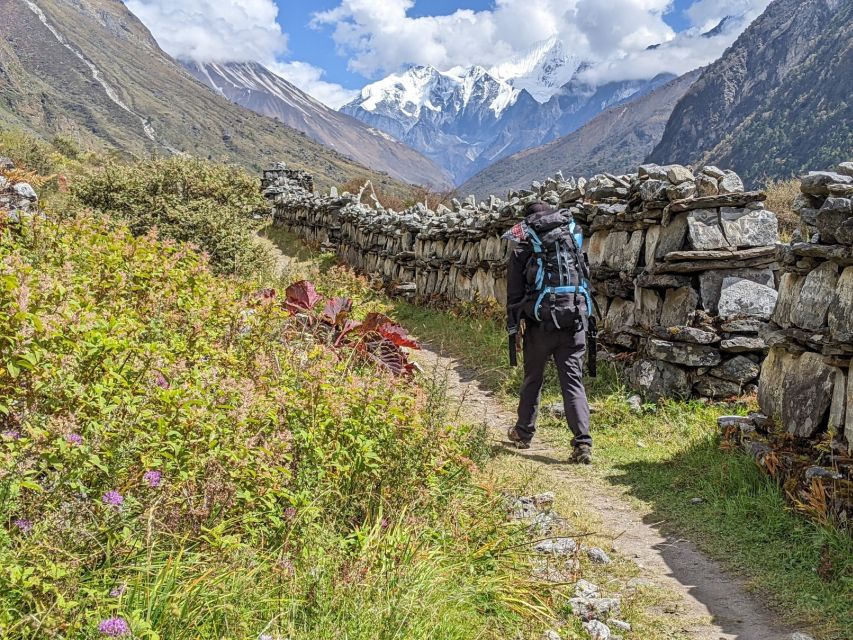
Langtang Valley has a way of quieting your mind. This 6-day trek strings together river walks, forest paths, Himalayan views, and Tamang culture without the long, punishing commitment of a bigger expedition. I especially like how guides such as Niraj, Bipin, and Mahesh Aryal keep things clear day-to-day and look out for how you’re feeling, including during the higher viewpoint push near 4,770m. One thing to consider: even at a moderate pace, you’re still hiking steep sections for several hours most days, and nights can get cold fast.
This trip is a strong fit if you want an authentic mountain route with real village life, not a crowded checklist. It’s also structured for people who want challenge with support: you gain altitude gradually, and you have an optional summit-style hike (Kyanjin Ri) for the days you feel good. If you like traveling light, note the program offers luggage storage, but a porter is extra if you want help carrying the heavy bits.
In This Review
- Key things that make this Langtang trek click
- Langtang’s quiet pull: the real experience behind the itinerary
- Price and value: what you’re paying for (and what you aren’t)
- The trail profile: moderate effort with one optional push to 4,770m
- Day-by-day: what each stop feels like (and what to watch for)
- Day 1: Kathmandu to Syabrubesi, then a warm-up trek to Pahiro (1,550m)
- Day 2: Pahiro to Ghoda Tabela (2,900m) through forests, villages, and waterfalls
- Day 3: Ghoda Tabela to Kyanjin Gompa (3,870m) for Tamang village life
- Day 4: Kyanjin Gompa to Thangsyap (3,200m) with the optional Kyanjin Ri viewpoint
- Day 5: Thangsyap to Syabrubesi (1,550m) along the Langtang river
- Day 6: Syabrubesi back to Kathmandu
- Kyanjin Gompa: where culture becomes more than a stop on the route
- Guides make or break a trekking week
- Lodge life at altitude: comfort, warmth, and realistic expectations
- What to pack so you’re comfortable from Syabrubesi to Kathmandu
- Who should book this Langtang Valley trek, and who should skip it
- Should you book this 6-day Langtang trek?
- FAQ
- How many days is the Kathmandu: 6-Day Limitless Langtang Trek?
- Where does the trek start and end?
- What languages does the guide speak?
- Are trekking permits and TIMS fees included?
- Are meals included in the package?
- Is this trek suitable for pregnant women?
Key things that make this Langtang trek click
- Forest-to-village trekking without crowds, with a true sense of place in the Langtang Valley
- Tamang culture on the ground, including time around monasteries and a cheese factory at Kyanjin Gompa
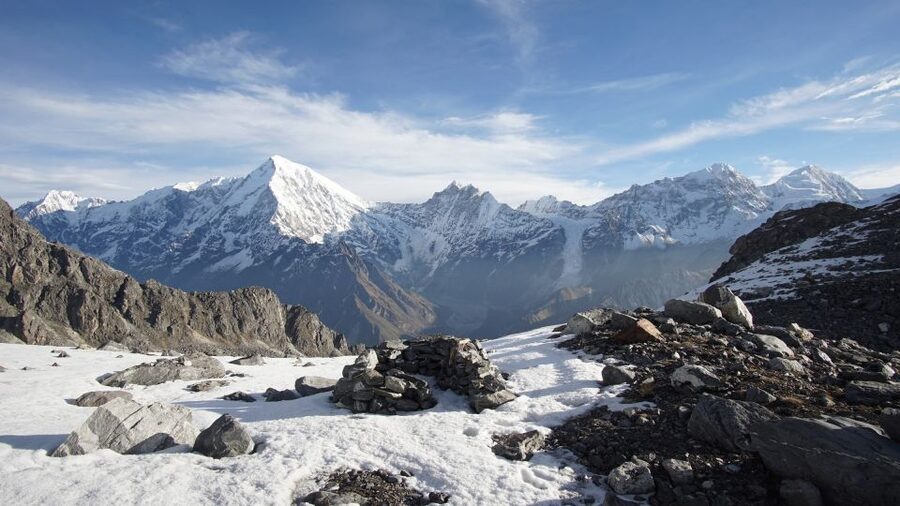
- One high-morale viewpoint day with the optional climb to Kyanjin Ri (4,770m)
- Good altitude rhythm: you climb to 3,870m, spike higher for views, then drop back to about 3,200m the same day
- Support that matters: multiple guides are praised for checking in often and managing the pace
- Warm lodge downtime: in cold months, you may find fires going in the dining area to take the edge off
More trails out of Kathmandu, boots ready
- Everest Base Camp Trek – 14 Days★ 5.0 · 1,499 reviews
- Everest Base Camp Trek★ 5.0 · 842 reviews
- Everest Base Camp Trekking★ 5.0 · 485 reviews
- Nagarkot Sunrise View and Day Hiking from Kathmandu★ 5.0 · 471 reviews
Langtang’s quiet pull: the real experience behind the itinerary
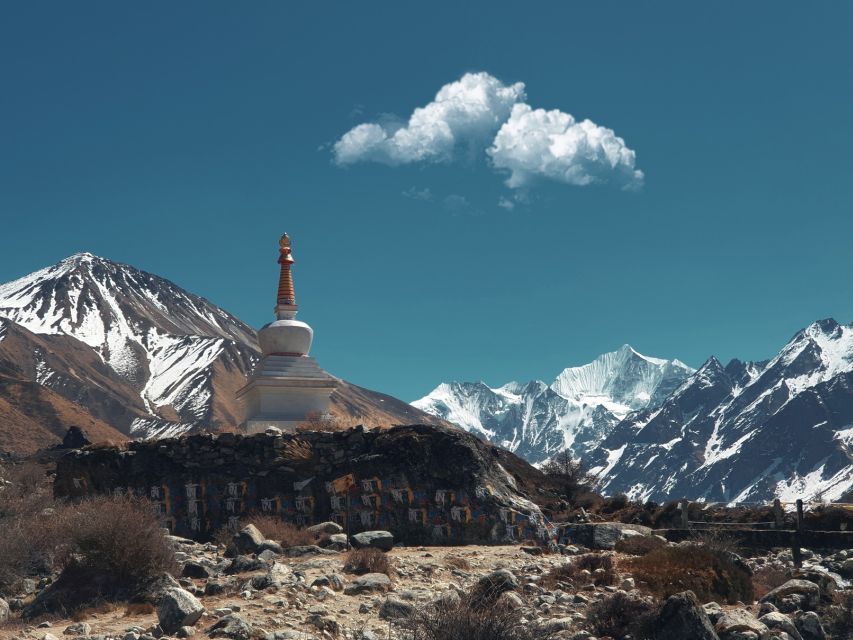
Langtang is often described as “peaceful,” and for good reason. Compared with the most famous trekking regions, this valley gives you space to notice small things: the change of air temperature as you climb, prayer flags near stone paths, and the way village routines keep moving as hikers pass through.
What I like most is that the trek isn’t only about reaching a high point. You spend real time around everyday community life—especially in the Tamang villages near Kyanjin Gompa—plus spiritual stops that feel more like local practice than tourist scenery. If you’re the type who enjoys talking to people, learning a few local terms, and slowing down to watch how a cheese factory works, this route rewards that curiosity.
Price and value: what you’re paying for (and what you aren’t)
The stated price is $181 per person for a 6-day trek. On paper, that’s the easy part. The better question is what’s included because that’s where value really shows up.
Here’s what the package covers: hotel pickup and drop-off, trekking permits and paperwork (including TIMS fees), government tax, and private comfortable accommodation for 5 nights during the trek. It also includes staff costs (meals, salary, equipment, insurance, and transport), plus luggage storage. If you choose the Full Package, you get all meals—breakfast, lunch, and dinner—during the trekking days.
What you should plan to pay separately: drinks, travel and rescue insurance, your international flights and Nepal visa fee, personal expenses like phone/laundry/battery recharge, and any extra porter help. Water purchases and showers also fall under personal spending since they’re listed as personal costs.
So is it “cheap”? It’s more accurate to say this trek is cost-controlled. You’re paying for the logistical backbone—permits, accommodations, guide, and meals (if full package)—while still covering your own personal gear and safety extras.
The trail profile: moderate effort with one optional push to 4,770m
This trek is rated as rewarding but moderate. That’s the right way to think about it, because you’ll have steady uphill days and some steeper stretches, but the route avoids the nonstop suffering that can make higher-altitude trekking feel like a battle.
The “big decision” is Kyanjin Ri (about 4,770m). It’s described as a hike up from the Kyanjin Gompa area, and it’s optional for people who want an easier day. In practice, that means you can treat Day 4 as either:
- a viewpoint day (work a bit harder for summit-like views), or
- a more relaxed day (skip the harder segment and keep the focus on the descent and lodge time).
Altitude rhythm matters here. You start Day 1 around 1,550m, reach 2,900m by Day 2, then hit 3,870m at Kyanjin Gompa by Day 3. After that, you go higher for the viewpoint, and later in Day 4 you continue down to Thangsyap (around 3,200m). That downshift helps your body recover while still giving you the drama of the high views.
Day-by-day: what each stop feels like (and what to watch for)
Before you lock this one in, a few Kathmandu alternatives:
Day 1: Kathmandu to Syabrubesi, then a warm-up trek to Pahiro (1,550m)
You’ll leave Kathmandu and drive to Syabrubesi (about 6 hours), then walk for roughly 2 hours toward Pahiro (1,550m). The trekking portion starts in forest and follows the Langtang river, which is a smart way to ease into the trip. You get movement without the pressure of instant steep altitude.
Practical note: Day 1 is usually where people overpack mentally. The physical load is manageable, but you’re also adjusting to being in hiking mode. Take it easy, hydrate, and let your legs learn the rhythm.
Overnight is in Pahiro.
Day 2: Pahiro to Ghoda Tabela (2,900m) through forests, villages, and waterfalls
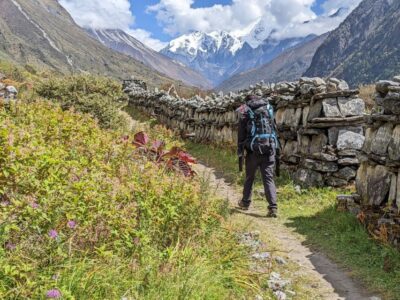
Day 2 is a full trek day (about 6 hours) to Ghoda Tabela (2,900m). You’ll pass through green forest, villages, and cascading waterfalls along the way. This is the day where you tend to feel the altitude as a lighter breath, not a sudden crisis.
What to watch: stone steps and muddy patches. Even if the route feels “moderate,” footing can be the real challenge. Good hiking shoes make this day feel easier, and trekking poles can help on steep sections (you’ll be glad if you have them).
Overnight is in Ghoda Tabela.
Day 3: Ghoda Tabela to Kyanjin Gompa (3,870m) for Tamang village life
You climb from Ghoda Tabela up to Kyanjin Gompa (3,870m). The day is built for views and culture: you reach a high valley hub where the air feels different and the village life becomes the main event.
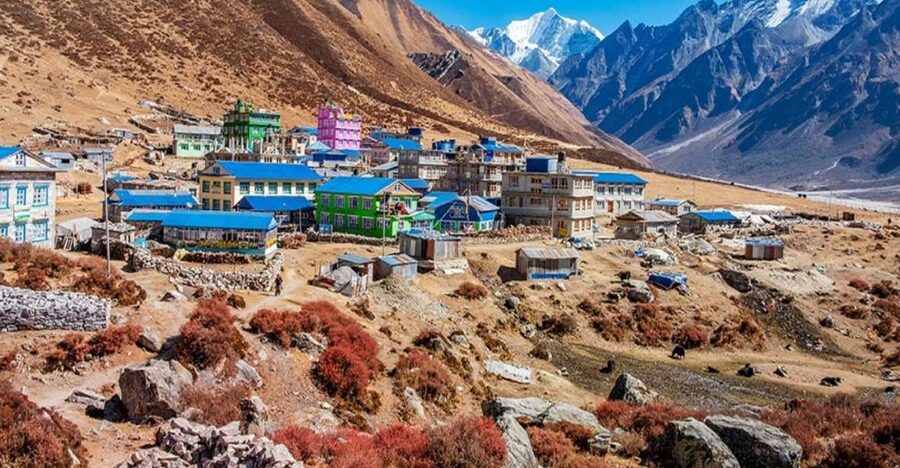
At Kyanjin Gompa, you don’t just pass through. You explore the village, including a cheese factory and monasteries, and you interact with friendly locals. It’s a nice reminder that trekking routes are also local economies—this area runs on small systems that keep working year-round.
Overnight is in Kyanjin Gompa. This is also a great time to ask questions about weather patterns, trails, and how locals think about the mountains. Guides often know the practical answers, from what to expect on the next day to how animals are cared for in the region.
Day 4: Kyanjin Gompa to Thangsyap (3,200m) with the optional Kyanjin Ri viewpoint
Day 4 is where you choose your level of effort. From the Kyanjin Gompa area, you can hike uphill to Kyanjin Ri (around 4,770m) for panoramic views. The trek back follows the same route after the viewpoint, then you continue on toward Thangsyap (around 3,200m).
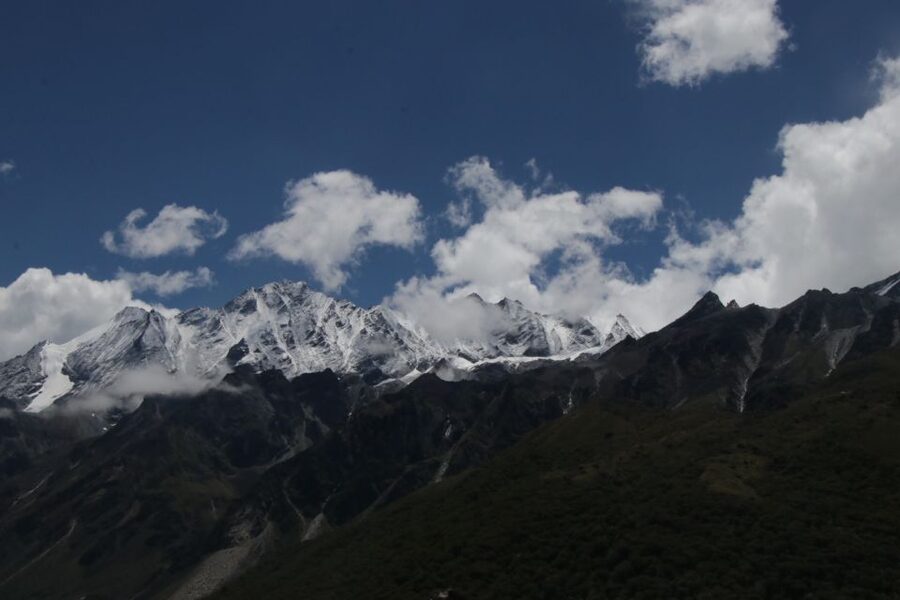
If you go for the viewpoint: you’ll feel it in your breathing and legs, but the payoff is the wide-open sense of place—snowy peaks and the glacial valley vibe. If you skip the harder climb: you’ll still get big scenery and a calmer pace to enjoy the spiritual atmosphere around the route.
Overnight is in Thangsyap.
Day 5: Thangsyap to Syabrubesi (1,550m) along the Langtang river
This is your long descent day. You return to Syabrubesi (1,550m), dropping a lot of elevation and walking beside the Langtang river. Before you start descending, you’ll explore the surroundings of Thangsyap and enjoy views of the Langtang range and surrounding peaks.
This is where comfort depends on your legs and your technique. Downhills can be rough on knees, even when they feel easier than uphill days. Take shorter steps, keep a steady pace, and don’t let speed ruin your form.
Overnight is in Syabrubesi.
Day 6: Syabrubesi back to Kathmandu
You’ll drive back from Syabrubesi to Kathmandu on a shared bus. It’s the final transition from trekking time to city life. Think of it as decompression: you’ll want to stretch, hydrate, and eat something that doesn’t taste like altitude-level hunger.
Kyanjin Gompa: where culture becomes more than a stop on the route
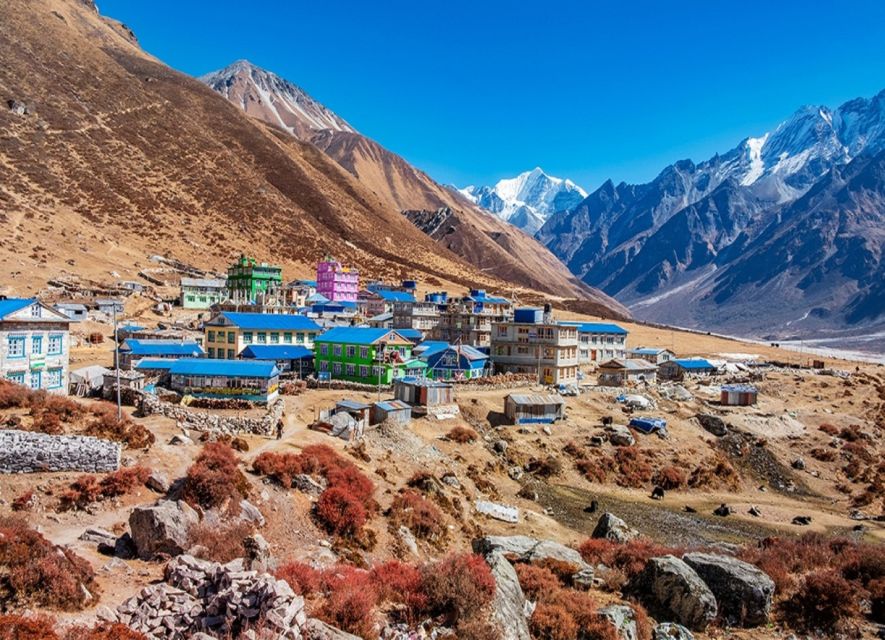
Kyanjin Gompa is the heart of the trek. Yes, you’re at altitude with strong mountain views—but this is also where you connect to Tamang traditions in a way that feels direct.
The standout cultural elements here are:
- Monasteries you can actually visit and see in daily use
- A cheese factory, which makes the village feel real and working, not staged
- Local interaction, with a chance to ask questions and learn how people adapt to mountain living
In practical terms, this matters because it changes your pacing. When you’re moving through forest and up toward a viewpoint, you tend to focus on your body. At Kyanjin Gompa, you get your mind back too. That balance is a big reason this trek lands well with first-timers.
Guides make or break a trekking week
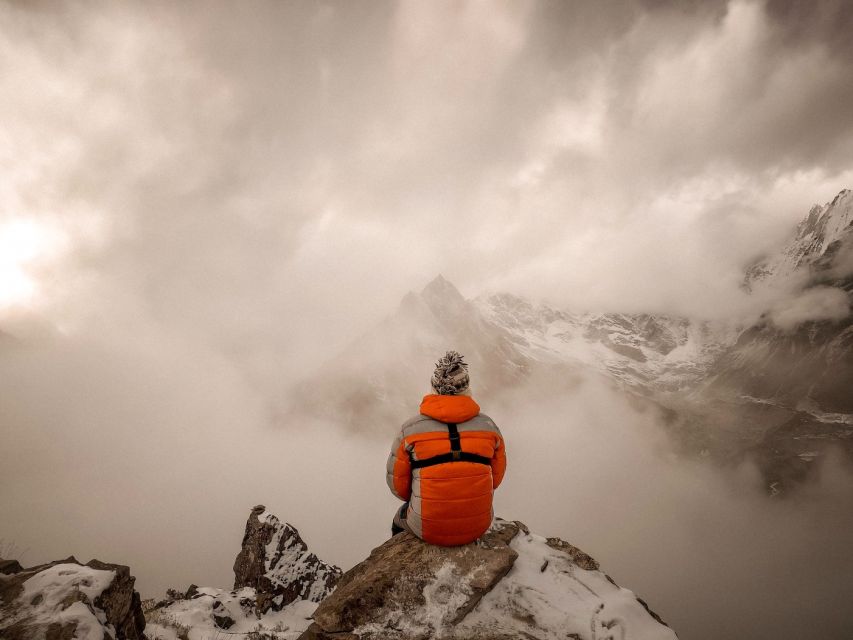
The trekking experience here is strongly tied to guide quality. Multiple guides are specifically praised for being supportive, friendly, and structured—people note how their guides checked in regularly and kept them informed about next steps.
Names that came up include Niraj, Bipin, Mahesh Aryal, Dipesh, Ghanshyam, and Niraj Aryal. Different hikers talked about different strengths, but the common pattern is clear: good guides don’t just lead. They manage the plan, help with day-to-day pacing, and make sure you’re safe without turning the trek into a rigid drill.
If you’re going solo or you’re new to trekking, that matters. You’re not just buying navigation—you’re buying someone who can answer questions about lodges, trails, and what the next segment will feel like.
Lodge life at altitude: comfort, warmth, and realistic expectations
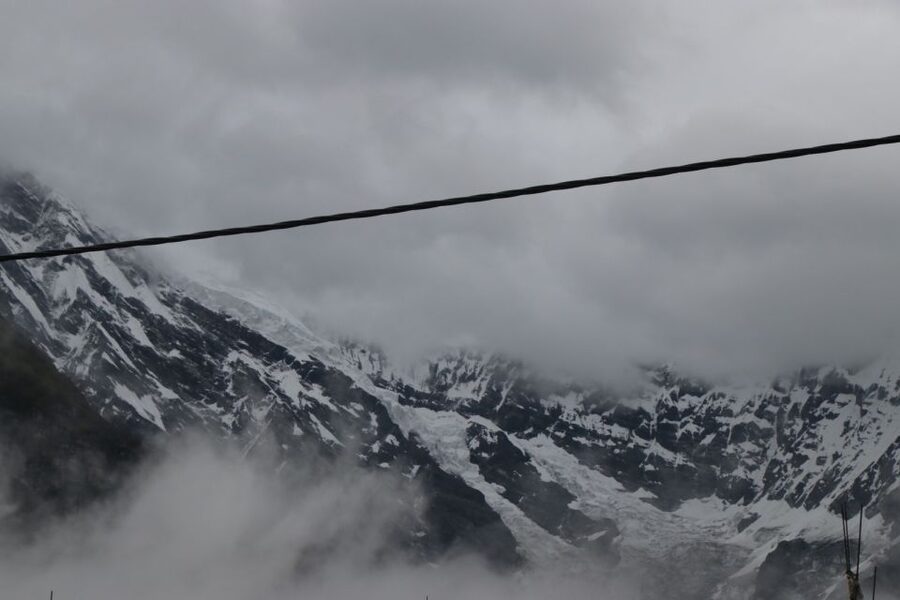
You’ll sleep in private comfortable accommodation for 5 nights during the trek. Lodges here are not the same as a hotel chain, but “comfortable” usually means you get a warm room setup and a functioning dining area.
One thing to plan for: cold nights, especially if you go in winter months. Packing warm layers isn’t optional advice—it’s survival advice. Reviews highlight that January can be colder, and you may find fires going in the dining area, which helps you warm up between meals and sleep.
Also remember the “personal expenses” category. Items like bottled or boiled water, showers (if available), phone charging, laundry, and snacks beyond included meals are separate costs. If you want your budget to feel steady, bring a plan for those small purchases.
What to pack so you’re comfortable from Syabrubesi to Kathmandu
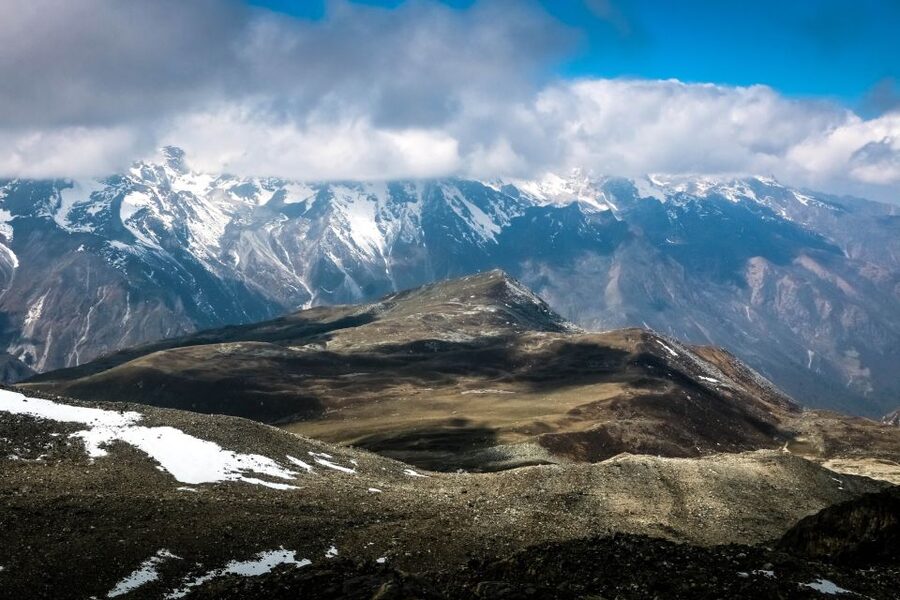
The provided packing list is solid. If you want a practical shortlist, build around these categories:
Footing and layers
- Hiking shoes
- Jacket, hat, sunglasses
- Gloves (yes, bring them)
- Warm sleeping bag (listed as required)
Night and weather basics
- Flashlight
- Sunscreen
Your documents and small essentials
- Passport or ID card
- Towel
- Trekking gear
If you tend to run cold, don’t wait until you arrive to fix it. Cold nights at altitude can make a small problem feel big fast. Warm clothes are what keep you enjoying the evening, not just surviving it.
And one more tip: use the offered luggage storage facility so you don’t lug everything on the trail day-to-day. If you need extra help carrying a bigger backpack, porters are available but come with an extra charge.
Who should book this Langtang Valley trek, and who should skip it
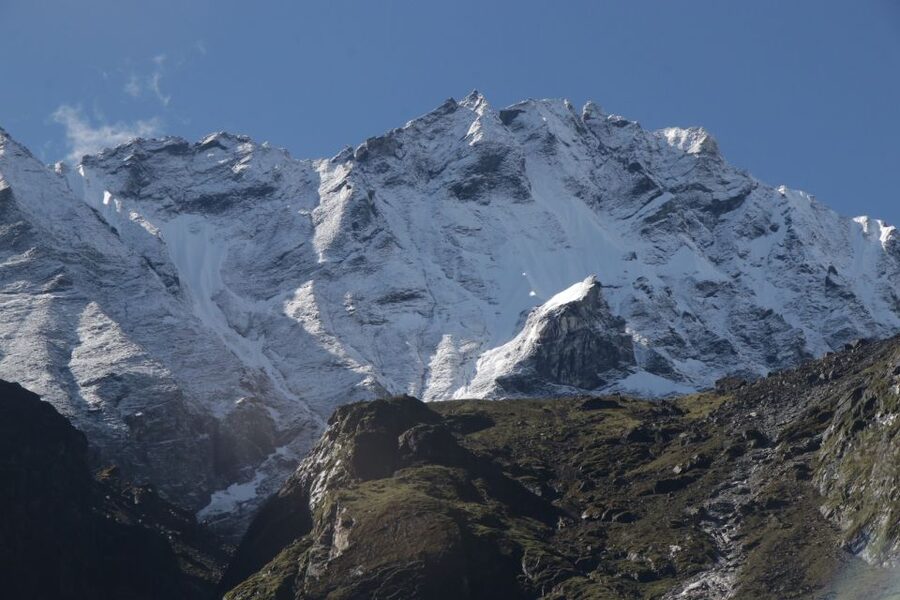
This is a good choice if you:
- want a true Himalayan trekking experience without crowds
- like cultural stops (monasteries, a cheese factory, village interactions)
- prefer a week that feels manageable, not extreme
- want support from an English-speaking guide and structured meals (if full package)
It’s also friendly for families, couples, and solo travelers because the route is described as rewarding yet moderate.
Skip it if you’re pregnant. That’s explicitly listed as not suitable.
Should you book this 6-day Langtang trek?
If your goal is a week of mountain views plus real village and spiritual life, this trek is a strong match. The itinerary has a smart altitude rhythm, you get a meaningful culture day at Kyanjin Gompa, and you have the option to push higher on Kyanjin Ri if you feel good.
I’d book it if:
- you’re okay hiking several hours most days
- you want an authentic route that isn’t overwhelmed by crowds
- you value guide support and want someone to keep the plan clear
I’d think twice if:
- you’re not comfortable with cold nights and hiking effort (even “moderate” can feel steep)
- you’d rather avoid any uphill climbs at high altitude, since the optional Kyanjin Ri day still exists as a choice you must plan for
FAQ
How many days is the Kathmandu: 6-Day Limitless Langtang Trek?
It lasts 6 days.
Where does the trek start and end?
The trekking starts at Syabrubesi and the trek ends back at Syabrubesi, followed by a drive back to Kathmandu on a shared bus.
What languages does the guide speak?
The guide is listed as speaking English, Hindi, and Nepali.
Are trekking permits and TIMS fees included?
Yes. Trekking permits, all necessary paperwork, and the TIMS fee(s are included.
Are meals included in the package?
Meals are included for the Full Package only, with breakfast, lunch, and dinner during the trek.
Is this trek suitable for pregnant women?
No, it’s listed as not suitable for pregnant women.
More 6-Day Experiences in Kathmandu
More Trekking Out of Kathmandu
More Tour Reviews in Kathmandu
Just Reviewed in Kathmandu
- Mountain Bike Tour
★ 5.0 · 3 reviews - Annapurna Panaroma
★ 5.0 · 3 reviews - Mount Everest Scenic Flight 50 Minutes
★ 5.0 · 3 reviews - Kathmandu : Swambhunath & Durbar Square Guided Half Day Tour
★ 3.3 · 3 reviews - Chandragiri Cable Car & Monkey Temple Tour – Private/Group
★ 5.0 · 3 reviews - Kathmandu: Shivapuri National Park Hiking Day Trip
★ 3.3 · 3 reviews
Langtang Valley Treks, compared.
 ★ 5.0Langtang Valley TrekFrom $555140 reviews
★ 5.0Langtang Valley TrekFrom $83061 reviews
Langtang Valley TrekFrom $70050 reviews
★ 5.0Langtang Valley TrekFrom $555140 reviews
★ 5.0Langtang Valley TrekFrom $83061 reviews
Langtang Valley TrekFrom $70050 reviews
 ★ 5.08 Days Tour in Langtang Valley TrekFrom $69845 reviews
 ★ 5.0Private 8 – Day Langtang TrekkingFrom $58429 reviews
★ 5.0Langtang Valley TrekFrom $1,00023 reviews
★ 5.0Private 8 – Day Langtang TrekkingFrom $58429 reviews
★ 5.0Langtang Valley TrekFrom $1,00023 reviews
 ★ 5.0Langtang Valley TrekkingFrom $75020 reviews
★ 5.0Langtang Valley TrekFrom $56020 reviews
★ 5.0Langtang Valley TrekkingFrom $75020 reviews
★ 5.0Langtang Valley TrekFrom $56020 reviews
Browse the lists this tour appears in