
A trip to Nepal hits different when it’s organized like a pro. This private 6-day plan strings together Kathmandu heritage, Pokhara views, seasonal village-style experiences, and an Everest-view flight option, so you’re not stuck guessing what to do each day.
I especially like the way this tour builds in local guidance (professional language-speaking guides plus an official escort) and keeps travel smooth with private airport transfers and domestic flights between Kathmandu and Pokhara. It’s the kind of structure that helps you actually enjoy the sites, instead of spending your energy on logistics.
One consideration: the days can start early, especially for sunrise at Sarangkot, and Nepal’s road conditions can be bumpy enough that you’ll want a little patience for transfers.
In This Review
- Key things I’d plan around
- A 6-Day Kathmandu–Pokhara Route With City Culture and Mountain Air
- Price and Logistics: What $2,447 per Person Buys You
- Day 1 Arrival in Kathmandu: Airport Welcome and a Fast Start
- Day 2 Kathmandu to Pokhara by Air: Short Flight, Big Perspective
- Day 3 Pokhara Sunrise at Sarangkot: The Early Wake-Up Is Worth It
- Day 4 Back to Kathmandu and Bhaktapur: Slower Heritage, Rich Detail
- Day 5 Patan Durbar Square and Swayambhunath: Two Sacred Styles in One Day
- The Everest-View Flight from Ramechap to Lukla: A Big-Mountain Moment
- Seasonal Culture: Campfire Evenings, Farming-Style Moments, and Festivals
- Private Guides and the Peace of Mind Factor
- Comfort, Food, and Everyday Details You’ll Actually Notice
- Who This Tour Fits Best
- Should You Book This Private Kathmandu–Pokhara Tour?
- FAQ
- How long is the Kathmandu Pokhara tour?
- Is this a private tour?
- Are airport transfers included?
- Are Kathmandu to Pokhara flights included?
- What accommodation is included?
- Which heritage sites in Kathmandu Valley are included?
- Is there a sunrise activity in Pokhara?
- Does the tour include an Everest-view flight?
- What are the cancellation terms?
Key things I’d plan around
- Private door-to-door transfers in Kathmandu and Pokhara, so you’re not negotiating taxis after a flight
- Sarangkot sunrise timing to catch Himalaya light over Pokhara Valley
- Classic Kathmandu heritage mix: Bhaktapur, Patan Durbar Square, and Swayambhunath
- An Everest-view flight from Ramechap to Lukla for mountain wow-factor
- Seasonal culture built in: cultural program, outdoor campfire, and farming/harvesting-style experiences
- What you pay for is more than a sightseeing bus ride, with entrance fees and guided visits included
Just your group, at your own pace
- Private Kathmandu Sightseeing Tour | UNESCO World Heritage sites★ 5.0 · 756 reviews
- Kathmandu: Full Day 7 UNESCO Tour with Lunch – Private/Group★ 5.0 · 415 reviews
- Private Bhaktapur and Nagarkot Day Tour From Kathmandu★ 5.0 · 305 reviews
- Kathmandu: Full Day Top 4 UNESCO Tour with Lunch – Private/Group★ 5.0 · 269 reviews
A 6-Day Kathmandu–Pokhara Route With City Culture and Mountain Air
This tour works because it’s not just about checking boxes. It pairs dense Kathmandu heritage days with Pokhara’s slower rhythm and big-sky views. Then it adds seasonal cultural moments and an Everest-view flight component that most simple city tours never include.
If you like a plan that still leaves breathing room, you’ll appreciate the mix of guided blocks and free time. And if you want Nepal beyond temples and photos, the cultural program and seasonal village-style experiences are the difference between a quick tour and something you remember for years.
Price and Logistics: What $2,447 per Person Buys You
At $2,447 per person, you’re paying for private flow: private transfers, professional local guides, entrance fees, and domestic air travel. In Nepal, that matters because time and stress are expensive, especially when you’re moving between cities on tight schedules.
Here’s what helps justify the cost:
- Domestic flights included (KTM–PKR–KTM), which cuts down long driving days and lets you spend more time where the views happen
- Hotels included: 3 nights in Kathmandu and 2 nights in Pokhara, twin-sharing with breakfast
- Meals supported: welcome and farewell dinners plus daily breakfast (5 breakfasts listed) and dinner included overall
- Entrance fees included for the monument areas in the itinerary
- Daily bottled water during sightseeing (two mineral waters per person)
Now the practical side. This price is for a private setup, so your value improves if you’re traveling as a small group and want things done on your schedule. If you’re happy with shared buses and DIY plans, you’ll find cheaper options. But if you want fewer headaches and better guidance, this one is built for comfort and clarity.
Day 1 Arrival in Kathmandu: Airport Welcome and a Fast Start
Your trip begins at Tribhuvan International Airport in Kathmandu, with an arrival assist and a transfer to your hotel by private vehicle. After check-in, you get a welcome drink plus a tour briefing. That briefing step sounds small, but it’s a big deal in a place where traffic, traffic rules, and temple etiquette can feel unfamiliar.
The tone on Day 1 is practical: get you oriented, get you through the first logistics, and then ease you into Nepal rather than dropping you into a full-day sprint.
What to watch for: Kathmandu can feel busy right away. Keep your first evening light. If you can, plan for an early night so you’re not fighting fatigue on the next day’s Pokhara logistics.
Day 2 Kathmandu to Pokhara by Air: Short Flight, Big Perspective
After breakfast, you check out based on your flight timing and take a scenic 30-minute flight from Kathmandu to Pokhara. This is one of the smarter choices in the itinerary. Flying saves time, and it also keeps the trip’s pace smooth.
Once you land, your vehicle is on standby. You’re transferred to the hotel, check in, and then you get time to settle and explore at your own speed.
Why I like this structure: it gives you Pokhara without the full-day transit slog. You arrive while the light still works for casual walks, lakeside wandering, and getting your bearings.
Possible drawback: flight days can feel rushed. If you’re the type who likes to linger over breakfast and check out slowly, you’ll want to be flexible about timing.
Before you lock this one in, a few Kathmandu alternatives:
Day 3 Pokhara Sunrise at Sarangkot: The Early Wake-Up Is Worth It
This is the day with the “ok, we had to wake up early” reward. You get a wake-up call and head to Sarangkot to catch sunrise over the Himalayas. From there, you look down across Pokhara Valley, with Seti River and Fewa Lake in the mix.
The attraction here is simple: the combination of sky color, mountain outlines, and the way the valley sits below you. It’s a classic for a reason, but this itinerary doesn’t treat it like a box-check. The view is the main event.
What to plan:
- Wear layers. Morning air can feel cooler than you expect
- Give yourself a moment before you rush for photos
- Expect some waiting time, since sunrise is weather-driven
If you hate early mornings, this is still the best place to compromise. One sunrise day in Pokhara often gives more emotional payoff than adding another late-afternoon viewpoint.
Day 4 Back to Kathmandu and Bhaktapur: Slower Heritage, Rich Detail
Breakfast first, then check out and drive to Pokhara International Airport for your flight back to Kathmandu. Once you arrive, the tour shifts to the Kathmandu Valley heritage side, starting with Bhaktapur sightseeing.
Bhaktapur is where you can slow down and feel the rhythm of old-city life. You’re not just looking at temples from a distance. You’re moving through a living historic area where architecture and daily routines sit close together.
Then the rest of the day is open for personal activities. That matters. After travel and a guided heritage block, you get a chance to reset, snack, and choose what you want next.
A practical note: city days add walking time. If you have knee issues or you’re traveling with someone who needs frequent pauses, schedule your breaks. Private pacing helps here.
Day 5 Patan Durbar Square and Swayambhunath: Two Sacred Styles in One Day
Another breakfast start and then a heritage-focused day with a guide and vehicle waiting outside your hotel. You’ll visit Patan Durbar Square and Swayambhunath (often called the Monkey Temple area).
Why this pair works:
- Patan Durbar Square gives you that dense, carved-stone sense of Kathmandu Valley power
- Swayambhunath shifts the experience upward and outward, with a strong sense of viewpoint and sacred atmosphere
You’ll also get some free time afterward for personal exploration. That’s when I’d recommend you choose one nearby area and go slow instead of trying to cover everything.
Drawback to consider: Swayambhunath areas can be crowded depending on the time of day. If you’re sensitive to crowds, time your visit wisely and plan a lighter pace in the afternoon.
The Everest-View Flight from Ramechap to Lukla: A Big-Mountain Moment
This package includes an Everest-view flight from Ramechap to Lukla for an Everest view. Even if you never step onto a trail yourself, the simple act of getting that mountain perspective from the air can change how you see Nepal’s scale.
Why it’s valuable: so many trips stop at Kathmandu temples and Pokhara views. This adds a more direct connection to the high-country drama—without requiring a multi-week trek.
A realistic consideration: flights in mountainous regions depend heavily on weather. The tour is clear that the experience requires good weather. That means you should pack flexibility into your schedule and your expectations.
If you want pure sightseeing comfort, this flight may be the part that feels the most intense, just because travel in that zone can be unpredictable.
Seasonal Culture: Campfire Evenings, Farming-Style Moments, and Festivals
One of the most interesting parts of this experience is how it goes beyond standard sightseeing. The package describes a cultural program with an outdoor campfire, along with opportunities to participate in traditional cultivation and harvesting processes depending on the season.
It also notes the chance to join seasonal local festivals and festivities and regional events and celebrations. That’s important because Nepal isn’t one-note. The country changes by season, and ceremonies bring that to life fast.
From a practical travel standpoint, these elements do two good things:
- You spend time with real rhythms of daily life, not just staged viewpoints
- Your guide can explain what you’re seeing so it lands with meaning
What to keep in mind: seasonal activities can vary. If your trip dates line up with a major festival, you may get a more colorful cultural schedule. If not, you’ll still get the cultural program and the hands-on style experiences that make it feel grounded.
Private Guides and the Peace of Mind Factor
The biggest repeated strength here is support that feels real, not scripted. The tour includes professional language-speaking local guides in Kathmandu and Pokhara, plus an accompanying official escort throughout the trip.
That matters more than most people expect. In Nepal, there are a lot of moving parts: temple rules, timing, where to stand, what to ask, and how to avoid wasting time. A good guide helps you get access smoothly and understand what’s happening around you.
From the tour experience described, the service style is also the reason the trip tends to run like it’s on rails. People highlight that it feels organized, responsive, and able to handle the small changes that always pop up in real travel days.
Comfort, Food, and Everyday Details You’ll Actually Notice
This itinerary keeps basics covered:
- Accommodation: 3 nights Kathmandu + 2 nights Pokhara, twin-sharing, breakfast included
- Dinners: dinner is included, plus welcome and farewell dinners
- Water: two mineral waters per person each day while sightseeing
You’ll also have time blocks that are not tightly packed, including free time on key days. That’s good. It helps you adapt if you feel like walking a bit longer, grabbing a snack, or just taking a breather.
Small advice that helps: don’t overbook your evenings in Kathmandu Valley days. Heritage areas can tire you out. If you’re going to the next day’s sunrise or an early city morning, let your body catch up.
Who This Tour Fits Best
This private tour fits best if you:
- want a high-comfort, private Nepal intro with fewer stress points
- like the mix of heritage + mountain views
- want local guides who can explain what you’re seeing, not just point and move on
- care about a plan that includes cultural moments like campfire evenings and seasonal farming-style activities
It’s less ideal if you:
- prefer pure DIY travel and you’re comfortable planning flights, entrances, and timing on your own
- hate early mornings (Sarangkot sunrise is part of the core experience)
- can’t handle weather-dependent flight segments
Should You Book This Private Kathmandu–Pokhara Tour?
If your goal is a smooth Nepal experience that still feels human—temples, sacred sites, Pokhara’s views, and cultural moments with seasonal context—this tour makes a strong case. The value isn’t just the sights. It’s the way the trip reduces friction: private transfers, domestic flights, guiding, and entrance fees handled for you.
I’d say book it if you want a guided trip with real support, and you’re open to early wake-ups and weather-sensitive travel. I’d hold off only if you want a relaxed, self-paced plan and you’d rather spend extra time finding your own way.
In short: this is a well-structured private introduction to Nepal, with enough variety to keep it from feeling repetitive after day two.
FAQ
How long is the Kathmandu Pokhara tour?
It’s listed as 6 days / 5 nights.
Is this a private tour?
Yes. It’s described as a private tour/activity with only your group participating.
Are airport transfers included?
Yes. Arrival and departure airport transfers are included by private vehicles as per group size.
Are Kathmandu to Pokhara flights included?
Yes. The package includes KTM–PKR–KTM by air (domestic airfare and taxes are included, though taxes and fares can change).
What accommodation is included?
You get 3 nights in Kathmandu and 2 nights in Pokhara, on a twin-sharing basis with breakfast included.
Which heritage sites in Kathmandu Valley are included?
The itinerary includes Bhaktapur sightseeing, Patan Durbar Square, and Swayambhunath.
Is there a sunrise activity in Pokhara?
Yes. The schedule includes an early trip to Sarangkot to catch the sunrise and Himalaya views.
Does the tour include an Everest-view flight?
The overview states there is a flight from Ramechap to Lukla for Mt. Everest view.
What are the cancellation terms?
You can cancel up to 6 days in advance for a full refund, and less than that reduces the refund amount as stated in the policy.
Private Days, Your Group Only


More Tours in Kathmandu


More Tour Reviews in Kathmandu




Just Reviewed in Kathmandu
- Mountain Bike Tour
★ 5.0 · 3 reviews - Annapurna Panaroma
★ 5.0 · 3 reviews - Mount Everest Scenic Flight 50 Minutes
★ 5.0 · 3 reviews - Kathmandu : Swambhunath & Durbar Square Guided Half Day Tour
★ 3.3 · 3 reviews - Chandragiri Cable Car & Monkey Temple Tour – Private/Group
★ 5.0 · 3 reviews - Kathmandu: Shivapuri National Park Hiking Day Trip
★ 3.3 · 3 reviews
Pokhara Tours & Sightseeing, compared.
 ★ 4.63-Day All-Inclusive Chitwan SafariFrom $149133 reviews
 ★ 4.73 Day Chitwan Jungle Safari TourFrom $12987 reviews
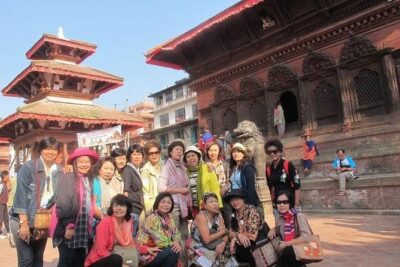 ★ 5.06 Days Special Kathmandu Pokhara Tour in NepalFrom $1,00028 reviews
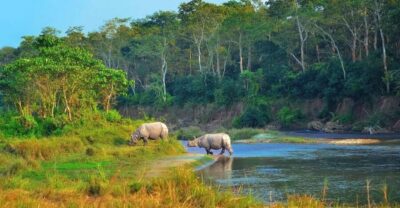 ★ 4.52 Days Chitwan Jungle Safari Tour from Pokhara/KathmanduFrom $11727 reviews
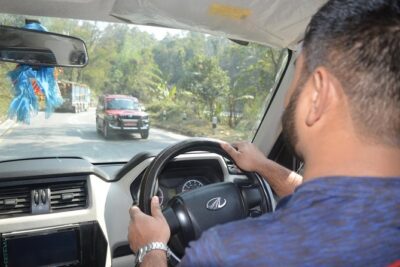 ★ 5.0Kathmandu to Pokhara drop-off service by private vehiclesFrom $22527 reviews
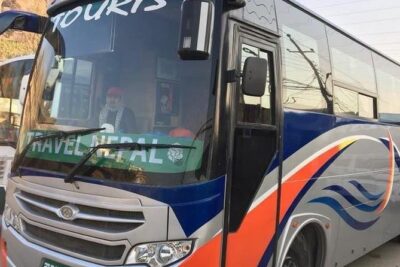 ★ 4.0Kathmandu to Pokhara Tourist Bus Tickets reservationFrom $2225 reviews
 ★ 4.0Kathmandu to Pokhara Bus Ticket- SofaFrom $2124 reviews
 ★ 4.82, 3, or 4-Day Chitwan Jungle SafariFrom $3524 reviews
Browse the lists this tour appears in