
Review · EVEREST BASE CAMP TREKS
Classic Everest Base Camp Trek
Everest Base Camp begins with a Lukla flight. What makes this trek feel so doable is the way transport, permits, and gear are handled, plus the human support you get along the way. I also like that the guiding team is repeatedly praised for safety and day-to-day care, with names like Pooja and Ram showing up in past trip stories. One drawback to plan for: meals and cold drinks/snacks aren’t fully specified as included, so you’ll likely spend extra money during the trek.
This classic route also blends mountain walking with culture stops, including monasteries and prayer flags along the trail. Your schedule is private for your group, with pickup in Kathmandu and early starts that keep things moving. If you’re someone who hates uncertainty, just know this kind of trek depends on weather for the Lukla flight and mountain conditions.
In This Review
- Key highlights you should know
- Kathmandu setup: Hotel Ramada Encore, private transfers, and a real briefing culture
- The Lukla flight: the weather-sensitive hinge of the whole plan
- First trekking rhythm: alpine forests, glacier rivers, and constant up-down legs
- Monasteries and prayer flags: culture that’s part of the route
- Lodge-to-lodge nights: sleep systems, provided gear, and what twin sharing really means
- Guide and porter support: small decisions that add up on Everest trails
- Everest Base Camp day: what you’re really buying with 24 days
- Price and value: what your $1,835.90 is actually covering
- What you should watch for before you go
- Who this trek fits best
- Should you book this Everest Base Camp trek?
- FAQ
- How long is the Classic Everest Base Camp trek?
- Where does the trek start, and when?
- Is this a private tour or shared group experience?
- What’s included for trekking gear?
- Are flights included?
- What permits and fees are covered?
- What’s not included during the trek?
- Is cancellation free?
Key highlights you should know
- Lukla flight + departure taxes included, so you’re not piecing the biggest cost item together yourself
- Porter support (1 porter for 2 people) to lighten the load and keep you focused on walking and breathing
- Down jacket and sleeping bag provided during the trek, which can save you packing and rental hassle
- Sagarmatha National Park permit + TIMS fee included, so you’re covering the core trekking paperwork
- Lodge-to-lodge stays with “best available” twin sharing each night on the trail
- Guide and staff insurance + first aid kit, built for safer decisions in a remote setting
More trails out of Kathmandu, boots ready
- Everest Base Camp Trek – 14 Days★ 5.0 · 1,499 reviews
- Everest Base Camp Trek★ 5.0 · 842 reviews
- Everest Base Camp Trekking★ 5.0 · 485 reviews
- Nagarkot Sunrise View and Day Hiking from Kathmandu★ 5.0 · 471 reviews
Kathmandu setup: Hotel Ramada Encore, private transfers, and a real briefing culture
Your trip starts in Kathmandu, with pickup offered and airport transfers handled by private vehicle. That matters more than it sounds. Kathmandu traffic can be stressful, and you don’t want your first hours in Nepal spent figuring out rides. Here, that whole part is organized so you can settle in, sleep, and prepare.
You also get three nights at deluxe Hotel Ramada Encore Kathmandu with breakfast. After a long travel day, breakfast and a proper shower are not just nice. They help you actually start the trek fresh rather than rushing into altitude fatigue.
One detail I like from past trek experiences with this operator is the emphasis on early starts and clear pre-trek communication. You’ll be happier on trail when you know what to expect each morning, where to stand, and how to handle cold mornings and warm afternoons. That tone tends to show up when guides are praised for organization and when people mention feeling safe from the first day.
If you’re arriving early enough, consider a low-key day in Kathmandu: light walking, hydration, and buying only the essentials you forgot (like extra socks). Keep it simple. Your big effort is still ahead.
The Lukla flight: the weather-sensitive hinge of the whole plan
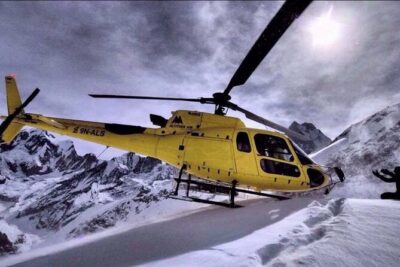
A Lukla flight is included, along with departure taxes. In practice, that flight is the gateway to the Everest region. It also means your itinerary lives on weather forecasts and mountain conditions.
This is where the trip’s value shows up: since the flight is included in the package, you’re not scrambling to arrange it separately, or losing days while negotiating. The operator also lists that the experience requires good weather. If conditions cancel it, you’re offered a different date or a full refund, which is the kind of clear safety net you want when the flight is outside your control.
Pack for the flight like a commuter trip, not a ski expedition. Warm layers help, but bulky items in carry-ons can slow things down. The trek also provides a duffle bag for trekking, so use that system well: keep your layers and essentials reachable, and don’t overpack.
First trekking rhythm: alpine forests, glacier rivers, and constant up-down legs
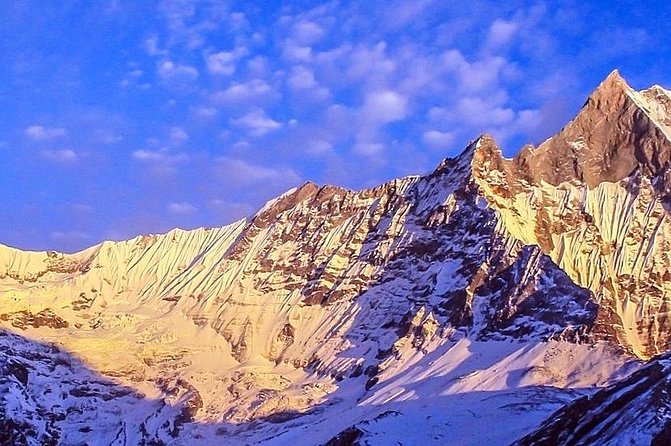
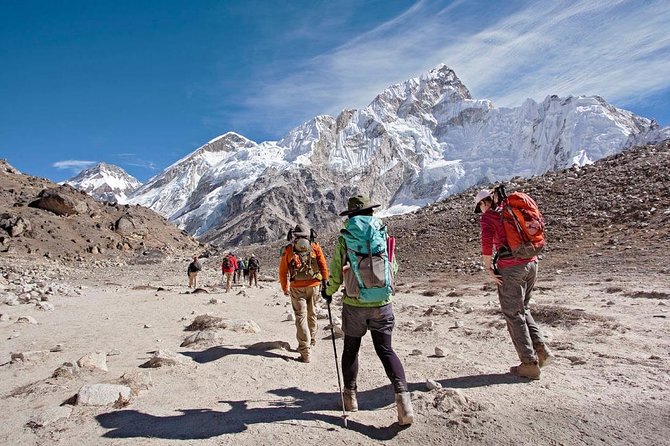
Once you’re on the trail, the trek’s personality becomes clear. Expect ups and downs that can feel nerve shaking, especially early when your legs are still waking up. The good news is the scenery does the job of keeping you motivated: alpine forests and glacier-fed river stretches, with mountain views sitting behind you like a moving backdrop.
This is classic high-country walking. Days here are about finding a steady pace, eating regularly, and keeping your breathing calm even when the trail tilts up. The “nerve shaking” part isn’t about anything technical—it’s just the way altitude plus steepness can make every step feel like a lot.
A smart way to handle that is to treat the trek like a long rhythm exercise:
- Start slightly slower than you think you need
- Pause before you feel out of control
- Save real effort for the stretches where you can settle into your stride
You’ll also pass areas where the trail feels more exposed and cold. The gear included in your trek package becomes more useful here, especially the down jacket provided for colder periods.
Monasteries and prayer flags: culture that’s part of the route
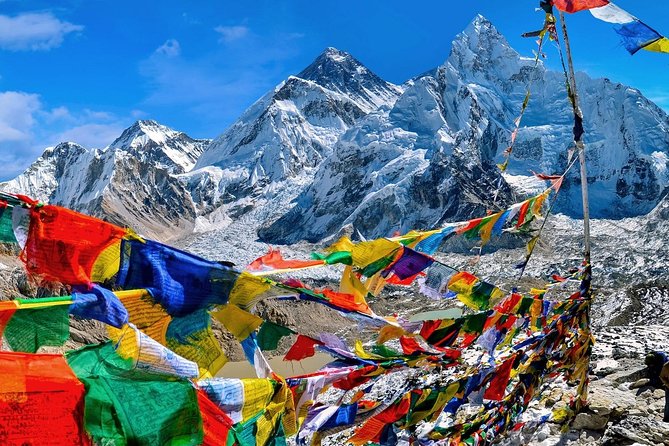
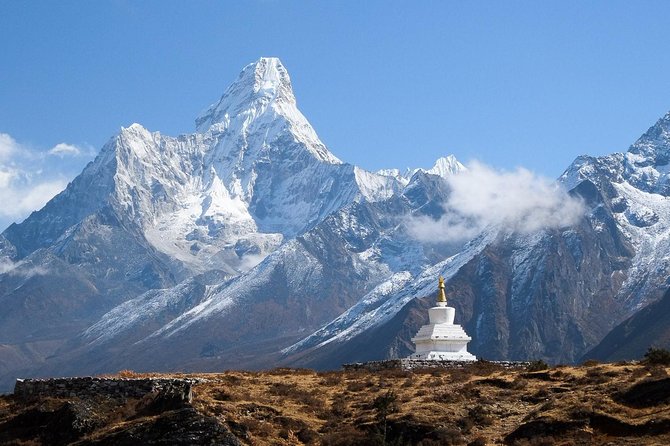
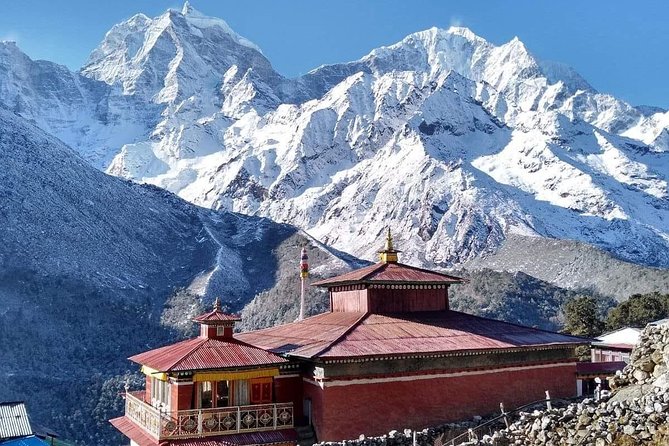
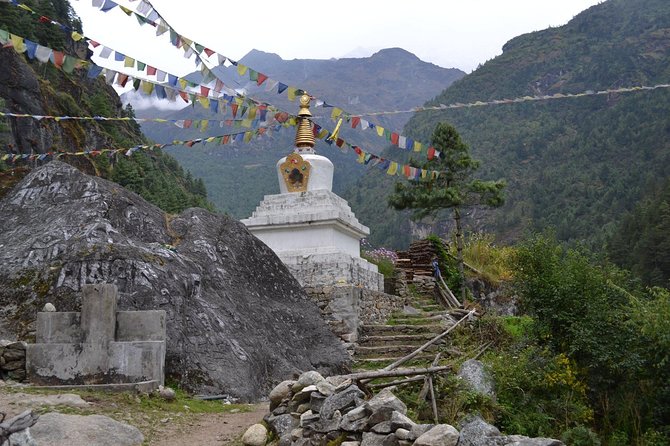
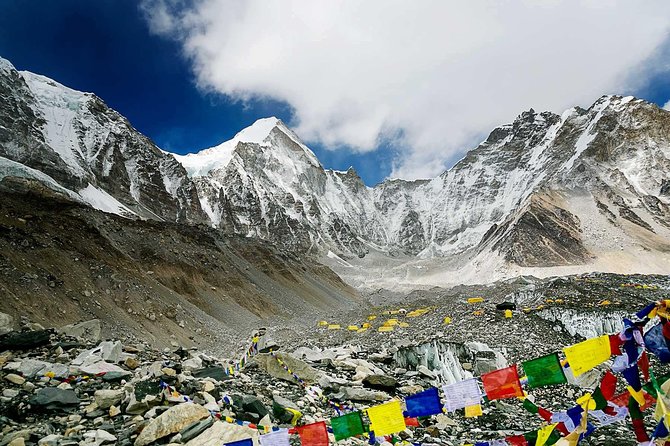
What I appreciate in this classic version is that culture is not tacked on. You visit monasteries on the way, and you’ll see flag prayers throughout the trail.
That matters because it changes how the trek feels. Instead of only chasing views, you get moments of stillness and local meaning. Prayer flags are not just decoration. They’re part of a living landscape of belief and daily life. Monastery stops also give you a break from constant walking, which can help you reset before the next incline.
If you like talking with locals, this trek gives you chances to do it in small, natural ways. The experience is framed as interaction with people and their lifestyle, which is the respectful way to learn in the Everest region: short conversations, simple curiosity, and a calm attitude.
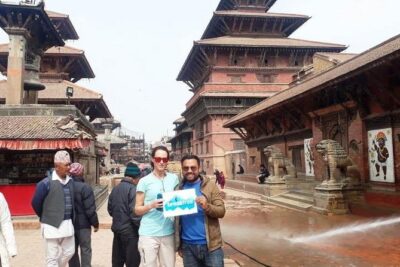
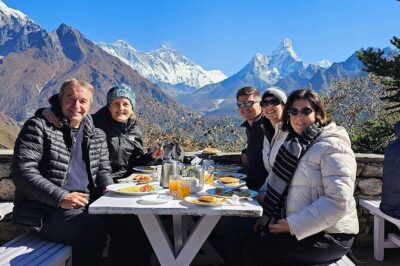
Lodge-to-lodge nights: sleep systems, provided gear, and what twin sharing really means
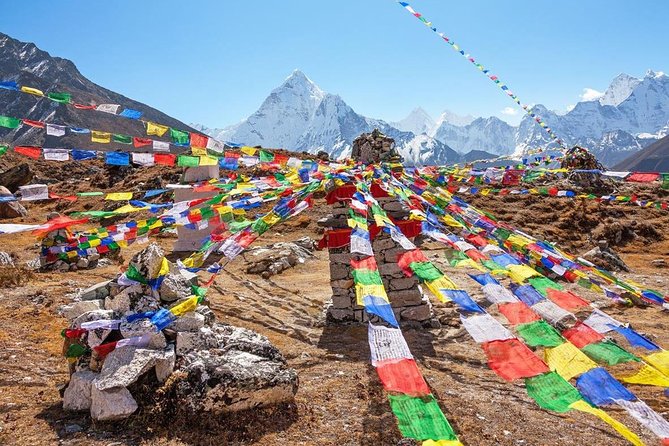
The package includes “best available” lodge-to-lodge accommodation during the trek, with twin sharing. On Everest Base Camp treks, lodge standards can vary by altitude and location. This isn’t a luxury resort style of travel. It’s more about being warm, fed, and ready for the next day.
Here’s where the included equipment helps:
- Down jacket during the trek
- Sleeping bag during the trek
Even if you’re used to cold weather hiking, having the right insulation matters at higher elevations. It also reduces what you need to carry, which helps when the trail turns steep and your pack weight starts to feel louder than your thoughts.
Twin sharing is another practical detail. If you prefer lots of space and quiet, this setup might feel limiting. If you’re flexible and just want solid rest, it’s usually fine. Either way, bring a sleep kit: a liner can add comfort and help you handle lodge bedding conditions.
Also remember: WiFi internet during the trek is not included. If you’re relying on constant connectivity, set expectations before you go. Think of your phone as an occasional tool, not a daily lifeline.
Guide and porter support: small decisions that add up on Everest trails
One porter for every two people is included, and you also have a highly experienced, helpful and friendly guide. On a trek like this, that’s not just comfort. It changes your choices. When someone helps manage the bulk of your load, you can walk with better posture and less grip strain. It also makes you more likely to take breaks before you’re exhausted.
Past trek stories connected to this operator repeatedly highlight organization and safety. Names that have come up include guide Pooja and guides like Lok, Nirjala, Prakesh, Lal Kumar Tamang, Prakash, Rez, Pren, Ram, and assistant guides such as Dikesh and Sudip. The consistent theme across these names is practical care: knowing the terrain, managing day flow, and helping groups feel secure.
Porters also matter for pace. When your load is lighter, you’re less tempted to rush up steeper sections. That can be the difference between arriving okay and arriving drained.
If you do want to make this part work best for you, keep these habits:
- Ask your guide how to pack the day’s essentials
- Keep layers organized so you’re not digging mid-freeze
- Don’t wait until you’re miserable to speak up about discomfort
The trip includes food, accommodation, salary, equipment, and accidental insurance for staff. That’s a sign the plan is meant to run as a staffed system, not a solo adventure with borrowed help.
Everest Base Camp day: what you’re really buying with 24 days
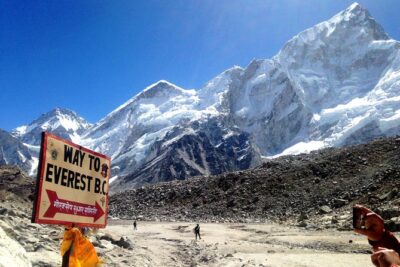
The heart of the experience is trekking to Everest Base Camp and taking in the result. But the real value of doing it as a multi-day journey is what happens before you reach the viewpoint.
Over the weeks, you build altitude awareness, trail confidence, and a better understanding of what your body can handle. You also learn how to pace yourself across different weather, different lodge temperatures, and different “real feels” on the mountain.
The trek framing here also includes a spiritual tone: monasteries, prayer flags, and mountain-scale awe working together. That combination is why people come back talking about more than just photos.
When you get to Base Camp, you’ll likely have two reactions:
1) Relief that the planning and walking paid off
2) A quiet respect for how high and harsh the environment is
That’s the moment where all the earlier up-down walking makes sense.
Price and value: what your $1,835.90 is actually covering
At $1,835.90 per person, this trek isn’t cheap. But the value is in what’s bundled.
Included costs that are often add-ons elsewhere:
- Three nights in Kathmandu at deluxe Hotel Ramada Encore with breakfast
- All ground transport in private vehicle, including airport transfers
- Lukla flight including departure taxes
- Sagarmatha National Park permit fees and TIMS fee
- Guide, porters (with porter ratio), and staff accidental insurance
- Down jacket and sleeping bag during the trek
- Duffle bag for trekking
- First aid medical kit, government taxes, and office service charge
- Trek essentials like a trekking map, T-shirt, and trip achievement certificate
Then there are clear gaps:
- Meals are not specified as included in the provided meal inclusions language
- Cold drinks and snacks like coke/water/fanta are not included
- WiFi during the trek is not included
So the smart way to judge value is to compare it to piecing the trek together yourself: flight arrangements, permits, guide/porter contracts, gear rentals, and Kathmandu hotels. If you add those separately, the total usually climbs quickly.
Also, the private structure matters. This is a private tour/activity, with only your group participating. That can be worth real money if you want to move at your team’s pace with consistent guidance and fewer coordination issues.
What you should watch for before you go
This isn’t marketed as a beginner trek. It’s described as needing moderate physical fitness. That label matters. You don’t need to be an ultra runner, but you should be ready for:
- Long walking days
- Cold starts
- Steep ups and tiring downs
- The mental grind of repeating effort day after day
You should also consider that lodge conditions are part of the deal. Accommodation is “best available,” not five-star. If you expect luxury, you’ll be disappointed.
Finally, budget for on-trail food and drinks since meals aren’t clearly listed as included, and cold drinks/snacks are not included.
Who this trek fits best
This classic Everest Base Camp trek is a good fit if:
- You want a structured trip with private transfers, permits, and gear handled
- You like having a guide who focuses on safety and daily care
- You want cultural stops (monasteries and prayer flags) rather than a view-only grind
- You’re comfortable with twin sharing lodges and basic trekking conditions
It might not be ideal if:
- You need WiFi and constant connectivity
- You’re expecting meals and snacks to be fully covered
- You hate steep walking and are unprepared for the up-down rhythm
Should you book this Everest Base Camp trek?
I’d say book it if you want a well-supported, organized path to Everest Base Camp, with the big logistics handled and a guide/porter setup that makes walking more realistic. The strong overall score (4.9 with about 190 reviews) and the repeated praise for safety, guide quality, and service consistency are meaningful signals.
But if you want full-board meals, unlimited drinks, or guaranteed lodge comfort, you should ask questions before paying. The package is strong on gear, permits, flights, and transfers; it’s lighter on clearly stated meal coverage and snacks.
If you’re the kind of person who enjoys earning the view step by step—and you’re okay budgeting for daily food and staying offline most of the trek—this classic route makes a lot of sense.
FAQ
How long is the Classic Everest Base Camp trek?
The duration is listed as 24 days approximately.
Where does the trek start, and when?
It starts in Kathmandu, Nepal, with a start time of 6:45 am.
Is this a private tour or shared group experience?
It’s listed as a private tour/activity, so only your group participates.
What’s included for trekking gear?
You’re provided a down jacket and sleeping bag during the trek, plus a duffle bag for trekking.
Are flights included?
Yes. A Lukla to Kathmandu flight is included, along with departure taxes.
What permits and fees are covered?
The package includes Sagarmatha National Park permits and the TIMS fee (Trekkers’ Information Management).
What’s not included during the trek?
Meals are not specified in the Meal Inclusions wording, and WiFi internet during the trek is not included. Cold drinks and snacks are also not included.
Is cancellation free?
Yes, free cancellation is offered. You can cancel up to 24 hours in advance for a full refund, and weather-related cancellations offer an alternate date or a full refund.
More Trekking Out of Kathmandu
More Tour Reviews in Kathmandu
Just Reviewed in Kathmandu
- Mountain Bike Tour
★ 5.0 · 3 reviews - Annapurna Panaroma
★ 5.0 · 3 reviews - Mount Everest Scenic Flight 50 Minutes
★ 5.0 · 3 reviews - Kathmandu : Swambhunath & Durbar Square Guided Half Day Tour
★ 3.3 · 3 reviews - Chandragiri Cable Car & Monkey Temple Tour – Private/Group
★ 5.0 · 3 reviews - Kathmandu: Shivapuri National Park Hiking Day Trip
★ 3.3 · 3 reviews
Everest Base Camp Treks, compared.
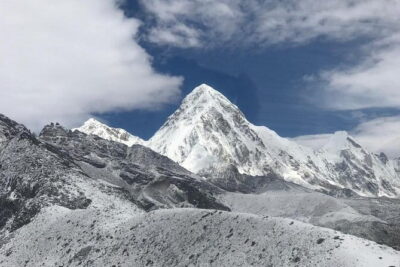 ★ 5.0Everest Base Camp Trek – 14 DaysFrom $1,8001,499 reviews
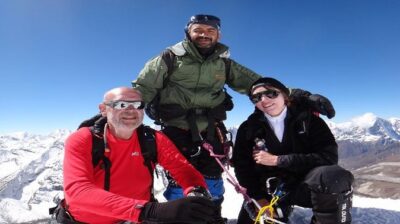 ★ 5.0Everest Base Camp TrekFrom $1,790842 reviews
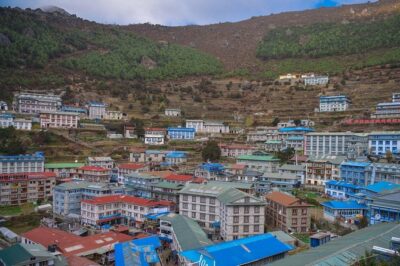 ★ 5.0Everest Base Camp TrekkingFrom $1,350485 reviews
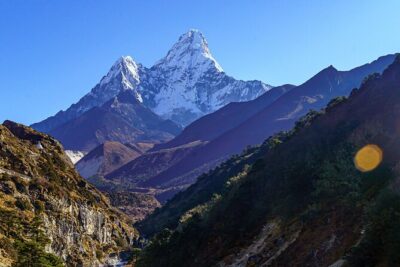 ★ 5.0Everest Base Camp Trekking – 13 DayFrom $1,399365 reviews
★ 5.0Everest Base Camp TrekFrom $1,445350 reviews
★ 5.0Everest Base Camp Trek -14 DaysFrom $1,420321 reviews
★ 5.0Everest Base Camp Trekking – 13 DayFrom $1,399365 reviews
★ 5.0Everest Base Camp TrekFrom $1,445350 reviews
★ 5.0Everest Base Camp Trek -14 DaysFrom $1,420321 reviews
 ★ 5.012 Days Everest Base Camp TrekFrom $1,099289 reviews
 ★ 5.0Everest Base Camp Trekking – 2025/2026From $1,339199 reviews
Browse the lists this tour appears in