
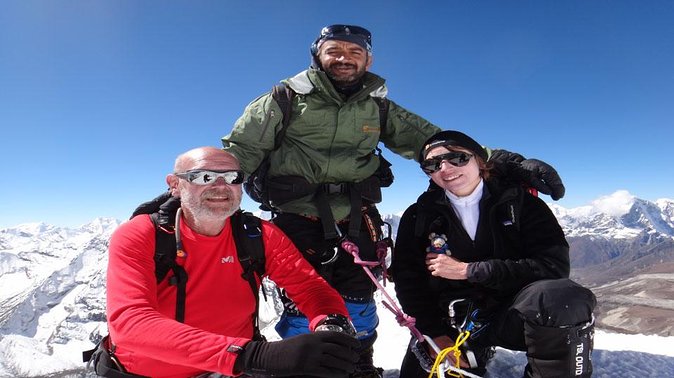
Review · EVEREST BASE CAMP TREKS
Everest Base Camp Trek
Everest Base Camp starts with a cliffside flight. I love the mix of Kathmandu warm-up days and the real Sherpa culture once you’re hiking high, and I love that the package covers flights, lodge nights, and guided logistics. The main drawback to plan for is Lukla flight delays or cancellations, which can shuffle your start or finish.
What makes this trek feel workable is the support system: an English-speaking local guide, porters, and even the Trekkers’ Information Management System fees built in. If your team includes guides like Anuj before you go, or in-the-mountains leaders named Bal Kumar Tamang, Gelu, Raju, or Sabin Khadka, you’ll likely get the kind of calm, practical help that matters when altitude and weather team up.
In This Review
- Key takeaways before you go
- First step: Kathmandu for orientation and altitude psychology
- Lukla flight: the real start, at near 3,000 meters
- Sagarmatha National Park: where the scenery has rules
- Lodges, meals, and the comfort math you should do
- Your guide and porters: the difference between surviving and enjoying
- Everest Base Camp day(s): what you’re really chasing
- Weather and schedule chaos: what flexibility actually looks like
- Price and value: is $2,500 actually fair?
- Who this Everest Base Camp trek suits best
- Should you book it?
- FAQ
- Is the Nepal visa included in the trek price?
- What meals and drinks are included during the trek?
- What happens if the flight to Lukla is delayed or canceled?
- Are insurance and medical costs included?
- Where do you meet, and where does the trip end?
- What’s included for accommodation on the trek?
Key takeaways before you go
- A full Kathmandu launchpad: 3 nights in a 3-star hotel with breakfast, then you’re off to the mountains.
- Lukla is the gate at ~2,845–2,860m: flights run mostly in the morning to dodge bad weather.
- Sagarmatha National Park trekking: you’ll follow the park’s trails while staring up at Everest, Lhotse, Cho Oyu, and more.
- Local lodge comfort level is basic on purpose: standard lodges with sharing bathrooms during the trek.
- Porters do real work: you’re hiking, but you’re not hauling everything yourself.
- Expect weather to write the schedule: buffer days and options like helicopter flights are part of the plan.
More trails out of Kathmandu, boots ready
- Everest Base Camp Trek – 14 Days★ 5.0 · 1,499 reviews
- Everest Base Camp Trek★ 5.0 · 842 reviews
- Everest Base Camp Trekking★ 5.0 · 485 reviews
- Nagarkot Sunrise View and Day Hiking from Kathmandu★ 5.0 · 471 reviews
First step: Kathmandu for orientation and altitude psychology
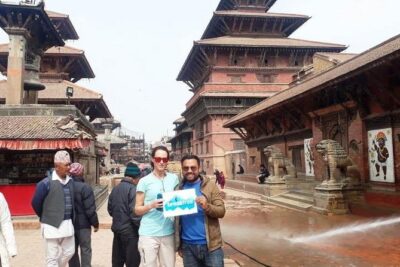
Kathmandu is where you get your head around what’s coming. You’re not just transferring through. You have time for exploration and settling in, plus 3 nights at a 3-star hotel (twin sharing, breakfast included), which is a smart move before you start sleeping in simpler lodges.
I like that this trek doesn’t pretend you’ll feel ready on day one. Everest region trekking is hard on the body, but it’s also hard on nerves—especially when you know you’ll be staring at thin air and staring at Everest in the distance. That Kathmandu buffer helps you handle gear checks, plan your pacing, and get over travel fatigue.
One practical point: the package covers breakfast in Kathmandu, but it does not include lunch and dinner there. So if you like wandering for local meals, budget for it. You’ll also want to drink smart. Nepal tea-house treks live on warm drinks, but you’ll feel better if you don’t arrive dehydrated or stuffed with heavy, late meals the night before flying.
Lukla flight: the real start, at near 3,000 meters
Most people think they’re starting the Everest Base Camp trek when the hike begins. Here, the trek truly starts with the Kathmandu to Lukla flight. Lukla sits around 2,845m (often quoted near 2,860m in trip descriptions), perched on the edge of the cliff. The flight schedule is designed around morning departures because weather in the Himalaya can shut things down.
This is the part you must respect. The trek can be physically demanding on its own. Add an unpredictable flight, and your first day can turn into a waiting day. The trip plan acknowledges this plainly: Lukla flights can be delayed or canceled for one or more days, even in good seasons.
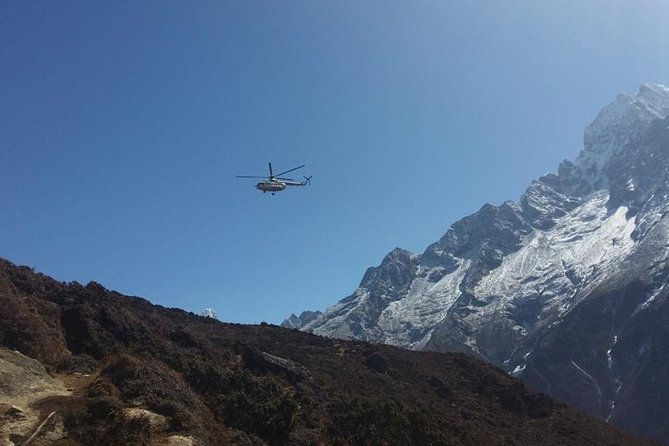
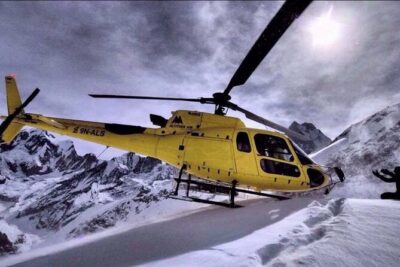
What I like is that the operator lays out the options instead of leaving you stranded. If weather messes with your schedule, they aim to get you on the next available flight. If you want to stay flexible, you can keep buffer days in your itinerary. And if you decide you want to protect your plan, there’s also a helicopter option to/from Lukla with an additional supplement charge (availability dependent).
Sagarmatha National Park: where the scenery has rules
Once you land in Lukla, the trekking becomes a steady ramp upward through the Everest region. You’ll be trekking in and around Sagarmatha National Park, which is not just a scenic label—it’s the framework for how the trail corridor works: villages, lodge stops, and the altitude rhythm you’ll follow as you gain elevation.
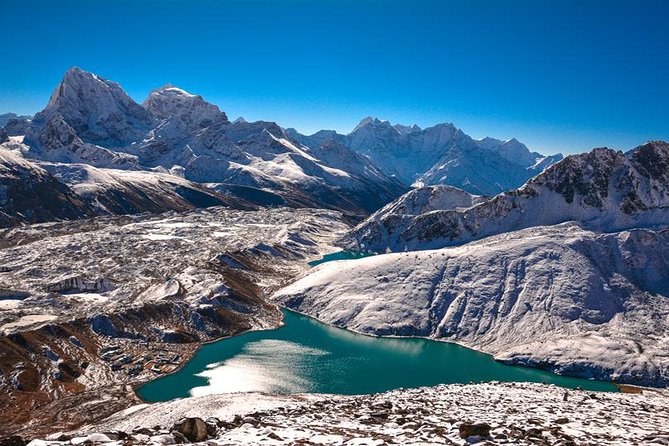
You’ll also get a strong “Himalaya walls of rock” perspective early on. The plan calls out views of major peaks including Mt. Everest (8,848m), Mt. Lhotse (8,586m), Mt. Cho Oyu (8,188m), and Mt. Ama Dablam (6,812m). Even when you’re tired, these sightlines change your hiking mood. You’re not hiking in a vacuum; you’re walking with the skyline as your compass.
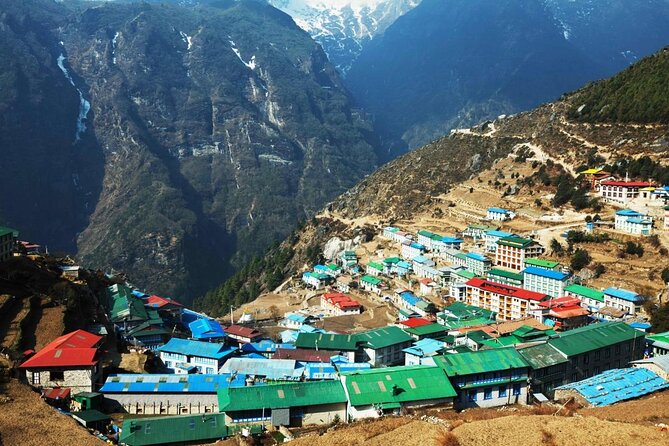
Culturally, this trek doesn’t treat Sherpa life as decoration. You pass through Sherpa villages with monasteries and everyday settlements. That matters because you’re not only chasing altitude. You’re also moving through a living community built to host trekkers for generations. In practical terms, those villages give you places to rest, eat, and reset your pace before you push higher again.
Lodges, meals, and the comfort math you should do
This is a lodge trek, not a hotel chain tour. During the hike, accommodation is in local lodges, described as standard lodge stays with sharing bathrooms. That means you should expect basic rooms and the kind of bathroom setup common in trekking villages: not luxurious, but functional.
The upside is that lodge trekking keeps you in the rhythm of the trail. It also keeps the experience authentic: tea-house style meals, short conversations with other hikers, and the steady hum of people moving up and down the same valleys. The tradeoff is simple—if you need private bathrooms and quiet rooms, this won’t match your comfort style.
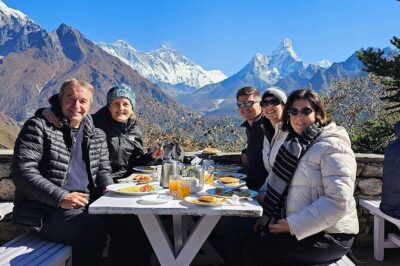
Meals are set up to keep you fueled. The package includes 3-course meals with hot drinks during the trek (breakfast, lunch, dinner). That’s a real value because on high trails, calories are not a suggestion. You’ll hike more effectively if you’re not constantly bargaining for food or spending time hunting for meals each day.
What’s not included is also useful to know. Table drinks and snacks while walking aren’t part of the package. So if you like a few extra treats, electrolyte drinks, or trekking snacks, plan to pay from your own budget.
Your guide and porters: the difference between surviving and enjoying
On the Everest Base Camp trek, your body learns the schedule. Your support team helps you tolerate it. This tour includes an English-speaking local expert guide and porters, and it also includes TIMS fees, which shows up as part of the management system for trekkers in Nepal.
From the names connected to this kind of operation, the pattern is clear: communication and calm decision-making are big priorities. People have credited pre-trek help from Anuj, and in-the-field professionalism from guides like Bal Kumar Tamang, Gelu, Raju, and Sabin Khadka. Porters named Tek and Som were also recognized for carrying day bags and offering encouragement when someone needed extra help.
That’s not just nice to hear. It’s practical. If you twist an ankle, or if you’re simply cooked one afternoon, having porters who can take weight off you can keep the trip moving with less stress. It can also protect your energy for the next altitude push, which is where many people start to fade.
One more practical note: this is described as a private tour/activity, meaning it’s your group only. That can matter more than people expect. You can keep a steady pace without negotiating around a large mixed group, and your guide can adjust the rhythm to how you’re feeling.
Everest Base Camp day(s): what you’re really chasing
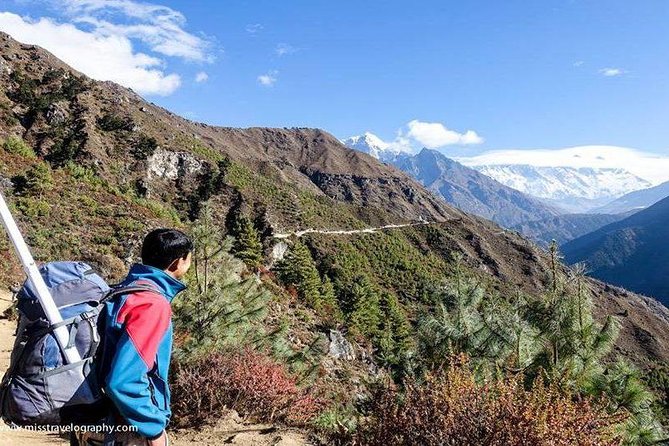
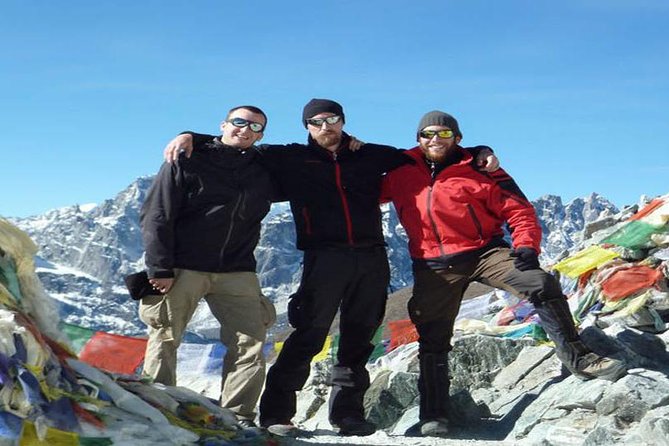
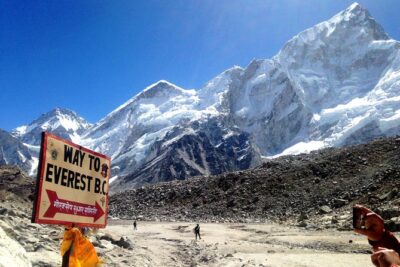
The goal here is the close-up experience of Mt. Everest—the highest peak in the world—by walking to its base area through the Everest region. This trek is famous because it connects high mountain views with a very human setting: stone paths, lodge walls, prayer flags, and the long valley feel of the Khumbu region.
When you reach Base Camp, it’s not just about a photo. You’ll likely feel a weird mix: satisfaction from making it, awe at scale, and a kind of quiet that happens when the altitude no longer feels theoretical. At this point, the itinerary value is less about checkboxes and more about having the full logistics handled so you can focus on the mountain.
Also, don’t ignore acclimatization and pacing. Even though your destination is fixed, your success depends on how your body adapts. The tour’s structure is designed for that multi-day climb, and the included lodging and meals support the slow burn you need.
Weather and schedule chaos: what flexibility actually looks like
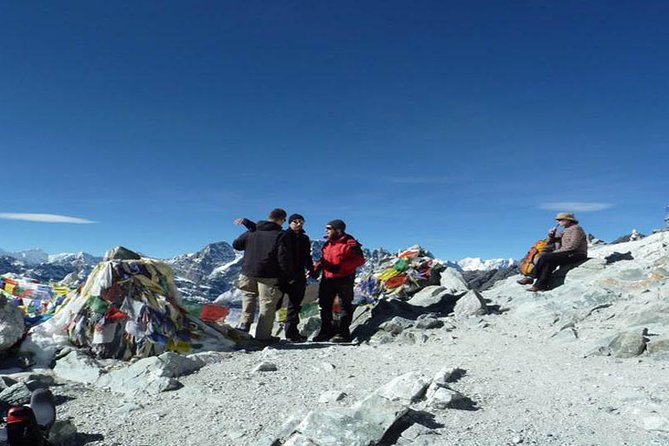
The Himalaya is not a place where you get to pretend weather follows your plans. Lukla flights are the big stress point, and this trek is blunt about it: delays or cancellations can happen, including at your start or end of the trek.
Here’s what you should do with that info:
- Build in buffer days if you can. This is the single easiest way to reduce stress if flights get delayed.
- Stay in close contact with your guide once you’re in the area, since re-scheduling depends on real-time conditions.
- Have a backup mindset. The tour suggests alternative trekking or travel options toward regions like Annapurna, Langtang, or Upper Mustang, which are accessible by road.
If you want to lock in your original plan, helicopter flights are an option with a supplement charge. Availability and timing depend on conditions, so it’s not a guarantee—but it’s a real lever you can pull when your schedule is tight.
One caution: the trip notes that you won’t be entitled to refunds for services not used and covered expenses due to flight cancellation before or after the trek. That’s not the operator being mean; it’s how flight-based mountain logistics work. You’ll be happiest if you treat the trek like an adventure with variables, not like a guaranteed machine.
Price and value: is $2,500 actually fair?
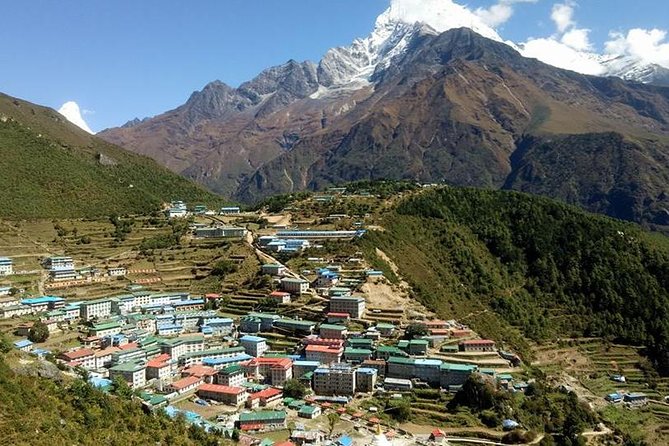
At $2,500 per person, you’re paying for more than “a place to sleep.” The included items matter:
- Flights Kathmandu ↔ Lukla ↔ Kathmandu
- 3 nights in Kathmandu at a 3-star hotel (twin sharing, breakfast)
- Trek lodging in local lodges with sharing bathrooms
- English-speaking guide and porters
- 3-course meals with hot drinks during the trek
- All surface transfers per the plan
- TIMS fees
Most self-bookers underestimate how expensive and time-consuming it can be to line up flight logistics, guide/porter support, lodging on schedule, and documentation systems. Here, a lot of that is bundled.
Where value can drop is if you’re thinking you can easily upgrade comfort on your own. The included lodge setup is basic. If you want private rooms, premium bathrooms, or lots of snacks and drinks, your real total cost will rise. Also, Kathmandu lunch and dinner are not included, and neither are snacks while walking. Budget for your own spending, especially if you like to keep energy high with extra food.
Another cost to account for: the Nepal visa is not included (Multiple Entry 30 days, listed as USD 40). And insurance and medical expenses are not included either. For a trek with altitude exposure and flight dependencies, insurance isn’t optional in your decision-making—it’s part of being smart.
Who this Everest Base Camp trek suits best
This trek fits best if you want an iconic high-altitude experience without trying to micro-manage the logistics. It’s also built for people with at least moderate physical fitness, since you’ll be climbing day after day with altitude in the background.
It’s especially a good match for:
- First-time trekkers to Nepal who want clear structure and a guide
- People who want close access to Everest region culture, not just mountain views
- Anyone who appreciates the included support system of guide + porters + meals
It may not be ideal if:
- You need a high-comfort lodge setup (sharing bathrooms are included as the standard)
- You get easily stressed by travel uncertainty, especially with Lukla flight variability
- You prefer fully predictable schedules down to the minute
Should you book it?
If you like the idea of walking into the Everest story with structured support, included flights, hot meals, and a private guide/porter team, this package is a strong option. I’d book it if you’re prepared for the two real challenges: altitude effort and the possibility of Lukla weather disruptions.
If you’re the type who hates uncertainty, you can still do this trek, but you’ll want buffer days and a plan B mindset (like road-access alternatives such as Annapurna, Langtang, or Upper Mustang). Go in with that attitude, and the trip is likely to feel less like a battle and more like a long, satisfying climb toward the world’s most famous peak.
FAQ
Is the Nepal visa included in the trek price?
No. The Nepal visa is not included. The tour data lists a Multiple Entrée 30 days visa for USD 40.
What meals and drinks are included during the trek?
During the trek, you get breakfast, lunch, and dinner as 3-course meals with hot drinks included. Lunch and dinner in Kathmandu are not included.
What happens if the flight to Lukla is delayed or canceled?
Flights to Lukla can be delayed or canceled due to unfavorable weather. The plan is to schedule the next flight if possible. The trek also suggests keeping buffer days, and it mentions options like alternative trips (Annapurna, Langtang, Upper Mustang) or a helicopter supplement if you want to stick to the original plan.
Are insurance and medical costs included?
No. Your insurance and medical expenses are not included.
Where do you meet, and where does the trip end?
The trip starts at Tribhuvan Airport in Kathmandu, Nepal, and ends back at the meeting point.
What’s included for accommodation on the trek?
During the trek, you stay in local lodges (standard lodges with sharing bathrooms). In Kathmandu, you have 3 nights in a 3-star hotel on twin sharing with breakfast.
More Trekking Out of Kathmandu
More Tour Reviews in Kathmandu
Just Reviewed in Kathmandu
- Mountain Bike Tour
★ 5.0 · 3 reviews - Annapurna Panaroma
★ 5.0 · 3 reviews - Mount Everest Scenic Flight 50 Minutes
★ 5.0 · 3 reviews - Kathmandu : Swambhunath & Durbar Square Guided Half Day Tour
★ 3.3 · 3 reviews - Chandragiri Cable Car & Monkey Temple Tour – Private/Group
★ 5.0 · 3 reviews - Kathmandu: Shivapuri National Park Hiking Day Trip
★ 3.3 · 3 reviews
Everest Base Camp Treks, compared.
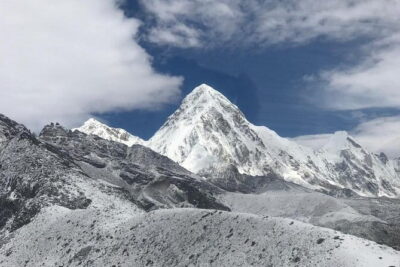 ★ 5.0Everest Base Camp Trek – 14 DaysFrom $1,8001,499 reviews
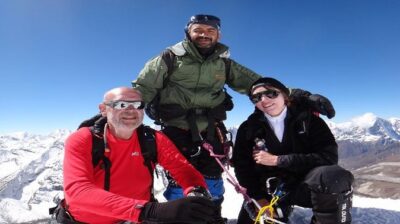 ★ 5.0Everest Base Camp TrekFrom $1,790842 reviews
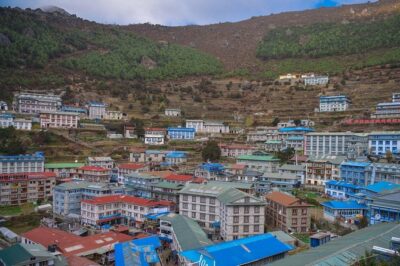 ★ 5.0Everest Base Camp TrekkingFrom $1,350485 reviews
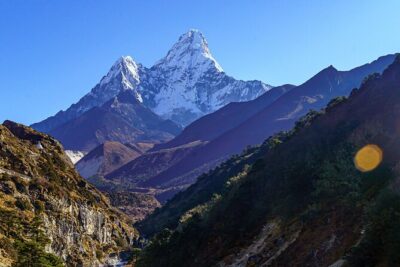 ★ 5.0Everest Base Camp Trekking – 13 DayFrom $1,399365 reviews
★ 5.0Everest Base Camp TrekFrom $1,445350 reviews
★ 5.0Everest Base Camp Trek -14 DaysFrom $1,420321 reviews
★ 5.0Everest Base Camp Trekking – 13 DayFrom $1,399365 reviews
★ 5.0Everest Base Camp TrekFrom $1,445350 reviews
★ 5.0Everest Base Camp Trek -14 DaysFrom $1,420321 reviews
 ★ 5.012 Days Everest Base Camp TrekFrom $1,099289 reviews
 ★ 5.0Everest Base Camp Trekking – 2025/2026From $1,339199 reviews
Browse the lists this tour appears in