
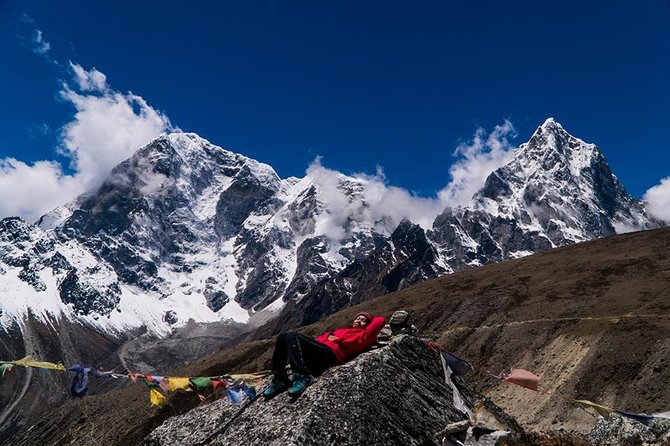
Review · EVEREST BASE CAMP TREKS
Everest Base Camp trek- 11 days
Lukla starts your Everest story early. I love the Lukla flight plus the steady, altitude-smart route to Everest Base Camp, and I also love the cultural stops around Tengboche and Khumbu-area monasteries. One possible drawback: you’ll be dealing with altitude fatigue and cold nights, so moderate fitness helps a lot.
After that first flight day, the trek keeps giving you reasons to keep walking—Namche Bazaar as a proper acclimatization hub, then higher passes toward Gorakshep and the classic viewpoint at Kalapathar. What makes this plan feel easier than most is the human support: a government-licensed guide and a porter system (often 1 porter for 2 clients), with a farewell dinner before you head back.
In This Review
- Key Things That Make This Everest Base Camp Trek Work
- Getting From Thamel to Lukla Without Guesswork
- Day 1: Kathmandu to Lukla, Then Phadking (2660m)
- Day 2: Phadking to Namche Bazaar (3435m)
- Day 3: Acclimatization in Namche Bazaar (3435m)
- Day 4: Namche Bazaar to Tengboche (3890m)
- Day 5: Tengboche to Dingboche (4400m)
- Day 6: Dingboche to Lobuche (4910m)
- Day 7: Lobuche to Gorakshep and Everest Base Camp (5380m)
- Day 8: Gorekshep to Kalapathar (5545m) and Pheriche (4320m)
- Day 9: Pheriche to Namche Bazaar (3435m)
- Day 10: Namche to Phadking and Lukla (2835m)
- Day 11: Lukla to Kathmandu Flight
- Price and Logistics: What $1,699 Buys You
- Guide Support and the Human Touch (Dipu, Deepu)
- What to Really Expect Day to Day
- Who This Trek Fits Best
- Should You Book This Everest Base Camp Trek?
- FAQ
- What city does the trek start from, and where is the meeting point?
- What time does the experience start?
- How long is the Everest Base Camp trek?
- Are Kathmandu–Lukla–Kathmandu flights included?
- Are meals included during the trek?
- Is there a guide and porter included?
- What permits and cards are included?
- Is a travel insurance policy included?
- What’s not included in Kathmandu?
- Is this a private tour?
Key Things That Make This Everest Base Camp Trek Work
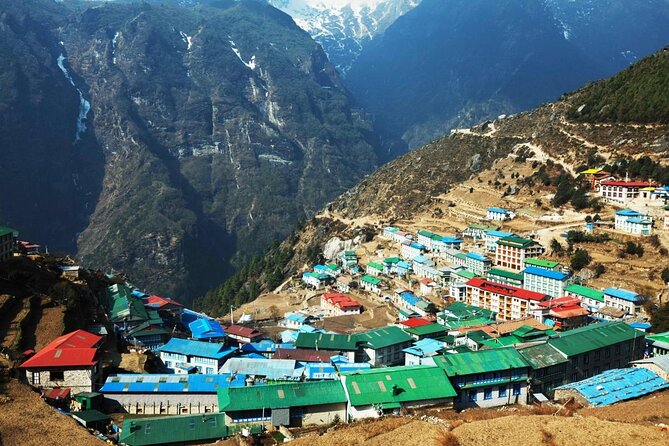
- Lukla-to-base-camp pacing that includes a dedicated acclimatization day in Namche Bazaar
- Culture built into the trek, including Sherpa hometown areas and Tengboche Monastery
- Real high-altitude moments, including Everest Base Camp and the big viewpoint at Kalapathar
- Guide-led logistics, with a licensed guide plus a porter to carry your baggage
- Full-board meals during the trek, so you’re not scrambling for food every day
More trails out of Kathmandu, boots ready
- Everest Base Camp Trek – 14 Days★ 5.0 · 1,499 reviews
- Everest Base Camp Trek★ 5.0 · 842 reviews
- Everest Base Camp Trekking★ 5.0 · 485 reviews
- Nagarkot Sunrise View and Day Hiking from Kathmandu★ 5.0 · 471 reviews
Getting From Thamel to Lukla Without Guesswork
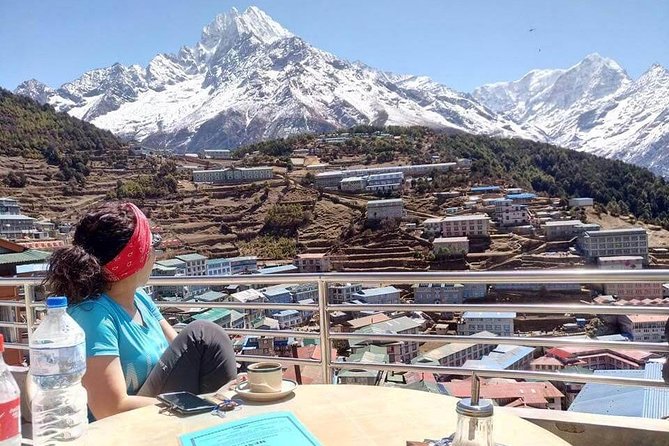
Most Everest plans rise or fall on day-one logistics. Here, pickup and drop to the local airport are included, and the trek starts from Thamel in Kathmandu at 7:15 am. You’ll get a mobile ticket, which is the kind of small convenience that actually matters when you’re trying to stay calm and on schedule.
Kathmandu isn’t part of the trekking days in the way some packages do it, so don’t expect included meals or a Kathmandu hotel. Lunch and dinner in Kathmandu aren’t included, and you’ll also need to plan for your Nepal entry visa fee, plus any international airfare to and from Nepal.
Day 1: Kathmandu to Lukla, Then Phadking (2660m)
Day 1 is all about transition. You fly from Kathmandu to Lukla (2850m), and the itinerary includes hiking on to Phadking (2660m). That lower altitude right after landing is helpful because it gives your body a chance to settle in instead of immediately jumping upward.
The practical win here: you start with a flight that places you directly into the Khumbu trekking rhythm. It’s exciting, yes, but more importantly, it cuts down on the kind of “in-between travel day” fatigue that can spoil a first high-altitude trek.
Day 2: Phadking to Namche Bazaar (3435m)
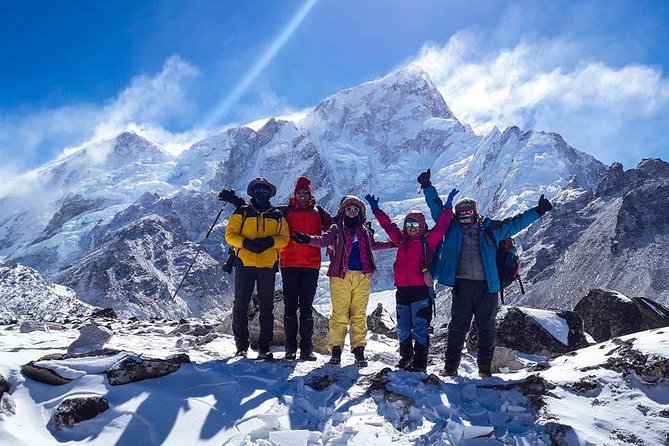
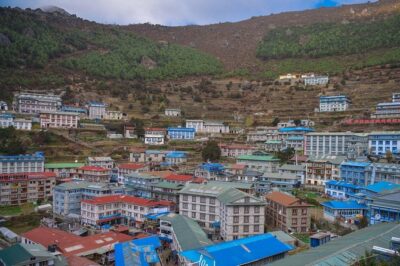
This is where you begin to feel the route turning into a true mountain corridor. You’ll hike from Phadking to Namche Bazaar (3435m), and Namche is more than a dot on the map—it’s the gateway town for the Everest region.
You’ll also start seeing the kinds of structures that come with living near the trail: lodge-style overnight stays, small shops, and the general bustle of a trekking hub. The higher you go, the more you’ll notice that every stop has a reason: rest, food, warm layers, and a moment to catch your breath.
Day 3: Acclimatization in Namche Bazaar (3435m)
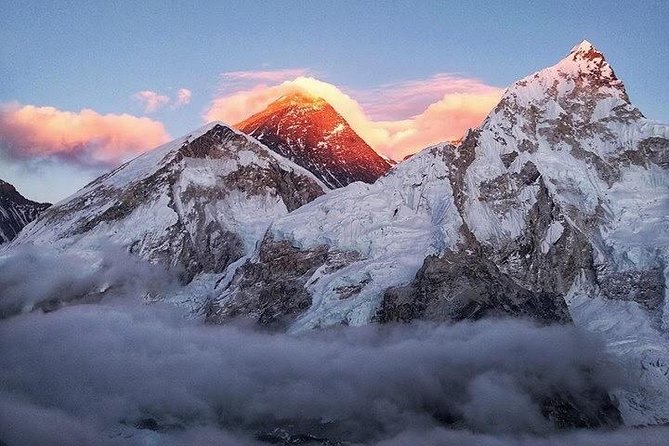
This is a key day, and it’s built into the plan rather than treated as optional. Staying at 3435m for acclimatization helps reduce the “why do I feel awful?” factor that can hit people who rush upward.
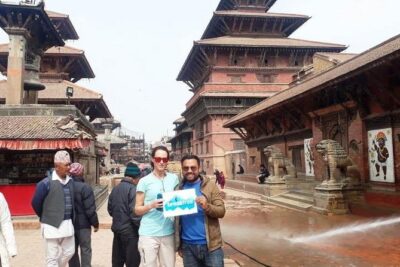
It also gives you time to experience Namche as a town with real culture. The trek focuses on Sherpa life and the unique blend of mountain living and spiritual practice, including monasteries and viewpoints where you can see far enough to feel small in the best way.
Day 4: Namche Bazaar to Tengboche (3890m)
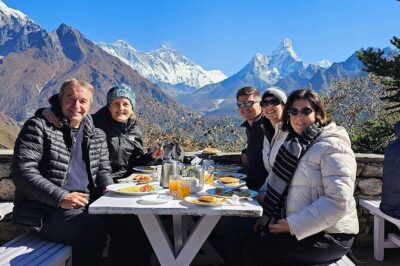
You’ll move from Namche to Tengboche (3890m), climbing again but with a route that keeps you moving in a way your body can handle. Tengboche is famous for its monastery setting, and this day is designed to bring that spiritual atmosphere into the trekking experience.
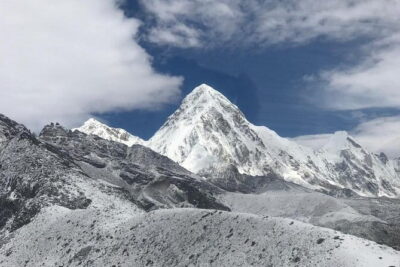
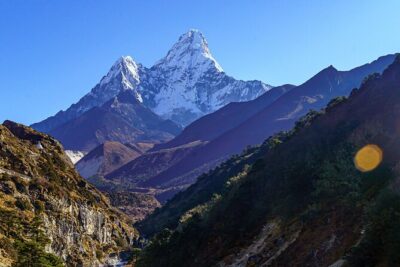
You’ll also pick up dramatic views of major peaks in the Everest region—Mt. Everest, Lhotse, Nuptse, Ama Dablam, Thamserku, and more—depending on cloud cover and light. Even when the weather is moody, the monastery stops tend to make the day feel grounded, not just sweaty and uphill.
Day 5: Tengboche to Dingboche (4400m)
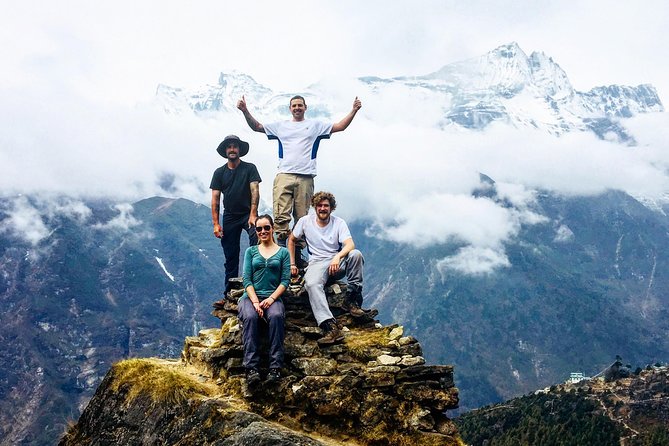
Now you’re in the long climb zone. Dingboche (4400m) pushes you higher and closer to the staging areas most trekkers dream about. This is where fatigue can start to sneak in, especially if you’re the type who climbs fast when you’re excited.
The smart approach: keep your pace steady, drink regularly, and treat breaks like part of the work, not a reward. This is also the day range where you’ll start to see the visual signature of the Khumbu—more glaciated terrain cues, more cold air, and fewer “easy moments.”
Day 6: Dingboche to Lobuche (4910m)
You continue climbing to Lobuche (4910m), and the air gets thinner in a way you’ll feel even if you’re walking slowly. Lobuche sits at a serious elevation, so this is a day where your body needs consistency.
Also, this is part of the trek that connects you to the bigger story of the region. The route includes views of the Khumbu Icefall and places near the natural park zone where wildlife may appear—though wildlife sightings can’t be guaranteed, the trek is clearly framed to help you notice what’s around you.
Day 7: Lobuche to Gorakshep and Everest Base Camp (5380m)
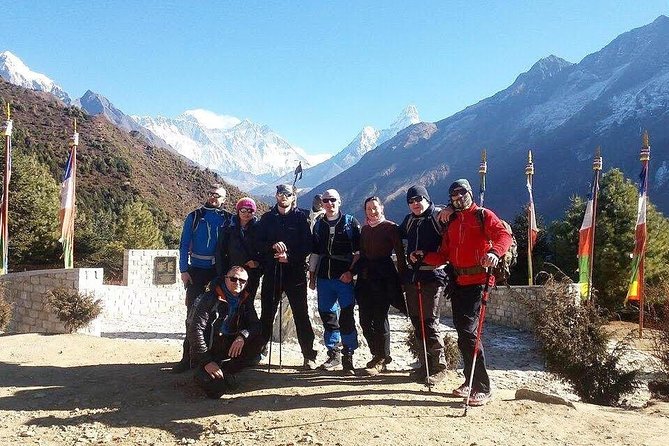
Day 7 is a big one. You go from Lobuche to Gorakshep, then head on to Everest Base Camp at around 5380m, and back to Gorekshep (5180m) for the night. This stretch is the heart of the trip, but it’s also where altitude can make simple walking feel like effort.
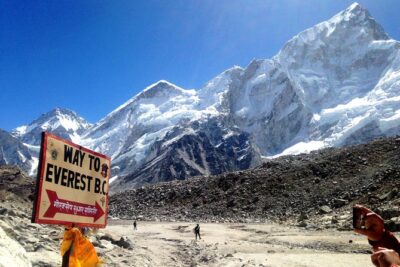
Base Camp itself is a strange mix of awe and reality. It’s not just a view point—it’s a working hub of sorts, and the whole area feels like a threshold between the human world and the extreme heights nearby. If you’re hoping the day will feel effortless, temper expectations; it’s worth it, but you’ll earn it with slow, careful steps.
Day 8: Gorekshep to Kalapathar (5545m) and Pheriche (4320m)
This day is built for the classic “wow” moment. You’ll go from Gorekshep to Kalapathar (5545m), then continue to Pheriche (4320m). Kalapathar is the viewpoint designed to let you see the world’s highest peak up close, and it’s the kind of viewpoint that can make the cold feel worth it.
When Kalapathar is clear, you’ll likely get the big views that people talk about for years. When clouds roll in, you still gain something: higher perspective and a stronger sense of the scale of the Everest region.
Then you drop back down to Pheriche, which is a welcome relief after such a high push. This descent isn’t lazy; it’s recovery, and recovery is what helps you enjoy the final days instead of just surviving them.
Day 9: Pheriche to Namche Bazaar (3435m)
Now the trek starts shifting toward leaving the high zone behind. You’ll hike from Pheriche to Namche Bazaar again at 3435m, making this day both satisfying and a little bittersweet.
You’ll notice Namche feels even more comfortable on the way down. The walk becomes less about “can I get my breath back?” and more about soaking in the town energy—food breaks, warmth, and the sense that you’re returning to the normal world of streets rather than altitude.
Day 10: Namche to Phadking and Lukla (2835m)
This is your final big migration back to lower elevations. You’ll go from Namche to Phadking and onward toward Lukla (2835m) as part of day 10’s flow.
From a comfort standpoint, this day helps you rebuild confidence. You’re no longer stacking altitude gains; you’re shedding altitude. That can make the last stretches feel almost fun, even if you’re still tired.
Day 11: Lukla to Kathmandu Flight
The finish is straightforward: you fly from Lukla back to Kathmandu. After nearly two weeks of preparation and anticipation, the final flight day can feel oddly quick. One moment you’re packing layers, the next you’re back in Kathmandu’s rhythm.
That’s why having things handled in advance matters. Pickup/drop to airports and booked flight logistics reduce stress so you can focus on the end of the trek, not on last-minute planning.
Price and Logistics: What $1,699 Buys You
At $1,699 per person, this trek isn’t cheap. But it also isn’t just a trail map and wishful thinking.
Here’s what’s included that protects your time and sanity:
- Air fare for Kathmandu–Lukla–Kathmandu
- Pickup and drop to the local airport for the Lukla flight
- Full-board meals (breakfast, lunch, dinner) during the trekking period
- Best available accommodations during the trek
- A government license holder guide
- Porter support for your baggage (often 1 porter for 2 clients)
- TIMS card plus trekking permits for restricted areas
- A first aid kit
- Farewell dinner prior to departure
What’s not included matters too:
- Lunch and dinner in Kathmandu
- A hotel in Kathmandu
- Travel insurance
- Nepal entry visa fee
- International airfare and airport departure tax
- Tips for trekking staff
- Drinks during the trek (hot/soft/cold) and liquors
- Personal shopping and laundry, plus personal trekking equipment
So the value equation is really about support plus permits plus flight logistics. If you’d otherwise pay for a guide, permits, and organized flights separately, this package starts to look more like a “how do you avoid hassles” fee than just a trekking fee.
Guide Support and the Human Touch (Dipu, Deepu)
The reviews give a clear pattern: the trip is strong partly because of the people running it. Names like Dipu (and you’ll also see the spelling Deepu) come up as the guide who kept the group moving and staying in touch during the hike.
In practice, good guidance shows up in small things:
- You understand when to slow down for acclimatization.
- Lodges and flights feel planned rather than improvised.
- You’re not stuck translating everything to get basic needs met.
This kind of support matters even more on Everest Base Camp because the trek is physically demanding and mentally focused. A calm guide can help you avoid the common mistake of treating every day like a race.
What to Really Expect Day to Day
Even with an organized plan, Everest Base Camp is still an altitude trek. Expect:
- Cold mornings and colder evenings at higher elevations
- Breathing that feels different than at home
- A need to eat consistently and not skip meals just because you’re tired
- A pace that feels best when you keep it steady rather than fast
The itinerary is built around that reality: there’s an acclimatization day in Namche Bazaar, and the later days include both high push days and recovery days like Pheriche. That rhythm is what makes the trek feel doable for people with moderate fitness, not just for elite hikers.
Who This Trek Fits Best
You’ll likely enjoy this trek if you:
- Want the classic Everest Base Camp experience with the bigger viewpoint at Kalapathar
- Prefer a guided setup with permits, flights, meals, and porter support handled for you
- Care about more than just peaks, and actually want the monastery and Sherpa-culture side of the region
You might want a different kind of trip if:
- You want a luxury hotel experience in Kathmandu or during the trek (this one doesn’t include a Kathmandu hotel)
- You don’t want to think about travel insurance, visa costs, tips, and drinks not included
Should You Book This Everest Base Camp Trek?
If you’re aiming for an Everest Base Camp trip that’s organized enough to keep stress low, this one looks like a strong choice. The inclusion of Lukla flights, full-board meals, licensed guide, porter support, and required permits makes it easier to focus on the trek instead of admin.
My call: book it if you’re ready for altitude work and want a classic route with culture stops, solid pacing, and the kind of guide support that helps you enjoy the mountains instead of wrestling logistics.
FAQ
What city does the trek start from, and where is the meeting point?
It starts from Thamel, Kathmandu (44600), Nepal, with pickup organized for the Lukla flight.
What time does the experience start?
The start time is 7:15 am.
How long is the Everest Base Camp trek?
The duration is 11 days (approx.).
Are Kathmandu–Lukla–Kathmandu flights included?
Yes. Air fare for Kathmandu–Lukla–Kathmandu is included, along with pickup and drop to the local airport for the Lukla flight.
Are meals included during the trek?
Yes. Full board meals (breakfast, lunch, dinner) are included during the trekking period.
Is there a guide and porter included?
Yes. The trip includes a government license holder guide and a porter to carry your baggage (normally 1 porter for 2 clients).
What permits and cards are included?
A TIMS card is included, and trekking permits needed for restricted area trekking are included as well.
Is a travel insurance policy included?
No. Travel insurance is listed as not included.
What’s not included in Kathmandu?
Lunch and dinner in Kathmandu and a hotel in Kathmandu are not included.
Is this a private tour?
Yes. It is private, and only your group will participate.
More Trekking Out of Kathmandu
More Tour Reviews in Kathmandu
Just Reviewed in Kathmandu
- Mountain Bike Tour
★ 5.0 · 3 reviews - Annapurna Panaroma
★ 5.0 · 3 reviews - Mount Everest Scenic Flight 50 Minutes
★ 5.0 · 3 reviews - Kathmandu : Swambhunath & Durbar Square Guided Half Day Tour
★ 3.3 · 3 reviews - Chandragiri Cable Car & Monkey Temple Tour – Private/Group
★ 5.0 · 3 reviews - Kathmandu: Shivapuri National Park Hiking Day Trip
★ 3.3 · 3 reviews
Everest Base Camp Treks, compared.
 ★ 5.0Everest Base Camp Trek – 14 DaysFrom $1,8001,499 reviews
 ★ 5.0Everest Base Camp TrekFrom $1,790842 reviews
 ★ 5.0Everest Base Camp TrekkingFrom $1,350485 reviews
 ★ 5.0Everest Base Camp Trekking – 13 DayFrom $1,399365 reviews
★ 5.0Everest Base Camp TrekFrom $1,445350 reviews
★ 5.0Everest Base Camp Trek -14 DaysFrom $1,420321 reviews
★ 5.0Everest Base Camp Trekking – 13 DayFrom $1,399365 reviews
★ 5.0Everest Base Camp TrekFrom $1,445350 reviews
★ 5.0Everest Base Camp Trek -14 DaysFrom $1,420321 reviews
 ★ 5.012 Days Everest Base Camp TrekFrom $1,099289 reviews
 ★ 5.0Everest Base Camp Trekking – 2025/2026From $1,339199 reviews
Browse the lists this tour appears in