
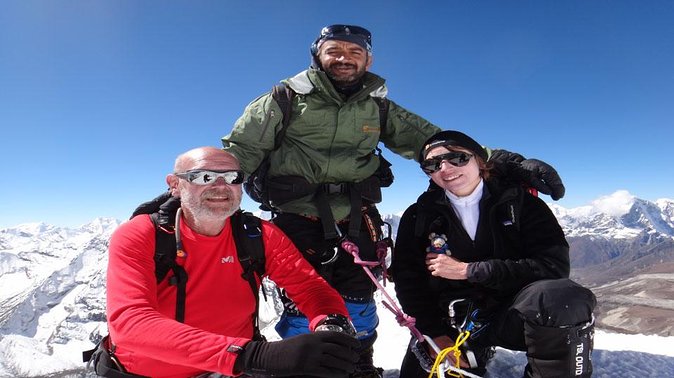
Review · EVEREST BASE CAMP TREKS
Everest Base Camp Trek
Two weeks of Everest drama, minus the chaos. This guided Everest Base Camp trek is interesting because it handles the heavy-lift logistics for you: airport pickup, a 3-star Kathmandu hotel, and a trek briefing before you head to Lukla by flight. I like that you start with real human support right away, not a scramble for directions in an unfamiliar city.
I also like the practical comfort built into the trekking days. You get your trekking meals (breakfast, lunch, dinner) plus lodge accommodation, with a guide and porter support system. The trade-off: drinking water and other drinks aren’t included, and rescue/health insurance is on you—so budget for that and protect yourself.
In This Review
- Key things I’d circle before booking
- Kathmandu first: getting your bearings in Thamel
- Flights to Lukla: where the adventure starts (and why timing matters)
- Phakding and the lodge rhythm: what “guided” really changes
- The 11 trekking days: high passes, village stays, and realistic pacing
- Your Kathmandu back half: resting after you earn it
- Guides and support: the human side that makes or breaks EBC
- Meals and lodging: included comfort, plus the extras to budget
- Value and price: what you’re really getting for $1,750
- Fitness and pacing: who this tour suits best
- Practical gear and health planning (the stuff that saves your trip)
- Should you book this Everest Base Camp trek with Sublime Trails?
- FAQ
- FAQ
- Is airport pickup in Kathmandu included?
- Are flights to Lukla included?
- How long is the trek part of the trip?
- Where do I start walking after arriving in Lukla?
- What kind of accommodation do I get in Kathmandu?
- What meals are included during the trek?
- Is drinking water included?
- Do I get a guide and porter support?
- Is travel insurance included?
- What is the cancellation policy?
- Is the Nepal entry visa fee included?
- What’s the maximum group size?
Key things I’d circle before booking
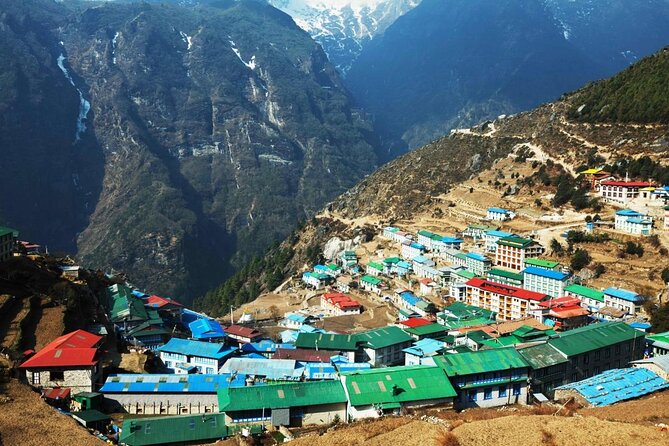
- Kathmandu orientation first: airport pickup, a 3-star hotel stay, and a trek briefing so you’re not learning on the fly
- Round-trip Lukla flights included: your Kathmandu–Lukla and return flights are part of the package
- Trekking meals included: breakfast/lunch/dinner in the Himalaya plus porter support, which matters at altitude
- Small group size: up to 16 travelers, so you’re less likely to feel like a numbered face
- Real guide support: a mountaineering guide on the trip, with first-aid gear carried on route
- Paperwork handled: necessary Nepal government and tax paperwork is included
More trails out of Kathmandu, boots ready
- Everest Base Camp Trek – 14 Days★ 5.0 · 1,499 reviews
- Everest Base Camp Trek★ 5.0 · 842 reviews
- Everest Base Camp Trekking★ 5.0 · 485 reviews
- Nagarkot Sunrise View and Day Hiking from Kathmandu★ 5.0 · 471 reviews
Kathmandu first: getting your bearings in Thamel
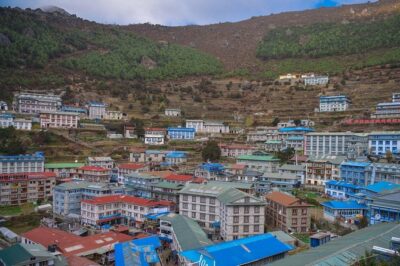
Your trip starts in Kathmandu, and that matters more than people think. You’re picked up from the airport, transferred to a 3-star hotel, and given time to rest after arrival. Then you get breakfast and a short briefing for what’s coming next.
You’ll also have time to wander the Thamel area for shopping and general exploring. That’s useful if you need to grab last-minute gear like warm layers, gloves, or basic trail items, because trekking doesn’t forgive missing socks. I find this “day to settle” reduces stress later when the pace and elevation get real.
One small thing to keep in mind: Kathmandu meals beyond breakfast aren’t included. So if you like figuring out local food on your own schedule, you’ll probably enjoy that freedom—but it’s still an extra budget line.
Flights to Lukla: where the adventure starts (and why timing matters)
After the Kathmandu briefing, the trek begins with the flight to Lukla. Once you land, you get another trek briefing and then you start walking from there.
Your first walking day takes you along the Dudh Koshi river for about three hours to Phakding, where you spend the night. That opening stretch is a smart way to start: it’s a gradual ramp-up from flight day into trail day, and staying in a village lodge helps you transition without going straight into hard climbs.
A practical caution: air connections to Lukla can be weather-sensitive in general. This package includes the flights, but it won’t magically remove the reality of mountain aviation schedules. If you’re the type who panics at uncertainty, bring a calm mindset (and keep your documents organized).
Phakding and the lodge rhythm: what “guided” really changes
From Phakding onward, the structure is what makes a difference. Over 11 trekking days, you walk high-altitude trails between high passes and villages, and you’re supported with accommodation and meals included in the trek package.
What “guided” means in practice is decisions get made for you. Your guide handles daily route guidance, keeps the group moving together, and supports pacing so nobody is left sprinting ahead or dragging behind. You also have porter support, which changes the math of the trip—less weight on your back can mean more energy for breathing, balance, and enjoying the day.
I’m also encouraged by the fact that the trek includes necessary paperwork and that the guide carries a first-aid kit. It signals you’re not traveling as a solo problem-solver in the mountains.
The 11 trekking days: high passes, village stays, and realistic pacing
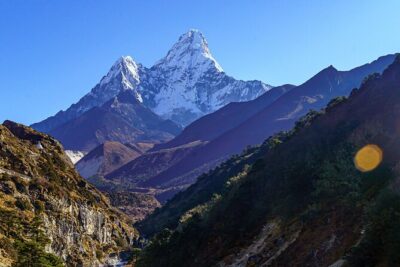
This itinerary is built around a classic Everest Base Camp trekking rhythm: a loop of walking days, village lodges, and periodic climbs over higher sections and passes. You’re not just “walking to a view.” You’re moving through a chain of small communities and trail systems where daily life and trekking life overlap.
You should expect two things: long days on the trail and cold mornings/evenings. One of the common themes in real trip stories is how quickly temperatures drop once you’re up in the higher ranges. I’d plan your clothing strategy around layers and quick warmth, not one magic jacket.
Pacing is your biggest lever for altitude comfort. This trip specifically asks for travelers with moderate physical fitness, which is the right match for a guided EBC hike. If you’re fit but also cautious, this sort of structure tends to feel manageable. If you’re out of shape and hoping the route will carry you, you’ll probably struggle.
Your Kathmandu back half: resting after you earn it
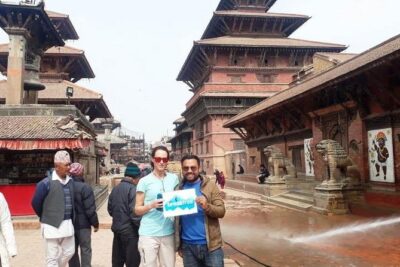
After the trek portion, you get two more days in Kathmandu. That’s not just “bonus sightseeing.” It’s your chance to decompress, recover, and reset your body after the walking routine.
Even though the trek is the headline, Kathmandu is where you can regain normal sleep patterns, eat foods that don’t come with trek-day constraints, and do the practical stuff like laundry or gear checks. If you like photos, this is also where you can review the day-by-day memories while you still have the energy to organize them.
The one catch: extra nights in Kathmandu aren’t included if your flights or schedule force you to stay longer than planned. If you’re trying to squeeze the trip tightly into other travel, consider giving yourself a buffer in case the mountain schedule shifts.
Guides and support: the human side that makes or breaks EBC
The most praised part of this kind of Everest trip is often not the view—it’s the people managing the details. This package includes a well experienced guide plus porter support, and your guide carries a first-aid kit.
I’ve seen this operator’s teams include guides such as Suman, Prakash, Ajit, Adjit, and Bibek. Assistants like Dawa and Lakshman are also mentioned as part of some groups. The common thread is clear: you’re not just paying for route maps, you’re paying for daily problem-solving and calm leadership.
On a route like this, conditions can change, flights can get delayed, and pace can matter more than you expect. Having a team that explains what to expect each day, offers guidance on good photo spots, and keeps the group organized turns the trek from chaos into a steady rhythm.
Meals and lodging: included comfort, plus the extras to budget
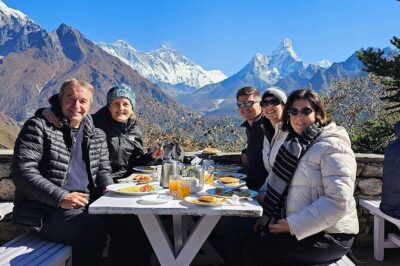
Let’s talk food, because it affects energy and morale. During the trekking days in the Himalaya, you get breakfast, lunch, and dinner. Lodges are included too, which means you’re not hunting for beds each night.
That’s a big value point. Eating right on a cold mountain day is not optional—you want something warm, consistent, and reliably available. Having meals built into the cost helps you focus on walking, not bargaining.
Now the extras: alcoholic and nonalcoholic drinks aren’t included. Drinking water isn’t included either, so you’ll want to plan for that daily cost. Personal expenses like phone calls, internet, laundry, hot showers, and bottle recharge type items are also on you.
If you’re budgeting like a spreadsheet person, this is where you should run the numbers. The trek portion is structured; the spending spikes are usually the “comfort add-ons.”
Value and price: what you’re really getting for $1,750
At $1,750 per person, this is not a bargain-basement trek. But it’s also not just “a hiking label on a ticket.” You’re paying for a full support bundle:
- Kathmandu hotel for 2 nights around a 3-star category
- Airport pickup and transfers
- Round-trip flights between Kathmandu and Lukla
- Lodge accommodation plus daily meals during the trek
- Guide and porter support
- Government-related paperwork handling
- First-aid kit carried by the guide
When you compare that to DIY trekking, where you’d have to arrange guides, porters, flights, lodging, and meal plans yourself, the value gets clearer. Even if you don’t love group travel, the logistics cost is real in Nepal—especially for Lukla flights.
You also have a small-group cap of 16 travelers, which often helps with the daily experience. You’re less likely to feel squeezed in dining rooms or shuffled around during departures.
Fitness and pacing: who this tour suits best
The trek is listed for travelers with moderate physical fitness. That’s an important signal. You don’t need to be a mountain athlete, but you do need stamina and a willingness to walk days in a row.
If you’re used to hiking and can handle long uphill stretches, you’ll likely appreciate the guided pace and porter support. If you’re brand-new to hiking, you’ll want to prepare before you go—mainly with endurance, not just leg strength.
Altitude is part of the deal here. While this package doesn’t list specific altitude numbers in the details provided, the description is clear about high passes. So you should plan for slower breathing, more breaks, and a “go steady” attitude.
Practical gear and health planning (the stuff that saves your trip)
You’ll have the support of a guide and first-aid kit, but you still carry the responsibility for your own health choices. Travel insurance isn’t included, and rescue/evac costs aren’t included either—so you should buy personal travel insurance before you go.
That’s not fear-mongering. It’s basic preparedness for a remote high-altitude trekking region. Also, the trip doesn’t include rescue or health emergency coverage, so you shouldn’t assume anything is covered for accidents or illness.
Gear-wise, plan for cold mornings and evenings. If you know you run cold, bring extra warmth layers and plan for gloves and a hat. This is also where Kathmandu’s shopping time can help if you forgot something.
Finally, remember that drinking water isn’t included. So your trekking day budget and water strategy should be part of your plan from the start.
Should you book this Everest Base Camp trek with Sublime Trails?
I’d book this tour if you want an organized Everest Base Camp trek with the key logistics handled: airport pickup, Kathmandu hotel, guided route support, porter help, lodge accommodation, daily trek meals, and round-trip flights to Lukla. It’s also a good fit if you prefer a small group atmosphere and you’d rather focus on walking and views than on solving transportation puzzles.
I’d think twice (or at least plan harder) if you’re hoping for everything to be all-inclusive. Drinking water and drinks cost extra, insurance is not included, and Kathmandu meals beyond breakfast are on you. If you don’t like that kind of budgeting, this trip will feel more expensive once you’re on the trail.
FAQ
FAQ
Is airport pickup in Kathmandu included?
Yes. The package includes airport pickup and the drive/transfer in Kathmandu.
Are flights to Lukla included?
Yes. Round-trip flights from Kathmandu to Lukla and return to Kathmandu are included.
How long is the trek part of the trip?
The trek is described as 11 trekking days on high-altitude trails, with an additional two days in Kathmandu.
Where do I start walking after arriving in Lukla?
After your flight to Lukla and a trek briefing, the trek starts from Lukla. You walk along the Dudh Koshi river for about three hours to Phakding for the first night.
What kind of accommodation do I get in Kathmandu?
You get 2 nights in Kathmandu at a 3-star category hotel.
What meals are included during the trek?
During the trekking in the Himalaya, lodge accommodation and breakfast, lunch, and dinner are included. In Kathmandu, only breakfast is included.
Is drinking water included?
No. Drinking water during the trip is listed as not included.
Do I get a guide and porter support?
Yes. The package includes a well experienced guide and porter support.
Is travel insurance included?
No. Rescue and travel insurance are not included, and the tour notes that you should take out personal travel insurance.
What is the cancellation policy?
You can cancel up to 24 hours in advance of the experience for a full refund. If you cancel less than 24 hours before the start time, it won’t be refunded. Cut-off times are based on local time.
Is the Nepal entry visa fee included?
No. The Nepal entry visa fee is not included.
What’s the maximum group size?
The maximum group size is 16 travelers.
More Trekking Out of Kathmandu
More Tour Reviews in Kathmandu
Just Reviewed in Kathmandu
- Mountain Bike Tour
★ 5.0 · 3 reviews - Annapurna Panaroma
★ 5.0 · 3 reviews - Mount Everest Scenic Flight 50 Minutes
★ 5.0 · 3 reviews - Kathmandu : Swambhunath & Durbar Square Guided Half Day Tour
★ 3.3 · 3 reviews - Chandragiri Cable Car & Monkey Temple Tour – Private/Group
★ 5.0 · 3 reviews - Kathmandu: Shivapuri National Park Hiking Day Trip
★ 3.3 · 3 reviews
Everest Base Camp Treks, compared.
 ★ 5.0Everest Base Camp Trek – 14 DaysFrom $1,8001,499 reviews
 ★ 5.0Everest Base Camp TrekFrom $1,790842 reviews
 ★ 5.0Everest Base Camp TrekkingFrom $1,350485 reviews
 ★ 5.0Everest Base Camp Trekking – 13 DayFrom $1,399365 reviews
★ 5.0Everest Base Camp TrekFrom $1,445350 reviews
★ 5.0Everest Base Camp Trek -14 DaysFrom $1,420321 reviews
★ 5.0Everest Base Camp Trekking – 13 DayFrom $1,399365 reviews
★ 5.0Everest Base Camp TrekFrom $1,445350 reviews
★ 5.0Everest Base Camp Trek -14 DaysFrom $1,420321 reviews
 ★ 5.012 Days Everest Base Camp TrekFrom $1,099289 reviews
 ★ 5.0Everest Base Camp Trekking – 2025/2026From $1,339199 reviews
Browse the lists this tour appears in