
Review · EVEREST BASE CAMP TREKS
Everest Base Camp Trek 12 Days – Best Himalayan Adventure
Everest can feel close on this trek. What makes this one stand out is the private, Sherpa-guided approach through the Khumbu, with tea-house lodging built into a 12-day plan; you’ll also be aiming for big viewpoints like Kala Patthar and the Everest Base Camp area. The main consideration: you’re hiking at serious altitude, so if your conditioning isn’t steady and you treat acclimatization casually, the trek won’t feel fun.
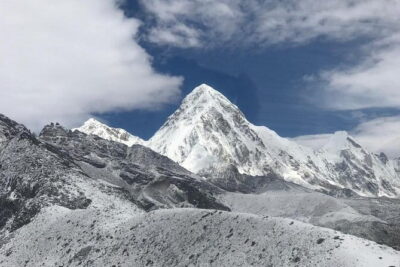
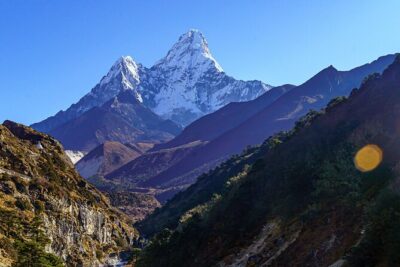
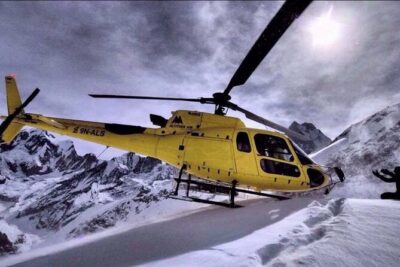
You start and end in Kathmandu, and you’ll use a scenic flight into Lukla (sometimes from Ramechap) before walking into high-altitude villages and glacial valleys. Along the way, you’ll see the kind of mountain mix that’s hard to describe until you’re staring at Everest, Lhotse, Nuptse, Ama Dablam, and Pumori for real. A lot of trekkers also feel the difference of having named local guides and crew—examples include Dipendra and Shankar as chief guides, and trekking leadership such as Binod, Ramjee, and Santosh—plus strong porter support like Ramjee was praised for.
At $1,439 per person, this sits in the mid-to-higher range for EBC trips, but the value comes from what you don’t have to sort: trekking permits, domestic flights, guide leadership, tea-house stays for 11 nights, and an optional porter system built in. If you’re hoping to travel ultra-budget with zero planning, you might feel the cost. If you want fewer logistics headaches and a safer, smoother rhythm, it can be money well spent.
In This Review
- Quick Take: What Makes This Everest Base Camp Trek Work
- The Real Appeal: A Private, Sherpa-Guided EBC Plan
- Price and Value: What $1,439 Actually Buys You
- Flight Day to Lukla: Why It Matters Before You Even Hike
- Namche Bazaar and the Khumbu Rhythm: More Than a Place on a Map
- Tengboche: A Spiritual Pause With Mountain Payoff
- Dingboche: Where Altitude Starts Feeling Personal
- The Everest Base Camp Area and Gorak Shep: The Big Objective Days
- Cold-Weather Reality Check: Weather Can Turn in the Everest Region
- Kathmandu Wrap-Up: What the End Day Should Feel Like
- Gear and Packing: What to Bring (and What to Let Them Handle)
- Who This Trek Suits Best (And Who Might Want a Different Plan)
- Should You Book This Everest Base Camp Trek?
- FAQ
- How long is the Everest Base Camp trek?
- Where does the tour start and end?
- Are domestic flights included?
- Is a porter included?
- What accommodation is provided during the hike?
- Are trekking permits included?
- Is free cancellation available?
Quick Take: What Makes This Everest Base Camp Trek Work
- Sherpa-led guidance with a safety-first trekking rhythm and acclimatization days built into the experience
- Lukla flight access plus domestic flights handled for you, with Ramechap as a possible departure option
- Tea-house trekking stays (11 nights of twin sharing during the hike) that keep you moving without the hassle of camping
- Kala Patthar and Everest Base Camp focus so you’re not doing a random walk—you’re aiming at the big moments
- Porter option included with a clear ratio: 2 hikers share 1 porter
- Small group feel with caps stated up to 10 travelers in the activity details (and up to 15 per booking)
More trails out of Kathmandu, boots ready
- Everest Base Camp Trek – 14 Days★ 5.0 · 1,499 reviews
- Everest Base Camp Trek★ 5.0 · 842 reviews
- Everest Base Camp Trekking★ 5.0 · 485 reviews
- Nagarkot Sunrise View and Day Hiking from Kathmandu★ 5.0 · 471 reviews
The Real Appeal: A Private, Sherpa-Guided EBC Plan
What I like about this style of Everest Base Camp trek is simple: you’re not guessing. You’ve got an experienced Sherpa trekking guide steering the pace, reading the conditions, and keeping the trek structured for safety. The tour is private, but not empty—there’s a minimum of two travelers per booking—so you still get that small-team feel without turning it into a solo stunt.
This route is designed around the Khumbu region: suspension bridges, alpine forests, glacial valleys, and high-altitude villages. That matters because it’s not just about walking from point A to point B. It’s about moving through the same kind of terrain and settlement rhythm that Sherpa communities know well. And when you’re staring at Ama Dablam and then watching the world shrink around you at Kala Patthar, it helps that your day-to-day logistics are handled.
The trek also flags acclimatization days for safety. That doesn’t guarantee you’ll feel great at altitude, but it does reduce the odds of pushing too hard too soon. If you’ve ever had a trip ruined by poor pacing, you’ll appreciate this.
Price and Value: What $1,439 Actually Buys You
Let’s talk value like adults. The listed price is $1,439 per person, and what you’re paying for is the package structure:
Included items that usually cost real time and effort to arrange yourself:
- Return domestic flights (flight may depart from Ramechap Airport)
- Trekking permits
- Highly experienced Sherpa guide
- Tea-house accommodation during the hike (11 nights, twin sharing)
- Staff insurance, medication and equipment, plus a first aid kit
- Porter system: 2 hikers get 1 porter
- Sightseeing excursions in Kathmandu
- Meals are referenced in the overview, while the fine print also says personal expenses and meals during trek aren’t included. The practical takeaway: tea-house food is usually part of the trek cost day-to-day, but you should confirm what’s covered vs. what you’ll pay separately for meals and snacks.
Not included (so you can plan without surprises):
- International airfare
- Nepal entry visa
- Personal travel/trekking insurance
- Personal trekking gear
- Tips/gratuities
- Personal expenses and some meals/food
So is it worth it? If you want the hardest parts handled—permits, domestic flights, a guide, and lodging—then yes, this kind of package usually saves you both money and stress. If you already know how to organize your own guide, flights, and permits, and you’ve got the gear and insurance lined up, you might find a DIY option cheaper. But most people don’t go to Everest Base Camp because they love paperwork. They go for the mountains and the story, and this format supports that.
Flight Day to Lukla: Why It Matters Before You Even Hike
This trek starts with a Kathmandu meeting point at Scenic Nepal Treks & Expedition Pvt. Ltd. on Bhagwati Marg (and it ends back at the same meeting area). Then you’ll fly to Lukla, which is the gateway most people think of when they picture an EBC trek.
A couple practical points from the details you should take seriously:
- Domestic flights may route through Ramechap Airport.
- Pickup is offered, and the tour uses mobile tickets.
- The plan includes sightseeing excursions in Kathmandu, so your first day or two isn’t just scramble-and-go.
Even if you love hiking, the flight day is a big deal. It sets your energy for the whole trip, and it can be emotionally intense because you’re suddenly in airplane-to-altitude mode rather than slow-and-steady land travel. If you’re the kind of person who gets anxious with transitions, build some breathing room into your first day.
Namche Bazaar and the Khumbu Rhythm: More Than a Place on a Map
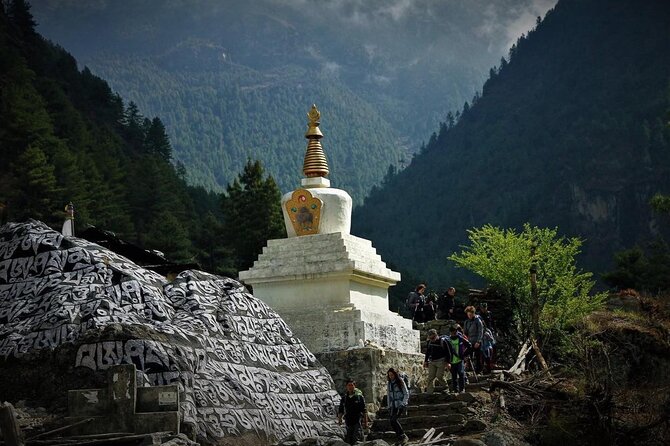
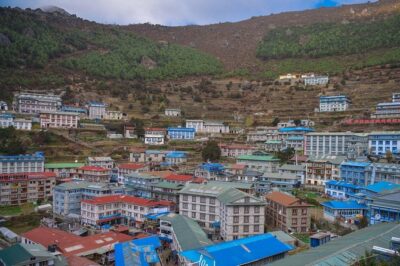
One of the best parts of the EBC journey is that the mountains don’t just get bigger—they get more specific. Namche Bazaar is a key stage because it’s where you start feeling the trek become a high-altitude routine. You’re still walking, but you’re also adapting to the air and the daily pace.
What you’ll likely notice as you approach and settle in:
- Cooler temperatures and sharper sunlight.
- Less room for sloppy effort—slow and steady wins here.
- Village life that feels different from Kathmandu, because the economy and daily movement are built around trekking and mountain seasons.
This is also where acclimatization becomes real in your body, not just in your itinerary. If your breathing gets ragged, don’t panic. Adjust your pace and keep moving gently. That’s the whole point of staging.
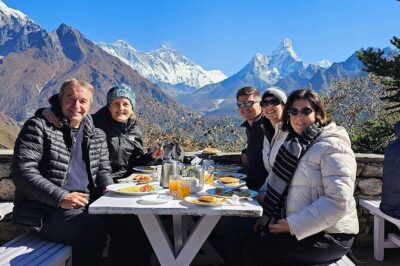
Tengboche: A Spiritual Pause With Mountain Payoff
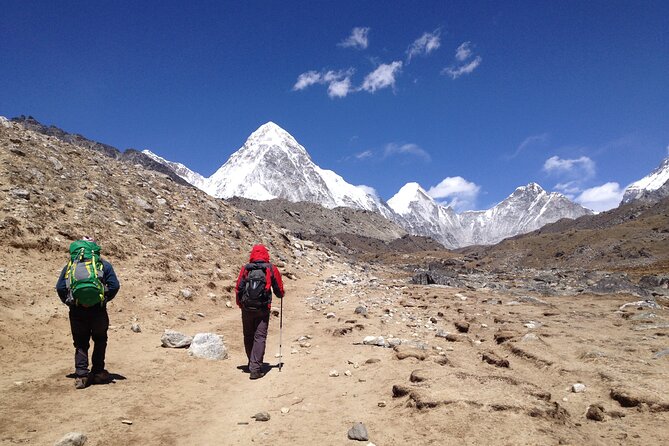
At Tengboche, the trek naturally slows down. This stop is a classic kind of mountain moment: you’re walking through Sherpa country, and your senses start switching from “how hard is this going to be?” to “I can’t believe I’m here.”
Tengboche also matters because it’s a buffer stage. You’re moving toward higher zones, but you’re not jumping straight into your hardest day. That balance helps keep your energy for later viewpoints.
The mountain views in the Khumbu are often the headline, but the emotional effect is the real reason this stop lands. When you’re in the right mood and the air is clear, you’ll understand why EBC trekkers talk about this route for years.
Dingboche: Where Altitude Starts Feeling Personal
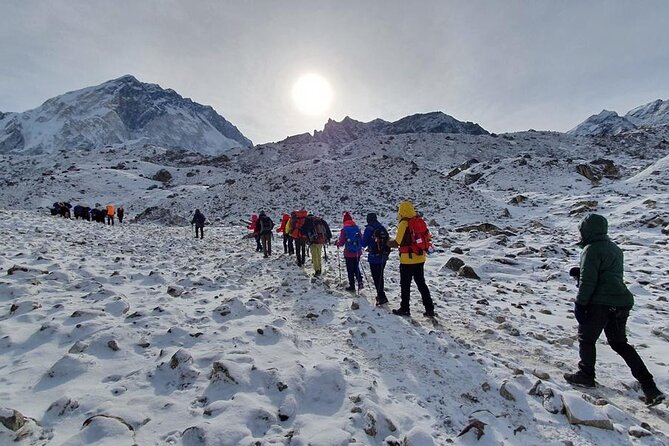
Dingboche is one of those names that shows up again and again in EBC trekking talk, and for good reason. By now, the hike isn’t just about legs. It’s also about how your body responds to altitude.
The tour’s structure includes acclimatization days, so you’re not supposed to treat Dingboche like a quick overnight stop. Use it as a reset:
- Keep your pace controlled.
- Hydrate like it’s your job.
- Don’t “test yourself” by walking too fast because you feel okay that morning.
This is also a good reminder that packing matters. When it’s colder, your layers are your comfort system. The tour lists warm hat, scarf, gloves, a waterproof jacket, and a down jacket that’s needed depending on where and when you trek (the minimum mentioned is -10°C). If you underpack here, you’ll feel it later.
The Everest Base Camp Area and Gorak Shep: The Big Objective Days
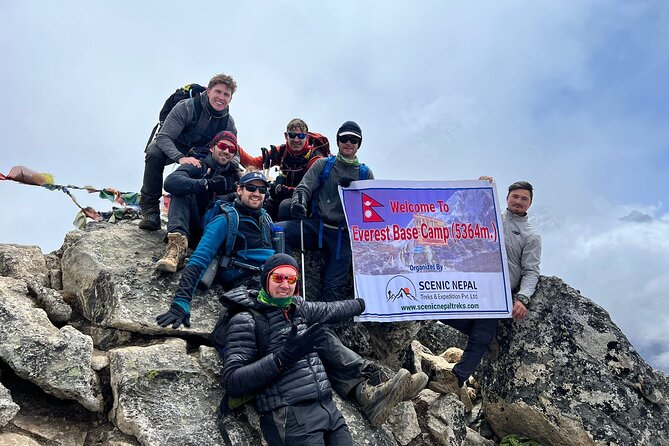
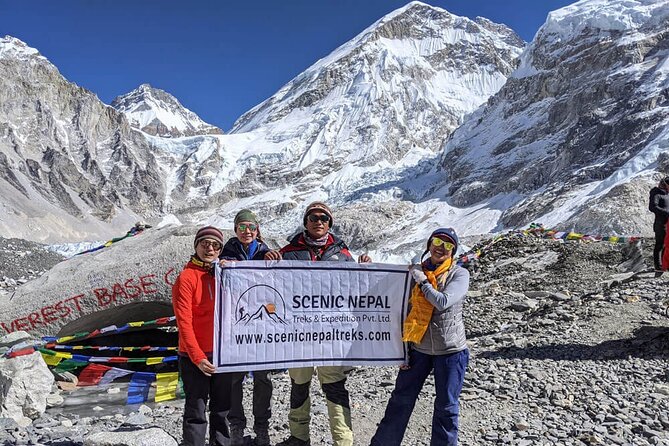
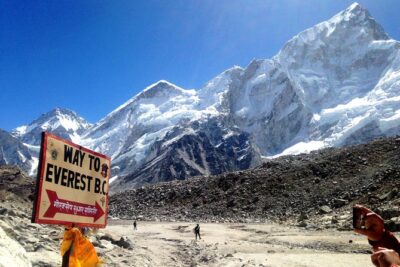
This is the core of the trek: reaching the Everest Base Camp (5,364m) area and then pushing on toward the higher viewpoints.
The plan specifically calls out:
- Everest Base Camp at 5,364m
- Gorak Shep as a key stage
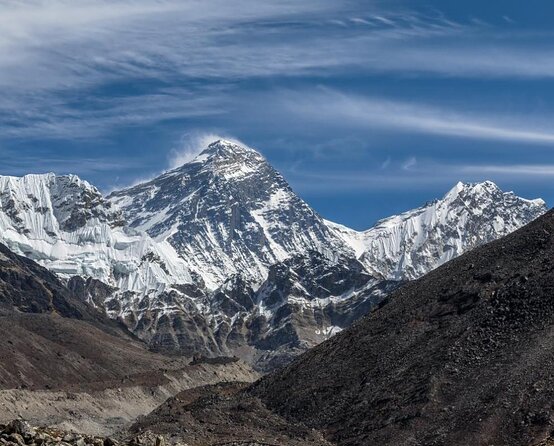
- Kala Patthar for panoramic views
Here’s how to think about these days. You’re not just “walking to a goal.” You’re moving into an environment where the air is thin and the payoff is mostly visual—big peaks, long shadows, and sunrise light when conditions line up.
Kala Patthar is a standout for many trekkers, especially for sunrise views. Even if you’ve never done a cold early start before, treat it like part of the mission. Bring the warm gear the tour suggests (hat, scarf, gloves, and a down jacket). If the cold catches you off guard, the view won’t feel as worth it.
And yes, these days are physically demanding. One of the common themes tied to this trek is that every tough step can feel worth it when you finally stand near Everest’s base area with Everest in front of you and the surrounding peaks framing the scene.
Cold-Weather Reality Check: Weather Can Turn in the Everest Region
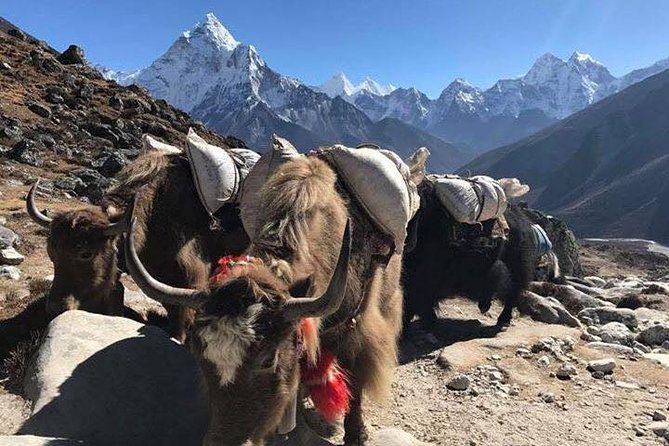
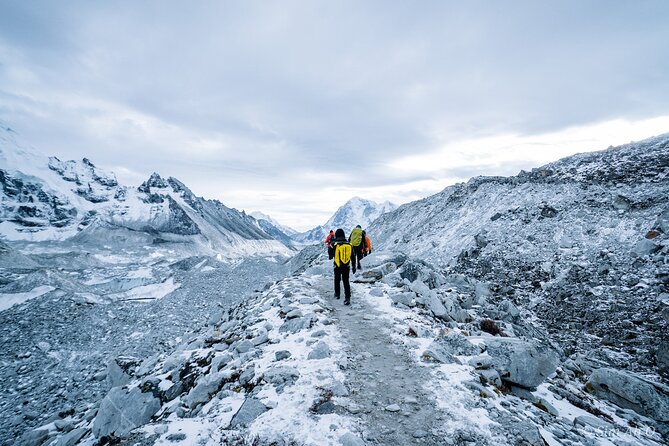
One thing I always want you to know before you go: the Everest region can change quickly. Even with the best planning, you might face snow or storm conditions near higher sections of the route.
In past trekkers’ experiences tied to this route, people managed through a snow storm around Lobuche and still reached the goal. That’s a reminder that your guide’s timing and your own flexibility matter. If conditions shift, a good Sherpa guide will adjust pacing and priorities to keep you safe and moving.
So pack for cold. Don’t assume “spring hiking” means mild temperatures. The tour lists gear like thermal underwear, fleece layers, and a down jacket depending on when you trek, plus a waterproof jacket and water purification tablets. That all points to weather being a real factor, not a hypothetical.
Kathmandu Wrap-Up: What the End Day Should Feel Like
After you finish the hike, the tour brings you back to Kathmandu and ends back at the meeting point. That transition matters more than people expect. You go from thin air and cold nights to normal-city noise and warmer indoor comfort. If you rush your recovery day, you can feel wiped out longer than you planned.
What I like about this tour format is that it includes Kathmandu sightseeing excursions, so you’re not forced to build your own second itinerary out of jet lag and exhaustion. It gives your brain a landing zone after the big effort.
Gear and Packing: What to Bring (and What to Let Them Handle)
The tour gives you a long gear list, and it’s there for a reason: Everest trekking is where small comfort items become big deal items.
From the provided gear notes, these are key:
- Trekking boots and spare laces
- Warm hat, scarf, gloves
- Waterproof jacket
- Down jacket (min -10C depending on timing)
- Thermal underwear
- Fleece jacket and quick-dry T-shirts
- Backpack (plus a duffel bag provided by the tour)
- Water purification tablets
- Sunglasses (polarizing) and sunblock/lip warmth
- Torch/flashlight
- Locks for your bags during the trek
- A sleeping bag and silk liner are provided by Scenic Nepal Treks
Also pay attention to what’s not on the list:
- Personal travel/trekking insurance is your job.
- International flights and the Nepal entry visa are your job.
- Tips are your job.
If you want to keep your pack manageable, focus on warmth, rain protection, and foot comfort. On a trek like this, the best gear is the gear that prevents blisters and keeps your body warm when you stop moving.
Who This Trek Suits Best (And Who Might Want a Different Plan)
This trek is described as suitable for fit beginners up through experienced hikers, but that doesn’t mean it’s casual. It’s still a high-altitude trek to Everest Base Camp territory and includes physically demanding objective days.
You’ll probably love it if:
- You want a structured private trekking plan with permits, guide, and flights handled.
- You care about reaching Kala Patthar and doing the EBC objective properly, not just “walking in the mountains.”
- You prefer tea-house accommodation over camping.
- You want porter support: 2 hikers share 1 porter.
You might want to reconsider or talk to your operator first if:
- Altitude is a major unknown for you and your fitness isn’t steady.
- You dislike cold starts, because sunrise viewpoints are part of the experience plan.
- You’re expecting a fully budget DIY experience—this package includes a lot of logistics for a reason.
Should You Book This Everest Base Camp Trek?
I’d book this if your top priority is a guided, safe-feeling route with the major EBC moments included: Lukla access, Sherpa-led pacing, tea-house stays, and the big viewpoints around Gorak Shep and Kala Patthar. The strongest sign of quality in the information you provided is the emphasis on organization and guide support, with standout names connected to leadership like Dipendra, Shankar, Binod, Ramjee, and Santosh—and porter support called out as genuinely helpful.
I wouldn’t book this if you’re trying to minimize cost and you already plan to self-manage everything, including permits, flights, and a guide. Also don’t book with a light attitude toward altitude. If you treat acclimatization seriously and dress for cold, this trek can be a once-in-a-lifetime mountaineering experience without turning into a logistics nightmare.
FAQ
How long is the Everest Base Camp trek?
The trek is listed as 12 days approximately.
Where does the tour start and end?
It starts at Scenic Nepal Treks & Expedition Pvt. Ltd. (Bhagwati Marg, Kathmandu 44600, Nepal) and ends back at the same meeting point.
Are domestic flights included?
Yes. Return domestic flights are included, and the flight may fly from Ramechap Airport.
Is a porter included?
Yes. Porter support is included, with the note that 2 hikers get 1 porter. There is also an option to add-on a porter.
What accommodation is provided during the hike?
The trek includes twin sharing tea-house accommodation for 11 nights during the hike.
Are trekking permits included?
Yes. All necessary trekking permits are included.
Is free cancellation available?
Yes. Free cancellation is available if you cancel up to 24 hours in advance for a full refund.
More Trekking Out of Kathmandu
More Tour Reviews in Kathmandu
Just Reviewed in Kathmandu
- Mountain Bike Tour
★ 5.0 · 3 reviews - Annapurna Panaroma
★ 5.0 · 3 reviews - Mount Everest Scenic Flight 50 Minutes
★ 5.0 · 3 reviews - Kathmandu : Swambhunath & Durbar Square Guided Half Day Tour
★ 3.3 · 3 reviews - Chandragiri Cable Car & Monkey Temple Tour – Private/Group
★ 5.0 · 3 reviews - Kathmandu: Shivapuri National Park Hiking Day Trip
★ 3.3 · 3 reviews
Everest Base Camp Treks, compared.
 ★ 5.0Everest Base Camp Trek – 14 DaysFrom $1,8001,499 reviews
 ★ 5.0Everest Base Camp TrekFrom $1,790842 reviews
 ★ 5.0Everest Base Camp TrekkingFrom $1,350485 reviews
 ★ 5.0Everest Base Camp Trekking – 13 DayFrom $1,399365 reviews
★ 5.0Everest Base Camp TrekFrom $1,445350 reviews
★ 5.0Everest Base Camp Trek -14 DaysFrom $1,420321 reviews
★ 5.0Everest Base Camp Trekking – 13 DayFrom $1,399365 reviews
★ 5.0Everest Base Camp TrekFrom $1,445350 reviews
★ 5.0Everest Base Camp Trek -14 DaysFrom $1,420321 reviews
 ★ 5.012 Days Everest Base Camp TrekFrom $1,099289 reviews
 ★ 5.0Everest Base Camp Trekking – 2025/2026From $1,339199 reviews
Browse the lists this tour appears in