
Review · EVEREST BASE CAMP TREKS
Everest Base Camp trek 12 days from Kathmandu
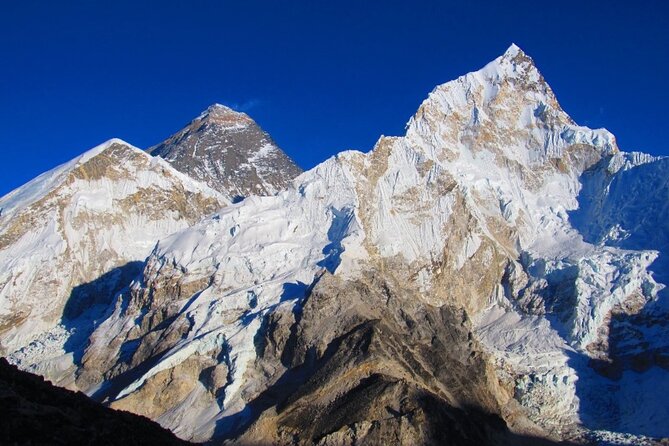
There are easier ways to fall in love with mountains. This 12-day Everest Base Camp trek links Kathmandu to Lukla, then works you uphill through Namche Bazaar and the Everest region’s classic villages, ending at Kala Patthar for big Everest views. I like that the pace includes a real acclimatization day, and I also like the practical package: meals, a licensed guide, permits, and even key trekking gear bundled in.
One consideration: flights to Lukla can shift to Ramechhap during peak season, which means an extra 5–6 hour drive and possibly a very early departure (around 1 AM). If that timing doesn’t work for you, your best move is to plan your flight plan early and build in flexibility.
In This Review
- Key Highlights Worth Getting Excited About
- Your First Step In: Kathmandu, Then Lukla’s Jump-Off
- Day 2 to Namche: Trading Flat Feet for Altitude Reality
- Acclimatization at Namche and the Everest View Hotel
- Tengboche Monastery: The Spiritual Pause in a Big World
- Dingboche: Higher, Cooler, and More Focused
- Another Acclimatization Day: Nagarjun Hill at 5,100m
- Lobuche and Gorak Shep: Getting Close to the Real Terrain
- Kala Patthar: The View That Makes the Hard Days Worth It
- Back Toward Namche: Long Walk, Clear Thinking
- Flying Home: The Ramechhap Reality Check (Peak Season)
- What Your $1,600 Buys (And What It Doesn’t)
- The Human Factor: Guides, Organization, and Pace
- Who This Trek Suits Best
- Should You Book This Everest Base Camp Trek?
- FAQ
- What is the start time and meeting point for the trek?
- How long is the Everest Base Camp trek from Kathmandu?
- What does the trek price include at $1,600 per person?
- What happens to flights to Lukla during peak seasons?
- Are drinks included during the trek?
- Is insurance or rescue service included?
Key Highlights Worth Getting Excited About
- Licensed government-licensed guide who can keep the trek both safe and organized day to day
- Acclimatization built in, including time at Namche and another height hike near Dingboche
- Kala Patthar (5,550m) for close Everest views and wide Khumbu panorama
- Guest-house style lodging with meals included, so you’re not constantly managing logistics
- Gear included like a down jacket, sleeping bag, and walking pole (big value on a trek like this)
More trails out of Kathmandu, boots ready
- Everest Base Camp Trek – 14 Days★ 5.0 · 1,499 reviews
- Everest Base Camp Trek★ 5.0 · 842 reviews
- Everest Base Camp Trekking★ 5.0 · 485 reviews
- Nagarkot Sunrise View and Day Hiking from Kathmandu★ 5.0 · 471 reviews
Your First Step In: Kathmandu, Then Lukla’s Jump-Off
Your journey starts in Kathmandu with pickup and drop-off included on a sharing basis. You’ll then fly to Lukla, a short flight (about 40 minutes) that matters more than the clock suggests. In these mountains, that hop is the difference between “long travel” and “actually getting on the trail.”
Once you land in Lukla, the trek begins right away with a descent-and-recovery feel: Day 1 is Lukla to Phakding (about 3–4 hours) at roughly 2,652m. This is the day to focus on rhythm—steady steps, easy breathing, and letting your legs adjust to stone paths and altitude that still feels new.
What I like here: the trek starts gradually after the flight instead of throwing you straight into a steep wall. What you should watch: with any early start, you’ll be tempted to rush. Don’t. You’ll feel better later if you keep Day 1 calm.
Day 2 to Namche: Trading Flat Feet for Altitude Reality
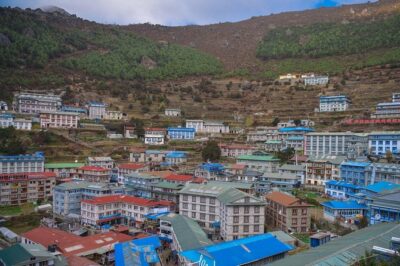
Day 2 brings you from Phakding to Namche Bazaar (3440m) in about 6–7 hours. This is the classic “you’re climbing, but you still have to think” day. Namche is often where trekkers start to feel the altitude more clearly. It’s not just height—it’s also the way the trail tugs you upward with repeated climbs and dips.
Namche Bazaar is also the main hub for the Everest region. You’ll find what you need—hot meals, tea houses, and the general flow of trekkers moving through. In other words, it’s a good place to get your bearings fast before higher altitude work begins.
Practical tip: at higher elevations, you might feel windchill more than you expect. Even if you don’t feel “cold” on day 1, plan for it to change as you go higher.
Acclimatization at Namche and the Everest View Hotel
Day 3 is an acclimatization day at Namche, plus a hike to the Everest View Hotel area (around 3,900m) for about 3–4 hours. This isn’t filler. It’s a smart altitude strategy: you get movement and fresh views without pushing too hard at the wrong time.
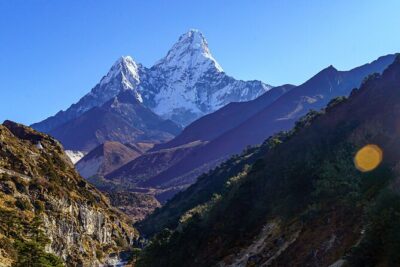
This is also one of the best days for motivation. The Everest View area is designed for people who want that early taste of what’s coming—big mountains, glacier terrain, and that feeling that Everest is no longer a concept. You’re seeing it with your own eyes.
One key value of an acclimatization day like this: you reduce the odds of your body falling behind the schedule. You’ll still work, but you’ll do it with less stress on your system.
Tengboche Monastery: The Spiritual Pause in a Big World
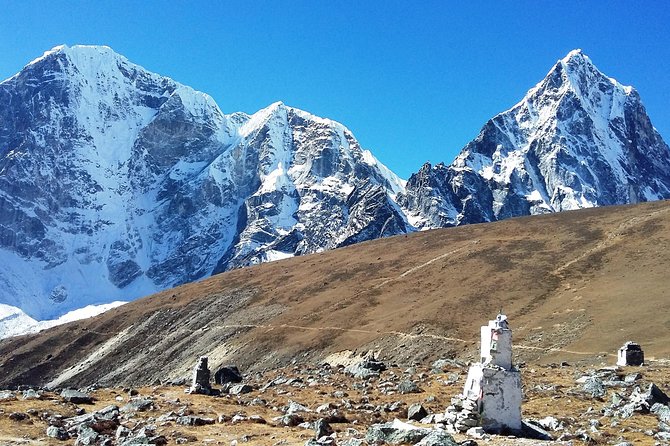
Day 4 takes you Namche to Tengboche (about 5–6 hours) at roughly 3,860m. This is where the trek starts mixing athletic effort with culture. Tengboche is known for Tengboche Gompa (monastery). It’s an important religious site in the region, and it gives the day texture beyond just altitude and distance.
You’ll notice how tea-house trekking differs from a normal hike. People move slowly, chat, share trail advice, and the whole setting feels like a community built around passing time in the mountains. The monastery day helps you shift gears from “survive the trail” to “notice where you are.”
Drawback to consider: if you’re chasing only photos and summit energy, the monastery stop can feel slower than expected. But if you care about the meaning behind the place, it’s a welcome change of pace.


Dingboche: Higher, Cooler, and More Focused
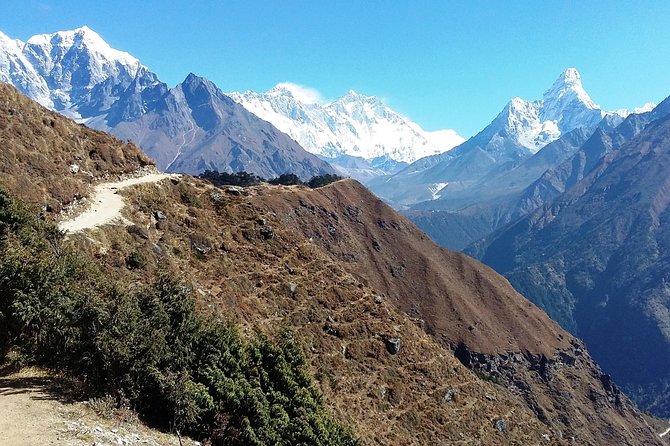
Day 5 is Tengboche to Dingboche (about 5–6 hours) to roughly 4,410m. The air is thinner, and the trail feels more serious. Dingboche tends to be a practical base for the next step: higher elevation walking toward Lobuche and Gorak Shep.
At this stage, I’d treat each day like a training session: eat on schedule, hydrate steadily, and let your breathing set the pace. You’ll likely feel a stronger need to pause and catch your thoughts between bends in the trail.
Also, this is where the weather can turn faster. You’ll want to keep layers handy because you might feel warm on the uphill and chilled during slow walking breaks.
Another Acclimatization Day: Nagarjun Hill at 5,100m
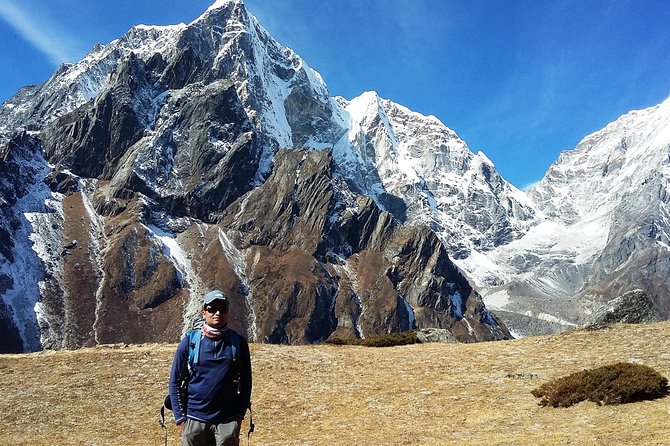
Day 6 is another built-in adjustment: Dingboche to an acclimatization hike at Nagarjun hill (around 5,100m) for about 4–5 hours. The logic is simple. You go higher during daylight, then you sleep back at a slightly lower altitude. That rhythm helps your body learn before the next big push.
This day matters because your itinerary soon takes you into higher terrain on Day 7 and Day 8. If you skip acclimatization in treks like this, your schedule doesn’t care—your body does.
What I like about this design: it gives you work without needless risk. It also gives you a stronger sense of progress, because you can feel your hiking skills improving at altitude.
Lobuche and Gorak Shep: Getting Close to the Real Terrain
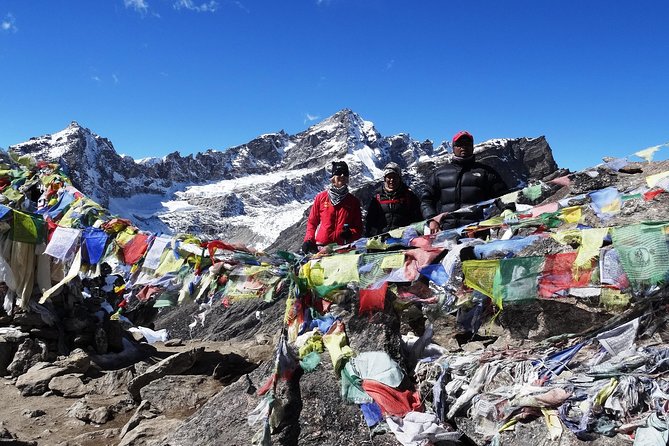
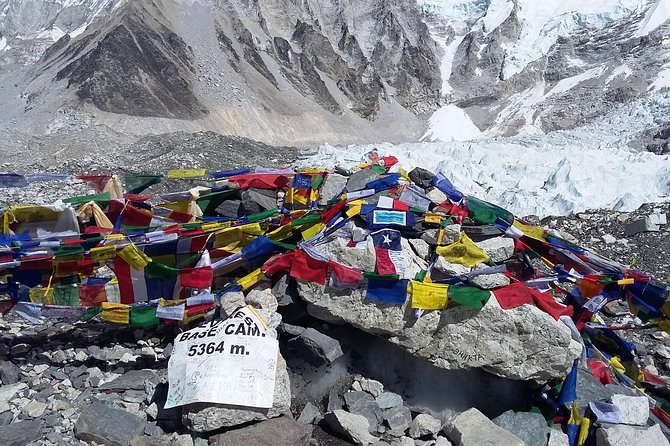
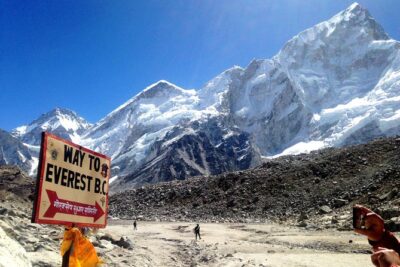
Day 7 brings you Dingboche to Lobuche (about 4–5 hours) around 4,910m. Day 8 then becomes a long one: Lobuche to Gorak Shep, followed by hiking to Everest Base Camp at 5,320m (about 7–8 hours total). This is where your trek becomes the trek.
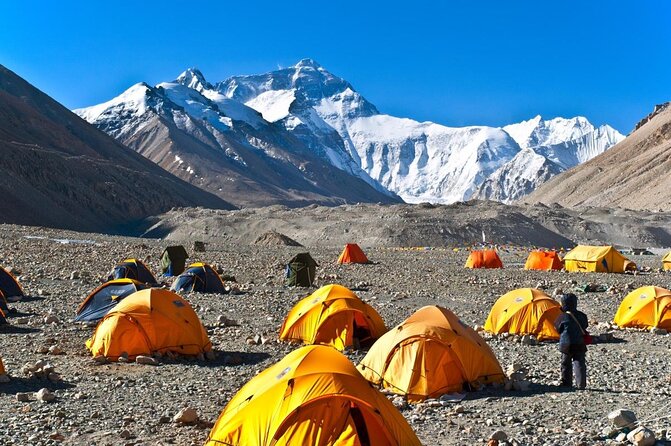
Base Camp here isn’t about “camping like a movie.” You’re at the start zone of big expeditions, but the main reward is the scale: Khumbu Glacier terrain, steep ridges, and the sense of human effort meeting the world’s highest ambitions.
What you’ll feel on Day 8: a mix of exhaustion and excitement. It’s worth pacing yourself on the walk so you still have energy to enjoy the arrival rather than just survive it.
Practical drawback: Day 8 is long. If you’re prone to moving too fast early, you’ll pay for it later. Stay disciplined.
Kala Patthar: The View That Makes the Hard Days Worth It
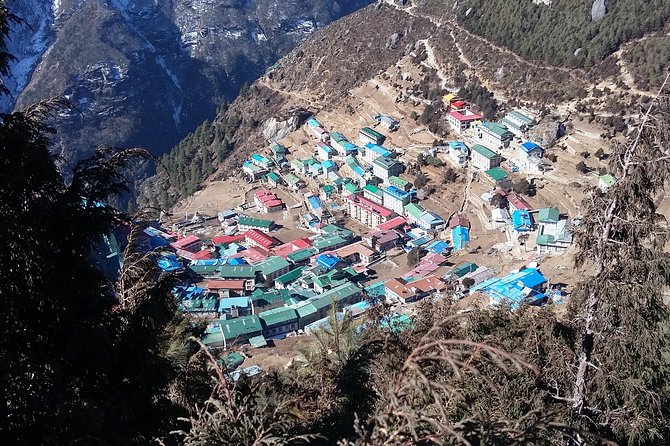
Day 9 is Gorak Shep to Kala Patthar (5,550m) to Pheriche (about 6–7 hours). Kala Patthar is the big payoff viewpoint—close views of Everest and a 360-degree panorama of the Khumbu mountains.
This is the kind of morning viewpoint that changes how you think about mountains. Up here, Everest feels less like a name and more like a physical presence. You’ll also get a sense of how the glacier and surrounding peaks shape the entire region.
Then you descend to Pheriche (about 4,371m). That means you’re not just chasing a view; you’re also managing altitude fatigue. Your legs might feel heavy after the viewpoint, so you’ll want to be careful with footing on the descent.
Back Toward Namche: Long Walk, Clear Thinking
Day 10 is Pheriche to Namche Bazaar (about 6–7 hours) down to around 3,440m. This day is long, but the good news is the altitude is dropping. Your body usually starts to feel more settled as you go lower.
On day 10, you’ll likely move with more confidence. The trail is still demanding, but your pace becomes steadier because the altitude stress is easing.
Day 11 is Namche to Lukla (listed as about 6–7 hours) and then you connect toward the flight schedule. It’s a classic “final push” day—mentally draining for some people, rewarding for others.
Flying Home: The Ramechhap Reality Check (Peak Season)
Day 12 is your return flight back to Kathmandu. The big logistics point is peak season. During March to May and September to November, flights to Lukla run from Ramechhap Airport due to high air traffic in Kathmandu.
Ramechhap is a 5–6 hour drive from Kathmandu. You’ll have two options: either go to Ramechhap the day before and stay overnight, or depart from Kathmandu at about 1 AM on the day of your flight. Transfer from/to Kathmandu is on a sharing basis.
Here’s the practical truth: this affects sleep, packing, and mood more than you’d think. If you hate very early starts, choose the option that gives you the best chance to rest. If your schedule is fixed, plan your day so the trek doesn’t leave you short on energy for the drive.
What Your $1,600 Buys (And What It Doesn’t)
At $1,600 per person for 12 days, you’re paying for more than the view. You’re paying for a full framework: licensed guiding, permits and fees, meals on trek days, lodge lodging on twin sharing, and several key gear items.
Included value that really matters:
- Meals (breakfast, lunch, dinner) during the trek
- Accommodation in guest houses/lodges (twin sharing)
- All permits and trek fees
- A government-licensed guide
- Trekking map and achievement certificate
- Gear such as a duffle bag, down jacket, sleeping bag, and walking pole
That last part is a money-saver and also reduces hassle. Buying or renting a sleeping bag and down jacket just for a trek can be a headache. Here, it’s handled for you.
What’s not included (so you can budget honestly):
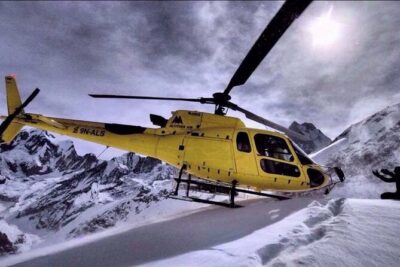
- Rescue/helicopter coverage and insurance
- Personal expenses (phone/internet/laundry/hot shower/battery recharge/bar bills)
- Drinks like tea/coffee, bottle water, soda, beer
- Tips for trek crew
- A porter if you decide you need one
Also note: pickup/drop-off is included, but it’s on a sharing basis. And the tour is listed as private/activity-only your group, which usually means your group doesn’t mix with strangers on the main experience. Still, sharing transport can bring more people into the equation for transfers.
The Human Factor: Guides, Organization, and Pace
The best-run Everest treks are less about impressing you and more about protecting your energy and attention. In this trek, the guiding style is clearly built around day-to-day planning. One of the recurring praise points is how guides give you an overview of the next day in the evening and can name mountains and points of interest as you ascend.
That kind of “orientation” matters. When you know what’s coming—how the day is structured, when the harder walking sections start—you feel less surprise stress. It also makes the hike more fun because you’re not just walking through fog.
People also highlight that guides and porters took care of them and kept things organized. I’d treat that as a sign that the company understands how logistics and morale work together at altitude—small delays and confusion can feel huge up there.
Who This Trek Suits Best
This trek is a good fit if you have moderate physical fitness and you’re looking for a structured, classic Everest Base Camp route without needing prior trekking experience. The day lengths range from moderate to long, but the altitude strategy includes acclimatization days so your body has a chance.
You’ll likely enjoy this more if you:
- Want the classic stops: Namche, Tengboche, Dingboche, Base Camp, Kala Patthar
- Like having a plan that handles permits, meals, and gear
- Are okay with lodge trekking and the idea that the schedule is the schedule
You might rethink if you:
- Are strongly opposed to very early travel for peak-season flights
- Want total flexibility on hiking days (this trek is structured)
Should You Book This Everest Base Camp Trek?
If you want a straightforward, well-supported Everest Base Camp experience with meals, gear, and a licensed guide handled for you, this one is a strong choice. The itinerary hits the core milestones—Namche, Tengboche, Base Camp, and Kala Patthar—without skipping acclimatization logic.
My advice for deciding: check your comfort level with Day 8 and Day 9. These are big days. Then check the peak-season flight setup, because Ramechhap timing can change your whole travel mood. If you can handle those two realities, you’ll get a trip that’s both demanding and deeply rewarding.
FAQ
What is the start time and meeting point for the trek?
The meeting start time is 5:15 am.
How long is the Everest Base Camp trek from Kathmandu?
The trek is listed as 12 days (approx.).
What does the trek price include at $1,600 per person?
It includes airport pick up/drop off on sharing basis (as per itinerary), flight fare between Kathmandu or Ramechap and Lukla, trekking accommodation in guest houses/lodges on twin sharing, meals (breakfast, lunch, dinner) during the trek, a highly experienced government-licensed guide, permits and fees, trekking gear (duffle bag, down jacket, sleeping bag, walking pole), plus a trekking map and trip certificate. Taxes and VAT are included too.
What happens to flights to Lukla during peak seasons?
During March to May and September to November, flights to Lukla operate from Ramechhap Airport instead of Kathmandu due to air traffic. Ramechhap is 5–6 hours from Kathmandu, and you can either travel there the day before and stay overnight or depart from Kathmandu at 1 AM on the day of your flight.
Are drinks included during the trek?
No. Any kind of drinks are not included, including tea/coffee, hot chocolate, boiled water, bottle water, cola, and beer.
Is insurance or rescue service included?
No. Rescue & helicopter flights, insurance, and evacuation are not included.
More Trekking Out of Kathmandu






More Tour Reviews in Kathmandu




Just Reviewed in Kathmandu
- Mountain Bike Tour
★ 5.0 · 3 reviews - Annapurna Panaroma
★ 5.0 · 3 reviews - Mount Everest Scenic Flight 50 Minutes
★ 5.0 · 3 reviews - Kathmandu : Swambhunath & Durbar Square Guided Half Day Tour
★ 3.3 · 3 reviews - Chandragiri Cable Car & Monkey Temple Tour – Private/Group
★ 5.0 · 3 reviews - Kathmandu: Shivapuri National Park Hiking Day Trip
★ 3.3 · 3 reviews
Everest Base Camp Treks, compared.
 ★ 5.0Everest Base Camp Trek – 14 DaysFrom $1,8001,499 reviews
 ★ 5.0Everest Base Camp TrekFrom $1,790842 reviews
 ★ 5.0Everest Base Camp TrekkingFrom $1,350485 reviews
 ★ 5.0Everest Base Camp Trekking – 13 DayFrom $1,399365 reviews
★ 5.0Everest Base Camp TrekFrom $1,445350 reviews
★ 5.0Everest Base Camp Trek -14 DaysFrom $1,420321 reviews
 ★ 5.012 Days Everest Base Camp TrekFrom $1,099289 reviews
 ★ 5.0Everest Base Camp Trekking – 2025/2026From $1,339199 reviews
Browse the lists this tour appears in