
Review · EVEREST BASE CAMP TREKS
Everest Base camp Trek-12 days
Everest starts with a risky landing. This Everest Base Camp trekking trip runs from Kathmandu with a guide and group setup, covering the nitty-gritty so you can focus on the walk and the altitude. You’ll also fly into Lukla and back, which turns a complicated plan into a straightforward route.
I love the Lukla airstrip flight and how the itinerary uses real acclimatization days, including the Everest View Hotel detour. I also like that teahouse accommodation is included along with a sleeping bag and down jacket, so you can pack smarter. One drawback: you go well above 5,000 meters, so you’ll want steady hiking fitness and patience, not bravado.
In This Review
- Key moments that make this trek worth it
- Group Trek Value: Why This Plan Feels Less Risky
- Price and Logistics: What $1,400 Covers (and What It Doesn’t)
- Kathmandu Basics: The Day Before the Mountains
- From Kathmandu to Lukla: The 40–45 Minute Flight That Changes Everything
- Lukla to Phakding to Monzo: First-Day Pace and Footing
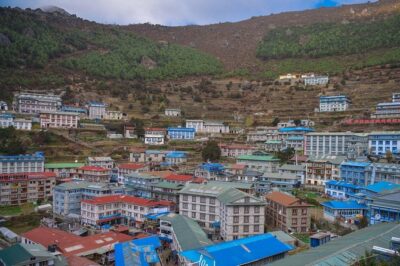
- Sagarmatha National Park Day: Jorasele, Rhododendrons, and Namche
- Everest View Hotel and Sherpa Villages: The Acclimatization Day That Actually Works
- Tengboche to Higher Country: Buddhist Monuments and Mongla Pass
- Into the Alpine Forests: Birch, Conifer, Rhododendron, and Big Peak Names
- Dingboche Acclimatization: Nangkartshang Peak for Ama Dablam Views
- Dusa, Pumori, and Duglha: Getting Closer to the Glacier World
- Everest Base Camp at 5,364 m: Slow Steps, Big Views
- Kala Patthar Sunrise: The Viewpoint Plan That Makes Everything Click
- The Walk Home: Pangboche to Tengboche to Namche, Then Back to Lukla
- Fly Back to Kathmandu: Final Morning, Window Seat Energy
- Should You Book This Everest Base Camp Trek?
- FAQ
- How long is the trek from start to finish?
- Where does the trek start in Kathmandu?
- What’s the flight time from Kathmandu to Lukla?
- What altitude does the trek reach?
- Is teahouse accommodation included?
- What meals are included?
- What trekking gear is provided?
- Is a porter included?
- FAQ
- How does cancellation work if weather is bad?
- Is this trek limited in group size?
- What kind of fitness level is required?
Key moments that make this trek worth it
- Lukla flights (40–45 minutes each way) with an airstrip landing that feels unreal
- Teahouses included during the trek, with practical gear like sleeping bags and down jackets provided
- Built-in acclimatization days like Khumjung/Kunde plus a high hike near Dingboche
- Sagarmatha National Park on the route, including UNESCO World Heritage sights
- Kala Patthar at dawn for a 360° view of Everest, the glacier, and the Icefall
More trails out of Kathmandu, boots ready
- Everest Base Camp Trek – 14 Days★ 5.0 · 1,499 reviews
- Everest Base Camp Trek★ 5.0 · 842 reviews
- Everest Base Camp Trekking★ 5.0 · 485 reviews
- Nagarkot Sunrise View and Day Hiking from Kathmandu★ 5.0 · 471 reviews
Group Trek Value: Why This Plan Feels Less Risky
This trek is designed around one big idea: you shouldn’t have to figure out trail logistics at altitude. With a group and guide, the route, timing, and handoffs are handled, so your brain stays on breathing, water, and footing.
The group size caps at 26 travelers, which usually keeps things social but not chaotic. You start early (meeting at 6:00 am) and you’ll likely have the same faces moving day to day, which makes it easier to settle into a rhythm.
Pickup is offered in the Kathmandu area, and you’ll use a mobile ticket, which helps if you don’t want to juggle paperwork. For me, that matters because the Everest region runs on tight schedules, and the “small admin” stuff can quietly eat your energy if you’re doing it yourself.
Price and Logistics: What $1,400 Covers (and What It Doesn’t)
At $1,400 per person, the best way to judge value is what’s included in the high-cost parts: transport, lodging during the trek, meals, park fees, and key gear.
Here’s what you get included:
- Domestic flights to and from Lukla
- Teahouse accommodation during the trek
- National park fees
- Sleeping bag and down jacket
- Meals: 12 breakfasts, 11 lunches, 11 dinners
- Arrival and departure handling
- A normal medical kit plus seasonal fruits
That’s a lot of cost that normally hits hard in the Everest region. The trekking itself is the headline, but the price is also about removing logistical stress when weather and timing can make things complicated.
What’s not included:
- Personal items like alcohol or cold drinks
- Laundry
- A porter if you need one
So the real question is this: if you’re already bringing most of your own trekking gear and you’re comfortable handling admin, you might shop around. But if you want the trip to run like a system—flights, meals, sleeping arrangements, and key gear managed for you—this price starts to look fair.
Kathmandu Basics: The Day Before the Mountains
Your trek begins in Kathmandu Valley. Even though the detailed day plan isn’t spelled out beyond the location, Day 1 is clearly your buffer day: gear checks, meeting the team, and settling in before an early airport transfer the next morning.
Then comes Day 2 with an early start: Kathmandu breakfast, transfer to Tribhuvan International Airport, and flight onward. This sequence is smart because it keeps you from arriving late and trying to solve problems under time pressure.
If you like a calm start, Kathmandu day-one works for you. If you hate waiting around, you might feel eager to get moving—just remember that the flight to Lukla dictates the pace.
From Kathmandu to Lukla: The 40–45 Minute Flight That Changes Everything
Day 2 is where the trip snaps into focus. After breakfast, you head to Tribhuvan International Airport for a 40 to 45 minute flight to Lukla. The schedule is short, but the experience lands big: you’ll feel the thrill of landing at a narrow airstrip—one of those moments that makes Everest feel suddenly real.
Once you land, you meet porters and staff and then start trekking. The route begins with a descent from Lukla and follows the Dudh Kosi River area. You’ll reach Dudh Kosi and notice the water’s chalky color, since the river is fed by glacier melt.
You then continue toward Phakding. This is a good first day for orientation: walking enough to get your legs working, but not so brutal that you’re already drained before altitude really kicks in.
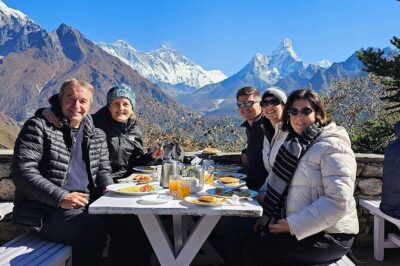
Lukla to Phakding to Monzo: First-Day Pace and Footing
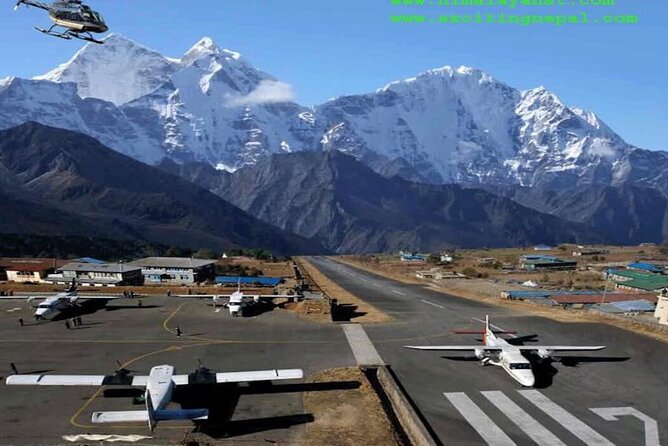
On this early stretch, you’re walking about 10 kilometers and hitting a max altitude around 2,804 meters. That’s not “easy,” but it’s a useful threshold: you’re building rhythm without yet needing full high-altitude survival mode.
The Dudh Kosi River route also gives you a steady reference point. Following a river corridor helps your brain relax because the route feels logical. Add in tea house culture here and the day feels more like a guided hike than a rugged expedition you have to figure out.
If you’re prone to rushing, try not to. The first day is often when people get overconfident, then pay for it later when the climbs start stacking.
Sagarmatha National Park Day: Jorasele, Rhododendrons, and Namche
Day 3 is shorter in distance but higher in altitude pressure. You’ll trek around 4 kilometers with a max altitude near 3,445 meters, moving from the Monzo area toward key viewpoints and villages.
You’ll walk toward Jorasele, enjoy rhododendron forests in the climb, and enter Sagarmatha National Park. This matters more than it sounds. In practice, it means your route passes through protected areas that shape both the scenery and the trekking experience, not just a random “trail through mountains.”
You’ll also reach the town of Jorasele for a short break, then tackle a steeper 600-meter climb to Namche. On the way, you cross the Khumbu River area, and the trek description points to clean blue water—exactly the kind of moment that makes the effort feel worth it.
This day is where you learn how your body handles slope and altitude. Go slow on the steep parts. You can’t power-walk your way to Everest Base Camp.
Everest View Hotel and Sherpa Villages: The Acclimatization Day That Actually Works
Day 4 is built for altitude. It’s explicitly an acclimatization and exploration day: you trek higher during the day and sleep lower at night. That pattern is a smart way to reduce the risk of altitude symptoms.
Your climb goes above Namche toward the Everest View Hotel, with stops that include Khunde (a large Sherpa village) and Khumjung. Khumjung is described as wealthier with good houses, which gives you a sense of how the Sherpa communities here connect tourism, farming, and services.
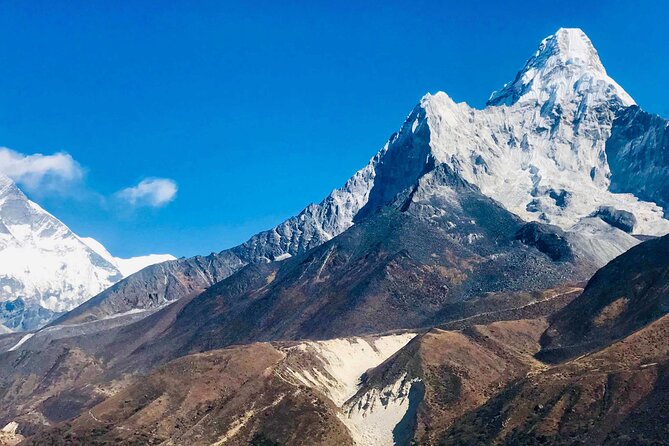
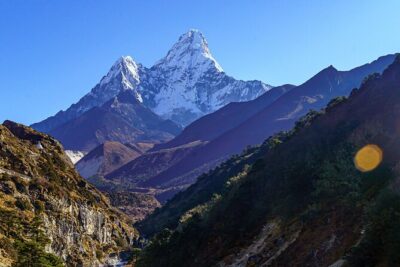
The highlight is the view. From Khumjung and the Everest View Hotel area, you’ll see Mt. Ama Dablam. This is the kind of photo you chase all the way to the Khumbu, and it shows up here early enough to make you feel like you’re already winning.
Practical note: acclimatization days are tempting to treat like a rest day. Don’t. Walk, breathe, hydrate, and let your body adjust.
Tengboche to Higher Country: Buddhist Monuments and Mongla Pass
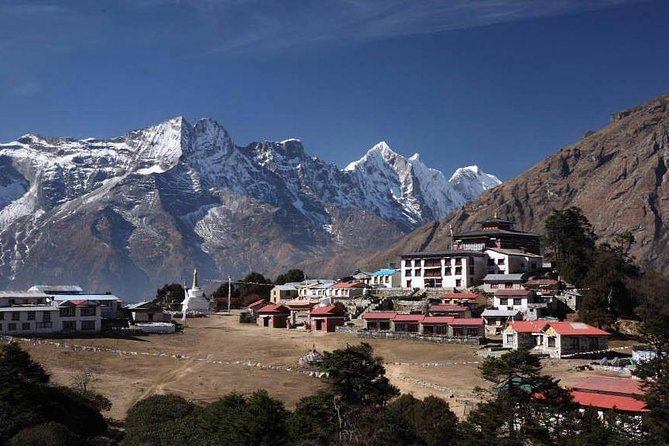
Day 5 pushes you higher. You’ll trek roughly 9.5 kilometers with a max altitude near 3,975 meters. The route from Namche toward Tengboche brings a lot of “Everest-region atmosphere”: Buddhist monuments like gompas and stupas, stone steps, and the familiar rhythm of guided tea house stops.
You pass along contour trails, then head toward Mongla Pass at about 3,975 meters. It’s a steep, rugged day in the middle section, but the reward is classic: views of Ama Dablam, plus the way the trail shifts after the pass, descending toward the Dudh Koshi River.
You then rise again and reach Tengboche Villa area by the end of the day. If you’re measuring success by how “alive” your senses feel—colors, prayer flags, and distant peaks—this is one of the days you’ll remember.
Into the Alpine Forests: Birch, Conifer, Rhododendron, and Big Peak Names
Day 6 continues with a max altitude around 4,350 meters and another day around 5 to 6 hours on foot. You’ll trek through alpine forests and pass small villages, giving you more direct contact with local life rather than only mountain viewing.
The description calls out birch, conifer, and rhododendron forests. That’s more than pretty variety. Different forest types often mean changing trail footing and shade, which can help you pace yourself and keep your body cool during climbs.
On this day, you’ll also get sweeping views and several peak names: Mt. Taboche, Mt. Nuptse, and Mt. Cholatse, among others. You don’t need to memorize them, but it’s helpful for orientation when you’re staring at ridgelines wondering what you’re actually looking at.
This is also where a group trek really earns its keep. The trail can feel long when you’re tired. Having a guide helps you stick to a reasonable pace instead of overheating early.
Dingboche Acclimatization: Nangkartshang Peak for Ama Dablam Views
Day 7 is another acclimatization day, planned as a hike to Nangkartshang peak just above Dingboche. It’s described as an excellent viewpoint, especially for Ama Dablam, assuming clear weather.
If the weather cooperates, this is a “win-win” day: you improve your altitude tolerance while also getting a summit-style payoff without going all the way into the technical extremes.
The afternoon is flexible. You’ll be able to stroll around Dingboche or rest. That’s key. At these heights, “rest” isn’t lying still. It’s staying warm, drinking water, and letting your body settle.
Dusa, Pumori, and Duglha: Getting Closer to the Glacier World
Day 8 takes you to a max altitude around 4,950 meters. You trek about 11 kilometers for roughly 5 hours, moving from Dingboche toward the narrow valley near Dusa.
As you get closer to Dusa, the valley narrows, and you’ll pass a campsite tied to the first successful Everest Expedition (noting the text’s reference to that landmark area). You’ll also see Mt. Pumori as you continue trekking. These moments add context to the walking—you’re not only chasing altitude, you’re following a route with real climbing history behind it.
Then you cross a stream and climb to Dughla, described with prayer flags garlands. This kind of village detail helps the trek feel human, not just like a “path to a number on a map.”
Everest Base Camp at 5,364 m: Slow Steps, Big Views
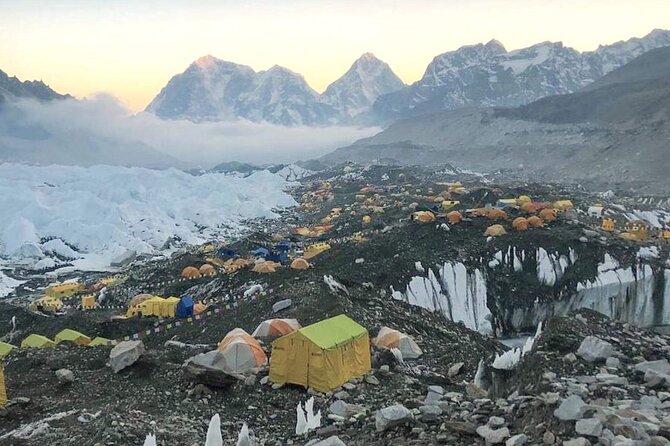
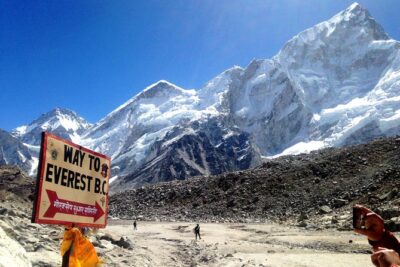
Day 9 is the heavy day. You trek 15 kilometers over 7 to 8 hours, reaching a max altitude around 5,364 meters—the elevation of Everest Base Camp.
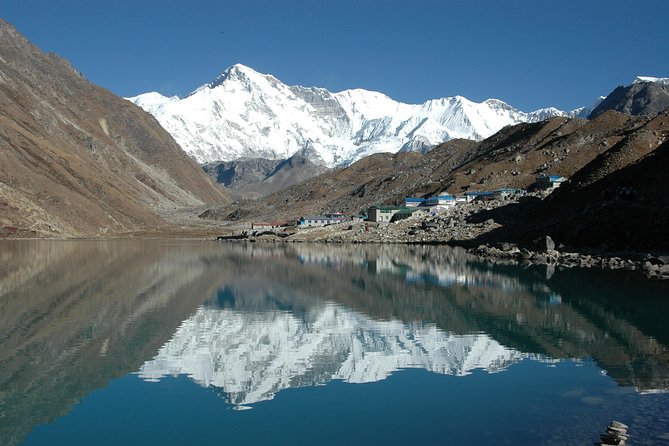
You’ll continue toward Gorak Shep, with the Khumbu Glacier coming into view. The trail is gradual ups and downs at first, then turns rough as you approach Gorak Shep. You’ll walk over large rocks with ups and downs, and the text makes a point: you need to walk slowly to avoid altitude sickness.
That advice is not optional. At this height, “I feel okay” can flip fast, and pace is how you keep your body calm.
As you move onward, you’ll see the Khumbu Icefall and then reach base camp. The emotional description here is honest: it’s a mixed feeling of flu… and then continues in the original plan. Either way, the core truth is consistent with how people describe Everest Base Camp: it’s awe, then reflection, then a strong urge to respect the altitude.
Kala Patthar Sunrise: The Viewpoint Plan That Makes Everything Click
Day 10 starts early. You hike about 3 to 4 hours to Kala Patthar for the best viewpoint of Mt. Everest, the Khumbu Glacier, and the Khumbu Icefall.
On clear mornings, the sunrise described here is magical, with the Himalayan ranges glowing as the sun touches the peaks. The key payoff is practical too: Kala Patthar gives you a 360-degree panorama. You’ll be able to capture your moment in photos because you’re finally positioned for the big full-on view.
This is the part of the trip that can make fatigue feel worth it. If you take one mental note from this trek, it’s this: protect your sleep, keep moving with a steady pace, and dress for cold before you even start the hike.
The Walk Home: Pangboche to Tengboche to Namche, Then Back to Lukla
Day 11 begins your descent. You’ll walk down through Pangboche and Tengboche, then continue to Namche Bazaar, arriving in the afternoon. The descent is physically easier than the big climbs, but it can still be tough on knees and ankles. Take shorter steps and keep your weight controlled.
Day 12 is your return to Lukla, about 10 kilometers with a max altitude around 2,840 meters. You’ll follow the route back via Benkar and Phakding, and you cross several suspension bridges over the Dudh Kosi River.
One of the emotional highlights here is how the route feels again human and green-ish compared to the top days. The description notes walking along forests, plus seeing small Sherpa settlements.
You arrive back to busy Lukla with tea houses, lodges, and shops. It feels like a reset button. You’re not done, but you’re not climbing either.
Fly Back to Kathmandu: Final Morning, Window Seat Energy
Day 13 is the finish: an early morning flight from Lukla to Kathmandu. The plan encourages you to get a window seat for an aerial view of the entire region.
This part is often the quiet reward. After days of looking up, you finally see the route from above. It’s also when you’ll recognize just how far you moved and how the Khumbu region “stacks” into valleys and ridgelines.
Should You Book This Everest Base Camp Trek?
Book it if you want a group trek where the big logistics are handled, and you like the idea of staying in teahouses with key gear like a sleeping bag and down jacket provided. This is also a good fit if you’re moderately fit with hiking experience, because the itinerary includes steep stretches and climbs up to the mid-5,000-meter range.
Think twice if you’re new to hiking or you hate long days in cold air. The itinerary climbs high and also includes acclimatization days, but it still demands patience and a slow, careful pace.
The smartest reason to book is value + structure: flights to Lukla and back, national park fees, meals, and trekking lodging are built into the price. That’s how you spend your energy on the mountain instead of managing the mountain.
FAQ
How long is the trek from start to finish?
The itinerary runs for about 13 days including travel days in and out of Kathmandu and flights to and from Lukla.
Where does the trek start in Kathmandu?
You start in the Kathmandu Valley, with a 6:00 am meeting time noted for the tour.
What’s the flight time from Kathmandu to Lukla?
The flight duration is about 40 to 45 minutes.
What altitude does the trek reach?
The itinerary lists a high point around 5,364 meters at Everest Base Camp, and other days peak between roughly 2,804 and 4,950 meters depending on the route day.
Is teahouse accommodation included?
Yes. Teahouse accommodation during the trek is included.
What meals are included?
The plan includes 12 breakfasts, 11 lunches, and 11 dinners.
What trekking gear is provided?
The included gear includes sleeping bags and down jackets.
Is a porter included?
Porter service is not explicitly included. The plan says a porter carrier if you need one is not included.
FAQ
How does cancellation work if weather is bad?
You can cancel up to 24 hours in advance for a full refund, and if the experience is canceled due to poor weather, you’ll be offered a different date or a full refund.
Is this trek limited in group size?
Yes, the tour has a maximum of 26 travelers.
What kind of fitness level is required?
The trek is best suited for moderately fit travelers with hiking experience.
More Trekking Out of Kathmandu
More Tour Reviews in Kathmandu
Just Reviewed in Kathmandu
- Mountain Bike Tour
★ 5.0 · 3 reviews - Annapurna Panaroma
★ 5.0 · 3 reviews - Mount Everest Scenic Flight 50 Minutes
★ 5.0 · 3 reviews - Kathmandu : Swambhunath & Durbar Square Guided Half Day Tour
★ 3.3 · 3 reviews - Chandragiri Cable Car & Monkey Temple Tour – Private/Group
★ 5.0 · 3 reviews - Kathmandu: Shivapuri National Park Hiking Day Trip
★ 3.3 · 3 reviews
Everest Base Camp Treks, compared.
 ★ 5.0Everest Base Camp Trek – 14 DaysFrom $1,8001,499 reviews
 ★ 5.0Everest Base Camp TrekFrom $1,790842 reviews
 ★ 5.0Everest Base Camp TrekkingFrom $1,350485 reviews
 ★ 5.0Everest Base Camp Trekking – 13 DayFrom $1,399365 reviews
★ 5.0Everest Base Camp TrekFrom $1,445350 reviews
★ 5.0Everest Base Camp Trek -14 DaysFrom $1,420321 reviews
★ 5.0Everest Base Camp Trekking – 13 DayFrom $1,399365 reviews
★ 5.0Everest Base Camp TrekFrom $1,445350 reviews
★ 5.0Everest Base Camp Trek -14 DaysFrom $1,420321 reviews
 ★ 5.012 Days Everest Base Camp TrekFrom $1,099289 reviews
 ★ 5.0Everest Base Camp Trekking – 2025/2026From $1,339199 reviews
Browse the lists this tour appears in