
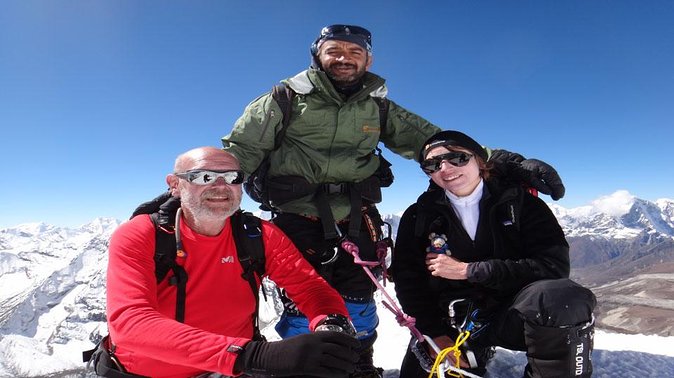
Review · EVEREST BASE CAMP TREKS
Everest Base Camp Trek
Everest Base Camp feels close here. This 12-day trek brings you to the base camp area with tea-house nights, plus village and monastery stops that slow the whole adventure down just enough to feel real. I love the mix of big-summit views and everyday mountain life you can actually talk about with locals, and I also like that the trip is organized for you with permits, fees, and a professional guide. The main consideration: you’ll hike about 6–7 hours a day, so you need solid fitness and patience for altitude.
I also like how Nepal Trekking Experts runs the show in a practical way. The owner, Rajesh, shows up in the details—people describe quick communication and even airport help when flights were delayed on the way to Lukla. And once you’re on the trail, guides such as Dinesh, Resham, Prakash, and Orsun are repeatedly credited for keeping the group moving with good energy and calm guidance when the trail gets harder.
One more thing to weigh: some costs are not in the price. You’ll want to budget for monastery entrance fees, plus drinks during the trek (including bottled water, soft drinks, and alcohol). If you go in with the right expectations, the value is easier to see—this is a trek where logistics support buys you more time to enjoy the mountains.
In This Review
- Key Things I’d Pay Attention To
- Kathmandu Start: Pickup, Mobile Ticket, and Getting Ready Fast
- From Kathmandu Toward Lukla: Why Timing Matters on Everest
- Tea Houses and Sherpa Hospitality: Comfort at Altitude (Without Pretending)
- The 6–7 Hour Trek Rhythm: What You’ll Feel Each Day
- Everest Base Camp and the Village/Monastery Stops: Why This Trek Feels Personal
- Guides, Group Size, and the Small-Group Advantage (Max 10)
- Price and What You Actually Get for $1,590
- Who This Trek Fits Best (and Who Might Struggle)
- Should You Book This Everest Base Camp Trek?
- FAQ
- How long is the Everest Base Camp trek?
- Where does the trek operate from?
- What is the group size limit?
- What is included in the price?
- What is not included?
- What fitness level do I need?
- What do I need to provide at booking?
- What happens if weather cancels the trek?
Key Things I’d Pay Attention To
- Small group (max 10): more flexibility with pace and less chaos on the trail.
- Tea-house accommodation: you’re sleeping where trekkers actually sleep, not in comfort-country-style hotels.
- Meals included (B/L/D): breakfasts, lunches, and dinners are covered along the way.
- National park fees + permits + local taxes: the price handles a lot of the paperwork stress.
- Guides you can name: feedback highlights leaders like Rajesh plus guides such as Dinesh, Resham, Prakash, and Orsun.
- Plan for daily hiking (6–7 hours): this is a walking trip first, summit fantasy second.
More trails out of Kathmandu, boots ready
- Everest Base Camp Trek – 14 Days★ 5.0 · 1,499 reviews
- Everest Base Camp Trek★ 5.0 · 842 reviews
- Everest Base Camp Trekking★ 5.0 · 485 reviews
- Nagarkot Sunrise View and Day Hiking from Kathmandu★ 5.0 · 471 reviews
Kathmandu Start: Pickup, Mobile Ticket, and Getting Ready Fast
Most Everest Base Camp trips succeed or fail before you ever see the mountains. Here, the setup looks built for getting you moving without fuss. You get hotel pickup and drop-off, and you’ll have a mobile ticket, which matters when you’re juggling flights, early mornings, and tight check-in windows.
In Kathmandu, you’re really doing two things: getting your timing right and making sure your paperwork is squared away. The operator requires passport details at booking (name, number, expiry, and country). That’s a good sign for planning discipline. It also means you don’t want to wait until the last minute to send those details.
This is also where the trip’s style becomes clear. The tour is designed for a small-group pace, with an experienced guide handling decisions about what’s next. That doesn’t remove the need for personal preparation (you still need to be physically ready), but it reduces the number of things you have to think about while you’re in a busy city.
If you’re the type who likes checklists, you’ll probably feel at ease. If you’re the type who thinks you can wing altitude prep, you might feel rushed. The trip description makes it clear you’ll hike 6–7 hours a day, so the better move is to treat Kathmandu as the place to get your body ready, not just sightsee.
From Kathmandu Toward Lukla: Why Timing Matters on Everest
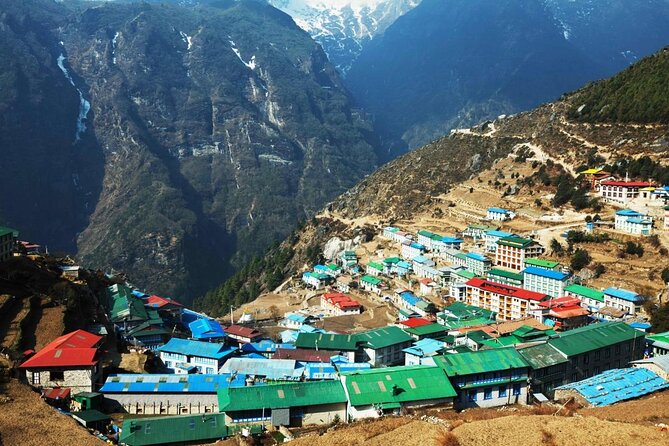
Even if your trek focuses on days on foot, Everest starts with air travel. Reviews for this same operator mention connections to Lukla, and that’s where good coordination earns its keep. One example that stands out: Rajesh meeting people at the airport when flights were delayed so they could still make a connection.
That kind of support matters more than it sounds. In the Everest region, a small delay can ripple. If you’re on a tight schedule, catching the next step quickly can mean smoother days later instead of stressful scrambling.
This is also one of the reasons to book with a company that stays organized. A trek like this doesn’t just run on scenery. It runs on sequences—getting you to the start point, keeping the group together, and adapting when weather or flight timing shifts.
You should also know the trip runs on a weather reality. The experience requires good weather, and if it’s canceled due to poor weather, you’ll be offered a different date or a full refund. That policy won’t make the weather cooperate, but it does mean you’re not stuck with an unusable plan and zero options.
Tea Houses and Sherpa Hospitality: Comfort at Altitude (Without Pretending)
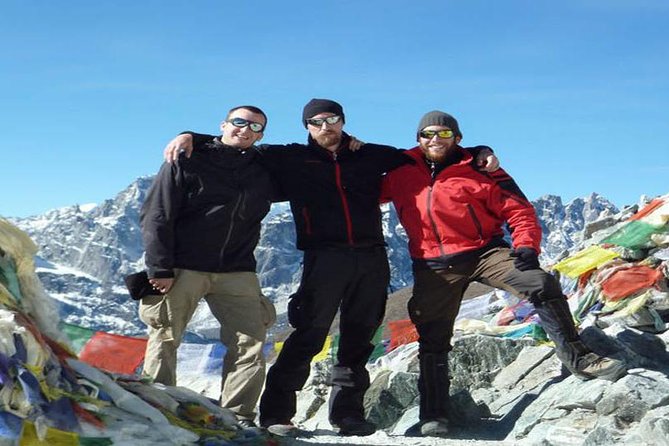
Tea houses are a big selling point here—and for good reason. This trek includes accommodation in tea houses, and that’s part of why the experience feels grounded. You’re not just passing through; you’re living the rhythm of the region for nights at a time.
Tea-house lodging is simple. Expect shared, basic comforts, and plan to treat the room as a place to rest, not a place to lounge. In return, you get something more valuable: you’re eating and sleeping in the same ecosystem as other trekkers and local families. That’s how the trip can include visits to villages and historic monasteries without feeling like a drive-by.
The description also calls out Sherpa hospitality, which you’ll feel most in the pace of daily life around you. Tea houses often become the social hub of the evening—warm drinks, small talks, and practical questions like what the trail felt like that day. Even if your trek is small-group, those conversations can give you context on local culture and how people make a living in the mountains.
Meals are included as breakfast (B), lunch (L), and dinner (D) as per the itinerary. That removes a lot of daily decision-making. You also avoid the common trek problem where the “food plan” is vague and you end up hungry and stressed at the worst time.
Two practical notes from the cost breakdown: alcoholic drinks are available to purchase but not included, and drinks like cola, fanta, and mineral water during the trek are not included. If you like bottled water or soft drinks, budget for it. You can’t assume those comforts are rolled into the package price.
The 6–7 Hour Trek Rhythm: What You’ll Feel Each Day
The tour description is very direct: you hike more or less 6–7 hours every day in the Himalaya region, and you stay overnight in tea houses. That daily structure is what makes Everest Base Camp achievable without turning into a marathon of “one mile at a time” chaos.
But it also means you should mentally plan for a consistent effort. You’ll be walking, re-walking, and adjusting your pace as your body learns altitude and fatigue patterns. You don’t need to be a mountain athlete, but you do need to be ready for long hiking days.
This is also where the guide matters. A professional guide doesn’t just point the way. They help you keep a steady tempo, manage stops, and make judgment calls based on conditions. Based on the feedback names attached to this operator—Dinesh, Resham, Prakash, Orsun, and the team culture around Rajesh—you can expect a focus on organization and patience when the trail gets slower.
There’s a subtle value here: a good guide helps you protect your energy. That can mean fewer mistakes, less panic, and more time to look around. And when you’re hiking in the Everest region, “more time to look around” isn’t a luxury—it’s part of why the trek is worth doing.
One more reality check: the trip emphasizes preserved culture and pristine flora and fauna. That’s a nice idea, but it still depends on you walking carefully and respecting local rules. Expect pauses to learn about what you’re seeing, not just constant movement.
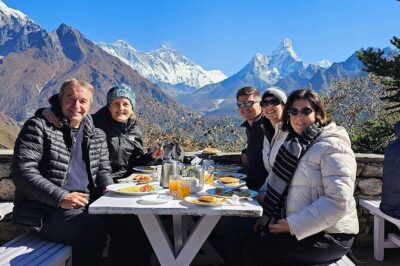
Everest Base Camp and the Village/Monastery Stops: Why This Trek Feels Personal
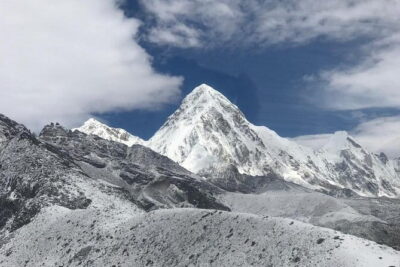
The headline is obvious: you’ll reach Everest Base Camp at the foot of the world’s tallest mountain. But what keeps this trek from feeling like a straight line is the human layer built into the route.
The tour includes visits to villages and historic monasteries along the way, with the promise of learning about life in the mountains. That matters because Everest Base Camp can be visually stunning and emotionally flat if the rest of the trek is just hiking and sleeping. Here, the trip is framed to include culture and everyday mountain life as part of your journey, not as an optional add-on.
You’re also told to expect learning about flora and fauna. In this region, the changes with altitude can be dramatic, and watching that shift makes the trek feel less like a grind and more like a slow education. Even simple moments—spotting birds, noticing how vegetation changes, watching how locals move through the same spaces—adds meaning to the time on your feet.
There’s also a practical cost detail you should plan for: temple/monastery entrance fees are not included. That doesn’t mean you won’t get to go. It means you should carry a little extra budget for those specific stops, especially if your guide suggests entering a site.
And don’t forget the small “photo industry” reality. Souvenir photos are available to purchase. That’s common across major trekking routes. It’s not included, so decide in advance if you want to spend on it—or take your own photos and keep the budget on trekking necessities.
Guides, Group Size, and the Small-Group Advantage (Max 10)
A max group size of 10 travelers is not a random number. On a trek, it shapes everything: pacing, decision-making, how long you wait for the group at tea houses, and how much attention your guide can give you.
In a small group, you’re less likely to get lost in the shuffle. You can ask questions without repeating yourself five times. You can also adjust pace when you need to, because the group isn’t so large that the itinerary becomes a factory line.
The guide team is another major selling point. The tour promises an experienced, professional guide, and the feedback you provided for this operator highlights leaders and guides with names. Rajesh shows up as the organizer behind the scenes. People also describe memorable on-trail guidance from Dinesh, Resham, Prakash, and Orsun, with comments about communication, organization, and keeping things fun—even when the trail feels tough.
What I like most about that pattern is that it’s not just about being friendly. It’s about being responsive. In places like Everest, you don’t want to be “handled” by a script. You want someone who can adapt, explain, and keep the plan realistic.
This is also a good match for first-time trekkers who want structure. The route is hard enough without needing to figure out logistics. With a group of this size, you’ll still feel like an individual, not a number.
Price and What You Actually Get for $1,590
At $1,590 per person, the price might feel like a lot at first glance. But the value comes from what’s included—and what’s not.
Included in the tour price:
- Accommodation as per itinerary (tea houses)
- National Park fees and local taxes
- Meals as per itinerary (B/L/D)
- Professional guide
- Hotel pickup and drop-off
- The tour is described as all-inclusive in the sense that major moving parts are covered
Not included:
- Temple/monastery entrance fees
- Alcoholic drinks (available to purchase)
- Drinks during the trek like cola, fanta, and mineral water
- Food and drinks in the city
- Souvenir photos (available to purchase)
So the real question is this: are you paying for “time on the trail,” or are you paying for “unknown bills”? Here, the trek costs are structured. You don’t have to pay for every meal and every permit separately, and you avoid the common frustration of missing info about fees.
You do have to budget for personal choices—especially beverages. Mineral water and soft drinks add up fast in mountain regions. If you want alcohol, keep that in mind too.
In my view, this price makes the most sense if you value organization and want a guide team that handles details. If you’re an independent hiker who already has permits figured out and prefers full self-management, you might find cheaper options. But if you want a smoother trip with less friction, this is priced like you’re buying logistics support.
Who This Trek Fits Best (and Who Might Struggle)
This tour is for people with strong physical fitness. That part isn’t marketing fluff. Hike time is described as 6–7 hours daily, and you’ll stay in tea houses each night. That’s not the kind of trek where you “feel your way through” if your cardio is weak.
It’s also a good fit if you like:
- A small-group setup (max 10)
- Cultural stops like villages and historic monasteries
- A guide-led experience focused on practical learning, not just taking photos
You might think twice if:
- Long hiking days make you nervous (6–7 hours is the baseline)
- You can’t handle altitude fatigue, cold nights, and basic lodging comfort
- You don’t want to pay extra for non-included items like drinks and entrance fees
If you’re doing Everest Base Camp as a first major trek, this tour’s structure helps. If you’ve done high-altitude trekking before, you’ll still appreciate the permit and guide coverage, but you’ll want to keep a close eye on how your body responds day to day.
Should You Book This Everest Base Camp Trek?
I’d book this tour if you want a clear structure: tea-house nights, included meals, permits and national park fees handled, and a guide team that’s praised for communication and calm problem-solving. The small-group cap of 10 is a real quality lever here. And the fact that the trek includes villages and historic monasteries makes it more than just a hiking checklist.
I wouldn’t book it if you’re hoping for maximum comfort or if your budget can’t stretch for extra drinks and monastery entrance fees. Also, be honest about your fitness. The trek’s daily hiking commitment is real.
If you’re ready to work for it and you want Everest Base Camp plus mountain culture, Nepal Trekking Experts looks like a solid choice.
FAQ
How long is the Everest Base Camp trek?
It’s listed as 12 days approximately.
Where does the trek operate from?
The tour is based in Kathmandu, Nepal.
What is the group size limit?
The maximum group size is 10 travelers.
What is included in the price?
Accommodation as per itinerary, local taxes, national park fees, meals as per itinerary (breakfast, lunch, dinner), a professional guide, and hotel pickup and drop-off.
What is not included?
Temple and monastery entrance fees, alcoholic drinks, drinks like cola, fanta, and mineral water during the trek, food and drinks in the city, and souvenir photos.
What fitness level do I need?
The tour says travelers should have a strong physical fitness level.
What do I need to provide at booking?
You need the passport name, number, expiry date, and country for all participants.
What happens if weather cancels the trek?
The experience requires good weather. If it’s canceled due to poor weather, you’ll be offered a different date or a full refund.
More Trekking Out of Kathmandu
More Tour Reviews in Kathmandu
Just Reviewed in Kathmandu
- Mountain Bike Tour
★ 5.0 · 3 reviews - Annapurna Panaroma
★ 5.0 · 3 reviews - Mount Everest Scenic Flight 50 Minutes
★ 5.0 · 3 reviews - Kathmandu : Swambhunath & Durbar Square Guided Half Day Tour
★ 3.3 · 3 reviews - Chandragiri Cable Car & Monkey Temple Tour – Private/Group
★ 5.0 · 3 reviews - Kathmandu: Shivapuri National Park Hiking Day Trip
★ 3.3 · 3 reviews
Everest Base Camp Treks, compared.
 ★ 5.0Everest Base Camp Trek – 14 DaysFrom $1,8001,499 reviews
 ★ 5.0Everest Base Camp TrekFrom $1,790842 reviews
 ★ 5.0Everest Base Camp TrekkingFrom $1,350485 reviews
 ★ 5.0Everest Base Camp Trekking – 13 DayFrom $1,399365 reviews
★ 5.0Everest Base Camp TrekFrom $1,445350 reviews
★ 5.0Everest Base Camp Trek -14 DaysFrom $1,420321 reviews
★ 5.0Everest Base Camp Trekking – 13 DayFrom $1,399365 reviews
★ 5.0Everest Base Camp TrekFrom $1,445350 reviews
★ 5.0Everest Base Camp Trek -14 DaysFrom $1,420321 reviews
 ★ 5.012 Days Everest Base Camp TrekFrom $1,099289 reviews
 ★ 5.0Everest Base Camp Trekking – 2025/2026From $1,339199 reviews
Browse the lists this tour appears in