
Review · EVEREST BASE CAMP TREKS
Everest Base Camp trek- 13 Days
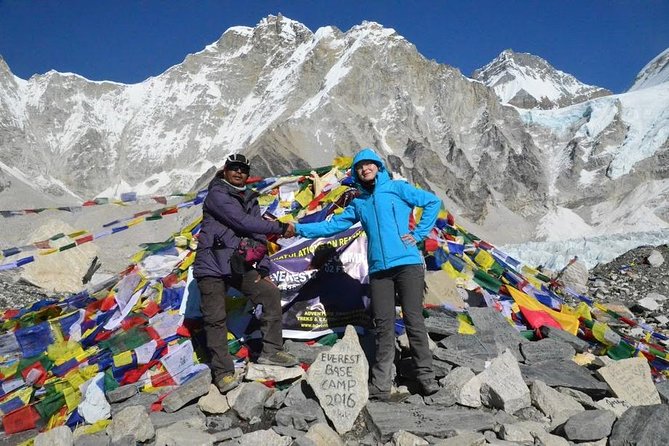
Everest Base Camp begins with a high-altitude flight. This trek pairs the Lukla landing (part scary, part thrilling) with classic Khumbu highlights like Namche Bazar, Sherpa villages, hanging bridges, Tengboche Monastery, and that big “we’re really here” moment at Everest Base Camp.
I especially like the tight structure that helps you acclimatize, plus the practical logistics: an experienced English-speaking guide, a porter set-up (for every 2 travelers), and included park/entry permits. One drawback to plan for is the altitude and weather reality—this trip is weather-dependent and you’ll need a moderate fitness level plus patience.
What makes this stand out for me is how the itinerary is paced for real climbing—two dedicated acclimatization days—and how the day-to-day rhythm is mapped from Kathmandu to Lukla and back. The other big plus is support: transfers, flights, meals, and emergency assistance are built in, so you spend your energy on hiking, not paperwork. Still, you should expect basic mountain lodging (tea house rooms, outside toilets/bathrooms) and budget for drinks and hot items that aren’t included.
In This Review
- Key Things That Make This Everest Base Camp Trek Work
- Lukla Flight and the Khumbu Setup: Why This Trek Feels Different
- Your 13 Days, Day by Day: How the Itinerary Manages Altitude
- Day 1: Kathmandu → Lukla (2840m) → Phakding (2610m)
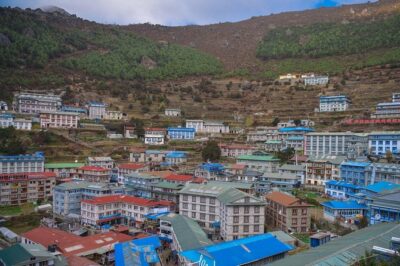
- Day 2: Phakding (2610m) → Namche Bazar (3440m)
- Day 3: Acclimatization Day (Namche area)
- Day 4: Namche Bazar (3440m) → Tengboche (3860m)
- Day 5: Tengboche → Dingboche
- Day 6: Acclimatization Day (Dingboche)
- Day 7: Dingboche → Lobuche
- Day 8: Lobuche → Gorak Shep → Everest Base Camp and Back
- Day 9: Gorak Shep → Kalapatthar (Sunrise View) → Pheriche
- Day 10: Pheriche → Tengboche
- Day 11: Tengboche → Namche Bazar
- Day 12: Namche Bazar → Lukla
- Day 13: Lukla → Kathmandu + farewell dinner
- Tea Houses, Outside Toilets, and the Porter Advantage
- Permits, National Park Entry, and Why Paperwork Can Ruin a Trek
- Price and Logistics: Is $1,300 Good Value Here?
- Who Should Choose This Everest Base Camp Plan
- Support Team Quality: The Small Names That Matter
- Should You Book This Everest Base Camp Trek?
- FAQ
- How long is the Everest Base Camp trek?
- Where does the trek start and where does it end?
- What time does the tour start?
- Are flights between Kathmandu and Lukla included?
- What permits are included for the trek?
- What kind of lodging and bathrooms should I expect?
- What meals are included?
- What is not included in the price?
Key Things That Make This Everest Base Camp Trek Work
- Lukla flight + trek combo: you get the signature start fast, then settle into walking days right away
- Two acclimatization days: Day 3 and Day 6 are built in to reduce the usual “rush to altitude” problem
- Licensed English-speaking guide: fewer language hassles when routes, timing, or weather changes
- Porter support for every 2 travelers: your load stays realistic (porter carries up to 25 kilos)
- Permits and park entry handled: Sagarmatha National Park and Khumbu village permits are included
More trails out of Kathmandu, boots ready
- Everest Base Camp Trek – 14 Days★ 5.0 · 1,499 reviews
- Everest Base Camp Trek★ 5.0 · 842 reviews
- Everest Base Camp Trekking★ 5.0 · 485 reviews
- Nagarkot Sunrise View and Day Hiking from Kathmandu★ 5.0 · 471 reviews
Lukla Flight and the Khumbu Setup: Why This Trek Feels Different
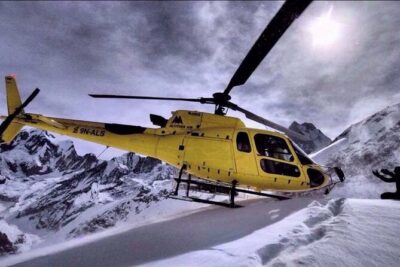
If you’ve seen photos of Everest Base Camp, you already know the ending. What you might not expect is how much of the “story” happens before you even start hiking. Day 1 is Kathmandu to Lukla by air (about a 30-minute flight), then a trek onward to Phakding (2610m) that usually takes about 4–5 hours. That combination matters because your first day doesn’t just drop you in the mountains—it starts building rhythm immediately.
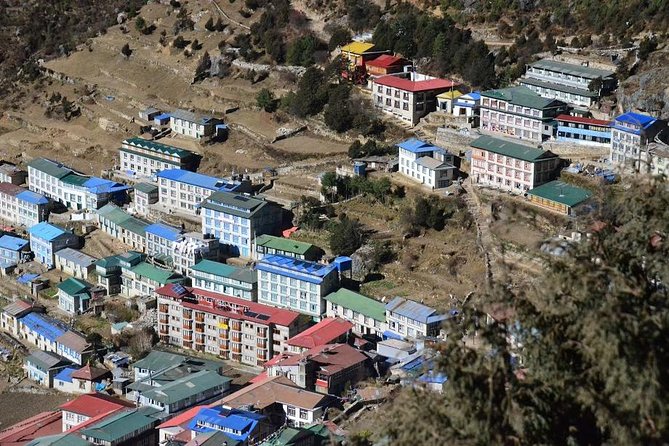
I like that this plan also respects the Khumbu culture. Along the route, you pass through Sherpa villages and the kind of bridge crossings that make these trails feel alive—not like a straight line to a summit. Namche Bazar then hits you like a gateway: lively enough to feel human, yet positioned high enough to remind you you’re climbing into rarified air.
A practical plus: transfers and flights are included, and the group is handled as a private tour (only your group participates). That’s useful because you’re more likely to move together and keep the pace consistent when the weather is moody.
Your 13 Days, Day by Day: How the Itinerary Manages Altitude
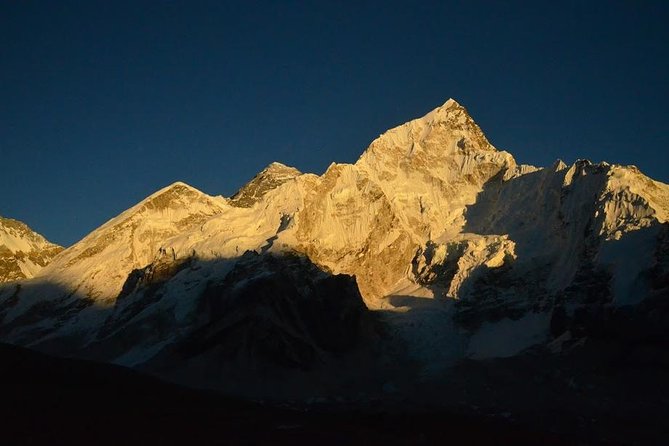
This is an Everest Base Camp plan designed around steady pressure on the body without constant jumps. You’ll see several key altitudes listed and, just as important, the itinerary includes formal acclimatization days.
Day 1: Kathmandu → Lukla (2840m) → Phakding (2610m)
You depart at 5:15 am from Outdoor Himalayan Treks in Thamel Marg, Kathmandu. After the short flight to Lukla, you trek to Phakding over about 4–5 hours. This day is often about finding your breath and not going too fast. Even though Phakding is a bit lower than Lukla, you’ll still feel the effects of altitude right away.
Tip for your comfort: keep your pack light and let the porter do his job. The porter can carry up to 25 kilos, and sharing that load matters more than people think on day one.
Day 2: Phakding (2610m) → Namche Bazar (3440m)
Expect about 6–7 hours hiking as you gain altitude toward Namche Bazar, the classic entry point to Everest territory. This is where the trek starts to feel like a real mountain hike—steeper sections, busier villages, and more dramatic views as the route climbs.
You’ll likely encounter those hanging-bridge moments and village stops that make the Khumbu feel distinct. It’s not just scenery. It’s the geography of the region shaping how you move.


Day 3: Acclimatization Day (Namche area)
This is the first “pause to grow” day. Instead of stacking altitude every single day, the plan gives you time to adjust. For many people, this is the difference between arriving at later stages feeling steady—or arriving feeling wrecked.
What you do here isn’t spelled out in detail, but the goal is clear: let your body catch up to the altitude.
Day 4: Namche Bazar (3440m) → Tengboche (3860m)
Another climb day: about 5–6 hours, topping out around Tengboche. Tengboche is a special stop, and you’re not just walking through it. It’s tied to the Tengboche Monastery, a 350+ year old site. That matters because it gives you a calmer, cultural counterpoint to big climbs.
This is also a good day to pay attention to pace. When you feel wind or cold, your body can spend extra effort just to stay warm. Slow steps help.
Day 5: Tengboche → Dingboche
You continue forward toward Dingboche. The itinerary doesn’t list the day’s hours or altitude here, but the pattern is typical: you keep moving deeper into the Khumbu while the air keeps thinning.
This is one of the days where I’d remind you to hike like you’re saving yourself for tomorrow. Base Camp success isn’t about one heroic day.
Day 6: Acclimatization Day (Dingboche)
Second acclimatization day. You’ll do the same basic thing you did on Day 3—give your lungs and body time to adapt before the longer push. If you’ve ever regretted speeding up early, this day is the fix.
Day 7: Dingboche → Lobuche
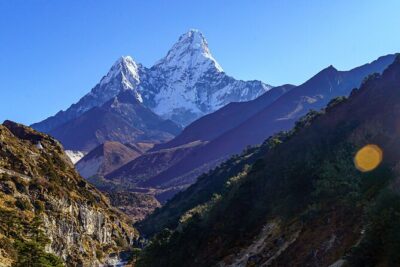
Now you’re heading toward the region above the trees, where the terrain starts to look harsher and the views get more serious. Again, no hours are provided for this day, but you should expect a steady climb and the kind of cold that shows up quickly once the sun drops.
Day 8: Lobuche → Gorak Shep → Everest Base Camp and Back
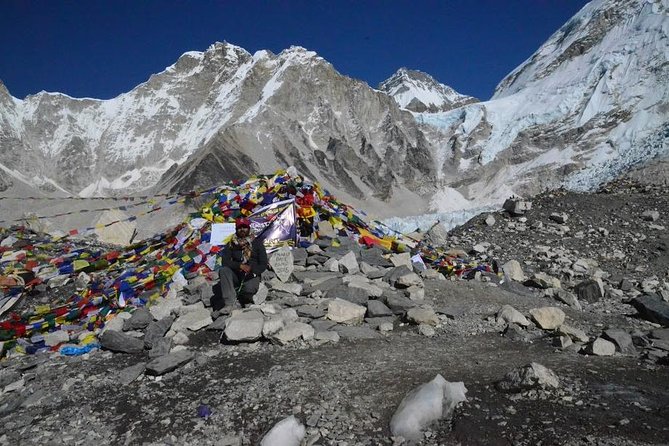
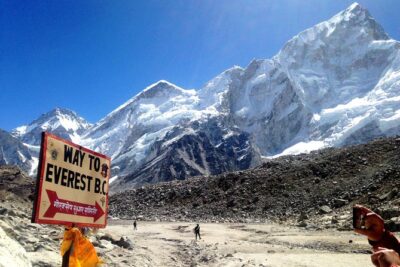
This is the big “we’re here” day. The plan has you going from Lobuche to Gorak Shep, then out to Everest Base Camp and back to Gorak Shep. It’s a long, high-effort loop, and the altitude makes energy management matter.
What to remember: even if you’re excited, Base Camp day is not a sprint. Take breaks when you need them, and keep your breathing calm. The win is making it there and getting back safely.
Day 9: Gorak Shep → Kalapatthar (Sunrise View) → Pheriche
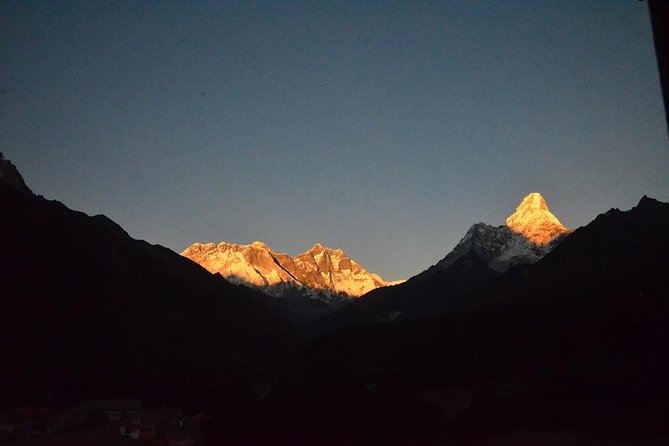
The itinerary calls out Kalapatthar for a sunrise view. That usually means very early starts, and cold that bites before sunrise has even turned the world golden. Then you head to Pheriche after.
If you’re doing Kalapatthar, bring a practical attitude: this isn’t about being the first person to suffer. It’s about timing, temperature, and steady steps.
Day 10: Pheriche → Tengboche
You start working your way back. It’s still hiking, but the big advantage of a return day is that you’re not pushing into new altitude in the same dramatic way. You’ll likely feel a little more recovered than on Day 8–9.
Day 11: Tengboche → Namche Bazar
A return to Namche. This is where the trail feels more familiar and the villages start to feel like places you understand, not just stops you pass through.
Day 12: Namche Bazar → Lukla
Back down toward Lukla. This is a long day for your legs, but the altitude trend is helping. Watch your footing. Going down can be harder than it looks.
Day 13: Lukla → Kathmandu + farewell dinner
You fly Lukla to Kathmandu and then transfer to your hotel. In the evening, you get a farewell dinner at an authentic Nepali restaurant with live cultural show.
This is the moment where the trek snaps into focus. After days of hiking, it’s nice to have a cultural finish rather than just being dropped and disappearing into jet lag.
Tea Houses, Outside Toilets, and the Porter Advantage
This trek uses basic tea houses during the hike. The room set-up is twin sharing. Toilets and bathrooms are outside, which is exactly what it sounds like—bring patience (and whatever small comforts you like for cold, quiet nights).
The included meals matter because they remove a major planning burden. You’ll have breakfast, lunch, and dinner, and you can choose food from the menu (one dish per meal). That choice system helps because your hunger and taste can change with altitude and fatigue.
The porter system is the practical hero of this trek:
- one strong porter is provided for every 2 travelers
- the porter can carry up to 25 kilos
- porter expenses are included
So you don’t just get a name on paper. You get real weight relief, which helps on long days and on the Base Camp loop where every extra gram can feel louder.
Drinks are not included—so if you rely on tea, coffee, or bottled water, you’ll need to budget for it. Hot shower and battery charging fees also aren’t included, so plan for limited “spa time” and no easy charging on mountain schedules.
Permits, National Park Entry, and Why Paperwork Can Ruin a Trek
It’s easy to underestimate this part: on Everest routes, permits and entry fees are part of the reality of walking through protected areas and local zones. This tour includes:
- Sagarmatha National Park entry permit
- Khumbu village entry permit
That’s valuable because it reduces delays and uncertainty at the start of your trek. You don’t want to spend precious morning energy dealing with paperwork while your hiking schedule waits.
You also get emergency assistance included. That’s not the same as preventing altitude issues, but it does mean there’s a support layer built into the program.
Price and Logistics: Is $1,300 Good Value Here?
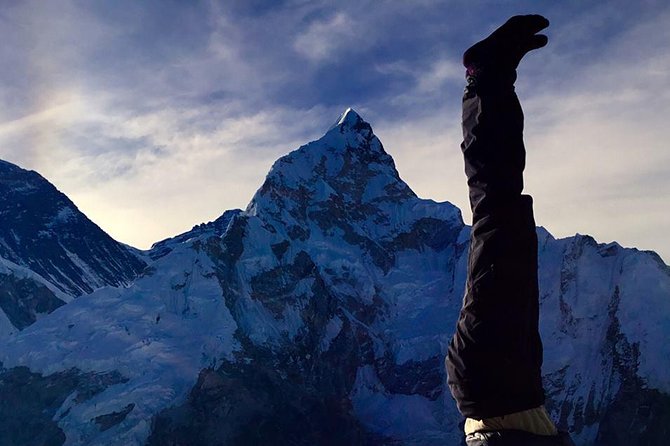
At $1,300 per person, you’re paying for far more than “a person to point the way.” Here’s what’s included:
- Kathmandu–Lukla–Kathmandu flight tickets
- hotel–airport–hotel transfers
- a licensed English-speaking guide (with guide expenses covered)
- porter support (including porter expenses)
- permits for the national park and Khumbu village
- breakfast, lunch, and dinner on trek days (menu choice per meal)
- Sagarmatha/Khumby related fees and applicable taxes/service charges
- emergency assistance
- farewell dinner with live cultural show
What’s not included is also clear: drinks (cold/alcoholic), bottled mineral water, boiled water, tea/coffee, extra snacks/desserts, Wi-Fi, battery charging fees, photography charges, hot shower, Kathmandu sightseeing/tours, and mandatory tips for guide and porters.
So the value question isn’t just the base price. It’s the risk reduction. Flights, permits, guide, porter, and meals are included in one package, which usually costs more if you try to assemble it yourself with separate vendors.
If you’re the kind of traveler who hates last-minute scrambling, this package price can feel like a relief. If you’re trying to minimize spending and don’t care about service layers, a lower-cost route might look appealing—but you’ll be taking on more uncertainty.
Who Should Choose This Everest Base Camp Plan
This trek fits best if you:
- want a guided EBC experience with a clear pace and acclimatization built in
- prefer not to manage permits, transfers, and flight details yourself
- are comfortable with basic tea house lodging (outside toilets/bathrooms)
- have moderate fitness and can handle altitude-related fatigue
The private-group set-up can be a real benefit if you want your own rhythm. It also helps when weather shifts, because the plan notes flexibility in support styles based on past guest experiences.
If you’re traveling with a parent, a friend group, or anyone who benefits from steady organization, this kind of guided support is a big deal.
Support Team Quality: The Small Names That Matter
This operator’s service style comes through in the details. In past trips, guests highlighted fast help from manager Ram (also referred to as Ramani) and strong on-the-ground trekking leadership. Guides mentioned include Krishna and Dipak, with support also tied to Dilly in one trip account. Another name that came up for supporting day trips around Kathmandu is Kamal.
You don’t need to memorize the team, but it’s worth noting that this isn’t just a generic “guide shows up” setup. The program is built around responsive hosting—especially useful if your plans need adjustment because of weather, energy levels, or timing around flights.
Also: the operator is described as flexible with changing plans. That’s not a luxury on Everest routes. It’s practical.
Should You Book This Everest Base Camp Trek?
I’d book this trek if you want the Everest Base Camp experience with real structure: flights and transfers handled, permits included, a licensed guide, and porter support so you can hike instead of wrestle with logistics.
I would hesitate if you:
- dislike the idea of basic tea house stays with outside toilets/bathrooms
- expect drinks and hot extras to be included (they’re not)
- are not comfortable with the fact that weather can affect trekking and timing
- aren’t ready for the early-morning start (5:15 am) and cold sunrise conditions around Kalapatthar
If you’re a confident independent hiker, you may prefer building your own trip. But if you want a strong, guided, value-based package that keeps you focused on walking, views, and altitude management, this one makes a lot of sense.
FAQ
How long is the Everest Base Camp trek?
The trek runs for 13 days (approx.).
Where does the trek start and where does it end?
It starts at Outdoor Himalayan Treks, Thamel Marg, Kathmandu 44600, Nepal, and ends back at the same meeting point.
What time does the tour start?
Start time is 5:15 am.
Are flights between Kathmandu and Lukla included?
Yes. Kathmandu–Lukla–Kathmandu flight tickets are included, with the flight on Day 1 listed as about 30 minutes.
What permits are included for the trek?
The tour includes Sagarmatha National Park entry permit and Khumbu village entry permit.
What kind of lodging and bathrooms should I expect?
You’ll stay in basic tea houses on a twin sharing basis. Toilet and bathroom facilities are outside.
What meals are included?
Breakfast, lunch, and dinner are included. You can choose from the menu, with one dish on each meal.
What is not included in the price?
Beverages (cold/alcoholic drinks), bottled mineral water, boiled water, tea/coffee, extra meals/snacks/dessert, Wi‑Fi, battery charging fees, photography charges, hot shower, Kathmandu sightseeing/tours, and tips/donations for guide and porters are not included.
More Trekking Out of Kathmandu






More Tour Reviews in Kathmandu




Just Reviewed in Kathmandu
- Mountain Bike Tour
★ 5.0 · 3 reviews - Annapurna Panaroma
★ 5.0 · 3 reviews - Mount Everest Scenic Flight 50 Minutes
★ 5.0 · 3 reviews - Kathmandu : Swambhunath & Durbar Square Guided Half Day Tour
★ 3.3 · 3 reviews - Chandragiri Cable Car & Monkey Temple Tour – Private/Group
★ 5.0 · 3 reviews - Kathmandu: Shivapuri National Park Hiking Day Trip
★ 3.3 · 3 reviews
Everest Base Camp Treks, compared.
 ★ 5.0Everest Base Camp Trek – 14 DaysFrom $1,8001,499 reviews
 ★ 5.0Everest Base Camp TrekFrom $1,790842 reviews
 ★ 5.0Everest Base Camp TrekkingFrom $1,350485 reviews
 ★ 5.0Everest Base Camp Trekking – 13 DayFrom $1,399365 reviews
★ 5.0Everest Base Camp TrekFrom $1,445350 reviews
★ 5.0Everest Base Camp Trek -14 DaysFrom $1,420321 reviews
 ★ 5.012 Days Everest Base Camp TrekFrom $1,099289 reviews
 ★ 5.0Everest Base Camp Trekking – 2025/2026From $1,339199 reviews
Browse the lists this tour appears in