
Review · EVEREST BASE CAMP TREKS
Everest Base Camp Trek
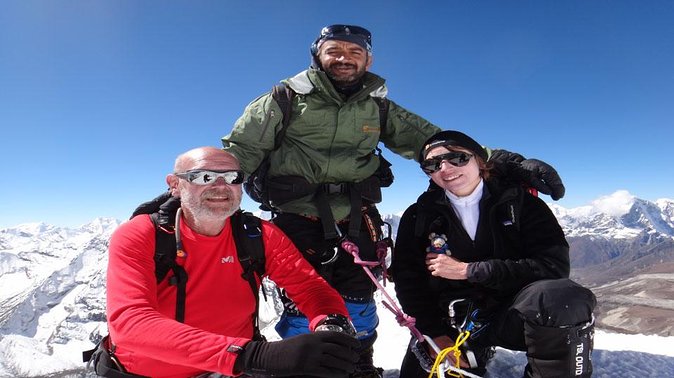
Lukla feels like the opening act. From there, this guided trek strings together high-altitude Sherpa villages and big mountain views over roughly 14 days, ending at Everest Base Camp. You’ll start in Kathmandu, fly into the Khumbu, and walk day by day through places like Namche Bazaar, Tengboche, Dingboche, and Gorakhshep.
I love how the route builds in acclimatization with rest and active recovery days in Namche and Dingboche. I also like the practical safety touch of an included medical kit with an oxi-meter to help track your pulse as you gain altitude.
One thing to consider: the altitude is real. Even with a smart itinerary, you’re still dealing with thin air, cold nights, and days that can feel strenuous—so moderate fitness helps, and weather can affect what you see.
In This Review
- Key highlights worth planning for
- Kathmandu first: getting grounded before the high-altitude grind
- Lukla flight and the Phakding warm-up trek
- Into Namche Bazaar: suspension bridges, first big peak views, and altitude reality
- Tengboche: monastery views and an easier day that still matters
- Pangboche to Dingboche: Imja Valley walking and monastery history at 4,410 m
- Dingboche acclimatization and the Chhukung option
- Lobuche and Chukpo Lari: big scenery plus memorial reality
- Everest Base Camp day: Gorakhshep first, then Base Camp, then back again
- Kala Patthar sunrise views and the descent to Pheriche
- Heading home: Pheriche to Namche Bazaar through rhododendron and juniper
- Lukla return: Tenzing and Hillary bridge and the final long descents
- Flight back to Kathmandu and a well-earned farewell dinner
- Price and logistics: what $1,600 really buys you
- Meals, gear, and health: the small details that keep you moving
- Who this trek suits best (and who should think twice)
- Should you book Everest Base Camp with Glorious Himalaya Trekking?
- FAQ
- What is the overall duration of the Everest Base Camp trek?
- How do flights work in this itinerary?
- What does the trek price include?
- What is not included in the price?
- Do I need a porter?
- What fitness level do I need?
- Is this a guided trek?
- How does cancellation work?
Key highlights worth planning for
- First major Everest views from the trek route into Namche when peaks like Everest, Lhotse, Nuptse, and Ama Dablam can show up (if skies cooperate)
- Acclimatization days that aren’t pure “sit still”—you’re encouraged to stay active with short vertical hikes
- Tengboche monastery stop with classic Khumbu views and wildlife you might spot
- Chukpo Lari memorials after a steep climb—a sobering pause in an awe-filled area
- Kala Patthar timing for panoramic glacier views before you descend toward Pheriche
- Private-group feel with a guide throughout and meals handled for you during the trek
More trails out of Kathmandu, boots ready
- Everest Base Camp Trek – 14 Days★ 5.0 · 1,499 reviews
- Everest Base Camp Trek★ 5.0 · 842 reviews
- Everest Base Camp Trekking★ 5.0 · 485 reviews
- Nagarkot Sunrise View and Day Hiking from Kathmandu★ 5.0 · 471 reviews
Kathmandu first: getting grounded before the high-altitude grind
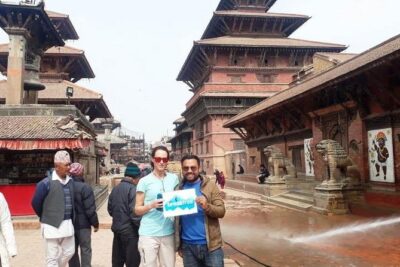
Your trek starts with a simple setup in Kathmandu. An office representative picks you up from the airport and transfers you to a hotel for two nights with buffet breakfast. It’s not luxury travel, but it’s a good way to reduce stress the first day and get your bearings fast.
On the first full trek morning, you’ll shift from city rhythm to mountain rhythm. The trip is built around domestic flights, so you’ll spend your next day getting to Lukla rather than easing in with a long Kathmandu walk.
If you’re the type who likes clear handoffs, this operator’s approach should fit. Multiple reviews name Ganesh as the person who communicates and keeps things organized, and guides like Keshab and Krishna show up repeatedly as steady, helpful presences.
Lukla flight and the Phakding warm-up trek
Day 2 begins with an early flight to Lukla, about 30–35 minutes. The flight itself is part of the experience: you’ll see valleys, rivers, and a sweep of the Himalayan range from the air, which helps you understand where you are before your boots ever hit the trail.
From Lukla, the trek to Phakding is a short introduction day. You descend toward local settlements, pass through mani walls, and cross several suspension bridges. You’ll also walk through dense forest that supports diverse flora and fauna, so your first day has variety rather than just “climb until you suffer.”
Practical note: even “short” early trek days at altitude can feel harder than you expect. Start slower than you think you need to, and let your guide set your pace.
Into Namche Bazaar: suspension bridges, first big peak views, and altitude reality
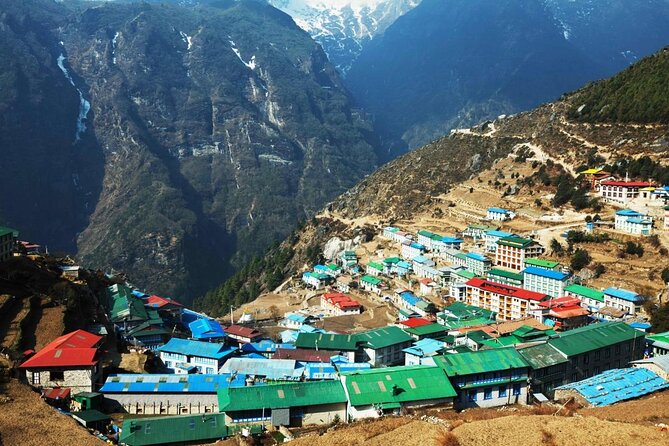
The trek toward Namche Bazaar usually becomes the first real jaw-drop moment. You’ll follow the trail along riverbanks, cross a Hilary bridge, and then climb up to Namche. On the way, views of Everest-area peaks can appear for the first time—Everest (8848 m), Lhotse, Nuptse, Ama Dablam, and Taweche are specifically mentioned when conditions allow.
This is also where the trip’s altitude logic kicks in. You spend one night on the way (Day 3) and then take a dedicated acclimatization day in Namche (Day 4). The key detail here: you’re not asked to lie in bed all day. You’re encouraged to stay active, with short vertical treks or exploring Namche Bazaar itself.
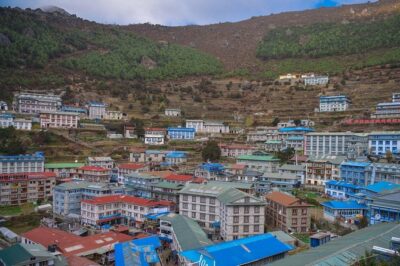
Namche is more than a waypoint. It’s the hub of the Everest region, so you’ll find lodges, tea shops, souvenir spots, ATMs, money exchangers, internet cafes, and restaurants. You’ll also get plenty of chances to reset mentally—hot tea, a slow walk, and a chance to talk with other trekkers can make the next higher days feel more manageable.
Tengboche: monastery views and an easier day that still matters
After Namche, you head toward Tengboche, which is often a favorite stop. The trek is described as moderate with ups and downs, and the views keep getting better as you go. You’ll pass villages and forest sections and may spot wildlife such as musk deer, Himalayan Thar, and colorful pheasants.
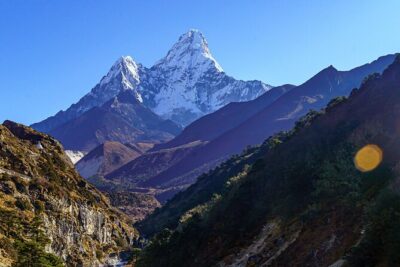
Tengboche’s biggest draw is the monastery and the classic Khumbu panorama that comes with it. If weather is clear, the snowy caps look sharp from here, with Ama Dablam and Everest-area peaks often visible.
What I like about this day in a practical sense: it gives you a mental win before the higher-altitude village days. The body still works, but it’s not the “highest grind” kind of day.
Pangboche to Dingboche: Imja Valley walking and monastery history at 4,410 m
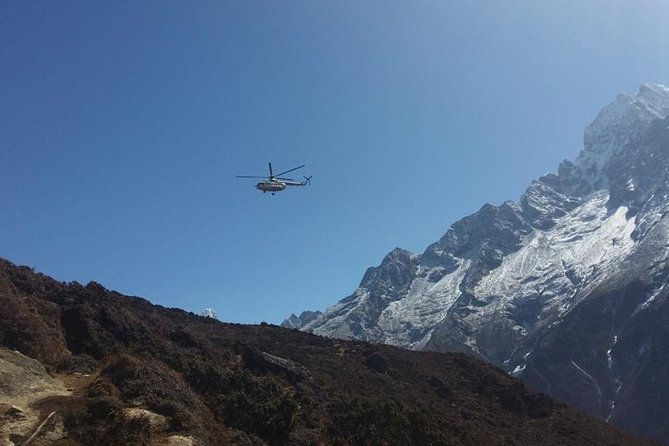
From Tengboche, the route moves through the Imja Valley area with dense forest sections. You climb higher, and the views tend to sharpen as the trail gains elevation.
You’ll hike up toward Pangboche (3,985 m), where the monastery dates back to when Buddhism was introduced to the Khumbu region. Then you continue onward to Dingboche (4,410 m), where you’ll sleep for the night.
Dingboche is where your plan gets serious about acclimatization. The trip schedules another stay day (Day 7) to help your body adjust.
Dingboche acclimatization and the Chhukung option
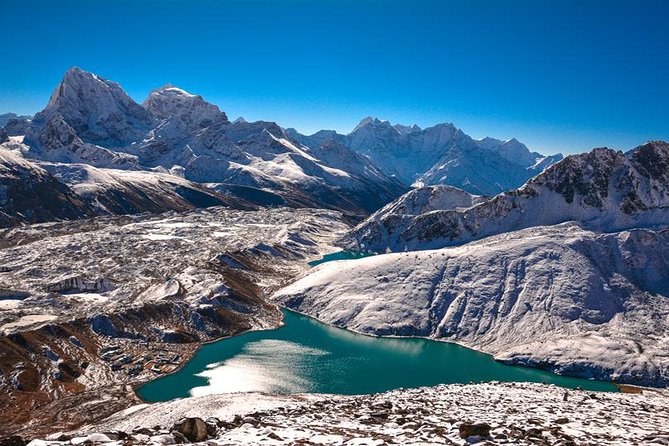
Dingboche gives you time to adapt to the altitude without adding constant pressure. You can either rest more or stay active, and the itinerary offers an option: an extra hike to Chhukung around 8:30 in the morning.
The route is described as not too difficult, and it’s set up for mountain viewing—especially views of Ama Dablam. You’ll climb, take in the scenery, and then return to Dingboche for the night.
Wind can be a factor here on the way back, so bring layers you can manage quickly. This is also the day where I’d keep your effort conservative. The goal is not to prove anything; the goal is to help your body adjust so the later days feel survivable.
Lobuche and Chukpo Lari: big scenery plus memorial reality
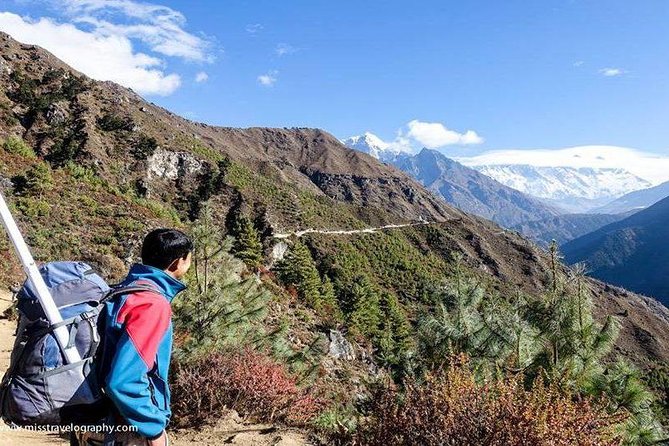
Next you head toward Lobuche, a day described as one of the most beautiful. The route brings you past high, snow-capped peaks where small villages sit far beneath the drama of the mountains around them.
You’ll pass the Trekkers Aid Post at Pheriche (4,240 m). The trek description notes it’s volunteered by western doctors, which makes it a meaningful stop even if you’re feeling fine. It’s a reminder that people treat this region with respect, not bravado.
A short and steep climb brings you to Chukpo Lari, and this is where the day becomes emotionally heavy. The area includes memorials for climbers who died during Everest expeditions. You’re still trekking in a spectacular area—but you’re also walking through history and loss.
In my view, that mix is part of why Everest trekking hits so hard. You get wonder and you get perspective.
Everest Base Camp day: Gorakhshep first, then Base Camp, then back again
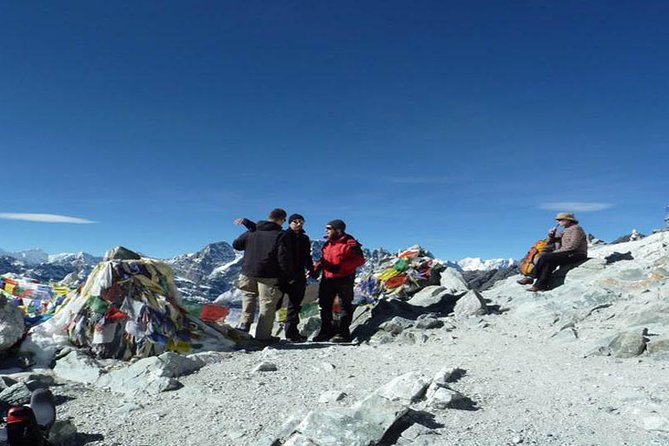
The Base Camp day is long—listed at about 8 hours of walking. You start over rocky paths with glacial ponds and icebergs in view. You’ll move through meadows and moraine stone steps, then reach Gorakhshep.
From Gorakhshep, the plan focuses on reaching Everest Base Camp, spending time there, and then returning to Gorakhshep for the overnight. The itinerary also mentions the option of climbing toward Kala Patthar around this stage, but the clearest “Kala Patthar day” is scheduled for the next morning.
What this means for you: keep expectations grounded. Base Camp is amazing, but it’s not a quick photo stop. You’ll earn it, and you’ll likely feel it in your legs.
If you’re tempted to rush for photos, don’t. Go slow enough to stay steady and safe. In this altitude zone, consistency beats speed.
Kala Patthar sunrise views and the descent to Pheriche
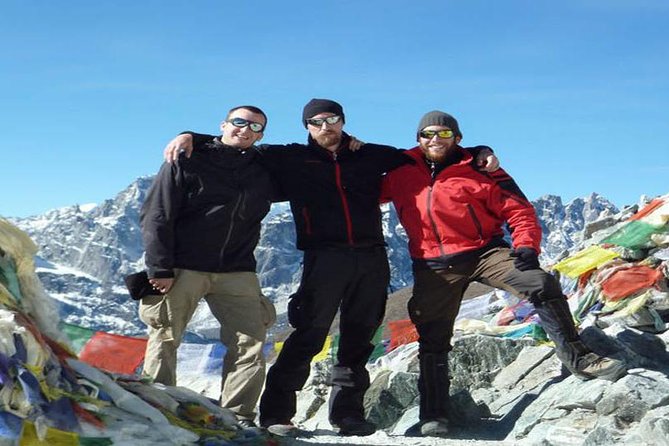
The next morning is the classic push for panoramic views. You leave early, climb for about two hours to reach Kala Patthar, and then enjoy the summit-area panorama. The itinerary describes the peak decorated with prayer flags and cairns, plus small stupa and a weather station.
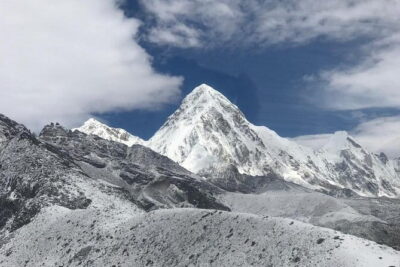
From Kala Patthar, you’re surrounded by glaciers and wide mountain views that include Pumori, Nuptse, Changtse, Ama Dablam, Taweche, Everest, and Kantega. Then you return for breakfast at Gorakhshep and descend to Pheriche for rest.
This is one of the more “work then reward” days in the trek. Your reward is the view scale, but your payoff is also the fact that you’re now heading down into easier breathing zones.
Heading home: Pheriche to Namche Bazaar through rhododendron and juniper
Your return journey starts pleasantly through valleys and pasturelands. You descend and your breathing improves as altitude drops.
You’ll pass Tengboche again and continue via the Monjo valley. The description also notes rhododendron and juniper hillside sections, plus wildlife you might spot, including colorful pheasants, mountain goats, and even snow leopards—though sightings are never guaranteed.
This part of the trek is useful for your brain. You’ll recognize earlier terrain features, and that familiarity helps. It’s also a good day to slow down and take in the smaller details you might have rushed on the outbound.
Lukla return: Tenzing and Hillary bridge and the final long descents
The trek back to Lukla is mostly downhill, and that matters. As you drop in elevation, it gets easier to breathe, and your pace naturally improves.
You’ll pass Sherpa villages, cross the Tenzing and Hillary suspension bridge, and follow the Dudh Koshi River banks. Expect forests and small villages again as you work your way toward Lukla, where you’ll have time to explore Lukla Bazaar and celebrate with your crew.
This is the point where hydration and foot care really pay off. Your legs might feel better than during the uphill days, but you’ll still be on your feet for hours.
Flight back to Kathmandu and a well-earned farewell dinner
On the last trek day, you fly back from Tenzing Hillary airport to Ramechhap/Kathmandu in about 35 minutes. The flight is described as scenic, flying over clouds and the Khumbu region.
Once you arrive, your guide transfers you to the hotel for much-needed rest. In the evening, you’ll have a farewell dinner together before your airport drop-off the next day.
After 14 days of thin air and simple comforts, it’s a good moment to soak in the normal world again—hot shower, real bed, and time to think about what you actually did.
Price and logistics: what $1,600 really buys you
At $1,600 per person for about 14 days, this trek includes a lot of the expensive, hard-to-organize parts. You get round-trip domestic flights (Kathmandu to Lukla and return), local guide support, permits/entrance fees, and three meals a day while on trek. You also get twin sharing local lodges, two Kathmandu hotel nights with buffet breakfast, plus an included medical kit with an oxi-meter.
You’ll also receive a company duffel bag and sleeping bags if needed, and there’s a trip achievement certificate at the end. On a practical level, this adds up because it reduces “spend time planning” and shifts you into “show up and walk.”
What’s not included is equally important. You’ll need to handle your Nepal entry visa and your international flights. A porter is available but costs extra, and the trek is fully guided with your own guide—so you’ll be carrying yourself unless you add that porter.
If you value convenience and consistent logistics, the price looks more reasonable. If you’re trying to do everything as cheaply as possible with your own planning, you might find other options—but this one is built to keep the moving parts under control.
Meals, gear, and health: the small details that keep you moving
This trek includes breakfast, lunch, and dinner every day on the trail, plus seasonal fruits every evening after dinner. That matters more than it sounds. When you’re burning calories in cold air, you need dependable food rhythm.
You’re also given a first aid medical kit, including an oxi-meter to measure your pulse during the trek. That doesn’t prevent altitude sickness, but it supports decision-making when you’re feeling off. Add in a government-certified trekking guide, and you’ve got a safety structure that’s better than improvising.
You should still bring your own layers and trekking basics. The trip can provide some gear like sleeping bags, but you’ll want your personal comfort items because mountain weather doesn’t ask permission.
Who this trek suits best (and who should think twice)
This one fits travelers with moderate physical fitness who want guided support. The itinerary includes active acclimatization days, a possible hike up to Chhukung, and a high-exertion morning for Kala Patthar.
If you’re traveling as a family, a solo traveler, or a mixed group that wants a well-managed plan, the private tour setup can be a plus. In multiple experiences shared by past clients, guides like Ganesh (as operator) and guides such as Keshab, Krishna, and Prakash Gurung show up with a consistent theme: being present, helpful, and focused on keeping you steady.
Think twice if you’re looking for an easy stroll. This is an adventure with real altitude pressure, long walking days, and cold nights. It’s not a “sit on a scenic bus” kind of trip.
Should you book Everest Base Camp with Glorious Himalaya Trekking?
If you want a guided, logistics-light way to reach Everest Base Camp with a classic route and built-in acclimatization, this is a strong match. The price covers domestic flights, permits, meals, and a guide plus medical support—so you spend less time worrying and more time walking.
I’d book if you’re comfortable with strenuous walking, you’ll follow pacing advice, and you’re okay with the mountain weather being the boss. If you need a super flexible, fully custom itinerary, you’ll want to confirm that your priorities are compatible with this set route.
FAQ
What is the overall duration of the Everest Base Camp trek?
It’s listed as 14 days approximately, including time in Kathmandu and the return flight after the trek.
How do flights work in this itinerary?
You fly from Kathmandu to Lukla by domestic flight for about 30–35 minutes early on the trek, then return from Tenzing Hillary airport to Ramechhap/Kathmandu for about 35 minutes near the end.
What does the trek price include?
The package includes airport transfers in Kathmandu, twin sharing local lodge accommodations, domestic round-trip flights, trekking permits and entrance fees, local and government taxes, a certified trekking guide, a medical kit with an oxi-meter, and meals during the trek. It also includes two nights in Kathmandu with buffet breakfast and a farewell dinner.
What is not included in the price?
The package does not include your Nepal entry visa or international flights. A porter is available at an extra cost.
Do I need a porter?
Porters are not included by default. The information says porter availability is extra cost, so you can decide based on your comfort with carrying your own gear.
What fitness level do I need?
The guidance says travelers should have a moderate physical fitness level.
Is this a guided trek?
Yes. It’s described as a fully guided trip with a trained local guide throughout the trek.
How does cancellation work?
The experience has free cancellation if you cancel up to 24 hours in advance for a full refund. If you cancel less than 24 hours before the start time, the amount you paid is not refunded.
More Trekking Out of Kathmandu
More Tour Reviews in Kathmandu
Just Reviewed in Kathmandu
- Mountain Bike Tour
★ 5.0 · 3 reviews - Annapurna Panaroma
★ 5.0 · 3 reviews - Mount Everest Scenic Flight 50 Minutes
★ 5.0 · 3 reviews - Kathmandu : Swambhunath & Durbar Square Guided Half Day Tour
★ 3.3 · 3 reviews - Chandragiri Cable Car & Monkey Temple Tour – Private/Group
★ 5.0 · 3 reviews - Kathmandu: Shivapuri National Park Hiking Day Trip
★ 3.3 · 3 reviews
Everest Base Camp Treks, compared.
 ★ 5.0Everest Base Camp Trek – 14 DaysFrom $1,8001,499 reviews
 ★ 5.0Everest Base Camp TrekFrom $1,790842 reviews
 ★ 5.0Everest Base Camp TrekkingFrom $1,350485 reviews
 ★ 5.0Everest Base Camp Trekking – 13 DayFrom $1,399365 reviews
★ 5.0Everest Base Camp TrekFrom $1,445350 reviews
★ 5.0Everest Base Camp Trek -14 DaysFrom $1,420321 reviews
★ 5.0Everest Base Camp Trekking – 13 DayFrom $1,399365 reviews
★ 5.0Everest Base Camp TrekFrom $1,445350 reviews
★ 5.0Everest Base Camp Trek -14 DaysFrom $1,420321 reviews
 ★ 5.012 Days Everest Base Camp TrekFrom $1,099289 reviews
 ★ 5.0Everest Base Camp Trekking – 2025/2026From $1,339199 reviews
Browse the lists this tour appears in