
Review · EVEREST BASE CAMP TREKS
Everest Base Camp Trek 14 Days
Everest looks close on paper, then hits you in the lungs. This 14-day Everest Base Camp trek threads classic Khumbu villages, big acclimatization time, and real mountain sights without turning your trip into a travel circus. You also get private guidance plus airport and flight handling, which matters a lot when you’re starting from Kathmandu and jumping straight into the high country.
I especially like the pacing: you don’t just hike until you’re broken. You settle in at Namche Bazaar, do a dedicated second acclimatization day in Dingboche, and then push for Everest Base Camp with the glacier scenery you came for.
One thing to consider: the price includes many essentials (permits and domestic flights), but it doesn’t include your accommodation and meals for the guest portion of the trek—so you’ll want a realistic daily budget for teahouse stays and food.
In This Review
- Key highlights worth your attention
- Kathmandu to Thamel: where your trek really starts (Day 1)
- Lukla flight day and Phakding start: the jump into the Khumbu (Day 2)
- Namche Bazaar acclimatization: altitude lessons with real views (Days 3–4)
- Tengboche Gompa and the trail through rhododendron country (Day 5)
- Dingboche: panoramic walking and a second acclimatization day (Days 6–7)
- Lobuche: uneven rocky walking and the approach mood shift (Day 8)
- Everest Base Camp and Gorakshep: the long glacier day (Day 9)
- Kalapatthar day: high payoff before the descent (Day 10)
- Return through Namche and suspension bridges (Days 11–12)
- Lukla back to Kathmandu and a Thamel buffer (Days 13–14)
- Price and value: what your $999 includes (and what it doesn’t)
- What the private format changes on Everest Base Camp
- Who should book this trek, and who might want a different fit
- Should you book Everest Base Camp in 14 days with Nepal Nirvana Trails?
- FAQ
- What city do I start in, and where do I end?
- What time does the trek start?
- Are domestic flights included?
- Do I need a visa and international flights are not included?
- What permit costs are covered?
- Is there airport pickup and transfer included?
- Is this a private trek?
- What’s the cancellation policy?
Key highlights worth your attention
- Private trek setup: it’s only your group, so schedules and pacing stay under your control.
- Lukla flights included: Kathmandu/Manthali to Lukla and the return flights are part of the package.
- Thoughtful acclimatization: Namche Bazaar plus a second day in Dingboche give your body time to adjust.
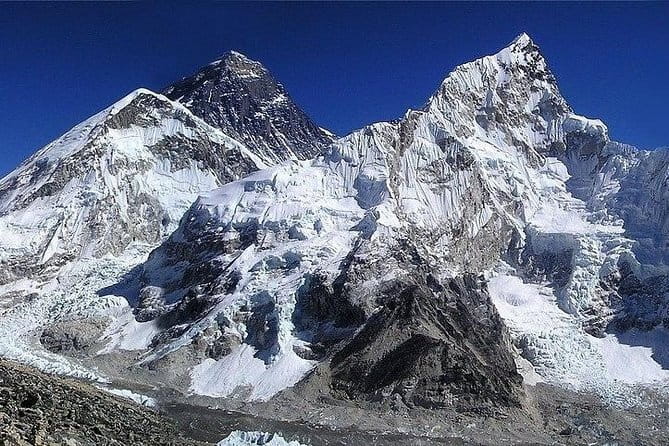
- Base Camp day with glacier views: the route includes a long walk to Everest Base Camp and back to Gorakshep.
- Kalapatthar viewpoint: your route finishes with a climb to Kalapatthar for high-impact views before descending.
- Guide team support: past trips credit guides such as Raju, Roshan, and Abinash for staying calm and helpful on the trail.
More trails out of Kathmandu, boots ready
- Everest Base Camp Trek – 14 Days★ 5.0 · 1,499 reviews
- Everest Base Camp Trek★ 5.0 · 842 reviews
- Everest Base Camp Trekking★ 5.0 · 485 reviews
- Nagarkot Sunrise View and Day Hiking from Kathmandu★ 5.0 · 471 reviews
Kathmandu to Thamel: where your trek really starts (Day 1)
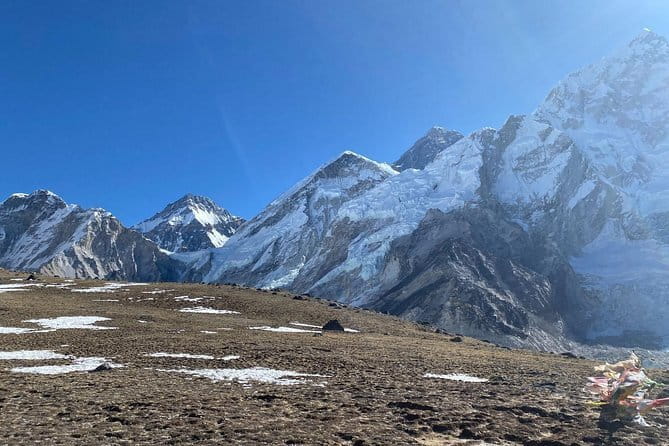
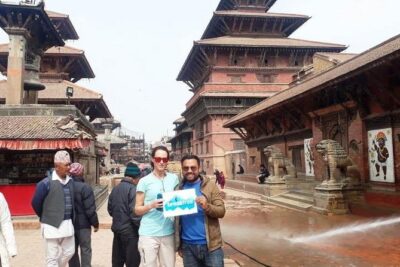
Your trek kicks off in Kathmandu at Thamel, the tourist hub that’s still chaotic in the best way. Day 1 is all about getting you set up: an airport representative meets you and escorts you to your hotel/hostel, then you meet your guide in the evening.
That early guide meeting is practical. It gives you time to confirm your gear, ask direct questions, and fix small issues before you’re climbing above the tree line. The trek listing also says you’ll have your equipment check, which is exactly the kind of boring-but-critical step that keeps problems from turning into big problems later.
If you’re trekking solo or with a partner, this is also when you learn how your guide plans to handle timing and comfort. In previous departures, the company’s team has been praised for personal support—KP Dhital and the crew have been specifically mentioned in responses, and named guides like Roshan and Abinash have been credited with care, humor, and steady guidance.
Lukla flight day and Phakding start: the jump into the Khumbu (Day 2)
Day 2 is the moment most people remember for the rest of their lives: a flight to Tenzing Hillary Airport in Lukla. It’s short by distance, but it changes the whole feel of the trip because you’re suddenly in the high-altitude world, not just dreaming about it.
After landing, you trek up to Phakding village for the night. This isn’t the hardest day, and that’s the point. It helps you start walking in thinner air without immediately trying to win a mountain contest. You’re also building time on the local trail: you’ll get used to the pace, how to manage water stops, and how often you’ll need short breaks.
Because this route includes domestic flights as part of the package, you’ll want to plan your Kathmandu schedule so you’re not rushing the day before. Your start time is listed as 5:45 am, so Kathmandu will need to cooperate.
Namche Bazaar acclimatization: altitude lessons with real views (Days 3–4)
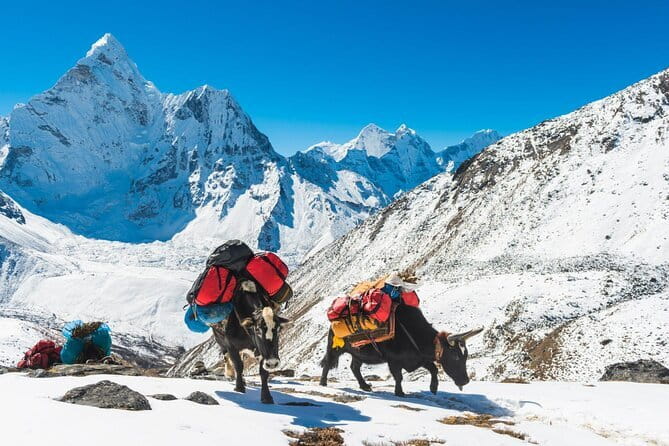
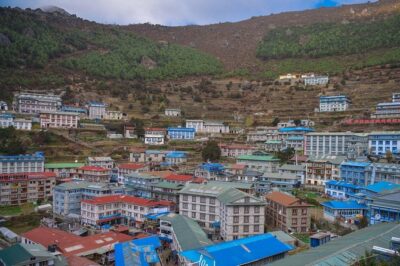
Days 3 and 4 focus on moving into the Namche area and then giving your body time to adjust. Day 3 brings you across the Dudh Koshi river, passing Monjo, and entering Sagarmatha National Park. Then you walk through forested sections and reach Namche Bazaar.
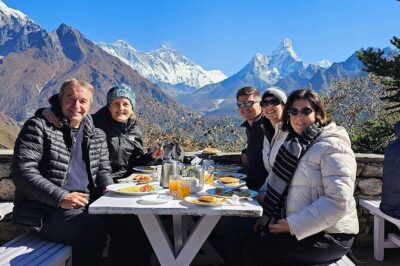
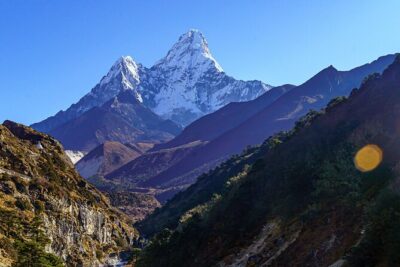
Namche is one of the most important places on the EBC trek for a simple reason: altitude. The itinerary gives you the time to adjust, not just pass through. On Day 4, you stay in Namche and hike to an Everest viewpoint area (Everest Hotel), where you can see peaks like Mount Everest, Ama Dablam, Thamserku, and Lhotse.
That viewpoint day is valuable because it mixes two things you need:
1) a chance to stretch your legs without the pressure of a massive summit push, and
2) a payoff that makes the altitude work feel worth it.
In practice, this is also the day where you’ll learn your own rhythm—how long you can walk before you need a break, and how quickly you recover. Don’t treat it like a sightseeing stroll. Treat it like training, but with the kind of views that make training feel less annoying.
Tengboche Gompa and the trail through rhododendron country (Day 5)
On Day 5, you leave Namche behind and head toward Tengboche. The route passes juniper and rhododendron forests, and you’re surrounded by mountain views along the way.
You end at Tengboche and visit the Tengboche Gompa (monastery). Even if you’re not an expert in Buddhism, a stop at a gompa usually gives you context for how Sherpa communities live alongside the mountains—not just in front of them.
This day is also a good reminder that Everest Base Camp is not only glaciers and rocks. It’s villages, prayer flags, community life, and the steady routine of people who know the mountains as something they live with every day.
Dingboche: panoramic walking and a second acclimatization day (Days 6–7)
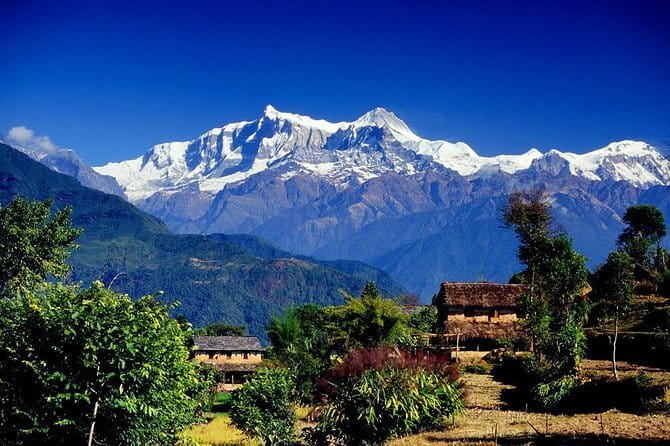
Day 6 takes you to Dingboche, crossing the Imja Khola along the way. The walking here is described as offering panoramas of peaks including Island Peak and Ama Dablam.
Then comes the best part of this itinerary’s structure: Day 7 is a second acclimatization day in Dingboche. You have options to hike either to Nangkartshang Peak (5083 m) or Chhukung Ri (5546 m). Either choice is about working higher while staying close enough to sleep lower than a full push toward base camp.
This matters because acclimatization isn’t an “optional wellness tip.” It’s the difference between a strong trek and a weak one. The itinerary gives you a real way to do it: hike in the day, rest at night, and keep your body adapting.
If you want an experience that feels thoughtfully planned, this is where you’ll feel it. You’re not just checking boxes; you’re doing the kind of altitude management that helps most people finish the trek feeling capable.
Lobuche: uneven rocky walking and the approach mood shift (Day 8)
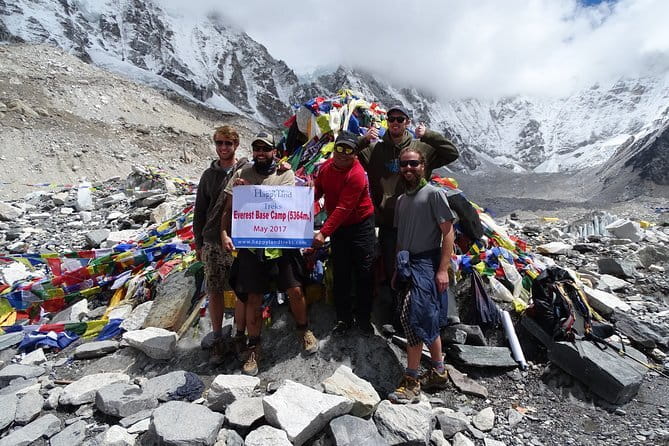
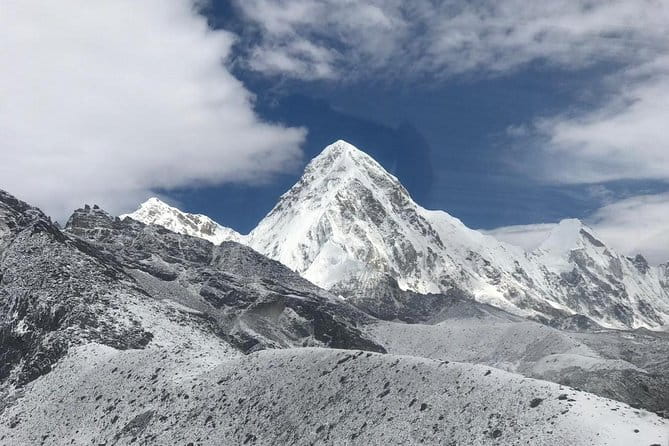
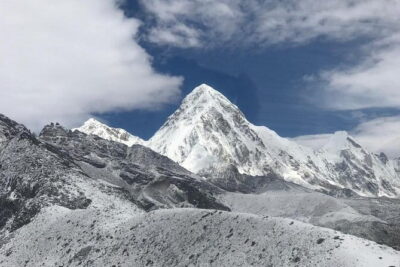
On Day 8, you continue toward Lobuche. The description notes uneven rocky path and highlights wide views of Pumori, Nuptse, and Lobuche Peak along the way.
This is the “approach” phase: the scenery gets harsher and the feeling on the trail changes. You’ll likely notice people walking a bit more carefully, like everyone’s suddenly thinking about footing and energy. It’s not hard in the “wow, this is impossible” way—it’s hard in the “stay smart” way.
If you tend to push too fast, this is where you practice restraint. That’s not motivational fluff; it’s a practical tactic on this route.
Everest Base Camp and Gorakshep: the long glacier day (Day 9)
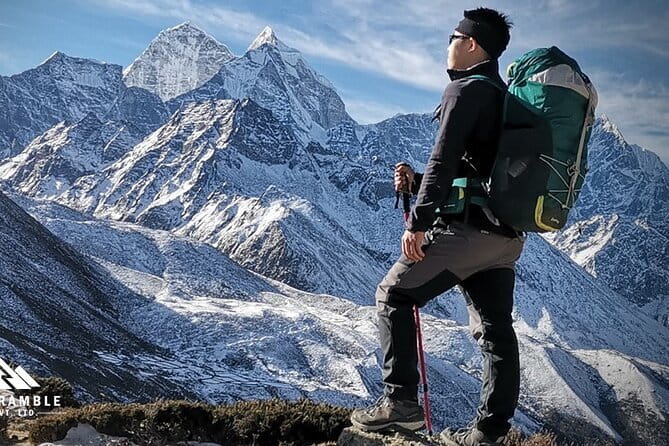
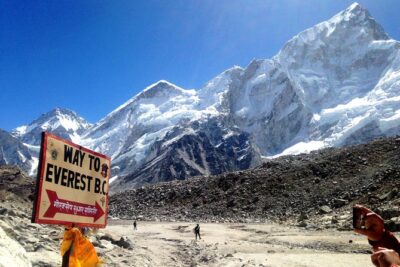
Day 9 is the big day many people plan their whole year around: a long walk through the Khumbu Glacier to Everest Base Camp, then returning to Gorakshep.
Your payoff is clear: you can view the Khumbu icefall from Everest Base Camp. Even without extra description, an icefall view is the kind of scene that’s both stunning and a little surreal. It’s also a reminder that the landscape is alive—full of movement and danger, even when it looks still.
This day is also physically demanding because it’s long. The itinerary calls it a long day walk, which is the important detail: don’t assume you’ll cruise because you’re excited. Excitement is helpful, but pace is what keeps you safe and finishing strong.
Kalapatthar day: high payoff before the descent (Day 10)
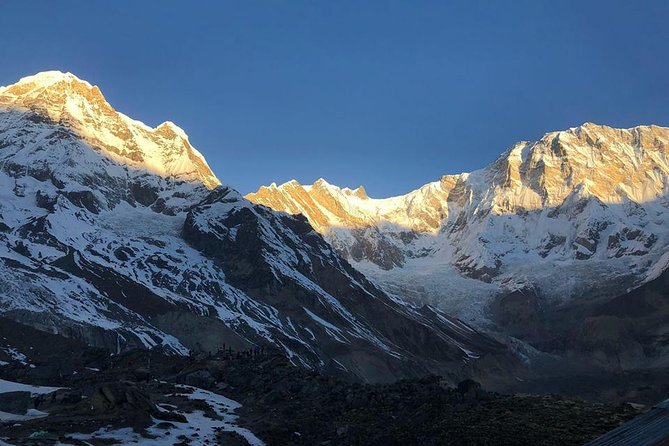
On Day 10, you hike up to Kalapatthar for magnificent views of Mount Everest—then you trek down to Pheriche.
Kalapatthar is a great way to structure the day because you get altitude views and then you regain vertical freedom on the descent. That descent part is not trivial. It helps you recover after the longer base camp effort.
If you like a trip that gives you a strong final “wow,” this is the day. You’re not just leaving the mountains—you’re capturing the mountain views at a meaningful angle and then walking back toward comfort.
Return through Namche and suspension bridges (Days 11–12)
Day 11 takes you from the mountain zone back to Namche Bazaar. The route includes returning across suspension bridges and passing through villages.
This is one of those times when the trek feels both familiar and different. You’ve already crossed many of these places up the way. Now you’re noticing the human scale more: the trail texture, the village rhythm, and the way the mountains still loom even as you drop in elevation.
Day 12 is the last major step toward Kathmandu: you return to Lukla via Phakding, crossing many bridges over the Dudh Koshi river, and passing Jorsale and Monjo.
This is also where you’ll appreciate your earlier acclimatization. If your body adapted well, these return days feel like steady walking instead of a survival march.
Lukla back to Kathmandu and a Thamel buffer (Days 13–14)
Day 13 includes an early morning flight back to Kathmandu—about 35 minutes—and then you have the rest of the day free. You can stroll Thamel and buy souvenirs.
That free day is a real gift. It gives you time to eat normally, wash gear, and decompress without the pressure of another trip segment. If you’re coming home emotionally wrung out (common after long altitude exposure), this day helps you re-enter daily life.
Day 14 is the wrap-up: your representative drops you at Kathmandu for your flight, or you can extend your Nepal trip.
Price and value: what your $999 includes (and what it doesn’t)
At $999 per person, this trek looks like good value when you check what’s folded in. Included items cover:
- airport transfer services on arrival/departure
- guide salary, and the guide’s food, equipment, and insurances
- TIMS and local permits (including national park permits)
- domestic flights (Kathmandu/Manthali to Lukla, and Lukla back to Kathmandu/Manthali)
- official expenses and tax/vat
What’s not included is just as important:
- international flights
- Nepal entry visa
- travel and health insurance that covers emergency rescue and evacuation
- accommodation and food for you during the full trek
- tips for your trek guide (expected)
So here’s the value math I’d suggest you do: you’re paying for a guided, permit-and-flight supported trek, while day-to-day lodging and meals for yourself are your responsibility. In other words, the “real” cost of an Everest Base Camp trek isn’t only the trip price. Plan extra funds for teahouse-style stays and meals.
Also, because it’s listed as a private tour, you’re paying more than a group bargain trek—but you’re buying control, flexibility, and fewer compromises.
What the private format changes on Everest Base Camp
This is described as a private tour/activity, meaning only your group participates. That’s not a small detail. It affects how your guide can manage:
- your pace on acclimatization days
- your timing for short hikes like the Namche viewpoint
- how you handle rest when your body asks for it
Several people in past journeys have highlighted the guide’s personal involvement. Named guides like Raju, Bhairas, Bala, Roshan, Ram, Man Bahadur, Navraj, and Abinash have been mentioned for care, humor, professionalism, and making the trip feel smooth—even when travel plans got complicated.
If you want Everest Base Camp but hate feeling like you’re following a crowd, this structure usually fits better.
Who should book this trek, and who might want a different fit
This route says it’s for people with moderate physical fitness. That makes sense given the 14-day rhythm: several long walking days, plus two acclimatization days where you still hike, just with more intent to adjust.
You’ll likely love it if you:
- want a classic Everest Base Camp route with acclimatization built in
- prefer support that includes flights, permits, and transfers
- value a guide who checks equipment and stays engaged (not just a human GPS)
You might want to think twice if you:
- don’t like altitude management (because the schedule clearly relies on it)
- have limited flexibility to budget for teahouse lodging and meals, since those are not included
Should you book Everest Base Camp in 14 days with Nepal Nirvana Trails?
Yes, if you want a well-run trek that handles the big moving parts—domestic flights, permits, and guide support—and still gives you time to adjust at Namche and Dingboche. The itinerary structure is the main reason to consider booking: it’s built around acclimatization, not bravado.
I’d book this particular option if you’re the type who appreciates practical organization, and if you’d rather spend energy on the mountains than on logistics. Just go in with clear eyes about one thing: you’re responsible for your own accommodation and guest meals on the trek, plus guide tips, and you’ll need proper travel/health insurance for rescue or evacuation.
If that all sounds manageable, this is a strong way to experience Everest Base Camp with less stress and more time to actually enjoy the walk.
FAQ
What city do I start in, and where do I end?
You start in Kathmandu, Nepal (meeting around Thamel or at your hotel, or at Tribhuwan Airport) and you end back in Kathmandu.
What time does the trek start?
The start time is listed as 5:45 am.
Are domestic flights included?
Yes. The package includes flights from Kathmandu or Manthali to Lukla and from Lukla back to Kathmandu or Manthali.
Do I need a visa and international flights are not included?
Correct. The package does not include international flight tickets or the Nepal entry visa.
What permit costs are covered?
The package includes TIMS and local permits, along with the national park permits.
Is there airport pickup and transfer included?
Yes. It includes arrival/departure airport transfer services.
Is this a private trek?
Yes. It’s listed as a private tour/activity, so only your group participates.
What’s the cancellation policy?
You can cancel for a full refund up to 24 hours before the experience starts. If you cancel within 24 hours, the amount isn’t refunded.
More Trekking Out of Kathmandu
More Tour Reviews in Kathmandu
Just Reviewed in Kathmandu
- Mountain Bike Tour
★ 5.0 · 3 reviews - Annapurna Panaroma
★ 5.0 · 3 reviews - Mount Everest Scenic Flight 50 Minutes
★ 5.0 · 3 reviews - Kathmandu : Swambhunath & Durbar Square Guided Half Day Tour
★ 3.3 · 3 reviews - Chandragiri Cable Car & Monkey Temple Tour – Private/Group
★ 5.0 · 3 reviews - Kathmandu: Shivapuri National Park Hiking Day Trip
★ 3.3 · 3 reviews
Everest Base Camp Treks, compared.
 ★ 5.0Everest Base Camp Trek – 14 DaysFrom $1,8001,499 reviews
 ★ 5.0Everest Base Camp TrekFrom $1,790842 reviews
 ★ 5.0Everest Base Camp TrekkingFrom $1,350485 reviews
 ★ 5.0Everest Base Camp Trekking – 13 DayFrom $1,399365 reviews
★ 5.0Everest Base Camp TrekFrom $1,445350 reviews
★ 5.0Everest Base Camp Trek -14 DaysFrom $1,420321 reviews
★ 5.0Everest Base Camp Trekking – 13 DayFrom $1,399365 reviews
★ 5.0Everest Base Camp TrekFrom $1,445350 reviews
★ 5.0Everest Base Camp Trek -14 DaysFrom $1,420321 reviews
 ★ 5.012 Days Everest Base Camp TrekFrom $1,099289 reviews
 ★ 5.0Everest Base Camp Trekking – 2025/2026From $1,339199 reviews
Browse the lists this tour appears in