
Review · EVEREST BASE CAMP TREKS
Everest Base Camp trek 14 days
This trek plan removes most of the stress. It’s built for travelers who want the big logistics handled, with 13 nights of accommodations and transport lined up and a clear step-by-step trail rhythm. I also like that a sleeping bag and down jacket are provided if you need them, and most days include three meals. The main consideration is that this is still an altitude trek with solid hike days, so the moderate fitness requirement isn’t a formality.
You’ll likely feel the organization on the ground, from airport pickups to the Lukla shuttle. In the broader team, names that come up include guides like Suresh and Ram, with sherpa support from people such as Pasang Sherpa, plus cultural wrap-ups at the end. The group stays small (maximum 18 travelers), which helps the whole trip feel more personal. One more thing to keep in mind: tips, travel insurance, and your international flight aren’t included.
In This Review
- Key highlights that matter on the trail
- A calmer way to plan Everest Base Camp
- Kathmandu setup and the Lukla jump-off
- Phakding to Namche Bazaar: where the altitude gets real
- Tengboche and Dingboche: the rhythm of rest and climb
- Lobuche to Everest Base Camp: the long, emotional middle
- Kalapatthar and the descent back toward Namche
- Lukla flight home and a farewell that feels earned
- Budget reality: what $1,380 covers, and what you still need to plan
- Who should book this Everest Base Camp trek plan?
- Should you book Sunrise Adventure Trek for Everest Base Camp?
- FAQ
- How long is this Everest Base Camp trek?
- Where does the tour start?
- Is accommodation included?
- Are meals included on the trek?
- Are trekking permits included?
- Does the price include flights to and from Lukla?
- Is a sleeping bag and down jacket provided?
- What costs are not included?
- How many people are in the group?
Key highlights that matter on the trail
- Sleeping bag and down jacket included (if you need them): less gear hassle before you even reach Lukla.
- Most meals are covered during the trek: breakfast, lunch, and dinner each day while you’re walking.
- Permits handled for you: trekking permit plus TIMS card are included.
- Acclimatization stops are built in: Namche Bazaar and Dingboche have dedicated time to adjust.
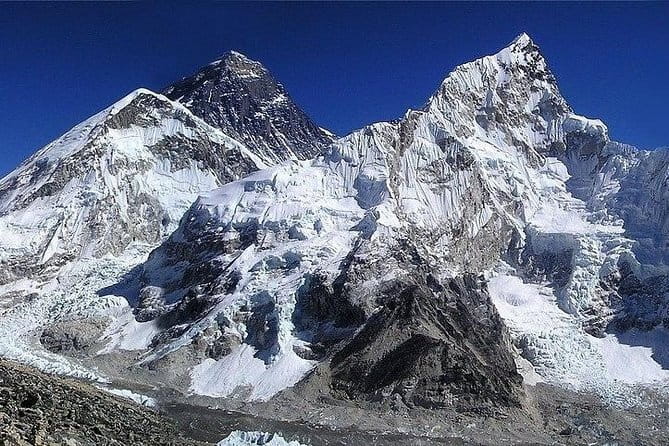
- Everest views plus a classic finale: Kalapatthar hike, then a farewell dinner and cultural show.
- Small group size: up to 18 travelers for a smoother experience.
More trails out of Kathmandu, boots ready
- Everest Base Camp Trek – 14 Days★ 5.0 · 1,499 reviews
- Everest Base Camp Trek★ 5.0 · 842 reviews
- Everest Base Camp Trekking★ 5.0 · 485 reviews
- Nagarkot Sunrise View and Day Hiking from Kathmandu★ 5.0 · 471 reviews
A calmer way to plan Everest Base Camp
Everest Base Camp is the kind of dream trip that can also turn into a planning nightmare. This package is designed to reduce the guesswork: hotels in Kathmandu, trekking lodge stays, internal transport, and the big-ticket permits are taken care of.
I like the way the trek is framed around movement plus recovery. You’re not just thrown from one altitude number to the next; you’re given acclimatization days in the middle so your body has a chance to catch up.
The value here is less about luxury and more about friction-free logistics. You spend less time coordinating, and more time focusing on the trail and the views.
Kathmandu setup and the Lukla jump-off
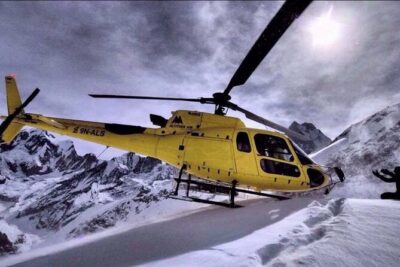
Your trip starts with Kathmandu airport pickup and departures, plus domestic flight tickets handled through the package. After landing plans and transfers, the next milestone is a short Lukla flight, typically listed as about 40–45 minutes, which is a huge part of why this trek feels special.
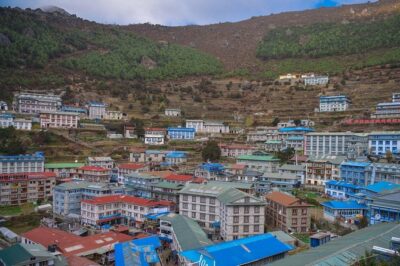
Day 2 combines that flight with an easy-to-moderate warm-up trek to Phakding. You’ll cover roughly 3–4 hours, starting around 2,640 meters. It’s not a sprint day. The goal is to settle in, start building your walking pace, and get your legs used to the altitude before the bigger climbs show up.
If you’ve ever started a trek already tired from travel, I think you’ll appreciate this structure. You land, you move, and you don’t need to make any transportation decisions yourself.
Phakding to Namche Bazaar: where the altitude gets real
From Phakding, the trek to Namche Bazaar is a longer day at about 5–6 hours, climbing to around 3,440 meters. This is where the trek begins to feel like the Everest route—steeper segments, more attention to pacing, and the sense that you’re getting closer.
The payoff is Namche Bazaar itself. It’s not just another town stop; it’s also an acclimatization day, so you get time to adjust at altitude instead of rushing forward. That matters because your next sections include higher passes and longer days.
I also like that the overall plan keeps your meals predictable while you’re moving. You’re looking at breakfast, lunch, and dinner (BLD format during the trek), so you’re not scrambling for food options during a demanding walk.
Tengboche and Dingboche: the rhythm of rest and climb
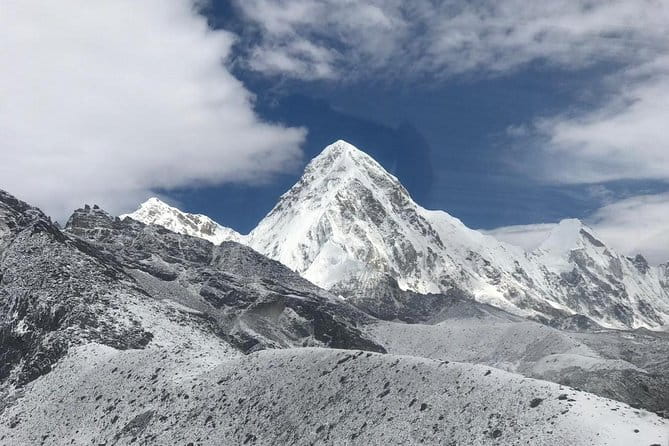
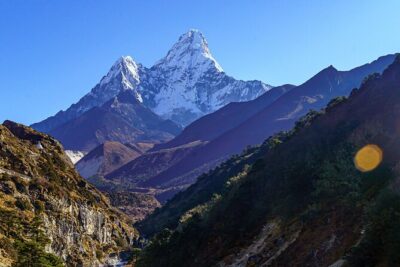
After Namche, you’ll trek toward Tengboche (listed around 3,860 meters) over about 6–7 hours. This is one of those days where you’ll likely feel both the scenery and the effort. You go up, you keep moving, and you arrive at a higher vantage point that turns the whole trek into a real visual experience.
Then comes another acclimatization-and-recovery phase. The schedule includes a Dingboche acclimatization day, and then another trek segment toward higher ground around 4,410 meters. Even though the hike times vary, the intent is consistent: gain altitude gradually and give your body time to respond.
One practical upside of having these built-in rest days: you can handle typical trekking issues like fatigue, sore legs, and slower-than-expected pace without the whole trip feeling off-script. You also avoid the stress of trying to decide day-by-day whether you should push or slow down.
Lobuche to Everest Base Camp: the long, emotional middle
The climb continues toward Lobuche, listed at around 4,910 meters, with about a 5-hour walk. This section sets up the hardest part of the journey: the approach toward Everest Base Camp.
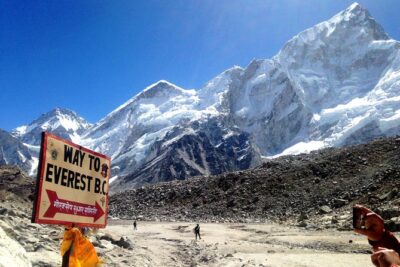
Day 9 is the big moment: trekking to Everest Base Camp, then returning back to Gorakshep around 5,200 meters. In a single day, you’re stacking multiple goals—reach the base camp area, take in what you came for, and still manage the return.
I like that the schedule doesn’t leave you hanging at the highest point with no plan. Staying around Gorakshep afterward gives you a place to rest before the next day’s hike.
Then Day 10 pushes even higher with a hike to Kalapatthar (about 5,550 meters). You’re given roughly 2 hours 30 minutes for the hike to the viewpoint, followed by a longer trek down to Periche around 4,200 meters over about 7 hours. That’s the classic trade: short steep effort for an unforgettable view, then a careful downhill to recover.
Kalapatthar and the descent back toward Namche
Kalapatthar is the kind of hike that changes the feel of the entire trip. You’re going high for the big view, but the route also forces you to move with focus. The scheduled timing helps, because you’re not stuck guessing how long it will take before you start your descent.
After Kalapatthar, the plan takes you down to Periche, then onward. Day 11 brings you back toward Namche Bazaar over about 6 hours, climbing and descending along the way. This is where the trek starts shifting from achievement mode back to endurance mode.
I also appreciate that the itinerary keeps you supported with guide and logistics. When fatigue stacks up, a steady plan and clear meal timing help you keep your energy.
By this point, you’re likely thinking about the final stretch—how the mountain will keep shrinking in distance even while it stays enormous in memory. The schedule helps you finish the job without last-minute chaos.
Lukla flight home and a farewell that feels earned
Getting back to Lukla is the last major walking chapter, listed at about 7 hours. After that, you fly back to Kathmandu on Day 13. Domestic flights are included, so you don’t need to hunt for tickets or manage airport timing on your own.
Then Day 14 is the release valve: farewell and departure, plus an included cultural show and farewell dinner program. I like this kind of ending because it turns the trek from a private achievement into a shared Nepal moment.
Also, your package includes a trip achievement certificate and a T-shirt. These aren’t the reason to do Everest Base Camp, but they’re the kind of small closure details that make the finish feel official.
Budget reality: what $1,380 covers, and what you still need to plan
At $1,380 per person, the value stands out mainly because the cost includes the heavy logistics. You’re not just paying for a guide and a route map. The package covers:
- Airport pick up and departures
- Kathmandu–Lukla and return flight tickets (plus the domestic flight logistics)
- City transportation (A/C car and a tourist deluxe bus during trips)
- Hotel and trekking lodge accommodations
- Trekking permit and TIMS card
- Guide support (salary, accommodation, meals, and insurance)
- Daily breakfast/lunch/dinner during the trek
- First aid medicine item
- A sleeping bag and down jacket if you need them
- A cultural show and farewell dinner
What’s not included matters for your budgeting. You’ll need to account for:
- Extra meals in Kathmandu and personal expenses (including bar bills)
- Tour entrance fees
- Your international airfare
- Travel insurance
- Tips for the trekking crew
So the smart question isn’t just is it $1,380. It’s whether you want the mental load removed. If you’d rather pay to avoid juggling permits, flights, and day-to-day logistics, this price starts to look fair.
If you’re already an expert at arranging domestic Nepal flights, permits, guides, and meal planning, you might find cheaper options elsewhere. But you’d be trading convenience for extra responsibility.
Who should book this Everest Base Camp trek plan?
This trek fits best if you want an Everest Base Camp experience with strong structure. The trip is aimed at travelers with a moderate physical fitness level, and it supports that with acclimatization days in Namche Bazaar and Dingboche.
I’d also recommend it if you prefer a small group environment. Maximum 18 travelers means you’re less likely to feel lost or rushed, and it’s easier for a guide team to manage pacing and safety on trail.
If you’re the type who hates paperwork, the included TIMS card and trekking permit can be a big win. And if you don’t want to buy or borrow winter trekking gear right away, the provided sleeping bag and down jacket option is a practical cost saver.
Should you book Sunrise Adventure Trek for Everest Base Camp?
I’d book this plan if your priority is a well-run route with fewer moving parts. The combination of included permits, domestic flights to Lukla, trekking lodge stays, and most meals is exactly what removes stress from the hardest part of Everest planning.
You should think twice if you’re not comfortable with altitude trekking expectations or you don’t have a moderate fitness base. This is still a demanding journey, even with a carefully timed schedule.
Also, if you dislike paying extra at the end for items like travel insurance, tips, and Kathmandu extras, factor that in early so there are no surprise gaps.
If your goal is to get to Everest Base Camp without turning your vacation into a project, this looks like a solid choice—and the included cultural show and farewell dinner feel like a proper ending to a serious trek.
FAQ
How long is this Everest Base Camp trek?
The duration is listed as 5 to 14 days approximately, and this experience is described as a 14-day Everest Base Camp trek with 13 nights of accommodations planned.
Where does the tour start?
The meeting point is in Kathmandu, Kathmandu Valley, Bagmati Zone, Central Region.
Is accommodation included?
Yes. You get standard hotel accommodation in Kathmandu (twin sharing, breakfast basis) and trekking lodge accommodations during the trek.
Are meals included on the trek?
Yes. Daily three meals during the trek are included as breakfast, lunch, and dinner, matching the BLD format used in the day plan.
Are trekking permits included?
Yes. The package includes a trekking permit and a TIMS card.
Does the price include flights to and from Lukla?
Yes. Airport pickups and departures are included, and Kathmandu–Lukla–Kathmandu flight tickets are included.
Is a sleeping bag and down jacket provided?
Yes, if you need it, sleeping bag and down jacket are provided for the trek.
What costs are not included?
Extra meals in Kathmandu, personal expenses (including bar bills), tour entrance fees, international airfare, travel insurance, and tips for the trekking crew are not included.
How many people are in the group?
The maximum group size is 18 travelers.
More Trekking Out of Kathmandu
More Tour Reviews in Kathmandu
Just Reviewed in Kathmandu
- Mountain Bike Tour
★ 5.0 · 3 reviews - Annapurna Panaroma
★ 5.0 · 3 reviews - Mount Everest Scenic Flight 50 Minutes
★ 5.0 · 3 reviews - Kathmandu : Swambhunath & Durbar Square Guided Half Day Tour
★ 3.3 · 3 reviews - Chandragiri Cable Car & Monkey Temple Tour – Private/Group
★ 5.0 · 3 reviews - Kathmandu: Shivapuri National Park Hiking Day Trip
★ 3.3 · 3 reviews
Everest Base Camp Treks, compared.
 ★ 5.0Everest Base Camp Trek – 14 DaysFrom $1,8001,499 reviews
 ★ 5.0Everest Base Camp TrekFrom $1,790842 reviews
 ★ 5.0Everest Base Camp TrekkingFrom $1,350485 reviews
 ★ 5.0Everest Base Camp Trekking – 13 DayFrom $1,399365 reviews
★ 5.0Everest Base Camp TrekFrom $1,445350 reviews
★ 5.0Everest Base Camp Trek -14 DaysFrom $1,420321 reviews
★ 5.0Everest Base Camp Trekking – 13 DayFrom $1,399365 reviews
★ 5.0Everest Base Camp TrekFrom $1,445350 reviews
★ 5.0Everest Base Camp Trek -14 DaysFrom $1,420321 reviews
 ★ 5.012 Days Everest Base Camp TrekFrom $1,099289 reviews
 ★ 5.0Everest Base Camp Trekking – 2025/2026From $1,339199 reviews
Browse the lists this tour appears in