
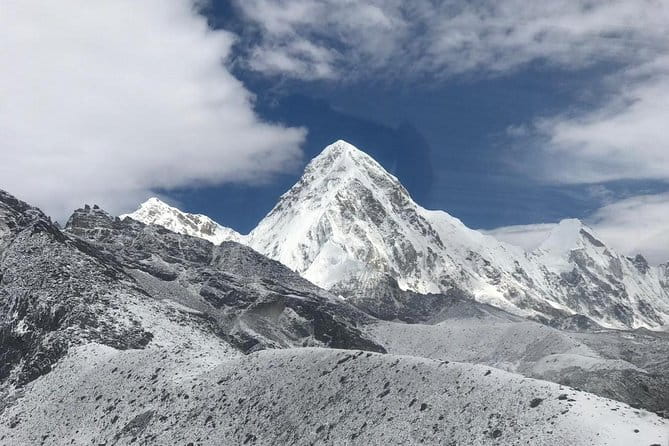
Review · EVEREST BASE CAMP TREKS
Everest Base Camp Trek -14 Days
Everest Base Camp turns planning into part of the adventure. This 14-day trek routes you from Kathmandu to Lukla, then north through Sherpa villages, past monasteries, and into Sagarmatha National Park toward Everest Base Camp and the big viewpoint of Kalapatthar. I especially liked that the trip is built around practical acclimatization and that you’re not hiking alone—there’s an experienced guide plus a porter setup designed for real comfort at altitude. The one drawback to keep in mind: you’re trekking in the Himalaya, so weather can force slower days or delays, and costs in the mountains beyond the schedule aren’t covered.
I also like the “done for you” feeling on paperwork and logistics. Permits (TIMS and Khumbu valley fees), travel and rescue arrangements, and even a duffle bag are handled so you can focus on walking, eating, and resting. Still, read the fine print on what’s not included: tips, personal spending, travel insurance, and Nepal visa fee are on you.
In This Review
- Key moments that make this EBC trek click
- From Kathmandu to Lukla: what makes the start feel under control
- Kathmandu pre-trek days: private transfers and time to get your bearings
- Day-by-day: how the route climbs, rests, and protects you at altitude
- Days 2–3: Lukla to Phakding, then Namche Bazaar
- Day 4: acclimatization with Khumjung Village and Hotel Everest View
- Days 5–6: Tengboche to Dingboche through Sherpa valleys
- Days 7 and 8: Dingboche rest day, then Lobuche at higher altitude
- Days 9–10: Lobuche to Gorakshep, Everest Base Camp, then Kalapatthar
- Days 11–13: retracing your steps back to Namche, then Lukla, then Kathmandu
- Tea houses, meals, and staying comfortable when the air gets thin
- Guide, porter, and safety: what you’re really paying for
- Price and value: what $1,800 buys, and what you’ll still pay
- Who this trek fits well (and who should rethink)
- My call: should you book this Everest Base Camp trek?
- FAQ
- What’s included in the trek price?
- What is not included?
- Where does the trek start and end?
- What time does the group start?
- How many people are in the group?
- Is there a minimum age requirement?
- Will the trek operate in bad weather?
Key moments that make this EBC trek click
- Lukla flights plus a focused on-ramp: you fly in, trek to Phakding, then climb to Namche without wasting your first day.
- Acclimatization that actually matters: Khumjung and Hotel Everest View on Day 4, plus a full Dingboche rest day.
- Real support on the trail: an experienced guide and a porter system (1 porter for 2 clients), plus first-aid supplies.
- National Park to glacier route: Sagarmatha National Park scenery, then the move toward the Khumbu Glacier for the Base Camp push.
- Kalapatthar is part of the plan: you don’t just stop at Base Camp—you get the higher viewpoint and then head back.
- Kathmandu wraparound, not just a hotel: airport pickup, a 3 stay with breakfast, and a farewell dinner with cultural performance.
More trails out of Kathmandu, boots ready
- Everest Base Camp Trek – 14 Days★ 5.0 · 1,499 reviews
- Everest Base Camp Trek★ 5.0 · 842 reviews
- Everest Base Camp Trekking★ 5.0 · 485 reviews
- Nagarkot Sunrise View and Day Hiking from Kathmandu★ 5.0 · 471 reviews
From Kathmandu to Lukla: what makes the start feel under control
The climb to Everest doesn’t start with altitude. It starts with logistics—getting from Kathmandu to Lukla and then turning that first landing into a walk you can actually handle. Day 1 is arrival in Kathmandu, and Day 2 begins with a flight to Lukla (2860m), followed by a trek to Phakding (2610m) for about 3–4 hours.
What I like here is that your first hiking day is deliberately easier on paper: you’re trekking after the flight, but not immediately going straight upward. You’ll likely see plenty of familiar tea-house routines quickly—lodges, hot drinks, and the constant rhythm of people adjusting their pace.
Kathmandu pre-trek days: private transfers and time to get your bearings
You get airport pickup and a private vehicle transfer to your hotel. The package includes two nights in a 3 Kathmandu hotel with breakfast, which is a big deal when you’re tired from flying and figuring out gear and payments.
You also end up with culture time built into the trek itself. On the acclimatization day, you’ll visit Khumjung Village and the Hotel Everest View around 3880m—an easy way to swap “just walking” for something more meaningful while still helping your body adjust.
If you’re the kind of person who gets anxious without a plan, this setup helps. You can sleep, eat, and then start your trekking days with less scramble.
Day-by-day: how the route climbs, rests, and protects you at altitude
Days 2–3: Lukla to Phakding, then Namche Bazaar
After landing in Lukla, Day 2 goes to Phakding (2610m), and Day 3 pushes to Namche Bazaar (3446m) for about 6–7 hours. This part follows the Dudh Koshi River through Phakding and up toward Namche, so you get a steady corridor of trekking rather than random hills everywhere.
Namche is where your priorities change. You’re no longer only walking—you’re checking how you feel: breathing, sleep, appetite, and whether headaches show up. This is also where Sherpa life becomes more visible, and monasteries and village routes start to shape the “what you pass” moments.
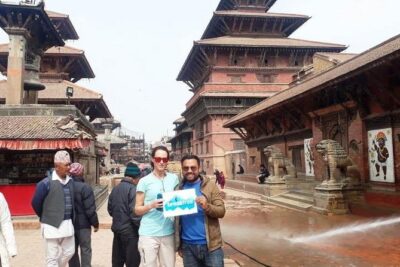
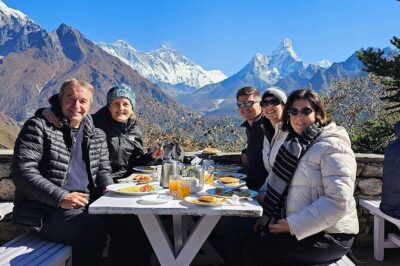
Day 4: acclimatization with Khumjung Village and Hotel Everest View
Day 4 is a full acclimatization day at 3880m. Instead of pushing higher just because you can, you’ll visit Khumjung Village and the Hotel Everest View, then enjoy the slower pace that helps your body catch up with altitude.
I like this because it keeps the day useful. You get views and cultural context without the wear-and-tear of a long climb.
Days 5–6: Tengboche to Dingboche through Sherpa valleys
Day 5 treks from Namche Bazaar to Tengboche (3860m) for about 5–6 hours. Day 6 goes to Dingboche (4360m) for another 5–6 hours, following the Imja River route.
Tengboche is a classic “pause and look” stop in this region, often known for monasteries and spiritual sites in the broader Khumbu area. Even when the weather isn’t crystal-clear, you usually feel the shift from busier market-town walking to more quiet, devotional village paths.
By the time you reach Dingboche, you’re higher and the air feels thinner. Your main job becomes pacing: move steadily, drink consistently, and stop yourself from sprinting for photo spots.
Days 7 and 8: Dingboche rest day, then Lobuche at higher altitude
Day 7 is another acclimatization day, this time in Dingboche (4360m). Day 8 continues to Lobuche (4910m) in about 5–6 hours.
This is one of the smartest parts of the schedule. It gives you a real buffer before the high-country push. You’ll feel it later: fewer people get hit by altitude problems when the plan builds rest, not just ambition.
Days 9–10: Lobuche to Gorakshep, Everest Base Camp, then Kalapatthar
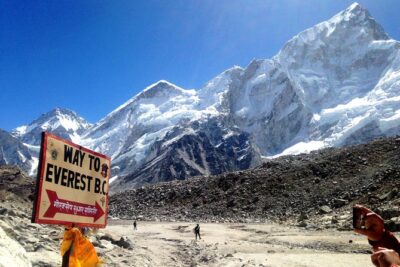
Day 9 is a big walking day: you head from Lobuche to Gorakshep and continue to Everest Base Camp (5360m) for 6–7 hours. Day 10 goes from Gorakshep up to Kalapatthar (5545m) and then down to Pheriche (4371m) in about 4–5 hours.
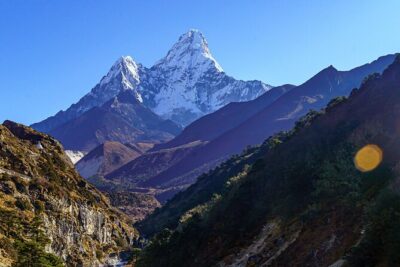
This is the “yes, we’re really here” stretch. You’ll cross toward the Khumbu Glacier area on the way to Base Camp, and you’ll likely notice how the trail feels different—more stark, more exposed, with the altitude always present in the background.
Kalapatthar matters because it’s higher than Base Camp and it gives you that elevated perspective people talk about. Even if clouds roll in, the effort still earns you a stronger view of the surrounding peaks and the glacier zone. Then you descend to Pheriche, which is your body’s reward for surviving the high day.
Days 11–13: retracing your steps back to Namche, then Lukla, then Kathmandu
Day 11 takes you from Pheriche to Namche Bazaar (3446m) for about 6–7 hours. Day 12 goes Namche to Lukla (2860m) in 5–6 hours, and Day 13 is the flight back to Kathmandu.
This return isn’t just “same trail, fewer views.” The downward direction can feel easier on the lungs but harder on the knees. You’ll also see the emotional contrast: the first time you walk into Namche feels like anticipation; the return can feel like relief mixed with that post-Everest quiet.
Day 14 is departure, and your trip ends back at the meeting point.
Tea houses, meals, and staying comfortable when the air gets thin
The package includes lodge/tea house accommodations during the trekking days and includes lunch, dinner, and breakfast while on the trail. That matters because it removes one common stressor: you’re not stopping to negotiate meal costs at every altitude step.
Even with included meals, you’ll still want to plan for personal comfort. Hot drinks can help, and you should expect bottled or boiled water decisions to be personal-expense territory since extra water and charging aren’t included.
A practical tip: pace your drinking and food. When you’re high, you can feel hungry but not want to eat much. Small, steady meals often work better than forcing big portions.
Guide, porter, and safety: what you’re really paying for
This is not a bare-bones “good luck” trek. You get an experienced, helpful and friendly guide, plus porters (1 porter for 2 clients). That ratio makes a big difference. It helps you keep energy for altitude, not for hauling your own gear up steep sections.
You also get travel and rescue arrangements and a first aid kit. That doesn’t remove the need for caution, but it signals that the operator is thinking about risk management, not just checklists. In past trips with this kind of team, the standout theme has been responsiveness when something goes wrong—especially around medical needs—because good guides know the right people and procedures quickly.
One more detail I appreciate: there’s a duffle bag that you return after the trek. That reduces the temptation to carry everything in a backpack. You’ll still carry your daypack, but you won’t be stuck hauling your whole life up the mountain.
Price and value: what $1,800 buys, and what you’ll still pay
At $1,800 per person for a 14-day Everest Base Camp trek, the value comes from what’s handled for you. Included are Kathmandu hotel nights, airport transfers, trekking meals (breakfast/lunch/dinner on trek days), permits (TIMS and Khumbu valley fees), guide and porter support, and the flights between Kathmandu and Lukla.
You also get the Kathmandu farewell dinner with cultural performance, plus company T shirts and basic medical supplies. Those extras don’t change the mountains, but they do change how smooth the trip feels.
What’s not included is important:
- Nepal visa fee and your international airfare
- meals in Kathmandu beyond what’s specified
- extra nights in Kathmandu if your schedule changes
- travel and rescue insurance (you need your own)
- mountain costs beyond the scheduled itinerary if weather delays flights
- personal costs like phone calls, laundry, hot showers, battery charging, and bottles/boiled water
- tips for your guide and porter
If you’re comparing prices, look at inclusions first. A cheaper trek can quietly shift costs to tips, permits, meals, or flight timing. Here, the structure is more “you’ll be fed and guided” than “you’ll figure it out.”
Who this trek fits well (and who should rethink)
This trek is for people with moderate physical fitness level, and the minimum age is 8 years. If you can walk several hours a day, keep a steady pace, and follow guidance, you’ll likely do well.
It’s also a good fit if you want authentic Sherpa village and monastery moments without spending your time chasing logistics. The route passes through places like Namche and Tengboche where you can feel the Khumbu culture, not just the Everest headline.
Who should think twice? If you don’t tolerate altitude uncertainty well, or if you’re expecting a casual walk at comfortable oxygen levels, this trip won’t match that expectation. Even with acclimatization days, you’ll still be hiking at high altitude.
My call: should you book this Everest Base Camp trek?
If your goal is the real Everest experience with less stress and more safety structure, I’d lean yes. The schedule has built-in acclimatization at the right moments, meals and lodging on trek days are handled, and support from guide and porter keeps you focused on the hiking.
Book this if you want a guided trek that handles permits and key planning steps, then lets the mountains do the talking. I’d especially recommend it for first-time EBC trekkers, families, and anyone who prefers a team-led approach over self-planning.
FAQ
What’s included in the trek price?
The package includes private airport pickup and transfers in Kathmandu, two nights in a 3* hotel in Kathmandu with breakfast, trekking meals (lunch, dinner, and breakfast during the trek), TIMS permit and Khumbu valley fees, necessary paper works, duffle bag (returned after the trek), a guide and porters (1 porter for 2 clients), lodge/tea house accommodations during the trek, travel and rescue arrangements, company T shirts, and a first aid kit. It also includes Kathmandu to Lukla flights and the return flights back to Kathmandu via Lukla.
What is not included?
Not included are the Nepal visa fee, international airfare, extra Kathmandu hotel nights if your schedule shifts, all meals in Kathmandu, costs in the mountains beyond the scheduled itinerary (for example, if weather causes delays), travel and rescue insurance, personal expenses like phone calls and laundry, hot showers and charging, bottle or boiled water, and tips for the guide and porter.
Where does the trek start and end?
It starts at Tribhuvan Airport in Kathmandu. The activity ends back at the same meeting point.
What time does the group start?
The listed start time is 7:00 am.
How many people are in the group?
This is a private tour/activity, so only your group participates. There is also a minimum of 2 people per booking.
Is there a minimum age requirement?
Yes. The minimum age is 8 years.
Will the trek operate in bad weather?
The tour operates in all weather conditions, so you should dress appropriately for mountain trekking conditions.
More Trekking Out of Kathmandu
More Tour Reviews in Kathmandu
Just Reviewed in Kathmandu
- Mountain Bike Tour
★ 5.0 · 3 reviews - Annapurna Panaroma
★ 5.0 · 3 reviews - Mount Everest Scenic Flight 50 Minutes
★ 5.0 · 3 reviews - Kathmandu : Swambhunath & Durbar Square Guided Half Day Tour
★ 3.3 · 3 reviews - Chandragiri Cable Car & Monkey Temple Tour – Private/Group
★ 5.0 · 3 reviews - Kathmandu: Shivapuri National Park Hiking Day Trip
★ 3.3 · 3 reviews
Everest Base Camp Treks, compared.
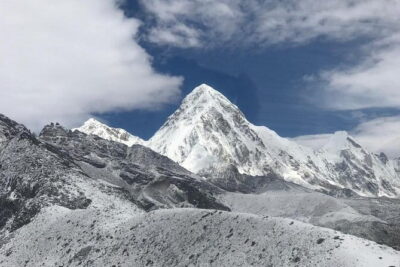 ★ 5.0Everest Base Camp Trek – 14 DaysFrom $1,8001,499 reviews
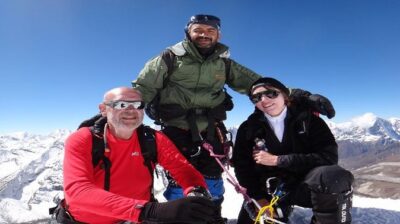 ★ 5.0Everest Base Camp TrekFrom $1,790842 reviews
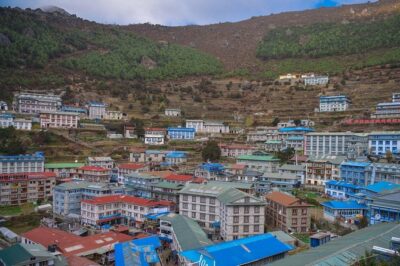 ★ 5.0Everest Base Camp TrekkingFrom $1,350485 reviews
 ★ 5.0Everest Base Camp Trekking – 13 DayFrom $1,399365 reviews
★ 5.0Everest Base Camp TrekFrom $1,445350 reviews
★ 5.0Everest Base Camp Trek -14 DaysFrom $1,420321 reviews
★ 5.0Everest Base Camp Trekking – 13 DayFrom $1,399365 reviews
★ 5.0Everest Base Camp TrekFrom $1,445350 reviews
★ 5.0Everest Base Camp Trek -14 DaysFrom $1,420321 reviews
 ★ 5.012 Days Everest Base Camp TrekFrom $1,099289 reviews
 ★ 5.0Everest Base Camp Trekking – 2025/2026From $1,339199 reviews
Browse the lists this tour appears in