
Review · EVEREST BASE CAMP TREKS
Everest Base Camp Trek – 14 Days
Everest Base Camp feels close on paper. This 14-day trek strings together the Lukla flight at 2,804 m, classic Sherpa villages, and a finish inside Sagarmatha National Park. It’s a real mountain journey, not a bus tour with photo stops.
I like two things right away. First, the route gives you real acclimatization days in places like Namche Bazaar and Dingboche, so the altitude feels more manageable. Second, the operator leans on experienced local people and strong coordination, with guides such as Sujan Nepal, TB, Shiva, and Dipak mentioned across past experiences. The main drawback to plan for is simple: this is a high-altitude trek that depends on weather, so you should expect possible schedule changes.
In This Review
- Key points I’d put on your checklist
- 6:15 am to Lukla: the Kathmandu start that sets the pace
- Phakding to Namche: Sherpa towns, Sagarmatha National Park, and Everest’s first tease
- Namche acclimatization and the Hillary Khumjung school day
- Tengboche and Dingboche: rhododendron trails, Ama Dablam views, and altitude play
- From Lobuche to Gorakshep and Base Camp: the Khumbu Glacier day
- Kalapatthar at 5,545 m and the H.M.A.R. hospital stop on the way back
- Price, included meals, and the tip + insurance reality
- Guide support that can save your trip: Binod Sapkota, TB, Sujan Nepal, Shiva, Dipak
- Should you book this Everest Base Camp trek?
- FAQ
- What time does the trek start and where do we meet?
- What are the main transportation steps for this trek?
- What is included in the price?
- Is pickup offered in Kathmandu?
- Do I get a porter to carry my luggage?
- What kind of guide will I have?
- What about accommodation in Kathmandu?
- What’s the fitness level requirement?
- Does this experience depend on weather?
- Are tips and travel insurance included?
Key points I’d put on your checklist
- Lukla flight timing matters: you start early (6:15 am) and fly about 35 minutes each way.
- Acclimatization is built in: Namche and Dingboche aren’t just “rest days,” they’re part of the strategy.
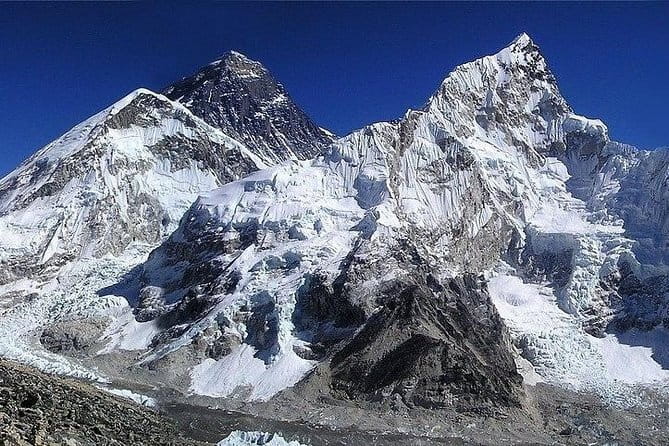
- You’ll hit the big view spots: Kala Patthar is the highest point of this route at 5,545 m.
- Glacier scale day: the Khumbu Glacier walk takes you toward Gorakshep and Base Camp.
- Porter support is included: one porter for every two trekkers, so you carry less.
- Meals and permits are included: that reduces day-to-day decision stress.
More trails out of Kathmandu, boots ready
- Everest Base Camp Trek – 14 Days★ 5.0 · 1,499 reviews
- Everest Base Camp Trek★ 5.0 · 842 reviews
- Everest Base Camp Trekking★ 5.0 · 485 reviews
- Nagarkot Sunrise View and Day Hiking from Kathmandu★ 5.0 · 471 reviews
6:15 am to Lukla: the Kathmandu start that sets the pace
Your trek begins in Kathmandu, with an airport representative meeting you outside the terminal holding a Nepal Trek Adventure and Expedition signboard. The plan includes pickup offered, and you start from Tribhuvan International Airport at 6:15 am. If you’re the type who gets anxious when details aren’t confirmed, this kind of front-end organization is a comfort.
Day-to-day, you’ll spend two nights in Kathmandu in a 3-star hotel or similar before heading out. That matters because Everest trips are logistically heavy: getting enough sleep in Kathmandu makes it easier to handle the early start and the flight-day nerves.
Then comes the signature moment: a scenic, 35-minute flight from Tribhuvan to Tenzing-Hillary Airport in Lukla (2,804 m). After landing, you’ll hike to Phakding (2,610 m). The route drops you slightly in elevation right away, following the Dudh Kosi River before it reconnects with the main trail. For me, that first day reads like a gentle on-ramp: enough movement to feel like you’re trekking, not so much that you’re immediately cooked.
A practical consideration: Lukla and early flights can feel rushed if you’re not packed and layered. If you tend to run late, plan to be early anyway.
Phakding to Namche: Sherpa towns, Sagarmatha National Park, and Everest’s first tease
After Phakding, the hike pushes you into the Everest region through forests, traditional villages with plowed fields, and yak pastures. As you approach the entrance to Sagarmatha National Park, the scenery shifts from cozy village trails into the kind of mountains that make your brain go quiet.
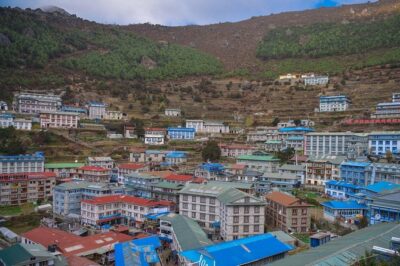
Namche Bazaar is the big hub on this itinerary. It’s described as the largest Sherpa village in the Khumbu region, and it’s where expeditions and trekking groups start. You also get a useful practical break here: there’s time to buy last-minute items like chocolate if you forgot to grab supplies in Kathmandu.
The “why this part matters” version is pretty straightforward. You’re not just walking through villages; you’re learning the rhythm of the Sherpa community in the place where mountain life is normal. That makes the later, higher stops feel less like you’re dropped into a random wilderness and more like you’re meeting the Everest world step by step.
One drawback to keep in mind: Namche is your acclimatization anchor, so you’ll likely feel slower than you expect. That’s normal. The trip is designed so you don’t treat altitude like it’s a minor inconvenience.
Namche acclimatization and the Hillary Khumjung school day
This trek intentionally gives you a full day to acclimatize in Namche Bazaar. The idea isn’t to “do nothing,” it’s to help your body adapt while keeping your legs moving. The plan offers options like hiking around the area or visiting the school in Khumjung that Sir Edmund Hillary built as a thank-you to the Sherpas who supported his climb.
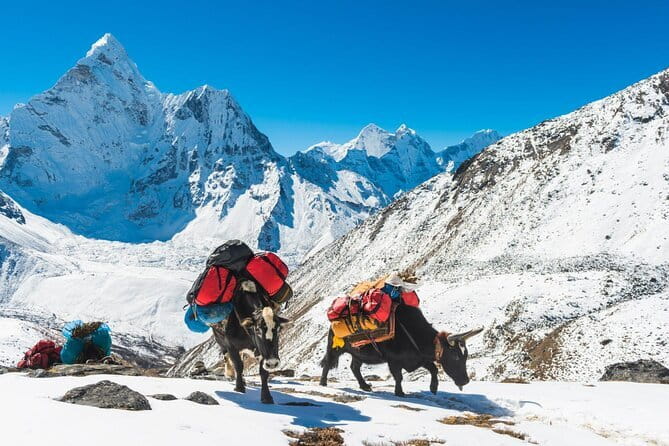
I like how the day is structured around choice. If you want gentle movement, there’s hiking. If you want culture and context, there’s the Hillary connection and the chance to slow down and take in village life. Either way, you get views: from this altitude you can often spot peaks like Kwangde, Thamserku, Kangtega, Nuptse, Lhotse, Ama Dablam, and—on clear days—Mount Everest itself.
Why it’s valuable: acclimatization days on Everest aren’t just “nice.” They’re the difference between feeling like a trek is a challenge and feeling like your body is fighting you. You also get to practice how you’ll pace yourself for the rest of the mountain.
One consideration: acclimatization can still feel tough. You might start thinking about oxygen even at Namche heights (2,713 m). That’s your cue to keep your effort moderate, not to prove anything.
Tengboche and Dingboche: rhododendron trails, Ama Dablam views, and altitude play
Leaving Namche, you head toward Tengboche and then onward. The walk is described as a gradual climb, with sections that pass near steep slopes. Tengboche is known in this route for forests, pine trees, small waterfalls, and colored rhododendrons that create a strong visual contrast against the greener lower valleys.
You’ll also stop for lunch at 3,680 m, and the itinerary notes a stop connected to Lama Sange Dorje’s birthplace. Whether you’re into spiritual stories or just want a reason to pause, these details make the day feel anchored in place instead of feeling like a long grind.
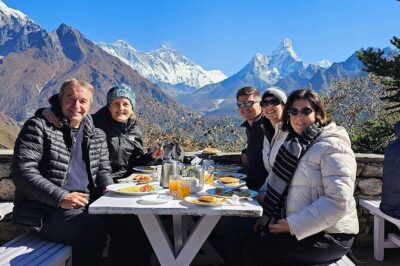
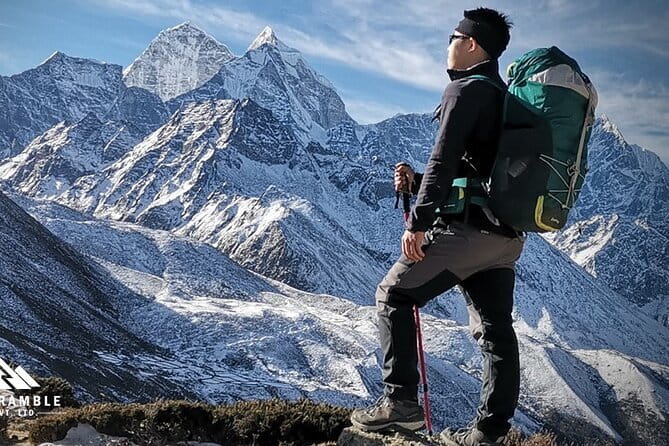
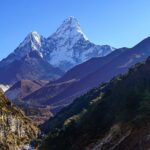
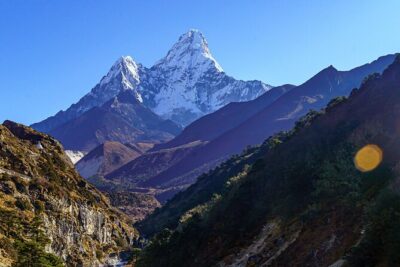
Next comes Dingboche at 4,410 m. This is another key acclimatization moment. The route describes lower and upper trail options (with stops like Gopma, 120 meters above the lower settlement), plus crossing alpine meadow areas above the tree line. When hikers reach Dingboche, you’re right at the point where the air feels thinner and the views sharpen: Ama Dablam, the Imja River, and surrounding peaks.
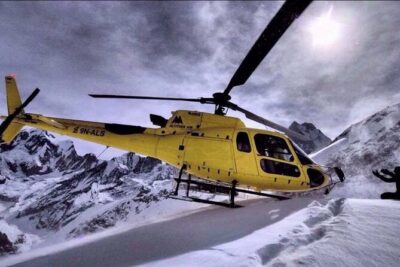
Dingboche also adds a human touch that I really appreciate: it’s where the plan mentions places like Moonlight Lodge, an Internet Cafe, and even a billiards hall near the helicopter landing pad. You’re still high in the mountains, but you’re not trapped in discomfort.
Then comes the “altitude play” day off in Dingboche. You can climb toward Chhukung Ri (5,550 m) for views of Makalu, Ama Dablam, and Baruntse, or hike around Chhukung village (4,730 m). Lunch options include Hotel Bright Star, and the itinerary notes returning to Dingboche after.
This is one of the best-designed parts of the trip. You can choose your effort level, which helps you keep acclimatization working instead of sabotaging it.
From Lobuche to Gorakshep and Base Camp: the Khumbu Glacier day
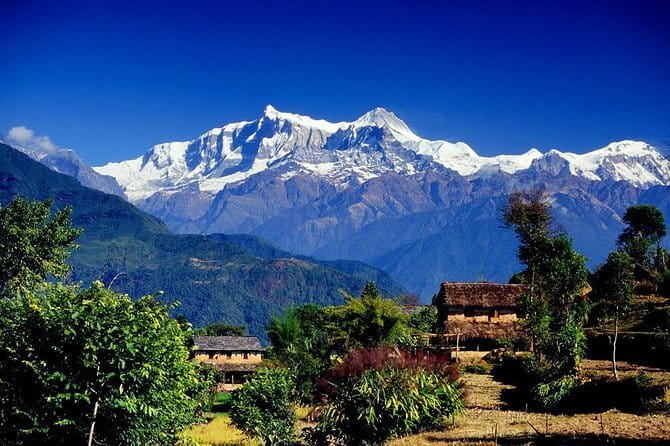
As you climb higher, the trek shifts from village-and-forest to open mountain. The route to Lobuche starts from Dughla and passes through places like Dusa and yak fields. Lobuche sits at 4,910 m, and the itinerary points out a major change above the tree line: paths can be empty and snow-covered, with no green hills around.
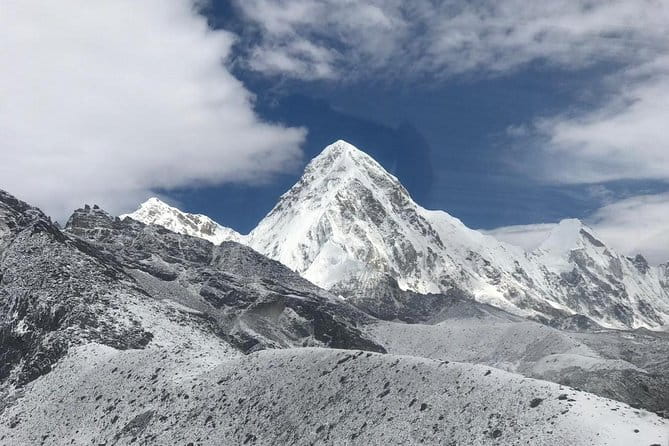
There are also no Sherpa villages staying in Lobuche on this route, which may sound intimidating until you realize it often means calmer nights and more focus on the mountains themselves. The views here are called out for Tawache, Pumari Peak, and Cholaste, and if you like big-scale scenery, this is where it starts to feel real in your bones.
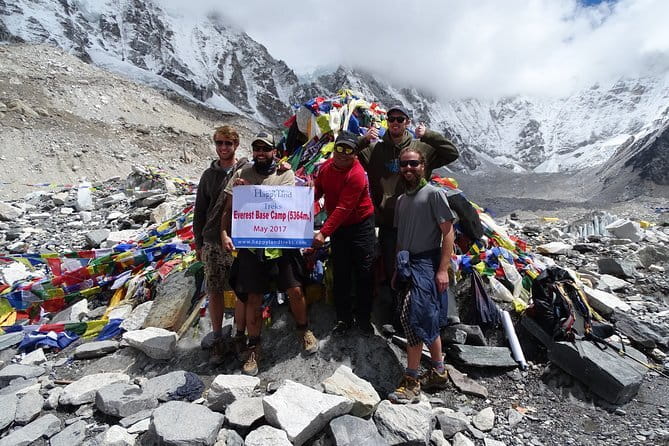
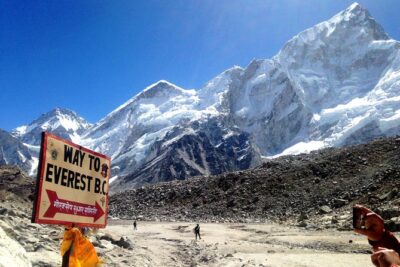
Next day is the “glacier corridor” stage. From Lobuche to Gorakshep, it’s estimated at 2 to 3 hours. At around 4,900 m, you reach the Khumbu Glacier area. The trek notes it as the world’s tallest glacier, about 12 km long, and shaped in a moon-like way. You’ll spend time exploring ice formations and small water pools before reaching Everest Base Camp, then return to Gorakshep.
This is the day that tends to stick. Base Camp is described as where mountain climbers start their journey to the top of the mountain, and the emotional effect is spelled out as hard to put into words. Even if you’re not chasing an emotional moment, the scale is undeniable: glacier textures, thin air, and Everest feeling close in a way that doesn’t match normal life.
A consideration: this part can feel cold and exposed. Even when the trail is clear, the environment changes fast.
Kalapatthar at 5,545 m and the H.M.A.R. hospital stop on the way back
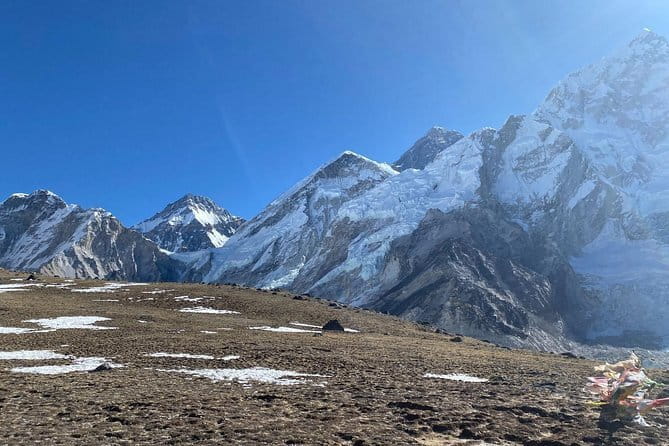
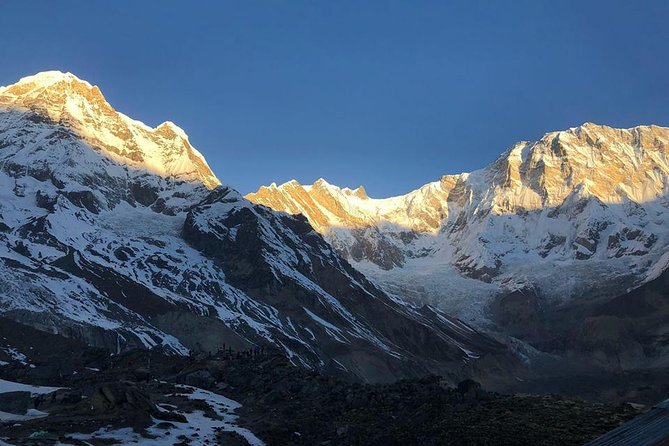
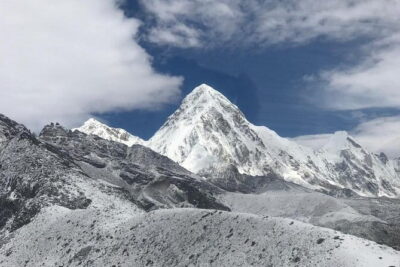
The highest point on this Everest Base Camp route is Kalapatthar at 5,545 m. The itinerary has you walk toward it and then enjoy a close-up view of Mount Everest, Ama Dablam, and Pumori Peak, along with surrounding glaciers. This is also where many people feel the “I came this far” logic click into place.
On this day, the plan includes a stop to visit H.M.A.R. hospital, built in 1975, or a nearby village at 4,371 m. I like that the trek doesn’t treat the mountains as pure spectacle. It reminds you there’s healthcare and human effort tied to the climbing world.
After Kalapatthar, you head down and work your way back toward Lukla. The return route is described as easier walking, with lots of brief stops for mountain views, passing through places like Orsho, Somare, Pangboche, and Tengboche on the way back to Namche.
When you reach Lukla, this itinerary adds a morale-building touch: it’s described as a chance to talk as a group about what each person did to make the trek happen. You’ll also have time in the afternoon to relax with a hot shower, then in the evening have drinks and dance with the group. It’s simple, but it helps turn a tough trek into a story you can actually share.
Finally, you fly back to Kathmandu with a second 35-minute scenic flight, and you’ll be taken back to the hotel where you started.
Price, included meals, and the tip + insurance reality
At $1,800 per person, this price feels less like just “walking services” and more like packaged logistics. It includes all permits, the Kathmandu–Lukla–Kathmandu flights, two nights in Kathmandu (3-star hotel or similar), an English-speaking guide with 10+ years of experience, and a porter (for 2 guests sharing 1 porter). It also includes meals: 10 lunches, 10 dinners, and 12 breakfasts. That’s a big deal in a place where every decision costs time and energy.
The trek also caps at a maximum of 15 travelers, which usually helps the group feel manageable rather than chaotic. Group discounts are noted too, so if you’re booking with friends, ask how that’s handled.
What you should budget beyond the trip price is clearly stated: tips for the guide and porter are not included and tipping is expected. You’ll also need travel insurance covering both medical and emergency evacuation. And anything not listed in the included section is on you.
If you’re trying to decide whether this is “worth it,” here’s my simple test: when a trip includes flights, permits, guide experience, porter support, and most meals, you’re paying for fewer headaches. For Everest, fewer headaches is not a luxury—it’s part of staying safe.
Guide support that can save your trip: Binod Sapkota, TB, Sujan Nepal, Shiva, Dipak
One reason I take this operator seriously is how often the same names show up in past experiences with strong praise for service and planning. Binod Sapkota, for example, is described as engaged from the start to the end and involved in briefing and preparation. Guides like Sujan Nepal, TB, Shiva, and Dipak are repeatedly called out for going above and beyond and helping the trip run smoothly.
I also like that this team is portrayed as practical when weather or other problems hit. One past experience notes switching plans due to flight issues and ending up with a different trek instead. Another mentions rapid help in a medical situation and getting someone off the mountain quickly via helicopter return, with follow-up back to a hospital in Kathmandu.
You should still plan like things will go exactly as scheduled only when conditions are good. But it’s reassuring to know the operator has shown the ability to adjust without turning your vacation into a puzzle.
Should you book this Everest Base Camp trek?
Book it if you want the classic Everest Base Camp experience with built-in acclimatization, a clear path from Lukla into Namche, and a top finish at Kalapatthar (5,545 m) for those close Everest views. This is also a good match if you value organization: included flights, permits, guide time, porter help, and most meals take real pressure off.
Skip it (or at least think hard) if you’re not comfortable with high altitude, or if you’re relying on perfect weather. This trek requires good conditions, and you’ll also need to bring insurance and plan for tipping.
If your goal is to see Everest from the places trekkers actually reach—and you can handle the climb—this is a solid way to do it.
FAQ
What time does the trek start and where do we meet?
The start time is 6:15 am, and the meeting point is Tribhuvan Airport in Kathmandu.
What are the main transportation steps for this trek?
You take a flight from Kathmandu to Lukla (about 35 minutes), then hike through the Everest region, and finally fly back from Lukla to Kathmandu (about 35 minutes).
What is included in the price?
Included are trekking permits, the round-trip flights Kathmandu–Lukla–Kathmandu, two nights in Kathmandu in a 3-star hotel or similar, an English-speaking guide (10+ years), a porter (2 guests sharing 1 porter), and meals (10 lunches, 10 dinners, 12 breakfasts).
Is pickup offered in Kathmandu?
Yes, pickup is offered.
Do I get a porter to carry my luggage?
Yes. The package includes a trekking porter for carrying your luggage, shared by two guests (one porter for two trekkers).
What kind of guide will I have?
You’ll have an English-speaking trekking guide with 10+ years of experience.
What about accommodation in Kathmandu?
You get two nights in Kathmandu in a 3-star hotel (or similar).
What’s the fitness level requirement?
Travelers should have a moderate physical fitness level.
Does this experience depend on weather?
Yes. It requires good weather. If it’s canceled due to poor weather, you’ll be offered a different date or a full refund.
Are tips and travel insurance included?
No. Tips for the guide and porter are not included and tipping is expected. Travel insurance is also not included, and it must cover both medical and emergency evacuation.
More Trekking Out of Kathmandu
More Tour Reviews in Kathmandu
Just Reviewed in Kathmandu
- Mountain Bike Tour
★ 5.0 · 3 reviews - Annapurna Panaroma
★ 5.0 · 3 reviews - Mount Everest Scenic Flight 50 Minutes
★ 5.0 · 3 reviews - Kathmandu : Swambhunath & Durbar Square Guided Half Day Tour
★ 3.3 · 3 reviews - Chandragiri Cable Car & Monkey Temple Tour – Private/Group
★ 5.0 · 3 reviews - Kathmandu: Shivapuri National Park Hiking Day Trip
★ 3.3 · 3 reviews
Everest Base Camp Treks, compared.
 ★ 5.0Everest Base Camp Trek – 14 DaysFrom $1,8001,499 reviews
 ★ 5.0Everest Base Camp TrekFrom $1,790842 reviews
 ★ 5.0Everest Base Camp TrekkingFrom $1,350485 reviews
 ★ 5.0Everest Base Camp Trekking – 13 DayFrom $1,399365 reviews
★ 5.0Everest Base Camp TrekFrom $1,445350 reviews
★ 5.0Everest Base Camp Trek -14 DaysFrom $1,420321 reviews
★ 5.0Everest Base Camp Trekking – 13 DayFrom $1,399365 reviews
★ 5.0Everest Base Camp TrekFrom $1,445350 reviews
★ 5.0Everest Base Camp Trek -14 DaysFrom $1,420321 reviews
 ★ 5.012 Days Everest Base Camp TrekFrom $1,099289 reviews
 ★ 5.0Everest Base Camp Trekking – 2025/2026From $1,339199 reviews
Browse the lists this tour appears in