
Review · EVEREST BASE CAMP TREKS
Everest Base Camp Trek – 14 Days
Everest Base Camp feels close, then far. This trek is interesting because you move through the heart of Khumbu villages while building altitude gradually, and you’re set up for the big payoff at Kalapaththar (5545m). I like how the schedule supports acclimatization with built-in rest and optional hikes around Namche and Dingboche, and I also like the practical organization—airport pickups, pre-booked lodge nights in the mountains, and support from staff such as Ghan (who’s been praised for responsiveness). The main drawback is obvious but real: it’s cold, it’s demanding, and at these heights you have to pace yourself and take altitude seriously even if you feel good on day one.
What you’ll notice from the start is how the trip balances serious mountain walking with human-scale moments. You fly to Lukla at sunrise and then settle into the rhythm of tea houses, pine and rhododendron forests, and small villages like Phakding and Namche Bazaar, where you can actually breathe while still exploring. You’ll also spend time in places with monasteries and local culture, including Tengboche Gompa and later the older monastery in Pangboche.
One more thing I appreciate: it’s built like a structured journey for people who want less guesswork. It’s a private activity, your group stays together, and you’ll have a crew meeting you early in Lukla—so you’re not piecing logistics together with strangers. Still, remember you’re paying for comfort and organization, but Kathmandu food outside the trek, international airfare, and tips are on you.
In This Review
- Key moments I’d plan around
- Why this Everest Base Camp trek works over 14 days
- Kathmandu warm-up: airport pickup and a real hotel base
- Lukla to Phakding: first Himalayan views and tea-house reality
- Namche Bazaar: acclimatization that still feels like a trip
- Tengboche and the monastery stop that breaks the altitude grind
- Dingboche acclimatization and the optional peak-bagging mindset
- Lobuche to Everest Base Camp: the day that earns its hype
- Gorakshep and Kalapaththar: the sunrise payoff at 5545m
- The return downhill: Dumplings of the soul, suspension bridges, and Lukla again
- Flight day to Kathmandu: celebrate, but don’t ignore rest
- Price and value: is $1,099.06 a smart deal?
- How to pace yourself for 5545m without burning out
- Who should book this Everest Base Camp plan
- Should you book Everest Base Camp with Himalayan Partner Treks?
- FAQ
- How long is the Everest Base Camp trek?
- What is the highest altitude on this trek?
- Where does the trek start?
- How do you get to the trek from Kathmandu?
- What towns does the trek pass through?
- Is a hotel stay included in Kathmandu?
- What meals are included during the trek?
- Is the Lukla flight included both ways?
- Is international airfare included?
- Is free cancellation available?
Key moments I’d plan around
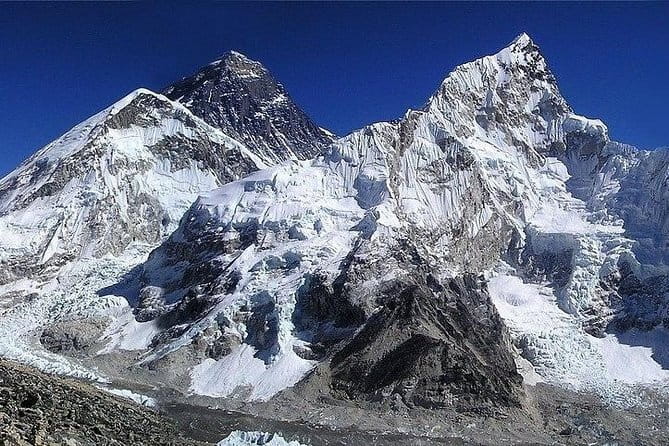
- Kalapaththar sunrise day (5545m): early starts, big views, and the hardest push.
- Namche Bazaar acclimatization: short hikes to help your body adjust while you explore the town.
- Tengboche and Pangboche monasteries: cultural stops that break up the altitude grind.
- Base Camp day structure: the long morning walk to Everest Base Camp and back with timing that matters.
- The return via suspension bridges: slower downhill days that still keep your legs busy.
- Support that shows up: praised staff help with smooth connections from Kathmandu to Lukla and back.
More trails out of Kathmandu, boots ready
- Everest Base Camp Trek – 14 Days★ 5.0 · 1,499 reviews
- Everest Base Camp Trek★ 5.0 · 842 reviews
- Everest Base Camp Trekking★ 5.0 · 485 reviews
- Nagarkot Sunrise View and Day Hiking from Kathmandu★ 5.0 · 471 reviews
Why this Everest Base Camp trek works over 14 days
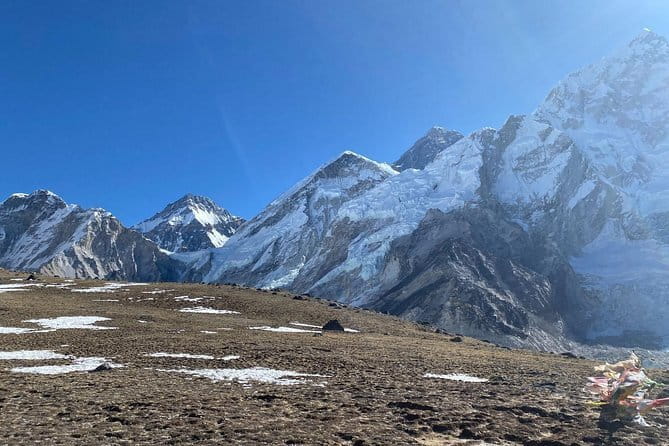
A lot of Everest Base Camp problems aren’t about courage. They’re about pacing, weather, and making sure your body gets a chance to adjust. This 14-day version tries to solve those issues with a sensible rhythm: a first week of steady elevation through classic Khumbu villages, then an acclimatization pattern around Namche Bazaar and Dingboche, and only then the longer, more altitude-heavy push toward Gorakshep, Base Camp, and Kalapaththar.
You also get a clear route pattern: fly into Lukla, walk down to Phakding, go up to Namche Bazaar, continue through Tengboche, and then work your way higher through Dingboche, Lobuche, Gorakshep, and Everest Base Camp. The return isn’t just a victory lap. It’s a real trekking experience again—down and across villages, monasteries, forests, and river crossings—until you’re back at Lukla for the flight to Kathmandu.
If you like the idea of Everest Base Camp but want a plan that takes acclimatization seriously (instead of treating it like a checkbox), this one fits that mindset.
Kathmandu warm-up: airport pickup and a real hotel base
Day one starts in Kathmandu with an airport representative meeting you at Tribhuvan International Airport. From there, you get taken by private vehicle to your hotel for an overnight stay. If you’ve arrived tired from an international flight, this matters. It removes one stressful unknown: how to get from the airport to your room when you’re already half-asleep and the city feels chaotic.
Your Kathmandu lodging is a 3-star hotel with breakfast for two nights total across the trip (one night at the beginning, then another after you return from the mountains). That’s a practical value point: you get actual bedding, a shower setup you can trust, and a place to sort gear without trekking again the same day.
Also, the starting point is in Thamel, near public transportation, and the tour’s office is on Thamel Marg (3rd floor). That’s useful if you need last-minute help with anything before your early start.
Lukla to Phakding: first Himalayan views and tea-house reality
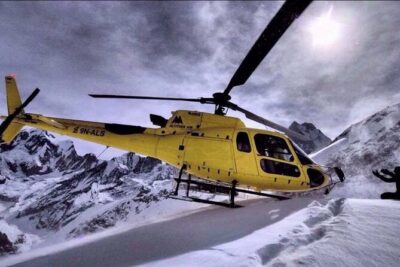
On day two, you leave Kathmandu for the domestic flight to Lukla. The schedule is built around an early morning departure, and the flight itself is a highlight—sunrise light hitting snowcapped peaks is the kind of moment that convinces you you’re really in the mountains.
When you land at Tenzing-Hillary Airport, the trek begins right from the airport area. You meet the crew, then walk toward Phakding for your first tea house night. This is one of the best parts of the whole EBC trek experience: you aren’t hit with extreme altitude immediately, and you’re still surrounded by big scenery while your legs learn the pace.
What to know here: even the “easy” first days can feel slow because your body is adapting to trekking rhythm and thin air. Don’t chase speed. Aim for steady breathing and short stops.
Namche Bazaar: acclimatization that still feels like a trip
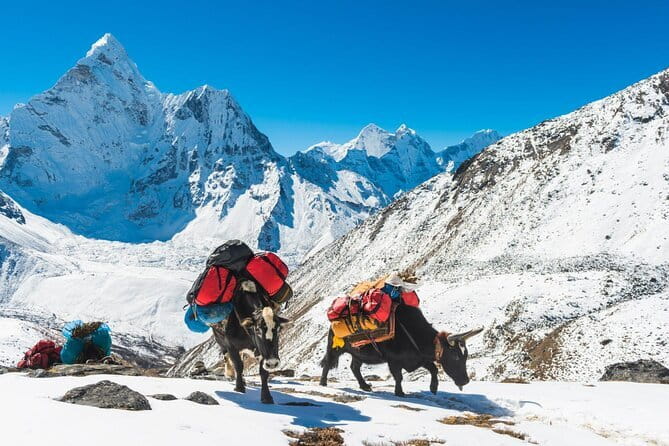
Getting to Namche Bazaar is a bigger moment than a simple stop on the way. The route goes through pine forests and alongside rivers, and you pass a checkpoint entering Sagarmatha National Park. That transition—from lower foothill feel to high mountain trekking rules and attitudes—hits fast.
When you reach Namche, you’re welcomed by the first real jaw-drop ridge views, including the classic perspective of Everest-area peaks (and Lhotse/Nuptse ridgelines mentioned along the way). Then the schedule gives you what many people need most: time.
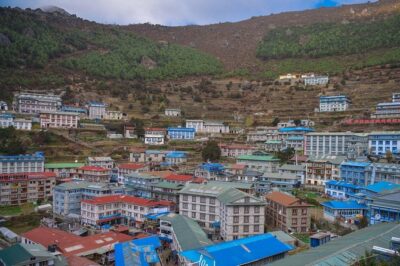
Namche is also where your trek turns into a real town. It has the basics that make life easier at altitude: ATMs, internet cafes, restaurants, and bakeries. You’ll also have an acclimatization rest day. Instead of pushing higher just to say you did, you can hike to a nearby viewpoint such as Thame or Khunde and then visit the Tourist Visitor Center for context about Everest climbers, Sherpa culture, and the local flora and fauna.
In past client notes, support from staff like Ghan has been praised as part of the overall smooth experience. That kind of responsiveness matters here because acclimatization isn’t only your body—it’s also making good choices about what hikes to do and how fast to move.
Tengboche and the monastery stop that breaks the altitude grind
After Namche, the trek continues through juniper and rhododendron forests with big mountain views along the trail. This is where the walk feels more alive than strictly utilitarian. You’re crossing through changing forest types, and you get repeated glimpses of peaks as the trail rises and curves.
The destination day is Tengboche, home to the Tengboche Gompa, described as the biggest monastery in the region. Even if you’re not a religious person, this stop gives you something different from just walking: a sense of place, local rhythm, and a break from the constant measuring of altitude.
The practical upside: monasteries are often central points in the valley where tea houses and community services are well established. In rough weather, that can mean you’re not scrambling for shelter or routing.
Drawback to keep in mind: this region can be cold, and monastery days often come with early mornings and slower energy. Bring layers you can manage while walking, not just layers for standing still.
Dingboche acclimatization and the optional peak-bagging mindset
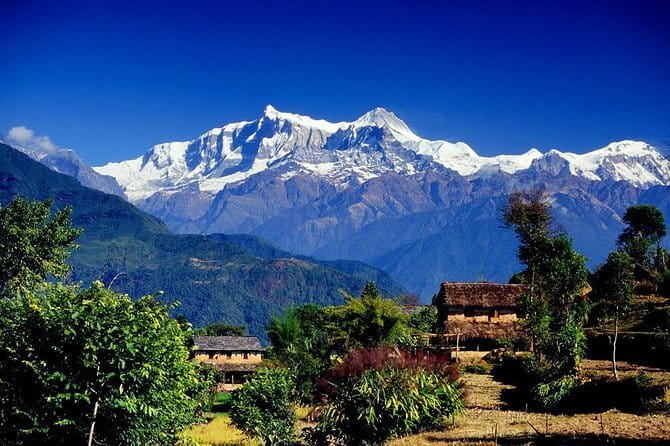
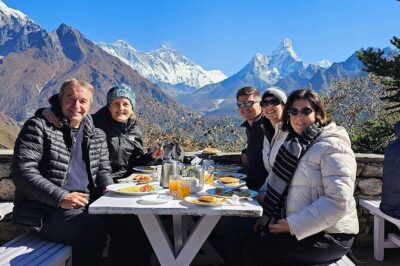
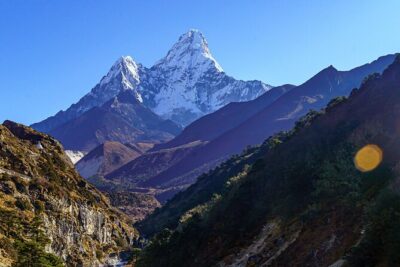
Your next step up is toward Dingboche, passing a sequence of smaller villages and crossing terrain that gradually changes character as altitude rises. You’ll see panoramic mountain views along the way, including peaks such as Ama Dablam, Lhotse, Nuptse, Thamserku, and others mentioned for the route’s viewpoints.
Dingboche then gives you your second acclimatization style day. You can choose a hike option like Chhukung Ri (5546m) or Nangkartshang Peak (5083m), or you can keep it calmer with short walks around Dingboche and nearby settlements like Chhukung and Imja. This is a great design for real humans: some days you feel better and want more. Other days you just need to move gently and recover.
One thing I like about building in optional hikes is that it lets you match the trek to your energy, not your ego. If you go for the higher viewpoint, remember you still have to hike down after. Going too hard on acclimatization days can cost you later.
In the client notes, guides and porters like Santosh Tamang and others have been praised for care and support, including helping prevent injuries. That kind of guidance becomes more important when you’re deciding whether to add a higher side hike.
Lobuche to Everest Base Camp: the day that earns its hype
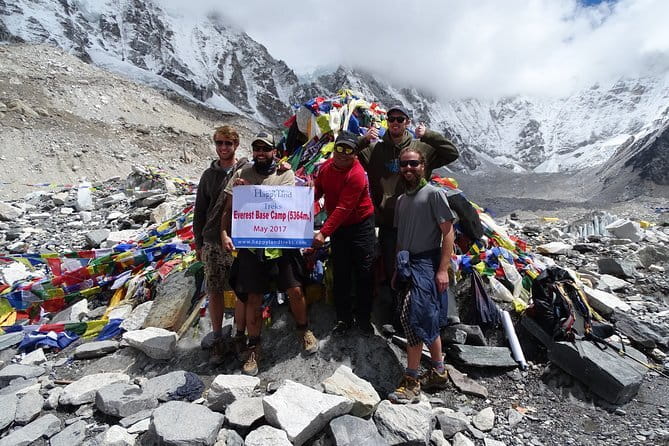
Once you reach Lobuche, the route begins to feel more high-alpine than village-to-village. You walk steep sections near the terminal moraine area and then move into a terrain that’s more about rock, wind exposure, and wide views than forest comfort.
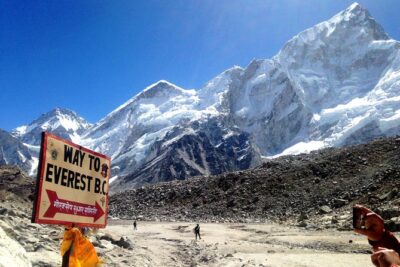
The Base Camp approach day is the centerpiece: you go from the higher staging area toward Everest Base Camp (5364m) and continue on to Gorakshep for the overnight. This day is listed as a key event in the plan, and it’s easy to see why. The walking time is long enough that you should expect a full-day effort, even if your altitude is manageable.
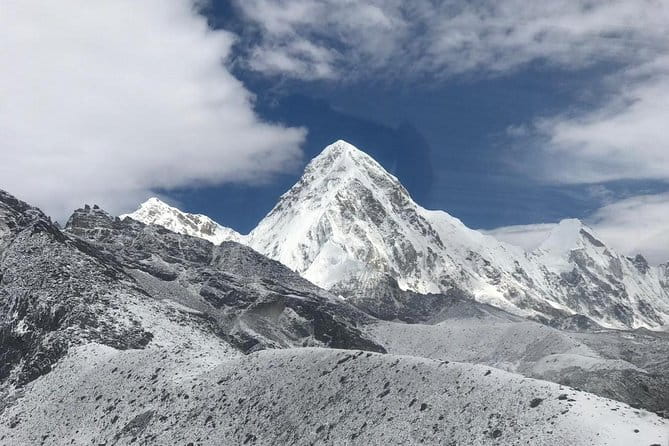
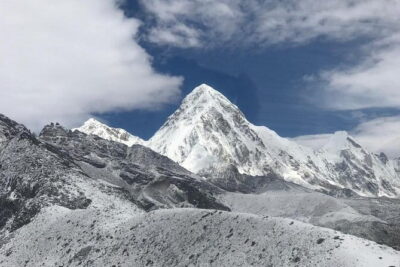
As you go, you get 360-degree panoramic views from points along the route, including areas where Mount Nuptse and Pumori are visible in strong ways. The Base Camp area itself is often about reaching the site, absorbing the scale, and then turning around before your legs and lungs revolt.
Practical advice: eat early and often. Don’t wait until you feel awful. Hydrate steadily. In these altitudes, a small dehydration mistake can turn a normal hike into a rough one.
Gorakshep and Kalapaththar: the sunrise payoff at 5545m
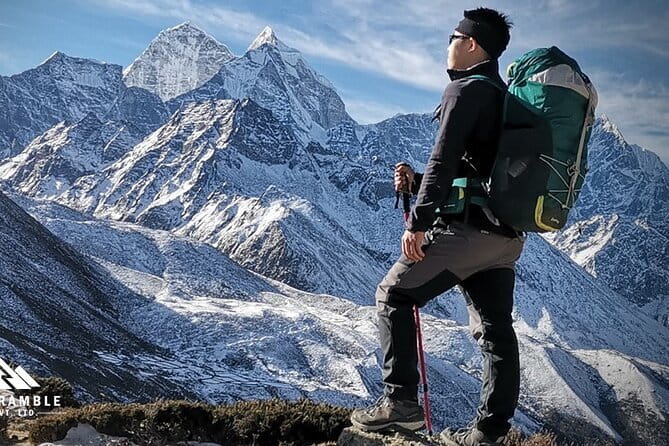
The next day is set up to catch the mountain light early. The trek starts much earlier so you can witness the glimpse of Everest when daylight spreads.
This is also your climb to Kalapaththar (5545m), described as the highest altitude covered in the trip. Expect several hours of ascent, and expect that pacing matters more than speed. The route guidance specifically mentions pausing to catch breath while taking photos. That’s smart advice. Photos are nice, but breath comes first.
From Gorakshep and the Kalapaththar vantage area, you get panoramic Himalayan views, with multiple peaks visible across the horizon. You may also notice that Everest isn’t always framed the way people imagine from the first time they look at photos. Part of the realism here is learning how the mountains actually sit together from ground level.
The real value isn’t only one view. It’s the whole morning arc: cold wind, early light, and that feeling of being above your own expectations for a moment.
The return downhill: Dumplings of the soul, suspension bridges, and Lukla again
After the high day, the trip shifts into a downhill mode that still requires focus. From Kalapaththar/Gorakshep, you descend toward Pheriche after lunch. Then you continue the return through villages such as Duglha, Pheriche, Orsho, Shomare, and Pangboche.
Pangboche is one of the more interesting cultural stops on the way back because it includes an older monastery and a story element tied to local legend—something about the monastery having the legend of storing scalp and bones of Yeti. Whether you treat that story as legend or folklore, it adds color and local voice to a day that might otherwise feel like just retracing steps.
The route keeps crossing river systems. It mentions bridges over the Dudh Koshi River and Dudh Koshi gorge. Those crossings can be surprisingly emotional after days of monotone trail—one more reminder that these valleys have real communities and routines, not only tourists and trekkers.
Eventually you work back toward Lukla. The final trekking day is described as a steep downward trail, with a suspension bridge, slow controlled steps on rocky terrain, and a descent through open plain and rhododendron forest. Then it’s lodge night in Lukla.
Flight day to Kathmandu: celebrate, but don’t ignore rest
Day thirteen brings your mountain flight from Lukla back to Kathmandu. From there, you get time for shopping and easy walking around the city, then an evening celebration acknowledging you finished the trek.
This is also where I suggest you keep your expectations simple: you’ve done hard altitude walking for nearly two weeks. Don’t plan a marathon of activities in Kathmandu right away. Instead, aim for a few enjoyable hours—shoes replaced, gear checked, photos sorted—and then sleep.
Price and value: is $1,099.06 a smart deal?
At $1,099.06 per person, the key value question is what you’re paying for beyond the trek itself.
Here’s what the package covers from the information you provided:
- 14 nights total: 2 nights in Kathmandu in a 3-star hotel with breakfast, plus 12 nights in the mountains (lodges/tea houses).
- Airport pickup and drop by private car in Kathmandu.
- Both-way flights between Kathmandu and Lukla (the trek includes these mountain-air connections).
- Pick up/drop to Ramechhap by sharing bus or car if you prefer private for an extra fee.
- Meals on trek days: 3 meals per day (breakfast, lunch, dinner) including coffee and tea.
- All taxes, fees, and handling charges are included.
- Mobile ticket is mentioned.
What’s not included:
- International airfare and Nepal visa fee.
- Food in Kathmandu beyond what’s bundled.
- Tips for guides, porters, and driver.
So what does that mean for value? You’re paying to remove a lot of common friction points: arranging lodge nights, handling the Lukla flights, and keeping daily meals consistent at altitude. For a trek this big, reducing guesswork can be worth a lot.
Could you do it cheaper by DIY-ing? Possibly, but you’ll pay in time, risk, and stress. You’d also need experience managing altitude plans and lodge availability. For many people, paying for organization is the trade that makes Everest Base Camp possible without turning into a logistics project.
How to pace yourself for 5545m without burning out
Even if you’re in decent shape, Everest Base Camp is a full-body training program. The mountain punishes sloppy pacing more than it punishes raw athleticism.
Use these practical rules:
- Treat acclimatization days as real training, not free days. On rest days around Namche and Dingboche, you can explore or do optional peaks, but don’t race upward just to prove something.
- Expect cold and slow walking. The plan includes long hiking days, including the Base Camp push and the Kalapaththar ascent. Slow is the fastest way to arrive safely.
- Keep your hands and feet warm. Cold at altitude isn’t only uncomfortable; it can reduce grip and make walking riskier on rocky sections.
- Hydrate early. Don’t wait until you’re thirsty. Thin air and dry weather can trick you.
In the client feedback, the strongest recurring praise is about support and safety-minded guidance. People credited their guides for care and help during the trek. That aligns with what you’ll need most: someone who can help you decide when to push and when to protect your body.
Who should book this Everest Base Camp plan
This is a strong fit if you:
- Want a classic Everest Base Camp route with real acclimatization time.
- Prefer lodging and meals arranged for you, especially during the higher days.
- Like cultural stops, including monasteries such as Tengboche Gompa and the older monastery in Pangboche.
- Want a trip where your group stays together as a private activity.
It may not be the best fit if you:
- Get easily discouraged by long walking days (the plan includes full trekking days around Base Camp and Kalapaththar).
- Haven’t done trekking at altitude before and don’t plan to follow pacing advice.
Should you book Everest Base Camp with Himalayan Partner Treks?
If your goal is Everest Base Camp without turning your trip into a logistics puzzle, I’d put this package near the top of your list. The structure around acclimatization, the inclusion of meals, and the airport-to-hotel-to-mountain support add up to real value, not just a brochure promise.
I’d book it if you’re comfortable with a serious physical challenge and you want a guided, organized experience where someone else handles lodge booking and the flight connection to Lukla. If you’re unsure about your fitness, you still can choose conservative options on acclimatization days and focus on getting to Kalapaththar (5545m) and back in good shape.
FAQ
How long is the Everest Base Camp trek?
The tour is 14 days approximately.
What is the highest altitude on this trek?
The highest altitude covered is Kalapaththar at 5545m.
Where does the trek start?
It starts in Kathmandu, Nepal, with a meeting point at Himalayan Partner Treks & Expedition in Thamel.
How do you get to the trek from Kathmandu?
You fly from Kathmandu to Lukla, then begin the trek from the airport area.
What towns does the trek pass through?
The route includes Phakding, Namche Bazaar, Tengboche, Dingboche, Lobuche, Gorakshep, and returns via villages such as Pangboche and Namche Bazaar before reaching Lukla again.
Is a hotel stay included in Kathmandu?
Yes. The package includes 2 nights in a 3-star hotel in Kathmandu with breakfast.
What meals are included during the trek?
Three meals per day are included during the trek: breakfast, lunch, and dinner, including coffee and tea.
Is the Lukla flight included both ways?
Yes. Both-way flight tickets to Lukla are included.
Is international airfare included?
No. International airfare and the Nepal visa fee are not included.
Is free cancellation available?
Yes. You can cancel up to 24 hours in advance for a full refund.
More Trekking Out of Kathmandu
More Tour Reviews in Kathmandu
Just Reviewed in Kathmandu
- Mountain Bike Tour
★ 5.0 · 3 reviews - Annapurna Panaroma
★ 5.0 · 3 reviews - Mount Everest Scenic Flight 50 Minutes
★ 5.0 · 3 reviews - Kathmandu : Swambhunath & Durbar Square Guided Half Day Tour
★ 3.3 · 3 reviews - Chandragiri Cable Car & Monkey Temple Tour – Private/Group
★ 5.0 · 3 reviews - Kathmandu: Shivapuri National Park Hiking Day Trip
★ 3.3 · 3 reviews
Everest Base Camp Treks, compared.
 ★ 5.0Everest Base Camp Trek – 14 DaysFrom $1,8001,499 reviews
 ★ 5.0Everest Base Camp TrekFrom $1,790842 reviews
 ★ 5.0Everest Base Camp TrekkingFrom $1,350485 reviews
 ★ 5.0Everest Base Camp Trekking – 13 DayFrom $1,399365 reviews
★ 5.0Everest Base Camp TrekFrom $1,445350 reviews
★ 5.0Everest Base Camp Trek -14 DaysFrom $1,420321 reviews
★ 5.0Everest Base Camp Trekking – 13 DayFrom $1,399365 reviews
★ 5.0Everest Base Camp TrekFrom $1,445350 reviews
★ 5.0Everest Base Camp Trek -14 DaysFrom $1,420321 reviews
 ★ 5.012 Days Everest Base Camp TrekFrom $1,099289 reviews
 ★ 5.0Everest Base Camp Trekking – 2025/2026From $1,339199 reviews
Browse the lists this tour appears in