
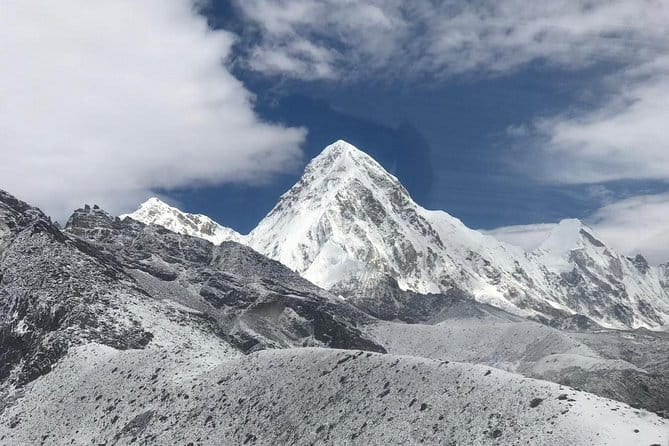
Review · EVEREST BASE CAMP TREKS
Everest Base Camp Trek 14 days
Everest starts with a hop to Lukla. This 14-day walk through Nepal’s high Himalaya is built around altitude breathing space and big mountain moments, from Namche Bazaar to Everest Base Camp.
One reason I like this plan is the mix of included logistics (pickup, flights, permits, food, guide) with classic trekking pacing. Two things I really like: you get an English-speaking guide plus tea house meals with three cups of tea/coffee a day, and the owner/CEO Bimal Dahal is part of the team you can reach for clear pre-trek guidance.
One consideration: the route climbs well above 5,000m, and Lukla flights are weather dependent, so you should keep some mental flexibility for timing.
In This Review
- Key Points Worth Noting
- Kathmandu Setup: two nights, pickup, and trekking admin that actually helps
- Kathmandu to Lukla (2840m): the flight day that can make or break your schedule
- Lukla to Phakding to Namche Bazaar via Monjo: start steady, save your legs
- Namche Bazaar acclimatization day (3440m): the day you gain altitude benefits
- Namche to Tengboche (3868m): monastery area vibes and big mountain energy
- Tengboche to Dingboche (4410m) and the Dingboche rest day: your body’s second chance
- Dingboche to Lobuche (4910m) and onward: the high-country feel arrives fast
- Gorakshep to Everest Base Camp (5364m): the day you finally stop imagining
- Kalapathar sunrise (5550m): the view payoff and the early-morning tradeoff
- Pangboche to Namche to Lukla: descending well, not just fast
- Lukla flight back to Kathmandu (1336m): the finish line and a different kind of relief
- Price and Logistics: what $1,897 includes, and why that matters at altitude
- Who Should Book This EBC Trek (and who should reconsider)
- Final Verdict: should you book Happyland Treks for Everest Base Camp?
- FAQ
- What meeting point and start time are used for the trek?
- Are airport pickup and drop-off included?
- Are domestic flights between Kathmandu and Lukla included?
- What permits are included for the trek?
- Will I have an English-speaking guide?
- Is porter service included?
- What kind of food and drinks are included during the trek?
- What type of lodging is provided on the trek?
- What is not included in the price?
- What happens if the trek can’t run due to poor weather?
- What is the cancellation window for a full refund?
Key Points Worth Noting
- English-speaking guide + porter support so you spend energy on walking, not setup.
- Trek permits included (TIMS card and Everest National Park entry) so you’re not scrambling on arrival.
- Acclimatization built in with rest/exploration days at Namche Bazaar and Dingboche.
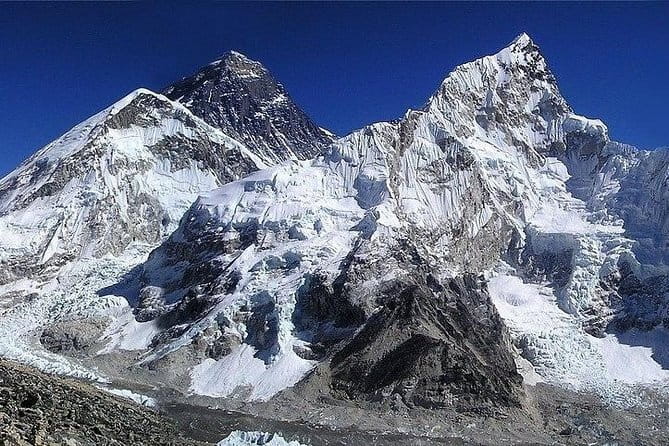
- Everest Base Camp plus Kalapathar sunrise are both on the plan, not just one.
- Meals and tea/coffee included during the trek, which matters at high altitude when choices shrink.
- Domestic flight Kathmandu–Lukla–Kathmandu included, with airport transfers handled for you.
More trails out of Kathmandu, boots ready
- Everest Base Camp Trek – 14 Days★ 5.0 · 1,499 reviews
- Everest Base Camp Trek★ 5.0 · 842 reviews
- Everest Base Camp Trekking★ 5.0 · 485 reviews
- Nagarkot Sunrise View and Day Hiking from Kathmandu★ 5.0 · 471 reviews
Kathmandu Setup: two nights, pickup, and trekking admin that actually helps
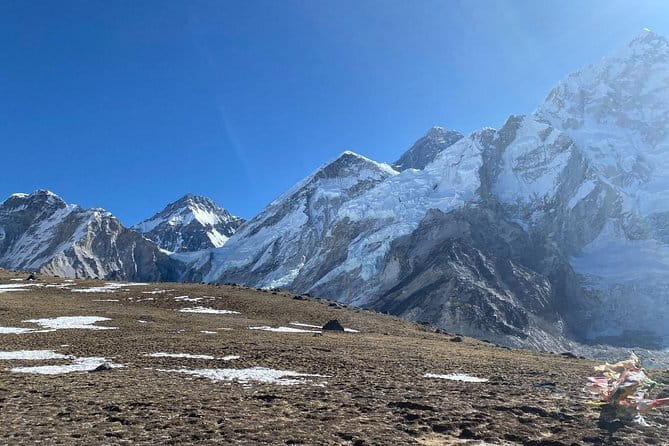
You start in Kathmandu with an airport pickup and transfer to your hotel for two nights. That first night is about getting your bearings: sleep, hydrate, and handle the last bits of trekking paperwork so you don’t do it while you’re already exhausted.
In a good EBC trip, the admin matters. Here, you’re covered with two key items that can slow people down if they try to sort them out last minute: a TIMS card (Trekkers Information Management System) and the Everest National Park trekking entry permit. That means you can focus on getting ready physically and mentally, not chasing forms.
The Kathmandu portion also includes breakfast each morning (so you’re not hunting for food at dawn). And the operator provides practical gear extras like a company duffel bag and a t-shirt, plus a trip certificate at the end. Small touches, sure, but on a long trek they help you feel like you’re part of a real program instead of a loose DIY plan.
If you’re the kind of traveler who likes to know what happens next, you’ll likely appreciate that the team is described as organized and easy to communicate with—especially through Bimal Dahal as the person leading the adventure side.
Kathmandu to Lukla (2840m): the flight day that can make or break your schedule
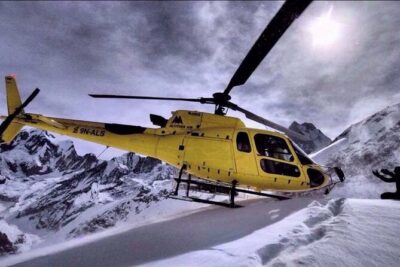
Next comes the classic high-stakes jump: a short flight from Kathmandu to Lukla (2840m). The time in the air is brief, but this is one of the days where weather can throw a wrench. The good news is that domestic flights Kathmandu–Lukla–Kathmandu are included, and you’re also set up for airport transfers.
Once you land, your day turns practical fast. You’ll have breakfast in Lukla, then trek to Phakding (2610m). This is a smart start. Even though Phakding is only slightly lower than Lukla, it gets your legs moving without immediately forcing a big altitude jump.
A first-day caution: don’t treat this as a casual hike. Your heart will work harder at altitude. Keep your pace calm, and let your body catch up.
Lukla to Phakding to Namche Bazaar via Monjo: start steady, save your legs
From Phakding to Namche Bazaar, you’ll climb up toward 3440m, with Monjo as a key stop along the way. This stretch is where many first-time EBC trekkers learn a simple truth: in the Himalaya, consistency beats speed. Short steps, steady breathing, and frequent pauses will make the later days feel way more doable.
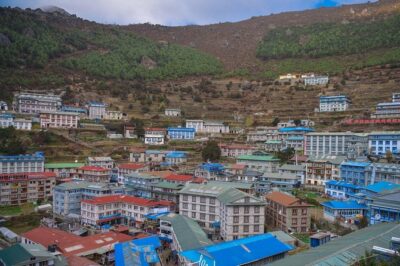
You reach Namche Bazaar, a place that feels like a hub compared to the smaller villages. It’s also where you start seeing the trekking infrastructure mature: tea houses, comfortable enough rooms at altitude, and lots of small practical services.
And because this trek is designed around acclimatization, you’re not pushed to rush right through Namche. You settle in for what’s basically your body’s reset button.
Namche Bazaar acclimatization day (3440m): the day you gain altitude benefits
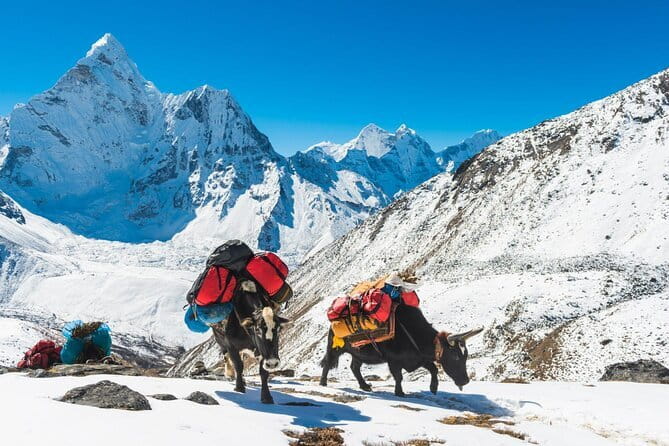
The next day is an acclimatization day at Namche Bazaar. That means you’re not just resting in a room. You’re set up to rest, explore, and enjoy the views without forcing your body into extra altitude stress.
This day matters because it improves your odds when the trail starts climbing higher—especially once you’re headed for the 3,800m to 5,000m range. If you’ve ever wondered why some trek schedules feel smoother than others, it’s often because they include a day like this.
Here’s how to use it:
- Take a slow walk and get moving, but don’t “conquer” every hill.
- Drink water steadily.
- Keep your breathing calm.
- If you’re feeling off, you don’t need to push yourself just to prove something.


Namche to Tengboche (3868m): monastery area vibes and big mountain energy
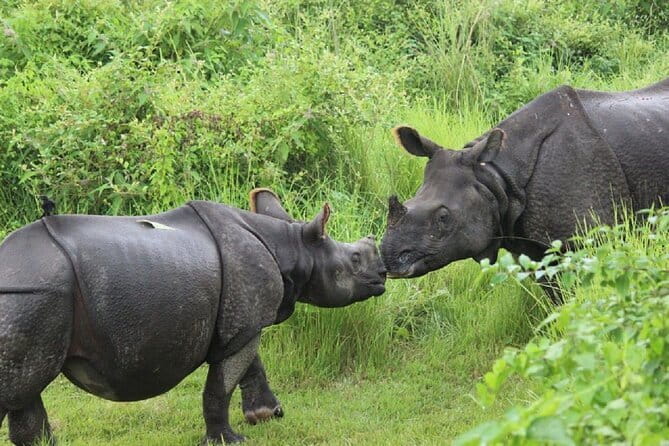
After Namche, you trek to Tengboche (3868m). This is a classic moment on the EBC route: the air gets thinner and the scenery becomes more obviously Himalayan.
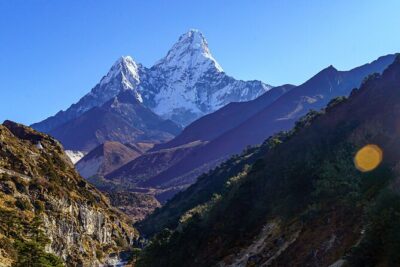
Tengboche is a place many people remember for its atmosphere—quiet tea houses, prayer-hall style calm, and sudden sightlines that make you stop walking just to look. At these elevations, photos never quite capture it. Your eyes will keep noticing new ridgelines.
Practical note: nights at altitude can feel colder than you expect. Keep your layers ready, and don’t wait until you’re shivering to put them on.
Tengboche to Dingboche (4410m) and the Dingboche rest day: your body’s second chance
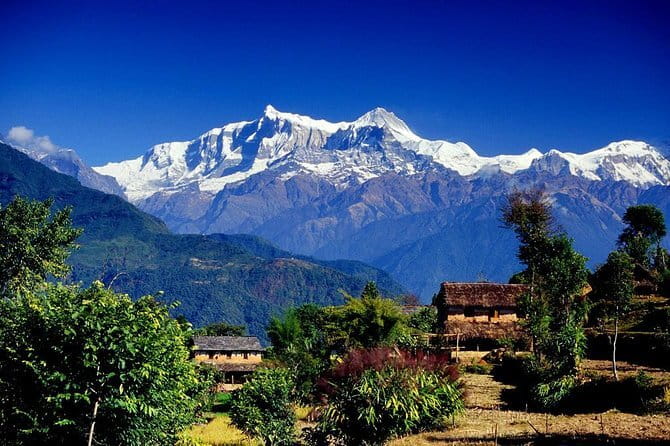
Next you climb to Dingboche (4410m). That’s a serious step up from Tengboche, and it’s why the next day includes another planned acclimatization opportunity.
The acclimatization day at Dingboche gives you time to explore around the area, rest, and recover. You’re now high enough that your breathing pace becomes more noticeable, and having this buffer improves comfort later when the trail stretches toward 5,000m+.
This is also a good time to think about your routine:
- Eat what you can, even if appetite is low.
- Keep sipping water.
- Ask your guide about how you’re feeling relative to the climb schedule.
- Don’t “save” all your energy for the summit push. The trail is the whole point.
Dingboche to Lobuche (4910m) and onward: the high-country feel arrives fast
After Dingboche, the route takes you to Lobuche (4910m). That’s very close to the 5,000m threshold, and the air starts to feel different in your lungs and legs.
At this stage, tea house nights are often basic but workable. You’ll have standard meals included while trekking, plus three cups of tea/coffee daily, which is a big deal. Hot drinks help you feel human, and steady calories help your body deal with altitude.
Then comes the long day system that builds toward base camp. Your plan pushes forward to Gorakshep next and keeps moving toward Everest Base Camp.
Gorakshep to Everest Base Camp (5364m): the day you finally stop imagining
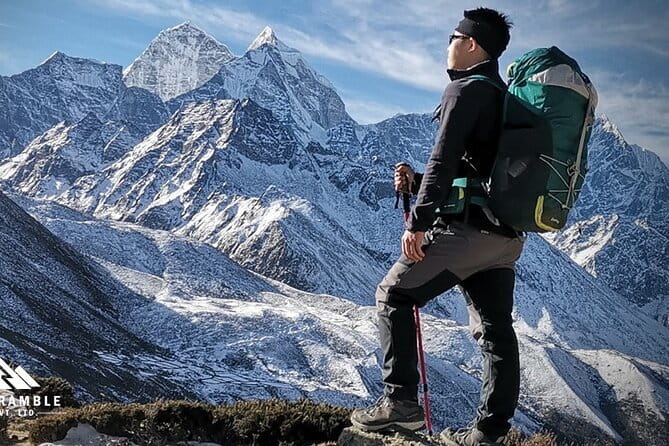
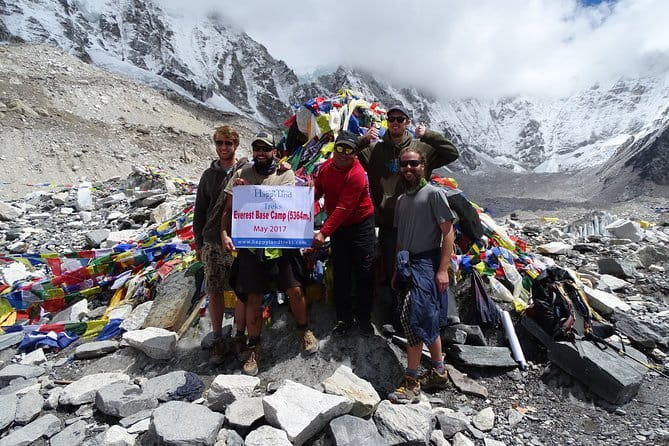
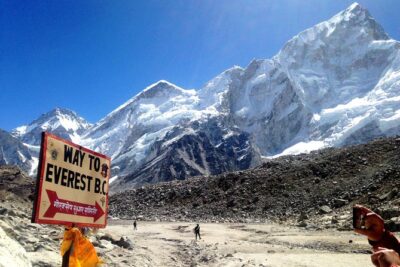
From Lobuche to Gorakshep (5180m), you’ll then continue onward to Everest Base Camp (5364m), with an overnight in Gorakshep.
This is the core moment of the trek, but the way you experience it depends on your pacing earlier. If you’ve been steady, base camp often feels surreal and rewarding, like your work finally lines up with the geography you’ve seen in photos for years.
A couple of reality checks:
- Your body may feel more “effortful” here. That’s normal.
- Don’t expect big physical enjoyment the way you might on a lower-altitude hike.
- Your mental satisfaction is what you’ll remember most.
Also, if you’re wondering what “high altitude trek beyond 5,000m” actually feels like: it’s not just breathlessness. It’s slow walking, warm clothing needs, and a constant reminder to take it easy.
Kalapathar sunrise (5550m): the view payoff and the early-morning tradeoff
The next morning starts with an early hike to Kalapathar (5550m) for sunrise and mountain range views, including Mt Everest. Then you return to Gorakshep, eat breakfast, and trek to Pangboche (3990m).
This is the classic trade:
- You work very early.
- You gain a huge visual reward.
Kalapathar is high enough to feel demanding, even after you’ve already reached Everest Base Camp. But that’s also why it works—by the time you get there, you know you’ve earned the view.
Then you descend to Pangboche, which makes the whole day easier than going up, but still requires steady footwork. Trekking down can be tough on knees if you rush.
Pangboche to Namche to Lukla: descending well, not just fast
From Pangboche (3990m), you trek back toward Namche (3440m). After that, you’ll go from Namche Bazaar to Lukla (2840m).
This part of the trek is often mentally interesting. You’re going down, so your body feels better, but you’re also thinking about the end of the adventure. That’s when good pacing matters most—because it’s tempting to start moving too quickly now that the air feels easier.
This is also where the earlier acclimatization pays off. If you followed the schedule, your legs may not feel perfect, but you’re more likely to finish feeling capable.
Lukla flight back to Kathmandu (1336m): the finish line and a different kind of relief
On day 13, you take the morning flight back to Kathmandu from Lukla. The trek ends with the return to Kathmandu at about 1336m, which is a major shift in how you feel in your body.
The final day gives you room to depart or, if your schedule allows, spend extra time in Kathmandu—shopping, sightseeing, and recovery time in a city that’s not at altitude.
If you like finishing your trip with some normal food, laundry, and warm shower time (where you can find it), Kathmandu is perfect for that.
Price and Logistics: what $1,897 includes, and why that matters at altitude
At $1,897 per person for a 14-day Everest Base Camp trek, this price is really about how much is taken off your plate. You’re not just paying for a guide to point at mountains.
Included items that affect your day-to-day comfort and risk:
- Airport pickup and drop in Kathmandu
- Two nights in Kathmandu with breakfast
- TIMS card + Everest National Park permit
- Domestic flights Kathmandu–Lukla–Kathmandu
- English-speaking guide
- Tea house accommodation during the trek
- All standard trekking meals (with breakfast, lunch, dinner coverage as listed)
- Three cups of tea or coffee a day
- Porter service (set up as 1 porter between 2 people)
- Medical kit
- A trip certificate, plus a company duffel bag and t-shirt
What’s not included (and you should plan for it):
- Nepal entry visa fee and your international airfare
- Travel medical insurance and emergency evacuation cost
- Tips for guide and porter (expected)
- Personal equipment and personal expenses like alcohol, cold drinks, hot shower, battery charging, and extra water costs
Here’s my value take: altitude treks are expensive because they require logistics, permits, and trained support. When you include meals and flights and porter help, you reduce the stuff that usually turns into surprise spending. That tends to make the trek feel more predictable and less stressful.
If you’re the type who likes to know exactly what you’re paying for—and doesn’t want to manage every small booking while at altitude—this kind of package price usually makes sense.
Who Should Book This EBC Trek (and who should reconsider)
This tour fits best if you:
- Have moderate physical fitness
- Want a guided, supported route with porter help
- Prefer a plan with scheduled acclimatization days
- Like having meals and tea/coffee built in, so you don’t spend energy negotiating food at 5,000m+
You might reconsider if you:
- Hate early mornings (Kalapathar sunrise requires getting up fast)
- Get stressed by weather-driven change, especially around Lukla flights
- Don’t want to handle packing and personal expenses on top of the included package
Also remember: the summit of the experience is Everest Base Camp, but the “real job” is done on the slow days. Listen to your guide and keep your pacing disciplined.
Final Verdict: should you book Happyland Treks for Everest Base Camp?
I’d book this if you want a well-run program that handles the big moving parts: Lukla flights, permits, guide, porter support, and trek meals. The schedule also makes sense for altitude, with acclimatization built around Namche and Dingboche, and a clear payoff day at Kalapathar.
It’s not the cheapest way to do EBC, but it’s also not a stripped-down DIY plan. For many people, that predictability is worth paying for. If you take altitude seriously, dress for cold nights, and plan for insurance and personal spending, this trek can feel smooth and genuinely memorable.
FAQ
What meeting point and start time are used for the trek?
You meet at Happyland Treks, Nepal Trekking, Everest Trek, South Asia, Paknajol Marg, Kathmandu 44600, Nepal. The start time is listed as 5:00 am.
Are airport pickup and drop-off included?
Yes. The package includes airport pickup and drop by car/van/bus.
Are domestic flights between Kathmandu and Lukla included?
Yes. Domestic flight tickets Kathmandu–Lukla–Kathmandu and airport tax are included.
What permits are included for the trek?
The trek includes a TIMS card and the Everest National Park trekking entry permit.
Will I have an English-speaking guide?
Yes. An English-speaking guide is included for the trek.
Is porter service included?
Yes. Porter service is included on a 1 porter between 2 person basis.
What kind of food and drinks are included during the trek?
All standard meals while trekking are included (breakfast, lunches, dinners as listed), plus three cups of tea or coffee a day.
What type of lodging is provided on the trek?
Tea house accommodation is included during the trek.
What is not included in the price?
Not included are Nepal entry visa fee, international air fare, travel medical insurance and emergency evacuation cost, personal equipment, tips for guide and porter, and personal expenses such as alcoholic beverages, hot shower, water bottle, cold drinks, battery charge, and donations.
What happens if the trek can’t run due to poor weather?
This experience requires good weather. If it’s canceled due to poor weather, you’ll be offered a different date or a full refund.
What is the cancellation window for a full refund?
You can cancel up to 24 hours in advance of the experience’s start time for a full refund.
—
If you want, tell me your current fitness level and whether you’re more worried about altitude or logistics. I can help you sanity-check whether this pacing matches your style.
More Trekking Out of Kathmandu






More Tour Reviews in Kathmandu




Just Reviewed in Kathmandu
- Mountain Bike Tour
★ 5.0 · 3 reviews - Annapurna Panaroma
★ 5.0 · 3 reviews - Mount Everest Scenic Flight 50 Minutes
★ 5.0 · 3 reviews - Kathmandu : Swambhunath & Durbar Square Guided Half Day Tour
★ 3.3 · 3 reviews - Chandragiri Cable Car & Monkey Temple Tour – Private/Group
★ 5.0 · 3 reviews - Kathmandu: Shivapuri National Park Hiking Day Trip
★ 3.3 · 3 reviews
Everest Base Camp Treks, compared.
 ★ 5.0Everest Base Camp Trek – 14 DaysFrom $1,8001,499 reviews
 ★ 5.0Everest Base Camp TrekFrom $1,790842 reviews
 ★ 5.0Everest Base Camp TrekkingFrom $1,350485 reviews
 ★ 5.0Everest Base Camp Trekking – 13 DayFrom $1,399365 reviews
★ 5.0Everest Base Camp TrekFrom $1,445350 reviews
★ 5.0Everest Base Camp Trek -14 DaysFrom $1,420321 reviews
 ★ 5.012 Days Everest Base Camp TrekFrom $1,099289 reviews
 ★ 5.0Everest Base Camp Trekking – 2025/2026From $1,339199 reviews
Browse the lists this tour appears in