
Review · EVEREST BASE CAMP TREKS
Everest Base Camp Trek
Climbing to Everest Base Camp starts with a short hop that changes everything. This 14-day trek pairs classic Sherpa villages with big-mountain scenery, from Lukla’s drama to the view-packed days around Namche, Tengboche, and Kala Patthar.
What I like most is that the plan builds in altitude pacing, not just brute hiking, and it keeps you moving through the real rhythm of the Khumbu. Guides named in past groups include Ram, Bishnu, Prakash, Gore, and Amer’s porter support, and that human help shows up again and again in the way people describe staying calm and on track.
Two standout strengths: you get guided structure with real support on the trail, and you also get time in the places that make Everest feel personal, like Namche’s Sherpa Museum and Tengboche’s monastery atmosphere. That combination is why the trek feels like more than a checklist.
A possible drawback is the flight piece. Lukla weather can be unpredictable, and the return timing depends on conditions, so you’ll want flexibility in your mind (and travel plans) from day one.
In This Review
- Key points before you go
- Price and logistics: what $1,300 buys (and what it doesn’t)
- Day 1 in Kathmandu: Thamel, a quick reset, and meeting your team
- Day 2: Lukla flight and the Phakding warm-up hike
- Day 3: Namche Bazaar and the Monjo suspension bridges
- Day 4: Acclimatization in Namche plus Sherpa Museum time
- Day 5: Tengboche and the monastery calm
- Day 6 and Day 7: Dingboche—Deboche nunnery, then a true rest day
- Day 8: Lobuche, Sherpa memorials, and glacier moraine walking
- Day 9: Everest Base Camp after lunch, then Gorak Shep overnight
- Day 10: Kala Patthar at 5,550m for Everest dawn views
- Day 11: Pangboche, Tangboche, and the slow turn back down
- Day 12: Lukla again and the Hilary suspension bridge moment
- Day 13: Fly Lukla to Kathmandu or Ramechap—weather permitting
- Day 14: Last day in Kathmandu—airport time
- What makes the guiding feel worth it (names you’ll remember)
- Who this trek is best for
- Should you book this Everest Base Camp trek?
- FAQ
- How long is the Everest Base Camp trek?
- Where does the trip start?
- Is airport pickup and drop-off included?
- Are flights to Lukla included?
- What are the accommodation and meals like during the trek?
- How big is the group?
- Do you get acclimatization or rest days?
- What is the highest point on the trek?
- What isn’t included in the price?
- What happens if weather cancels flights?
Key points before you go
- Lukla flights drive the whole schedule, so plan around weather and possible delays.
- Two built-in “breathers” (Namche and Dingboche) help you handle altitude more safely.
- Tengboche and Pangboche monasteries add culture and calm at the exact point you’re getting tired.
- Kala Patthar (5,550m) is the big view push, timed for Everest dawn light.
- Small group size (max 8) means you’re not lost in a crowd when conditions get hard.
- Most costs are bundled: Kathmandu hotel nights, meals, and flights for the trek.
More trails out of Kathmandu, boots ready
- Everest Base Camp Trek – 14 Days★ 5.0 · 1,499 reviews
- Everest Base Camp Trek★ 5.0 · 842 reviews
- Everest Base Camp Trekking★ 5.0 · 485 reviews
- Nagarkot Sunrise View and Day Hiking from Kathmandu★ 5.0 · 471 reviews
Price and logistics: what $1,300 buys (and what it doesn’t)
At $1,300, this Everest Base Camp trek is priced in the middle of the market, but it’s not just “a guide and good luck.” Your package includes airport pickup/drop-off, 2 nights in Kathmandu on a bed-and-breakfast plan, and a lot of meal support during the trek (breakfast 13 times, lunch 11 times, dinner 11 times). It also includes flights in the Kathmandu–Lukla–Kathmandu pattern, or the Ramechhap approach when needed.
That matters because Everest treks are full of add-on costs. Here, the big ticket items (flights and core meals) are already handled, which makes it easier to budget. You still need to plan for the extras: personal expenses, beverages, and tips for guide/driver. Alcohol isn’t included either (and it’s only available for those over 18, as the tour notes).
One other logistics note you should treat seriously: the itinerary includes a Lukla flight early on day two and a return flight around day 13. Because the tour is weather-dependent, you’ll want your home-side travel schedule to allow changes if the mountain throws a curveball.
Day 1 in Kathmandu: Thamel, a quick reset, and meeting your team
Your first day is Kathmandu with an airport pickup and a drive to your hotel near Thamel. The goal is simple: get you set, get you fed, and get you in sync with the group. You’ll do a pre-trip meeting with your team members and handle practical prep for the trek.
This is the day I’d use for two things: finalize your gear checks, and get your sleep as close to normal bedtime as you can. Kathmandu isn’t high enough to force altitude adjustment, but being tired makes the rest of the trip harder—especially once you’re staring at a flight to Lukla.
Day 2: Lukla flight and the Phakding warm-up hike
Day two starts with a short, scenic flight from Kathmandu or Ramechap to Lukla (about 40 minutes, if flights operate normally). Lukla’s airport is famous for being intense, and even the best-run trips can see delays when weather doesn’t cooperate. Still, when it works, the arrival is a jolt in the best way—suddenly you’re in the Khumbu world.
After landing, you trek to Phakding for the night. It’s a shorter leg (around a half-day to three hours described in the plan), and it’s a smart way to begin: walking, not suffering. You also get time to explore the community on your own, which helps you settle your nervous system before steeper days arrive.
Day 3: Namche Bazaar and the Monjo suspension bridges
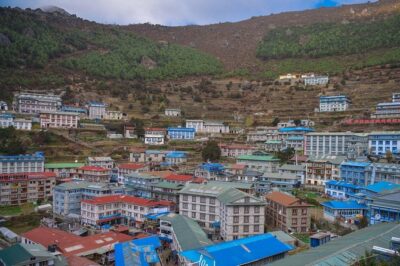
You start trekking through the Dudh Koshi area and cross two tiny suspension bridges near Monjo before arriving at Namche Bazaar. This is where the trek starts turning from “trail hiking” into “Everest region life.” Namche is described as an entrance and cultural hub, and you’ll feel it: more lodges, more movement, more of the Sherpa business ecosystem built around mountaineering.
The stop at Namche also sets up the rest of the week. Your body is still adjusting, but Namche is high enough to matter, and it’s the right place to be surrounded by services and guidance rather than isolated.
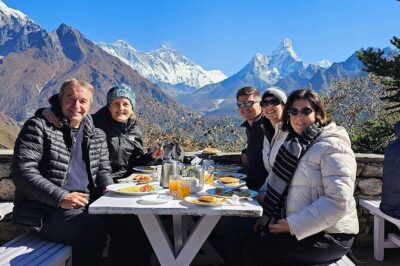
Day 4: Acclimatization in Namche plus Sherpa Museum time
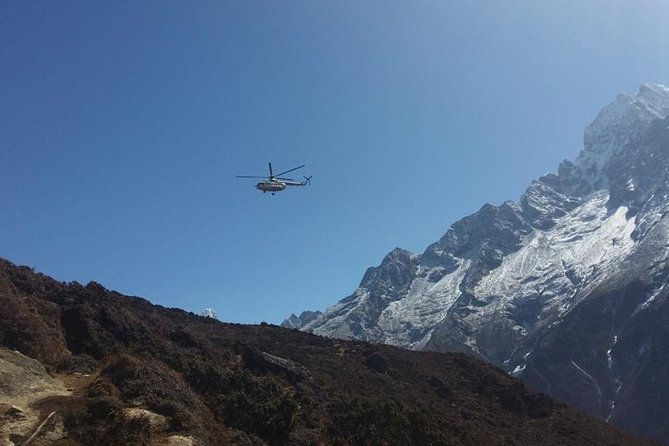
Instead of pushing higher immediately, the plan gives you an acclimatization day in Namche Bazaar (3,440m / 11,283ft). This is one of the most important design choices in the whole trek. It’s not “extra time for fun.” It’s time that helps your body cope with altitude while you keep hiking gentle.
You also have a structured option to learn on this day: visiting the Sherpa Museum, described as a terrific place to understand Sherpa culture and mountaineering legacy. It’s the kind of stop that makes later viewpoints hit harder, because you know what you’re looking at—not just “a mountain,” but a landscape shaped by people who’ve lived and worked here for generations.
If you’re feeling good, you can also use some of this day for viewpoints like Hotel Everest View, mentioned in the tour overview as giving great perspectives of the range.
Day 5: Tengboche and the monastery calm
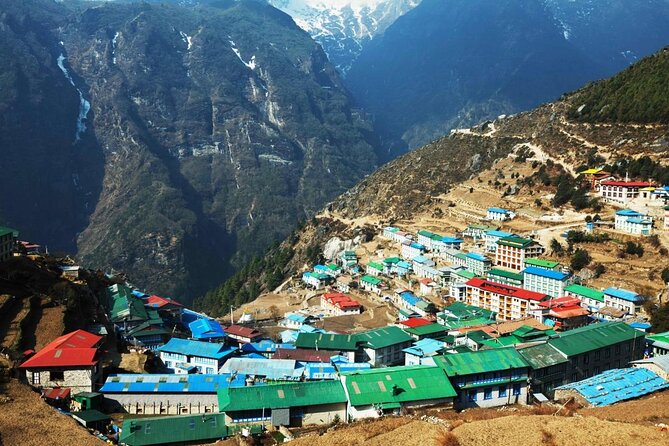
Day five goes upward toward Tengboche, following a higher-level path above the Dudh Koshi. This day is often where first-timers start to feel the drama of the Himalaya for real: the plan calls out views of Everest, Nuptse, Lhotse, Thamserku, and Kwang.
Tengboche matters for two reasons. One is scenery. The other is atmosphere. The trek overview highlights the Tengboche Monastery—a place where you can feel the pace slow down for a moment. Even if you’re not a monastery person, this pause helps you recharge mentally before the days get tougher.
Day 6 and Day 7: Dingboche—Deboche nunnery, then a true rest day
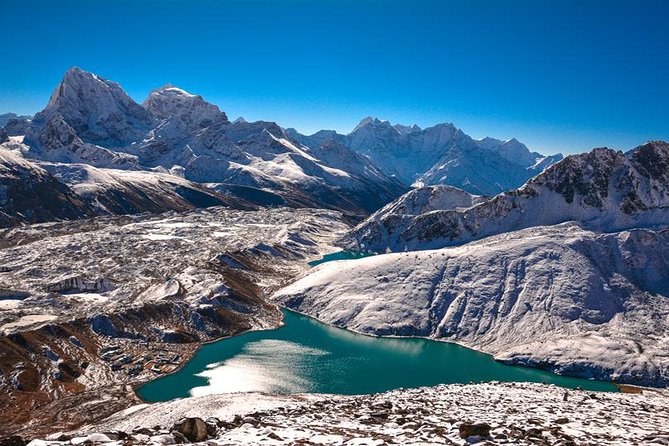
On day six you reach Dingboche with a route described through rhododendron forests and meadows, plus a visit to the Buddhist nunnery at Deboche before reaching the Imja Khola area. This is a day that mixes breathing room with still-important altitude progression.
Then day seven gives you a rest day in Dingboche. The plan makes it clear: relax today, and choose an easier day walk if you want. This is where altitude safety shows up as a practical schedule decision. Many people underestimate how helpful a full half-day of “not climbing” can be when you’re already tired from prior effort.
Guides named in past trips have been praised for motivation and staying calm when things get hard. If you’re prone to overthinking, this is exactly the kind of moment where a good guide’s reassurance pays off.
Day 8: Lobuche, Sherpa memorials, and glacier moraine walking
Day eight brings you toward Lobuche, passing through the Dughla village and climbing over a hill where several memorials honor Sherpas who lost their lives on Everest trips. It’s a heavy emotional stop, but it’s also part of understanding why the Khumbu feels different from other treks.
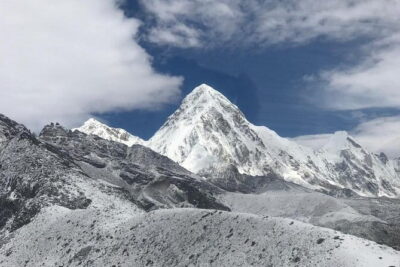
From there, the route follows the Khumbu Glacier moraine area, with views mentioned for Kalar Pattar and Pumori. This section can feel more “hiking on big terrain” than “village-and-trail.” The ground can be stony and your footing matters.
It’s also a day that’s worth taking slowly. When you’re tired, it’s easy to rush and slip. A structured group pace helps, and a guide who’s watched many people make it through can be the difference between grumpy and steady.
Day 9: Everest Base Camp after lunch, then Gorak Shep overnight
Day nine is your Base Camp day, with a trek after lunch toward Everest Base Camp and the Khumbu Icefall area. You’ll walk across stony dunes, moraines, and streams—more “world of rock and ice” than “green trail.” Once you reach Base Camp, the plan says you’ll tour the base camp and the glacier.
This is one of those days where the payoff is real, but so is the cognitive contrast. You may have pictured Everest as a single mountain. Up close, it’s a system of ridges, glaciers, and constant change. The glacier and Icefall area can be both breathtaking and a reminder that this place is active and serious.
After that, you continue to Gorak Shep for the lodge. Your legs may feel cooked, and that’s normal. Treat this as an energy management day: hydrate, eat what’s offered, and try to sleep.
Day 10: Kala Patthar at 5,550m for Everest dawn views
If you want one highlight that defines an Everest Base Camp trek, it’s Kala Patthar. Day ten is the climb to the highest elevation on this route (5,550m / 18,207ft), with time set for the viewpoint that offers the most breathtaking Everest dawn views.
The plan schedules a climb that can take around two hours to reach the viewpoint area, followed by descending back toward Pheriche for the overnight after admiring the view.
This day tests two things: altitude tolerance and willingness to move early. You’re not hiking “for hours and hours.” You’re doing short, steady effort in cold, thin air, usually when your body is still half-sleeping. If your guide can keep you moving calmly and make smart calls about pace, you’ll arrive without turning it into a panic-fest.
Day 11: Pangboche, Tangboche, and the slow turn back down
On day eleven you trek through the Pangboche monastery area (described as the oldest monastery in the region and noted as open for visits when you arrive). That’s a meaningful change of pace after a few intense days around Base Camp.
Then you descend along the slope toward Phungithanka via Tangboche, and continue trekking toward your next overnight village in the lower Khumbu. The main idea here is that altitude is still present, but the direction of travel becomes more forgiving—less push, more recovery.
This is also a good day to pay attention to how your body handles the descent. Many people find going down harder on knees than going up feels on lungs. Bring trekking poles if you use them, and keep your steps short.
Day 12: Lukla again and the Hilary suspension bridge moment
Day twelve returns you toward Lukla after breakfast, walking through lush green backgrounds and Sherpa hamlets. The plan specifically mentions the Hilary suspension bridge as a point you pass, then arriving in Lukla where your guide confirms your flight details.
This day often feels emotional. You’ve been moving through villages for days, and now you’re heading back to the hub that ties it all together: Lukla. It’s a strange feeling—relief mixed with the realization that the trek is almost over.
Day 13: Fly Lukla to Kathmandu or Ramechap—weather permitting
On day thirteen you fly from Lukla to Kathmandu (or to Ramechhap, depending on the season and air traffic). The plan notes that Ramechhap may be used during busy season, and that the trek group may drive from Kathmandu area to Ramechhap.
In other words: your final mountain-to-city link isn’t just “sit and go.” It’s a logistics chain with real timing constraints. If weather messed with earlier flights, this is the day you really hope it behaves.
Your guide then transports you to your accommodation in Kathmandu, and you get a chance to reconnect, share photos, and decompress.
Day 14: Last day in Kathmandu—airport time
The final day is mostly freedom. You’re taken to Tribhuvan International Airport if your departure flight is that day. If you have extra hours, I’d keep plans light—your body just finished a big mountain project.
What makes the guiding feel worth it (names you’ll remember)
A trekking guide can be “someone who points the way,” or someone who actively helps you manage the full experience. The strongest praise in past groups centers on exactly that: calm support, steady motivation, and practical problem-solving.
People mention guides such as Ram, Bishnu, Rajesh, Prakash, and Gore, plus porter support from Amer in one story. One review also highlights a guide sharing gear and even fixing shoes in rough conditions—proof that “prepared” isn’t just a slogan here, it’s real when the weather shifts. Another story notes how Ram kept a family group entertained (including a card game) when the pace or situation needed an emotional reset.
That’s the quiet value of a well-run trek: you don’t just arrive at places. You manage the hard moments well enough to keep enjoying the good ones.
Who this trek is best for
This is a serious trek, but it doesn’t demand athlete fitness. The tour notes that you should have moderate physical fitness. If you’re comfortable hiking several hours a day, walking on uneven terrain, and handling cold nights, you’re in the right zone.
This also tends to suit people who like structure. The route gives you acclimatization days rather than pushing straight upward, and it keeps a small group size (max 8). If you prefer a social pace without being packed in, that’s a plus.
If you’re the type who needs guaranteed smooth flights, Everest isn’t your sport. Weather can cancel flights, and your schedule needs a little flexibility.
Should you book this Everest Base Camp trek?
Book it if you want the classic Everest Base Camp route in about 14 days, with real support, built-in altitude breaks, and a plan that includes the big logistics pieces (Kathmandu lodging nights, meals, and flights). The small group size and the emphasis on guidance are the kind of details that pay off when the mountain is moody.
Skip or reconsider if you have a rigid travel schedule that can’t absorb flight delays, or if you know you struggle with early mornings and cold exertion at high elevation. In Everest country, those aren’t “minor discomforts.” They’re part of the deal.
If you’re on the fence, I’d ask yourself one question: can you treat this as a journey with a mountain-based timetable? If yes, this trek fits well.
FAQ
How long is the Everest Base Camp trek?
It’s listed as 14 days (approx.).
Where does the trip start?
You start in Kathmandu, Nepal, with hotel lodging near Thamel on day one.
Is airport pickup and drop-off included?
Yes. The package includes drop and pickup from the airport on arrival and on the final departure day.
Are flights to Lukla included?
Yes. The tour includes flight tickets for the pattern KTM–Lukla–KTM or Ramechap–Lukla–Ramechap, with a drive to Ramechap noted for peak season.
What are the accommodation and meals like during the trek?
You get 2 nights in Kathmandu on a bed-and-breakfast plan. During the trek, the package lists breakfast (13), lunch (11), and dinner (11).
How big is the group?
The tour has a maximum of 8 travelers.
Do you get acclimatization or rest days?
Yes. There’s an acclimatization day in Namche Bazaar and a rest day in Dingboche.
What is the highest point on the trek?
The plan highlights Kala Patthar at 5,550m.
What isn’t included in the price?
Personal expenses and beverages aren’t included, as well as tips for the guide/driver. Alcoholic beverages aren’t included either.
What happens if weather cancels flights?
The tour states this trek requires good weather. If it’s canceled due to poor weather, you’ll be offered a different date or a full refund.
More Trekking Out of Kathmandu
More Tour Reviews in Kathmandu
Just Reviewed in Kathmandu
- Mountain Bike Tour
★ 5.0 · 3 reviews - Annapurna Panaroma
★ 5.0 · 3 reviews - Mount Everest Scenic Flight 50 Minutes
★ 5.0 · 3 reviews - Kathmandu : Swambhunath & Durbar Square Guided Half Day Tour
★ 3.3 · 3 reviews - Chandragiri Cable Car & Monkey Temple Tour – Private/Group
★ 5.0 · 3 reviews - Kathmandu: Shivapuri National Park Hiking Day Trip
★ 3.3 · 3 reviews
Everest Base Camp Treks, compared.
 ★ 5.0Everest Base Camp Trek – 14 DaysFrom $1,8001,499 reviews
 ★ 5.0Everest Base Camp TrekFrom $1,790842 reviews
 ★ 5.0Everest Base Camp TrekkingFrom $1,350485 reviews
 ★ 5.0Everest Base Camp Trekking – 13 DayFrom $1,399365 reviews
★ 5.0Everest Base Camp TrekFrom $1,445350 reviews
★ 5.0Everest Base Camp Trek -14 DaysFrom $1,420321 reviews
★ 5.0Everest Base Camp Trekking – 13 DayFrom $1,399365 reviews
★ 5.0Everest Base Camp TrekFrom $1,445350 reviews
★ 5.0Everest Base Camp Trek -14 DaysFrom $1,420321 reviews
 ★ 5.012 Days Everest Base Camp TrekFrom $1,099289 reviews
 ★ 5.0Everest Base Camp Trekking – 2025/2026From $1,339199 reviews
Browse the lists this tour appears in