
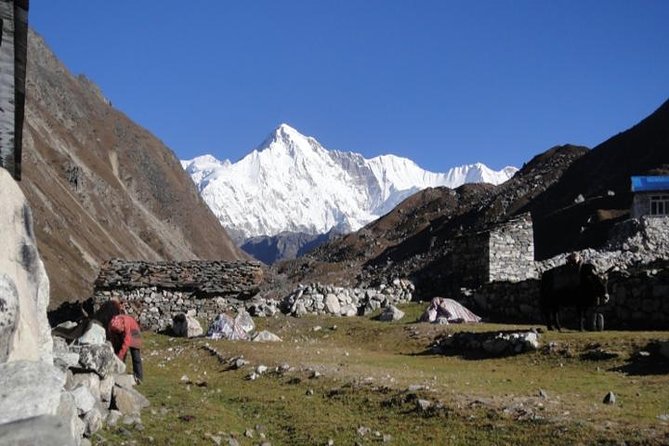
Review · EVEREST BASE CAMP TREKS
Everest Base Camp Trek – 15 days
Everest Base Camp starts long before you reach it. In this 15-day trek, you get Kathmandu culture first, then Lukla flight timing, and finally the classic Everest Base Camp and Kalapathar sunrise big-moment. I especially like how the trip blends practical logistics (hotel nights, transfers, flights) with Sherpa-guided walking days. One drawback to know up front: the schedule builds in several steep climbs and early starts, and altitude is not the part you can power through.
I like that your trekking team is set up for you from the start—English-speaking Sherpa/trekking guide, plus porters who carry your luggage (split for two people). I also appreciate the inclusion of staff support costs (insurance, medicine, equipment, etc.), which usually translates into fewer last-minute surprises on the trail. Still, guesthouses are basic by nature, so if you’re expecting resort comfort, you’ll want to mentally downgrade your standards a bit.
If you want the Everest region without turning planning into a second job, this is a solid, value-focused way to do it—especially with a small group cap (15 travelers max) and support that’s built for the realities of Lukla and mountain days.
In This Review
- Key things I’d focus on before you book
- Kathmandu first: getting oriented in Thamel and on the ground
- The Kathmandu sightseeing day: monuments, religion, and an equipment buffer
- Price and logistics: what you’re paying for (and what you’re not)
- The Lukla intro: breakfast at the airport and a gentle start
- Namche Bazaar climb: one hard day that sets you up
- Acclimatization in Namche: Everest View Hotel and panoramic tea breaks
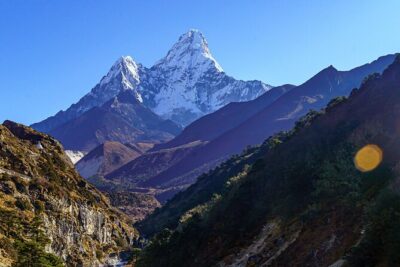
- Tengboche: monastery time and Ama Dablam’s presence
- Dingboche and Chhukung: rhododendron valleys and a smart acclimatization loop
- Lobuche: frozen rivers, stone houses, and icefall views
- Gorakshep and Everest Base Camp: the day your destination finally happens
- Kalapathar sunrise: why this viewpoint is the reason people suffer
- The descent back: downhill is easy on paper and real on your knees
- Lukla and the return to Kathmandu: completing the loop
- Who this trek fits best (and who should think twice)
- The team: the names that keep coming up
- Should you book this Everest Base Camp trek?
- FAQ
- What’s the starting and ending point for this Everest Base Camp trek?
- How long is the trek?
- What accommodation do I get during the trek?
- Are flights included?
- What’s included in Kathmandu before the trekking starts?
- Do I get help with carrying luggage?
- What are the main high-altitude stops?
- What gear is provided if I need it?
- What happens if I need to cancel, or if weather affects the trip?
Key things I’d focus on before you book
- Kathmandu start with real monument time in a private-car format
- Lukla flights included (and your trek begins right after)
- Guesthouse trek pacing with acclimatization built into the route
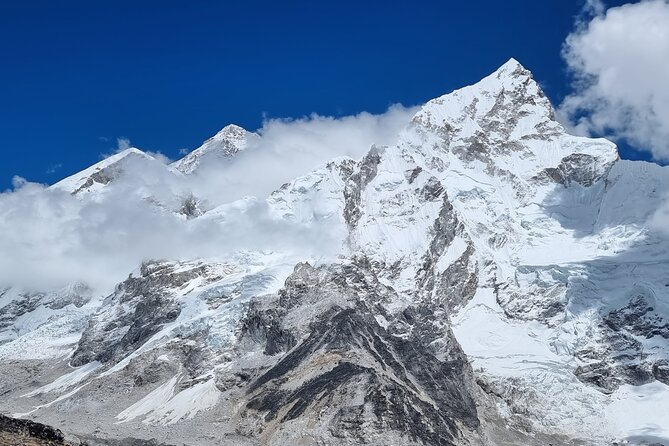
- Everest Base Camp plus Kalapathar for sunrise views at height
- Porter support so you can walk, not haul
- Gear support if needed via a down jacket and sleeping bag
More trails out of Kathmandu, boots ready
- Everest Base Camp Trek – 14 Days★ 5.0 · 1,499 reviews
- Everest Base Camp Trek★ 5.0 · 842 reviews
- Everest Base Camp Trekking★ 5.0 · 485 reviews
- Nagarkot Sunrise View and Day Hiking from Kathmandu★ 5.0 · 471 reviews
Kathmandu first: getting oriented in Thamel and on the ground
Most EBC treks rise or fall based on what happens in Kathmandu, and this one gets that part right. You’re met at Tribhuvan International Airport by an airport representative holding an Outshine Aventure nameplate, then transferred to your Kathmandu hotel. After check-in, you head to the company for documentation and trip info—useful if you want your questions answered before you fly to Lukla, not while you’re already sitting in the departure lounge.
Thamel is your base area, and it’s where you’ll typically find the everyday trekking-life stuff: small gear shops, snack options, and the kind of casual walking-around that helps your brain switch into trip mode. If you’re the type who likes to get bearings fast, you’ll enjoy this “settle in, then prepare” approach.
The Kathmandu sightseeing day: monuments, religion, and an equipment buffer
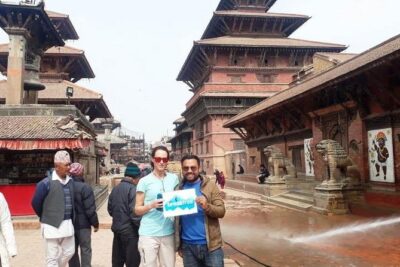
Your Kathmandu sightseeing includes Kathmandu Durbar Square, Swayambhunath, Boudhanath, and Pashupatinath, guided with an expert tour guide and a private car. This is the practical kind of cultural stop: you’re not stuck guessing what you’re looking at, and you get early coverage before the trek starts taking over your attention.
There’s also time afterward for equipment shopping or prep. That matters because EBC readiness isn’t just fitness—it’s gloves, layers, and the small items you suddenly realize you didn’t pack when it’s already dark and cold.
Price and logistics: what you’re paying for (and what you’re not)
This trek is priced at $1,375 per person for about 15 days, and the value comes from what’s actually included. You’re getting Kathmandu hotel support for three nights, private-car sightseeing, flights Kathmandu–Lukla–Kathmandu, a guided trekking team, and guesthouse accommodation on the trail (twin sharing). You also get staff coverage costs built into the plan—food, accommodation, insurance, and medicine for everyone working the trip.
The flight inclusion is a big deal. Many “cheap” trek packages either don’t include it or bury the cost later. Here, you can plan around the idea that Lukla is part of the deal.
What’s not included is also clear: entrance fees for city monuments, meals and drinks beyond what’s specified, and tips for the driver and trekking staff. Trekking-grade meals in Nepal add up fast if you’re buying everything on top of included items, so I suggest budgeting for extra food and hot drinks even if you don’t plan on splurging.
The Lukla intro: breakfast at the airport and a gentle start
Your trek begins with a half-hour flight from Kathmandu to Lukla. After landing, you breakfast at Lukla Airport in a guesthouse. That first morning has a surreal feel—airport sounds, plane traffic, and huge mountain views all happening at once—before the trail quiets down.
Then you trek down to Phakding, gradually descending about 200 meters over roughly three hours. It’s an intentionally “not too heavy” start: following the Dudh Koshi River along a route that helps your legs loosen up instead of attacking altitude too fast. You end the day resting, which is exactly what you want right after flying.
Namche Bazaar climb: one hard day that sets you up
The next walking day takes you from Phakding up to Namche Bazaar. Expect about five hours and roughly an 850-meter climb. This is where your legs start to feel the Everest region, even before you think about Everest as a destination.
Following the Dudh Koshi River helps. It keeps the route feeling connected rather than random, and the river corridor tends to keep you focused on movement instead of counting every switchback.
Acclimatization in Namche: Everest View Hotel and panoramic tea breaks
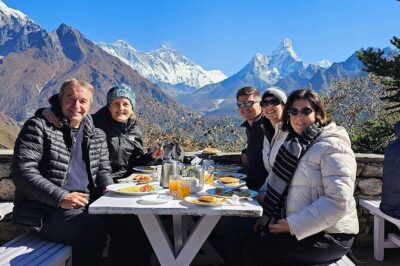
After reaching Namche, you get a whole acclimatization and rest day. You’ll hike up to Everest View Hotel (about two hours each way), stopping for a tea break with big-range views. This is one of the best “workout but not grind” moments on the trek, because you climb high enough to help adaptation while still staying in a controlled setting.
From that viewpoint you can see Everest, Nuptse, Lhotse, Ama Dablam, Thamserku, and Kusum Kangaru. That wide skyline view does more than look impressive—it helps your brain connect the place you’re walking toward to the place you’re seeing now.
Tengboche: monastery time and Ama Dablam’s presence
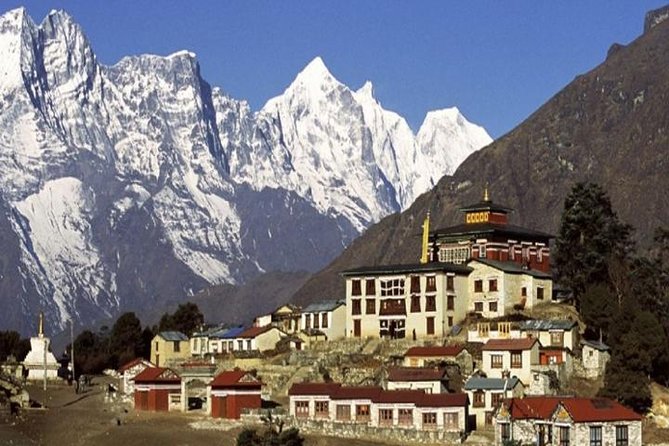
From Namche, you continue to Tengboche, a trip of about five hours. Tengboche is known for the monastery atmosphere, and this route gives you a chance to visit. You can catch lama worship in the morning and evening. If you’re up for it, there’s also the option to do meditation in the monastery.
This is also one of the cultural contrast points on the EBC trek. Your body is working hard, but the setting slows down your thinking. And if Ama Dablam shows clearly, it can feel almost close enough to touch—at least for a few minutes at a time.
Dingboche and Chhukung: rhododendron valleys and a smart acclimatization loop
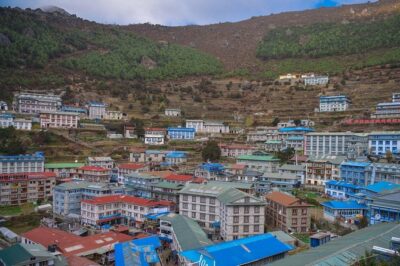
The walk to Dingboche is about five hours and includes rhododendron-covered areas. You’ll move into the Imjatse Valley, with views that can include Ama Dablam and Kantega. Along the way, you’ll pass a big mani stupa, and the route tends to feel like a series of small “window moments” where mountains reveal themselves as you round each bend.
Then you get another acclimatization day: a trek up toward Chhukung Valley and back to Dingboche. This is your chance to work your body higher without committing to the final push yet. You explore a valley that leads toward Island Peak and get serious sightlines of Ama Dablam’s north face plus the Lhotse-Nuptse ridge.
If you tend to get impatient on rest days, this is the kind of hike you’ll appreciate: it gives you movement and viewpoints without treating altitude like a race.
Lobuche: frozen rivers, stone houses, and icefall views
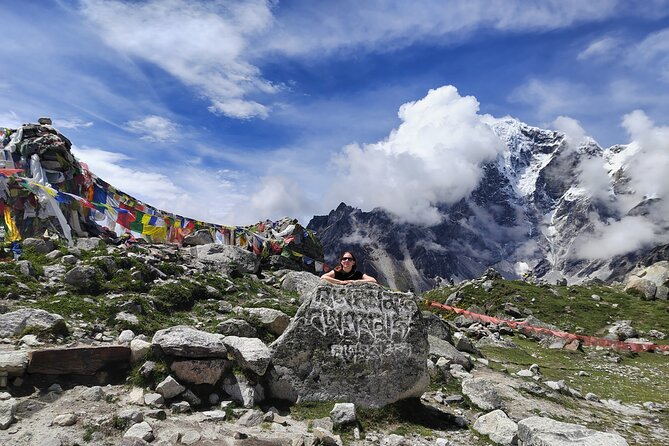
The next leg goes toward Lobuche in about five hours. You’ll walk along the Dughla Valley, often beside frozen rivers, where stone houses appear in that icy, exposed setting. This day is a shift from “valley hiking” into “high-altitude realism.”
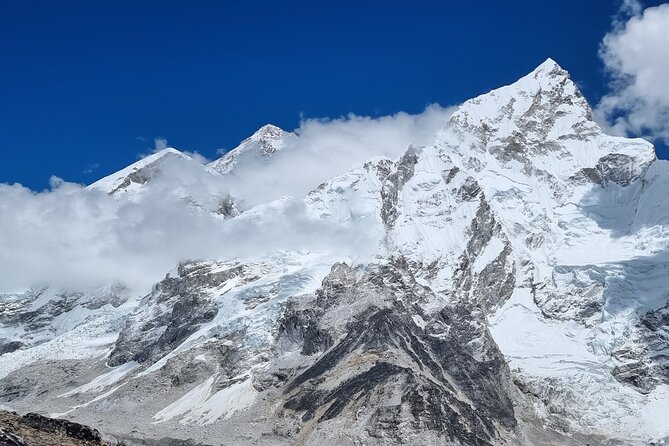
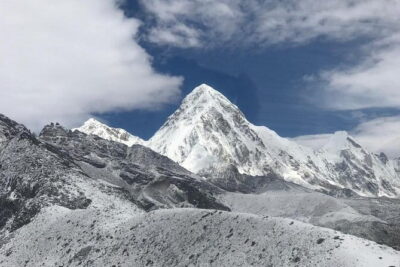
From ridge tops, you can feast your eyes on the Khumbu Ice-fall and see Pumori and smaller peaks. Even if weather changes, you still get the sense that you’re entering the Everest machinery—glaciers, ice, and the geography that makes Everest Base Camp a hard-to-replicate place.
Gorakshep and Everest Base Camp: the day your destination finally happens
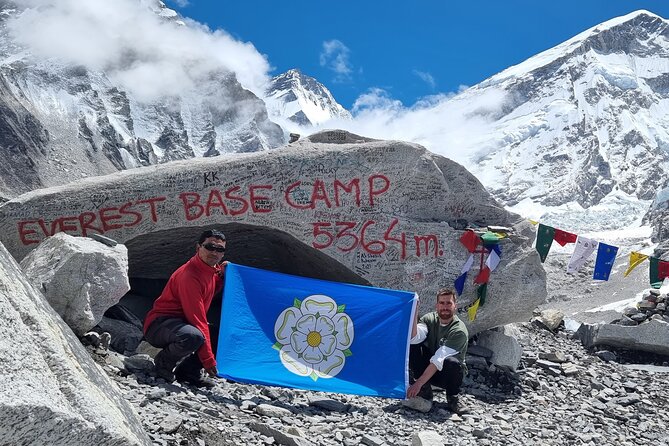
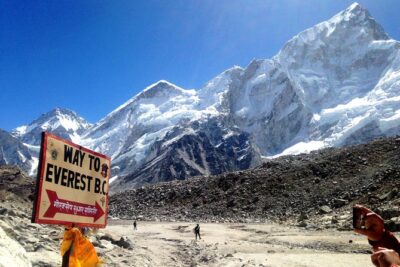
This is the big achievement day. You’ll hike about three and a half hours to Gorakshep, then continue for around three hours to go and return to Everest Base Camp. The pacing is designed to make the altitude feel more manageable: you reach the base area, you visit the base camp site, and you return for the night.
On the way, you trek near the Khumbu Glacier along a rocky path. And at Base Camp, you may hear avalanche sounds. That detail matters because it reminds you this is not a museum. It’s a live environment, and your presence there comes with respect.
At Gorakshep, nights can feel extra long. Bring a calm mindset: you’ve done the hardest part, but your body is still adjusting.
Kalapathar sunrise: why this viewpoint is the reason people suffer
After Gorakshep, you go up to Kalapathar (about 5,545m) early in the morning. The hike takes about six hours. This is the point where most people stop thinking in checkboxes and start thinking in feelings.
From Kalapathar, you get a huge panorama of Everest Himalayan ranges. You also typically feel better in altitude terms—not because the altitude changes, but because the peak effort is complete and your body starts to trust the day more.
This is the moment the trek earns its legend. You’ll see Everest and surrounding giants, and you’ll likely remember the light more than the distance.
The descent back: downhill is easy on paper and real on your knees
After Kalapathar, you head back down toward Namche. The plan is mostly downhill and takes about six hours. The day feels easier than the climbs, but it still asks a lot of your legs—especially if you’re not using trekking poles.
You’ll end up back in Namche with time to relax in the evening. There’s even room for drinks, a pool house, and shopping, which is a nice psychological reset after days of limited options.
Lukla and the return to Kathmandu: completing the loop
From Namche you trek to Lukla in about five and a half hours, passing back via Phakding—matching your early trek corridor. This final walking day is often more about breathing and enjoying than about pushing.
Then you fly back to Kathmandu. You get a half-hour flight, and in the morning you’ll likely have breakfast before heading out. Finally, you transfer to the international airport according to your flight time.
Who this trek fits best (and who should think twice)
This trek suits you if you:
- have moderate physical fitness
- want a guided Everest Base Camp itinerary with guesthouse stays
- like the mix of trekking and culture—Durbar Square and Pashupatinath are not “just a stop”
- prefer carrying less, thanks to porter support
Think twice if you:
- want a low-effort vacation (this route includes several long walking days and a high viewpoint hike)
- expect consistent luxury accommodations
- dislike early starts, since Kalapathar is an early-day commitment
The team: the names that keep coming up
One reason people keep giving this trek a strong track record is the human side. You’ll see the owner Gokul mentioned often for being responsive and flexible during planning, including fast answers and supportive check-ins around arrival. Guides named in success stories include Kali, Kumar, Dilli, Bikash, Prakash, and Nima, and porters like Santosh and Dilok also come up with praise for steady support.
If you book, I suggest you ask your operator who your guide will be and what the daily pacing looks like for your group. You’ll get the best experience when your expectations match the plan.
Should you book this Everest Base Camp trek?
I’d book it if you want a well-structured, guided 15-day EBC trip with Lukla flights included, guesthouse lodging, and a team that’s set up for real mountain days. The value is strongest when you appreciate that part of the price buys coordination: guides, porters, hotel and sightseeing support in Kathmandu, and the big logistical pieces around the trek start and finish.
I would not book it if you need lots of downtime, top-tier comfort, or a completely gentle walking schedule. This is a classic EBC route with real altitude goals—Everest Base Camp and Kalapathar are the payoff, and the trek knows it.
If that sounds like your kind of challenge, you’ll likely love how the trip builds from Kathmandu monuments into high-altitude views, then lands on a sunrise moment that’s hard to replace.
FAQ
What’s the starting and ending point for this Everest Base Camp trek?
It starts at Tribhuvan International Airport in Kathmandu, and it ends back at the meeting point in Kathmandu as well.
How long is the trek?
The experience runs for about 15 days.
What accommodation do I get during the trek?
You stay in guesthouses during the trek, on a twin sharing basis.
Are flights included?
Yes. Flight tickets from Kathmandu to Lukla and back to Kathmandu are included.
What’s included in Kathmandu before the trekking starts?
You get hotel pick-up and drop-off, standard hotel accommodation for three nights in Kathmandu, and a guided Kathmandu city tour by private car.
Do I get help with carrying luggage?
Yes. Porters carry your luggage during the trek (share for two people).
What are the main high-altitude stops?
The trek includes hikes to Everest Base Camp (around 5,400m) and Kalapathar sunrise viewpoint (around 5,545m).
What gear is provided if I need it?
The tour includes a down jacket and sleeping bag by Outshine Adventure if necessary.
What happens if I need to cancel, or if weather affects the trip?
You can cancel up to 6 days in advance for a full refund. If poor weather cancels the experience, you’ll be offered a different date or a full refund.
More Trekking Out of Kathmandu
More Tour Reviews in Kathmandu
Just Reviewed in Kathmandu
- Mountain Bike Tour
★ 5.0 · 3 reviews - Annapurna Panaroma
★ 5.0 · 3 reviews - Mount Everest Scenic Flight 50 Minutes
★ 5.0 · 3 reviews - Kathmandu : Swambhunath & Durbar Square Guided Half Day Tour
★ 3.3 · 3 reviews - Chandragiri Cable Car & Monkey Temple Tour – Private/Group
★ 5.0 · 3 reviews - Kathmandu: Shivapuri National Park Hiking Day Trip
★ 3.3 · 3 reviews
Everest Base Camp Treks, compared.
 ★ 5.0Everest Base Camp Trek – 14 DaysFrom $1,8001,499 reviews
 ★ 5.0Everest Base Camp TrekFrom $1,790842 reviews
 ★ 5.0Everest Base Camp TrekkingFrom $1,350485 reviews
 ★ 5.0Everest Base Camp Trekking – 13 DayFrom $1,399365 reviews
★ 5.0Everest Base Camp TrekFrom $1,445350 reviews
★ 5.0Everest Base Camp Trek -14 DaysFrom $1,420321 reviews
★ 5.0Everest Base Camp Trekking – 13 DayFrom $1,399365 reviews
★ 5.0Everest Base Camp TrekFrom $1,445350 reviews
★ 5.0Everest Base Camp Trek -14 DaysFrom $1,420321 reviews
 ★ 5.012 Days Everest Base Camp TrekFrom $1,099289 reviews
 ★ 5.0Everest Base Camp Trekking – 2025/2026From $1,339199 reviews
Browse the lists this tour appears in