
Review · EVEREST BASE CAMP TREKS
Everest Base Camp Trek 15 Days
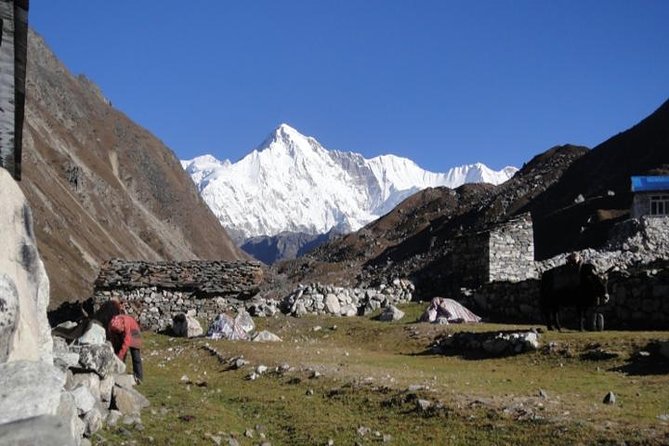
Everest begins before sunrise in Kathmandu. This Everest Base Camp trek (15 days approx.) is built around a realistic goal: reach the base of the world’s highest peak at 5,364m, while moving through Sherpa villages, Buddhist monasteries, and dramatic high-mountain scenery.
You also get the comfort pieces that make big mountains feel doable: clean scenic lodge nights, plus meals covered during the trek days.
I especially like the way this trek mixes Sherpa culture with the altitude grind. You’re not just hiking to a dot on a map; you’re also seeing old heritages, monasteries, and everyday village life in the Khumbu region, with Buddhist traditions and customs woven into the walk.
Second, I like the practical setup: dinner, breakfast, and lunch are included, and you get a sleeping bag and duffel bag, which helps you travel lighter.
One consideration: this trek demands moderate physical fitness and good weather. You’re aiming high, and the experience is weather-dependent, so you’ll want to plan for a little flexibility in your schedule.
In This Review
- Key Highlights Worth Noticing
- Everest Base Camp at 5,364m: What This Trek Is Really About
- Kathmandu Morning Start and Private-Group Logistics
- Sherpa Villages and Buddhist Monasteries: More Than Scenery
- Forest Walks to the Icefall Reality: What the Terrain Feels Like
- Lodge Nights, Warmth, and Meals Included for Recovery
- Guides and Porters: Why Certain Names Show Up
- Price and Value: $2,400 Explained (What You Get vs What You Pay Extra)
- Fitness, Altitude, Weather, and How to Prepare Smart
- Should You Book Everest Base Camp with Sherpa Expedition & Trekking?
- FAQ
- Where is the meeting point and what time does the trek start?
- Is this a private trek?
- How long is the Everest Base Camp trek?
- What’s included in the tour price?
- What’s not included in the price?
- What physical fitness level do I need?
- What happens if weather is bad or I need to cancel?
Key Highlights Worth Noticing
- Reach Everest Base Camp at 5,364m with lodge nights for real recovery time
- Sherpa villages plus Buddhist monasteries for culture you can actually feel on the trail
- Day-to-day comfort with dinner, breakfast, lunch included and a sleeping bag + duffel bag provided
- Guides and porters named often for care, communication, and keeping you safe while adapting to altitude
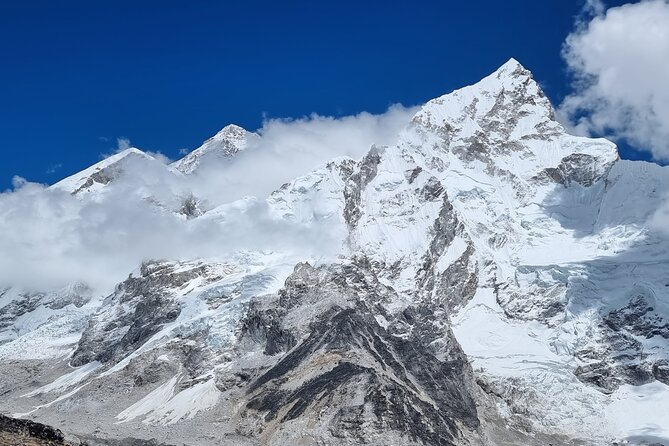
- Khumbu icefall glaciers appear as part of the trek’s high-alpine reality, not just a background photo
More trails out of Kathmandu, boots ready
- Everest Base Camp Trek – 14 Days★ 5.0 · 1,499 reviews
- Everest Base Camp Trek★ 5.0 · 842 reviews
- Everest Base Camp Trekking★ 5.0 · 485 reviews
- Nagarkot Sunrise View and Day Hiking from Kathmandu★ 5.0 · 471 reviews
Everest Base Camp at 5,364m: What This Trek Is Really About
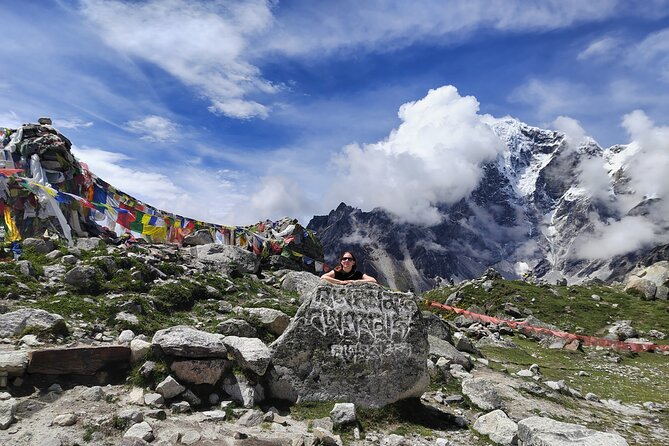
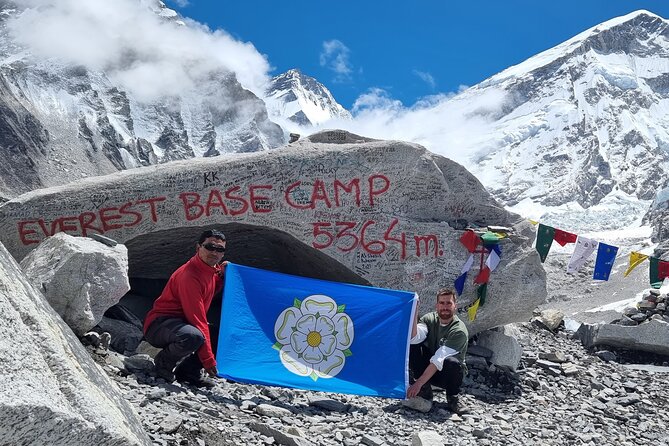
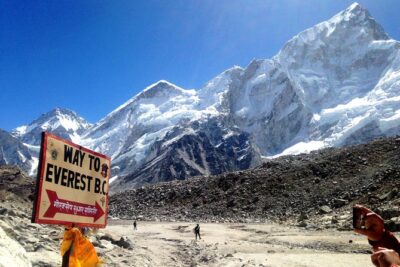
The headline is simple: you’re trekking to the base of Mount Everest, the world’s highest peak, at 5,364m. That number matters because it tells you what kind of day you’re building toward. At this altitude, the trek isn’t only about endurance; it’s about pacing, adaptation, and keeping your body calm enough to keep moving.
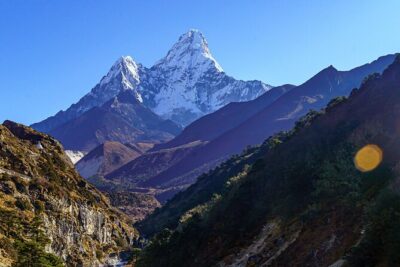
What makes this version feel smart is the balance between big goals and steady rhythm. The trek includes time in Sherpa traditional villages with Buddhist culture and customs, then shifts toward alpine forests with rhododendrons and pine, and eventually to the harsher, barren Khumbu icefall glacier zone. You’re getting a full range of the region, not one dramatic scene stretched thin.
The other part that matters is support. The experience is designed around clean scenic lodges and Sherpa hospitality, with guides and porters who show up in many of the strongest reviews by name. That’s not just nice to hear. On a mountain trek, having the right people handling the pace, logistics, and on-the-ground decisions can turn stress into focus.
Kathmandu Morning Start and Private-Group Logistics
This trek starts in Kathmandu with a meeting point at Sherpa Expedition And Trekking (Chaksibari Marg, Kathmandu 44600, Nepal). The start time is listed as 6:15 am, and the experience ends back at the meeting point.
You should know three practical things here:
1) Pickup is offered, so check what that looks like for your exact hotel location and timing.
2) The meeting point is marked as near public transportation, which helps if you’re arriving to Kathmandu on your own and want an easy way to get there.
3) It’s a private tour/activity. Only your group participates, which usually means less waiting around and fewer mixed pacing styles from strangers.
Duration is listed as 15 days (approx.). On mountain trips, that “approx.” is normal. If altitude, weather, or trail conditions shift, the schedule can adjust while the overall goal stays the same.
Sherpa Villages and Buddhist Monasteries: More Than Scenery
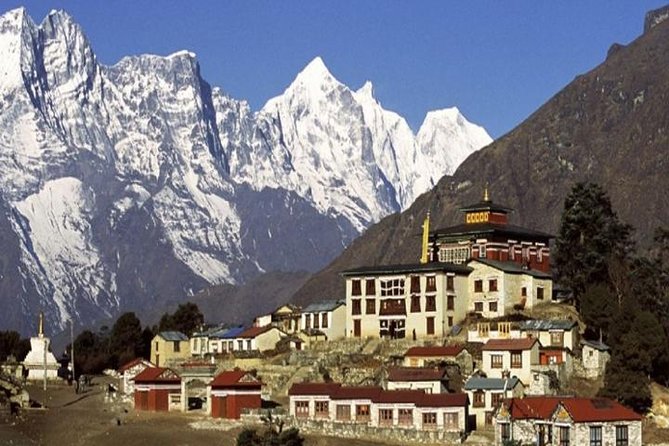
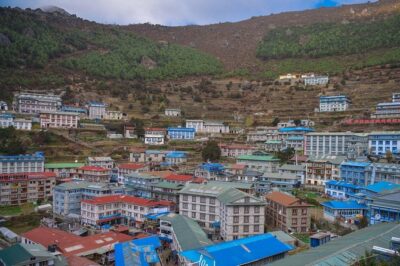
One of the most valuable parts of this trek is that you’re not treating Sherpa culture like a quick photo stop. The experience highlights Sherpa traditional villages and visits to old heritages and interesting monasteries. You’ll see Buddhist culture and customs in daily context, with monasteries sitting against some of the world’s most dramatic mountain backdrops.
Here’s why I think that’s more than sightseeing: culture and terrain work together on this trek. Village days tend to feel more human-scaled. You get chances to slow down, talk with people, and reset after bigger walking days. Then monasteries and heritage sites give you a quiet place to look at the mountains and understand why this region has such a strong spiritual rhythm.
This is also where you’ll likely notice the best work from your guide. Several guide names show up strongly in the reviews, and the common thread is care: helping you feel safe, helping you adapt to altitude, and making sure you understand what’s happening around you. If you care about context—not just climbing—this culture component is a big reason the trek gets high marks.
Forest Walks to the Icefall Reality: What the Terrain Feels Like
The trek includes time through alpine rhododendrons and pine forests, then transitions toward the barren Khumbu icefall glaciers. That sequence matters, because it changes how your body feels day to day.
Forests usually mean:
- more gradual walking
- a different kind of breath control (less sudden exposure)
- more consistent footing and shade
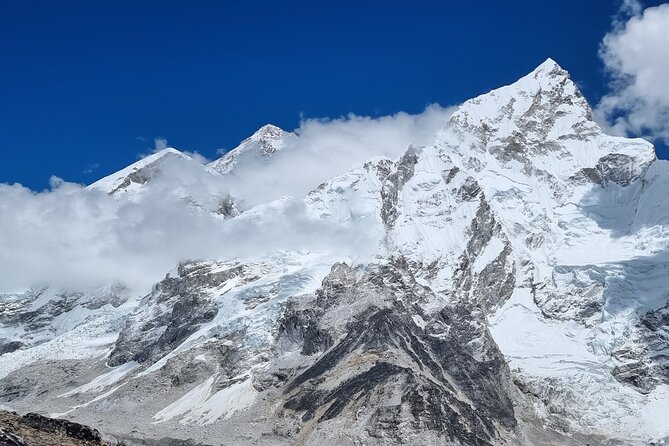
Then the icefall/glacier area shifts the mood. The term Khumbu icefall glaciers isn’t “soft scenery.” It signals a tougher, colder, harsher zone where the mountain looks the way it does in real life: raw, stark, and serious.
If you’re thinking about comfort, don’t assume the trek will stay mild just because you’re sleeping in lodges. The mountains still set the rules. The best preparation is not just fitness; it’s also mental flexibility. When conditions tighten, you’ll want to trust your guide’s call on pace and safety.
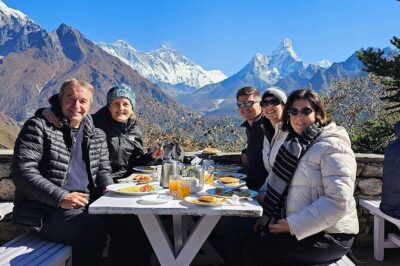
Lodge Nights, Warmth, and Meals Included for Recovery
This trek has a strong “recovery-first” angle. You’ll spend nights in warm and comfortable clean scenic lodges, and the package includes dinner, breakfast, and lunch. That’s important because on a multi-day trek, meal planning becomes a time and energy drain if it’s not handled for you.
The fact that meals are included also changes your budgeting. You don’t have to calculate daily costs for core food. You can focus your money on the extras you choose: snacks (not included), soda/pop, and alcoholic beverages (not included).
From a comfort standpoint, the included gear helps too:
- Sleeping bag
- Duffel bag
Having these items included reduces the risk of arriving with the wrong bag or packing heavier than you need. It’s also one less thing to manage on arrival in Kathmandu, where you already have enough going on.
Guides and Porters: Why Certain Names Show Up
The Everest Base Camp trek is hard work, but the reviews make it clear that the human support is the difference between surviving and feeling cared for.
Here are some of the guide and porter names that appear in high praise, along with what the praise tends to emphasize:
- Pasang: praised for making people feel like family, with strong support and guidance that made the trek feel meaningful.
- Lakpa: repeatedly thanked for helping trekkers complete the mission, including going above and beyond to assist along the way.
- Ram: recognized for communication and logistics help, including being flexible to meet when flights delayed.
- Buddha Tamang: praised for organization on the admin side and for guide expertise and care.
- Porters Neema / Paseng and others like Kumar, Gumbo, and Tendi: praised for safety, support, and attention to physical condition and altitude adaptation.
- One practical detail that comes up: porters helping with load management, including carrying day bags when needed.
So what should you take from this as a decision-maker? If you care about how the trip feels day-to-day, pick the operator for people, not just the itinerary. When the same names show up with consistent praise, that’s a sign the support system is functioning, not just promised.
Price and Value: $2,400 Explained (What You Get vs What You Pay Extra)
At $2,400 per person, the price isn’t “cheap,” but it also isn’t just a name on a booking page. The included items matter:
Included:
- Dinner, breakfast, and lunch
- Sleeping bag and duffel bag
- All fees and taxes
Not included:
- Nepal Visa
- Insurance
- Tips for guide / porter
- Alcoholic beverages
- Soda/pop
- Snacks
So where does the value land? For many trekkers, the biggest hidden costs on big trips are (1) daily meals, (2) needed gear, and (3) local operational fees that aren’t obvious upfront. This package covers core meals and gear, which helps you avoid unpleasant surprises mid-trek.
What you still need to plan for:
- Visa and insurance are on you. If you’re relying on insurance, make sure it’s appropriate for trekking at high altitude.
- Tips are not included, and in Nepal trekking culture that’s part of how guides and porters get rewarded.
- Snacks and drinks are extra, so carry a plan for what you like to eat between meals.
In short: you’re paying for the full trekking machine to run smoothly—food, gear, and operational fees. You pay extra for personal choices and your own paperwork/insurance.
Fitness, Altitude, Weather, and How to Prepare Smart
Your fitness target is listed as moderate physical fitness. That’s a helpful baseline. It also hints that this is not a couch-to-summit extreme challenge, but it still expects consistent stamina and comfort walking on uneven terrain.
Altitude is the real boss here. Even with lodge nights and support, you’re going toward 5,364m at Everest Base Camp. That means your pace, your hydration, your sleep, and your willingness to take it slow matter as much as your gym fitness.
Weather is another factor you can’t ignore. The experience requires good weather, and if it gets canceled due to poor weather, you’ll be offered a different date or a full refund. The trek operator also notes a minimum number of travelers for the experience to run, so your calendar may need to stay flexible.
Practical advice from a purely common-sense viewpoint:
- Train for long walks with a pack, not just short runs.
- Bring clothing for cold mornings and warm afternoons, because mountains swing fast.
- If you’re prone to headaches at altitude, plan to mention it early to your guide and take the pace they set seriously.
Should You Book Everest Base Camp with Sherpa Expedition & Trekking?
I’d book this trek if you want a classic Everest Base Camp experience with real lodge comfort, included meals, and strong support from guides and porters. The consistent praise for people like Pasang and Lakpa is a big signal that this is a team-run experience, not just a generic booking with a random handoff.
I might think twice if you’re not able to handle moderate trekking fitness or if your schedule can’t tolerate possible weather-driven changes. Also, because visa, insurance, and tips aren’t included, make sure your total budget accounts for those items, not just the trek price.
If you’re aiming for the bucket-list goal and you want it done with care, this is one of the more sensible packages to consider.
FAQ
Where is the meeting point and what time does the trek start?
The meeting point is Sherpa Expedition And Trekking, Chaksibari Marg, Kathmandu 44600, Nepal. The start time listed is 6:15 am.
Is this a private trek?
Yes. This is a private tour/activity, and only your group participates.
How long is the Everest Base Camp trek?
The duration is listed as 15 days (approx.).
What’s included in the tour price?
Dinner, breakfast, and lunch are included. You also get a sleeping bag and duffel bag, and all fees and taxes are included.
What’s not included in the price?
Not included are the Nepal visa, insurance, tips for the guide/porter, alcoholic beverages, soda/pop, and snacks.
What physical fitness level do I need?
Travelers should have a moderate physical fitness level.
What happens if weather is bad or I need to cancel?
You can cancel for free up to 24 hours in advance for a full refund. If the experience is canceled due to poor weather, you’ll be offered a different date or a full refund.
More Trekking Out of Kathmandu
More Tour Reviews in Kathmandu
Just Reviewed in Kathmandu
- Mountain Bike Tour
★ 5.0 · 3 reviews - Annapurna Panaroma
★ 5.0 · 3 reviews - Mount Everest Scenic Flight 50 Minutes
★ 5.0 · 3 reviews - Kathmandu : Swambhunath & Durbar Square Guided Half Day Tour
★ 3.3 · 3 reviews - Chandragiri Cable Car & Monkey Temple Tour – Private/Group
★ 5.0 · 3 reviews - Kathmandu: Shivapuri National Park Hiking Day Trip
★ 3.3 · 3 reviews
Everest Base Camp Treks, compared.
 ★ 5.0Everest Base Camp Trek – 14 DaysFrom $1,8001,499 reviews
 ★ 5.0Everest Base Camp TrekFrom $1,790842 reviews
 ★ 5.0Everest Base Camp TrekkingFrom $1,350485 reviews
 ★ 5.0Everest Base Camp Trekking – 13 DayFrom $1,399365 reviews
★ 5.0Everest Base Camp TrekFrom $1,445350 reviews
★ 5.0Everest Base Camp Trek -14 DaysFrom $1,420321 reviews
★ 5.0Everest Base Camp Trekking – 13 DayFrom $1,399365 reviews
★ 5.0Everest Base Camp TrekFrom $1,445350 reviews
★ 5.0Everest Base Camp Trek -14 DaysFrom $1,420321 reviews
 ★ 5.012 Days Everest Base Camp TrekFrom $1,099289 reviews
 ★ 5.0Everest Base Camp Trekking – 2025/2026From $1,339199 reviews
Browse the lists this tour appears in