
Review · EVEREST BASE CAMP TREKS
Everest Base Camp Trek
One flight can change everything. This Everest Base Camp trek turns Kathmandu logistics into mountain time, with private guided pacing and real Sherpa village moments. You’ll fly to Lukla (via Manthali when needed), walk teahouse paths, and work up to the big Everest viewpoints without needing summit plans.
I especially like the built-in acclimatization breaks—Namche Bazaar and Dingboche aren’t just stops, they’re recovery time. And I like the human support: an English-speaking trek leader plus an assistant guide, with porter help for main luggage so you can keep your energy for walking. You’ll also get practical take-home gear like a duffel bag, T-shirt, and trekking map.
One consideration: the package lists some flight details as included and also lists the Lukla flight as not included. Before you pay the final balance, confirm exactly what’s covered for your departure date and which airport route you’ll use.
In This Review
- Key things I’d circle before you go
- Kathmandu: where your trek leader earns their coffee
- Flight to Lukla, via Manthali: the part you should plan for
- Phakding to Namche Bazaar: bridges, valley views, and your first Everest hints
- Namche acclimatization day: shops, wifi cafes, and a controlled altitude win
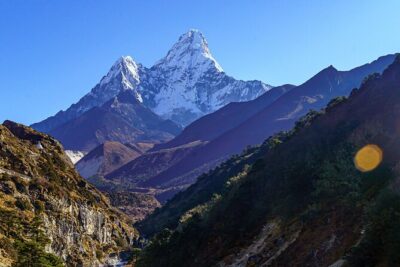
- Tengboche: monastery calm with Ama Dablam looming
- Dingboche: Sherpa villages, Island Peak views, and a second acclimatization reset
- Lobuche and the Khumbu Glacier edge: the trek turns serious
- Everest Base Camp day: 12 km of big feeling, then back down
- Kala Patthar: the classic Everest close-up (and why it’s worth the effort)
- Downhill into Namche: protect your legs, keep your spirits up
- Back to Kathmandu: swap altitude for city noise
- Guides, porters, and the small-group setup that changes your comfort
- What’s included, what’s not, and what that means for value
- When this trek is a great fit—and when it’s not
- Should you book this Everest Base Camp trek?
- FAQ
- How long is the Everest Base Camp trek?
- What’s the maximum group size?
- Is pickup and drop-off included in Kathmandu?
- Do I get a porter?
- Are meals and tea house accommodations included?
- How does the trek handle altitude acclimatization?
- Is the Lukla flight included?
- What if I need to cancel or it’s canceled due to weather?
Key things I’d circle before you go
- Manthali-to-Lukla route may replace Kathmandu-to-Lukla, including a 4-hour nighttime drive to Ramechhap
- Two acclimatization days (Namche Bazaar and Dingboche) keep you from rushing the altitude math
- Kala Patthar is the payoff viewpoint, reaching up to 5,550m for the classic Everest close-up
- Small-group size (max 9) with a guide team for help when conditions change
- Tea houses + full board meals so you’re not constantly deciding what to eat at altitude
More trails out of Kathmandu, boots ready
- Everest Base Camp Trek – 14 Days★ 5.0 · 1,499 reviews
- Everest Base Camp Trek★ 5.0 · 842 reviews
- Everest Base Camp Trekking★ 5.0 · 485 reviews
- Nagarkot Sunrise View and Day Hiking from Kathmandu★ 5.0 · 471 reviews
Kathmandu: where your trek leader earns their coffee
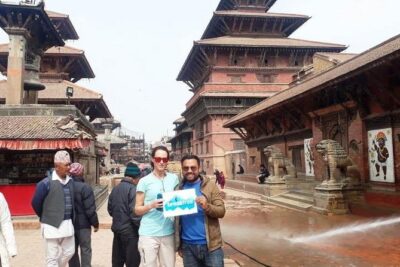
Day 1 starts in Kathmandu, with an airport pickup and private-vehicle transfer to your hotel. After check-in, you meet your trek leader and the rest of the team, then do a gear check and a proper briefing. If you’re the type who likes to ask questions about boots, layers, and pacing, this is your moment.
Later, you’ll have time for last-minute shopping or a wander through Thamel, the tourist hub where you’ll find trekking essentials and lots of advice. It’s also where you’ll get a feel for the vibe: Nepal is warm, fast, and very used to visitors preparing for the mountains.
Flight to Lukla, via Manthali: the part you should plan for
Day 2 is the day you leave “city altitude” behind, but the route can be different depending on domestic flight operations. Flights to Lukla may run out of Manthali Airport in Ramechhap District, which means a four-hour drive from Kathmandu during the night. The flight itself is short (about 20 minutes) and early in the morning, then you continue on to Phakding by foot.
The Lukla landing is famous for a reason: the runway drops and rises sharply, and the plane is usually a Dornier/Twin Otter type. You don’t need to be a pilot to appreciate the view—this is when you start seeing the Himalayas in layers, not just as a headline.
Important practical note: the tour summary says domestic flights are included, but the “not included” section lists Lukla Flight. That mismatch is common in trekking sales, but it’s also exactly why you should confirm what your final quote covers (and from which airport you’ll fly). Your trek leader will likely know your date’s plan, but don’t assume.
Phakding to Namche Bazaar: bridges, valley views, and your first Everest hints
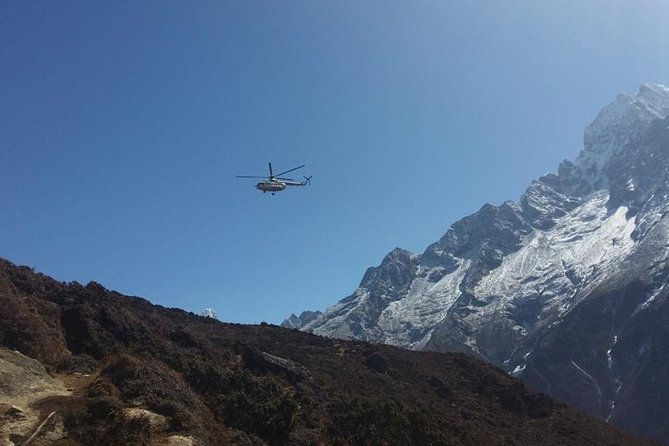
From Lukla, you walk into the Dudh Koshi Valley, dropping toward the Dudh Koshi River and continuing into Phakding (2,610m). The trail passes Chauri Kharka village, and you’ll notice how quickly the walk becomes a rhythm: valley air, river views, and villages spaced like checkpoints.
If you still have energy, Phakding is a good place to talk with locals and try a hot drink in a cafe. This early social time matters because it makes the later days feel less isolated.
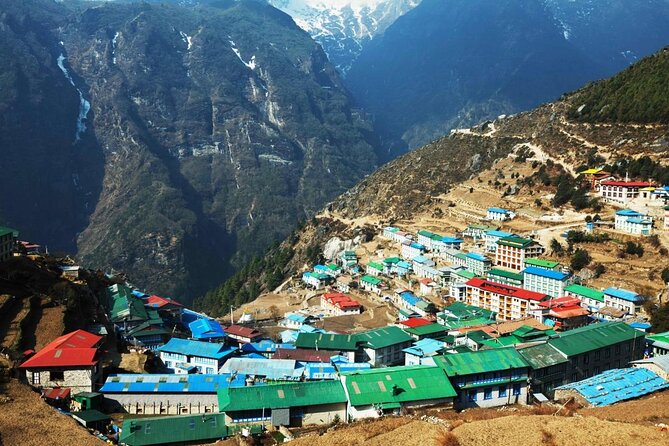
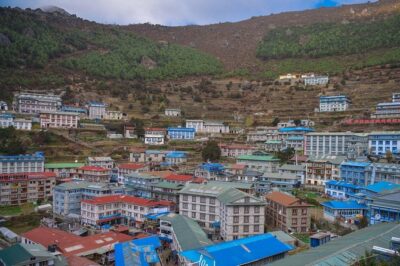
The next day pushes you up toward Namche Bazaar, often called the Sherpa capital. You’ll cross multiple suspension bridges, including the well-known Hillary Suspension Bridge, and then hike through pine forests. After lunch near Jorsale, there’s a tougher climb to Namche, where you can get your first real Everest view from Tope Danda.
This is also where your park permits come into play as you approach Sagarmatha National Park. Don’t treat that like paperwork; it’s part of how the trekking system is managed here.
Namche acclimatization day: shops, wifi cafes, and a controlled altitude win
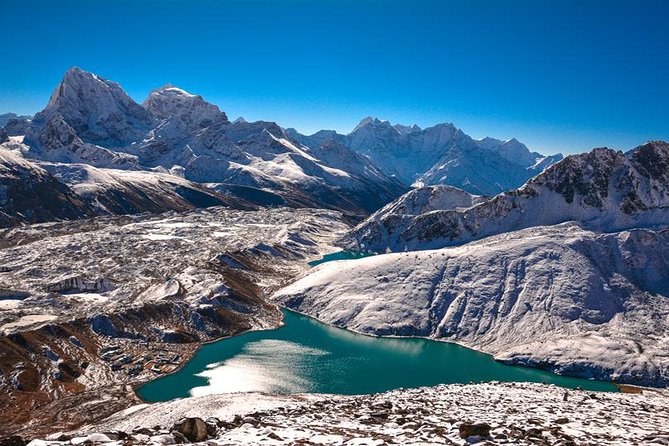
Day 4 is a rest-and-adjust day in Namche Bazaar. Yes, you can explore—gear shops, souvenirs, and cafes with wifi. But the smart move is to use the altitude safely. Your plan includes easy add-on options like Hillary School, Sherpa settlement visits, Syangboche Airport, and yak farms.
For Everest-focused trekkers, you’ll have a chance to go to Hotel Everest View for sweeping panorama views from a ridge. This isn’t the highest point on the trek, but it’s often the day you realize how large the Everest region really is—one mountain is never just one mountain here.
The hotel also sits inside Sagarmatha National Park and is described as offering views of Everest from rooms. Even if you just do a viewpoint stop, it’s a practical way to turn acclimatization into something visually rewarding.
Tengboche: monastery calm with Ama Dablam looming
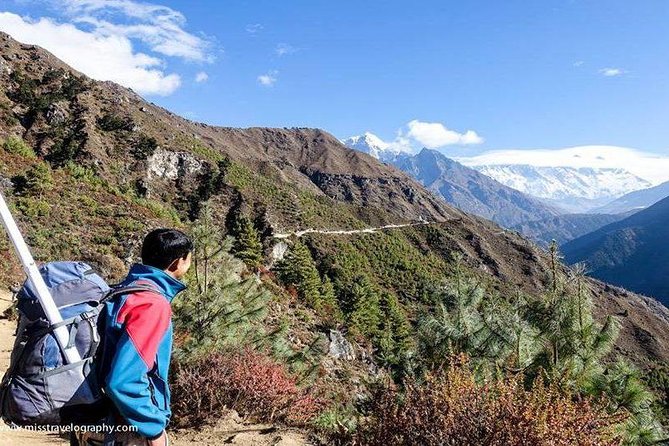
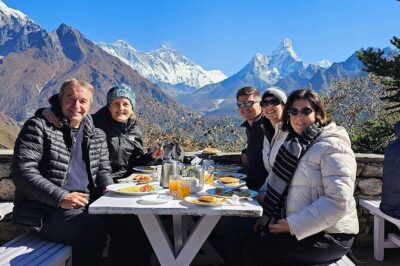
Day 5 takes you to Tengboche (spelled Tengboche/Tyongboche depending on signage), with forests of juniper and rhododendron and big peaks appearing above the tree line. You’ll likely see Everest, Nuptse, Lhotse, Ama Dablam, Thamserku, and Kwangde on good days—this is when the Himalayas start looking like a connected system instead of separate photos.
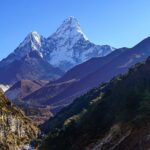
The climb ends in Tengboche village, with close views of Ama Dablam described as one of the most beautiful peaks in the world from this area. You’ll also visit Tengboche Monastery (Tengboche Gompa / Dawa Choling Gompa), the largest gompa in the Khumbu region at 3,867m.
A monastery stop isn’t just cultural theater here. It gives you a pause from the constant measuring of breath and steps, and it’s a good moment to slow down and notice how the community lives around these mountains.
Dingboche: Sherpa villages, Island Peak views, and a second acclimatization reset
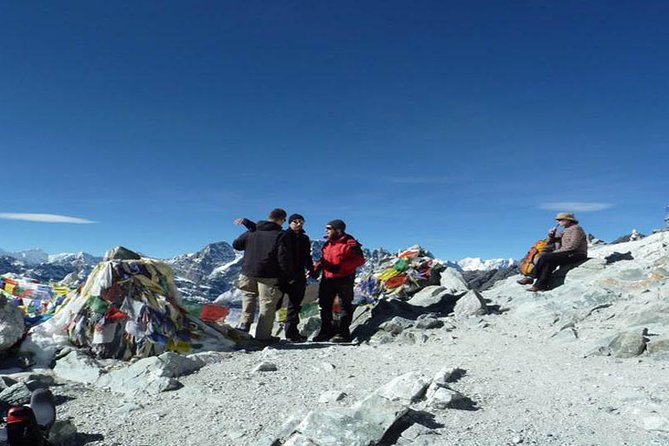
Day 6 moves you onward via Pangboche and brings you to Dingboche. This day crosses toward the plains and follows the Imja Khola area before you reach the high village zone. Pangboche is highlighted for having the biggest and highest permanent Sherpa settlement in the region, and Dingboche continues that pattern of village life combined with altitude.
You’ll also get views of Ama Dablam and Island Peak—a reminder that the trek is not only about Everest. The landscape here is all peaks, all the time.
Day 7 is your second acclimatization day in Dingboche. The plan includes a hike to Nagarjun Hill (5,100m), described as an uphill walk without technical climbing. You may scramble on loose rocks, so good foot placement matters, but the main challenge is the altitude—not climbing skills.
From Nagarjun Hill, you can see a wide range of mountains, including Makalu, Lhotse, Ama Dablam, Kantega, and Thamserku, plus close views of the Imja glacier. This is one of the reasons acclimatization days are worth it: you get views and your body gets a chance to adjust.
Lobuche and the Khumbu Glacier edge: the trek turns serious
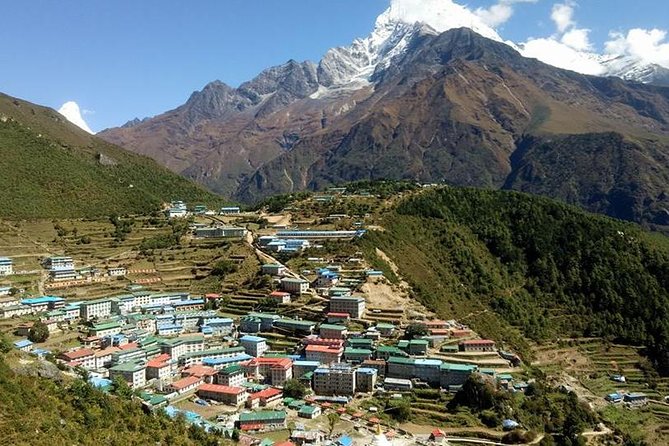
Day 8 heads to Lobuche, walking along the lateral moraine of the Khumbu Glacier. The trail also passes stone memorials for climbers who have perished nearby. It’s sobering, but it’s also part of understanding how dangerous this region can be.
The day may come with breathing discomfort because of altitude. This is where your guide’s pacing matters. You don’t win by going fast; you win by moving steadily enough that your system keeps working.
Everest Base Camp day: 12 km of big feeling, then back down
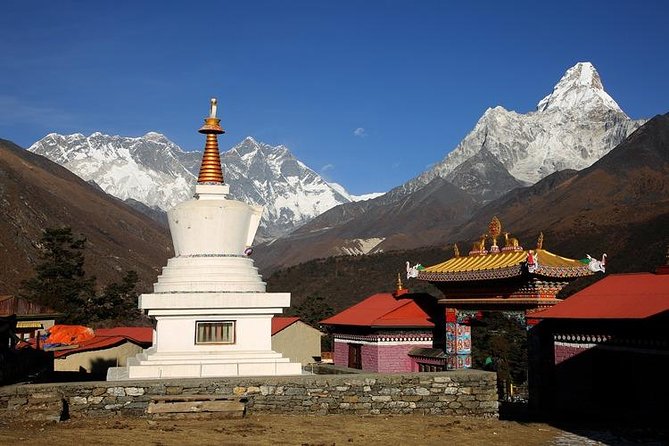
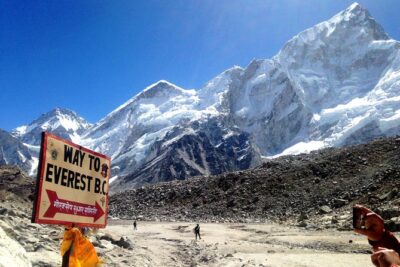
Day 9 is a long trek day—about 7–8 hours and roughly 12 km—to Everest Base Camp (5,365m) from Gorak Shep via the glacier route. This is the closest you can get to Everest without climbing gear.
At Base Camp, you’ll see the Khumbu Icefall from the area around Base Camp. In spring, expedition teams may be present. Either way, the feeling tends to be the same: scale, noise, and dust all mixing into one intense mountain experience.
After reaching Base Camp, you return to Gorak Shep for the night. That choice makes sense. If you stay too high for too long without a plan, altitude catches up fast.
Kala Patthar: the classic Everest close-up (and why it’s worth the effort)
Day 10 is the big viewpoint day: a hike to Kala Patthar, reaching about 5,550m. It’s the highest point on this trek and a key reason people do Everest Base Camp in the first place—because Everest’s summit isn’t clearly visible directly from Base Camp for most trekkers, but Kala Patthar often gives the dramatic close-up.
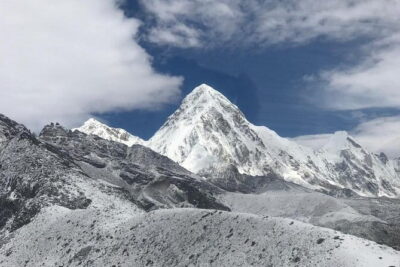
You’ll get icy walls and surrounding giants like Mount Pumori, Nuptse, and Lhotse in a wide view. A sunrise-style moment is suggested here as the sun lights up the rocky pinnacle of Everest. Whether you chase the lighting at the exact moment or just watch it build, the goal is the same: the mountain looks real up close, not like a distant postcard.
After the viewpoint, you descend back toward Pheriche for the night.
Downhill into Namche: protect your legs, keep your spirits up
Day 11 is a downhill trek from Pheriche to Tengboche, then on to Namche Bazaar. You’re looking at roughly eight hours, which can still feel tough because downhill can grind your knees and ankles.
Day 12 brings the walk back toward Lukla, crossing sites like the Hillary Suspension Bridge again and passing through local villages. You end with an overnight in Lukla—this is the day where the mountains start feeling like a memory instead of a daily reality.
Back to Kathmandu: swap altitude for city noise
Day 13 returns you to Kathmandu. You’ll see the Himalayas again from the air and recognize more peaks than you could on day one. Then it’s a transfer to your hotel, with the rest of the day free—Thamel dinner is a common move here.
Day 14 is the final transfer to the airport. If you extend your stay, the operator says they can help you plan more Himalayan time.
Guides, porters, and the small-group setup that changes your comfort
This trek caps at 9 travelers, which matters because it affects how often you can stop, regroup, and ask questions without slowing the whole line. You’ll travel with a guide team: a government-licensed English-speaking trek leader plus an assistant trekking guide for personalized care (the plan notes an assistant guide ratio tied to group size). That structure is what helps when someone needs a slower pace or a quick medical check.
You also get a porter for main luggage, and the plan notes a porter-to-trekker arrangement (2 trekkers per porter). For solo travelers, the “not included” section says there isn’t a porter. If solo, you’ll want to plan your pack weight accordingly.
The support doesn’t stop at walking help. The trek includes first aid items, a pulse oximeter, and essential medicines including paracetamol and Diamox. It’s also described as having a trek leader trained in first aid with the equipment and supplies to handle common altitude-related needs.
One of the most praised parts of this company’s approach, based on the guide names and experiences tied to them, is that guides like Shiva Shrestha and Hari are described as attentive and encouraging—exactly what you want when motivation dips and breath gets short. It also shows up in how people talk about communication before the trip and problem-solving on the ground.
What’s included, what’s not, and what that means for value
On paper, the price is $1,169 per person for about 14 days. What you’re really paying for is not just the walking—it’s the logistics engine that makes Everest-area treks work: pick-up/drop-off, trained guide staffing, park fees, meals, and consistent tea house accommodation.
Included highlights you should care about:
- Full board meals (breakfast, lunch, dinner) during the trek
- “Best available clean and comfortable tea house accommodation”
- Park entry fees plus a community fee for Sagarmatha National Park
- A down jacket and sleeping bag provided for the trek and returned afterward
- Take-home souvenirs: duffel bag, T-shirt, and trekking map
- Porter support for main luggage (with the solo traveler exception noted)
What you may need to budget separately:
- Travel and medical insurance (not included)
- Tips for guide/porter/driver are expected
- Personal expenses like phone calls, internet, laundry, snacks, and battery charging
- Extra night accommodation in Kathmandu if your flights force a long wait
- The “not included” section lists Lukla Flight and also mentions excess baggage fees (15 kg baggage allowance). Confirm this early because this is where totals can change.
One more “check this” item: the tour summary says domestic flights are included, but the details around flights to Lukla via Manthali and the separate note about Lukla flight being not included mean you should get a written answer before committing. It protects your budget and keeps surprises away.
When this trek is a great fit—and when it’s not
This is a solid choice if you want Everest Base Camp without summit ambition. You’re still getting high-altitude stress and real mountain days, but you’re not signing up for technical climbing.
It’s a good fit if:
- You like the structure of guided pacing and want help managing altitude days
- You’re okay with teahouse basics (hot showers are not guaranteed at altitude; you’ll adapt)
- You value cultural stops like Tengboche Monastery
- You want a small-group experience with a guide team
You might reconsider if:
- You’re traveling solo and want porter help for main luggage (it’s listed as not included for solo travelers)
- You don’t want to handle unclear flight inclusions—double-check Lukla/domestic flight coverage for your date
- You’re very sensitive to long day walks, since Base Camp and Kala Patthar days both demand real time and effort
Should you book this Everest Base Camp trek?
If you want a well-run Everest-area trek with support that includes an experienced guide team, structured acclimatization, meals, and tea house lodging, this looks like a strong match for your money. The most compelling factor for me is the way the plan builds in altitude logic (Namche Bazaar and Dingboche) and the fact that Kala Patthar is treated as a must-do, not a maybe.
My final advice is simple: before you book, confirm the exact flight coverage for your dates—especially the Manthali-to-Lukla plan and whether the Lukla flight cost is already included in your quote. If that’s clear, you’ll be free to focus on the walk, the mountain scale, and the calm Sherpa rhythm that shows up when you stop rushing.
FAQ
How long is the Everest Base Camp trek?
It’s listed as 14 days approximately, starting in Kathmandu and ending back in Kathmandu.
What’s the maximum group size?
The trek has a maximum of 9 travelers.
Is pickup and drop-off included in Kathmandu?
Yes. The package includes airport pick up & drop off service in a private vehicle.
Do I get a porter?
A porter is included to carry your main luggage for the trek (noted as 2 trekkers : 1 porter). For solo travelers, porter service is listed as not included.
Are meals and tea house accommodations included?
Yes. You get full board meals (breakfast, lunch, dinner) and tea house accommodation during the trek.
How does the trek handle altitude acclimatization?
You’ll have dedicated acclimatization days in Namche Bazaar and Dingboche, including a hike to Nagarjun Hill (5100m).
Is the Lukla flight included?
The trip details include flight plans to Lukla, but Lukla Flight is listed as not included. You should confirm what’s covered for your dates.
What if I need to cancel or it’s canceled due to weather?
You can cancel up to 3 days in advance for a full refund. If it’s canceled due to poor weather, you’ll be offered a different date or a full refund.
More Trekking Out of Kathmandu
More Tour Reviews in Kathmandu
Just Reviewed in Kathmandu
- Mountain Bike Tour
★ 5.0 · 3 reviews - Annapurna Panaroma
★ 5.0 · 3 reviews - Mount Everest Scenic Flight 50 Minutes
★ 5.0 · 3 reviews - Kathmandu : Swambhunath & Durbar Square Guided Half Day Tour
★ 3.3 · 3 reviews - Chandragiri Cable Car & Monkey Temple Tour – Private/Group
★ 5.0 · 3 reviews - Kathmandu: Shivapuri National Park Hiking Day Trip
★ 3.3 · 3 reviews
Everest Base Camp Treks, compared.
 ★ 5.0Everest Base Camp Trek – 14 DaysFrom $1,8001,499 reviews
 ★ 5.0Everest Base Camp TrekFrom $1,790842 reviews
 ★ 5.0Everest Base Camp TrekkingFrom $1,350485 reviews
 ★ 5.0Everest Base Camp Trekking – 13 DayFrom $1,399365 reviews
★ 5.0Everest Base Camp TrekFrom $1,445350 reviews
★ 5.0Everest Base Camp Trek -14 DaysFrom $1,420321 reviews
★ 5.0Everest Base Camp Trekking – 13 DayFrom $1,399365 reviews
★ 5.0Everest Base Camp TrekFrom $1,445350 reviews
★ 5.0Everest Base Camp Trek -14 DaysFrom $1,420321 reviews
 ★ 5.012 Days Everest Base Camp TrekFrom $1,099289 reviews
 ★ 5.0Everest Base Camp Trekking – 2025/2026From $1,339199 reviews
Browse the lists this tour appears in