
Review · EVEREST BASE CAMP TREKS
Everest Base Camp trek – 16 days
Everest feels close on this guided trek. I love how this plan gives you full porterage and handles the hard logistics end-to-end, including an internal flight. You’ll also spend real time in Sherpa heartland, with key highlights like Tengboche monastery and the climb to Kala Patthar for big Everest views. One drawback to keep in mind: the itinerary tops out at about 5545 m, so if you have lungs issues or you’re not ready for the fitness load, you’ll want to talk with a clinician before you go.
What makes it especially interesting is the mix of comfort and simplicity: 3 nights in centrally located Kathmandu hotels with breakfast, then 12 nights in guest houses while you walk point to point for about 13 days. You get a dedicated guide and porter team, plus pickup and drop transfers in Kathmandu, so you spend your energy on the mountains, not on figuring things out.
In This Review
- Key highlights worth knowing before you go
- From Thamel to the trail: how this trek starts
- Kathmandu hotels and trek guest houses: comfort you can count on
- Namche Bazaar and Tengboche: Sherpa culture with mountain drama
- Kala Patthar at about 5545 m: the high point moment
- The Everest Base Camp days: what you’re actually walking through
- Guide and porter support: where the experience usually makes or breaks
- Price and logistics: does $1,794.88 feel fair
- What to pack for this Everest Base Camp plan
- Who this trek suits best
- Should you book this Everest Base Camp trek with Kailash Himalaya Trek?
- FAQ
- Where is the meeting point for this Everest Base Camp trek?
- How long is the trek and how many days are walking?
- What is the maximum altitude on this itinerary?
- Does the tour include airport transfers and an internal flight?
- Are meals included during the trekking days?
- Are meals included in Kathmandu?
- What accommodation do I stay in during the trek?
- Is porterage included?
- Do I need to bring my own sleeping bag?
- What happens if weather is bad, and how does cancellation work?
Key highlights worth knowing before you go
- Full porterage for the walking days means your pack load is much more manageable at altitude.
- Tengboche monastery and Namche Bazaar area puts you in Sherpa heartland with monasteries and mountain culture.
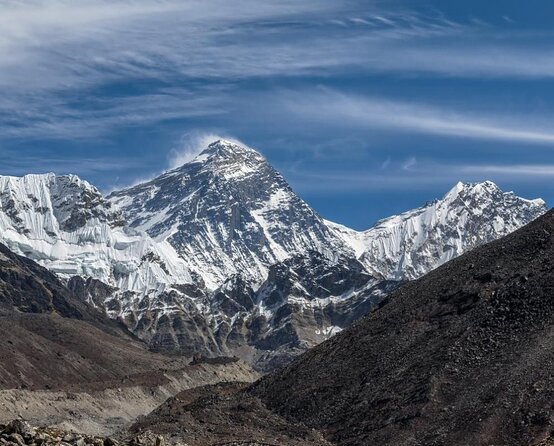
- Kala Patthar (about 5545 m) is the highest viewpoint in this itinerary and a prime photography target.
- 13 days point to point walking reduces backtracking and keeps the trip feeling purposeful.
- 3 Kathmandu hotel nights + 12 trek guest-house nights balances comfort and authentic mountain stays.
- A dedicated guide and porter team (including staff members like Dawa, Chiring, Raju, Tej, Budhi, and Ardash) is the difference-maker for morale and logistics.
More trails out of Kathmandu, boots ready
- Everest Base Camp Trek – 14 Days★ 5.0 · 1,499 reviews
- Everest Base Camp Trek★ 5.0 · 842 reviews
- Everest Base Camp Trekking★ 5.0 · 485 reviews
- Nagarkot Sunrise View and Day Hiking from Kathmandu★ 5.0 · 471 reviews
From Thamel to the trail: how this trek starts
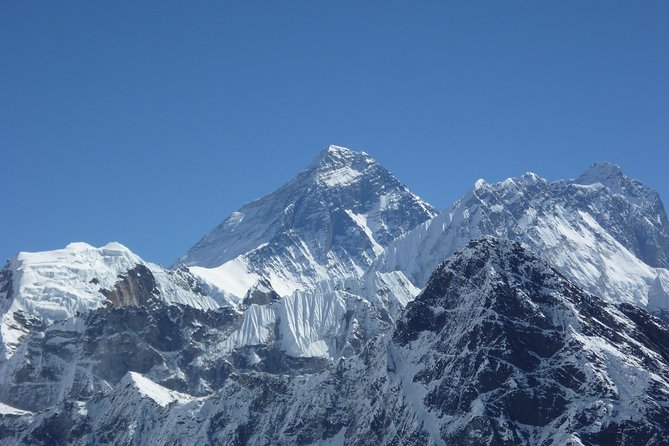
This adventure begins in Kathmandu, with the meeting point in Thamel (Kathmandu 44600). The practical win here is that Thamel is easy to access, so you’re not relying on awkward timing to meet your group. The tour includes airport pickup and drop transfers, which matters in Nepal—arrive tired, get transferred, and you can focus on sleep.
Day 1 is straightforward: you arrive in Kathmandu and get taken to your hotel. Then you’re left with evening free time to explore on your own. Meals in Kathmandu aren’t included, so plan to budget for dinner out (and remember that after travel, you’ll want food that sits well).
The bigger setup is what comes next: the trek portion is designed around a point-to-point route and includes an internal flight to get you into the higher-start area without wasting days on long road travel. If you hate transit days, this is built to help. If you love slow travel and don’t mind extra time, you might wish it were more gradual—but for most people aiming at Everest Base Camp, time-saving is a gift.
Kathmandu hotels and trek guest houses: comfort you can count on
I like that the schedule gives you 3 nights centrally located hotels in Kathmandu with breakfast. That’s not a luxury add-on; it’s recovery. Kathmandu nights let you adjust to Nepal time, eat properly, and handle any last-minute gear issues.
Then you switch to the mountains with 12 nights in guest-house accommodation. Guest houses in the Everest region are simple, usually warm at night only if the common areas are heated, and you’ll get basic meals and beds. The advantage is you’re not managing a tent, sleeping system, or cooking setup yourself. Also, guest houses help you maintain a daily rhythm: walk, eat, rest, repeat.
What you should be prepared for is that guest-house comfort can vary by location and season. The tour includes lodges/guest-house stays during the trek, but it doesn’t include a sleeping bag or trekking clothing. That’s important: if you rely on a hired sleeping bag, or you’re underpacked for cold nights, your sleep will suffer—and sleep is oxygen, at altitude.
Namche Bazaar and Tengboche: Sherpa culture with mountain drama
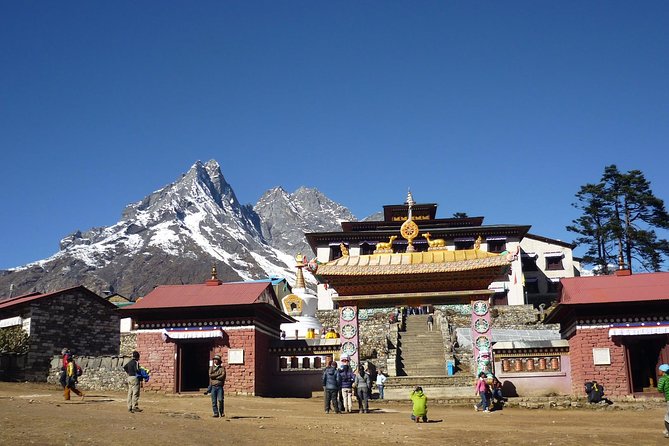
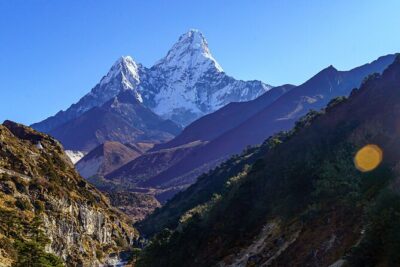
The route highlights place you right in the Sherpa heartland. Two names are specifically called out: Namche Bazaar and the Tengboche area, including the Hilltop monastery at Tengboche. This matters because Everest trekking isn’t only about altitude. It’s also about living culture: monastery life, village routines, and the community networks that keep trekkers moving.
Tengboche in particular is known for monastery views and the feeling that you’re watching a long-standing spiritual routine set against the highest terrain on Earth. You’ll be in settings with golden-roofed monasteries, stone-walled terraces, and villages where daily life has been shaped by the mountains for generations. Even if you’re not religious, monastery stops give you a chance to slow down and look at the landscape through local eyes.
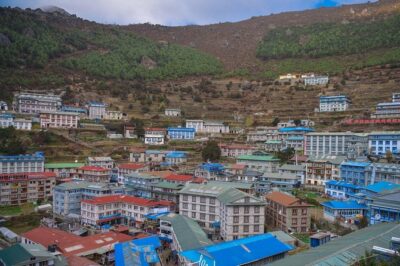
Namche Bazaar brings a different energy: it’s a bigger hub than many smaller settlements, so you’ll likely feel the mix of local commerce and trekking life. You get the sense of a place built to support movement between high-altitude seasons.
The trade-off is that these popular stops can feel busy compared with quieter trail stretches. If you crave peace and solitude, you’ll have plenty of that between villages. If you want some “base of operations” energy—shops, viewpoints, and community—you’ll get it here.
Kala Patthar at about 5545 m: the high point moment
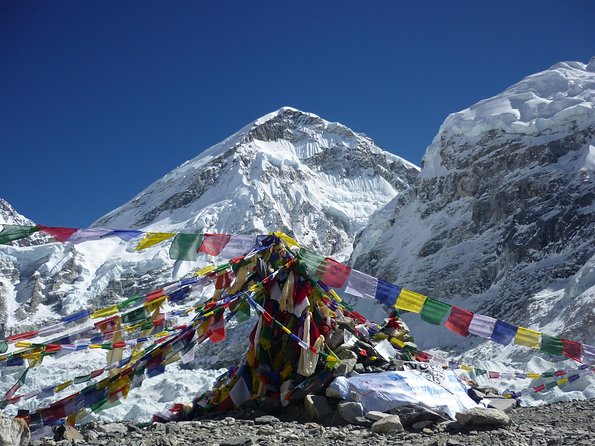
Kala Patthar is the standout altitude goal listed for this itinerary, with a maximum elevation of about 5545 m. This is a big deal in a way that’s easy to underestimate from sea level. Even when you’re walking at a steady pace, altitude changes how your body works: breathing feels heavier, legs can feel oddly slow, and sleep quality during the climb can affect your next day.
So plan for effort management. This kind of trek typically rewards consistency more than speed. If your goal is Everest Base Camp itself, Kala Patthar is the moment when the mountain view often feels most dramatic—because you’re higher and the angles can be better.
A key reality: the tour is already capped at 5545 m, so you’re not signing up for the technical or summit push of Everest itself. Still, the altitude is high enough that you should treat the climb seriously. If you have lung problems, or you get breathless easily on normal hikes, that’s a stop-sign category for this kind of itinerary.
You’ll also likely want to budget your energy for the day. A “viewpoint day” can still feel like a mini-expedition, especially if cloud cover rolls in. The tour requires good weather, so your exact success on the top day depends on conditions.


The Everest Base Camp days: what you’re actually walking through
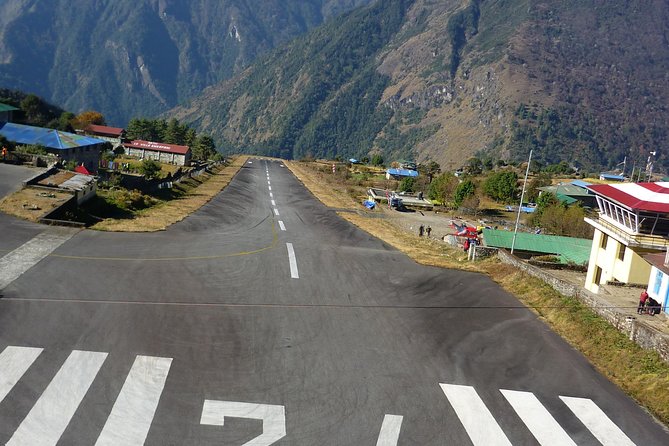
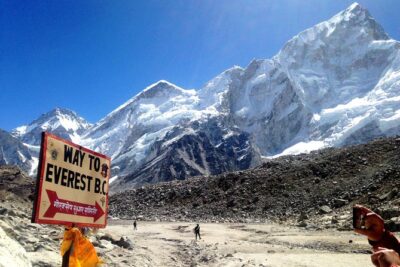
The name says it all: you’re trekking to Everest Base Camp. But the value isn’t just reaching a famous endpoint. It’s the sequence of village-to-village movement and the way the region changes as you gain elevation.
From what’s included, you’ll be doing about 13 days of point-to-point walking, supported by a dedicated guide and porters. Point to point matters because it keeps your hiking days feeling like they’re part of a story, not like you’re constantly turning around and repeating terrain.
Along the way, you’ll pass through areas that feature stone-walled fields and ancient village homes, with the constant presence of yak and wild animals mentioned as part of the region’s life. That combination—human settlement, farming terraces, and high-altitude animals—gives the trek a grounded feel. It’s not just “mountains in the distance.” You’re moving through real places where people live with the mountain.
As you get higher, the big practical change is how much your day revolves around eating and hydration. The trek includes breakfast, lunch, and dinner during the treks, which is a major help at altitude. Meals in Kathmandu aren’t included, but once the trek starts, you’re not managing food logistics. That reduces stress, and stress matters when your body is already working hard.
One caution: mineral water is listed as not included. That means you’ll need a plan for how you’ll handle water purchases during the trek. Running out of water (or guessing wrong on costs) can turn a hard day into a stressful one.
Guide and porter support: where the experience usually makes or breaks
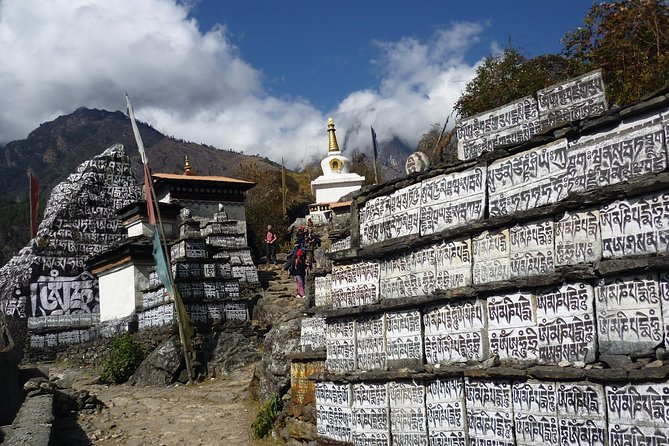
A great Everest trek isn’t just about the route. It’s about who carries the load when you’re tired, and who keeps you calm when altitude makes everything feel more difficult.
This itinerary includes a dedicated guide and porters, plus staff insurance. In plain terms: you get real human support, not just a GPS route. That support includes logistics planning, pace management, and morale. The names that came up strongly include Dawa and Chiring, who were praised for making the experience smooth and for being the kind of people you’re glad you ended up with. Other team members highlighted include Raju, Tej, Budhi, and Ardash for care, friendliness, and making people feel safe and welcome right from day one.
If you’re wondering what “safety” means in the Everest region, it’s usually about more than emergencies. It’s also knowing where you should be in the day, how to handle weather changes, what to prioritize on a tough climb, and when to push and when to slow down. A good guide helps you keep moving without turning the trek into a competition.
Porters are also a big deal here because the trek includes full porterage. That’s valuable not only for comfort, but also because it helps you preserve leg energy for high-altitude walking. When your shoulders aren’t carrying a heavy pack, you can focus on consistent steps and breathing.
Price and logistics: does $1,794.88 feel fair
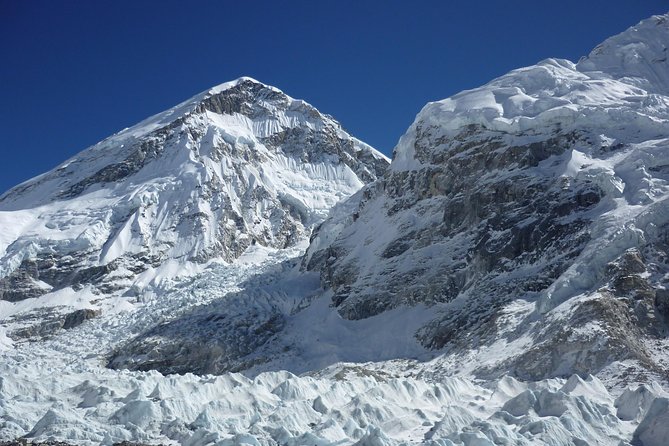
At $1,794.88 per person, this is a serious budget item. The question isn’t whether it’s “cheap.” It’s whether the included support makes it worth it for your situation.
Here’s what you’re getting that often costs real money if you DIY:
- Airport pickup and drop transfers
- A dedicated guide and porters
- Internal flight as part of the plan
- Kathmandu hotel nights (3 nights) with breakfast
- Guest-house accommodation for the trek (12 nights)
- All airport and trek meals included during the trekking days (breakfast, lunch, dinner)
- Staff insurance
- A mobile ticket and group discounts (when applicable)
- The fact that it’s private, meaning only your group participates
What’s not included is equally important for value:
- Meals in Kathmandu
- Personal insurance
- Clothing and a sleeping bag
- Tips
- Mineral water
So, if you already own appropriate layers and a sleeping bag, and you’ve budgeted your personal insurance and tips, this price can look like good value because it packages the big, costly logistics. If you need to rent or buy gear in Nepal, or you don’t have personal insurance yet, the true cost climbs.
Also consider this: altitude trekking is not the place to cut corners on support. A guide, porters, and a well-run itinerary usually cost more than you think until you’re already exhausted and trying to manage everything alone.
What to pack for this Everest Base Camp plan
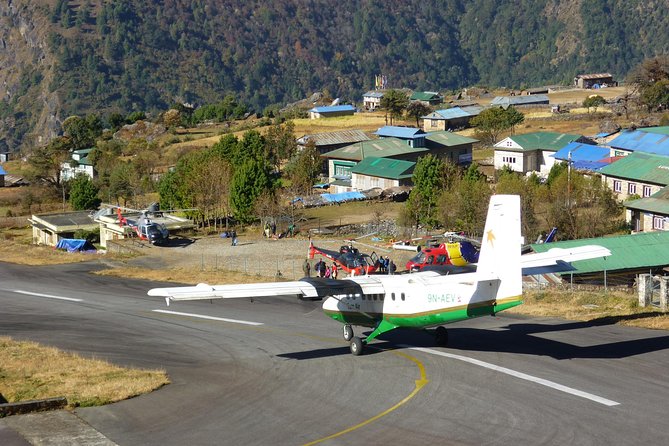
The tour info is blunt about what you’ll need to bring: clothing and a sleeping bag are not included. That’s smart from a provider standpoint and also your responsibility.
I’d treat packing like this:
- Warm layers for cold mornings and evenings (especially at high altitude)
- A sleeping bag or suitable cold-weather sleeping setup
- Basics for personal care and comfort
- A plan for mineral water purchases (since it’s not included)
If you show up underprepared, you’ll feel it most at night. Bad sleep can wreck your next day’s pace, and altitude trekking already asks a lot from your breathing.
Also, tips are not included. If you’re unsure how much to plan, set aside a realistic amount. Supporting staff at the end of the trek is part of how the local economy around guiding and portering works.
Who this trek suits best
This trek is built for people with strong physical fitness. It’s also explicit that the altitude is high and that people with lungs problems should avoid or at least get medical advice first.
If you want:
- A guided, supported Everest Base Camp trek
- Full porterage
- A mix of Kathmandu comfort and guest-house authenticity
- A route that doesn’t require you to manage every transit and meal step
…then this tour can be a great fit.
If you’re looking for total independence, or you want to carry everything yourself to feel more in control, this setup may feel too supported. That’s not bad. It just changes the vibe.
And if your idea of a mountain trip is all about slow walking and long stops, you might find some days more structured than you’d like. The point-to-point design keeps the trip moving, which is usually what most people want.
Should you book this Everest Base Camp trek with Kailash Himalaya Trek?
I’d book if you want a well-organized, supported trek where your body is the main project, not the logistics. The combination of full porterage, a dedicated guide, included trek meals, and real Sherpa-area stops like Namche Bazaar and Tengboche is a strong package for the price.
Skip booking (or at least pause and get advice) if altitude risk is already a concern for you. Maximum altitude around 5545 m, plus the note about lungs problems, is your key warning label. This is a serious trek even without a summit attempt.
Also check that you’re ready to bring your own sleeping bag and cold-weather clothing, and that you’ve budgeted Kathmandu meals, personal insurance, tips, and mineral water. If those match your plan, the structure is solid and the staff support feels like the real value.
FAQ
Where is the meeting point for this Everest Base Camp trek?
The trek starts at Thamel, Kathmandu 44600, Nepal. The experience ends back at the meeting point.
How long is the trek and how many days are walking?
The full experience is about 16 days. The trekking portion is described as 13 days point to point walking.
What is the maximum altitude on this itinerary?
The maximum altitude listed is about 5545 m (Kala Patthar).
Does the tour include airport transfers and an internal flight?
Yes. The package includes all airport transfers and an internal flight, along with other trek logistics.
Are meals included during the trekking days?
Yes. The tour includes breakfast, lunch, and dinner during the treks.
Are meals included in Kathmandu?
No. Meals in Kathmandu are not included.
What accommodation do I stay in during the trek?
You’ll have 3 nights in centrally located Kathmandu hotels with breakfast, and then 12 nights in guest houses during the trek.
Is porterage included?
Yes. The itinerary includes full porterage.
Do I need to bring my own sleeping bag?
Yes. A sleeping bag is not included, along with clothing.
What happens if weather is bad, and how does cancellation work?
The experience requires good weather. If it’s canceled due to poor weather, you’ll be offered a different date or a full refund. Cancellation is free up to 24 hours in advance for a full refund.
More Trekking Out of Kathmandu






More Tour Reviews in Kathmandu




Just Reviewed in Kathmandu
- Mountain Bike Tour
★ 5.0 · 3 reviews - Annapurna Panaroma
★ 5.0 · 3 reviews - Mount Everest Scenic Flight 50 Minutes
★ 5.0 · 3 reviews - Kathmandu : Swambhunath & Durbar Square Guided Half Day Tour
★ 3.3 · 3 reviews - Chandragiri Cable Car & Monkey Temple Tour – Private/Group
★ 5.0 · 3 reviews - Kathmandu: Shivapuri National Park Hiking Day Trip
★ 3.3 · 3 reviews
Everest Base Camp Treks, compared.
 ★ 5.0Everest Base Camp Trek – 14 DaysFrom $1,8001,499 reviews
 ★ 5.0Everest Base Camp TrekFrom $1,790842 reviews
 ★ 5.0Everest Base Camp TrekkingFrom $1,350485 reviews
 ★ 5.0Everest Base Camp Trekking – 13 DayFrom $1,399365 reviews
★ 5.0Everest Base Camp TrekFrom $1,445350 reviews
★ 5.0Everest Base Camp Trek -14 DaysFrom $1,420321 reviews
 ★ 5.012 Days Everest Base Camp TrekFrom $1,099289 reviews
 ★ 5.0Everest Base Camp Trekking – 2025/2026From $1,339199 reviews
Browse the lists this tour appears in