
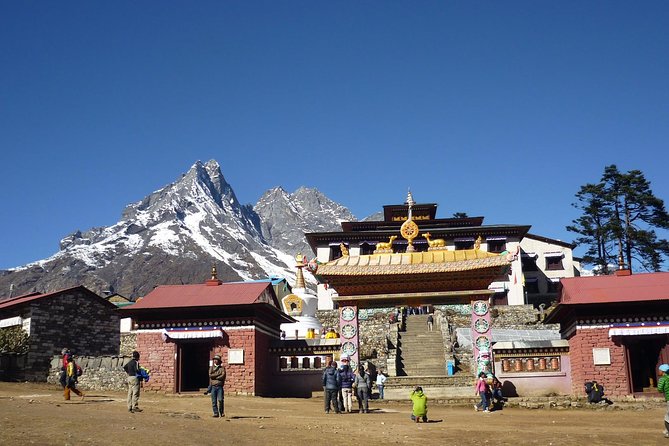
Review · EVEREST BASE CAMP TREKS
Everest Base Camp Trek 16 Days
Everest starts with careful logistics and big mountain moments. I love that this trek is run as a private experience, so your days feel personal and your pace can stay steady, and I also love the trek’s focus on the Dudh Koshi valley and rhododendron trails before you move into the ice-studded Everest area. One consideration: lunch and dinner aren’t included, so you’ll want to budget for meals along the way.
You begin in Kathmandu, with pickup and private transportation to help you get on track without extra hassle. The trek runs about 15 days total (with roughly 14 days of walking), and it’s aimed at travelers with moderate physical fitness.
As you climb, you’ll get close to the big glacial scenery—ice sheets, icefalls, and heavy cascades in the Everest region. The practical catch is that the whole plan depends on good weather, so you should be ready for date changes if conditions don’t cooperate.
In This Review
- Key highlights before you commit
- What this Everest Base Camp trek is really like
- Kathmandu start: the part most people forget
- Getting onto the trekking rhythm
- Dudh Koshi days: rhododendron color and real river energy
- When the Everest region shifts into icefall country
- Everest Base Camp: the view you came for
- Guides and porters: what the best teams actually do
- Price and value: is $1,538.47 a smart deal?
- Practical planning: what to watch so the trek stays enjoyable
- Who this trek fits best
- Should you book this Everest Base Camp trek?
- FAQ
- How many days is the Everest Base Camp trek?
- Where does the trek take place?
- Is pickup included?
- Is this a private tour or shared group?
- What fitness level do I need?
- Are lunch and dinner included?
- Do I get confirmation after booking?
- What if weather is bad?
- Can I cancel for a full refund?
Key highlights before you commit
- Private group travel: only your group participates, which keeps the experience flexible and less chaotic.
- Strong local team support: the operation is known for hands-on coordination led by Mr. Mani, plus guides like Binod who bring helpful pace and English.
- Dudh Koshi river days: you’ll walk along the banks of the Dudh Koshi, including sections with rhododendron blooms.
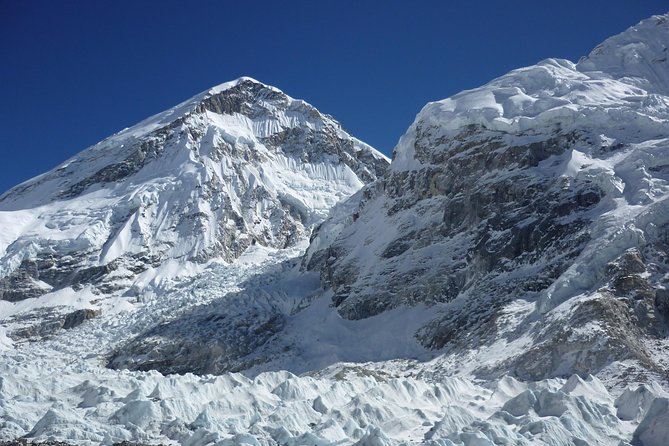
- Icefall-and-glacier scenery near Everest: you’ll see ice sheets, icefalls, and waterfall-like cascades as you get into the Everest zone.
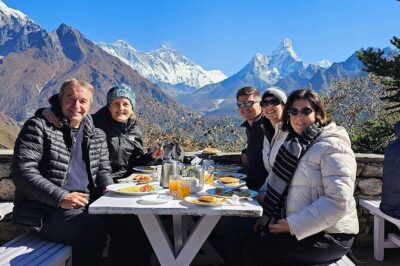
- View payoff with multiple peaks: Everest is the headline, but you also look for Lhotse, Nuptse, Pumori, Ama Dablam, Thamserku, and Kusum Kanguru.
- Budget planning matters: the trek price includes private transportation, but lunch and dinner are not included.
More trails out of Kathmandu, boots ready
- Everest Base Camp Trek – 14 Days★ 5.0 · 1,499 reviews
- Everest Base Camp Trek★ 5.0 · 842 reviews
- Everest Base Camp Trekking★ 5.0 · 485 reviews
- Nagarkot Sunrise View and Day Hiking from Kathmandu★ 5.0 · 471 reviews
What this Everest Base Camp trek is really like
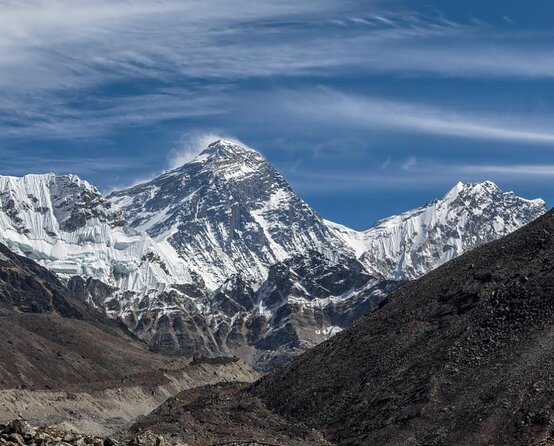
The Everest Base Camp trek is often described like a bucket-list hike. This one leans a bit more practical: it’s pitched as a moderate trek, with about 14 days of walking in the Everest region. That matters, because a moderate plan can still be tough at altitude—but you’re not signing up for an ultra-racing route.
What makes this particular route feel special is the sequence. You start with river-valley walking along the Dudh Koshi, with rhododendron blooms adding color when the season lines up. Then you gradually work your way toward the higher, colder, more dramatic scenery where glaciers and icefalls start to dominate what you see every day.
If you like your travel to feel grounded—clear days, earned views, steady mornings—this is the kind of trek that fits. And if you’re hoping for pure comfort all the way, you’ll want to set expectations early. Even when the trek is classed as moderate, the Everest region is still high-altitude trekking country.
Kathmandu start: the part most people forget
Kathmandu isn’t just a dot on the map. It’s where your trek either stays smooth—or turns into stress.
Here’s what you can count on from the basics: you’re in Kathmandu, and the experience includes pickup offered plus private transportation. That reduces the time-wasting, last-minute scrambling that can hit right before a trek.
It also helps that the company’s team is described as organized around real arrival needs. In guest feedback, Mr. Mani’s team is credited with practical support, including a warm welcome and help with buying or renting needed supplies. You might still do your own research for gear, but having local assistance can save time and avoid the wrong packing choices.
One more thing I’d take seriously: altitude treks start with your mindset. The first days in Kathmandu are where you get your body ready—hydration habits, sleep routine, and a calm plan for the big climb ahead. Even a “simple” checklist—water, warm layers, and the right documents—can make the trek feel lighter once you’re moving.
Getting onto the trekking rhythm
The trek is described as moderate and built around about 14 days of walking in the Everest region. That means your success depends on consistency more than heroics.
I like routes like this because they encourage a slow, predictable pattern: walk, rest, and adjust. When you’re heading toward Everest Base Camp, going too fast is a common mistake. A good guide team doesn’t just care about speed; they care about how your breathing and energy hold up day after day.
You’ll also notice how much the mountain scenery “steps up” as you gain altitude. Even before you reach the icefall zones, your surroundings shift from valley trekking to high, stark views. You don’t need to force it. The scenery change helps you understand why the pace matters.
Also, this is a private tour/activity, meaning only your group participates. That can help if you want a calmer rhythm—less waiting for other people, fewer stop-and-go interruptions, and more time to ask questions.
Dudh Koshi days: rhododendron color and real river energy
One of the most specific, and frankly most appealing, parts of the description is walking along the banks of the Dudh Koshi River. That valley is where the trek feels alive in a way people often don’t expect from a trek to Everest.
You’ll walk on trails described as brimming with rhododendron blooms. Depending on the season, that can turn everyday footpaths into a colorful experience, not just a long climb.
Why I’d call this more than a pretty detail: river-valley walking is often where you build your trekking legs. It’s the part of the journey where a good pace strategy pays off. If you start strong and realistic here—steady steps, enough water, and keeping your breathing controlled—you’ll arrive at the higher parts less wrecked.
Drawback to plan around: these valley sections are still part of a high-altitude region, and conditions can change quickly. Even if the trekking effort feels moderate, you’ll be carrying on a schedule your body may not be used to yet. Layers matter, and so does staying hydrated.
When the Everest region shifts into icefall country
As the trek progresses, the scenery becomes more severe. The description calls out ice sheets, icefalls, and falling cascades in the area of Everest. That’s the part that feels almost unreal if you’re used to trekking in mountains with fewer glaciers.
Practically, this is where conditions can feel colder, windier, and more exposed. You’ll want to stay alert on footing and treat every shift in weather seriously. Even if you’re not a technical climber, icefall country is still a reminder that nature here runs on different rules than lower trails.
This is also the zone where your mental expectation changes. At first, you’re thinking about distance. Later, you’re thinking about the weather window and whether visibility will be good enough for strong views. A clear morning can make the whole day feel worth it, and a flat, cloudy day can make you rely more on your guide’s experience and pacing strategy.
If you come hoping for constant panoramic spectacle, understand that you may also have days where the view is partially hidden. That’s why the trek’s weather dependency matters so much.
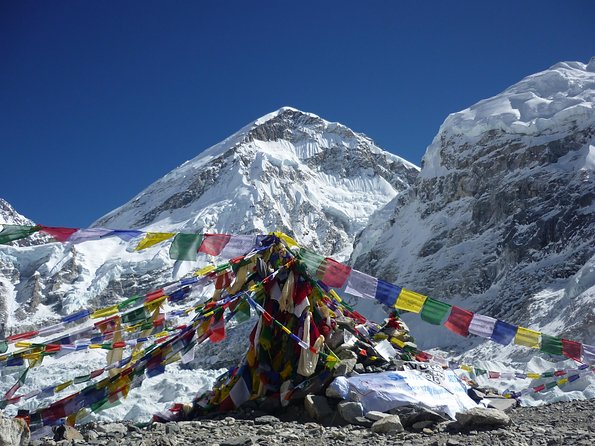
Everest Base Camp: the view you came for
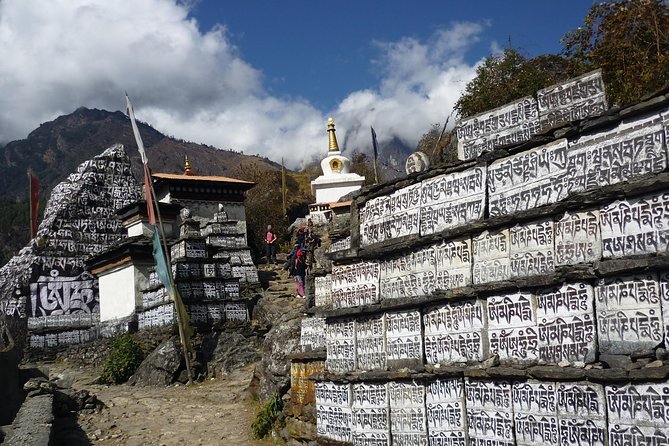
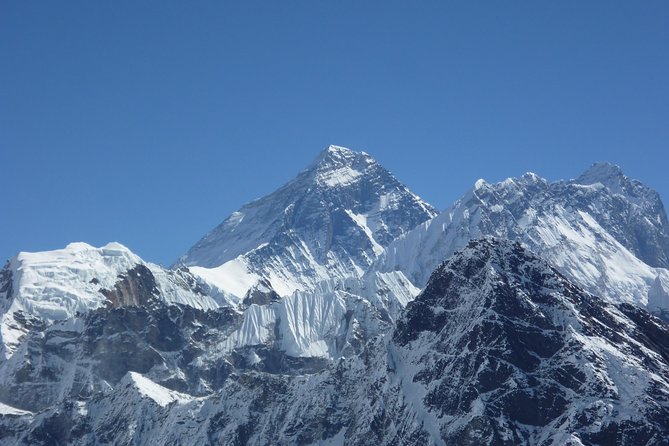
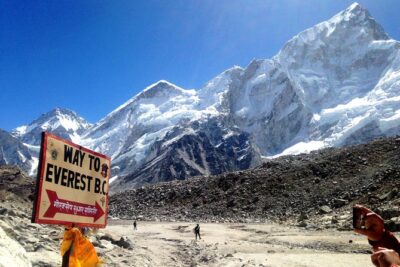
Reaching Everest Base Camp is the headline. And with Everest, the payoff isn’t just one peak. The trekking description lists several big mountains you’ll be looking for in the surrounding area, including:
- Mt. Everest (8,848 m)
- Mt. Lhotse (8,516 m)
- Mt. Nuptse (7,855 m)
- Mt. Pumori (7,161 m)
- Mt. Ama Dablam (6,856 m)
- Mt. Thamserku (6,723 m)
- Mt. Kusum Kanguru (6,367 m)
That variety matters because it can turn base camp from a single moment into a whole panorama. On clear days, you don’t just see Everest—you connect it to a whole skyline of giants.
One more practical thought: the base camp experience can feel emotional, especially if it’s your first big trek. If you’re the type who wants time to just sit, photograph, and breathe it in, a private group setup can help. You won’t be pushed along by a large shared crowd.
Also, I’d keep your expectations grounded: high-altitude trekking is not only about reaching a point. It’s about arriving with energy left to enjoy it. The best treks are the ones where you don’t feel completely spent when you get there.
Guides and porters: what the best teams actually do
The trekking team is a huge part of what determines your comfort and safety. In the feedback, guide Binod stands out for being helpful, with good English and a pacing style described as steady. There’s also credit for recommendations—like good huts for overnight stays and decent food choices.
That kind of guidance can be underrated if you’re only focused on photos. But on a trek, good recommendations reduce risk and stress. A guide who understands the rhythm of the route helps you avoid pushing too hard early. And when you’re tired, being pointed toward reliable meals and overnight options can make the day feel simpler.
Then there’s the company leadership. Mr. Mani is repeatedly named for organization and care—supporting the trip from welcome through the overall experience. When leadership is hands-on, you tend to get fewer loose ends: clearer answers, better coordination, and less scramble when questions pop up.
One caution: not every trek needs the same style of guide. If you prefer lots of history talks, you’ll want to ask what kind of guiding approach the team uses. If you prefer quiet, focused pacing, that’s also a valid preference. The private setup makes it easier to match expectations.
Price and value: is $1,538.47 a smart deal?
At $1,538.47 per person, this is positioned as a mid-range to premium trek package, mainly because it’s structured as a private experience and includes private transportation.
Here’s how I’d evaluate the value without guessing:
- The listed included item is private transportation.
- Lunch and dinner are not included.
That means your real “all-in” cost depends on what you add for meals (and any other trekking-related items that aren’t specified in the basic inclusions). The good news is that many people choose trek packages for the coordination and team support, not just the physical act of hiking.
So the value question becomes: does this package reduce your planning load enough to justify the price? Based on the consistent praise for organization and team support, the answer is often yes. People credit the guides and porters and the way the company handles details so the trek stays on track.
My practical advice: before paying, get a clear written breakdown of what’s included beyond private transport—especially what’s covered for trekking support, and how meals are handled day to day. With Everest Base Camp treks, small differences in inclusions can change the final budget a lot.
Practical planning: what to watch so the trek stays enjoyable
Even when the trek is moderate, Everest region trekking has a few predictable pressure points.
Altitude is the big one. You’re moving through thin air, and symptoms can appear even if you’re in decent shape. The safest approach is to follow your guide’s pace and take rest seriously, not just when you’re exhausted, but when you feel slightly off.
Weather can make or break visibility. Since the experience requires good weather, plan to be flexible. If conditions don’t cooperate, the trek may be moved or refunded per the operator’s policy.
Meals affect your day-to-day comfort. Because lunch and dinner aren’t included, don’t wait until you’re hungry to figure out your options. Bring cash (or whatever method you use) and accept that you might need to choose from what’s available in the places you pass through.
Private group travel is a double-edged sword. It’s great for pacing and calm. The trade-off is that you and your group own the shared decision-making—so it helps if everyone agrees on pace, rest style, and how you handle weather changes.
Who this trek fits best
This trek fits best if you want:
- A moderate level trekking plan with about 14 walking days
- The Everest Base Camp goal with serious glacier scenery on the way
- A calmer, private group experience
- A team that focuses on coordination and steady pacing (including guides like Binod, plus leadership support around Mr. Mani)
It’s also a good match for your first major Himalayan trek—if you can handle long days and altitude reality. If you’re expecting luxury or fully catered meals as part of the package, you may feel the gap fast because lunch and dinner aren’t included.
Should you book this Everest Base Camp trek?
If your priority is reaching Everest Base Camp with a well-run, private experience and you’re comfortable planning around meals, this is a strong choice. The route’s focus on Dudh Koshi valley walking, rhododendron-season scenery, and the icefall-to-base-camp transition is exactly what makes Everest feel real instead of just symbolic.
Before you book, do two sanity checks: confirm what your meals coverage looks like beyond the stated lunch and dinner exclusion, and align on what your final weather contingency looks like. If you’re good with that, you’ll likely love the mix of steady trekking days and the unforgettable payoff of seeing Everest and its neighboring giants from close up.
FAQ
How many days is the Everest Base Camp trek?
It’s listed as 15 days approximately, with about 14 days of trekking in the Everest region.
Where does the trek take place?
The experience is based in Kathmandu, Nepal.
Is pickup included?
Yes. Pickup is offered, and private transportation is included.
Is this a private tour or shared group?
This is a private tour/activity. Only your group will participate.
What fitness level do I need?
Travelers should have a moderate physical fitness level.
Are lunch and dinner included?
No. Dinner and lunch are not included.
Do I get confirmation after booking?
Yes. Confirmation will be received at the time of booking.
What if weather is bad?
The experience requires good weather. If it’s canceled due to poor weather, you’ll be offered a different date or a full refund.
Can I cancel for a full refund?
Yes. Free cancellation is available, and you can cancel up to 24 hours in advance for a full refund.
More Trekking Out of Kathmandu
More Tour Reviews in Kathmandu
Just Reviewed in Kathmandu
- Mountain Bike Tour
★ 5.0 · 3 reviews - Annapurna Panaroma
★ 5.0 · 3 reviews - Mount Everest Scenic Flight 50 Minutes
★ 5.0 · 3 reviews - Kathmandu : Swambhunath & Durbar Square Guided Half Day Tour
★ 3.3 · 3 reviews - Chandragiri Cable Car & Monkey Temple Tour – Private/Group
★ 5.0 · 3 reviews - Kathmandu: Shivapuri National Park Hiking Day Trip
★ 3.3 · 3 reviews
Everest Base Camp Treks, compared.
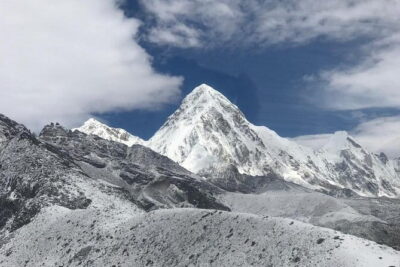 ★ 5.0Everest Base Camp Trek – 14 DaysFrom $1,8001,499 reviews
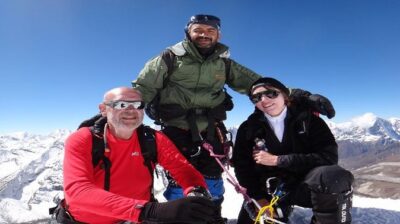 ★ 5.0Everest Base Camp TrekFrom $1,790842 reviews
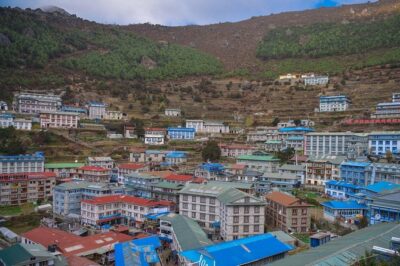 ★ 5.0Everest Base Camp TrekkingFrom $1,350485 reviews
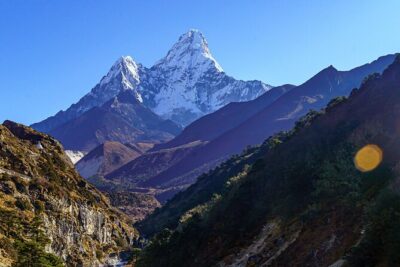 ★ 5.0Everest Base Camp Trekking – 13 DayFrom $1,399365 reviews
★ 5.0Everest Base Camp TrekFrom $1,445350 reviews
★ 5.0Everest Base Camp Trek -14 DaysFrom $1,420321 reviews
★ 5.0Everest Base Camp Trekking – 13 DayFrom $1,399365 reviews
★ 5.0Everest Base Camp TrekFrom $1,445350 reviews
★ 5.0Everest Base Camp Trek -14 DaysFrom $1,420321 reviews
 ★ 5.012 Days Everest Base Camp TrekFrom $1,099289 reviews
 ★ 5.0Everest Base Camp Trekking – 2025/2026From $1,339199 reviews
Browse the lists this tour appears in